
1. Toasters That Stopped Popping
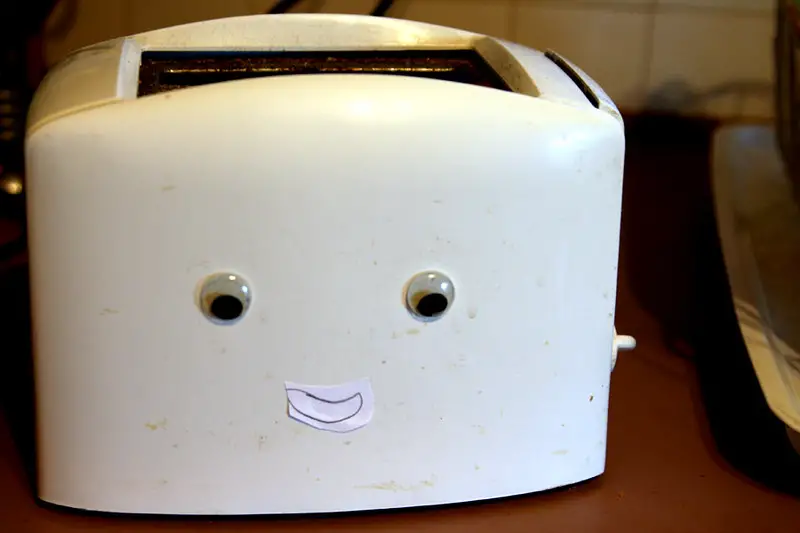
When a toaster stopped popping up in the middle of breakfast, people didn’t toss it in the trash. Someone in the house usually flipped it upside down, shook out the crumbs and tried to figure out what went wrong. Sometimes the spring mechanism just needed a little adjustment or the cord had worn out near the plug. Hardware stores even sold replacement cords because fixing appliances was considered completely normal.
It was also common for people to open the bottom panel and clean out years of burned crumbs. That alone could bring an old toaster back to life. Families expected small appliances to last for years, sometimes decades. If it could be fixed with a screwdriver and a little patience, it was worth the effort.
2. Wobbly Kitchen Chairs

A loose kitchen chair didn’t mean a trip to the furniture store. Most people simply turned the chair upside down and tightened the joints. Wood glue was often used to secure legs that had started to wiggle after years of use. Sometimes clamps or even heavy books held the chair in place while the glue dried.
Many families had chairs that were repaired several times over the years. Scratches, glue marks and small repairs became part of the chair’s history. The goal wasn’t perfection, it was keeping something useful going. A chair that survived years of dinners and homework sessions was worth saving.
3. Lamps With Frayed Cords

When a lamp cord started to fray, people didn’t immediately throw the lamp away. Instead they replaced the cord or the plug, which was a common household fix. Hardware stores sold lamp repair kits that made the job fairly simple. Anyone with basic tools could strip the wire and attach a new plug.
It was a practical skill many adults learned early. Lamps themselves were often well made and worth keeping. Rather than discarding a perfectly good lamp, replacing the wiring gave it a second life. Plenty of lamps stayed in homes for decades because of these small repairs.
4. Leaky Faucets

The slow drip of a kitchen faucet used to be a signal to grab a wrench, not call a plumber. Many people learned how to replace the small rubber washers inside the faucet that caused the leak. Hardware stores sold inexpensive washer kits specifically for this job. Once the worn washer was swapped out, the dripping usually stopped.
It was considered a basic household fix that saved money and water. Parents often showed their kids how to do it so they could handle the problem later themselves. The whole repair might take only fifteen minutes. Throwing away the faucet would have seemed wasteful.
5. Torn Clothing
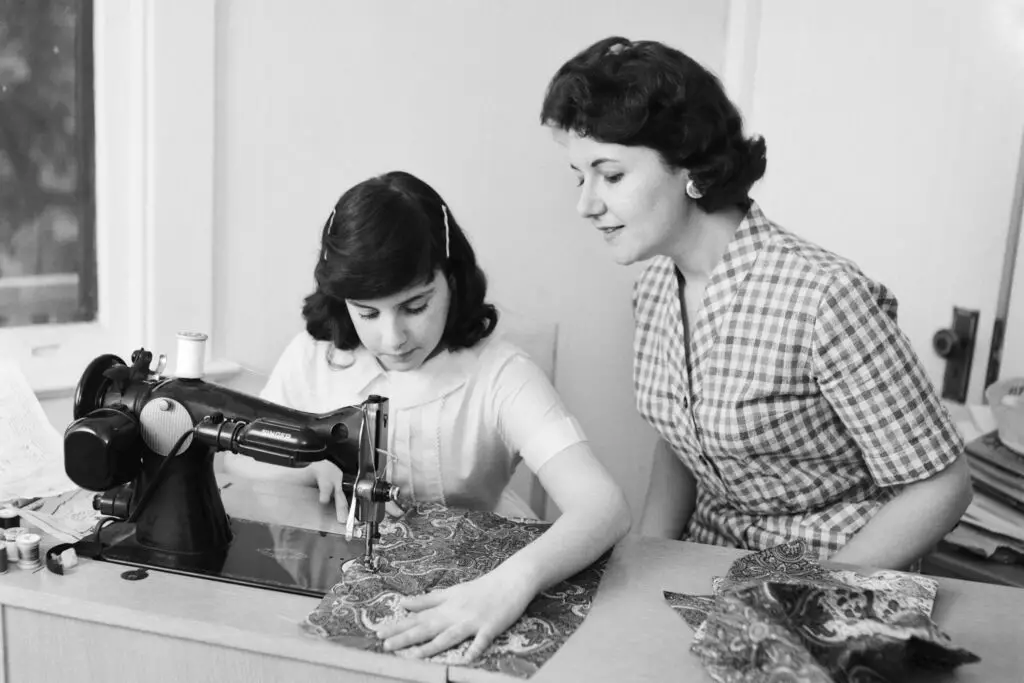
Clothes used to be repaired so often that many households kept sewing kits in easy reach. A ripped seam or missing button didn’t mean a shirt was finished. Someone would sit down with a needle and thread and fix it in a few minutes. Even worn knees in children’s pants were patched instead of discarded.
Mothers and grandmothers often taught basic sewing skills at home. Those quick fixes kept clothes in rotation far longer than they would last today. You might see patches, careful stitching or reinforced seams on favorite pieces. The idea was simple, if it still worked, keep wearing it.
6. Bicycles With Flat Tires

A flat bike tire was practically a childhood rite of passage. Instead of replacing the tire or bike, kids learned how to patch the inner tube. A small repair kit with rubber patches and glue could fix the problem quickly. Many garages had one tucked in a drawer.
The process involved finding the tiny hole, roughing up the rubber and sealing it with a patch. After that, the tube went back into the tire and the bike was ready again. It was messy but satisfying work. For many kids it was their first experience fixing something themselves.
7. Televisions With Picture Problems

When televisions started flickering or losing sound, people didn’t immediately buy a new one. In many neighborhoods there was a local TV repair shop that handled these issues. Technicians replaced tubes, adjusted wiring or swapped small components. Some families even tried basic fixes themselves before calling for help.
These repairs made sense because televisions were expensive investments. A good repair could add several more years to a set’s life. Repairmen often made house calls and carried boxes of replacement parts. The idea of replacing a television every few years would have seemed unbelievable.
8. Scratched Wooden Tables

Dining tables collected scratches from years of family meals, homework and holiday gatherings. Instead of throwing them out, people refinished them. Light sanding and a fresh coat of stain could make an old table look nearly new again. Furniture polish and repair markers also helped hide smaller scratches.
Some families even made refinishing a weekend project. Layers of old varnish were stripped away to reveal the original wood underneath. After sanding and staining, the table often looked better than before. It was a way to restore something that already held years of memories.
9. Broken Eyeglasses
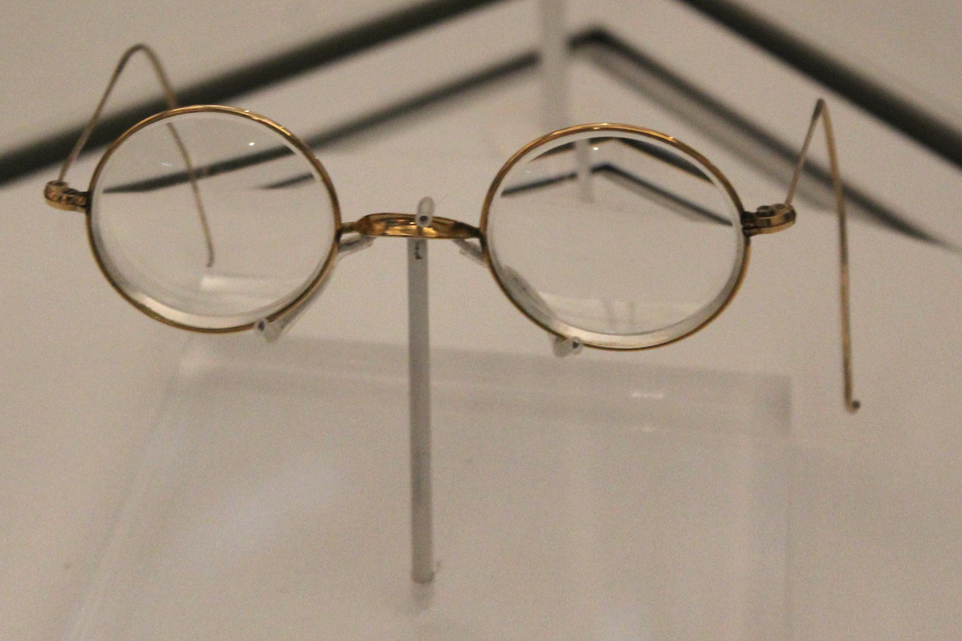
When eyeglasses snapped or lost a screw, people usually fixed them rather than replacing the entire pair. Small eyeglass repair kits included tiny screwdrivers and replacement screws. Opticians also handled quick adjustments and repairs. Many glasses frames lasted years with occasional maintenance.
Sometimes a bit of tape held things together until a proper repair could be done. It wasn’t elegant, but it worked. Frames were often more durable than modern styles and worth fixing. Keeping the same pair for a long time was perfectly normal.
10. Creaky Door Hinges
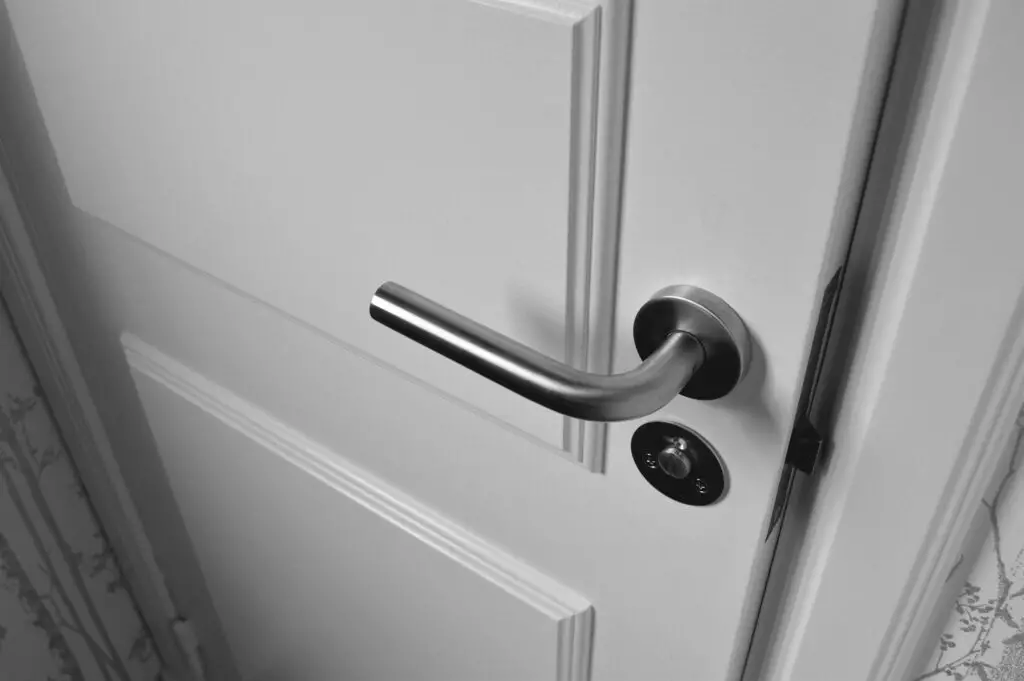
A squeaky door was rarely ignored for long. Most people reached for a little oil or household lubricant to quiet the hinge. A few drops usually solved the problem within seconds. If the hinge itself was loose, tightening the screws fixed that too.
It was a simple repair that kept the house functioning smoothly. People paid attention to these small annoyances and handled them quickly. Doors that had been opened thousands of times just needed a little maintenance. Replacing the door hardware would have been unnecessary.
11. Vacuum Cleaners That Lost Suction
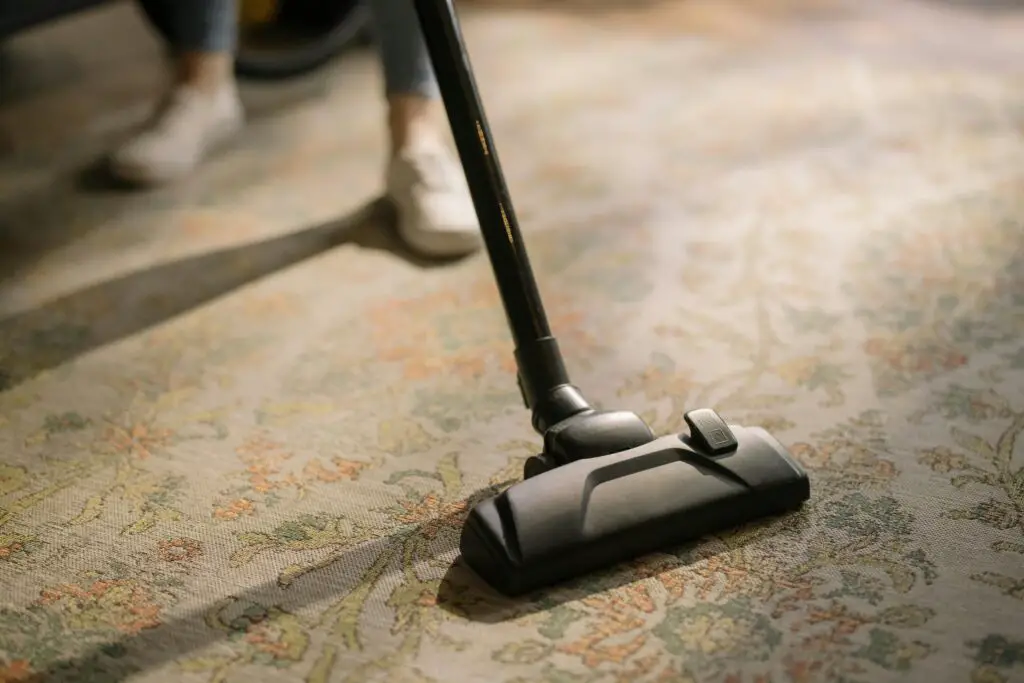
When a vacuum cleaner stopped working well, the first step wasn’t replacing it. People checked the bag, the belt and the hoses. A clogged hose or a stretched belt could easily cause the problem. Replacement belts were inexpensive and widely available.
Changing the belt often brought the vacuum back to full strength. Some households kept spare parts on hand for exactly that reason. Vacuums were built to last, so maintaining them made sense. Many machines stayed in service for years because people kept repairing them.
12. Pots and Pans With Loose Handles
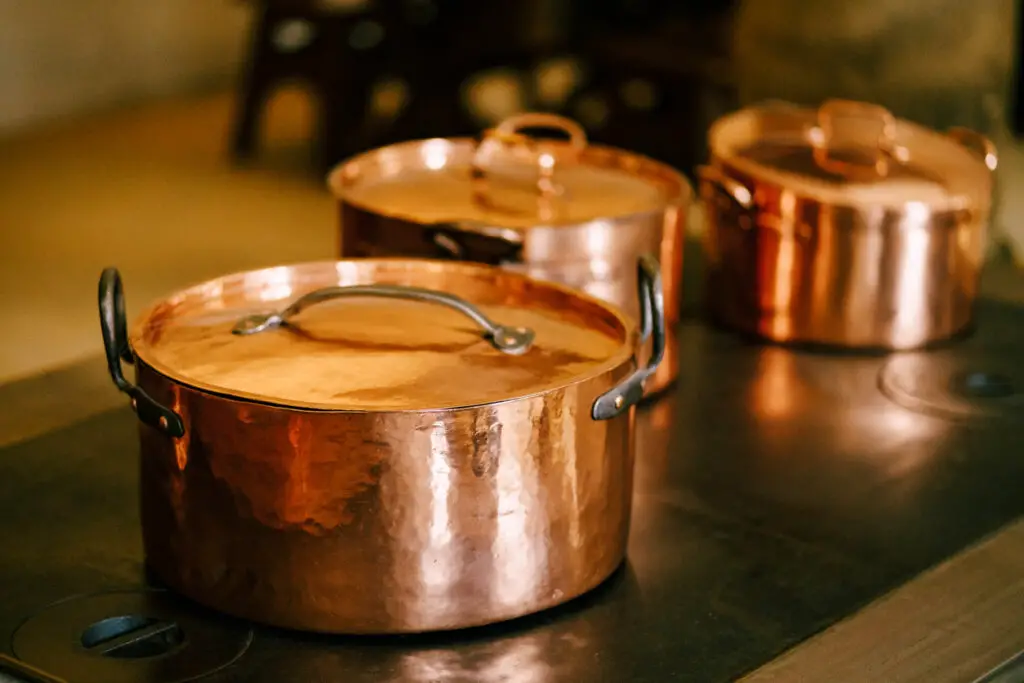
A loose handle on a pot didn’t mean the cookware was finished. Usually it just needed the screws tightened. If the handle itself cracked, some people replaced it with a new one from a hardware store. It was an easy fix that kept the pan usable.
Cookware was often made from sturdy materials that could last decades. Throwing away a pan because of one loose handle felt wasteful. A quick repair put it right back on the stove. In many kitchens those repaired pans stayed in use for years.
13. Radios That Stopped Working
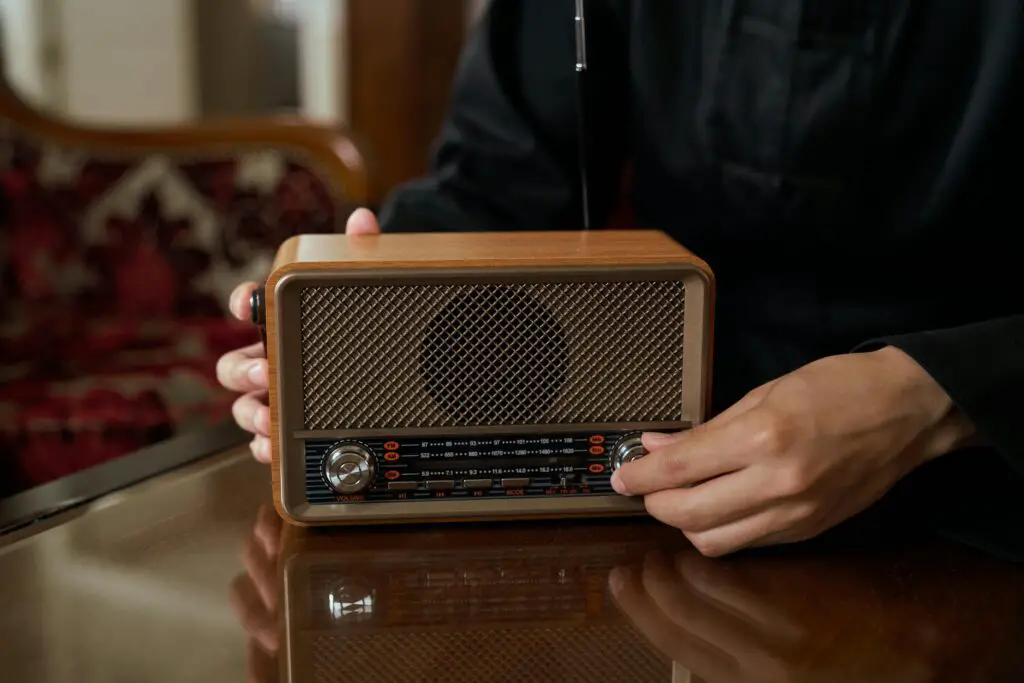
Before modern electronics became disposable, radios were often repaired. People checked the wiring, replaced tubes or had them serviced by a repair technician. Many radios were built with accessible components designed to be replaced. Fixing them was part of normal maintenance.
Families grew attached to their radios, especially ones that had been in the home for years. Whether it played music during dinner or carried news broadcasts, it was part of daily life. Repairing it kept that familiar sound going. Replacing it would have felt like losing something familiar.
14. Shoes With Worn Soles

When the soles of a favorite pair of shoes wore down, people didn’t automatically buy new ones. Instead they took them to a cobbler to be resoled. Shoe repair shops were common in many towns and did steady business. A new sole could make old shoes feel almost brand new.
It was also much cheaper than replacing good leather shoes. Some pairs were repaired multiple times over the years. People expected quality footwear to last with proper care. A quick trip to the cobbler kept them walking for a long time.