
1. Doing the Dishes

Standing at the kitchen sink with a sponge in your hand was often a kid’s first real job. Plates did not scrub themselves, and somebody had to deal with the mess after dinner. Learning to rinse, wash, and dry taught patience and attention to detail. It also showed kids that a meal was not truly finished until everything was clean again.
Over time the chore became faster and easier. Many kids figured out simple systems to get the job done without complaints. Later in life those same habits made cleaning up after parties and family dinners feel normal. A sink full of dishes never looked quite as scary again.
2. Folding Laundry

Laundry day meant facing a warm pile of clothes straight from the dryer. Kids learned quickly that shirts and socks did not magically put themselves away. Figuring out how to match socks and fold towels felt like a small life lesson in organization. It also helped children understand the value of taking care of what they owned.
Neatly folded drawers made mornings easier and less stressful. The chore quietly taught responsibility and routine without feeling like a lecture. As adults, those same kids knew how to keep a closet under control. Clean laundry became a simple, satisfying part of everyday life.
3. Mowing the Lawn
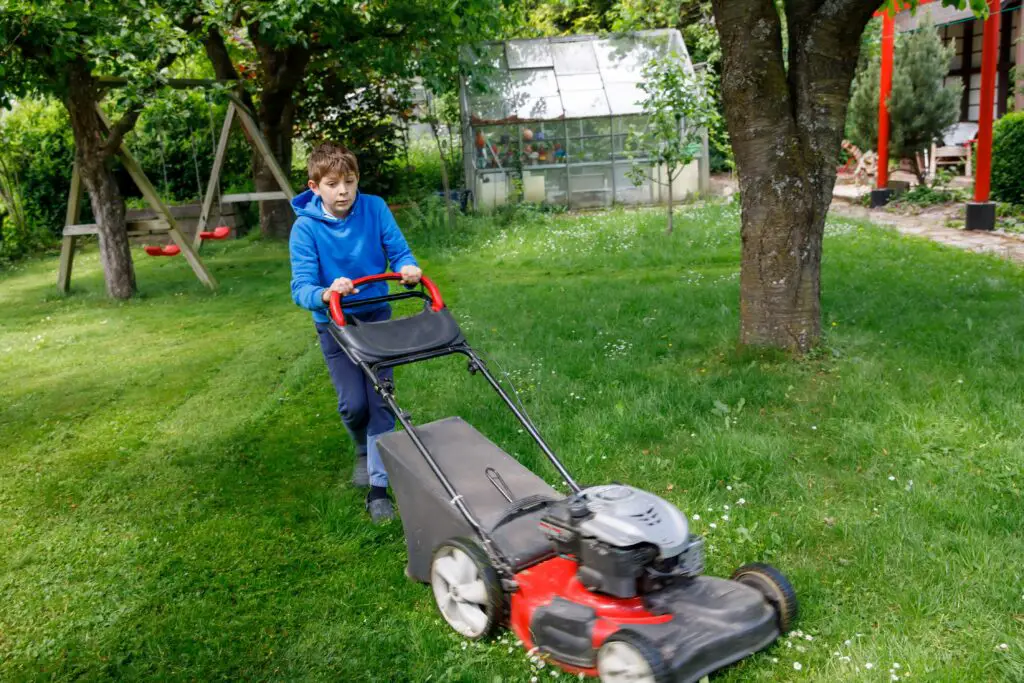
Pushing a heavy lawn mower across the yard was hard work on a hot summer day. It required planning, effort, and a little bit of pride. Kids learned that a big task could be finished one row at a time. Seeing the neat, even grass afterward felt like a real accomplishment.
The chore also taught the importance of regular maintenance. Grass always grew back, just like many adult responsibilities. Sticking with the job even when it felt boring built discipline. Years later, caring for a home felt less intimidating because of those early afternoons in the yard.
4. Cleaning the Bathroom

Scrubbing a bathtub was never anyone’s idea of fun. Still, plenty of kids were handed a brush and told to get to work. The job showed them that some tasks in life are simply necessary. It also taught attention to hygiene and basic household care.
A clean bathroom gave instant proof of a job well done. Learning to tackle unpleasant chores built a sense of maturity. As adults, those kids were not afraid of rubber gloves and cleaning spray. They knew how to handle the messy parts of real life without panic.
5. Taking Out the Trash
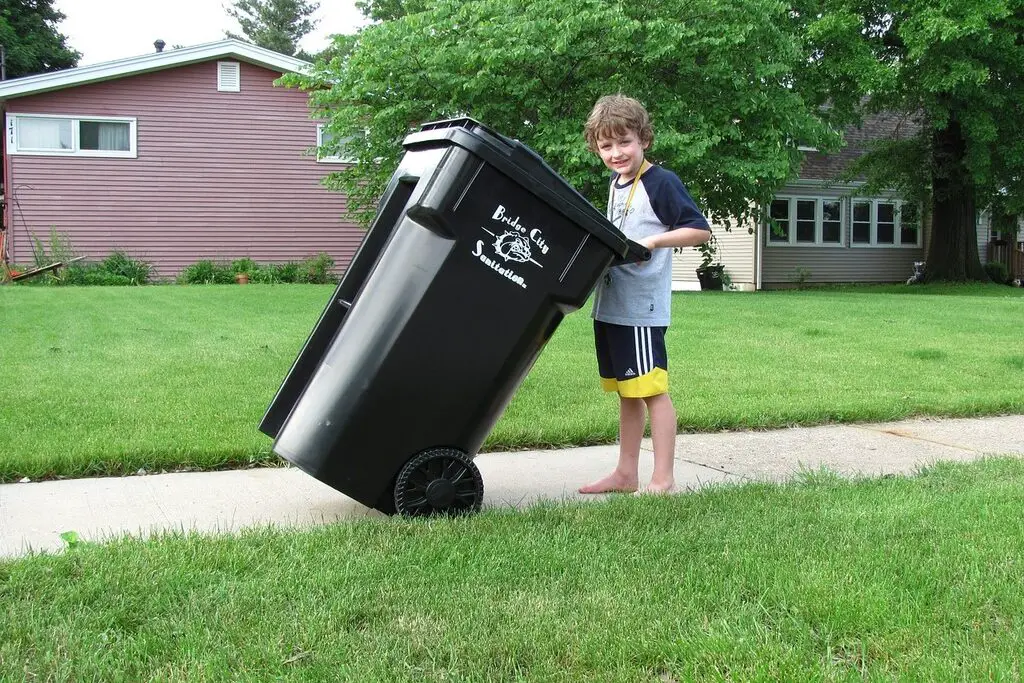
Carrying heavy trash bags to the curb was a small but important duty. It reminded kids that every household creates waste that needs to be managed. The chore taught them to notice when a job needed doing without being asked. It also encouraged a little physical effort and responsibility.
Missing trash day meant dealing with the consequences. That simple fact helped kids understand schedules and deadlines. As grownups, they already knew how to keep a home from turning into chaos. Trash duty quietly prepared them for staying on top of everyday life.
6. Grocery Shopping with a List

Many parents sent kids to the store with a short list and a few dollars. Sticking to that list was an early lesson in budgeting. Children learned to compare prices and make smart choices. The chore also helped them understand how much effort went into feeding a family.
Walking through the aisles built confidence and independence. It felt good to return home with everything on the list. Those early shopping trips turned into useful adult skills. Meal planning and smart spending became much less mysterious later on.
7. Cooking Simple Dinners
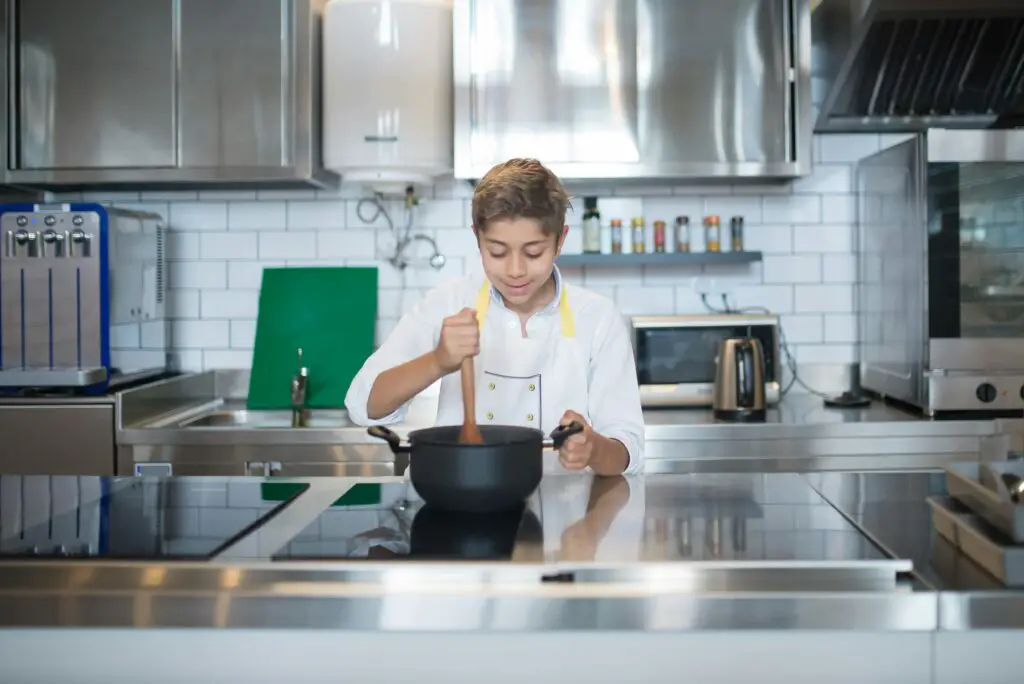
Learning to make basic meals was a rite of passage in many homes. Kids discovered how to follow directions and measure ingredients. Even small mistakes taught valuable lessons about patience. Cooking also showed them that feeding people was an act of care.
Over time the kitchen became less intimidating and more familiar. Knowing how to prepare food built real self-reliance. As adults, those kids were not helpless when hunger struck. They had the confidence to cook for themselves and others.
8. Making the Bed

Straightening the sheets every morning seemed like a tiny task. Still, it was often a child’s first daily responsibility. The chore taught the value of starting the day with something neat and finished. It also helped build simple routines that lasted for years.
A tidy bed made the whole room look better with very little effort. That small success created a sense of order and pride. Many adults still keep the habit without even thinking about it. Making the bed quietly prepared kids for larger responsibilities ahead.
9. Washing the Family Car
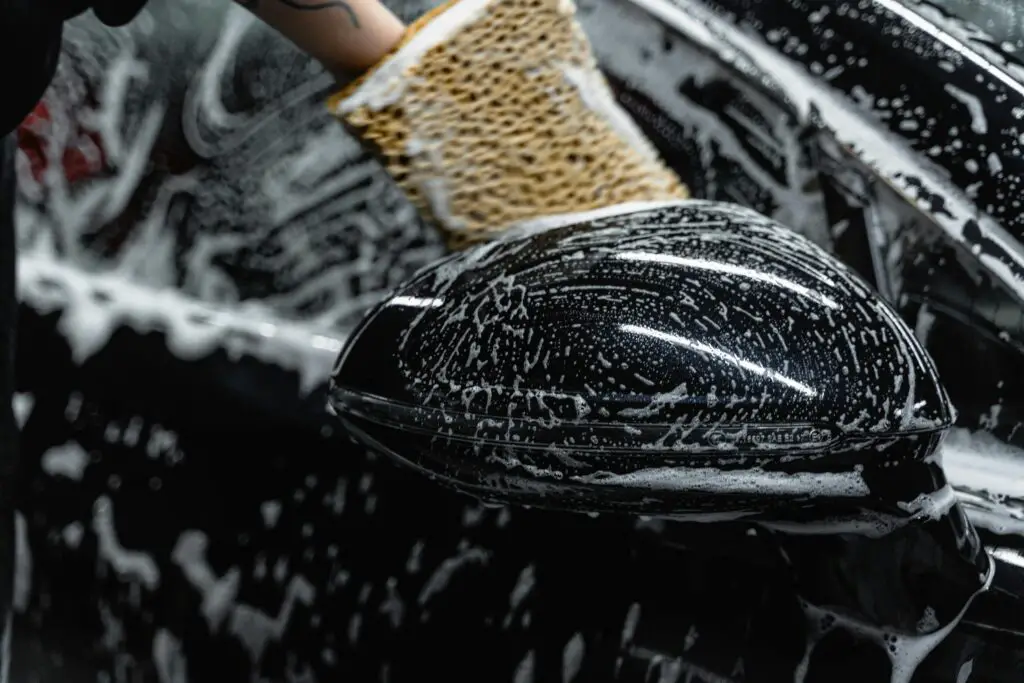
Spending a Saturday with a bucket and sponge was a common childhood memory. Kids learned that big possessions needed regular care. The chore involved teamwork, elbow grease, and a bit of patience. Seeing a shiny, clean car afterward felt genuinely rewarding.
The job also taught respect for things that cost real money. Taking care of the car meant helping the whole family. As adults, those children already understood basic upkeep and pride of ownership. A simple wash job became a lesson in long-term responsibility.
10. Raking Leaves
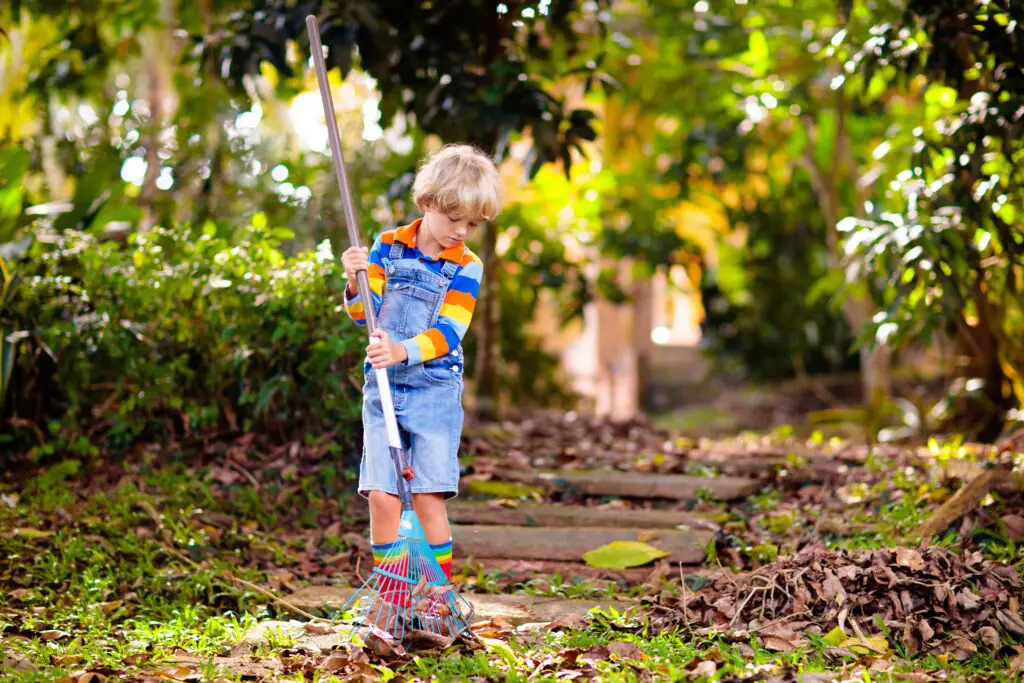
Autumn brought colorful trees and piles of work in the yard. Raking leaves felt endless, but it built strong work habits. Kids learned to finish what they started, even when the task was dull. Jumping into the finished piles was a fun reward at the end.
The chore showed that outdoor spaces needed regular attention. It also taught that some jobs had to be repeated every year. Those lessons translated easily into adult life. Seasonal responsibilities no longer seemed surprising or unfair.
11. Babysitting Younger Siblings

Watching over a little brother or sister was a big responsibility. Kids learned how to be patient, calm, and dependable. The chore required problem solving and a lot of quick thinking. It also gave them a taste of caring for someone other than themselves.
Being trusted with another person built real confidence. Many children discovered leadership skills they never knew they had. As adults, they were more comfortable handling family and parenting duties. Babysitting prepared them for relationships and responsibility.
12. Vacuuming the House
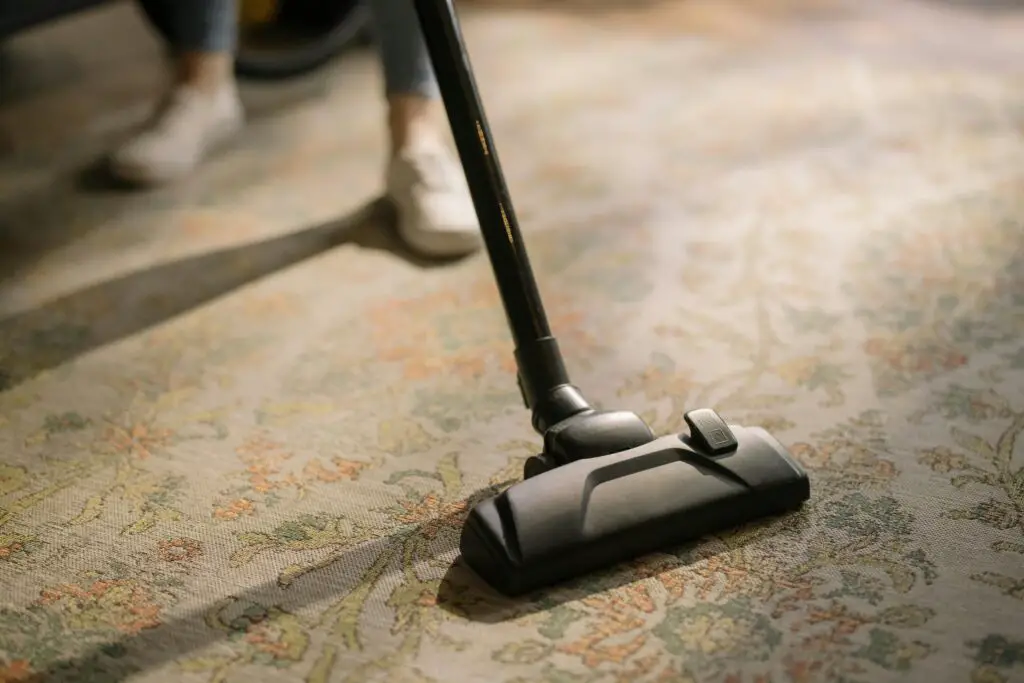
Pushing a loud vacuum from room to room was a regular weekend job. Kids saw how quickly dirt and dust could build up. The chore taught them to notice details and take pride in a clean space. It also helped them understand the importance of routine upkeep.
A freshly vacuumed carpet made the whole house feel better. That visible result encouraged a strong work ethic. As grownups, those same kids knew how to maintain their own homes. Cleaning felt like a normal part of adult life instead of a mystery.
13. Shoveling Snow

Cold winter mornings often meant grabbing a shovel before school. Clearing the driveway was tough, physical work for young arms. Kids learned endurance and the value of helping the household. The chore also showed that some jobs simply could not wait.
Neighbors often depended on one another during big snowfalls. That sense of community stuck with many children as they grew up. As adults, they were prepared for hard work and early mornings. Shoveling snow taught them to handle challenges without complaining.
14. Setting and Clearing the Table

Helping prepare the table for dinner was a daily ritual in many families. Kids learned basic manners and the importance of contributing. The chore showed them that meals were a shared effort. Clearing the plates afterward finished the job they helped start.
Those small tasks built respect for family routines and teamwork. They also taught children to notice what needed to be done without being told. As adults, hosting dinners and caring for guests felt natural. Setting the table prepared kids for the simple responsibilities of grownup life.