
1. Marie Antoinette Never Actually Said “Let Them Eat Cake”
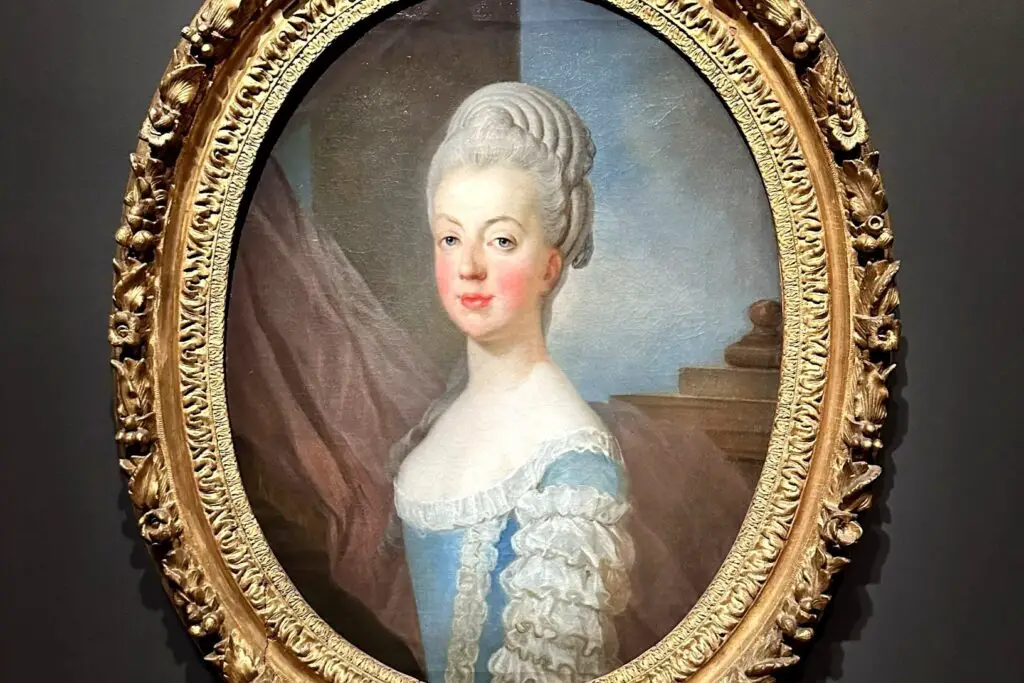
The line “Let them eat cake” has been tied to Marie Antoinette for generations, usually as proof she was completely out of touch with starving citizens. The problem is, there’s no credible evidence she ever said it. The phrase appeared in Jean-Jacques Rousseau’s writings years before Antoinette even arrived in France, referring vaguely to “a great princess.” That detail alone suggests the quote was already circulating as gossip before being pinned on her. During the French Revolution, it became a convenient way to symbolize royal indifference.
Once the rumor took hold, it stuck hard, shaping how people still view her today. It fit the narrative revolutionaries wanted to push, so no one bothered to question it too closely. Over time, the line became shorthand for excess and ignorance. Historians now widely agree it was propaganda rather than fact. It’s a classic example of how a rumor can outlive the truth. Even now, many people assume it’s real without ever checking.
2. George Washington and the Cherry Tree Story
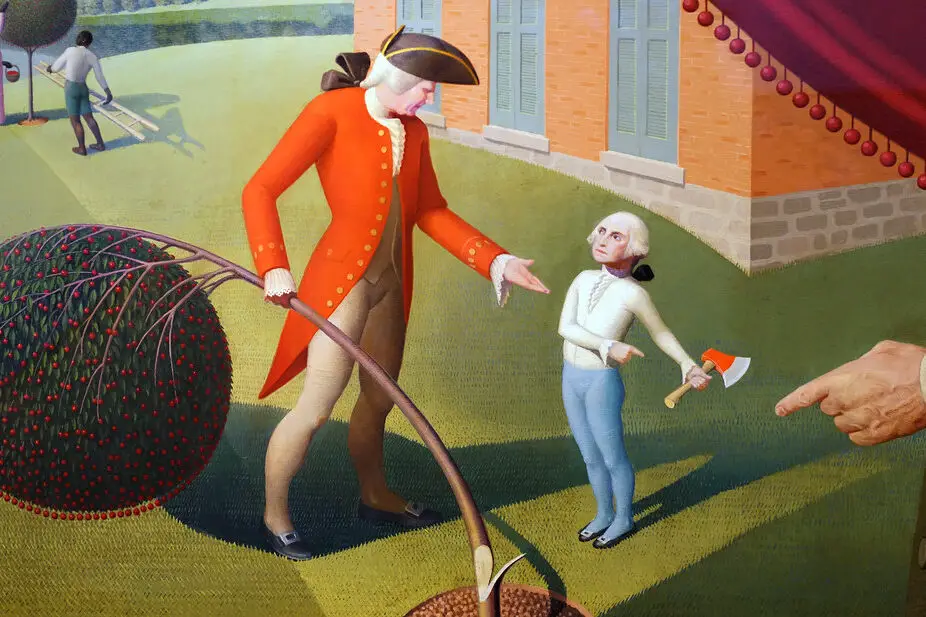
The story of George Washington chopping down a cherry tree and admitting it with “I cannot tell a lie” is one of the most famous tales in American history. It shows up in schoolbooks as a lesson in honesty. But it didn’t come from any verified account of Washington’s life. The story was invented by biographer Mason Locke Weems in the early 1800s. He included it in a book meant to teach moral lessons rather than document strict facts.
Weems openly blended fiction with biography, which was more accepted at the time. Readers embraced the story because it made Washington seem noble and relatable. Over time, it became part of the national mythology. Many people grew up believing it was true. Historians now classify it as a moral anecdote, not a real event. Still, it remains one of the most persistent “facts” about Washington. It shows how easily a good story can become accepted history.
3. Caligula Supposedly Made His Horse a Senator
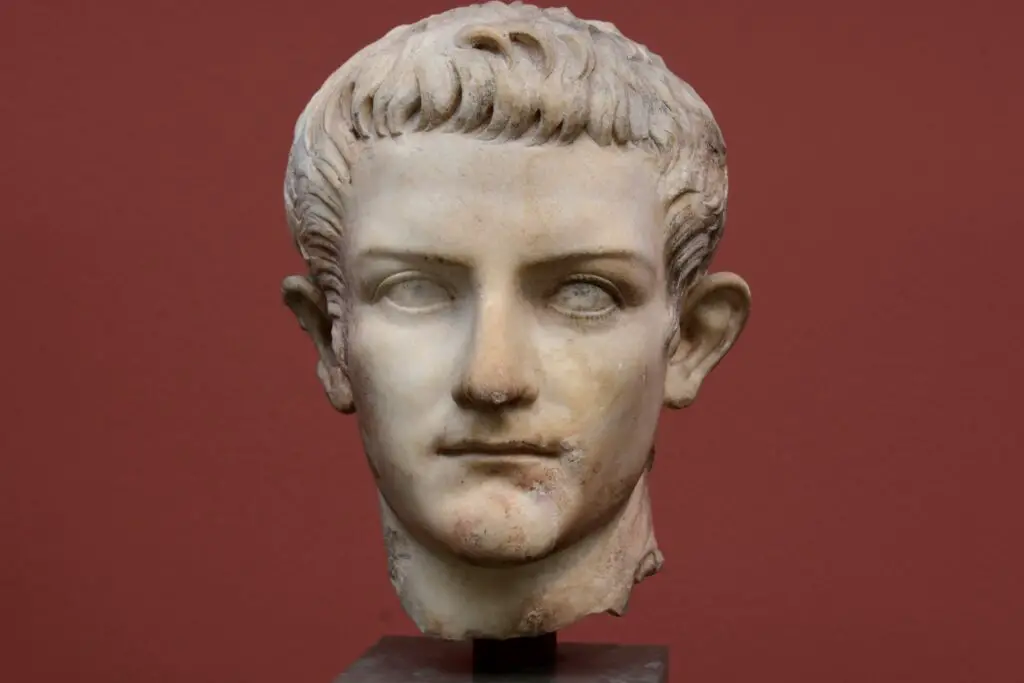
Roman emperor Caligula is often described as so unstable that he made his horse a senator. It’s one of the most repeated stories about his reign. Ancient sources like Suetonius mention that he planned to give his horse Incitatus high honors. But historians debate how literal that claim really is. Some believe it was exaggeration or satire meant to mock the Roman Senate.
Caligula did lavish attention on the horse, including a marble stall and fine feed. That much seems credible. The idea of officially appointing the animal, however, may have been rumor or political smear. Roman historians often wrote with bias, especially about unpopular rulers. The story survives because it perfectly captures the image of a “mad emperor.” Whether true or not, it has defined Caligula’s reputation. It’s a reminder that ancient sources often blurred fact and rumor.
4. Nero Didn’t Actually Play Music While Rome Burned
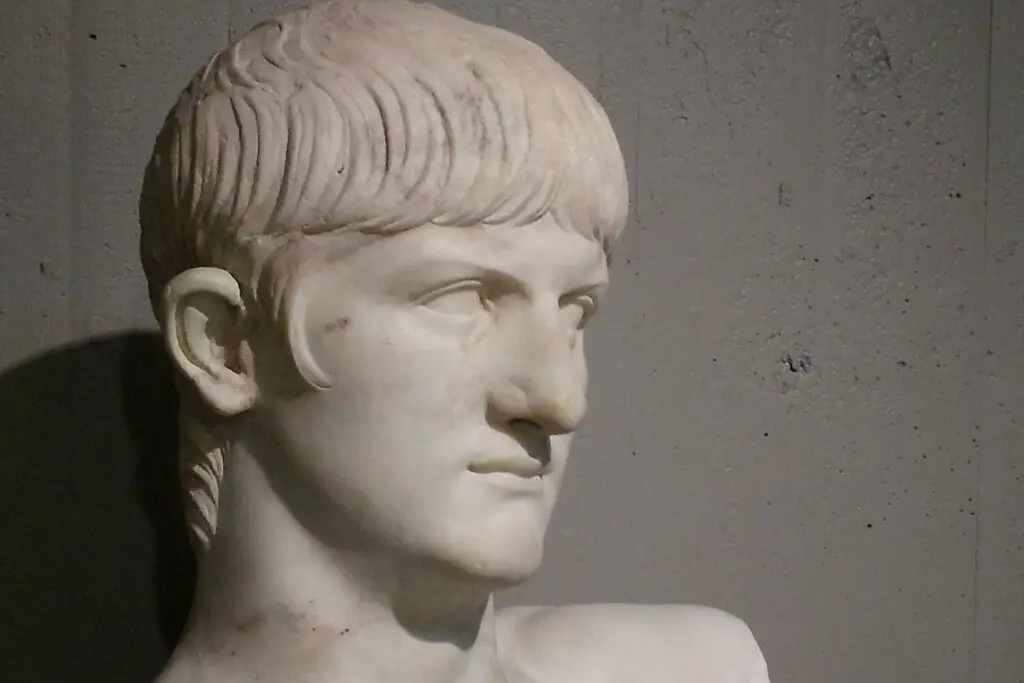
The image of Nero fiddling while Rome burned is one of history’s most dramatic visuals. It suggests he ignored the suffering of his people for personal amusement. But the story doesn’t hold up under scrutiny. First, the violin didn’t even exist in Nero’s time. Ancient accounts say he may have sung or performed, but not during the fire itself.
Some sources indicate Nero wasn’t even in Rome when the fire began. He reportedly returned and organized relief efforts afterward. The rumor likely grew because he was already unpopular. Blaming him for indifference made for a powerful narrative. Over time, the phrase “fiddling while Rome burns” became symbolic. Historians now view it as exaggerated at best. It shows how a vivid image can overshadow more complex reality.
5. Catherine the Great and the Infamous Horse Myth
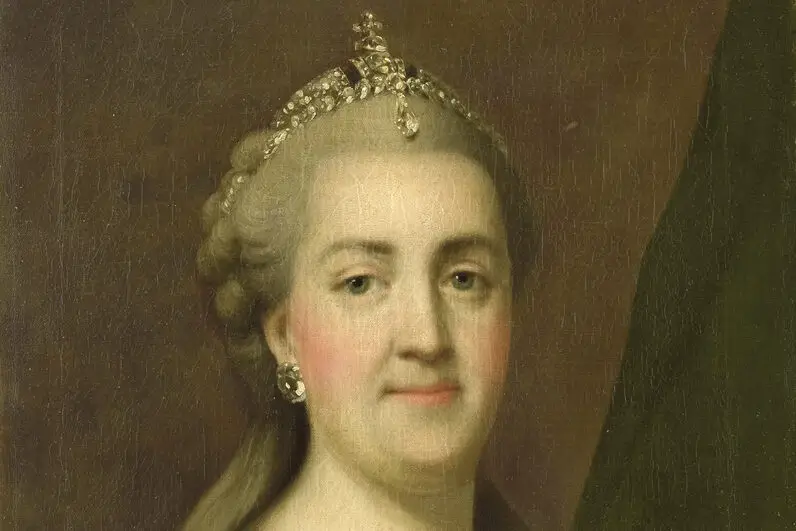
One of the most persistent rumors about Catherine the Great is also one of the most extreme. It claims she died while attempting an inappropriate act with a horse. There is no factual basis for this story at all. Contemporary records show she died of a stroke in 1796. The rumor appears to have been spread by political enemies.
Stories like this were often used to discredit powerful women. Catherine was a strong and influential ruler, which made her a target. The shocking nature of the rumor helped it spread quickly. Even today, people repeat it despite clear historical evidence against it. Historians consider it pure slander. It’s a clear case of rumor overtaking fact. The persistence of the story says more about gossip than about Catherine herself.
6. Napoleon Bonaparte Wasn’t Actually That Short
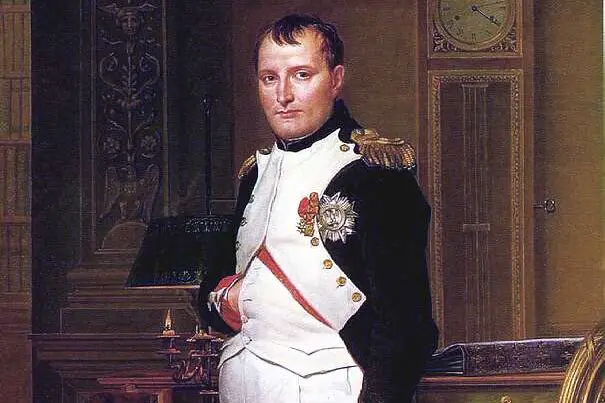
Napoleon Bonaparte is often remembered as unusually short, which supposedly fueled his ambition. The term “Napoleon complex” even grew out of this idea. But historical measurements suggest he was about average height for his time. French records list him around 5 feet 6 or 7 inches, which was normal in the early 1800s. The confusion came partly from differences between French and British measurement systems.
British propaganda also played a role in shaping this image. Depicting Napoleon as small made him easier to mock. Political cartoons exaggerated his height for effect. Over time, the joke became accepted as fact. Today, historians generally agree he wasn’t particularly short. The rumor simply stuck because it was memorable. It shows how national rivalries can shape lasting perceptions.
7. Salem witch trials and the Myth of Burning at the Stake
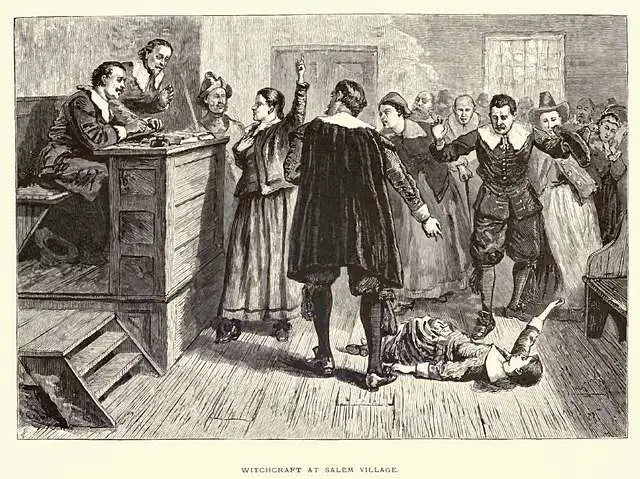
The Salem witch trials are often imagined with dramatic scenes of people being burned at the stake. It’s a powerful image that shows up in movies and books. In reality, that never happened in Salem. The accused were executed by hanging, not burning. One man, Giles Corey, was pressed to death, which was also unusual.
The confusion likely comes from European witch trials, where burning was more common. Over time, those images blended with the Salem story. The result is a version of events that feels familiar but isn’t accurate. Historians have been clear about how the executions actually occurred. Still, the rumor persists in popular culture. It’s an example of how different historical events can get mixed together. Once that happens, the corrected version is harder to spread.
8. Pocahontas Didn’t Necessarily Save John Smith the Way We Hear
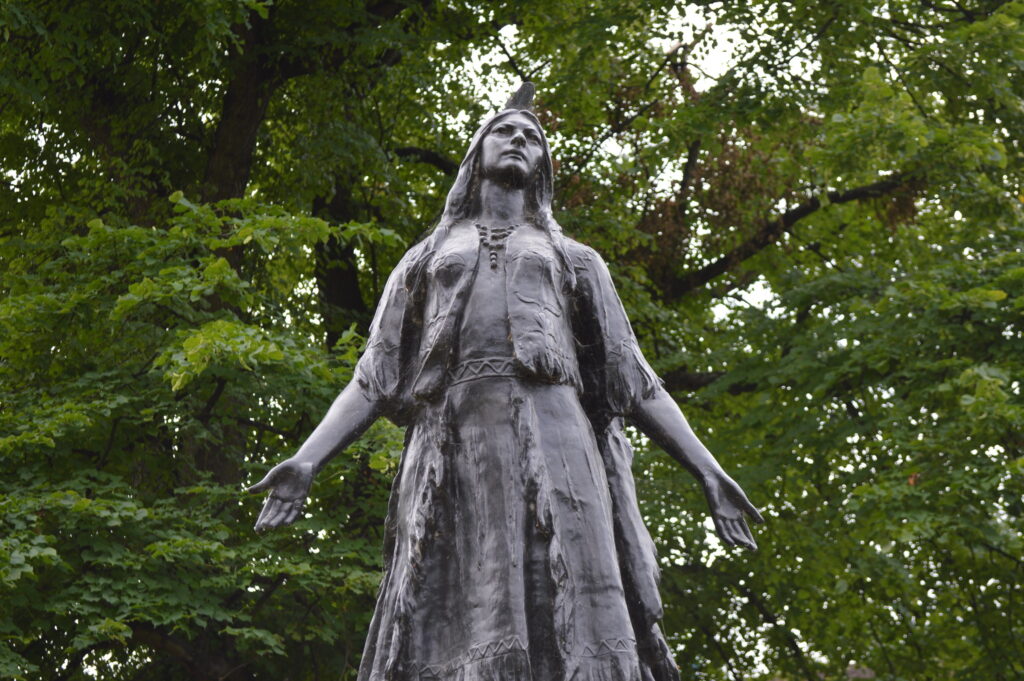
The story of Pocahontas saving John Smith is often told as a dramatic rescue. According to Smith, she threw herself over him to stop his execution. It’s been repeated in books, films, and classrooms. However, historians question how accurate his account is. Smith didn’t mention the story until years after it supposedly happened.
Some scholars believe he misunderstood a ritual or ceremony. Others think he may have embellished the story to enhance his own reputation. There’s no independent confirmation of the event. Pocahontas was a real historical figure, but her life has often been romanticized. The popular version simplifies a much more complex history. It’s possible the story began as a misunderstood moment. Over time, it became one of the most familiar colonial-era narratives.
9. Paul Revere Didn’t Ride Alone
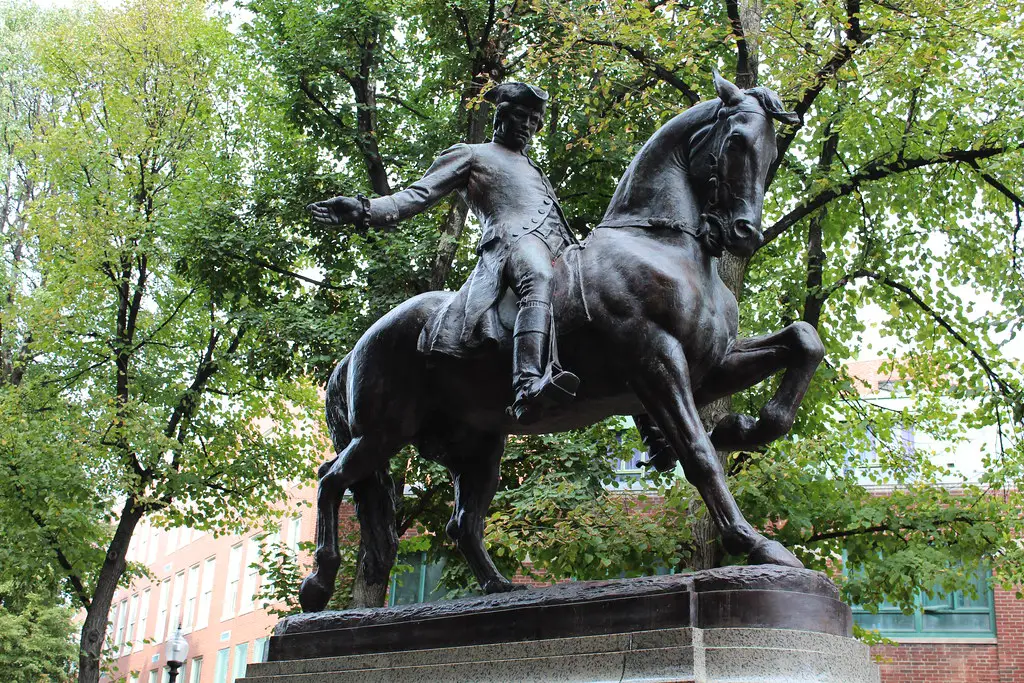
Paul Revere is often portrayed as a lone hero racing through the night to warn of British troops. The phrase “The British are coming” is closely tied to his story. In reality, Revere was part of a coordinated effort. Riders like William Dawes and Samuel Prescott also carried messages. The warning system involved multiple routes and signals.
Revere was even captured before completing his ride. The story we know today was shaped heavily by Henry Wadsworth Longfellow’s poem in the 1800s. That version focused on a single hero for dramatic effect. It worked so well that it overshadowed the others involved. Historians now emphasize the broader network of riders. The simplified version likely began as storytelling rather than strict history. It’s another case where a compelling narrative took over.
10. Vikings Didn’t Wear Horned Helmets
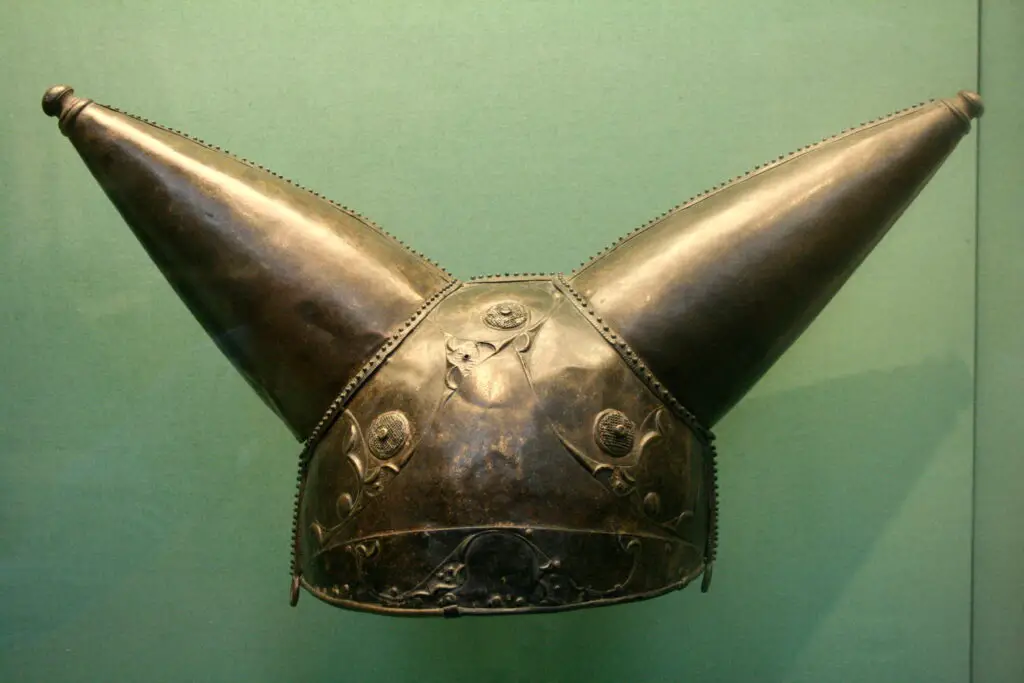
Images of Vikings almost always include horned helmets. It’s become one of the most recognizable symbols of the era. However, there’s no archaeological evidence that Vikings actually wore them in battle. Real Viking helmets were practical and designed for protection, not decoration. The horned version likely originated much later.
The idea became popular in the 1800s through art and opera costumes. Once it appeared on stage, it stuck in the public imagination. It made Vikings look more dramatic and intimidating. Over time, the image replaced the reality. Historians consistently point out the inaccuracy. Still, the horned helmet remains the default image. It’s a clear example of a visual rumor becoming “fact.”
11. Albert Einstein Didn’t Fail Math as a Student
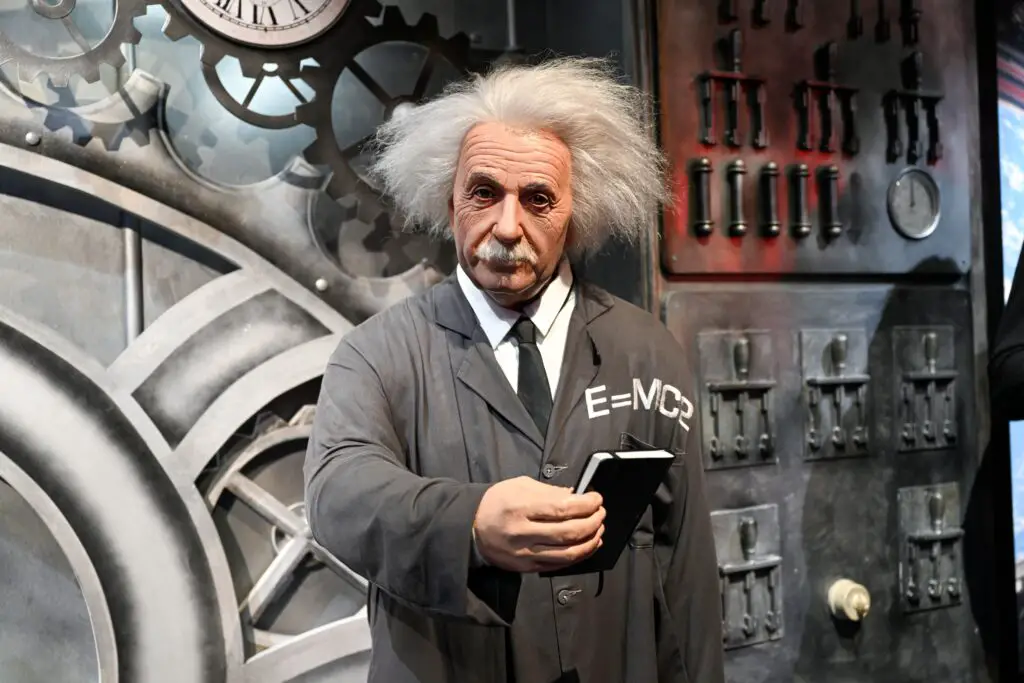
A common story claims that Albert Einstein struggled in school and even failed math. It’s often used to encourage people who feel they aren’t strong students. In reality, Einstein excelled in mathematics from a young age. School records show he was performing advanced work as a teenager. The confusion may come from differences in grading systems or misunderstood anecdotes.
Einstein did have conflicts with certain teaching styles, which may have fueled the rumor. He preferred independent thinking over rigid instruction. That detail likely evolved into the idea that he was a poor student. The story spread because it’s relatable and reassuring. However, it’s not supported by historical evidence. Historians and educators consistently debunk it. It shows how appealing narratives can override documented facts.
12. Walt Disney Wasn’t Cryogenically Frozen
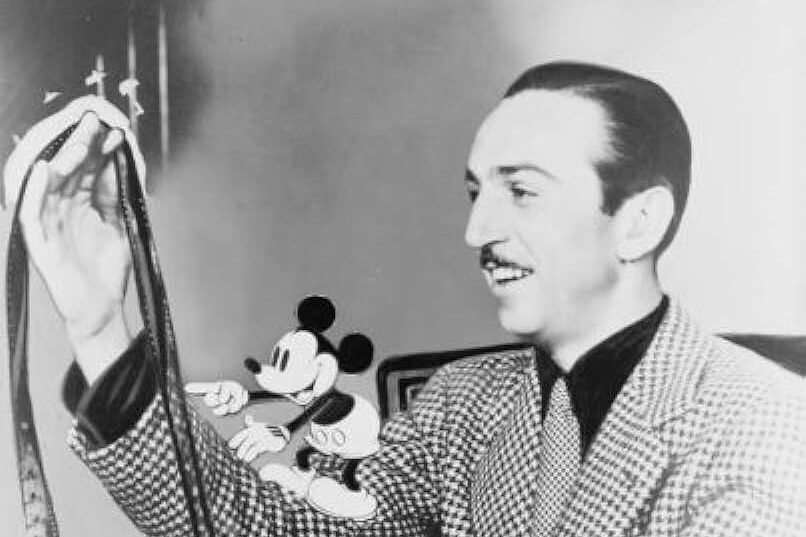
The rumor that Walt Disney was cryogenically frozen after his death has circulated for decades. It’s often told as a strange but believable piece of trivia. In reality, Disney was cremated after he died in 1966. There is no credible evidence supporting the freezing story. It appears to have started as speculation shortly after his death.
The idea fit with Disney’s association with futuristic themes and innovation. That may have made the rumor feel plausible to some people. Once it began circulating, it spread quickly through word of mouth. It’s still repeated today, even though it’s been thoroughly debunked. Historians and company records confirm the truth. The persistence of the rumor shows how easily speculation can turn into accepted lore.