
1. Charles Stratton, “General Tom Thumb”
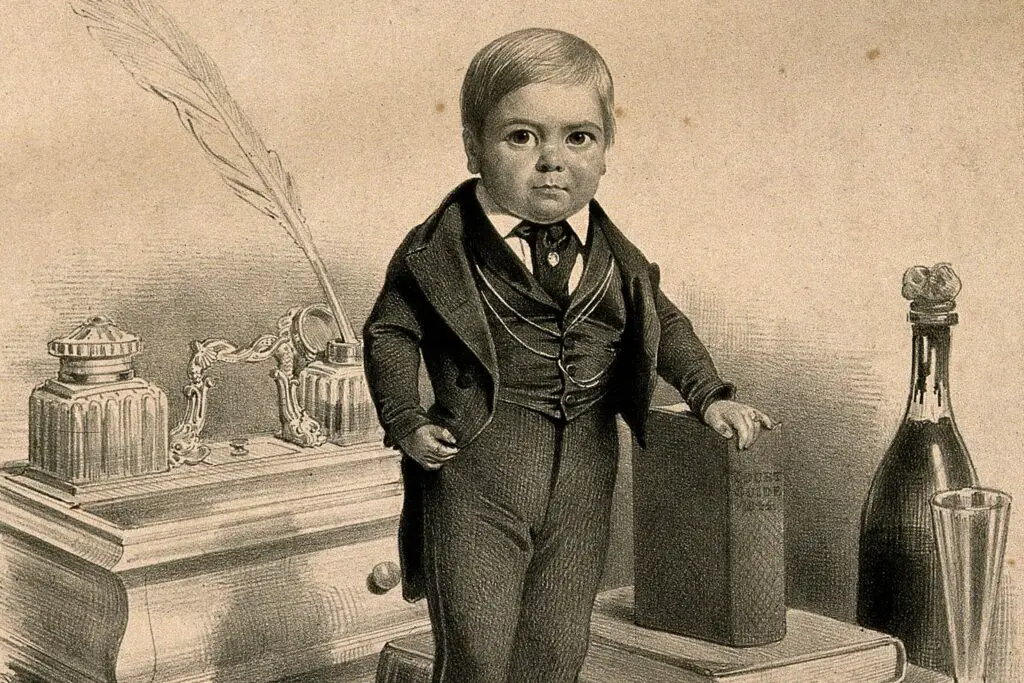
Charles Stratton, known as “General Tom Thumb,” was one of P.T. Barnum’s biggest stars. Standing at just over three feet tall, he charmed audiences around the world with his wit, humor, and theatrical performances. In the mid-1800s, he was so popular that he performed for Queen Victoria and even had paintings and dolls made in his likeness. People couldn’t get enough of him, and he became a household name at a time when many politicians were completely forgettable.
Stratton’s fame was a true example of how entertainment could eclipse politics in the public eye. Newspapers covered his tours as if they were royal events, and his wedding in 1863 was one of the most talked-about social occasions of the time. He lived in an era when public figures rarely reached global recognition, yet he managed it with ease. It’s no exaggeration to say that he was once more recognizable than any congressman in Washington.
2. Lola Montez
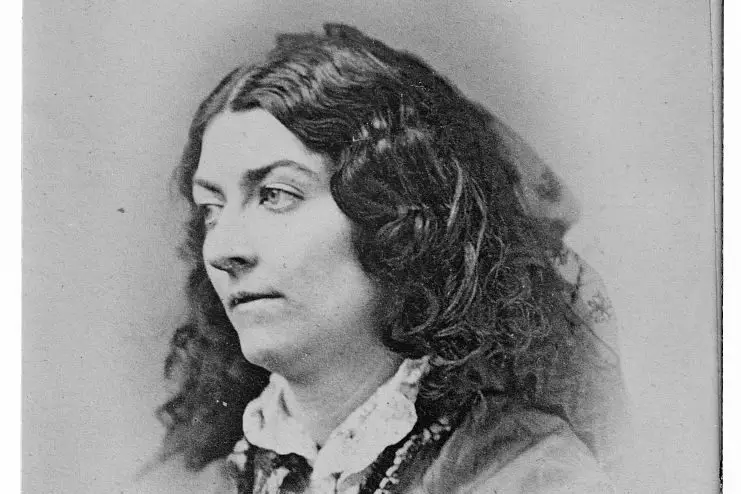
Lola Montez was an Irish-born dancer and actress who reinvented herself as a Spanish temptress in the 19th century. Known for her infamous “Spider Dance,” she captivated audiences across Europe and America, and even caught the eye of King Ludwig I of Bavaria. Their scandalous affair helped topple his reign, proving that Lola had more influence than many actual statesmen of her day.
She was as much a celebrity as she was a performer, with her life making front-page news wherever she went. Montez lived boldly, often defying social norms and leaving a trail of gossip behind her. People debated her antics and followed her romances the way fans track modern-day celebrities. Politicians might have had titles, but Montez had the intrigue—and the crowd’s attention.
3. Harry Houdini
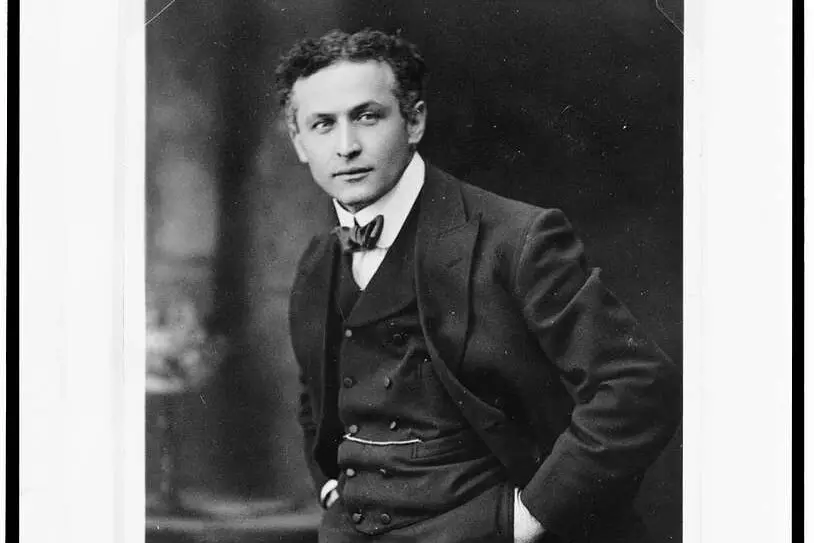
In the early 20th century, no one embodied the word “spectacle” quite like Harry Houdini. Known for escaping from chains, locked trunks, and even submerged crates, Houdini was more than just an entertainer—he was a symbol of human daring. His stunts drew thousands, and newspapers splashed his daring feats across their front pages. He had a knack for making headlines, and his name became synonymous with the impossible.
At a time when world leaders struggled to be remembered outside their borders, Houdini was a true international sensation. He used his fame not only for entertainment but also to expose fraudulent spiritualists, taking on a crusade that made him both loved and controversial. Houdini’s larger-than-life personality ensured his fame outlasted most politicians of his day. He wasn’t just a magician, he was a cultural force.
4. Mata Hari
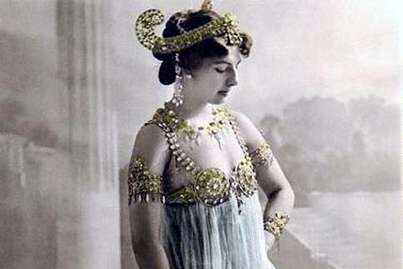
Mata Hari was a Dutch woman who reinvented herself as an exotic dancer in the early 1900s. With her daring costumes and sultry performances, she quickly became a sensation across Europe. She cultivated mystery around her persona, making audiences believe she was an Eastern enchantress rather than a woman from the Netherlands. Her allure was powerful enough that high-ranking men and politicians were often captivated by her.
When World War I broke out, her fame took on a darker edge as she was accused of being a spy. Whether guilty or not, her trial and execution cemented her place in history as one of the most infamous women of her time. The truth mattered less than the drama of her story, which captivated the public far more than dry political debates. She became a legend, while many politicians of her era were quickly forgotten.
5. Buffalo Bill Cody
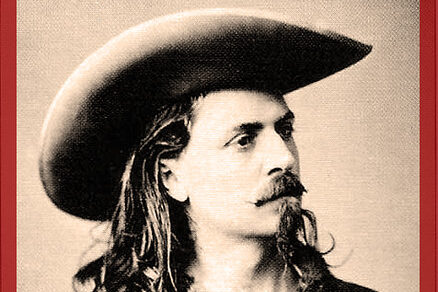
Buffalo Bill Cody turned his real-life adventures as a frontiersman into one of the most successful entertainment empires of the 19th century. His “Wild West Show” toured internationally, thrilling audiences with reenactments of cowboy life, Native American performances, and sharpshooting acts. For many people, his spectacles defined how they imagined the American West.
He was so famous that he rubbed shoulders with presidents, kings, and queens, yet he was more of a showman than a politician. His image was carefully crafted, turning him into a larger-than-life figure who represented rugged American spirit. While politicians made speeches, Buffalo Bill created myths that lasted generations. He became a cultural ambassador who was far more famous than most lawmakers of his time.
6. Sarah Bernhardt
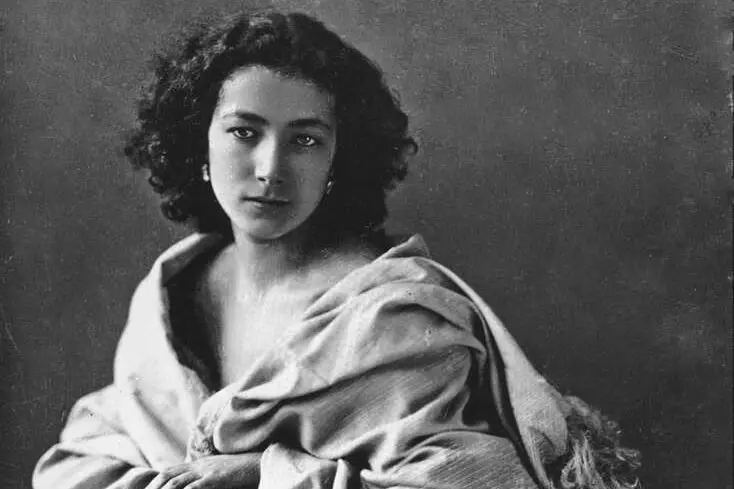
Sarah Bernhardt was a French actress who reigned as one of the world’s first global superstars in the late 19th and early 20th centuries. Nicknamed “The Divine Sarah,” she was known for her intense stage presence and emotional performances in classic roles like Hamlet and Camille. Her fame extended far beyond the theater, as her eccentric lifestyle—sleeping in a coffin, traveling with exotic pets—made her a constant source of fascination.
Politicians could never compete with her level of celebrity. She was invited to perform across the globe, often treated like royalty wherever she went. Her fans lined the streets just to catch a glimpse of her carriage. Bernhardt’s fame showed how an artist could become more powerful in the public imagination than any government figure.
7. Nellie Bly
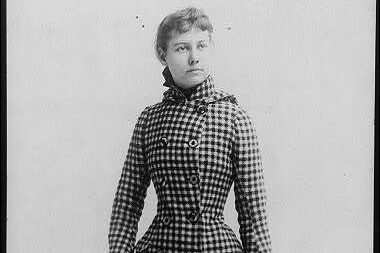
Nellie Bly wasn’t an entertainer, but she became a sensation thanks to her daring approach to journalism. In 1887, she went undercover in a New York asylum to expose its inhumane conditions, and her reports caused a national uproar. Later, she gained even more fame when she traveled around the world in just 72 days, breaking the fictional record set in Jules Verne’s novel.
Her adventures captured the public’s imagination in a way that no politician’s speeches ever could. Bly became a symbol of courage and modern womanhood, inspiring readers everywhere. Her name was headline news, proving that truth-seeking journalism could create a celebrity as powerful as any entertainer. In her era, Bly was easily more famous than most senators or governors.
8. Rasputin
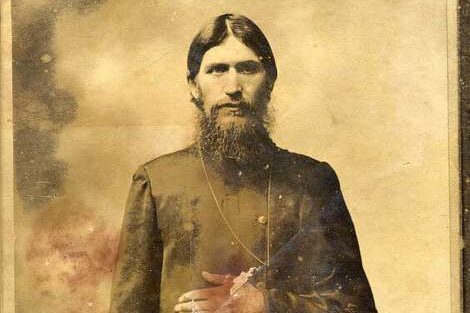
Grigori Rasputin, the so-called “mad monk” of Russia, rose from obscurity to become one of the most infamous figures in the early 20th century. As a mystic and advisor to the Russian royal family, he wielded extraordinary influence, particularly over Tsarina Alexandra. His unkempt appearance and wild eyes only added to his reputation as both a holy man and a sinister manipulator.
Rumors of his debauchery and supposed magical powers spread like wildfire, and he became a constant subject of gossip in Russia and abroad. Ordinary people may not have known the names of Russian ministers, but they knew who Rasputin was. His name became synonymous with scandal, intrigue, and the collapse of imperial Russia. He overshadowed politicians to the point that he became a political crisis himself.
9. Barnum & Bailey’s Freak Show Stars
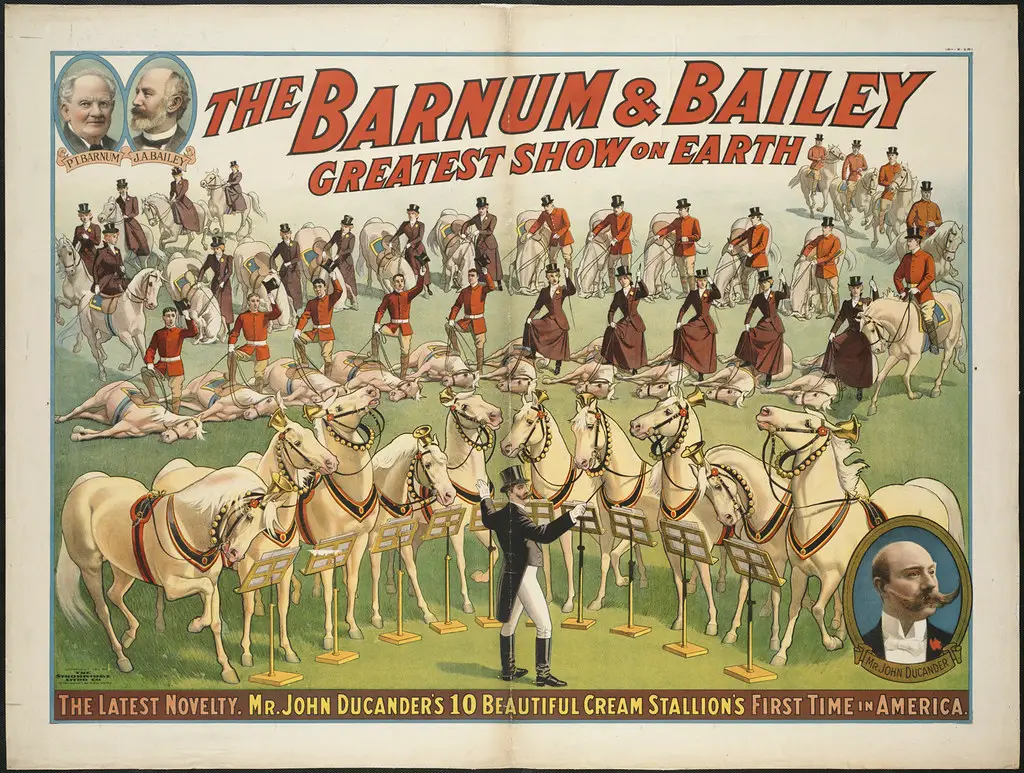
In the late 1800s, P.T. Barnum turned “oddities” into celebrities. Figures like Chang and Eng, the conjoined twins, and Annie Jones, the bearded lady, drew huge crowds wherever they appeared. These performers were often better known to the public than the men writing laws in Washington.
People were fascinated by their uniqueness, and newspapers breathlessly covered their lives. They embodied both the exploitation and the star power of Barnum’s shows. While many politicians’ names faded from memory, the “freak show” performers became immortalized as pop culture icons of their day. Barnum understood something politicians often didn’t—people wanted spectacle, not speeches.
10. Lord Byron
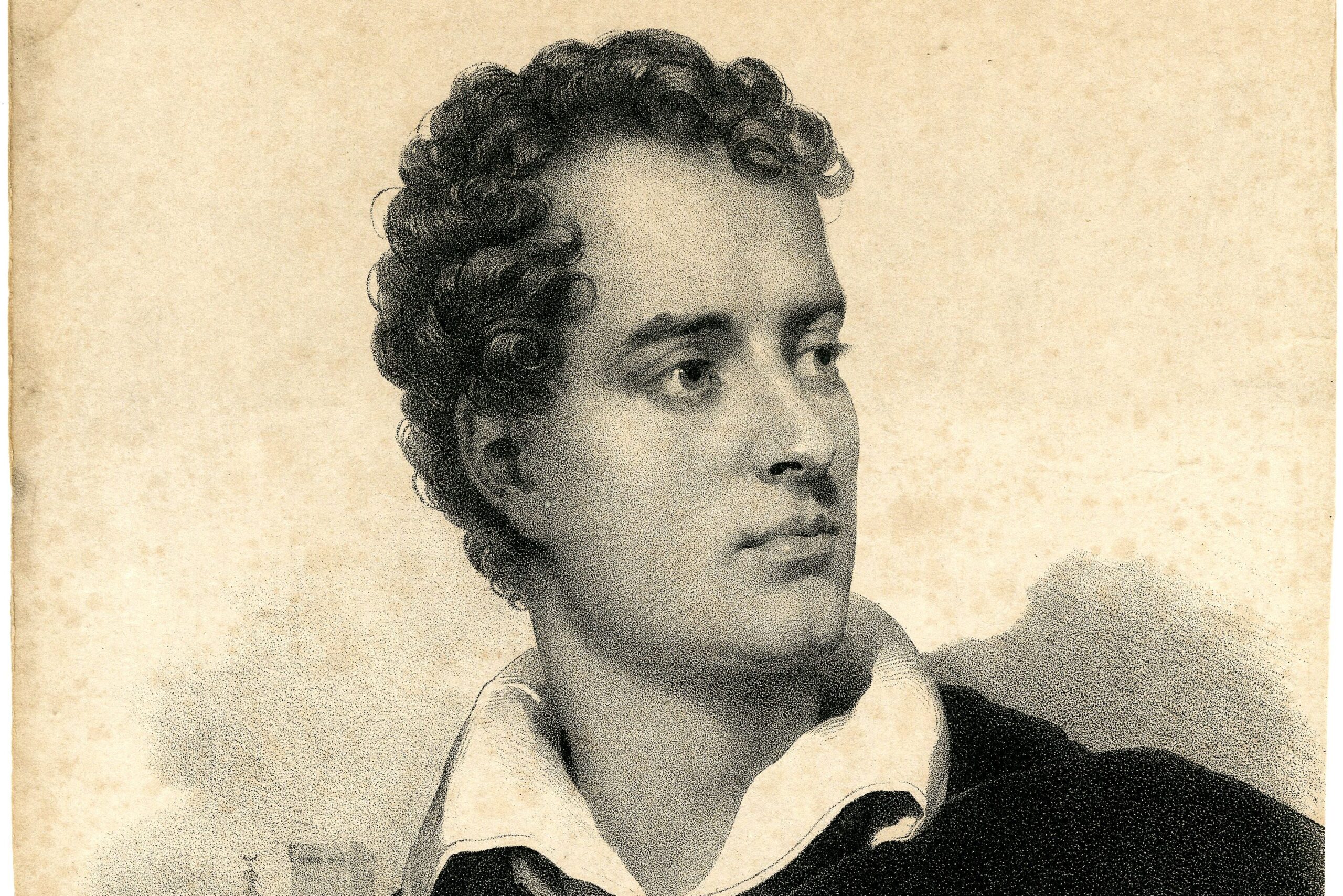
Lord Byron was a poet who became the ultimate celebrity of the Romantic era. His dashing looks, scandalous love affairs, and passionate verse made him one of the most talked-about men in Europe. Women swooned over him, and men envied him, with his personal life often more newsworthy than his poetry.
Byron’s fame was so immense that crowds would gather outside his home just to get a glimpse of him. Political figures of the time couldn’t compete with the cultural sway of a poet who embodied rebellion and romantic excess. He became the template for the idea of the tortured artist, living fast and leaving a legacy larger than life. Byron wasn’t just famous, he was a phenomenon.
11. Florence Nightingale
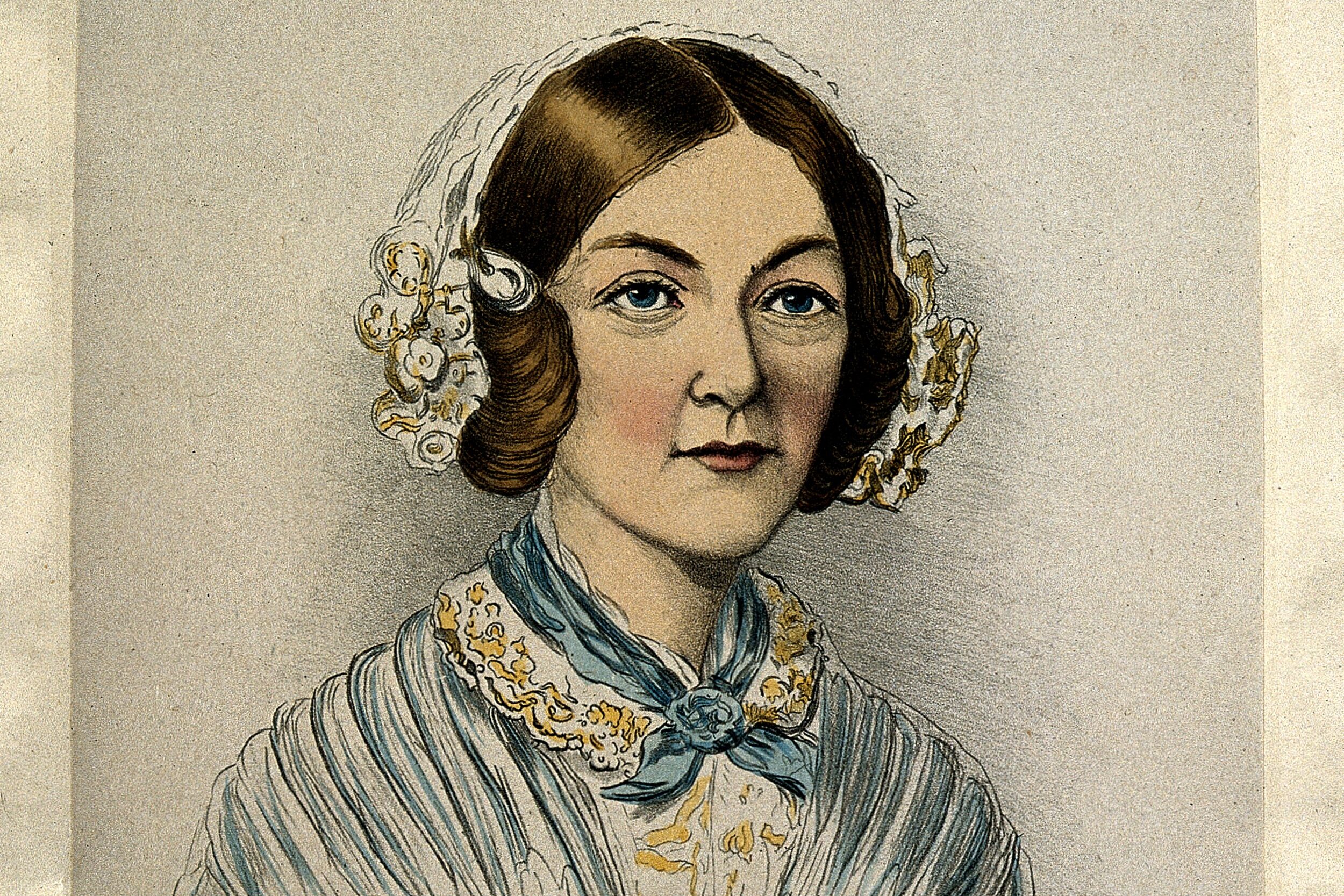
Florence Nightingale became famous during the Crimean War, not as a politician or general, but as a nurse. Known as “the Lady with the Lamp,” she tirelessly cared for wounded soldiers, often making her rounds late into the night. Her compassion and groundbreaking efforts to reform hospital sanitation practices made her an international hero.
The public adored her, and her reputation spread far beyond Britain. At a time when political leaders often failed to inspire, Nightingale became a symbol of selflessness and progress. She showed that quiet dedication could make someone more famous than a fiery speech ever could. Her legacy as the founder of modern nursing remains far greater than that of most politicians of her day.
12. Oscar Wilde
Oscar Wilde was as famous for his wit and flamboyant personality as he was for his plays and novels. In Victorian England, his sharp tongue and eccentric style made him both loved and scandalized. Wilde knew how to cultivate attention, turning his every word and outfit into a statement.
While many politicians struggled to stay relevant, Wilde was a constant fixture in conversation and gossip. Even his downfall, when he was imprisoned for “gross indecency,” only added to his notoriety. He became a symbol of artistic brilliance crushed by social convention. Wilde’s fame, fueled by both genius and scandal, ensured his name endured long after politicians’ careers faded.
13. Josephine Baker
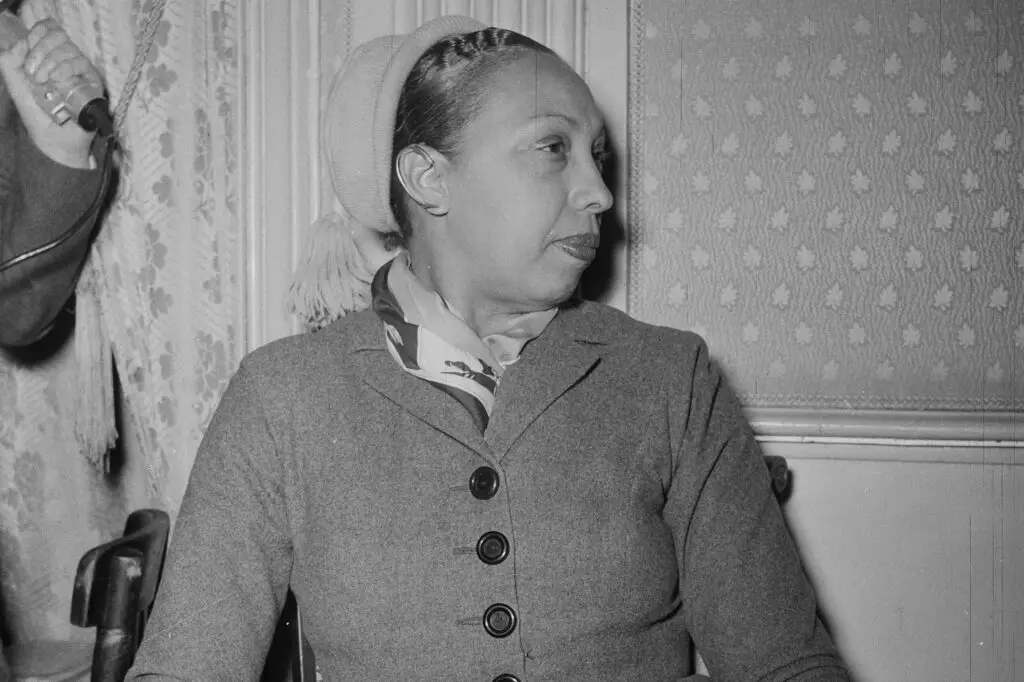
Josephine Baker was an American-born dancer who became an icon in France during the 1920s. With her daring performances, including her famous banana skirt dance, she captivated audiences and broke racial barriers. She wasn’t just an entertainer, she was a fashion trendsetter and symbol of the Jazz Age.
Her influence extended far beyond the stage. Baker later worked as a spy for the French Resistance during World War II, cementing her place as a cultural and political figure. At the height of her fame, she was adored in Europe in ways that politicians could only dream of. Baker’s life combined glamour, bravery, and artistry, making her unforgettable.
14. Annie Oakley

Annie Oakley became one of the most celebrated figures in America simply because she could outshoot just about anyone alive. As the star of Buffalo Bill’s Wild West Show, she dazzled crowds with trick shooting that seemed almost impossible. Newspapers wrote about her constantly, and children collected postcards with her image. Presidents and European royalty lined up to watch her perform, something very few politicians could claim. She represented confidence, skill, and independence at a time when women were rarely public heroes.
Oakley’s fame spread far beyond the United States, turning her into an international sensation. Audiences cared more about her latest performance than about election results or policy debates. She carried herself with grace and charm, which only increased her popularity. Even today her name is remembered more clearly than most lawmakers from her era. In her time, Annie Oakley was a genuine superstar who made marksmanship look glamorous and exciting.
15. Calamity Jane
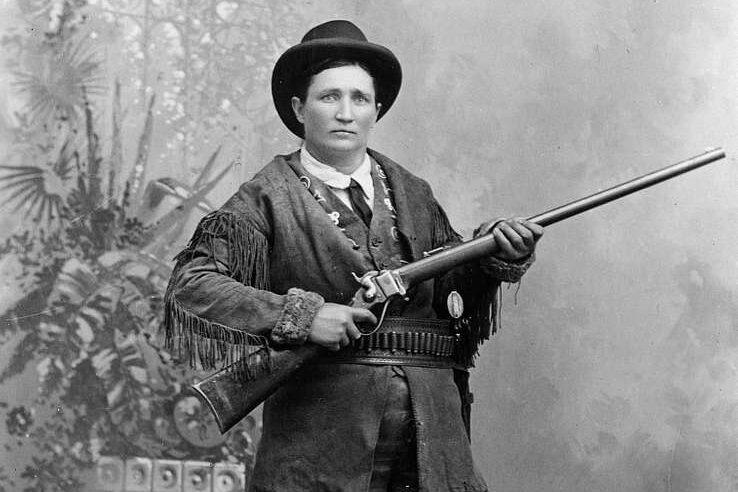
Martha Jane Canary, better known as Calamity Jane, was a rough-and-tumble frontierswoman who became a legend while she was still alive. Stories about her life in the Old West spread quickly through dime novels and newspapers. She dressed like a man, drank hard, and claimed to have ridden alongside famous figures like Wild Bill Hickok. Whether all the tales were true hardly mattered to the public, because people loved the myth. She was unpredictable, outspoken, and endlessly entertaining to a nation hungry for colorful characters.
Traveling shows and writers turned Calamity Jane into a symbol of frontier freedom. Her adventures were discussed in saloons and parlors far more than the speeches of local politicians. She lived a life that seemed wilder than anything invented for fiction, and fans followed every rumor about her. By the time she died, she was already larger than life. Few government leaders of the day inspired the kind of fascination that she did.
16. The Fox Sisters
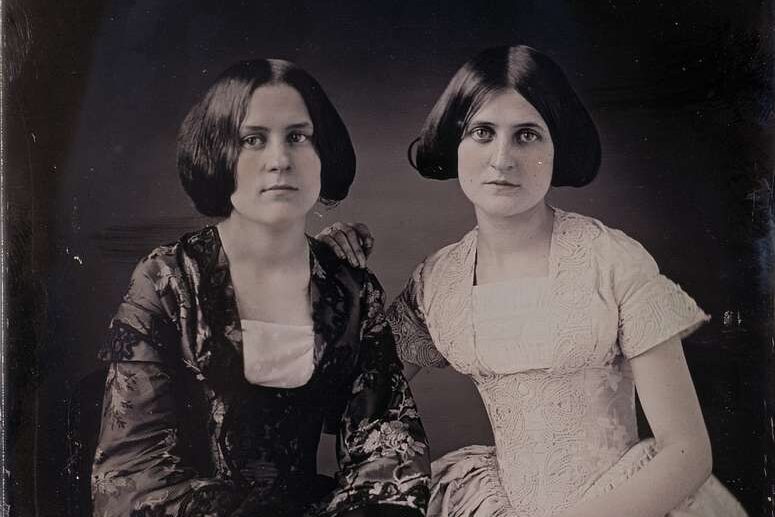
Maggie and Kate Fox were teenage sisters from New York who accidentally launched an entire spiritual movement in the 1840s. They claimed to communicate with ghosts through mysterious knocking sounds, and crowds flocked to witness their séances. Spiritualism exploded in popularity, with thousands of people suddenly convinced the sisters had opened a door to the afterlife. Their demonstrations were treated like major events, drawing more attention than most political rallies.
The Fox sisters became national celebrities almost overnight. They toured the country, filling theaters with curious believers and skeptical onlookers. Newspapers debated their abilities constantly, keeping them in the public eye for years. Even when they later admitted the sounds were a trick, many fans refused to believe it. For a long stretch of the 19th century, these two young women were far more talked about than any senator or governor.
17. Nikola Tesla
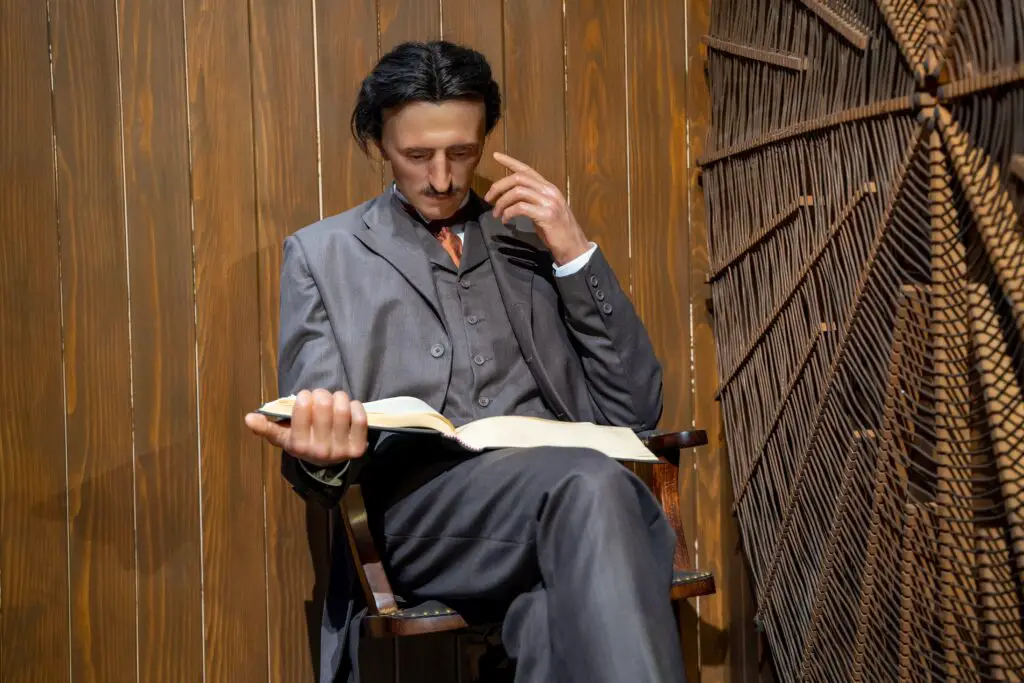
Nikola Tesla was a brilliant inventor whose eccentric personality made him a genuine celebrity in the late 1800s and early 1900s. He dazzled audiences with dramatic demonstrations of electricity, lighting bulbs with no wires and creating bolts of artificial lightning. Reporters treated him like a wizard of the modern age, hanging on his every prediction about the future. While most politicians struggled to explain their platforms, Tesla was promising robots, wireless power, and machines that could change the world.
His odd habits only added to the public fascination. Tesla claimed he slept only a few hours a night and had strange personal rituals that bordered on the bizarre. People packed lecture halls just to hear him speak, something few elected officials could manage. He became a symbol of scientific genius and futuristic thinking. In his prime, Tesla’s name carried more excitement than almost any political figure of the day.
18. Mark Twain
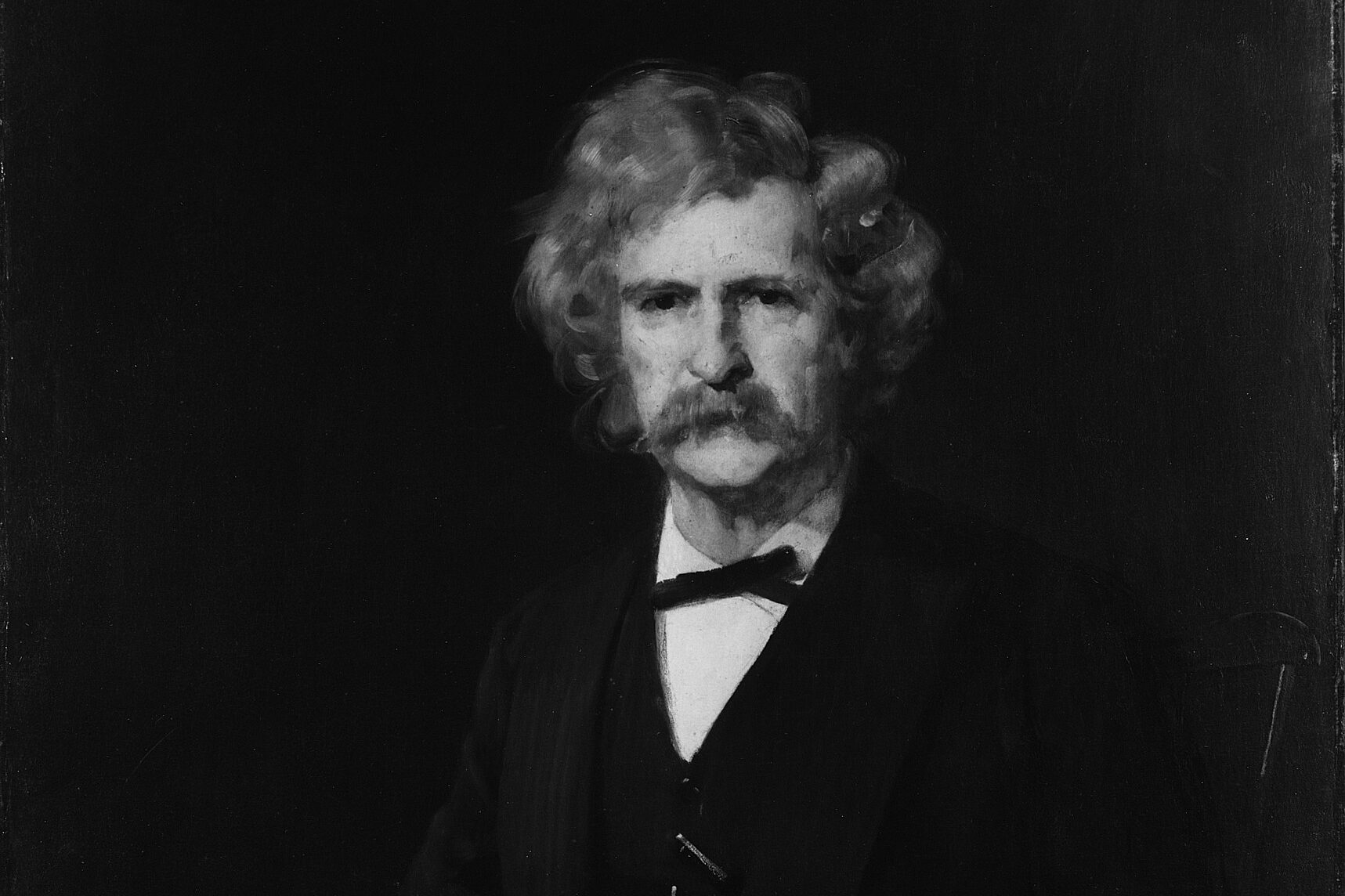
Samuel Clemens, known to the world as Mark Twain, was easily the most famous American writer of his generation. With books like The Adventures of Tom Sawyer and Adventures of Huckleberry Finn, he shaped how the nation saw itself. But it was his sharp humor and public lectures that turned him into a true household name. People lined up by the thousands to hear him speak, treating him more like a rock star than an author.
Twain’s opinions on politics and society were quoted constantly in newspapers. He traveled the world and was greeted like royalty wherever he went. While actual politicians argued and campaigned, Twain made people laugh and think at the same time. His white suit and bushy mustache became instantly recognizable symbols of American culture. By any measure, he was more beloved and better known than most presidents of his lifetime.
19. Emperor Norton
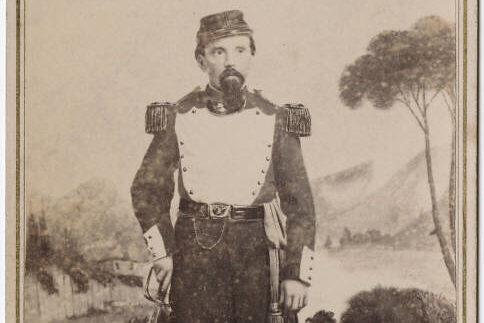
Joshua Norton was a failed businessman living in San Francisco when he suddenly declared himself Emperor of the United States in 1859. Instead of laughing him off, the city embraced him completely and treated him like a real monarch. Newspapers printed his proclamations, restaurants fed him for free, and people on the street bowed as he walked by. He issued grand orders about bridges, politics, and the future of the nation, all of which were politely ignored but happily reported.
Emperor Norton became one of the most popular figures in California, even appearing on local currency and theater programs. Tourists came to San Francisco hoping to catch a glimpse of the kindly, eccentric ruler in his homemade uniform. His fame was so great that his funeral drew tens of thousands of mourners. While governors and mayors came and went, Norton remained a beloved local legend. In his own strange way, he was more famous than any real politician around him.