
1. What Really Happened to the Roanoke Colony
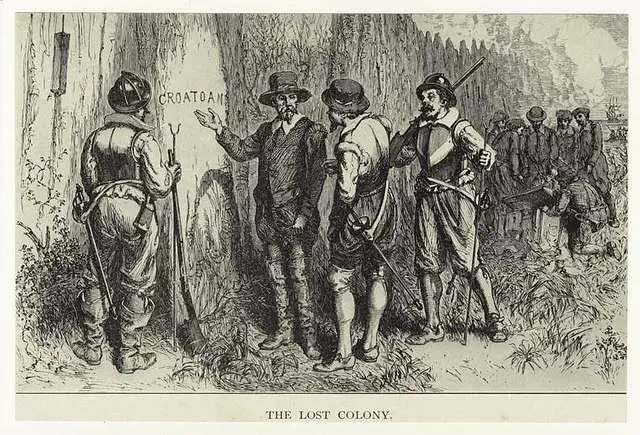
The disappearance of the Roanoke Colony remains one of early American history’s most persistent riddles. When settlers returned in 1590, the colony was abandoned, with no sign of violence or struggle. The only clue left behind was the word “CROATOAN” carved into a post. No bodies were found, and no clear records explained where the colonists went.
Some historians believe the settlers assimilated into nearby Indigenous communities, while others suggest disease or conflict wiped them out. Archaeological evidence has hinted at possible relocation, but nothing definitive has emerged. Written records from the period are sparse and often unreliable. The mystery remains unresolved more than four hundred years later.
2. The True Identity of Jack the Ripper
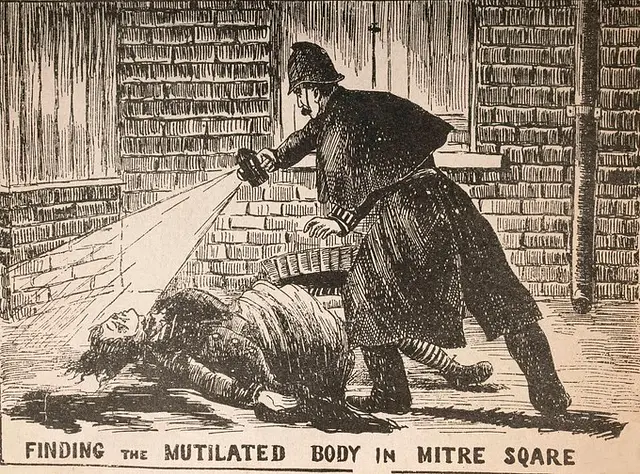
Jack the Ripper terrorized London’s Whitechapel district in 1888, murdering at least five women. Despite intense investigation at the time, no suspect was conclusively identified. Letters supposedly from the killer added to the panic, though many were likely hoaxes. The case faded without an arrest.
Over the years, dozens of suspects have been proposed, from local butchers to members of the royal family. Modern DNA testing has produced headlines but no universally accepted conclusion. Evidence is incomplete and often contaminated by time. Jack the Ripper’s true identity remains unknown.
3. The Fate of Mary Celeste
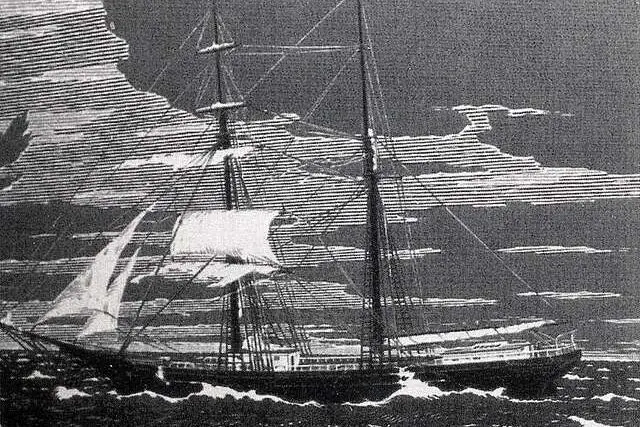
In 1872, the Mary Celeste was found adrift in the Atlantic Ocean with its crew missing. The ship itself was seaworthy, and its cargo largely intact. Personal belongings were left behind, suggesting no planned abandonment. There were no signs of violence.
Theories have ranged from piracy to seaquakes to alcohol fumes causing panic. Each explanation solves some details but not all of them. No crew members were ever found. The Mary Celeste remains a textbook example of a maritime mystery.
4. Who Built Stonehenge and Why
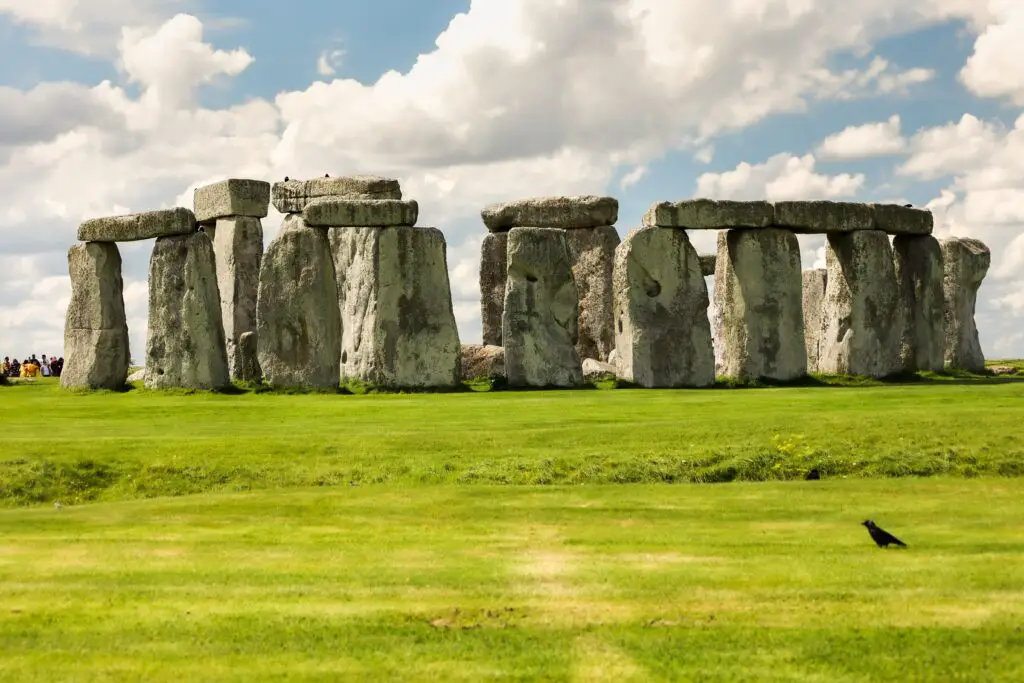
Stonehenge has stood on England’s Salisbury Plain for thousands of years, yet its purpose is still debated. The massive stones were transported from great distances using unknown methods. Construction occurred in stages over centuries. No written records explain its original function.
Some scholars believe it served as a ceremonial site, while others argue for astronomical or healing purposes. Recent studies suggest it may have been a burial ground. Each new theory adds context but not certainty. Stonehenge’s meaning remains elusive.
5. The Disappearance of Amelia Earhart

Amelia Earhart vanished in 1937 while attempting to fly around the world. Her plane disappeared over the Pacific Ocean near Howland Island. Despite extensive search efforts, no confirmed wreckage was found. The event shocked the world.
Theories include a crash at sea, capture by foreign forces, or survival on a remote island. Some artifacts have been proposed as evidence, but none are conclusive. Official investigations closed without answers. Earhart’s fate is still debated today.
6. The Voynich Manuscript
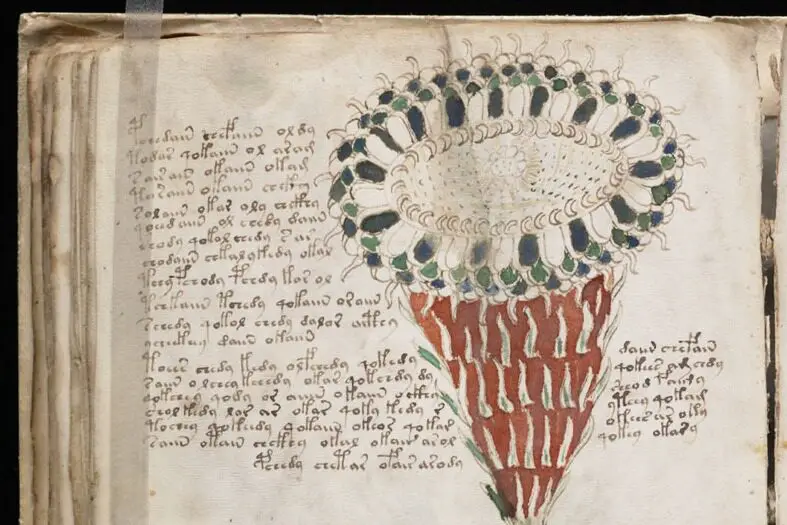
The Voynich Manuscript is an illustrated book written in an unknown language or code. Carbon dating places it in the early fifteenth century. Its pages are filled with strange plants, diagrams, and symbols. No one has successfully translated it.
Cryptographers, linguists, and historians have tried for decades. Some believe it is an elaborate hoax, while others think it encodes real knowledge. Patterns suggest structure, but meaning remains hidden. The manuscript continues to resist interpretation.
7. The Lost City of Atlantis
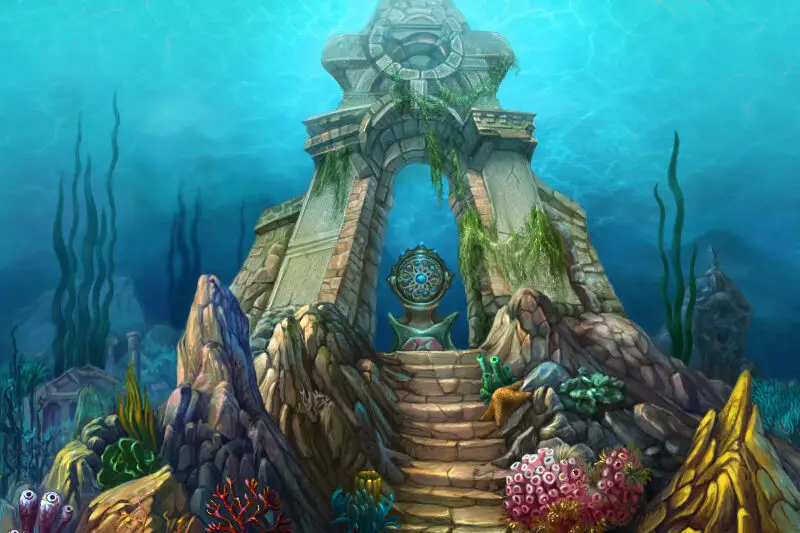
Atlantis was first described by Plato as a powerful civilization that vanished overnight. He claimed it sank into the sea after falling out of favor with the gods. No independent ancient sources confirm its existence. Still, the story has endured.
Some believe Atlantis was purely allegorical, while others search for it in the Mediterranean or beyond. Various archaeological sites have been proposed and rejected. Evidence remains circumstantial at best. Atlantis continues to blur the line between myth and history.
8. The Zodiac Killer’s Identity

The Zodiac Killer murdered several people in California during the late 1960s. He taunted police and newspapers with cryptic letters and ciphers. Some of these ciphers were later decoded, revealing disturbing messages. Others remain unsolved.
Despite numerous suspects and modern forensic reviews, no arrest was made. DNA evidence has been limited and inconclusive. The case officially remains open. The Zodiac Killer’s identity is still unconfirmed.
9. The Princes in the Tower
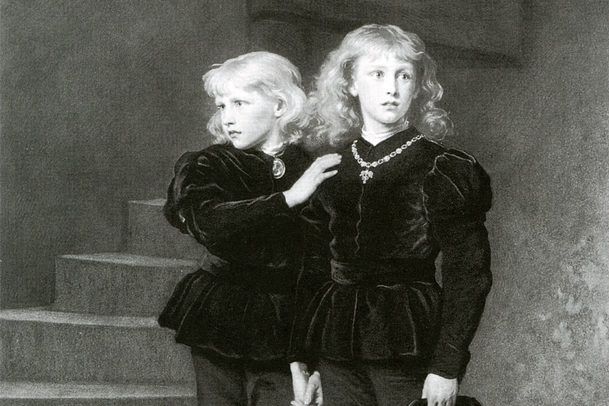
In the fifteenth century, two young princes disappeared while staying in the Tower of London. They were heirs to the English throne and last seen in 1483. Rumors quickly spread that they were murdered. No contemporary proof ever surfaced.
Skeletal remains found centuries later could not be definitively identified. Historians continue to debate who might have been responsible. Political motives were clear, but evidence was not. The fate of the princes remains uncertain.
10. The Purpose of the Nazca Lines
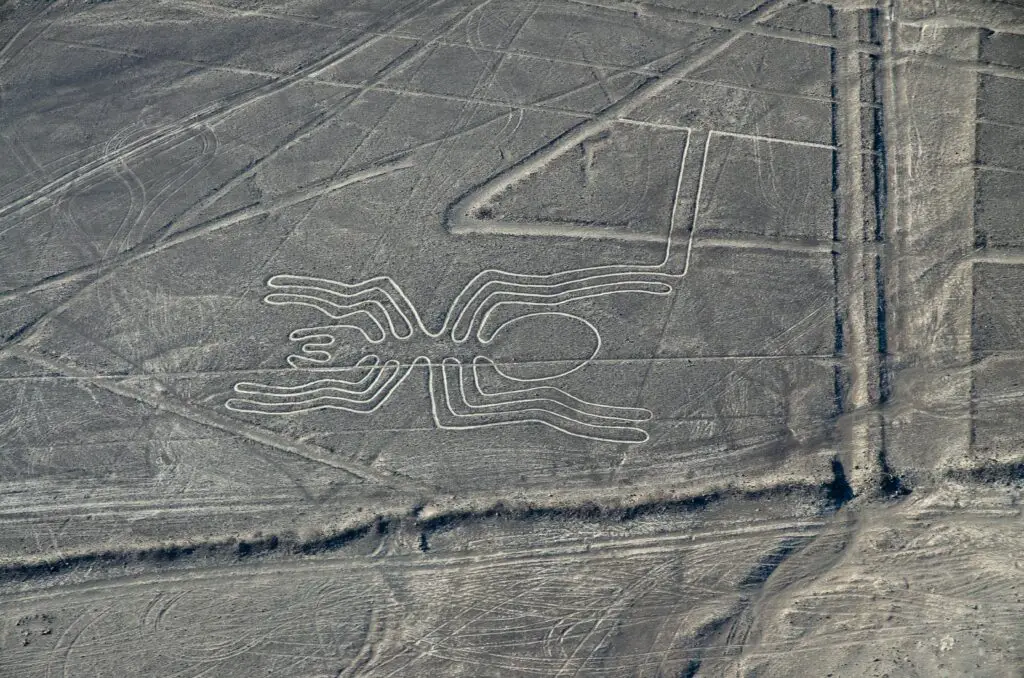
The Nazca Lines are enormous geoglyphs etched into the desert of southern Peru. They depict animals, plants, and geometric shapes visible best from above. Created between roughly 500 BCE and 500 CE, their creators left no explanation. The lines have survived due to the region’s dry climate.
Some researchers believe they were religious pathways or offerings to gods. Others suggest astronomical alignments or water-related rituals. No single theory explains all the figures. Their true purpose remains debated.
11. The Lost Army of Cambyses
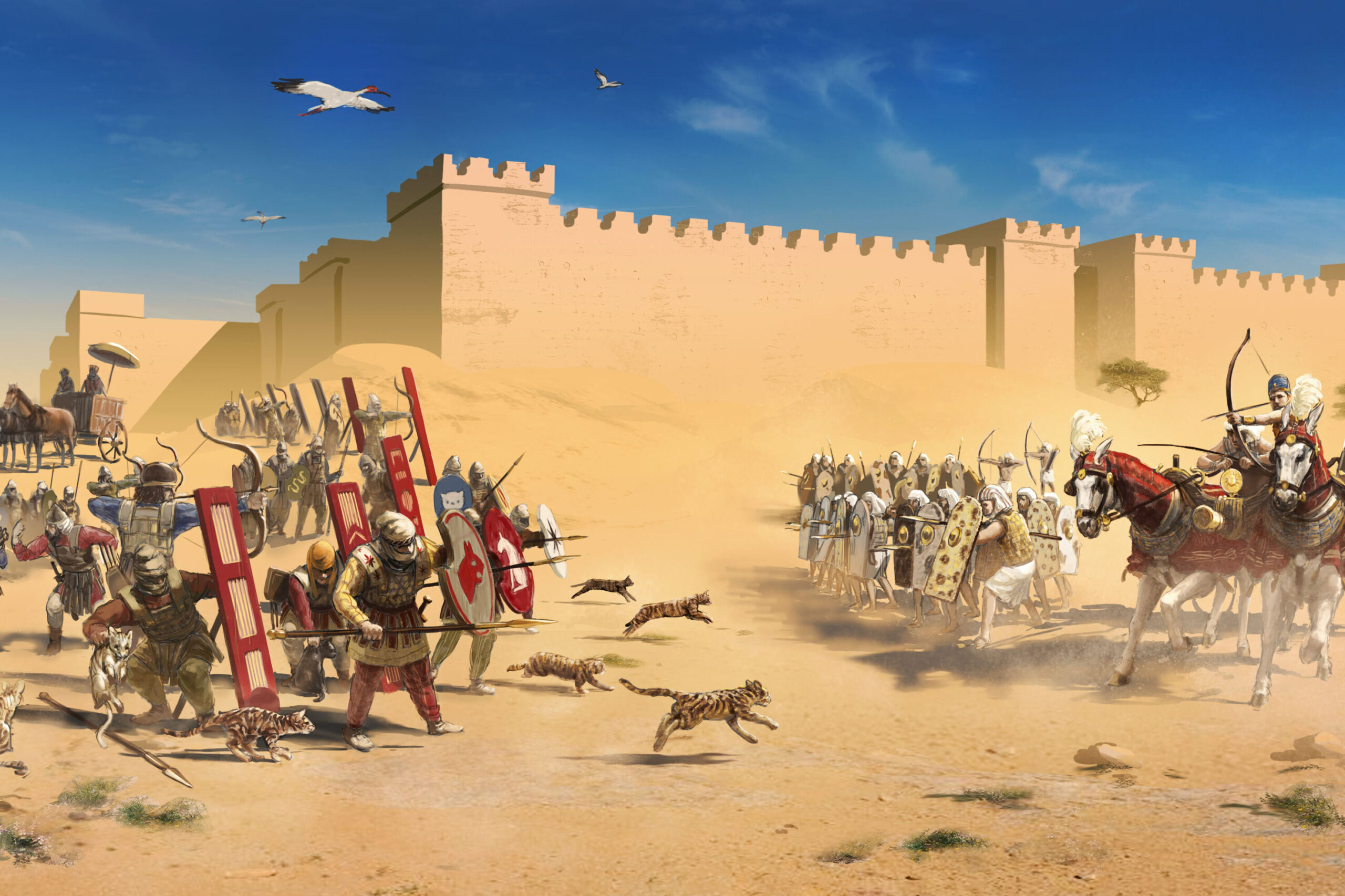
According to ancient accounts, a Persian army vanished in the desert around 525 BCE. The force was reportedly sent to attack an oracle in Egypt. A massive sandstorm was said to have buried them alive. No definitive archaeological evidence has been found.
Some scholars question whether the army existed as described. Others think it was defeated quietly and later mythologized. Occasional discoveries spark renewed interest. The army’s fate remains unresolved.
12. Who Was the Man in the Iron Mask
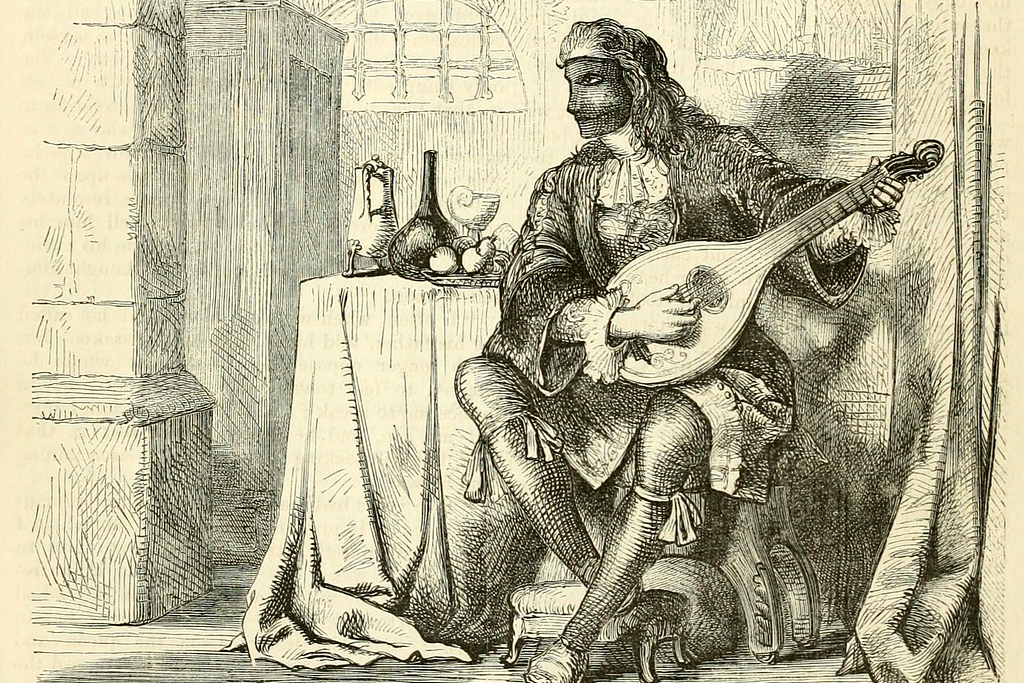
The Man in the Iron Mask was a mysterious prisoner held in France during the seventeenth century. His face was concealed, and his identity was kept secret. He died in prison, leaving no clear records behind. Even his jailers reportedly did not know who he was.
Speculation has ranged from a royal twin to a disgraced noble. Official documents are vague and contradictory. Later writers added dramatic embellishments. His true identity is still unknown.
13. The Location of Cleopatra’s Tomb
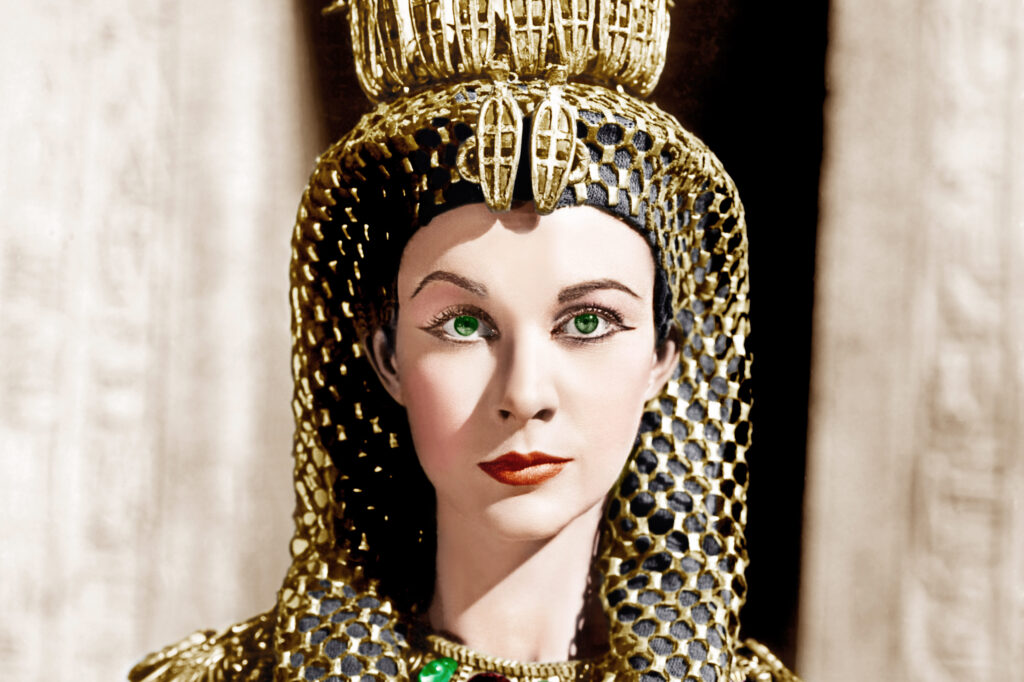
Cleopatra VII was one of the most famous rulers of ancient Egypt. Historical accounts say she was buried with Mark Antony after their deaths. The location of her tomb has never been confirmed. Despite centuries of searching, it has not been found.
Some archaeologists believe it lies near Alexandria, possibly underwater. Others argue it was destroyed or looted long ago. Occasional discoveries revive hope but stop short of proof. Cleopatra’s final resting place remains a mystery.