
1. What Really Happened to the Roanoke Colony
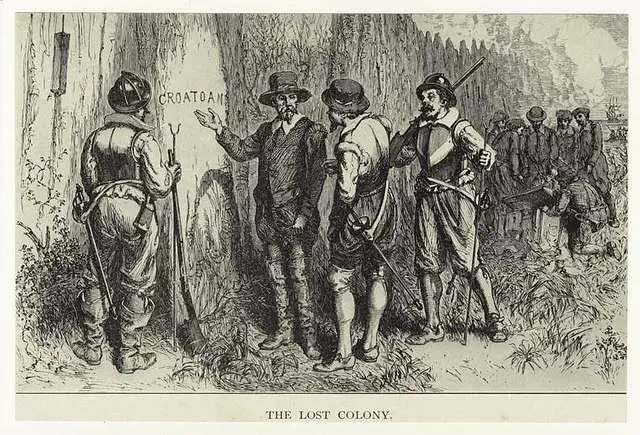
In 1587, more than one hundred English settlers vanished from Roanoke Island without a clear explanation. When a supply ship finally returned three years later, the entire colony was gone with almost no trace. The only clue left behind was the word Croatoan carved into a post. Historians have debated for centuries whether the settlers were killed, absorbed into local Native tribes, or simply relocated and never found.
Some experts believe harsh weather and lack of food forced the colonists to move inland. Others think conflict with neighboring tribes may have led to their disappearance. A few researchers suspect they blended into existing communities and lost their English identity over time. Even with modern archaeology, no theory has ever been fully proven.
2. The True Identity of Jack the Ripper
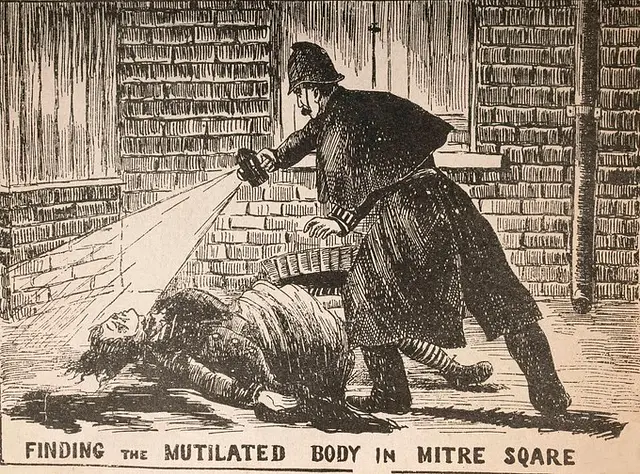
In 1888, a serial killer terrorized London and became known as Jack the Ripper. The murderer was never caught, and the case files are still studied today. Dozens of suspects have been proposed, ranging from doctors to barbers to members of the royal family. Every few years a new book claims to have solved the mystery.
The problem is that most of the evidence from the time is incomplete or unreliable. Letters supposedly written by the killer may have been hoaxes. Witness accounts often conflicted with one another. More than a century later, experts still cannot agree on who the infamous Ripper truly was.
3. Why Was Stonehenge Built
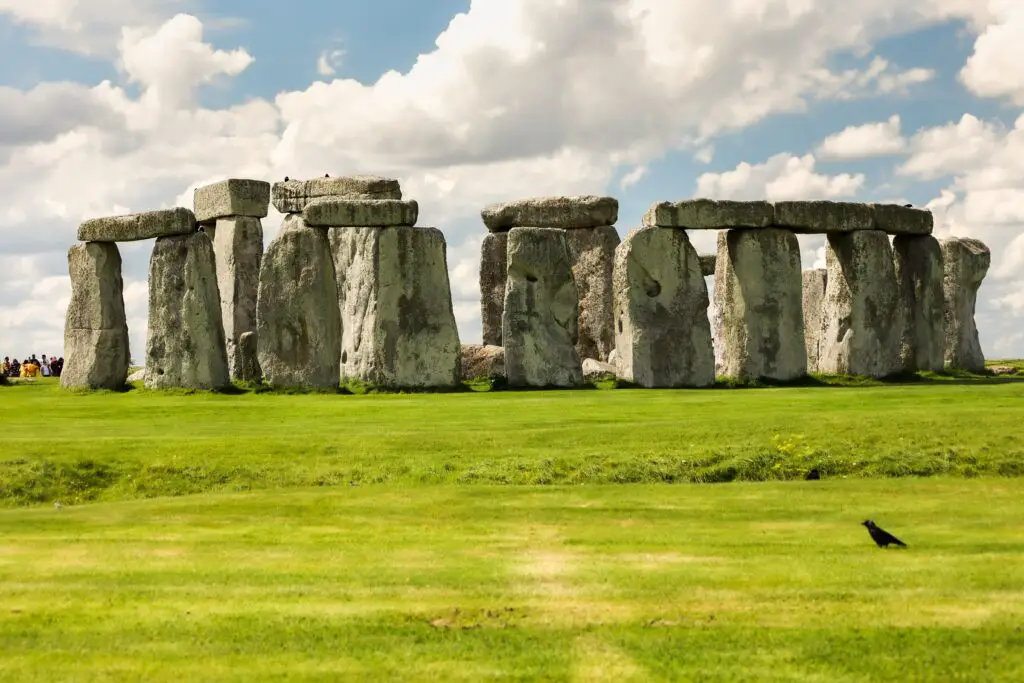
Stonehenge has stood on the English countryside for thousands of years, yet no one knows exactly why it was constructed. The massive stones were transported from miles away, which would have required incredible effort. Some researchers think it was an ancient religious site used for ceremonies. Others believe it functioned as an astronomical calendar.
Archaeologists have uncovered burial sites nearby, which suggests it may have had spiritual significance. New theories continue to emerge as technology improves. Even with detailed studies of the area, there is no written record explaining its purpose. The stones keep their secret stubbornly well.
4. The Meaning of the Voynich Manuscript
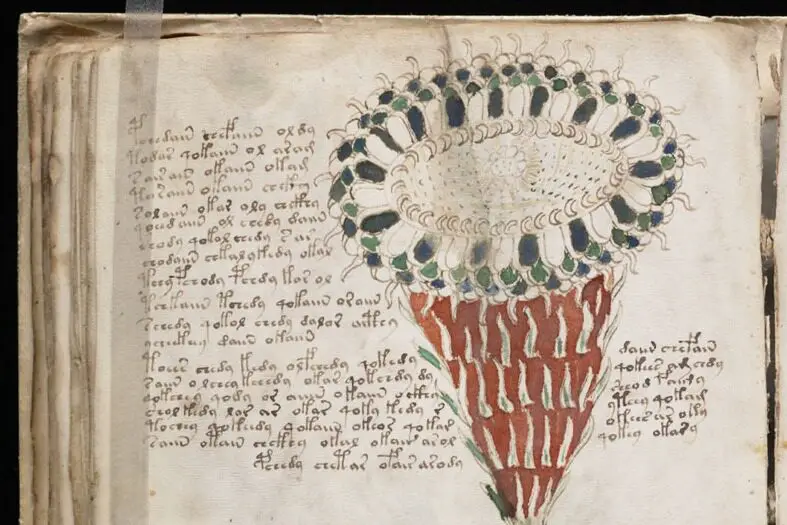
The Voynich Manuscript is a strange illustrated book written in a language no one can read. Carbon dating shows it was created in the 1400s, but the author is unknown. Pages are filled with drawings of odd plants, star charts, and mysterious diagrams. Codebreakers have tried for decades to make sense of it.
Some scholars think it might be an elaborate medical text. Others argue it could be a clever medieval hoax designed to look important. Computer programs have analyzed the writing pattern without finding a match to any known language. Until someone cracks the code, the manuscript remains one of history’s strangest puzzles.
5. The Disappearance of Amelia Earhart

Amelia Earhart vanished in 1937 while attempting to fly around the world. She and her navigator were last heard from somewhere over the Pacific Ocean. The official explanation is that her plane ran out of fuel and crashed into the sea. Yet no wreckage was ever conclusively identified.
Over the years, alternative theories have multiplied. Some believe she landed on a remote island and survived for a time. Others think she was captured by Japanese forces during World War II. Despite many search expeditions, no one has been able to prove what truly happened to the famous pilot.
6. The Dyatlov Pass Incident

In 1959, nine experienced hikers died mysteriously in the Ural Mountains of Russia. Their tent was found ripped open from the inside, and several bodies had unexplained injuries. Early investigators suggested an avalanche caused the tragedy. Later theories included secret military tests or unusual natural events.
Documents released years later only deepened the confusion. Some victims had signs of radiation on their clothing, which added to the speculation. Modern researchers have tried to recreate the conditions of that night. Even today, no single explanation satisfies every strange detail.
7. The Identity of the Man in the Iron Mask
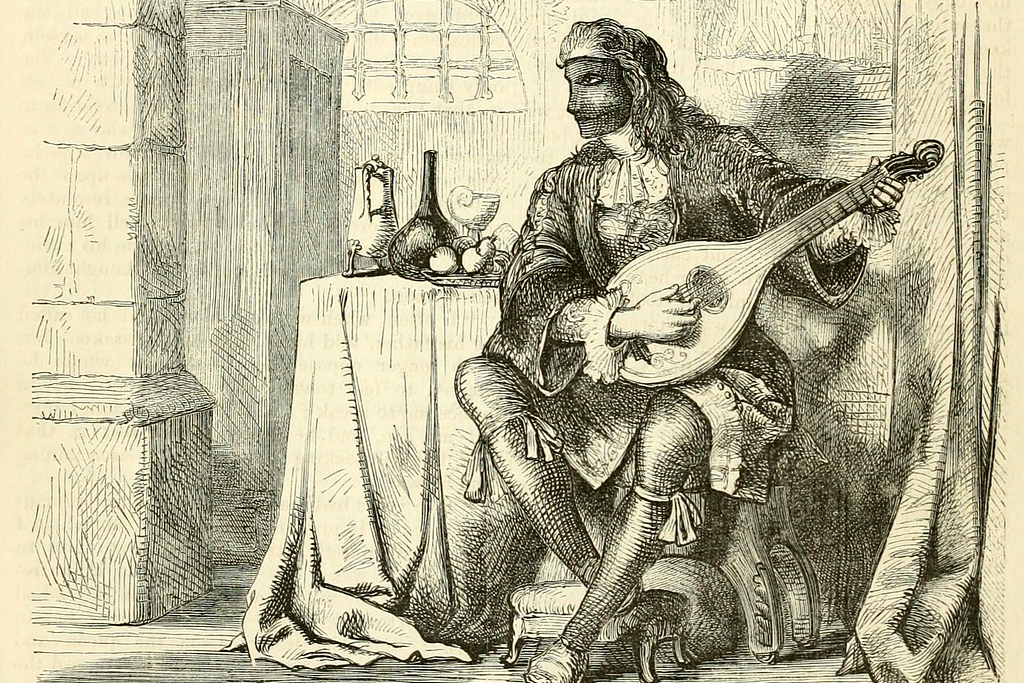
During the reign of King Louis XIV of France, a mysterious prisoner was kept hidden for decades. He was forced to wear a mask so his face would never be seen. Official records confirmed he existed, but they never revealed his name. Writers and historians have argued for years about who he might have been.
Some claim he was a disgraced nobleman or a political rival. Others think he could have been an illegitimate brother of the king. The real documents about his imprisonment were vague and sometimes contradictory. Without solid proof, the masked prisoner remains an enduring historical riddle.
8. What Happened to the Crew of the Mary Celeste
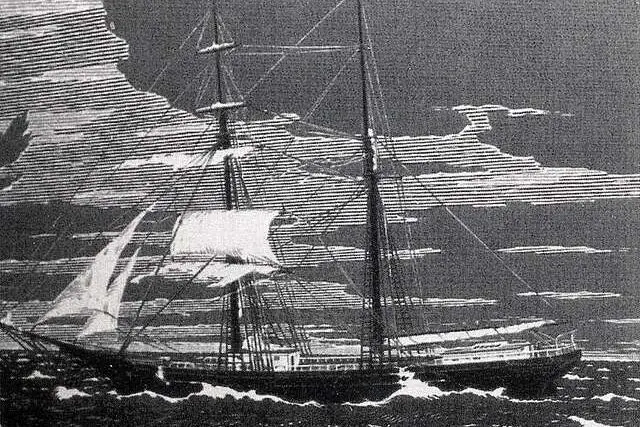
In 1872, the ship Mary Celeste was discovered drifting in the Atlantic Ocean with no one on board. The vessel was in good condition, and there were no obvious signs of violence. Personal belongings and supplies were still in place. Yet the captain and crew had completely disappeared.
Investigators at the time suggested piracy or mutiny, but neither idea fit the evidence. Later theories included storms, toxic fumes, or a sudden panic that caused the crew to abandon ship. None of these explanations has ever been proven beyond doubt. The ghostly ship continues to fascinate maritime historians.
9. The Lost Tomb of Cleopatra
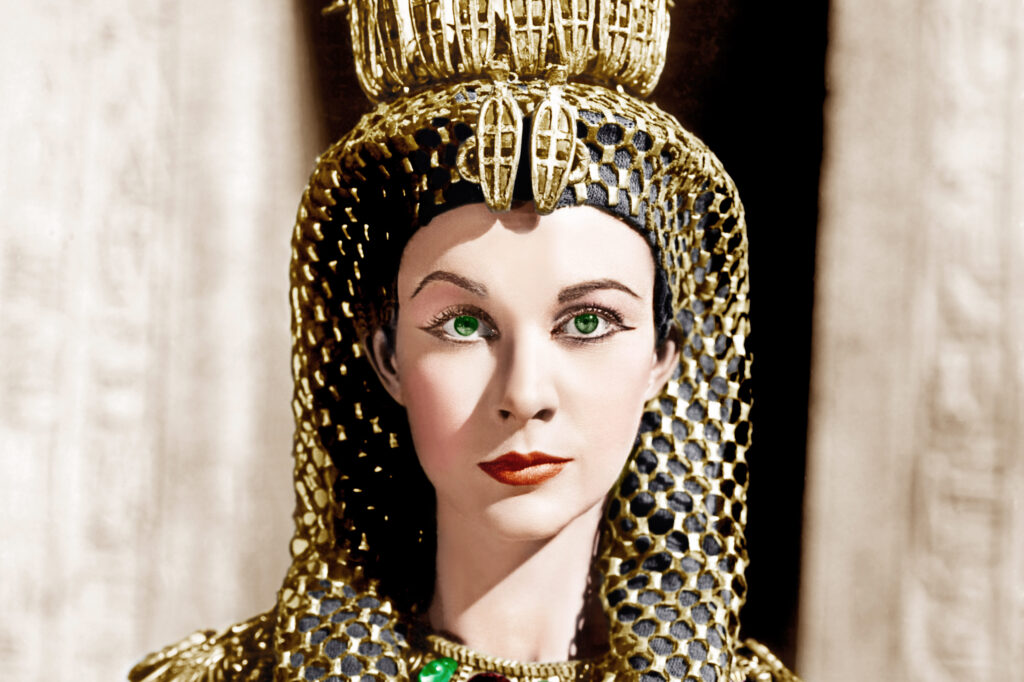
Cleopatra was one of the most famous rulers of ancient Egypt, yet her final resting place has never been found. Ancient writers claimed she was buried with Mark Antony in a lavish tomb. Over the centuries, that location was lost to history. Archaeologists have searched for it for generations.
Some experts think the tomb may lie beneath modern Alexandria. Others believe it could be underwater after centuries of earthquakes and coastline changes. Excavations continue to produce new clues but no definitive answers. Until the burial site is discovered, Cleopatra’s tomb remains hidden.
10. Who Created the Nazca Lines
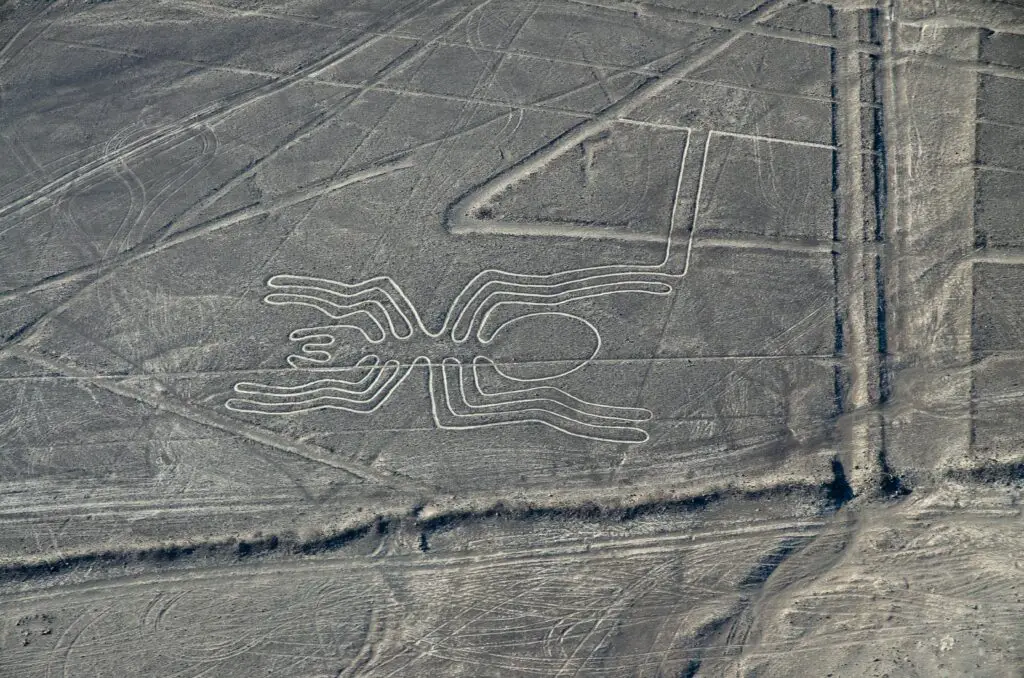
Across the deserts of Peru lie enormous drawings carved into the earth, known as the Nazca Lines. They depict animals, shapes, and long straight paths visible only from the sky. Scholars agree they were made by the ancient Nazca culture, but the purpose is still uncertain. Some believe they were connected to religious rituals.
Other researchers think the lines marked underground water sources or served as ceremonial walkways. A few imaginative theories even suggest they were meant for visitors from the stars. Modern studies using drones and satellites have revealed more designs than ever before. Still, no one can say for sure why they were created.
11. The Cause of the Tunguska Explosion
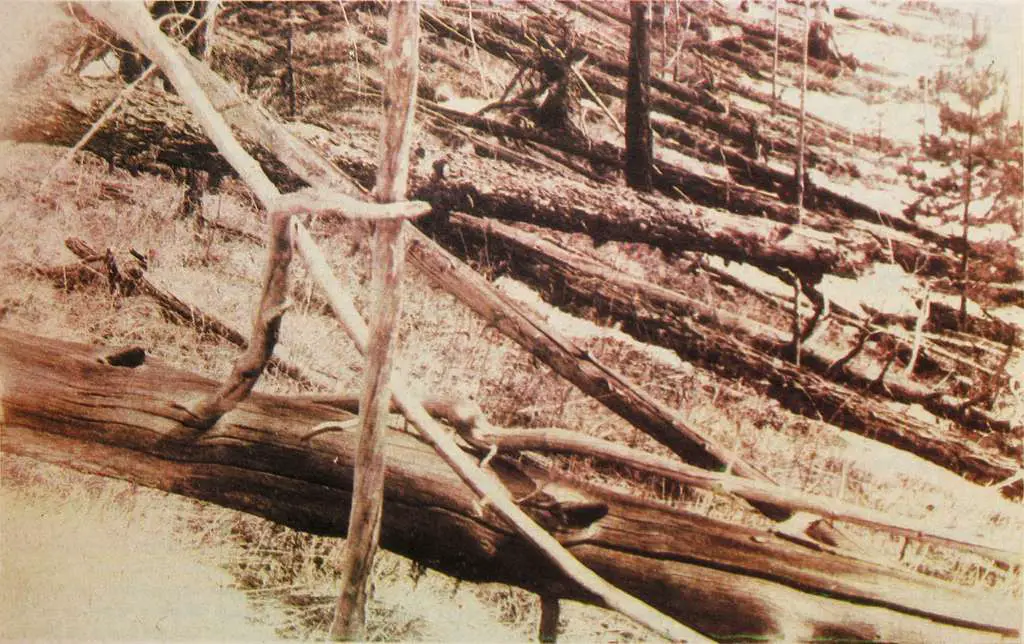
In 1908, a massive explosion flattened thousands of trees in a remote region of Siberia. The blast was so powerful that it was felt hundreds of miles away. Scientists agree it was likely caused by something from space. What they cannot agree on is exactly what that object was.
Most believe a meteor or comet exploded in the atmosphere before hitting the ground. Others suggest a rare natural gas event could have been responsible. Because the area was so isolated, no direct eyewitness accounts were recorded. More than a century later, the Tunguska event still sparks lively debate.
12. Is the Shroud of Turin Authentic
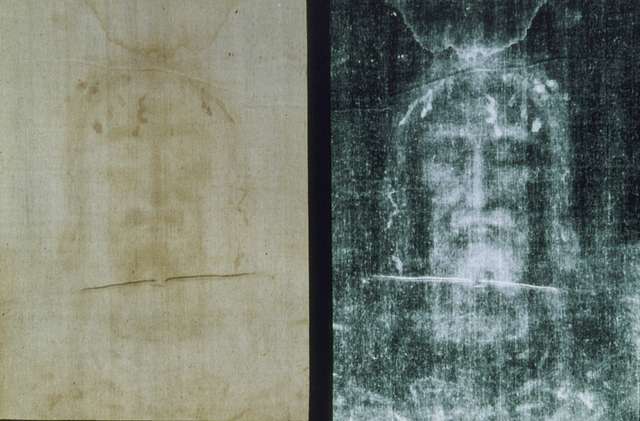
The Shroud of Turin is a linen cloth that appears to show the image of a crucified man. Many people believe it was the burial cloth of Jesus Christ. Scientific tests in the 1980s dated the fabric to the Middle Ages, which suggested it was not genuine. Even so, controversy never disappeared.
Supporters argue that later contamination could have affected those tests. Skeptics point out there is no reliable history of the cloth before the 1300s. New studies continue to analyze the material with updated technology. After decades of arguments, experts still remain deeply divided.
13. How the Antikythera Mechanism Really Worked
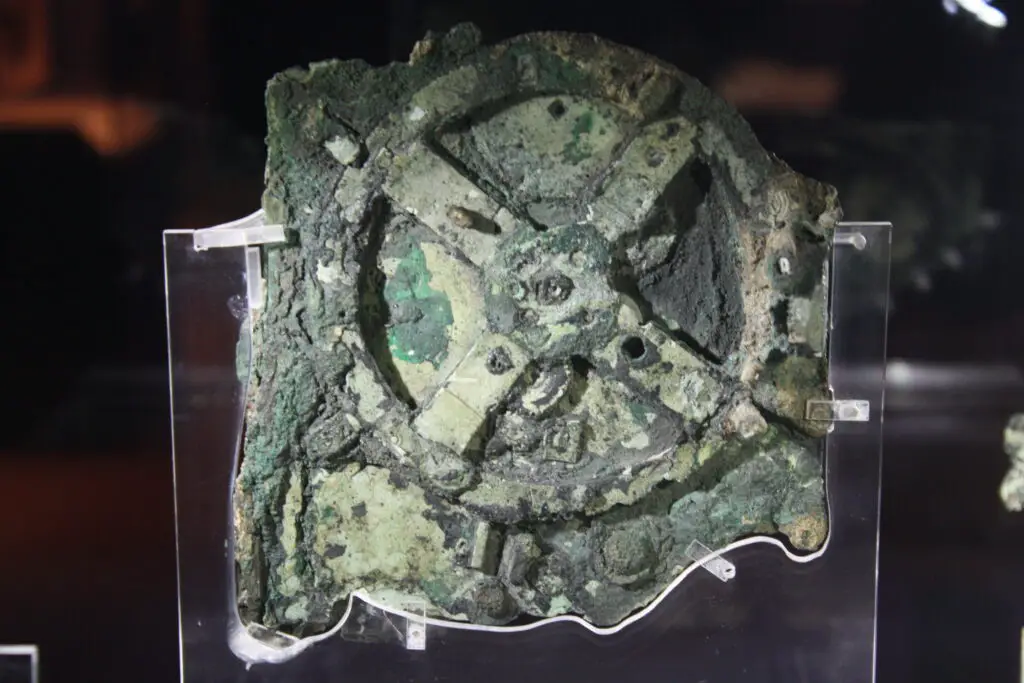
The Antikythera Mechanism was discovered in a Greek shipwreck and dates back more than two thousand years. It contains intricate gears that seem far too advanced for its time. Researchers believe it was used to track astronomical events. Exactly how it functioned, however, is still being studied.
Reconstructed models show it could predict eclipses and planetary movements. Yet many parts of the original device are missing or badly corroded. Historians debate who built it and how such knowledge was later lost. The ancient machine continues to challenge everything we thought we knew about early technology.