
1. Amelia Earhart
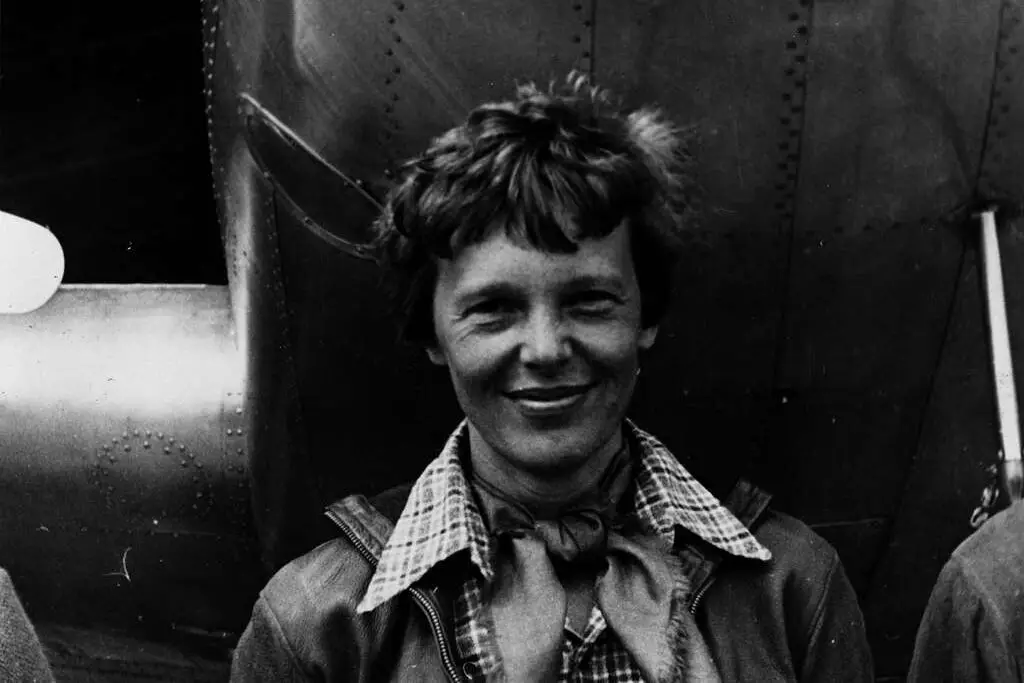
Amelia Earhart disappeared over the Pacific Ocean in July 1937 while attempting to circumnavigate the globe. She and navigator Fred Noonan were last known to be near Howland Island, but they never made it there. Despite extensive searches by the U.S. Navy, no confirmed wreckage was found at the time. Over the decades, several theories have emerged, including that she crashed at sea or landed on an uninhabited island. Some researchers believe she may have reached Nikumaroro, based on artifacts found there. Others suggest more speculative scenarios, but those lack strong evidence.
What makes Earhart’s story so enduring is how little definitive proof exists despite modern technology. In recent years, underwater searches and forensic analysis of artifacts have continued, but none have conclusively solved the mystery. A 2018 study briefly claimed that bones found in the ‘40s matched Earhart’s proportions, but the original remains are lost, making verification impossible. Aviation historians still debate the reliability of her final radio transmissions. The lack of physical evidence leaves the case open-ended. Nearly a century later, her disappearance remains one of aviation’s most studied unsolved cases.
2. Kaspar Hauser
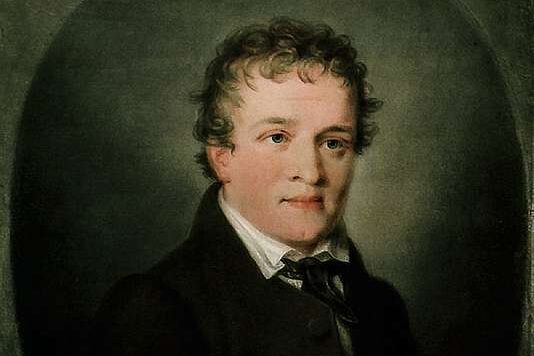
Kaspar Hauser appeared in Nuremberg in 1828, claiming he had been raised in isolation with almost no human contact. He carried a letter suggesting he had been in captivity since infancy. His story quickly drew attention across Europe, especially because of his limited speech and unusual behavior. Some believed he was of noble birth, possibly connected to the House of Baden. Others thought he was an impostor seeking attention. His inconsistent accounts only deepened the confusion.
Hauser was later attacked multiple times and ultimately died from a stab wound in 1833. Before his death, he claimed a stranger had injured him, but skeptics argued he may have staged it himself. Investigations at the time failed to produce a clear suspect. Modern DNA testing has been inconclusive regarding his royal lineage claims. Historians remain divided on whether he was a victim or a fraud. The lack of reliable documentation makes his life story difficult to verify. His case still raises more questions than answers.
3. Grigori Rasputin
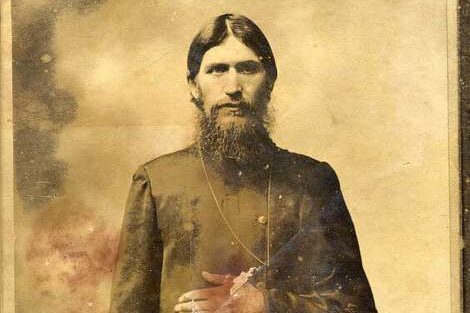
Grigori Rasputin became a controversial figure in early 20th century Russia due to his influence over Tsar Nicholas II’s family. He was seen by some as a healer, especially for the tsarevich Alexei, who suffered from hemophilia. Others viewed him as a manipulative opportunist who had too much political sway. His lifestyle and rumored behavior fueled public distrust. By 1916, several nobles decided he had to be eliminated. They carried out a plot that became the subject of legend.
Accounts of Rasputin’s death are inconsistent and often exaggerated. Stories claim he survived poison, gunshots, and even drowning before finally dying. However, historians note that many of these details come from unreliable or dramatized sources. Autopsy reports suggest he died from gunshot wounds, not poison. The mythologized version of his death has overshadowed the likely reality. His true level of influence is also debated. Rasputin remains a figure where fact and folklore are tightly intertwined.
4. Anastasia Romanov
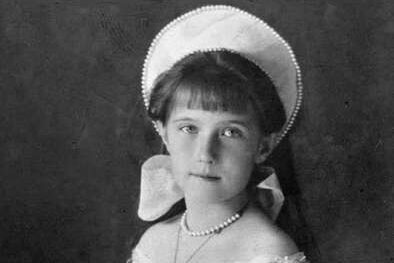
After the execution of the Romanov family in 1918, rumors quickly spread that one of the daughters, Anastasia, had survived. Several women later claimed to be her, most notably Anna Anderson. These claims gained public attention and led to lengthy legal battles. For decades, the fate of Anastasia remained uncertain due to missing remains. The mystery persisted through much of the 20th century. It became one of the most famous survival legends in history.
DNA testing in the 1990s and 2000s ultimately confirmed that all members of the Romanov family were killed. Remains found in two separate graves matched the entire family, including Anastasia. This evidence effectively closed the case from a scientific standpoint. However, the myth had already taken hold in popular culture. Many people still associate her story with survival rather than tragedy. The persistence of the legend shows how powerful unresolved history can be. Even with proof, the narrative took decades to fully settle.
5. Christopher Marlowe
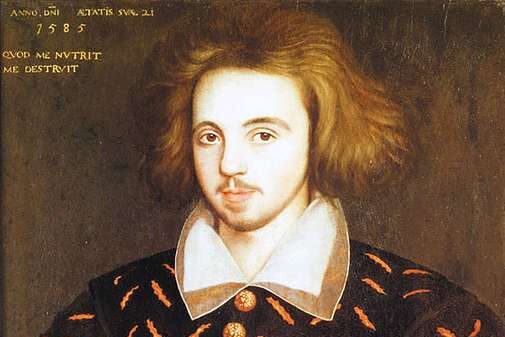
Christopher Marlowe, a contemporary of Shakespeare, died in 1593 under suspicious circumstances. Official records state he was killed in a tavern brawl over a bill. However, the details surrounding the incident raise questions. Marlowe had ties to government intelligence, which complicates the narrative. Some historians believe his death may have been politically motivated. Others suggest it was staged entirely.
There is a long-standing theory that Marlowe faked his death and continued writing under another name. This idea is often linked to debates about Shakespeare’s authorship, though there is no solid evidence supporting it. The official inquest records do exist, but interpretations vary. His connections to espionage remain partially documented but not fully understood. The combination of his literary importance and mysterious death keeps speculation alive. Despite centuries of research, no definitive alternative explanation has been proven. His story remains one of the more intriguing literary mysteries.
6. Billy the Kid
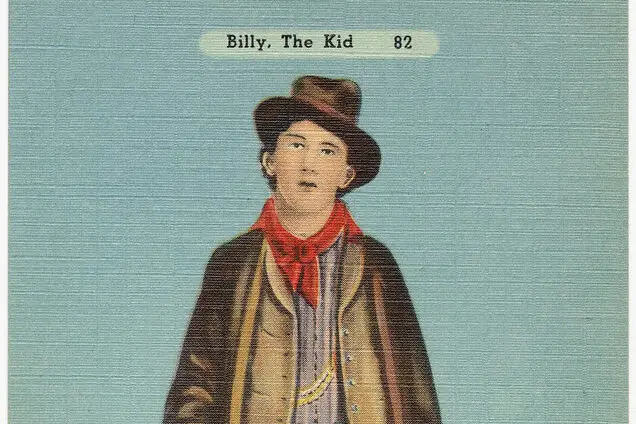
Billy the Kid, whose real name was Henry McCarty, was reportedly killed by Sheriff Pat Garrett in 1881. According to Garrett, he shot the outlaw in Fort Sumner, New Mexico. However, almost immediately, rumors surfaced that the man killed was not actually Billy the Kid. Over the years, several individuals claimed to be the real outlaw who had survived. The most notable was “Brushy Bill” Roberts in the mid-20th century. These claims attracted media attention but lacked convincing evidence.
Historians generally accept that Billy the Kid did die in 1881. Contemporary accounts and Garrett’s testimony are considered credible. However, the lack of photographic confirmation of the body has left room for doubt. Frontier records from that time were often inconsistent or incomplete. This has allowed alternative theories to persist. The romanticized image of the outlaw also fuels ongoing speculation. While the historical consensus is clear, the legend continues to invite questions.
7. Zheng He
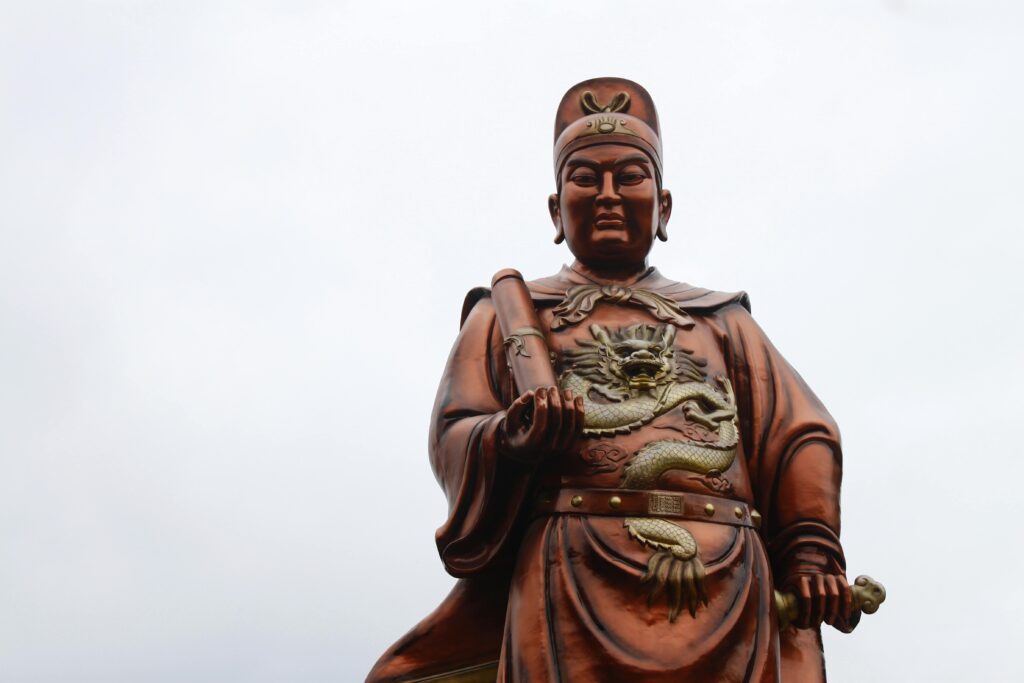
Zheng He was a Chinese admiral who led massive naval expeditions during the early 15th century under the Ming dynasty. His voyages reached Southeast Asia, India, the Middle East, and East Africa. After his final expedition around 1433, records about his life become sparse. It is generally believed he died during or shortly after that voyage. However, the exact details of his death are not clearly documented. This gap has led to uncertainty about his final years.
Some alternative theories suggest he may have lived longer or died elsewhere, but these are not supported by primary sources. Much of what is known about Zheng He comes from official Ming records, which themselves are incomplete. The destruction or loss of documents over time has contributed to the uncertainty. Historians rely on inscriptions and secondary accounts to piece together his life. The scale of his voyages is well documented, but his ending is not. This contrast makes his story feel unfinished. It remains an area where evidence is limited.
8. Cleopatra
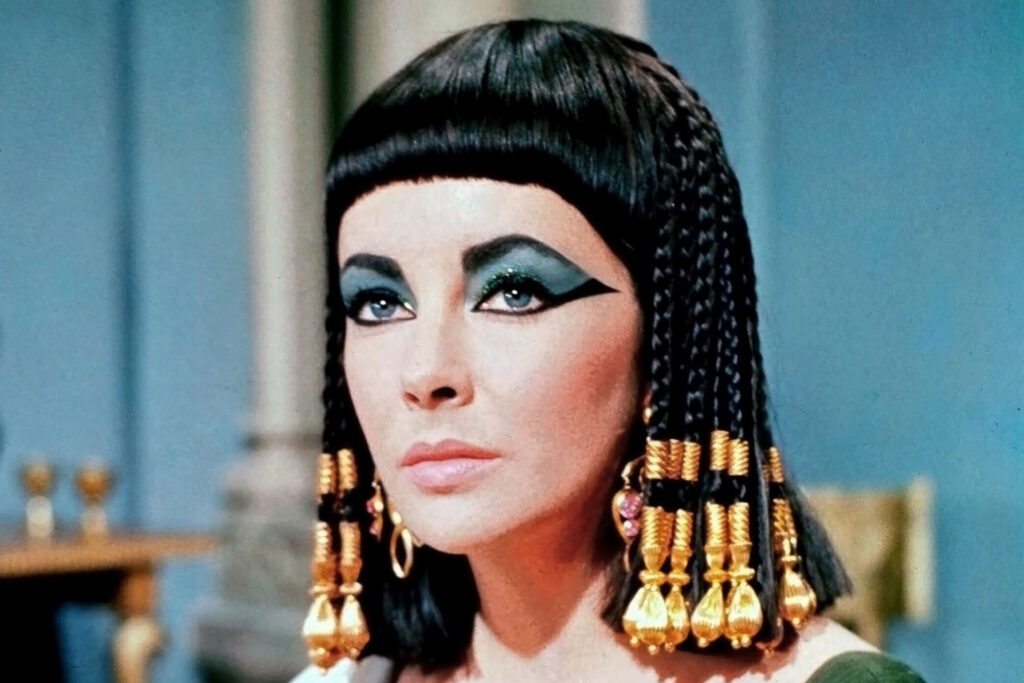
Cleopatra VII is often said to have died by suicide in 30 BCE, possibly by allowing an asp to bite her. This version of events comes primarily from Roman sources written after her death. However, these accounts vary in detail and reliability. Some historians question whether an asp bite was even a practical method. Others suggest poison may have been used instead. The political context of her death also complicates the narrative.
Roman writers had incentives to portray Cleopatra in a certain way, often emphasizing drama and symbolism. Archaeological evidence about her death is limited. No definitive physical proof confirms the exact method she used. Scholars continue to debate the plausibility of the traditional story. The lack of contemporary Egyptian accounts adds to the uncertainty. Cleopatra’s life is well documented in many respects, but her final moments are not. That ambiguity keeps the discussion open.
9. Edgar Allan Poe
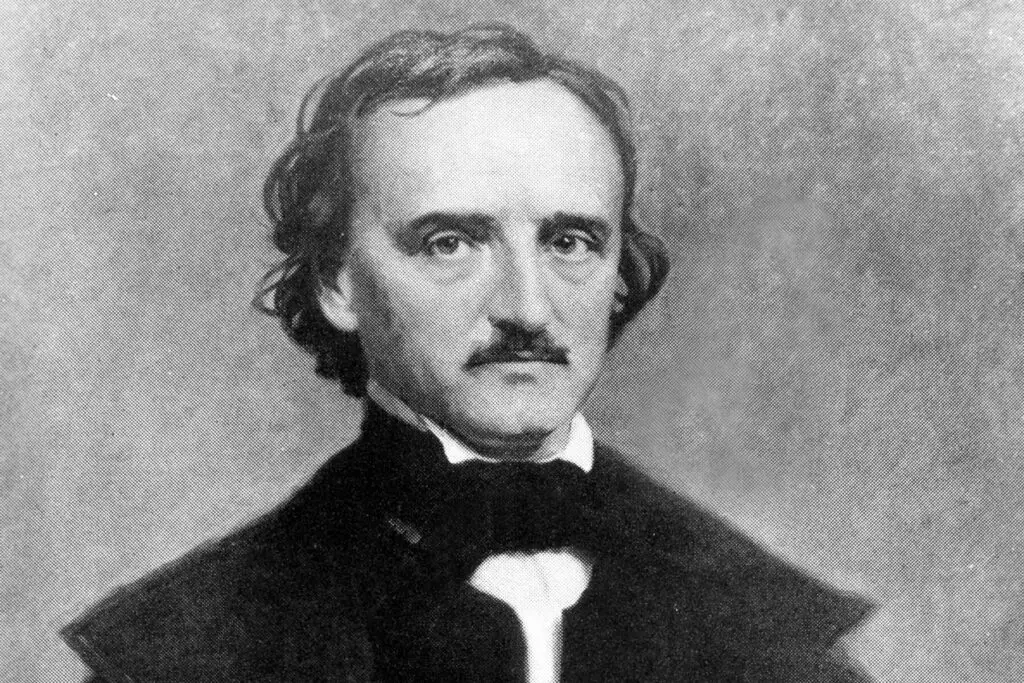
Edgar Allan Poe was found delirious on the streets of Baltimore in October 1849 and died shortly afterward. He was reportedly wearing clothes that did not belong to him. The cause of death was never definitively established. Contemporary reports mention conditions like “brain fever,” which is not a specific diagnosis. Over time, theories have ranged from alcohol poisoning to rabies. None have been conclusively proven.
One widely discussed theory involves “cooping,” a form of election fraud where victims were forced to vote multiple times. This could explain his disoriented state and unusual clothing. However, there is no direct evidence linking Poe to this practice. Medical explanations have also been proposed based on modern analysis of historical descriptions. The lack of a death certificate and incomplete records complicates the case. Poe’s mysterious end aligns with the tone of his own writing. It remains one of the most debated literary deaths.
10. Count of St. Germain
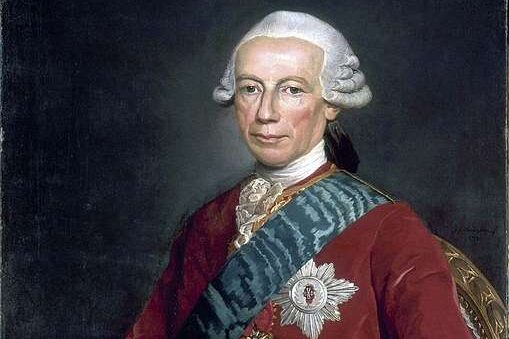
The Count of St. Germain was an 18th century figure known for his intelligence, wealth, and mysterious background. He appeared in European courts with no clear origin and claimed to have extensive knowledge of science and alchemy. Some contemporaries believed he was immortal or possessed secret powers. He never revealed his true identity, which fueled speculation. Official records of his life are inconsistent and often contradictory. He reportedly died in 1784, but sightings were claimed afterward.
These posthumous sightings contributed to the legend that he had not actually died. Historians generally consider these claims to be unfounded. However, the lack of verified personal details makes it difficult to fully reconstruct his life. He left behind letters and references in historical documents, but no clear biography. His reputation grew over time, especially in occult circles. The blend of documented presence and unexplained gaps keeps his story uncertain. He remains one of history’s more enigmatic figures.
11. Alexander the Great
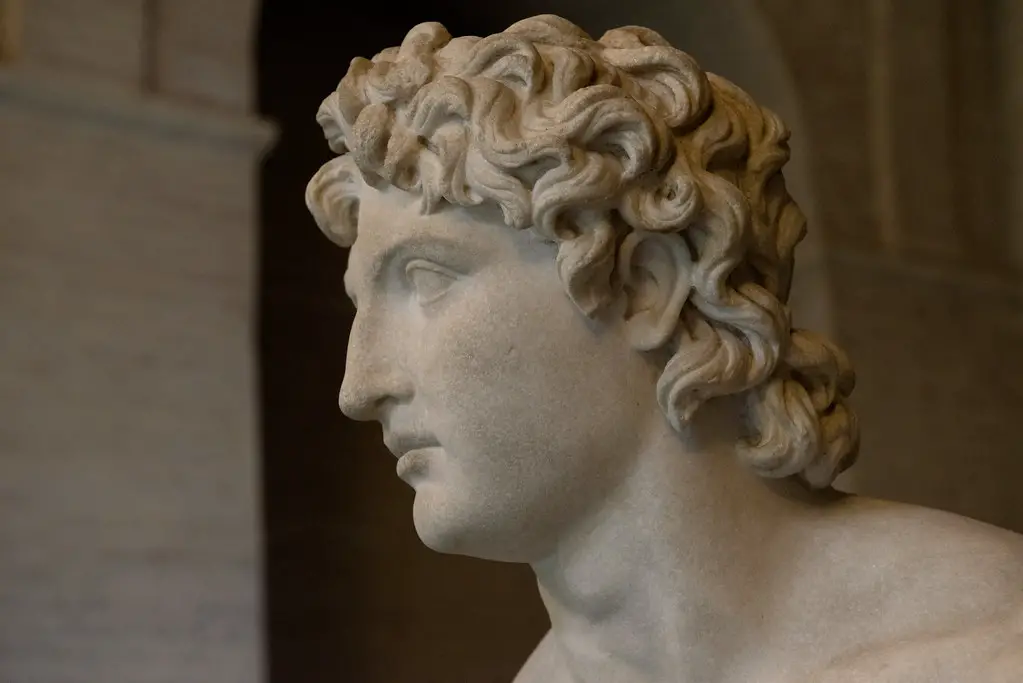
Alexander the Great died in 323 BCE in Babylon at the age of 32. Ancient sources describe a sudden illness, but they do not agree on the cause. Theories include poisoning, malaria, typhoid fever, and other diseases. No autopsy was performed, and medical knowledge at the time was limited. His body was reportedly preserved unusually well, which added to speculation. The exact location of his tomb is also unknown today.
Some historians argue that political motives may have influenced accounts of his death. Others focus on environmental or medical explanations. The lack of contemporary, detailed medical records makes it difficult to draw firm conclusions. Archaeological searches for his tomb have not yet succeeded. This absence of physical evidence adds another layer of uncertainty. Alexander’s life is extensively documented, but his death is not fully explained. That gap continues to invite debate.
12. Jeanne Calment

Jeanne Calment is widely recognized as the oldest verified human, reportedly living to 122 years and 164 days. Her age has been validated by multiple official records, including birth and census documents. However, a controversial theory proposed in 2018 suggested that her daughter may have assumed her identity. This claim has been rejected by most gerontologists and researchers. They point to consistent documentation supporting Calment’s age. The debate has not been fully resolved in public discourse.
Experts emphasize that extraordinary claims require strong evidence, which the identity-switch theory lacks. Independent verification from multiple sources supports her documented lifespan. French authorities also investigated and upheld the original records. While skepticism exists, the scientific consensus remains that Calment’s age is accurate. The controversy highlights how rare cases can invite doubt. It also shows how documentation can be interpreted differently. Her record still stands as of now.
13. William Shakespeare
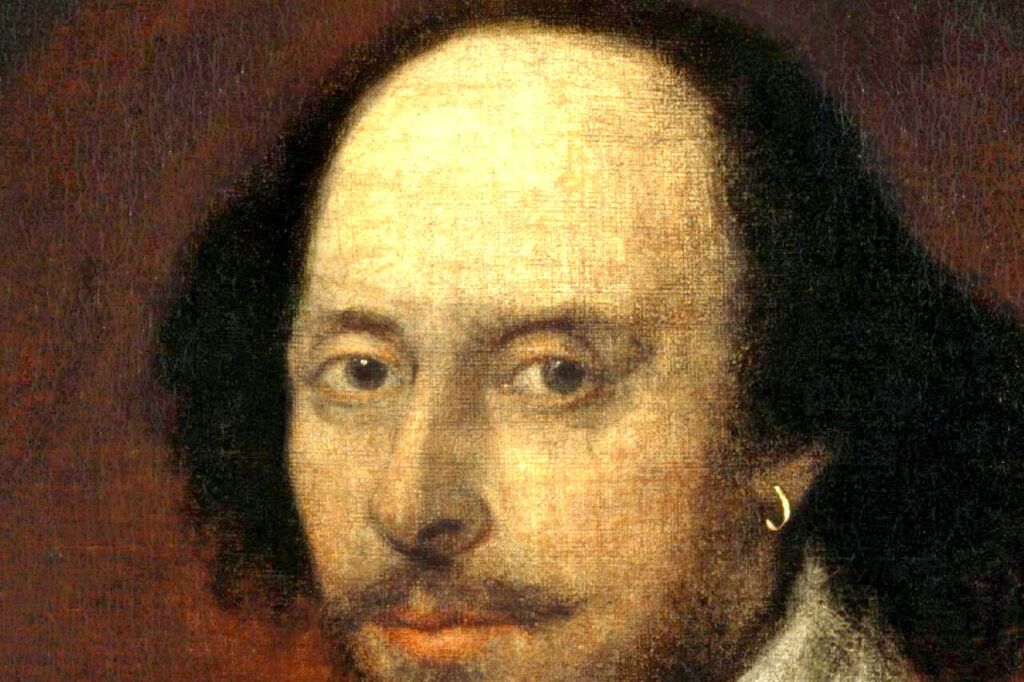
William Shakespeare is credited with writing some of the most influential plays in English literature. However, questions about authorship have persisted for centuries. Some argue that the works were written by someone else, citing limited documentation about Shakespeare’s education and life. Candidates like Edward de Vere and Francis Bacon are often proposed. Despite these theories, there is substantial historical evidence linking Shakespeare to his works. Contemporary references and published records support his authorship.
Most scholars consider the authorship debate to be unsupported by credible evidence. The First Folio and other documents clearly attribute the plays to Shakespeare. Legal records and testimonies from his lifetime also connect him to the theater world. The alternative theories rely heavily on speculation rather than primary sources. However, the gaps in biographical detail continue to intrigue some researchers. The discussion persists more in popular culture than in academia. His legacy remains firmly established regardless of the debate.