
1. Amelia Earhart

Amelia Earhart’s disappearance in 1937 remains one of the most discussed aviation mysteries in history. She was attempting to circumnavigate the globe when her plane vanished somewhere over the Pacific Ocean near Howland Island. Despite extensive searches led by the U.S. Navy, no confirmed wreckage was ever recovered. Over the decades, multiple theories have emerged, including the idea that she crashed at sea due to fuel exhaustion. Others believe she may have landed on Nikumaroro Island, where some artifacts have been found but not definitively linked to her. There are even claims she was captured by Japanese forces, though no credible evidence supports that. What makes the story especially puzzling is how advanced her preparations were for the time. Even now, no single explanation fully accounts for all the available evidence.
Her final radio transmissions suggested she was close to her destination but struggling with navigation. That detail alone has led experts to debate whether equipment failure or human error played a larger role. Expeditions continue to search for her plane, using modern sonar and deep-sea exploration tools. Occasionally, new findings are announced, but none have conclusively solved the case. The lack of definitive proof has allowed speculation to thrive for decades. Earhart’s story stands out because it combines real documentation with large gaps in the record. It is not just a disappearance, it is an unresolved historical event with competing interpretations. That ambiguity keeps the mystery alive.
2. Anastasia Romanov

After the execution of the Romanov family in 1918, rumors quickly spread that one of the daughters, Anastasia, had survived. The chaos of the Russian Revolution created the perfect conditions for confusion and misinformation. For decades, women came forward claiming to be the lost grand duchess. The most famous was Anna Anderson, whose story attracted international attention and divided even close acquaintances of the Romanovs. Some believed her, pointing to physical similarities and personal knowledge. Others dismissed her claims as fabricated or influenced by suggestion. For years, there was no definitive way to settle the debate.
That changed in the 1990s when DNA testing became possible. Remains discovered near Yekaterinburg were analyzed and matched to the Romanov family, including Anastasia. Later discoveries confirmed that all members of the immediate family had been killed. Despite that, the persistence of the Anastasia legend shows how powerful unresolved narratives can be. For much of the 20th century, the lack of physical evidence allowed the mystery to flourish. The story “didn’t add up” because there were too many conflicting accounts and too little proof. Even now, it remains a case study in how myth can fill gaps left by incomplete historical records. The facts are clearer today, but the legend still lingers.
3. Rasputin
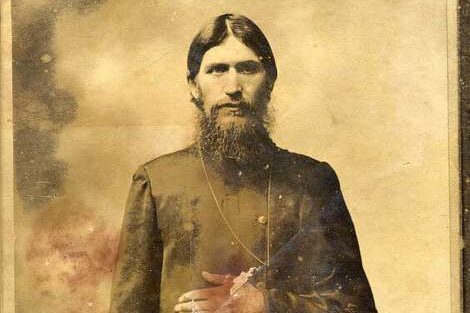
Grigori Rasputin’s death in 1916 is often described as almost unbelievable. According to popular accounts, he survived poisoning, multiple gunshots, and even drowning before finally dying. These stories were widely circulated after his assassination by Russian nobles who feared his influence over the royal family. However, later forensic analysis of the available evidence suggests that many of these dramatic details were exaggerated. The autopsy report indicated he died from gunshot wounds, not poison or drowning. That contradiction between legend and documentation has fueled debate for years.
Part of the confusion comes from conflicting testimonies given by those involved in the assassination. Some may have embellished the story to make Rasputin seem nearly impossible to kill. Others may have misremembered events or intentionally distorted them. The political climate at the time also played a role, as Russia was on the brink of revolution. Rasputin had already been turned into a larger-than-life figure in both positive and negative portrayals. His death became part of that mythology. When historians try to separate fact from fiction, the story becomes much less dramatic, but still unclear in key details. That gap between reality and legend is what makes his story feel inconsistent.
4. Christopher Columbus
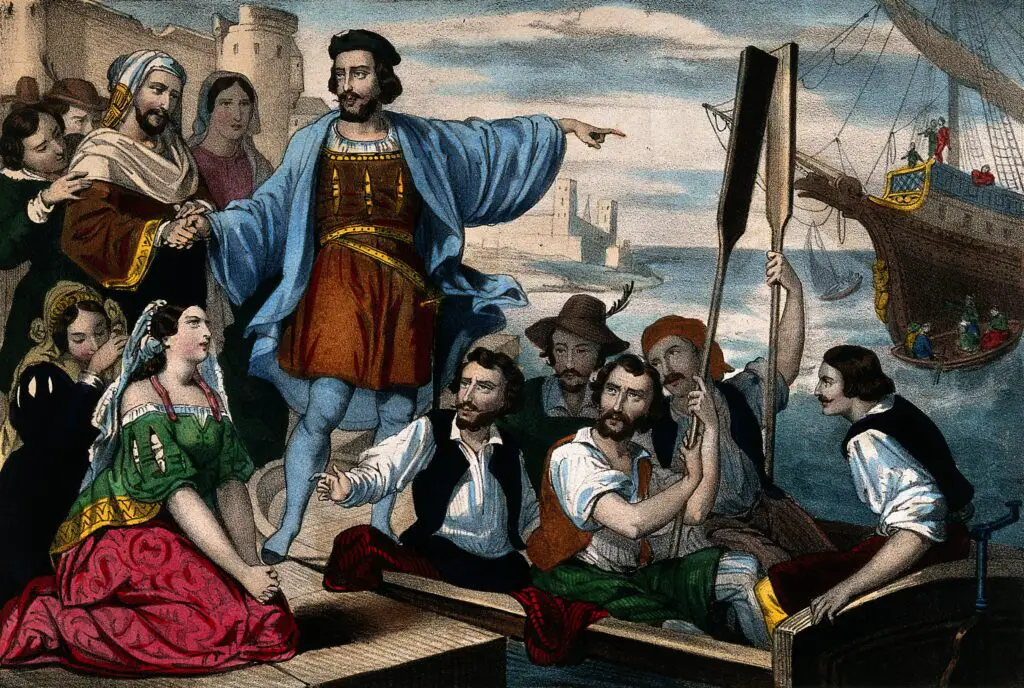
Christopher Columbus is widely credited with “discovering” the Americas in 1492, but that narrative leaves out important details. Indigenous peoples had been living in the Americas for thousands of years before his arrival. There is also evidence that Norse explorer Leif Erikson reached North America centuries earlier. Columbus himself believed he had reached Asia, not a new continent. That misunderstanding shaped his reports and influenced how his voyages were recorded at the time. The story taught in schools for generations simplifies a much more complex reality.
His own writings and logs sometimes contradict later interpretations of his journeys. Accounts of his treatment of Indigenous populations also vary depending on the source, though many contemporary documents describe harsh conditions. Over time, Columbus became a symbolic figure rather than a strictly historical one. Celebrations like Columbus Day reinforced a simplified version of events. As more primary sources have been examined, historians have revised many aspects of his story. The result is a figure whose legacy is still being reassessed. What “doesn’t add up” is how different the traditional narrative is from the documented evidence. It shows how history can be shaped by perspective.
5. Billy the Kid
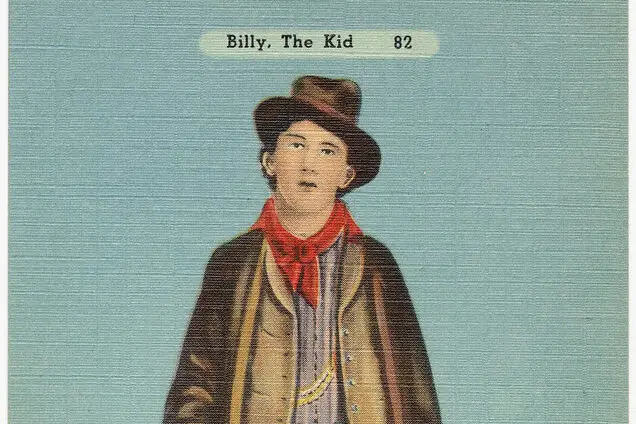
Billy the Kid was reportedly killed by Sheriff Pat Garrett in 1881, but doubts about his death began almost immediately. Some claimed Garrett shot the wrong man, or that the outlaw escaped and lived under another identity. Over the years, several individuals came forward claiming to be Billy the Kid. The most notable was “Brushy Bill” Roberts, who sought an official pardon in the 1950s. His story included detailed accounts of the Kid’s life, but historians found inconsistencies. There was no solid evidence tying him to the real outlaw.
Photographs and eyewitness accounts from the time are limited, which adds to the uncertainty. The Old West already had a reputation for blurred lines between fact and legend. Records were not always reliable, and stories were often exaggerated in newspapers. Garrett’s own account of the shooting is one of the main sources, but it has been questioned. Without definitive physical evidence, the mystery lingered longer than expected. Most historians agree Billy the Kid did die in 1881, but the persistence of alternative theories shows how gaps in documentation create doubt. His story became part history, part folklore.
6. Edgar Allan Poe
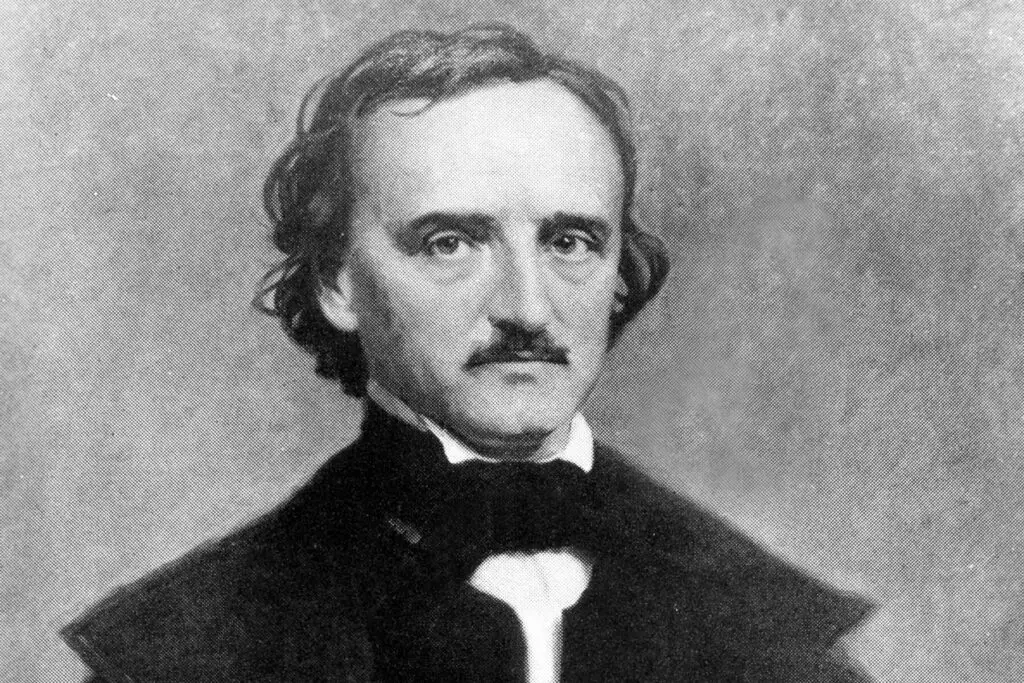
Edgar Allan Poe’s death in 1849 remains one of the strangest literary mysteries. He was found delirious on the streets of Baltimore, wearing clothes that were not his own. He died a few days later in a hospital, but no clear cause of death was recorded. The official records, including his death certificate, have been lost. Various theories have been proposed, including alcohol poisoning, rabies, and even a practice known as “cooping,” where people were forced to vote multiple times in elections. None of these explanations has been definitively proven.
What complicates matters is that many early accounts of his death may have been biased. One of his literary rivals wrote an obituary that portrayed Poe negatively, influencing public perception. Medical knowledge at the time was also limited, making diagnoses less reliable. The missing records leave a significant gap in the historical evidence. Poe’s own life, filled with hardship and instability, adds another layer to the mystery. Without definitive documentation, historians can only rely on incomplete reports. His death feels unresolved because there is no single explanation that fits all the known details. That uncertainty has kept the debate going for more than a century.
7. Kaspar Hauser
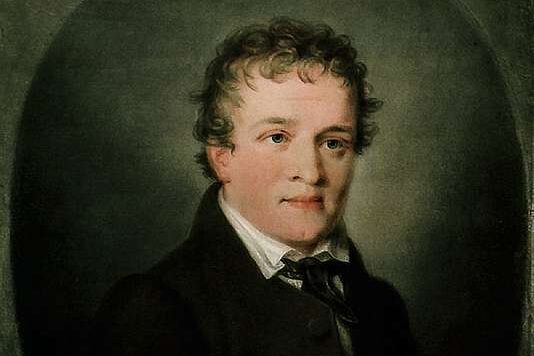
Kaspar Hauser appeared in Nuremberg in 1828, claiming he had been raised in total isolation. He could barely speak and carried a letter with unclear origins. His story quickly drew attention across Europe, with some believing he was of noble birth, possibly even connected to the Baden royal family. Others suspected he was a fraud. Over time, Hauser learned to communicate more clearly, but his accounts of his upbringing remained inconsistent. He was later attacked under mysterious circumstances and died from a stab wound in 1833.
Investigations into his background produced conflicting results. Some evidence suggested he had not been as isolated as he claimed. Modern genetic testing of hair samples has been inconclusive, partly due to questions about the authenticity of the samples. The political intrigue surrounding his case added to the confusion. Supporters and skeptics both had strong motivations to shape the narrative. Hauser’s life sits at the intersection of documented events and unanswered questions. His story “doesn’t add up” because key pieces of evidence are either missing or disputed. Even today, historians cannot fully agree on who he really was.
8. Tycho Brahe
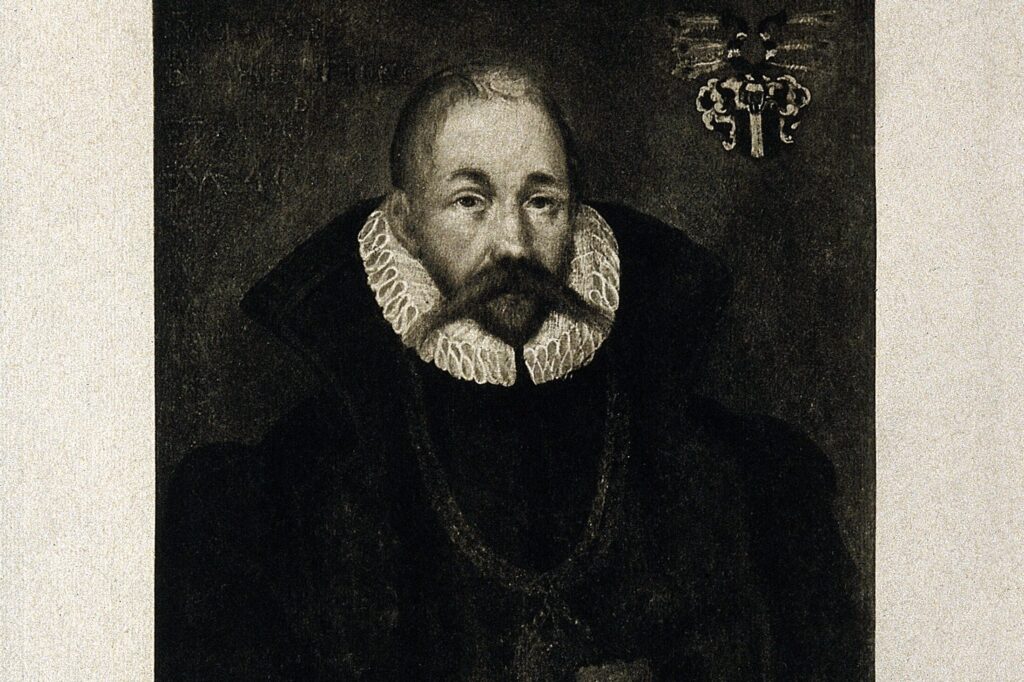
Tycho Brahe, the renowned Danish astronomer, died in 1601 under circumstances that have been debated for centuries. According to traditional accounts, he died after developing a urinary infection, possibly caused by refusing to leave a banquet to relieve himself. That explanation was widely accepted for a long time. However, later analyses of his remains revealed traces of mercury. This led to speculation that he may have been poisoned, possibly even murdered. Some theories suggested his assistant, Johannes Kepler, could have been involved, though there is no credible evidence supporting that claim.
More recent studies have revisited the mercury findings and concluded the levels were not high enough to indicate poisoning. This has shifted the consensus back toward natural causes. Still, the existence of competing explanations shows how uncertain the historical record can be. Brahe’s status as a major scientific figure has kept interest in his death alive. The lack of definitive medical records from the time adds to the ambiguity. His story illustrates how new scientific techniques can both clarify and complicate historical questions. Even with modern analysis, not every detail can be confirmed. That leaves room for continued debate.
9. Boudica
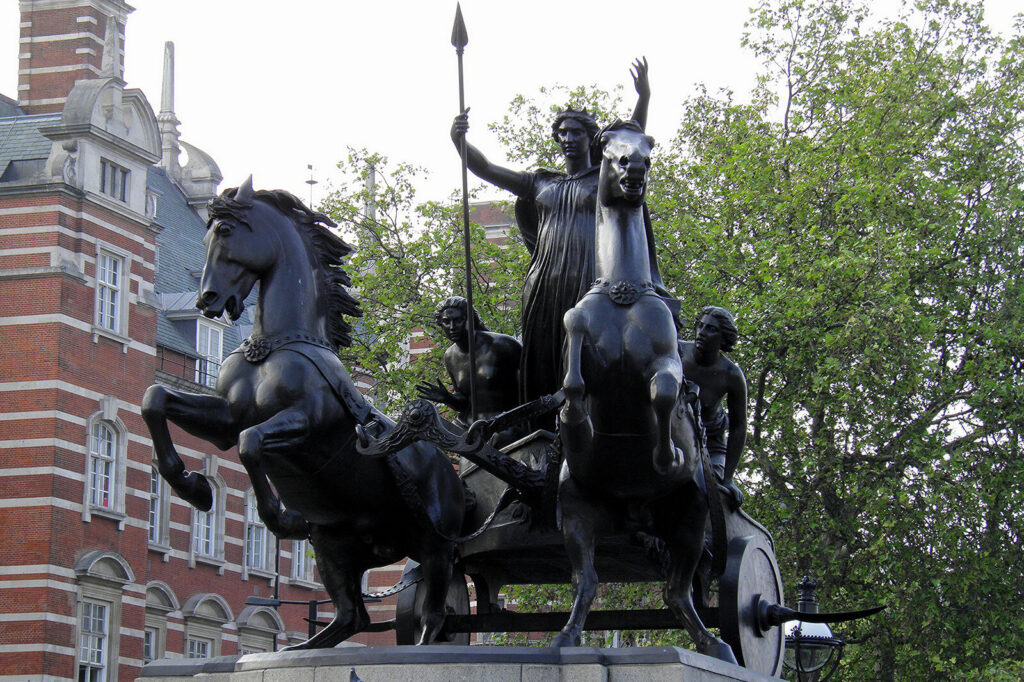
Boudica led a major uprising against Roman rule in Britain around 60–61 CE, but her ultimate fate is unclear. Ancient sources, primarily Roman historians like Tacitus and Cassius Dio, provide differing accounts. One suggests she died of illness, while another claims she took poison to avoid capture. There is no archaeological evidence that definitively confirms either version. The lack of contemporary British records makes it difficult to verify the Roman accounts. As a result, much of what is known about Boudica comes from sources with their own biases.
The Romans had an interest in portraying the rebellion in a way that justified their authority. That could have influenced how Boudica’s story was recorded. Over time, she became a symbol of resistance, particularly in British history. This symbolic role sometimes overshadows the limited factual record. Historians must rely on a small number of texts that do not fully agree with each other. Without independent confirmation, her final moments remain uncertain. The story feels incomplete because it depends on sources that are both scarce and potentially biased. That makes it difficult to draw firm conclusions.
10. Count of St. Germain
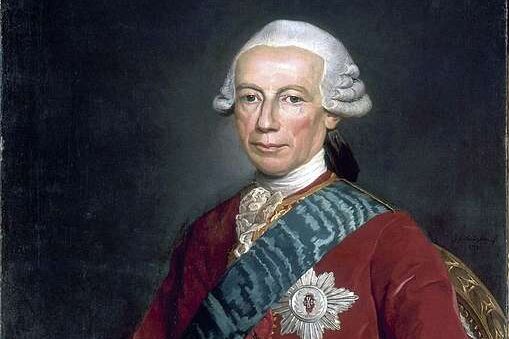
The Count of St. Germain was an 18th-century figure known for his mysterious background and wide-ranging talents. He appeared in European courts, claiming knowledge of science, art, and languages. Some contemporaries believed he was extraordinarily old or even immortal. There are records placing him in different locations over several decades, sometimes without clear explanation. However, much of what is known about him comes from anecdotal accounts rather than verified documents. That makes it difficult to separate fact from exaggeration.
He was known to cultivate an air of mystery, which likely contributed to the legends surrounding him. After his reported death in 1784, sightings of him continued to be reported. These claims are generally considered unreliable, but they added to his reputation. Historians agree he was a real person, but his true identity and origins remain unclear. The lack of consistent records has allowed speculation to fill the gaps. His story “doesn’t add up” because it relies heavily on secondhand accounts. That leaves more questions than answers.
11. Zheng He
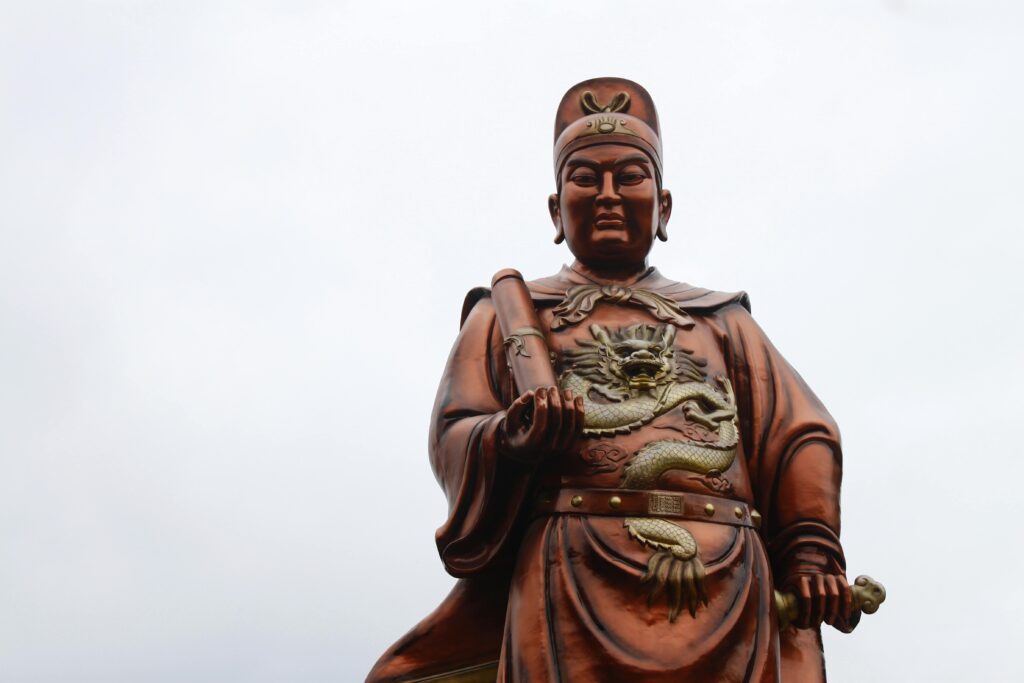
Zheng He led a series of major maritime expeditions during the early 15th century under the Ming Dynasty. His fleets traveled as far as East Africa, establishing trade and diplomatic connections. Detailed records of his voyages were kept at the time, but many were later lost or deliberately destroyed. This has created significant gaps in the historical record. Some later claims have suggested his voyages reached the Americas, but there is no credible evidence supporting that theory. Most historians reject those claims.
The destruction of records is often linked to changes in political priorities within the Ming court. As China turned inward, interest in overseas exploration declined. Without complete documentation, historians must rely on surviving fragments and external sources. That makes it difficult to fully reconstruct his journeys. Zheng He’s achievements are well established, but the details are incomplete. The gaps in the record have led to speculation that goes beyond the available evidence. His story highlights how lost documentation can create uncertainty. What remains is impressive, but not fully understood.
12. Cleopatra

Cleopatra VII’s death in 30 BCE is traditionally said to have been caused by an asp bite. This version of events comes primarily from Roman sources written after her death. However, there is no definitive physical evidence to confirm this account. Some historians suggest she may have used poison in another form, possibly applied through a hairpin or ointment. The exact method remains uncertain. The political context of her death, following her defeat by Octavian, complicates the narrative.
Roman writers may have shaped the story to fit a dramatic or symbolic ending. Cleopatra’s image has been heavily influenced by later interpretations in literature and art. These portrayals often emphasize certain aspects while overlooking others. Without contemporary Egyptian records, historians rely largely on Roman accounts. That creates a one-sided perspective. The lack of direct evidence means multiple theories remain plausible. Her death “doesn’t fully add up” because the most widely accepted version cannot be conclusively proven. It remains one of the enduring uncertainties of ancient history.
13. Sitting Bull
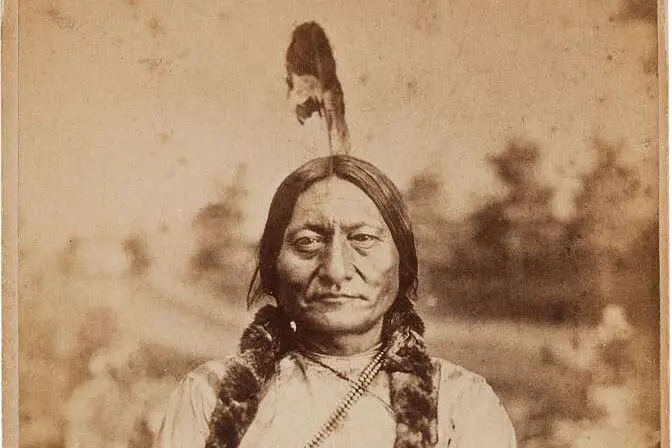
Sitting Bull, the Lakota leader, was killed in 1890 during an attempted arrest by Indian Agency police. The official account states that a confrontation broke out, leading to gunfire. However, details about exactly how events unfolded vary between sources. Some reports suggest confusion and panic played a major role. Others indicate tensions had been building for months due to the spread of the Ghost Dance movement. The involvement of multiple groups makes it difficult to reconstruct the sequence of events precisely.
Eyewitness accounts from the time are inconsistent and sometimes contradictory. This is not unusual in chaotic situations, but it complicates historical analysis. Sitting Bull’s death became part of a larger narrative about U.S. expansion and Native American resistance. That broader context influences how the event is interpreted. While the general outline is known, specific details remain unclear. Historians agree on the key facts, but not on every moment of the confrontation. The story feels incomplete because of those conflicting accounts. It serves as a reminder that even relatively recent history can contain unresolved questions.