
1. Anastasia Romanov

For decades, rumors swirled that Anastasia Romanov somehow survived the brutal execution of the Russian royal family in 1918, and the idea captured imaginations around the world. Women came forward claiming to be her, the most famous being Anna Anderson, whose story kept newspapers busy for years. Some people believed the inconsistencies in eyewitness accounts left room for doubt about what really happened in that cellar in Ekaterinburg. The mystery felt especially haunting because so few personal details about Anastasia’s final days were ever clearly documented. Even historians admitted there were gaps in early records and conflicting testimonies. That uncertainty made the story linger long after the Russian Empire itself had vanished. It became one of those historical “what ifs” people couldn’t stop revisiting.
Modern DNA testing in the 1990s and early 2000s confirmed that all members of the Romanov family were killed, including Anastasia, closing the case scientifically. Still, many people feel the emotional pull of the legend because it lasted so long and involved so many convincing claimants. The idea of a lost princess surviving catastrophe taps into something deeply human. It also highlights how incomplete evidence can allow myths to flourish for generations. Even with the science settled, the story remains part of popular culture and historical folklore. It’s a reminder that truth and storytelling sometimes blur when documentation is thin. Some mysteries fade quietly, but this one left a lasting imprint on public imagination.
2. Jack the Ripper
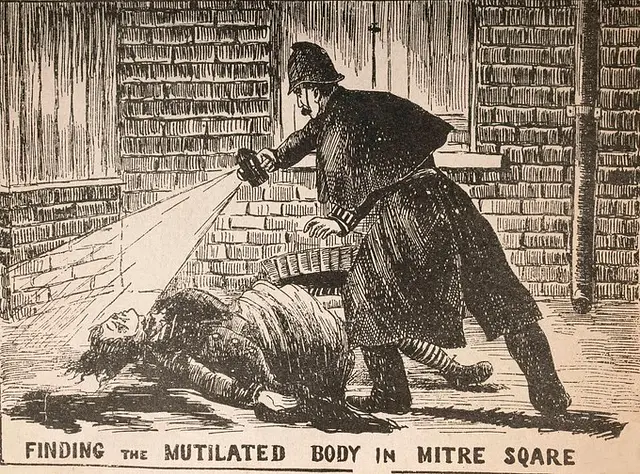
Jack the Ripper remains one of the most infamous unidentified figures in history, responsible for a series of brutal murders in London’s Whitechapel district in 1888. Despite countless investigations, suspects, and theories, no one has ever definitively proven who the killer was. Police records from the time were incomplete, and forensic science was still in its infancy. Newspapers fueled panic and speculation, often exaggerating details or publishing questionable letters supposedly written by the killer. That chaos made it difficult to separate fact from rumor even back then. Every few years, a new theory claims to solve the case, only to raise more questions. The lack of a clear identity keeps the mystery alive more than a century later.
Some historians argue that the case may never be solved because crucial evidence was lost or mishandled. DNA testing has been attempted on preserved artifacts, but the results remain disputed and inconclusive. Each new claim tends to spark debate rather than closure. What makes the story so unsettling is how ordinary the setting was, crowded streets and everyday working people, contrasted with such shocking violence. It also reflects the limitations of Victorian policing and record keeping. The unanswered questions have turned Jack the Ripper into a symbol of unresolved history. In many ways, the mystery says as much about society’s fears as it does about the unknown killer himself.
3. Amelia Earhart
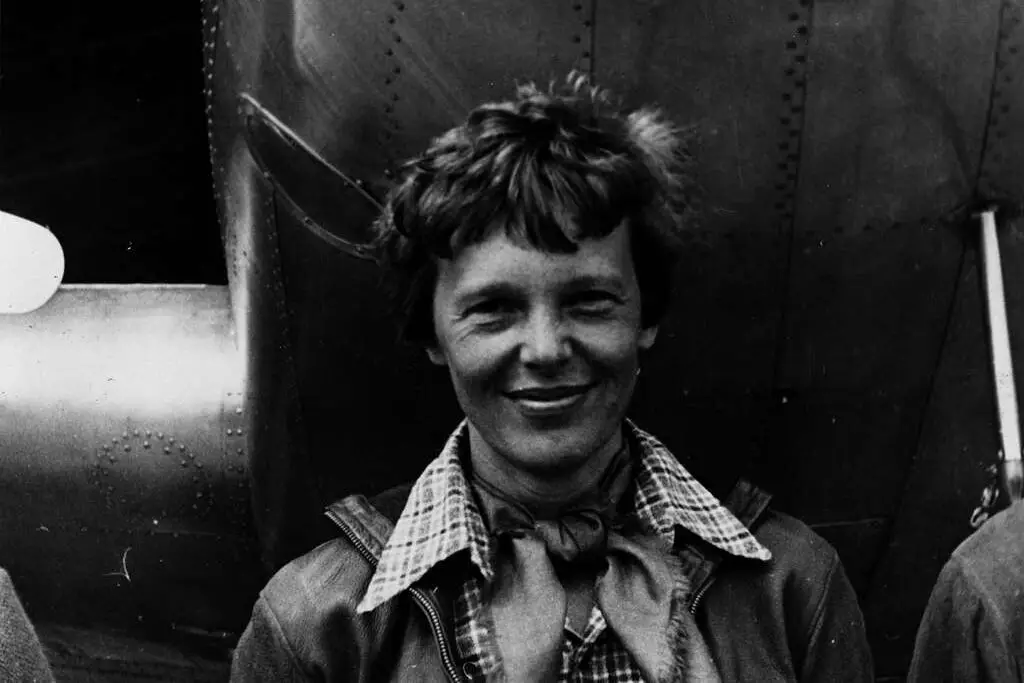
Amelia Earhart was one of the most famous aviators in the world when she disappeared in 1937 during her attempt to fly around the globe. Her plane vanished over the Pacific Ocean, and despite extensive searches, no confirmed wreckage was ever found. The official explanation suggests she ran out of fuel and crashed into the ocean, but the lack of physical evidence leaves room for doubt. Over the years, theories have ranged from island survival to capture by foreign forces. Bits of possible debris and skeletal remains have surfaced, but none have been conclusively tied to her. Each new discovery reignites hope that the mystery might finally be solved. The unanswered questions keep her story alive in a uniquely haunting way.
What makes Earhart’s disappearance especially compelling is how close she was to completing her journey. She was already a global icon, which amplified public interest and speculation. Researchers continue to analyze radio transmissions, navigation data, and historical weather patterns to piece together what might have happened. Some findings seem promising, but none have reached universal agreement. The ocean’s vastness makes definitive proof incredibly difficult to obtain. Until physical evidence is confirmed, the final moments of her flight remain an open question. Her legacy blends courage, ambition, and enduring mystery in equal measure.
4. D. B. Cooper
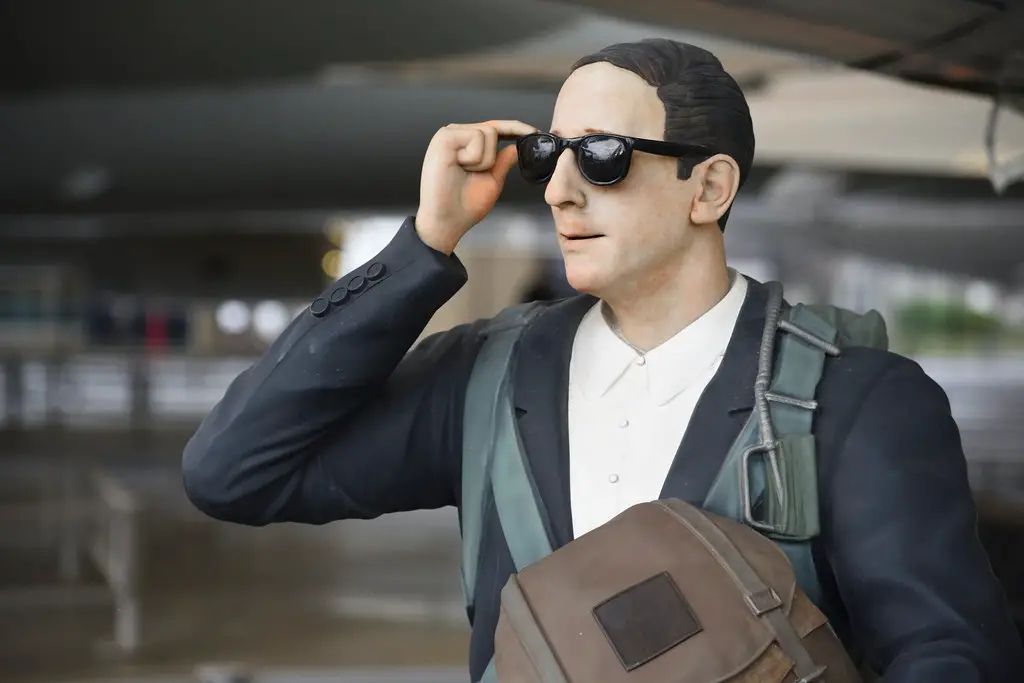
In 1971, a man using the name D. B. Cooper hijacked a commercial airplane, demanded ransom money, and parachuted into the night over the Pacific Northwest. He was never found, and neither was most of the money. The case baffled the FBI for decades and inspired countless amateur sleuths. Witness descriptions were vague, and the terrain he jumped into was rugged and remote. Some believe he died during the jump, while others think he escaped successfully and disappeared into ordinary life. A small portion of the ransom money was later discovered buried along a riverbank, but it raised more questions than answers. The lack of closure keeps the story endlessly fascinating.
Despite extensive investigation, no suspect has ever been definitively confirmed as Cooper. Modern analysis of tie fibers and flight data provided some insights, but not enough to identify him. The case officially remains unsolved, even after years of renewed interest. What captivates people is the audacity of the crime and the possibility that he got away with it. It feels like something out of a movie, except it actually happened. The mystery highlights how even in a modern era, someone can vanish almost completely. Cooper’s identity remains one of America’s most enduring unanswered questions.
5. Joan of Arc
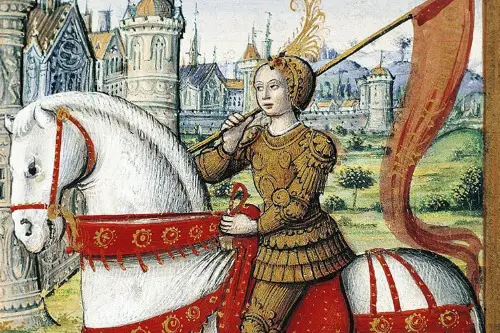
Joan of Arc rose from a rural teenager to a military leader who helped change the course of the Hundred Years’ War in the early 1400s. She claimed to receive divine visions guiding her actions, which convinced some and unsettled others. Her rapid ascent and dramatic influence still raise questions about how much was faith, psychology, or political manipulation. Captured and tried for heresy, she was executed in 1431, yet her trial records reveal inconsistencies and questionable legal practices. Some later claimed she may have survived and lived quietly under another identity, though historians generally reject this. The conflicting accounts make it difficult to fully understand her inner motivations. Her story balances between documented fact and legend.
What complicates Joan’s legacy is how heavily it relies on trial transcripts and secondhand accounts. Political interests at the time shaped how her story was recorded and preserved. Even her visions are interpreted differently depending on cultural and religious perspectives. Later rehabilitation trials overturned her conviction, adding another layer of historical revision. Scholars continue to debate how much agency she truly had in military decisions. The unanswered psychological and social questions keep her fascinating centuries later. Her life remains a blend of faith, power, and unresolved interpretation.
6. Cleopatra
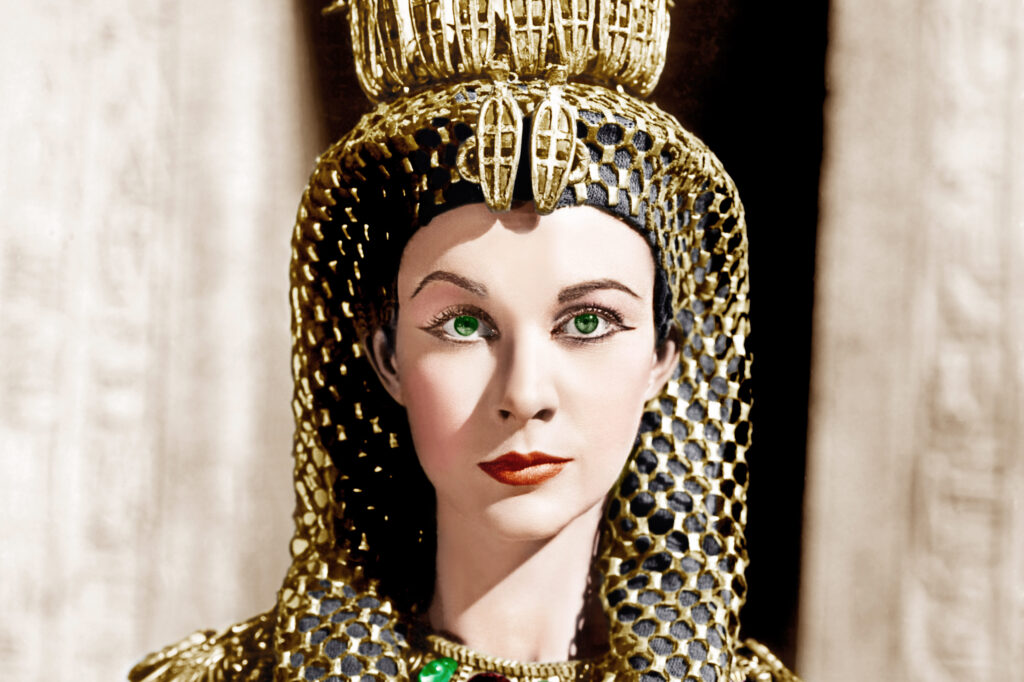
Cleopatra VII is one of the most famous rulers in ancient history, yet much of what people “know” about her comes from biased Roman sources. Contemporary Egyptian records about her personal life are limited, leaving historians to piece together her character from political propaganda. Her relationships with Julius Caesar and Mark Antony shaped the fate of Egypt, but the emotional realities behind those alliances remain unclear. Even her physical appearance is debated, as surviving descriptions and coins offer conflicting images. The exact circumstances of her death in 30 BCE are also uncertain. The popular story of death by snake bite may be symbolic rather than literal. These gaps leave plenty of room for speculation.
Because so much documentation was written by her enemies, separating truth from political smear is challenging. Roman writers often portrayed her as manipulative or dangerous to justify their conquest. Modern historians attempt to reconstruct a more balanced view using archaeology and numismatic evidence. Still, many personal details remain unknowable. The mystery around her intelligence, leadership style, and private motivations persists. Cleopatra exists somewhere between historical ruler and cultural myth. That tension keeps her endlessly intriguing.
7. Billy the Kid
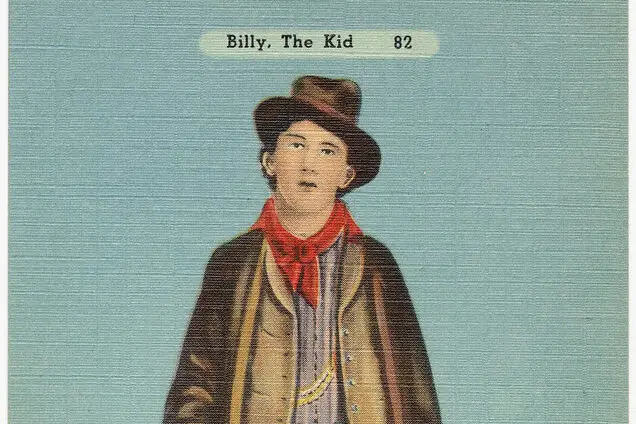
Billy the Kid became a legendary outlaw of the American West, yet even basic facts about his life remain uncertain. His exact birth date and family background are debated, and records from the frontier were often incomplete or inaccurate. He was credited with numerous killings, but historians argue that many of those claims were exaggerated. His death in 1881, allegedly at the hands of Pat Garrett, also raised lingering doubts. Some people believed he survived and lived under a different identity for decades. Various men later claimed to be the famous outlaw, adding fuel to the mystery. The lack of reliable documentation makes it difficult to separate myth from reality.
Frontier storytelling amplified his reputation long after his death. Newspapers and dime novels shaped public perception more than official records. Even photographs attributed to Billy the Kid have been disputed over the years. The uncertainty keeps researchers revisiting old evidence and newly discovered artifacts. What fascinates people is how quickly legend overtook fact. He represents how American folklore can reshape historical truth. His real life remains partly hidden behind storytelling.
8. The Man in the Iron Mask
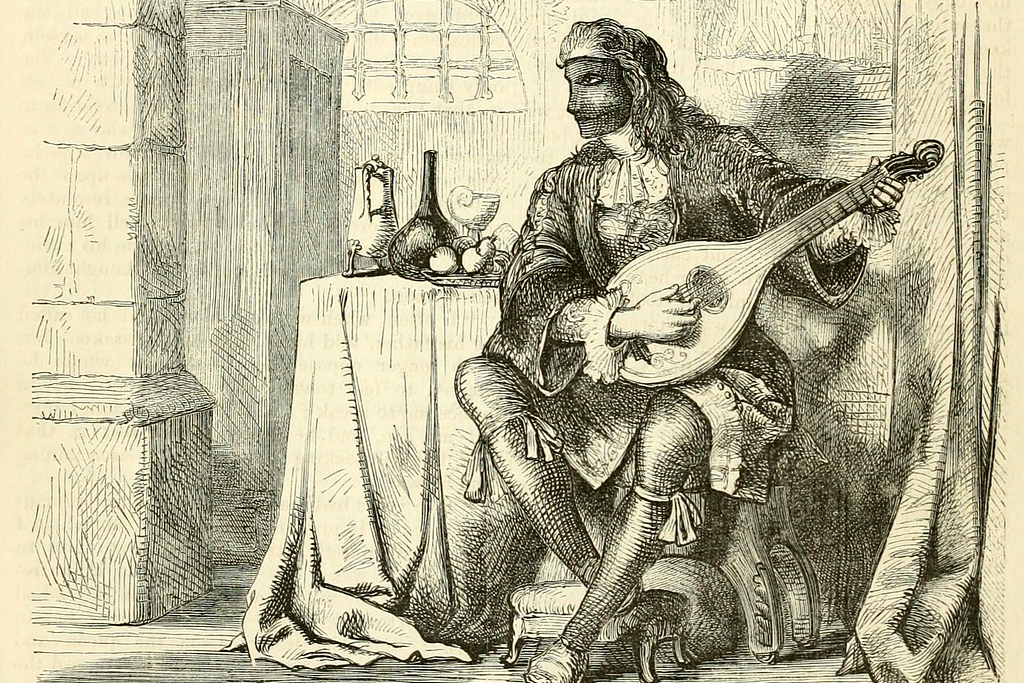
The Man in the Iron Mask was a mysterious prisoner held in France during the late 1600s whose identity was deliberately concealed. He was guarded closely and transferred between prisons, always kept hidden from public view. Some rumors suggested he was a nobleman or even related to the French royal family. Official records mention him only briefly, leaving large gaps in his story. Writers like Voltaire later fueled speculation with dramatic interpretations. The secrecy surrounding his imprisonment suggests political sensitivity. Yet no definitive proof of his identity has ever surfaced.
Historians have proposed multiple candidates, including government officials and disgraced nobles. None of the theories fully explain all the known details. The lack of surviving documentation makes confirmation nearly impossible. What makes the story so compelling is the intentional effort to erase someone’s identity. It raises questions about power, secrecy, and political control. The mystery endures precisely because it was engineered to remain hidden. Even today, the true identity remains uncertain.
9. Edgar Allan Poe
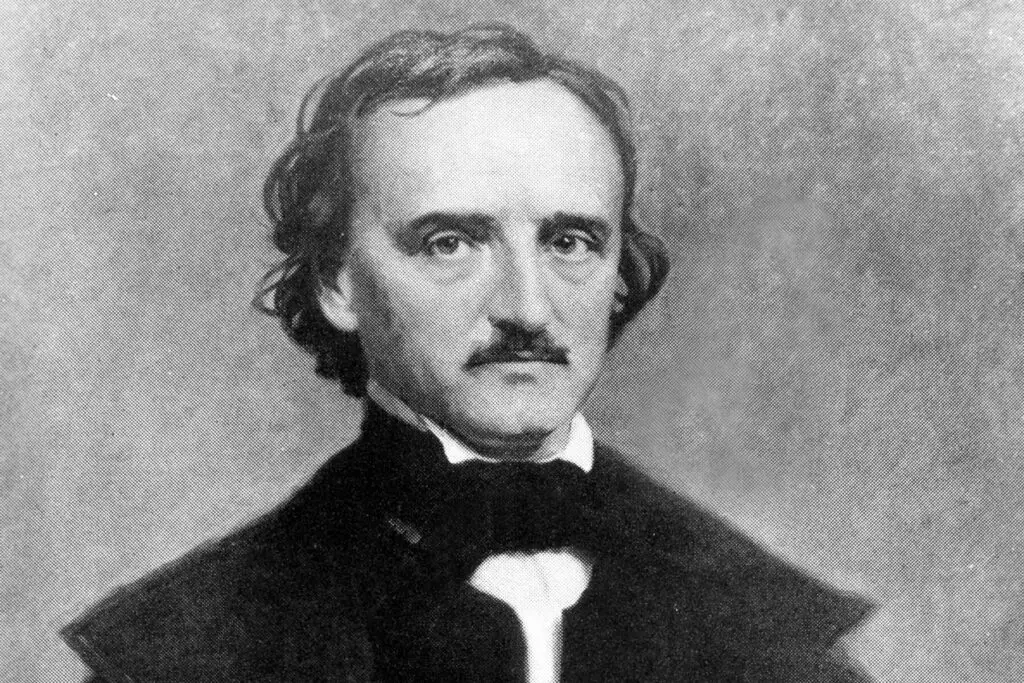
Edgar Allan Poe died in 1849 under strange circumstances after being found disoriented on the streets of Baltimore. He was wearing clothes that did not appear to be his own and could not clearly explain what had happened. Medical records from his final days are incomplete, and his official cause of death remains disputed. Theories range from illness to alcohol poisoning to political violence. Some suggest he may have been a victim of “cooping,” a form of voter fraud involving forced intoxication. The absence of reliable documentation leaves the case unresolved. His eerie literary legacy only adds to the intrigue.
What complicates matters is that Poe’s doctor destroyed or lost many medical notes. Newspapers at the time offered conflicting reports. Later biographers sometimes filled gaps with speculation rather than evidence. Modern scholars still debate which explanation best fits the known facts. None of the theories can be proven definitively. The mystery surrounding his death mirrors the dark themes of his writing. It remains one of literature’s most persistent unanswered questions.
10. Rasputin
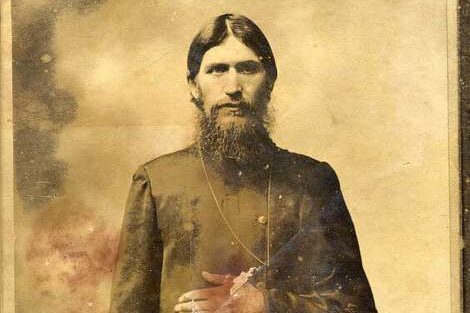
Grigori Rasputin wielded enormous influence over Russia’s royal family in the early 1900s, largely due to his perceived ability to heal the heir’s illness. His rise from peasant mystic to court insider raised suspicions and fueled rumors. Accounts of his behavior vary wildly depending on the source, making it difficult to know what was exaggerated. His assassination in 1916 is surrounded by dramatic and conflicting stories. Some reports claim he survived poisoning and multiple gunshots before finally dying, though historians dispute parts of that narrative. The truth is likely less theatrical but still unclear. His life became tangled in myth almost immediately.
Much of what people believe about Rasputin comes from memoirs and propaganda. Political enemies had strong motives to sensationalize his actions. Even medical explanations of his supposed healing abilities remain debated. The chaotic political environment of pre-revolutionary Russia distorted many records. Separating reality from legend remains difficult. His story reflects how power and rumor can intertwine. Rasputin’s true character remains partly obscured by mythology.
11. King Arthur
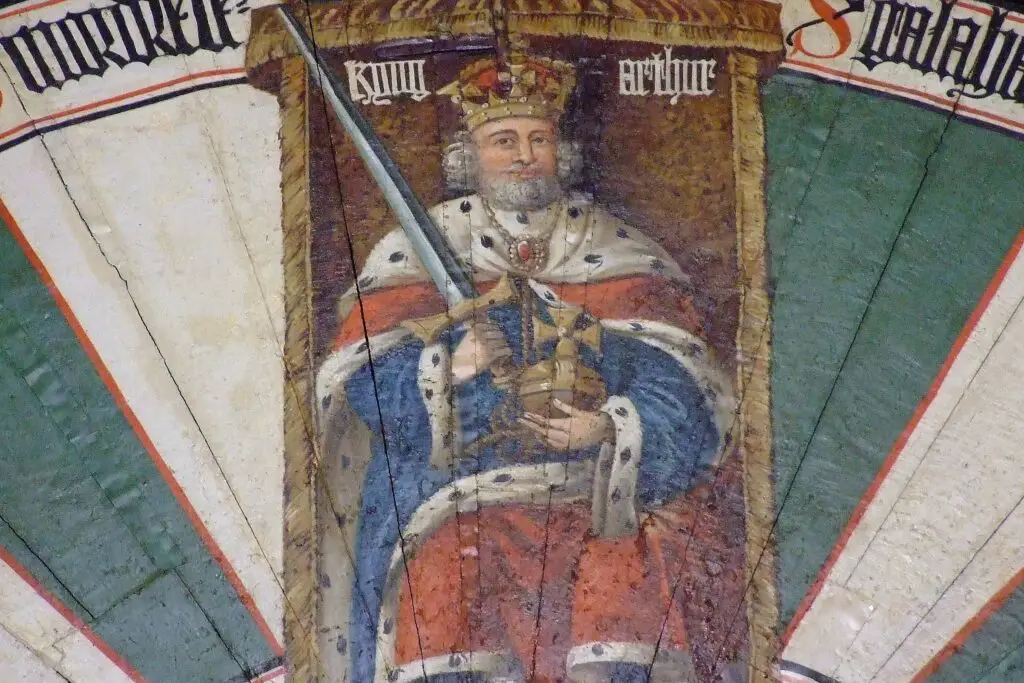
King Arthur is one of the most famous figures in Western legend, yet historians debate whether he was ever a real person. Medieval texts present him as a heroic ruler defending Britain, but contemporary records are scarce or nonexistent. Some scholars believe he may have been inspired by a real military leader whose story evolved over time. Others argue he is entirely fictional, built from earlier myths and folklore. Archaeological evidence has not provided definitive confirmation either way. The blending of oral tradition and later literature complicates historical analysis. His life exists in the gray area between history and legend.
What keeps the mystery alive is how deeply embedded Arthur is in cultural identity. Writers continually reshaped his story to fit their own eras. That makes it nearly impossible to trace an original source. Even place names and artifacts associated with him are debated. Scholars continue to analyze texts and archaeological sites for clues. No single theory has gained universal acceptance. Arthur remains an unresolved figure suspended between fact and imagination.
12. Louis Le Prince
Louis Le Prince is often credited by some historians as an early pioneer of motion pictures, yet his contributions were overshadowed after his sudden disappearance in 1890. He vanished while traveling by train in France, and neither his body nor luggage was ever found. The timing was suspicious because he was preparing to publicly demonstrate his film technology. Some have suggested foul play or industrial sabotage, though no evidence confirms this. Others believe it may have been an accident or suicide, but documentation is thin. The lack of witnesses and records complicates the case. His disappearance effectively erased him from mainstream film history for years.
Modern researchers continue to examine railway records, family correspondence, and legal documents for clues. A photograph discovered in police archives may depict a drowned man resembling Le Prince, but it has not been conclusively identified. Without physical confirmation, the mystery remains unresolved. His story highlights how easily innovation can be lost when history takes an unexpected turn. It also shows how fragile historical documentation can be. The unanswered questions keep his legacy unsettled. His disappearance remains one of early cinema’s great mysteries.