
1. Christopher Columbus
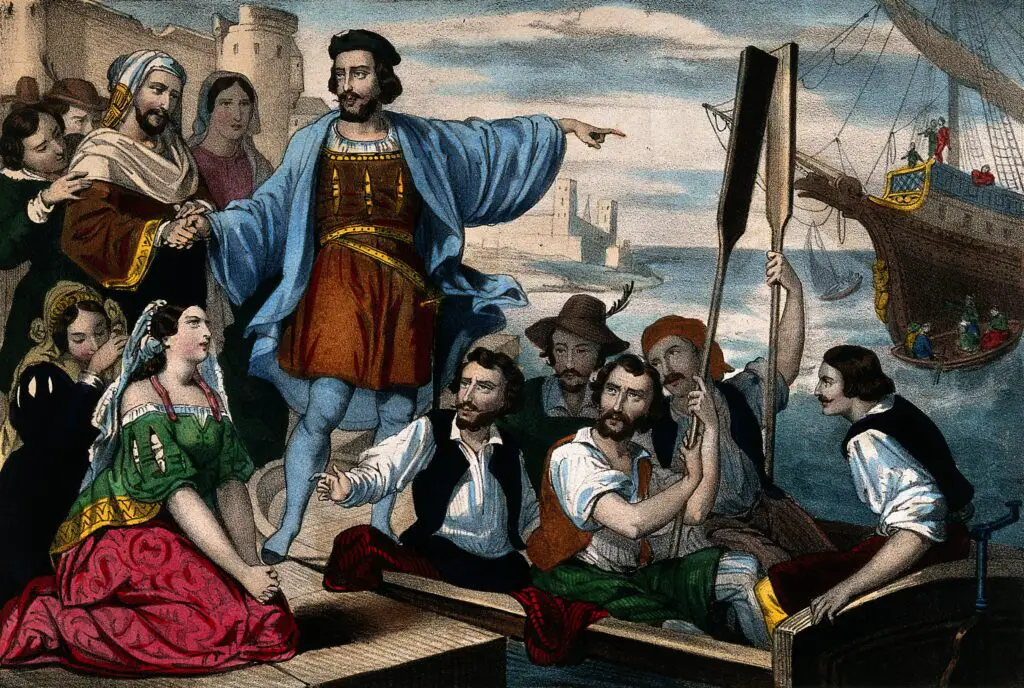
For centuries, Columbus was widely celebrated as the man who “discovered” America, and his voyages were framed as bold, heroic achievements. Schoolbooks presented him as a symbol of exploration and progress, often skipping over the realities of what followed. In the United States, Columbus Day became a federal holiday in 1937, reinforcing that positive image for generations. His name appeared on cities, monuments and institutions across the country. At the time, his legacy was tied closely to ideas of bravery and expansion.
In recent decades, historians have revisited primary sources from his expeditions and documented his role in the exploitation and mistreatment of Indigenous peoples. This has significantly reshaped how many view him today. Several cities and states have replaced Columbus Day with Indigenous Peoples’ Day, reflecting that shift. Statues have been removed or reconsidered in various places. While his voyages remain historically significant, the interpretation of his impact has become far more critical and complex.
2. Cleopatra
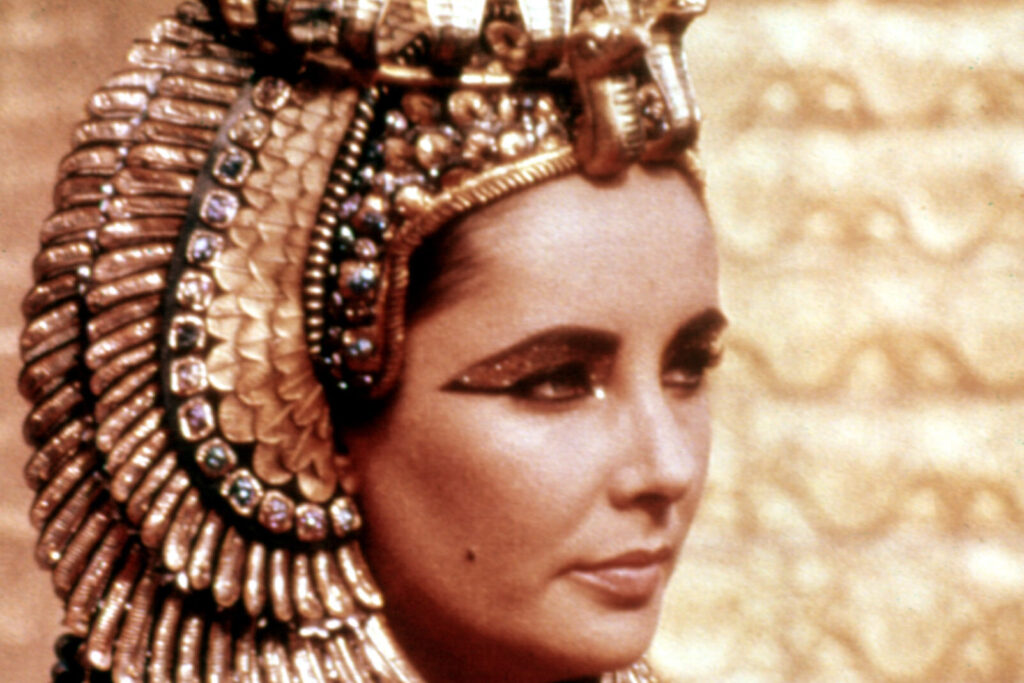
Cleopatra was long portrayed in Western history as a seductive figure who used charm to manipulate powerful Roman men like Julius Caesar and Mark Antony. This image was shaped heavily by Roman propaganda and later by literature and film. For years, her political intelligence and leadership were overshadowed by these narratives. Many accounts reduced her to a romantic figure rather than a ruler.
Modern scholarship has taken a more nuanced view, emphasizing Cleopatra’s role as a skilled strategist and multilingual leader. She maintained Egypt’s independence during a volatile period and engaged in complex diplomacy with Rome. Historians now focus more on her governance, economic policies and political acumen. The shift reflects a broader effort to reassess female rulers who were historically mischaracterized. Her legacy has moved from caricature to capable monarch.
3. Galileo Galilei
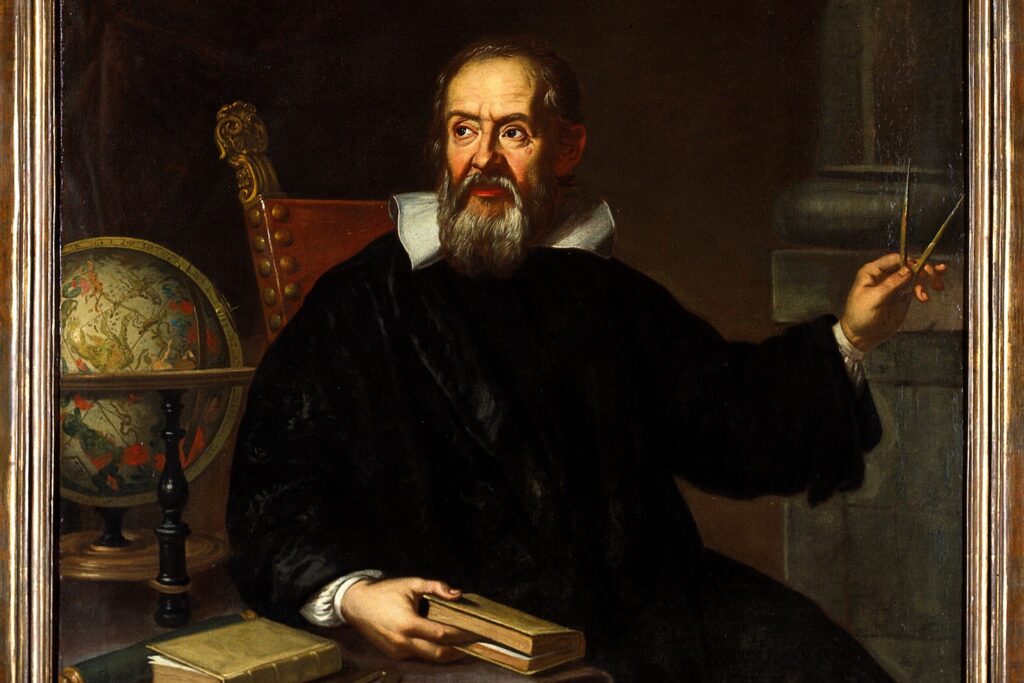
During his lifetime, Galileo was condemned by the Roman Catholic Church for supporting heliocentrism, the idea that the Earth revolves around the sun. He was tried by the Inquisition in 1633 and placed under house arrest. For years, his work was seen as dangerous and heretical by church authorities. His reputation at the time was tied to controversy and defiance.
Over time, Galileo became recognized as a foundational figure in modern science. His observations and methods helped shape the scientific revolution. In 1992, the Catholic Church formally acknowledged errors in its treatment of him. Today, he is widely celebrated as a pioneer of astronomy and physics. His legacy shifted from condemned thinker to symbol of scientific inquiry and intellectual courage.
4. Ulysses S. Grant
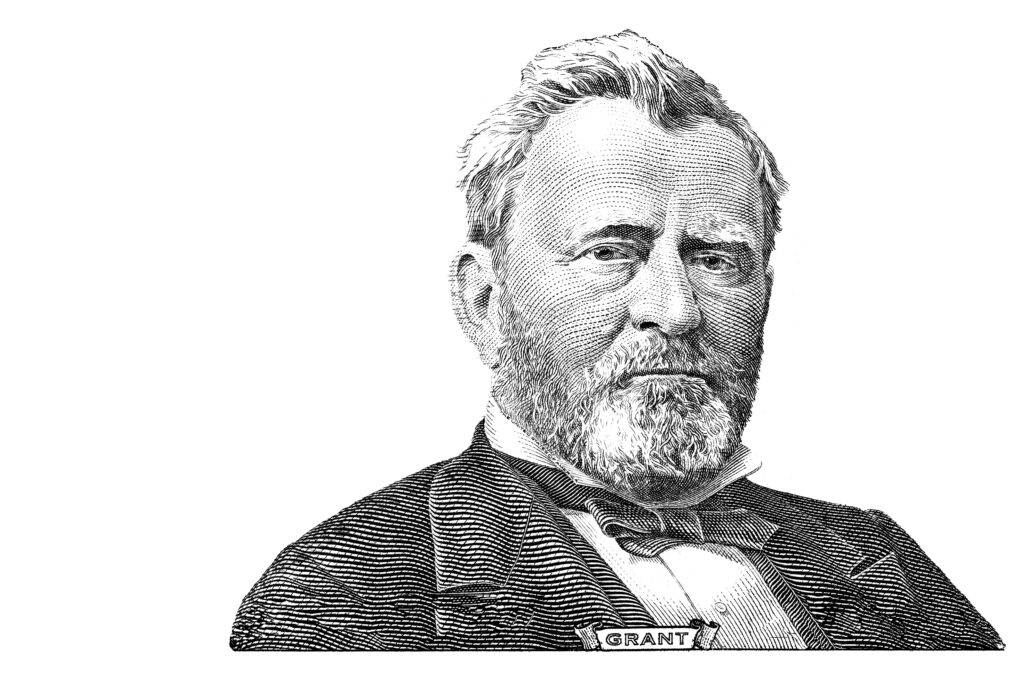
After serving as a leading Union general during the American Civil War, Grant was initially respected for his role in preserving the Union. However, his presidency from 1869 to 1877 became associated with corruption scandals involving members of his administration. For many years, historians ranked him poorly as a president. His reputation suffered, even though there was little evidence he personally benefited from corruption.
Recent historical reassessments have taken a closer look at Grant’s efforts to enforce civil rights during Reconstruction. He worked to combat the Ku Klux Klan and protect Black voters in the South. Scholars have increasingly recognized his commitment to justice during a turbulent period. While the scandals remain part of his story, his broader legacy has been reevaluated more favorably. He is now often viewed as a more complex and principled leader.
5. Marie Antoinette
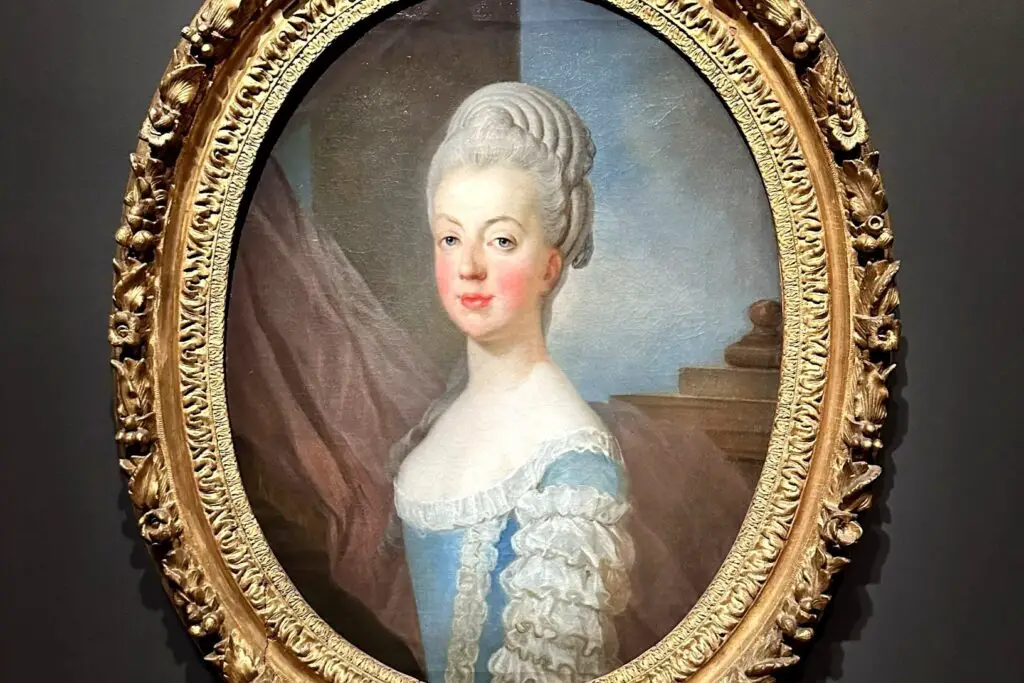
Marie Antoinette became a symbol of excess during the French Revolution, often blamed for the financial struggles of France. She was associated with the phrase “Let them eat cake,” though there is no evidence she ever said it. Revolutionary propaganda painted her as out of touch and extravagant. This portrayal contributed to public anger that ultimately led to her execution in 1793.
Historians now view her more sympathetically, noting that many accusations were exaggerated or false. She had limited political power and was often used as a scapegoat for broader systemic problems. Modern biographies emphasize her personal struggles and the pressures she faced as a foreign-born queen. The shift reflects a more evidence-based understanding of her life. Her legacy has evolved from villain to misunderstood figure.
6. Richard Nixon
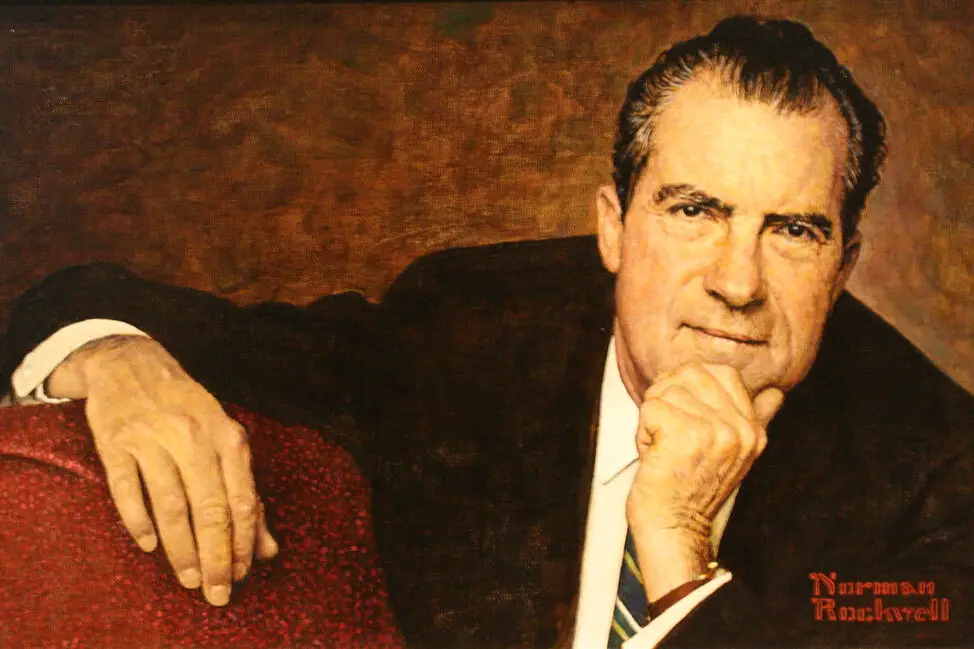
Nixon’s presidency is most commonly associated with the Watergate scandal, which led to his resignation in 1974. At the time, the scandal overshadowed nearly all of his political achievements. Public trust in government was deeply shaken, and Nixon’s reputation was severely damaged. For many years, he was primarily remembered for that controversy.
More recent assessments have taken a broader view of his presidency. Nixon opened diplomatic relations with China and pursued arms control agreements with the Soviet Union. Historians now tend to evaluate both his foreign policy successes and the serious ethical violations of Watergate. While his legacy remains controversial, it is no longer defined by a single event. The shift reflects a more comprehensive evaluation of his time in office.
7. Vincent van Gogh

During his lifetime, van Gogh struggled financially and sold very few paintings. He was largely unknown as an artist and faced personal challenges, including mental health issues. His work did not receive widespread recognition while he was alive. At the time, he was seen as an obscure and troubled figure.
After his death, van Gogh’s paintings gained increasing attention and admiration. Today, he is considered one of the most influential artists in Western art history. His distinctive style and emotional intensity have been widely studied and celebrated. Museums around the world feature his work prominently. His legacy transformed from overlooked artist to cultural icon.
8. Joan of Arc

Joan of Arc was executed for heresy in 1431 after being captured during the Hundred Years’ War. At the time, she was condemned by an ecclesiastical court aligned with English interests. Her trial portrayed her as a dangerous and misguided figure. For years, that judgment defined her reputation.
A posthumous retrial in 1456 declared her innocent and recognized the injustice of her execution. Centuries later, she was canonized as a saint by the Catholic Church in 1920. Joan is now remembered as a national heroine of France and a symbol of faith and courage. Her story reflects a dramatic reversal in historical judgment. The shift highlights how political contexts can influence reputations.
9. Andrew Jackson
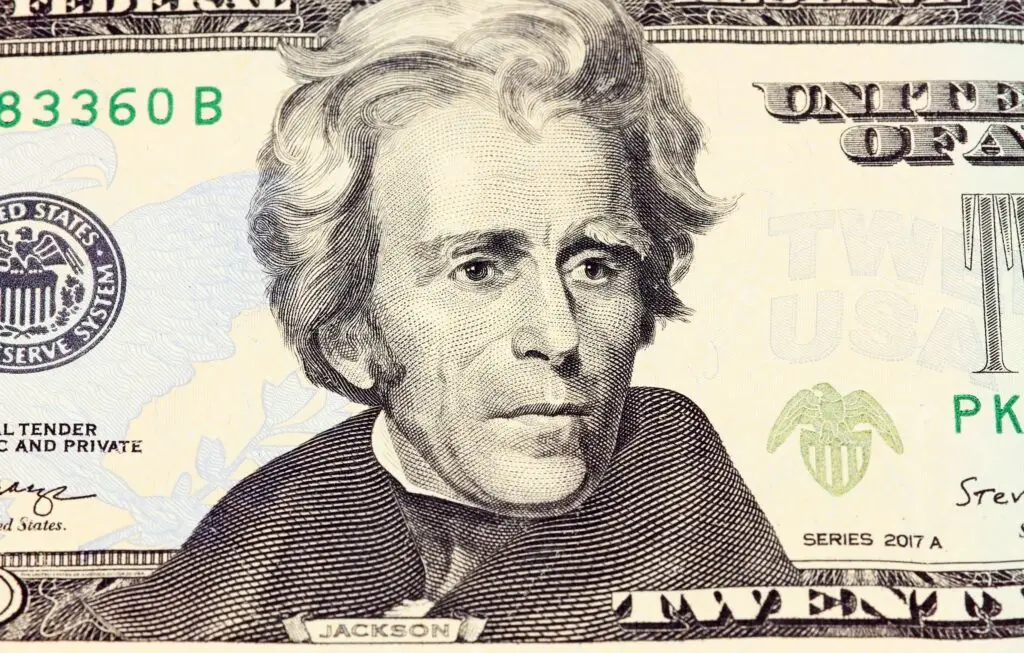
Andrew Jackson was long celebrated as a champion of the “common man” and a key figure in expanding democracy in the United States. His image appeared on currency, and he was often praised for his leadership and military success. For much of American history, his presidency was viewed positively.
In more recent years, historians and the public have taken a more critical view of his policies, particularly the Indian Removal Act. This legislation led to the forced relocation of Native American tribes and the Trail of Tears. The human cost of these actions has prompted reevaluation of his legacy. While his influence on American politics remains significant, it is now viewed alongside these consequences. His reputation has become far more contested.
10. Alan Turing

Alan Turing played a crucial role in breaking German codes during World War II, contributing to the Allied victory. However, his work remained classified for many years, and he received little public recognition during his lifetime. In 1952, he was prosecuted for homosexuality, which was illegal in the UK at the time. His treatment reflected broader societal prejudices.
Decades later, Turing’s contributions were publicly acknowledged and celebrated. He is now recognized as a pioneer of computer science and artificial intelligence. In 2013, he received a posthumous royal pardon. His story has become a symbol of both scientific achievement and the consequences of discrimination. His legacy has shifted from obscurity to global recognition.
11. Nicolaus Copernicus
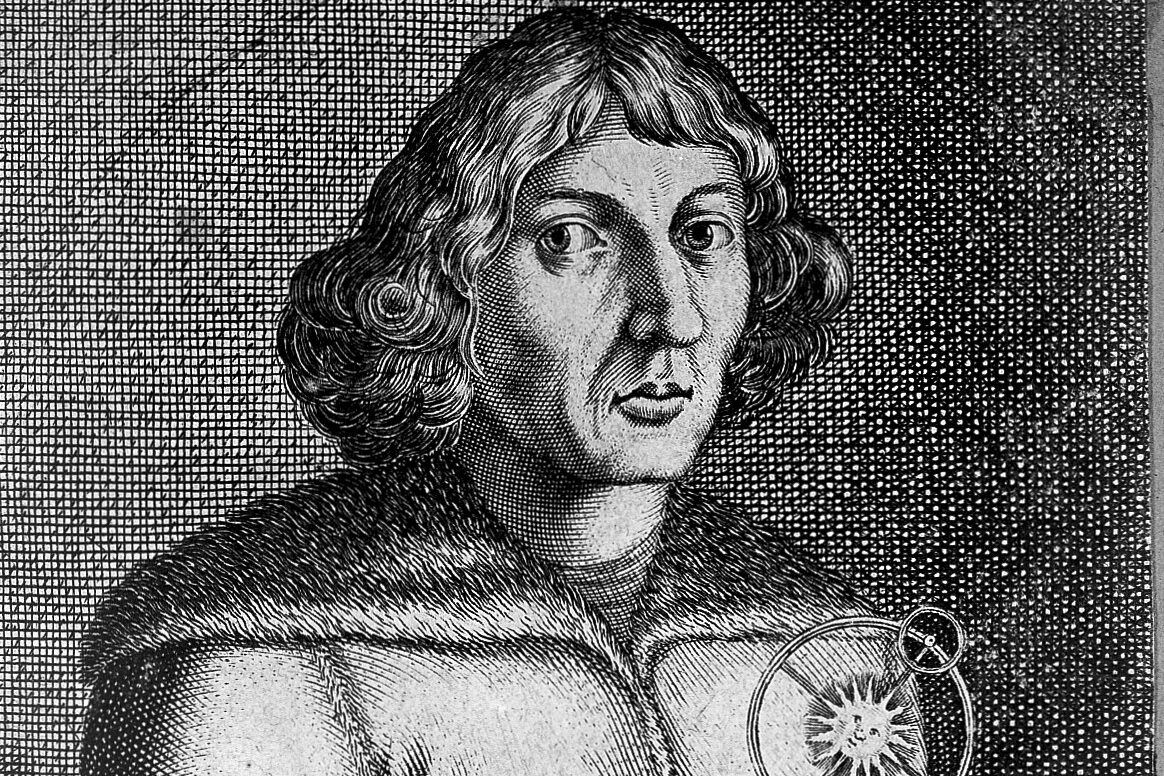
Copernicus proposed the heliocentric model of the universe, which challenged long-standing beliefs about Earth’s place in the cosmos. Initially, his ideas were controversial and met with resistance from both scientific and religious communities. His work was not widely accepted during his lifetime.
Over time, his model became the foundation of modern astronomy. Later scientists built on his ideas, leading to a broader scientific revolution. Today, Copernicus is regarded as a transformative figure in science. His legacy reflects the gradual acceptance of groundbreaking ideas. What was once disputed is now fundamental knowledge.
12. John Brown
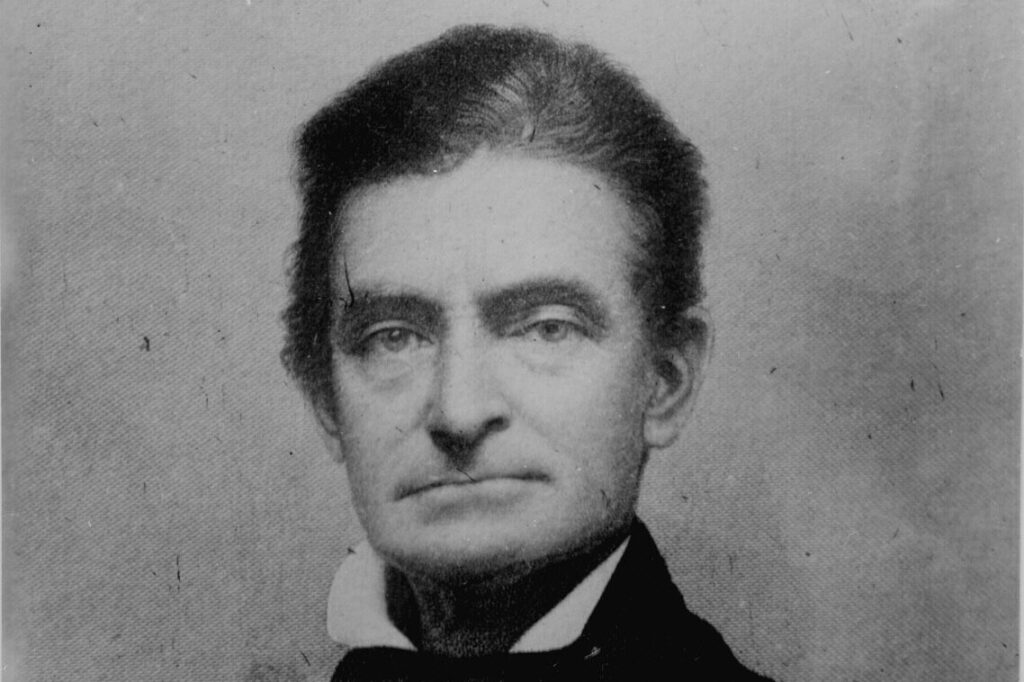
John Brown was executed for leading a raid on the federal arsenal at Harpers Ferry in 1859. At the time, many viewed him as a dangerous radical who resorted to violence. His actions were deeply polarizing, even among those who opposed slavery.
In later years, Brown has been reassessed by some historians as a committed abolitionist willing to take extreme measures against injustice. His raid is often seen as a catalyst that intensified tensions leading up to the Civil War. Interpretations of his legacy still vary widely. Some view him as a martyr, while others maintain a more critical perspective. His reputation remains complex and debated.
13. Emperor Nero
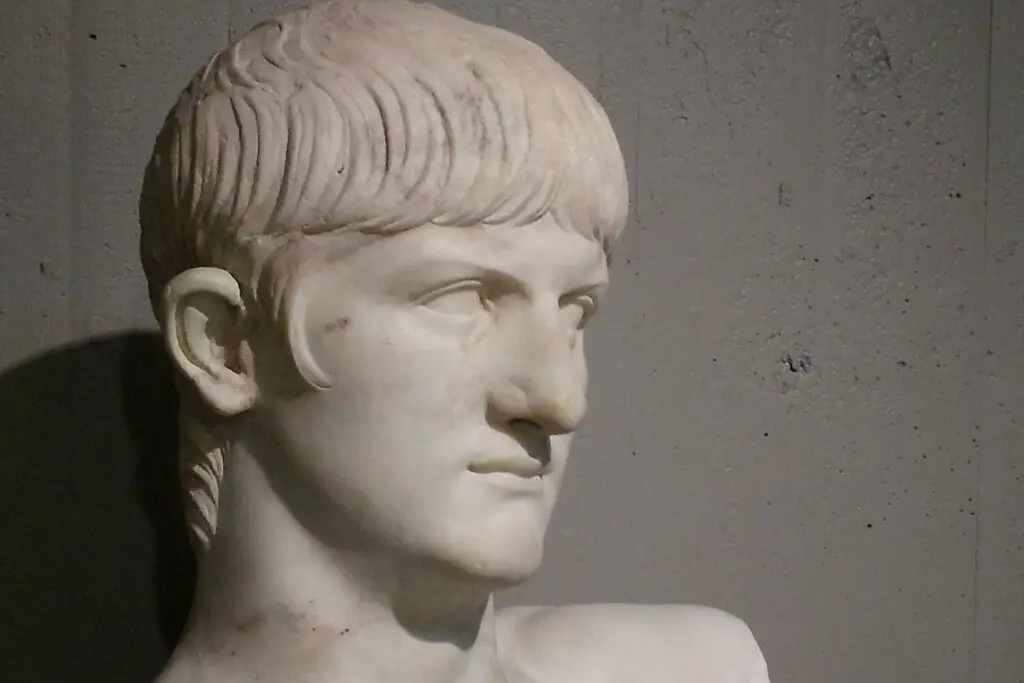
Nero has long been remembered as a tyrannical ruler, often associated with the phrase “fiddling while Rome burned.” Ancient sources portrayed him as cruel and self-indulgent. These accounts shaped his reputation for centuries.
Modern historians have revisited those sources, noting that many were written by his political enemies after his death. Some scholars argue that parts of his negative image may have been exaggerated. While he is still considered a controversial figure, interpretations of his reign are more nuanced today. His legacy illustrates how historical narratives can be shaped by bias.
14. Gregor Mendel
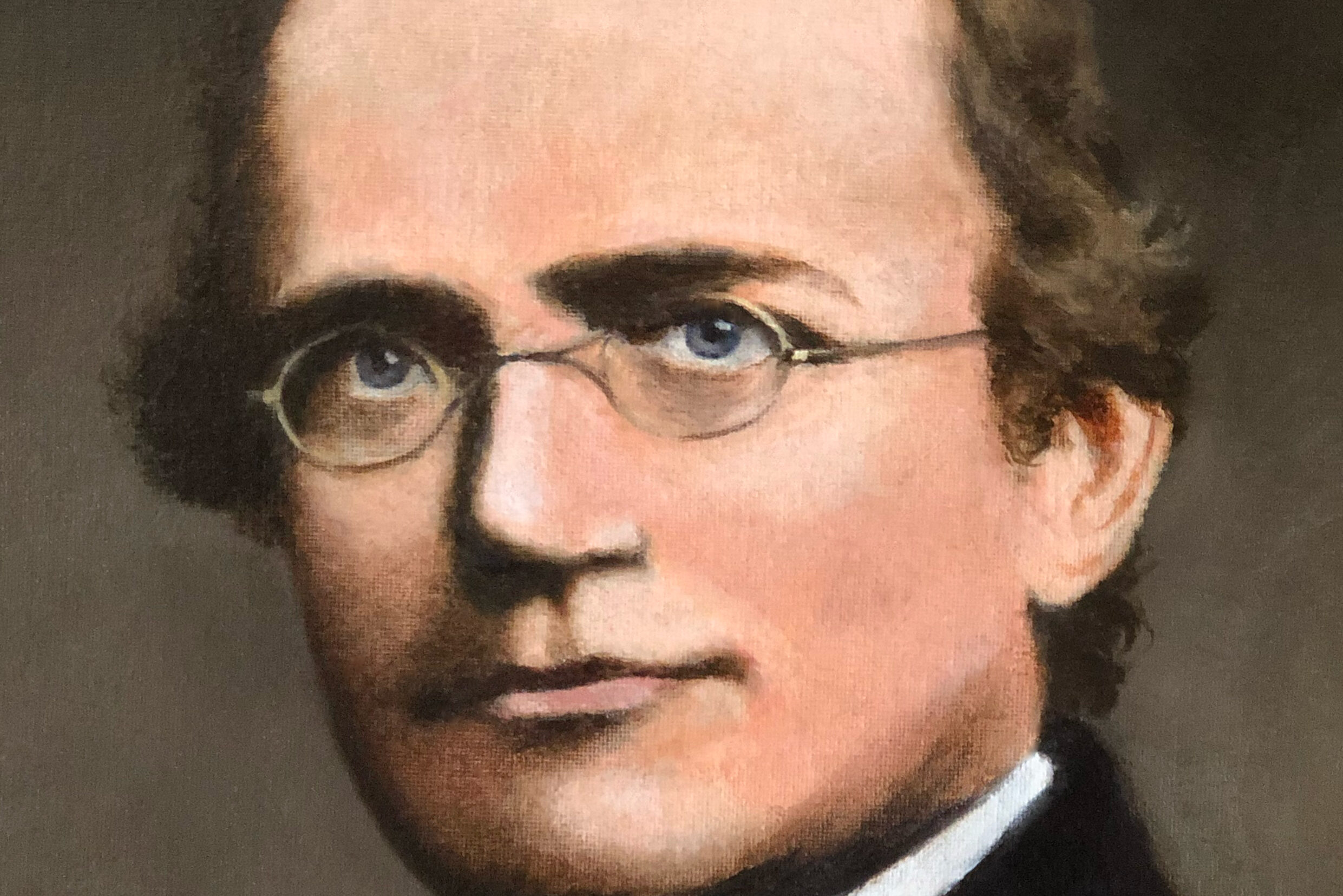
Gregor Mendel conducted experiments on pea plants that revealed fundamental principles of heredity. During his lifetime, his work received little attention from the scientific community. His findings were largely overlooked, and he remained relatively unknown.
Around 1900, scientists rediscovered Mendel’s research and recognized its significance. He is now known as the father of modern genetics. His work laid the groundwork for an entire field of study. Mendel’s legacy shifted from obscurity to foundational importance in science.