
1. Yggdrasil, the World Tree of the Norse
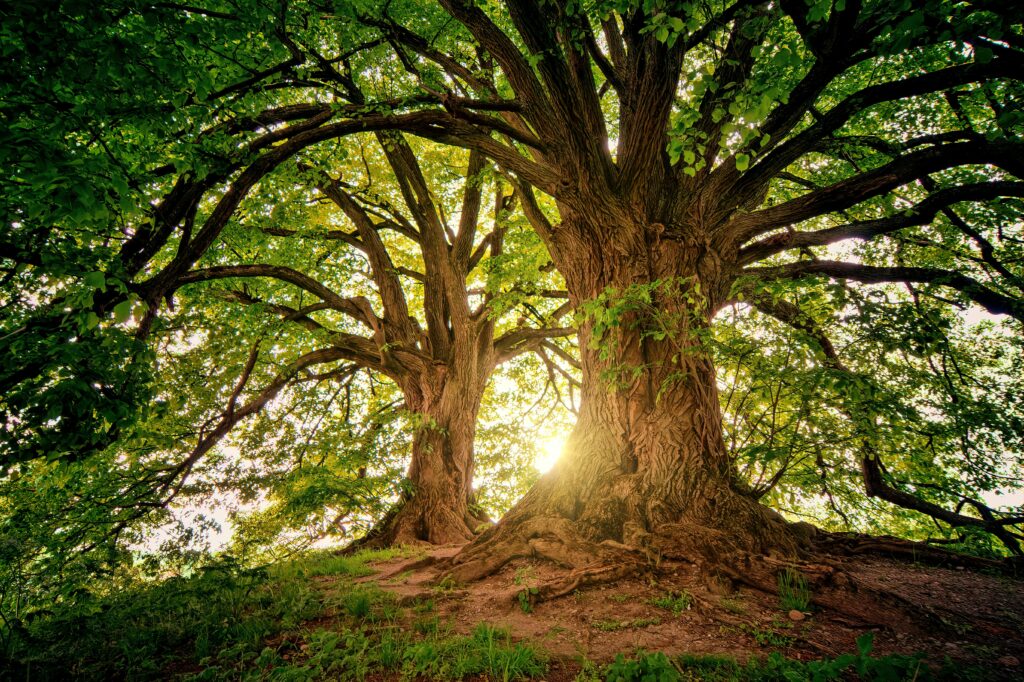
In Norse mythology, Yggdrasil was believed to be a massive ash tree that held the entire universe together. Its branches stretched into the heavens while its roots reached different realms, including the land of the gods and the underworld. People truly believed the fate of the cosmos depended on this tree staying alive. When storms rattled the forests of Scandinavia, some thought Yggdrasil itself was trembling.
The tree was said to shelter gods, giants, and mythical creatures all at once. Even Odin was believed to have sacrificed himself by hanging from Yggdrasil to gain wisdom. To the Norse, this was not symbolic storytelling but a real explanation for how the world functioned. A living tree was literally holding existence in place.
2. The Bodhi Tree of Enlightenment

In ancient India, the Bodhi Tree was believed to be more than just a fig tree with wide leaves. This was the exact spot where Siddhartha Gautama attained enlightenment and became the Buddha. People believed the tree absorbed that spiritual awakening and continued to radiate it. Sitting beneath it was thought to change a person forever.
Followers believed the tree could not be destroyed because enlightenment itself lived within it. Even when enemies tried to harm it, legends said it always grew back stronger. The tree became a living witness to divine truth rather than a silent plant. To believers, it was proof that wisdom could take root in the physical world.
3. The Oak of Dodona That Spoke for Zeus

In ancient Greece, people traveled great distances to hear messages from an oak tree at Dodona. This oak was believed to speak for Zeus himself, using the rustling of its leaves. Priests would interpret the sounds and deliver prophecies to waiting crowds. No one questioned whether the tree truly spoke.
The oak was treated with reverence usually reserved for temples. Offerings were left at its base, and its words were trusted more than human advice. Greeks believed nature itself could communicate divine will. A whispering tree was simply part of how the gods worked.
4. The Celtic Tree of Life
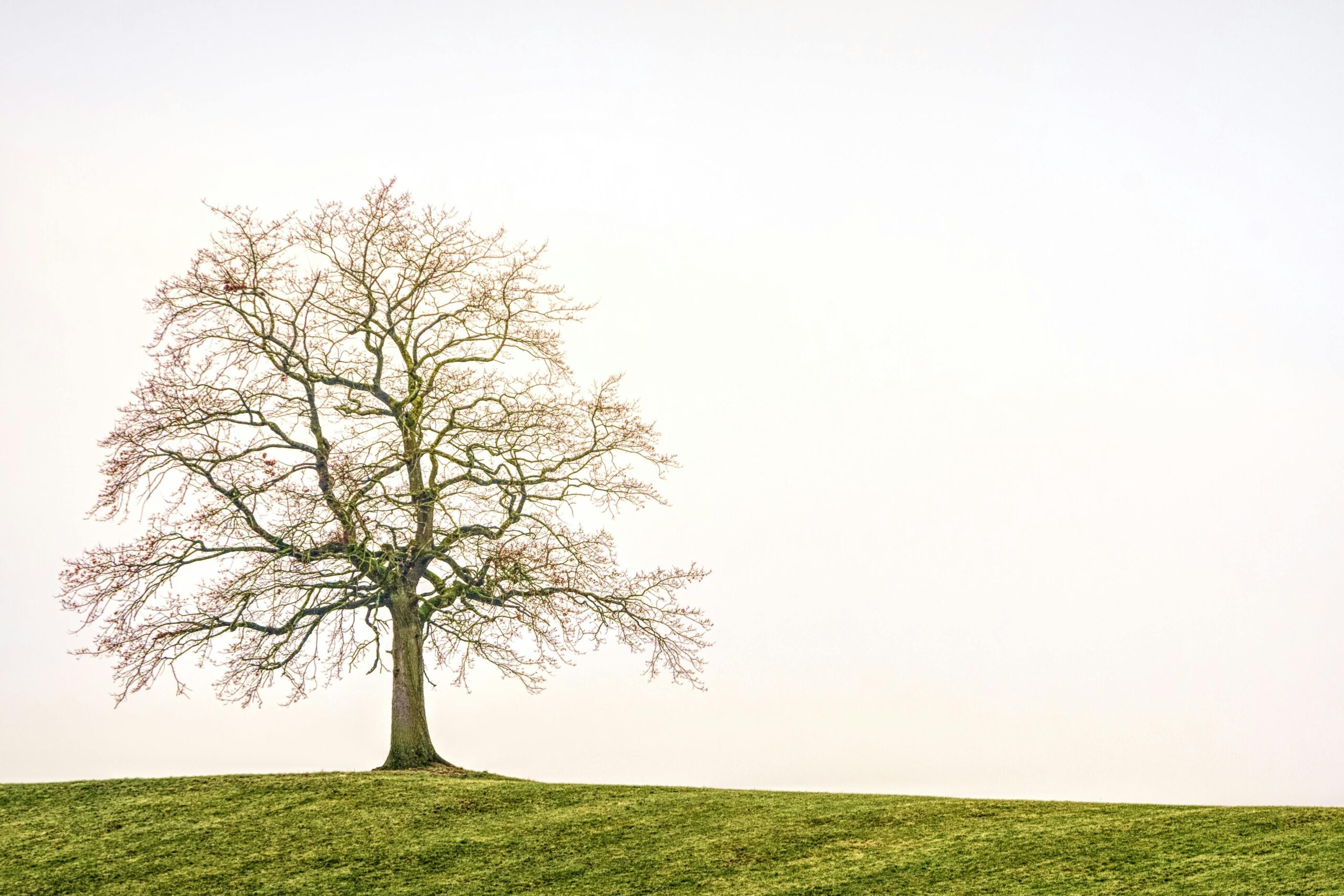
To the ancient Celts, trees were ancestors, protectors, and gateways all at once. The Tree of Life was believed to connect the upper world, the human world, and the spirit world. Cutting down a sacred tree was thought to bring disaster to an entire village. These beliefs were taken seriously, not symbolically.
Each clan associated itself with certain trees that offered protection and identity. Trees were believed to watch over births, deaths, and important decisions. When a tree fell, people mourned it as they would a person. The forest was not scenery, it was family.
5. The Hanging Tree of the American West

In the American frontier, certain trees gained grim reputations as instruments of justice. Communities believed these trees held the spirits of the executed and could curse anyone who harmed them. People avoided cutting them down long after they stopped being used. The fear was real and deeply ingrained.
Locals told stories of strange noises and bad luck surrounding these trees. Some believed the wood could never be used safely for homes or fires. Even skeptics kept their distance, just in case. The tree became a silent judge long after the law moved on.
6. The Japanese Sacred Cherry Trees

In Japan, cherry trees were believed to house spirits that mirrored human emotions. Their short blooming season was seen as proof that life was beautiful but fleeting. People believed the trees understood joy, loss, and renewal. This belief shaped festivals and rituals for centuries.
Some thought the spirits of ancestors rested in the blossoms. Damaging a cherry tree was believed to invite misfortune or sadness. The trees were treated with respect usually reserved for elders. Their falling petals felt like a message, not an accident.
7. The African Baobab That Held Souls
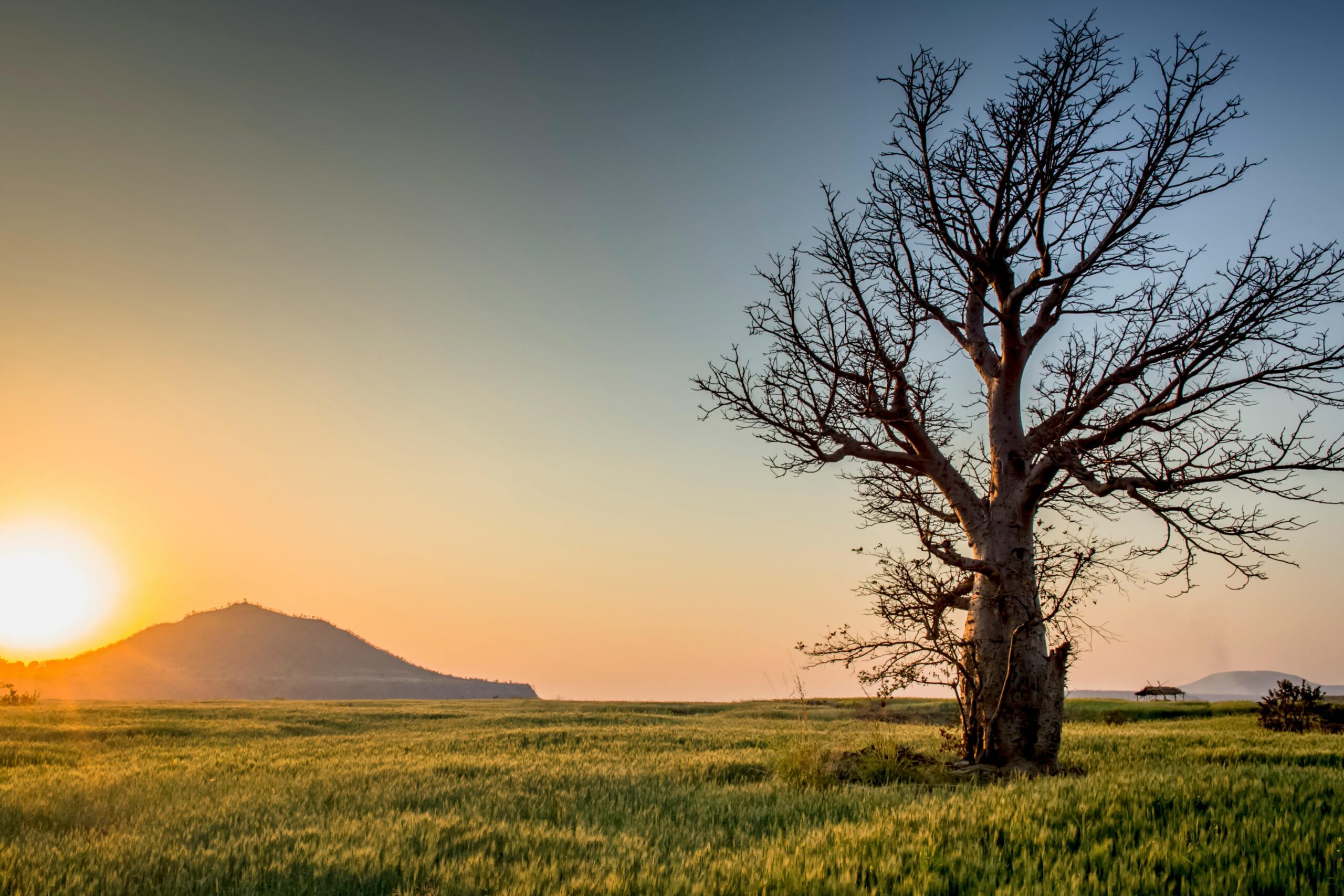
Across parts of Africa, the baobab tree was believed to store the souls of the dead. Its massive trunk and long life made it seem almost eternal. People believed ancestors watched over villages from inside its hollow spaces. The tree was both shelter and guardian.
Children were warned not to disrespect baobabs for fear of angering spirits. Stories claimed voices could sometimes be heard inside the trunk at night. The tree was consulted during disputes and major decisions. It stood as proof that the past was never truly gone.
8. The Biblical Tree of Knowledge
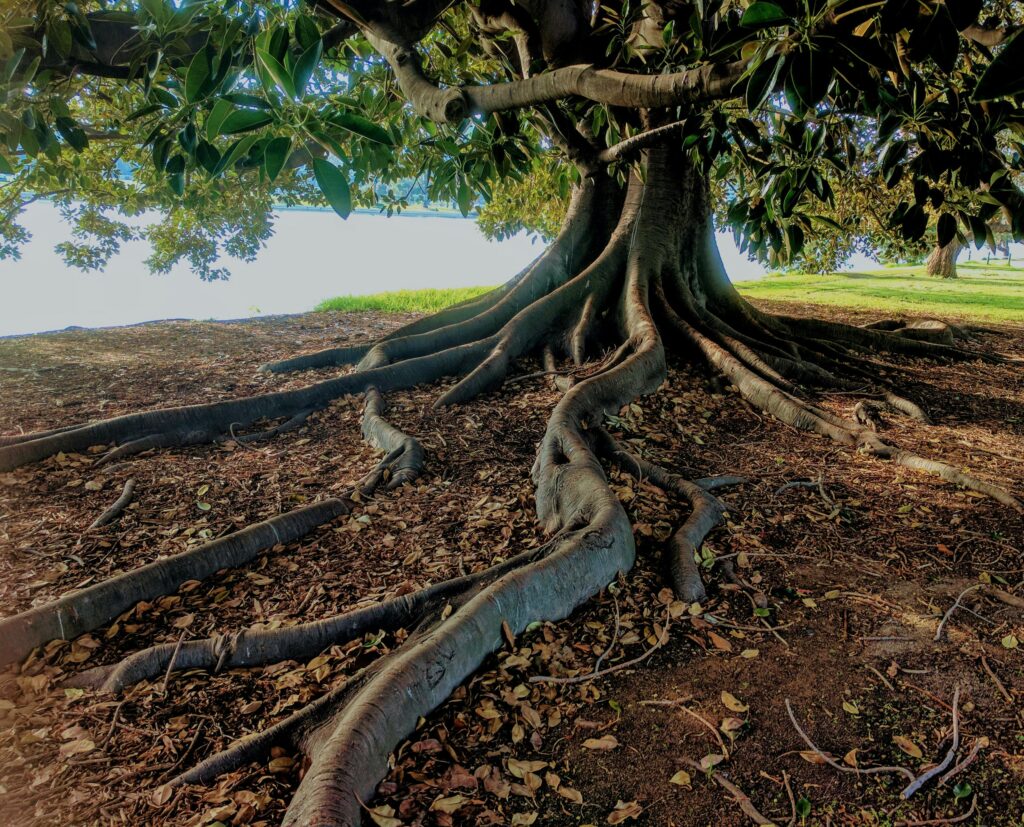
In the Book of Genesis, the Tree of Knowledge was believed to grant understanding of good and evil. This was not a metaphor to early believers but a literal tree with world changing power. Eating its fruit altered humanity forever. The tree itself was seen as dangerously alive.
The belief made trees objects of awe and caution. Knowledge was something that could grow, tempt, and punish. The story shaped how generations viewed curiosity and disobedience. A single tree explained why the world felt broken yet meaningful.
9. The Talking Trees of the Amazon

Indigenous tribes in the Amazon believed certain trees could speak to shamans. These trees were thought to offer guidance, healing knowledge, and warnings. The belief was rooted in deep observation of nature, not fantasy. Listening to trees was considered a skill, not imagination.
Shamans claimed the trees taught them which plants healed and which harmed. Cutting these trees without permission was believed to cause illness or madness. The forest was a conversation, not a resource. Silence meant danger.
10. The Mayan Ceiba Tree
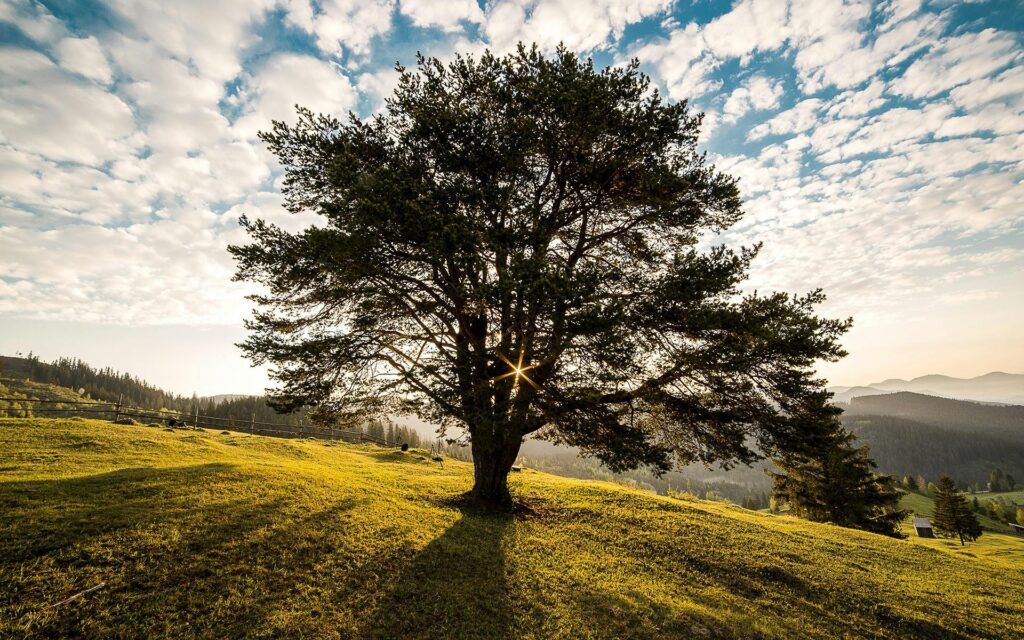
For the Maya, the ceiba tree stood at the center of the universe. Its roots reached the underworld, its trunk stood in the human world, and its branches touched the heavens. This belief was literal, not symbolic. The tree mapped existence itself.
Ceiba trees were protected and honored during ceremonies. Villages believed their survival depended on keeping the cosmic balance intact. Damaging the tree risked disrupting all realms. It was the universe made visible.
11. The Ghost Trees of Medieval Europe
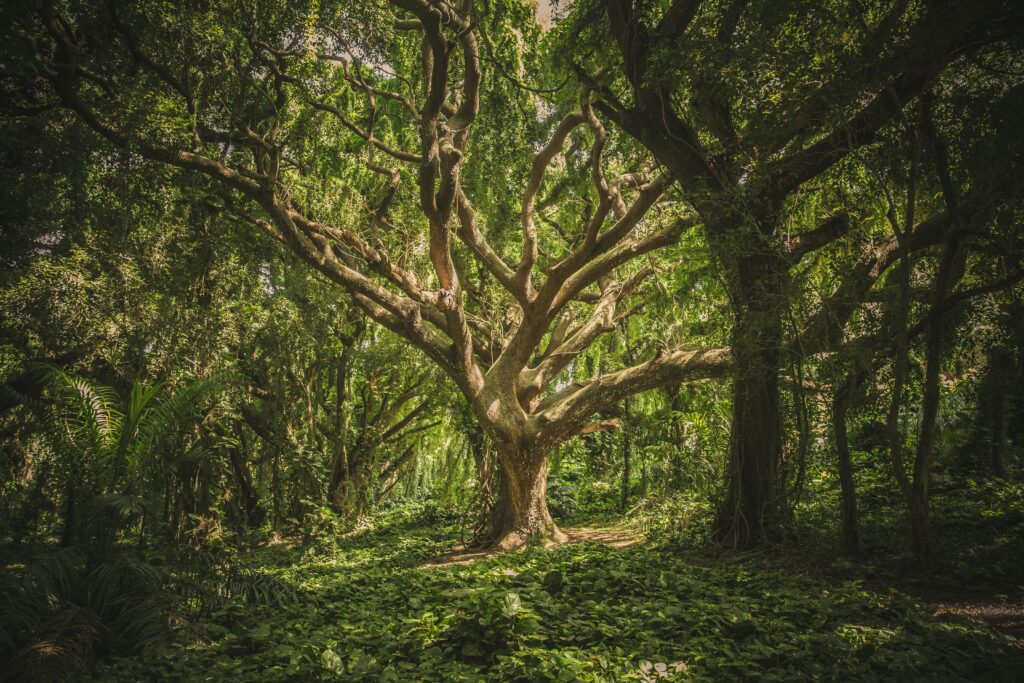
In medieval Europe, certain trees were believed to trap wandering spirits. People claimed these trees glowed faintly at night or caused sudden chills. Travelers avoided them after dark. Fear outweighed skepticism.
Legends said spirits were bound to the tree until someone prayed for them. Cutting the tree was believed to release chaos rather than peace. These stories reinforced respect for old forests. Trees were not empty, they were crowded.
12. The Wishing Trees of Ireland

In Ireland, hawthorn trees were believed to grant wishes or curses depending on how they were treated. People tied ribbons and cloths to their branches as offerings. These were not harmless traditions but serious acts of belief. Wishes were entrusted to living wood.
Farmers refused to remove hawthorns even when they blocked roads or fields. Stories of sudden misfortune kept these beliefs alive. The trees were thought to be guarded by fairies who did not forgive insults. Respect was safer than disbelief.
13. The Immortal Pine Trees of China

In Chinese folklore, pine trees were believed to house immortals and contain life extending energy. Their ability to stay green through winter made them symbols of endurance and wisdom. Some believed meditating near ancient pines could lengthen one’s life. This belief shaped gardens and sacred spaces.
Pines were planted near temples and graves for protection. Breaking a branch was believed to invite illness or bad fortune. The trees were seen as teachers of patience and resilience. Longevity was growing quietly right beside you.