
1. Ketchup in Glass Bottles
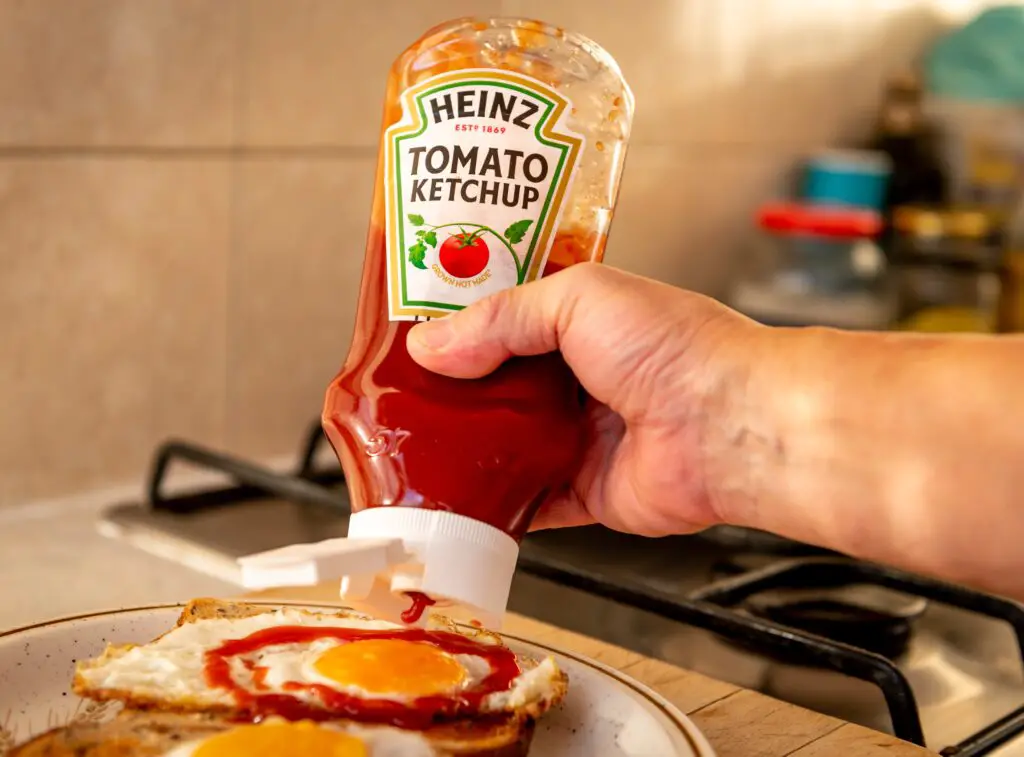
For years, ketchup came in those heavy glass bottles that seemed designed to test your patience. You could bang the bottom, shake it furiously, or even slide a knife inside, and still only get a sad trickle of ketchup. The bottle always seemed to dump out too much once it finally started flowing, turning fries into a soggy mess. Everyone had their own “trick” for getting it out, whether it was tapping the “57” or holding it at the right angle.
It was such a weird design when you think about it, especially since ketchup is so thick. No one really wanted to work that hard for condiments. Plastic squeeze bottles eventually replaced them, making life a lot easier. But those old glass bottles still bring back memories of eating out at diners and waiting far too long for ketchup to land on your plate.
2. Milk in Glass Jars
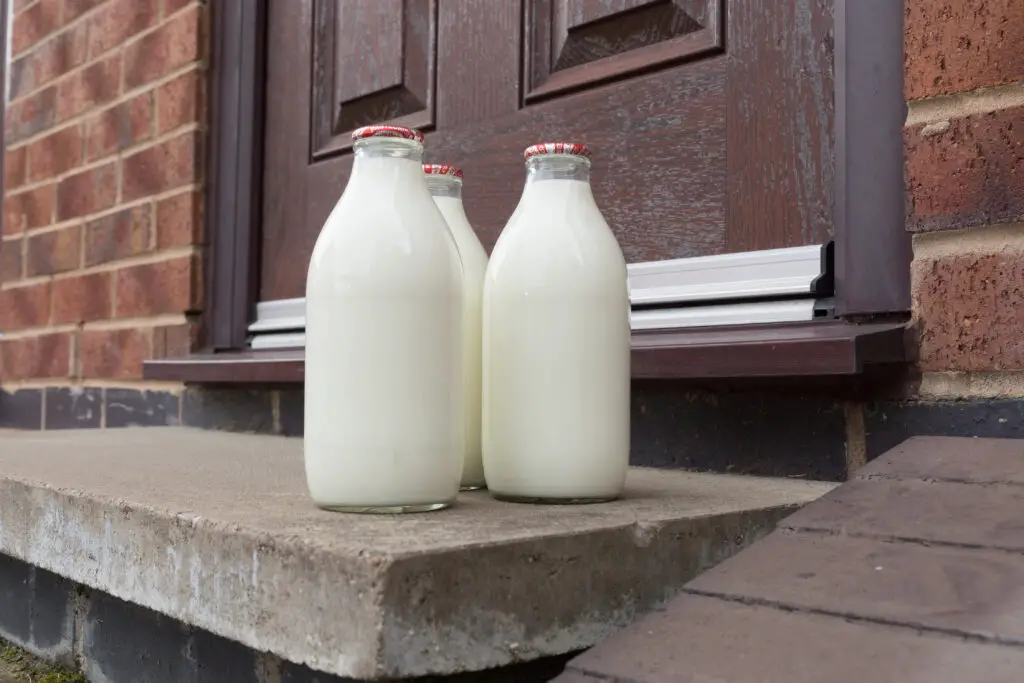
Before cardboard cartons and plastic jugs, milk was delivered in glass jars with little paper lids. It looked pretty, and there was something wholesome about seeing fresh milk in clear glass. But it wasn’t exactly the most practical. The jars were heavy, breakable, and not easy to carry in bulk.
Kids would often knock them over, and suddenly you had shattered glass and spilled milk everywhere. Plus, the cream rose to the top, so you had to shake it or scoop it off if you wanted the good stuff mixed in. While many people now love the nostalgia of it, especially at farmers markets, it wasn’t the easiest packaging for everyday grocery shoppers.
3. Cereal in Metal Tins
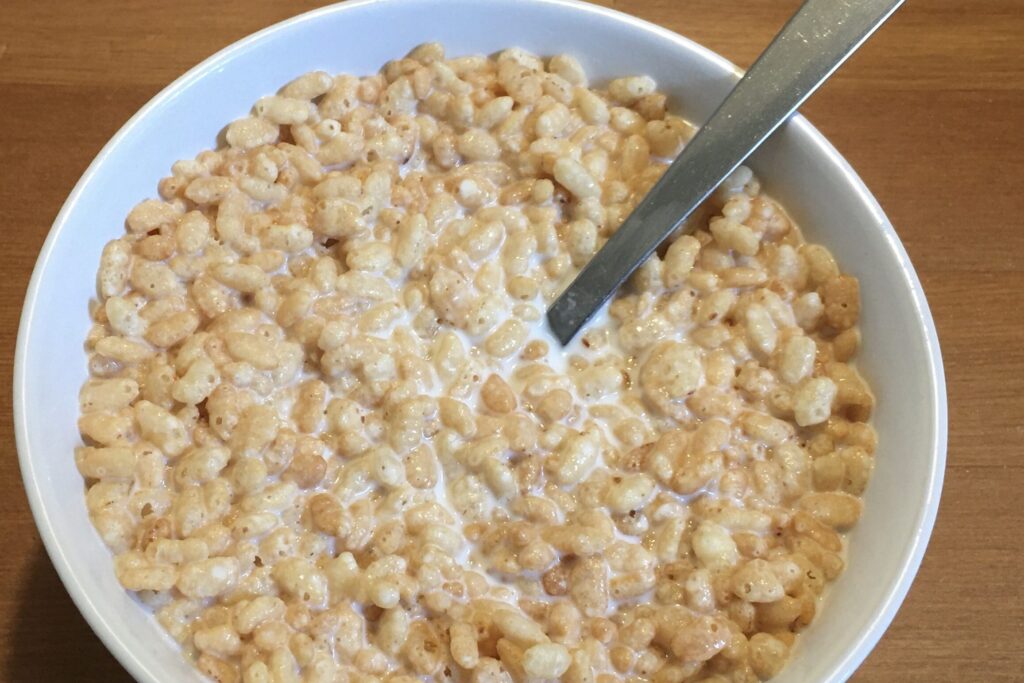
There was a time when some cereals actually came in decorative metal tins. They were flashy, sure, and made the cereal aisle feel like a collector’s market. The tins were bulky, took up too much space, and were far from convenient to pour from. You almost needed both hands just to get a bowl of cornflakes.
The gimmick was more about marketing than practicality, and parents probably grumbled about storing them. The tins did make fun keepsakes once empty, though, often repurposed for storing cookies or sewing supplies. Still, as charming as they looked, most people were glad when cereal went back to lightweight cardboard boxes.
4. Soda in Glass Hutch Packs
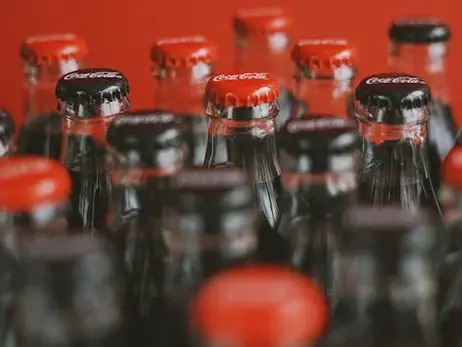
In the 1970s and early ’80s, soda often came in six or eight-packs of glass bottles held together by thick cardboard “hutch packs.” They were heavier than a bag of groceries, and carrying them felt like a workout. If you dropped one, it wasn’t just a spill—it was a dangerous explosion of glass and sticky soda everywhere.
The packaging looked tidy and uniform, but it wasn’t shopper-friendly. Loading and unloading those bottles into the fridge was a hassle too. Plastic two-liter bottles and cans eventually made life simpler. The hutch packs now feel like a quirky relic from another era.
5. Butter in Wooden Boxes
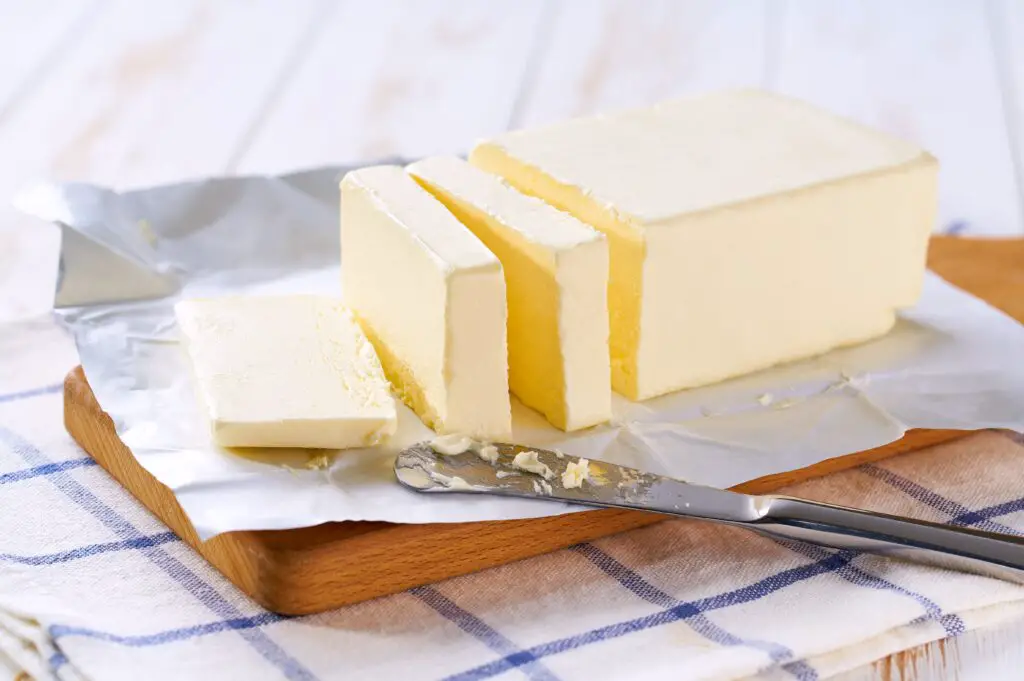
At one time, butter was sold in small wooden boxes, complete with sliding tops. It made butter feel like a luxury item, almost like opening a fancy gift. But the wood wasn’t airtight, so the butter often picked up fridge odors. Plus, the boxes weren’t exactly easy to stack or store.
Many families ended up reusing the boxes for little trinkets, which is probably the most practical thing about them. Eventually, cardboard and foil replaced the wooden packaging. It wasn’t nearly as quaint, but it was much more sensible for everyday use. The wooden butter box remains one of those odd packaging choices that’s hard to imagine in today’s grocery stores.
6. Peanut Butter in Metal Cans
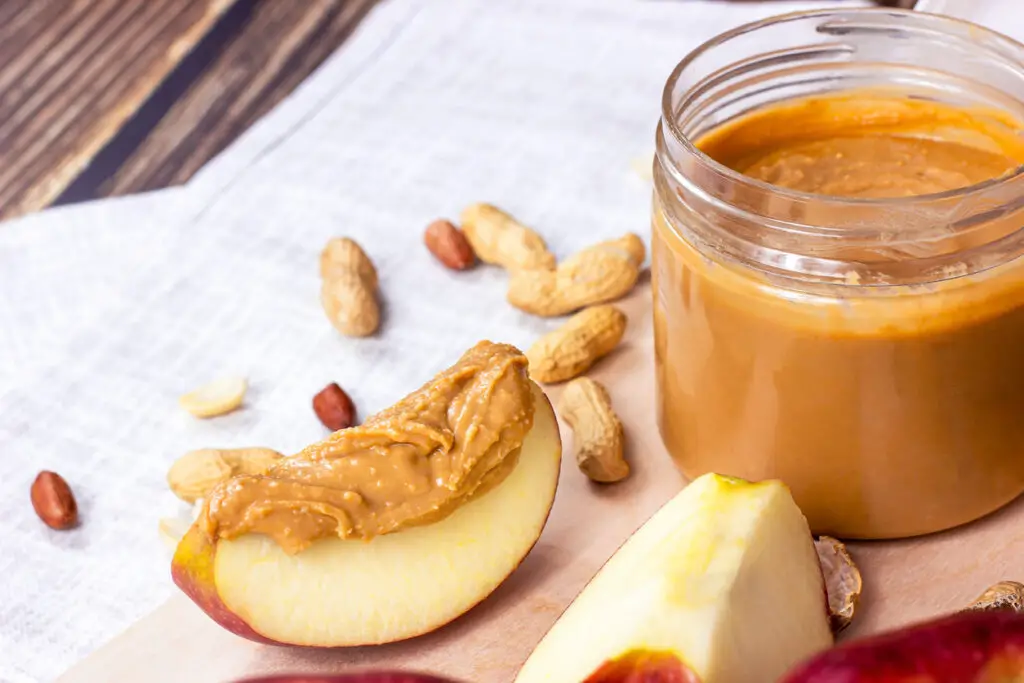
Believe it or not, peanut butter once came in cans with metal lids. You’d have to pry the lid off with a can opener or your fingernails, and it often left sharp edges. The peanut butter itself wasn’t always easy to scoop out because the cans were deep and narrow.
The packaging was sturdy, sure, but it didn’t make much sense for something you used daily. Eventually, glass jars and then plastic became the standard. Looking back, peanut butter in a can feels more like something you’d expect from a camping kit than a kitchen pantry staple.
7. Eggs in Paperboard Tubes
For a short time, some grocery stores experimented with selling eggs in round paperboard tubes instead of the classic cartons. They looked like something that belonged in the chip aisle, not the dairy section. The eggs were stacked vertically, which made for a nerve-racking experience every time you opened it. One wrong move, and you could end up with yolk everywhere.
The tubes were supposed to save space and reduce packaging material, but they just weren’t practical. People preferred the safety and organization of the standard dozen-carton design. The tube packaging didn’t last long, but it’s remembered as one of the stranger packaging experiments in grocery history.
8. Water in Cartons
Before bottled water became the norm, some brands tried selling it in milk-style cartons. It always looked a little strange, like you’d accidentally picked up skim milk instead of spring water. The cartons weren’t see-through, so you couldn’t tell how much you had left until it was gone.
They also had that faint cardboard taste if left sitting too long. While eco-friendly in some ways, the cartons weren’t as durable as bottles. People didn’t really take to the idea, and bottled water eventually took over. The water-in-carton experiment faded quickly, but it was a curious attempt to rethink packaging.
9. Cheese Spread in Tubes
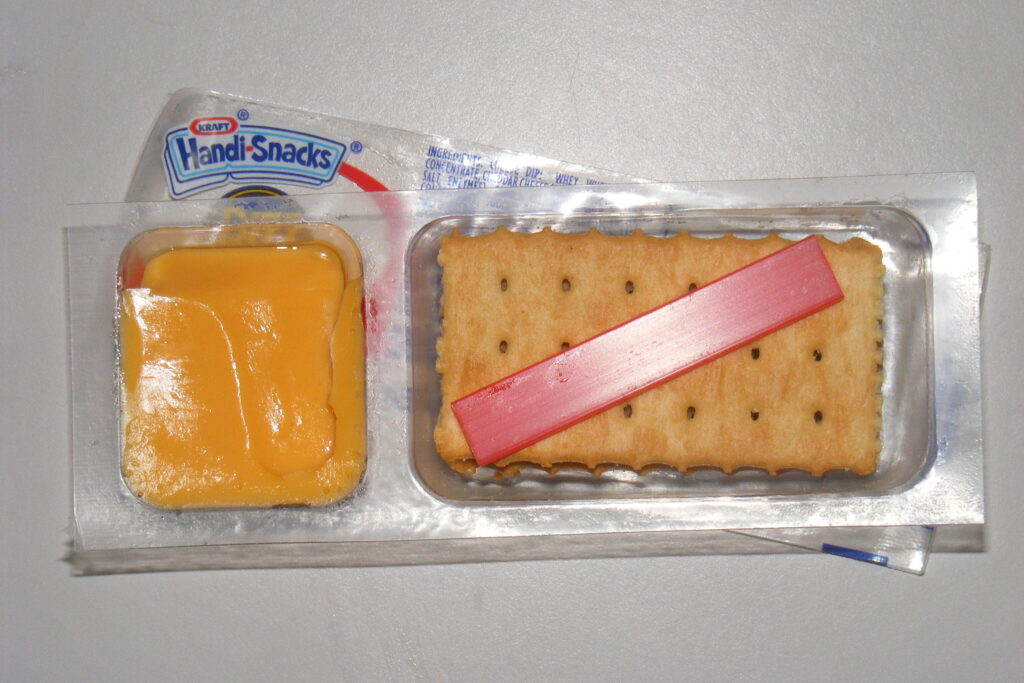
Some cheese spreads were sold in metal squeeze tubes that looked like toothpaste. You’d squeeze out a line of cheese onto crackers, and it had this oddly futuristic vibe. It was convenient in theory, but the texture wasn’t quite what people wanted. It was often too soft or too salty.
Once opened, the tubes got messy quickly. The nozzle would crust over, and it was hard to keep clean. Still, kids loved the novelty of squeezing cheese like it was art supplies. Today it seems more like a joke gift than a serious grocery item, but at the time, it was part of the quirky packaging trend.
10. Pickles in Buckets
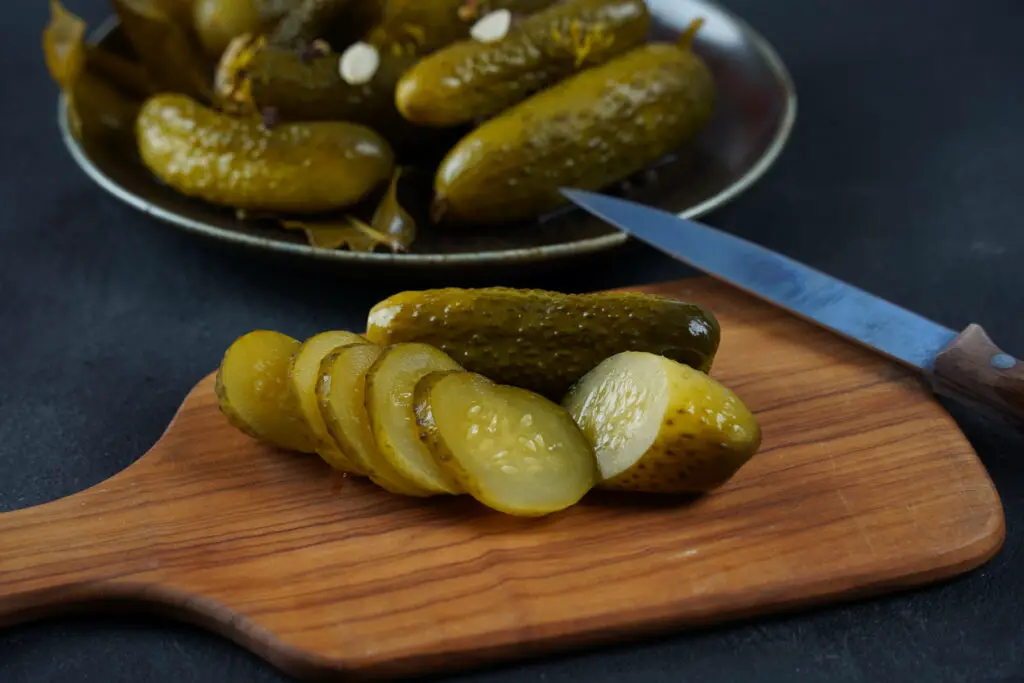
Pickles have always been a little strange to package, but there was a time when you could buy them in actual small buckets. You’d peel back the lid and be hit with a wave of pickle brine. The buckets were bulky and took up way too much fridge space. And once you opened them, the smell was nearly impossible to contain.
The idea was to make them feel more like deli pickles at home. But most families didn’t need an entire bucket sitting around. Jars turned out to be much more practical for everyday pickle fans. Still, the pickle bucket is a memorable part of grocery store history.
11. Powdered Drink Mix in Foil Pouches
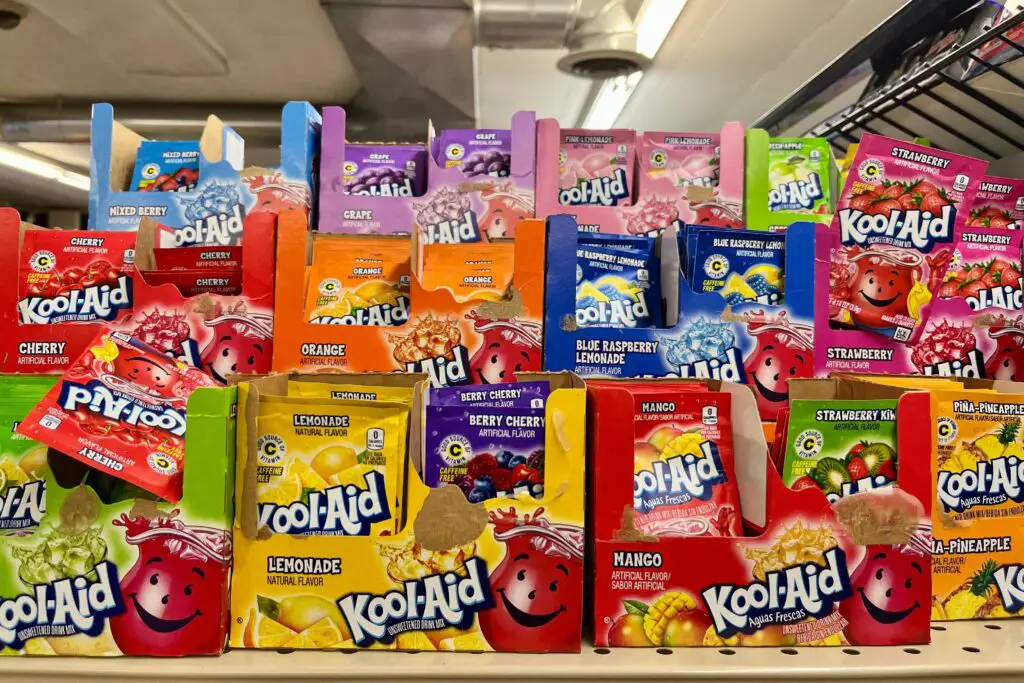
Powdered drink mixes like Kool-Aid often came in tiny foil pouches without any kind of resealable option. You’d open the pouch, dump the powder into a pitcher, and hope you didn’t spill half of it. The foil was thin and tore easily, sometimes leaving a mess before you even got to make your drink.
It was inexpensive packaging, which was part of the appeal. But it was a little too fragile for something that kids were usually begging to help with. Later, bigger canisters with scoops made things easier. Still, those little foil pouches were everywhere in grocery stores, even if they weren’t the most practical.
12. Frozen Juice in Cardboard Tubes
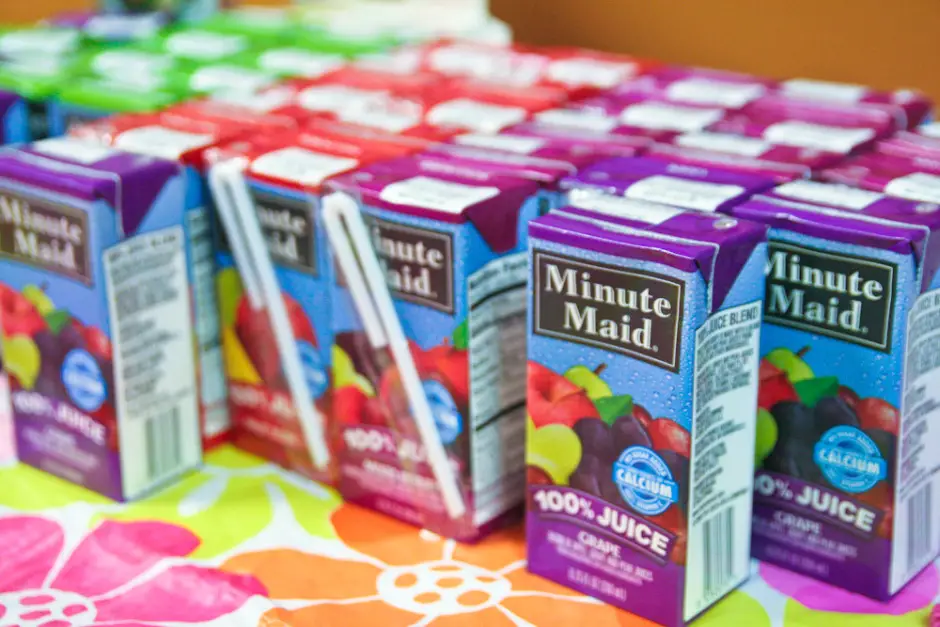
Frozen concentrated juice came in cardboard tubes that you had to pry open with a spoon or knife. Inside was a rock-solid block of frozen orange or grape concentrate. You’d dump it into a pitcher, add water, and stir like crazy to get it to dissolve.
The packaging was cheap and functional, but it wasn’t exactly user-friendly. The cardboard would sometimes peel apart in layers, leaving bits stuck to the frozen juice. Despite the hassle, many families relied on it as a budget-friendly option. The tubes are still around, though they feel like one of those classic oddities from the frozen aisle.