
1. Vintage Salad Toppers
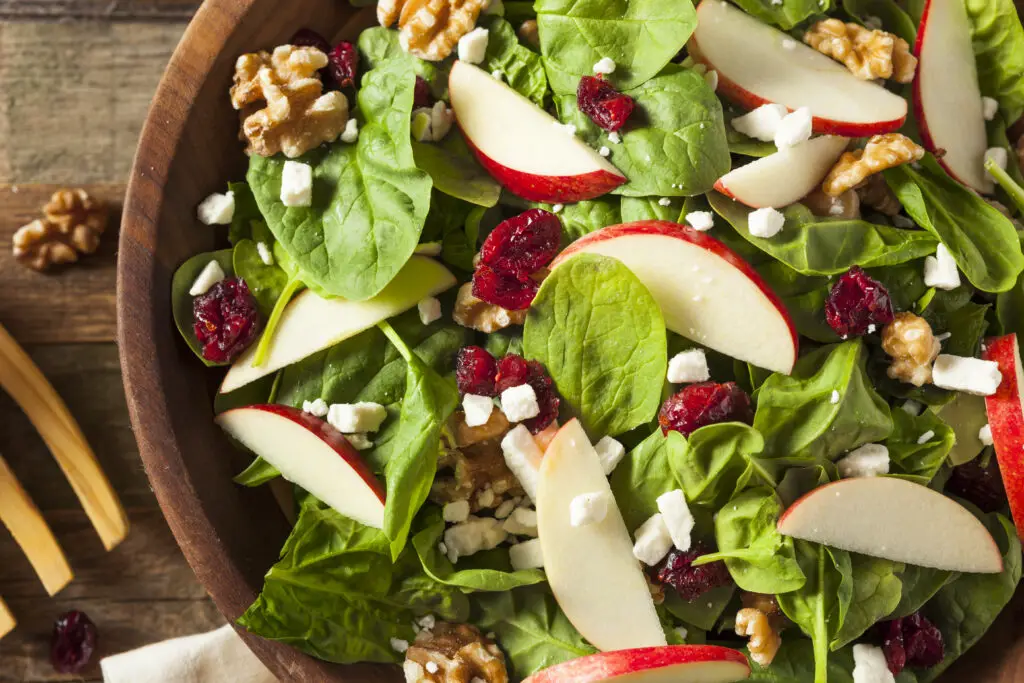
Back in the ’60s and ’70s, grocery stores sold these tiny boxes of “salad toppers” that were basically flavored crumbs meant to jazz up iceberg lettuce. They came in oddly specific varieties like bacon-flavored bits, cheese-flavored bits and even “Italian herb” versions that tasted nothing like herbs. People kept them in the pantry for weeks and sprinkled them on everything from salads to casseroles. They were the shortcut to making dinner feel fancy even when it wasn’t. You might remember your parents proudly shaking them over a bowl like they were adding gourmet ingredients. They were salty, crunchy and absolutely essential for potlucks. And somehow, everyone’s kitchen had at least one half-used box shoved in the back of the cupboard.
Home cooks loved them because they made simple meals feel more exciting. They also added a little flair to dishes that maybe didn’t need flair, but nobody questioned it. They were the kind of thing you bought without thinking because every household used them. Today you can still find modern versions, but the original toppers felt like their own quirky grocery tradition. They were part convenience, part nostalgia and part “What were we even doing?”
2. Gelatin “Completer” Mixes
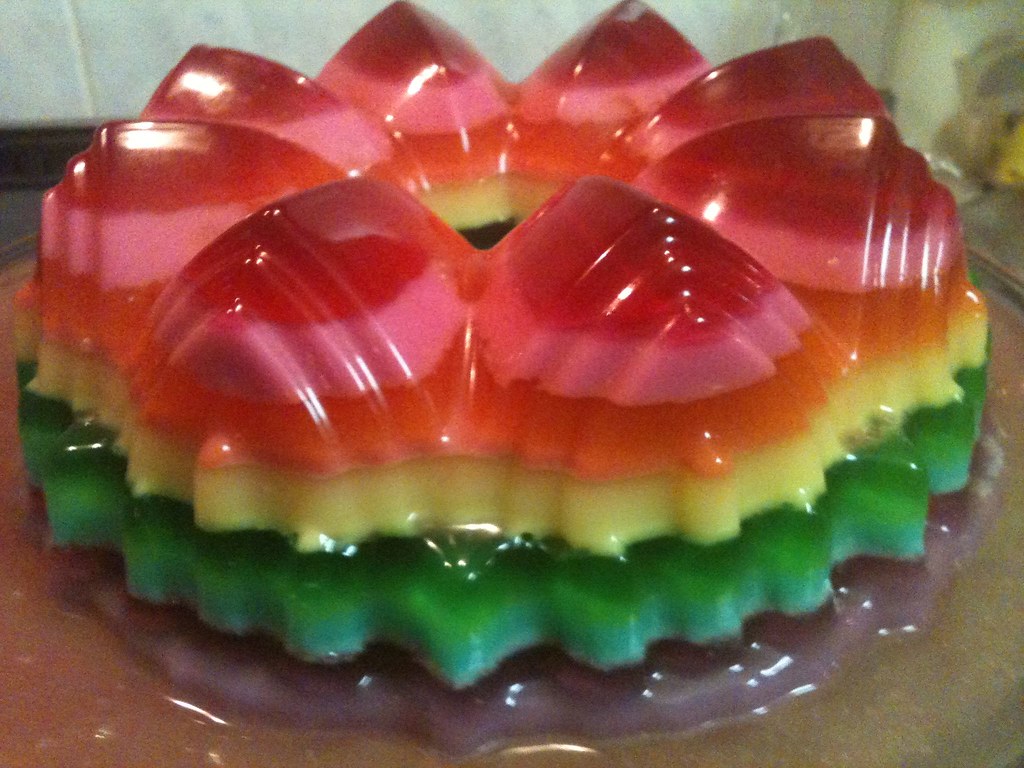
There was once a time when gelatin didn’t come in just cherry or lime but in very targeted versions meant to be mixed with specific fruits. You could buy “banana gelatin completer” or “tropical fruit completer,” and the boxes insisted your Jell-O wouldn’t set right without them. These little packets claimed to balance acidity so your dessert would be perfect every time. Whether they actually worked or not depended on who you asked. Some home cooks swore by them and refused to make a fruit mold without the matching completer packet. Others barely understood what it was for yet bought it because it sat right next to the canned pineapple.
These mixes were like training wheels for elaborate Jell-O creations. They appealed to people who wanted their gelatin dishes to look as flawless as the ones in magazines. You might remember family gatherings where someone proudly unveiled a fruit mold that held together like magic. And somewhere in the recipe box, that little completer packet was always written in the margins. It was oddly specific, completely unnecessary today and yet unforgettable.
3. Meatloaf Seasoning Envelopes
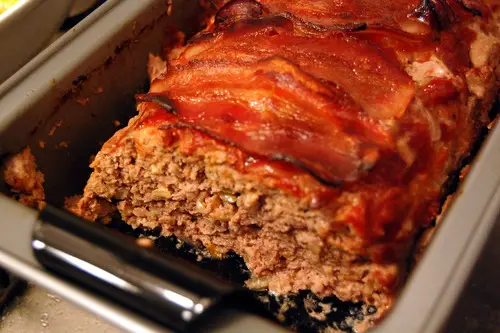
A staple in mid-century kitchens, these envelopes promised to take the guesswork out of seasoning ground beef. They came with very particular instructions, telling you exactly how much meat, bread and water to add. Some even specified the brand of ketchup they preferred. Families trusted them because they delivered the same flavor every time. They made meatloaf feel foolproof during a time when convenience cooking reigned. You may remember the excitement of ripping open that envelope before Sunday dinner.
Nowadays, seasonings are more flexible, but those envelopes represented an era of structured recipes. They made everyone feel like they were nailing the perfect meal without straying from the formula. They took away the intimidation factor of cooking something that felt traditional. And even though they were simple, people treated them like secret weapons in the kitchen.
4. Hamburger Helper Offshoots
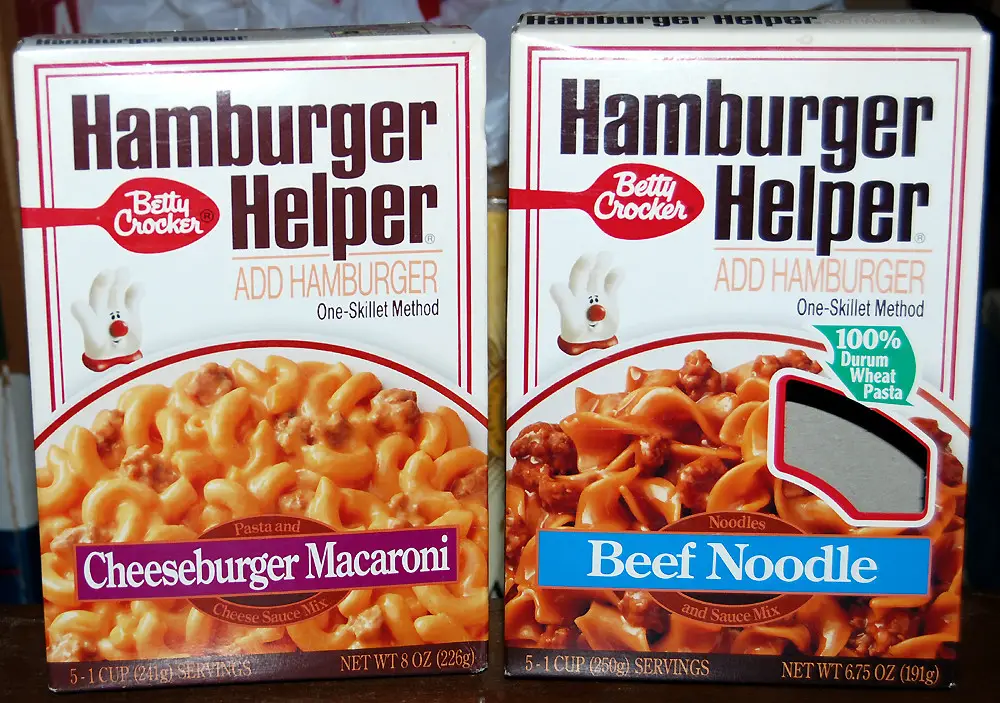
While Hamburger Helper is still around, the ’80s and ’90s gave us bizarrely specific versions like Pizza Helper, Tuna Helper and even Rice Oriental Helper. Each came in bright boxes that promised a full meal with just one protein. They were designed for families wanting flavor variety without much effort. The most oddly specific versions felt almost experimental, as if the brand was trying to see how far it could stretch the formula. Some flavors became cult favorites, while others quietly disappeared.
These boxes offered comfort and predictability at a time when quick meals were becoming the norm. Parents leaned on them for weeknights when schedules were tight. You might remember a few flavors that your family bought once and never again because the taste was just too strange. And yet, seeing those boxes now instantly brings back memories of simpler, busier evenings.
5. Tangy Sandwich Spreads

Before everyone made their own aioli or flavored mayo, stores sold sandwich spreads that were hyper-specific. Things like “ham spread enhancer” or “tangy chicken salad dressing” waited on shelves next to the pickles. They were brightly colored and promised to turn basic sandwiches into deli-style creations. Some had relish bits, others had mystery seasonings and all of them had a very particular taste. Kids either loved them or avoided them entirely.
They were the ultimate shortcut for lunchboxes and quick dinners. Parents scooped them into sandwiches without much thought. They had a cult following because they made simple meals feel more intentional. Even today, seeing an old jar in a vintage ad can bring on a wave of nostalgia for those quirky flavors.
6. Frozen TV Dinner Sides

Frozen meals used to come with ultra-specific side dishes that didn’t always match the main course. You could get turkey with a little square of dried fruit compote or Salisbury steak with a pecan-topped sweet potato. They were tiny, overly detailed sides that felt oddly fancy for something heated in a microwave. Sometimes the portions were so small you wondered why they existed. But they always made the tray look complete.
People looked forward to these dinners because they broke up the routine. Kids poked at the different compartments like they were exploring new worlds. The sides were fun, weird conversation starters at mealtime. And even if no one loved the taste, everyone remembered the experience of peeling back that foil.
7. Flavored Instant Mashed Potatoes
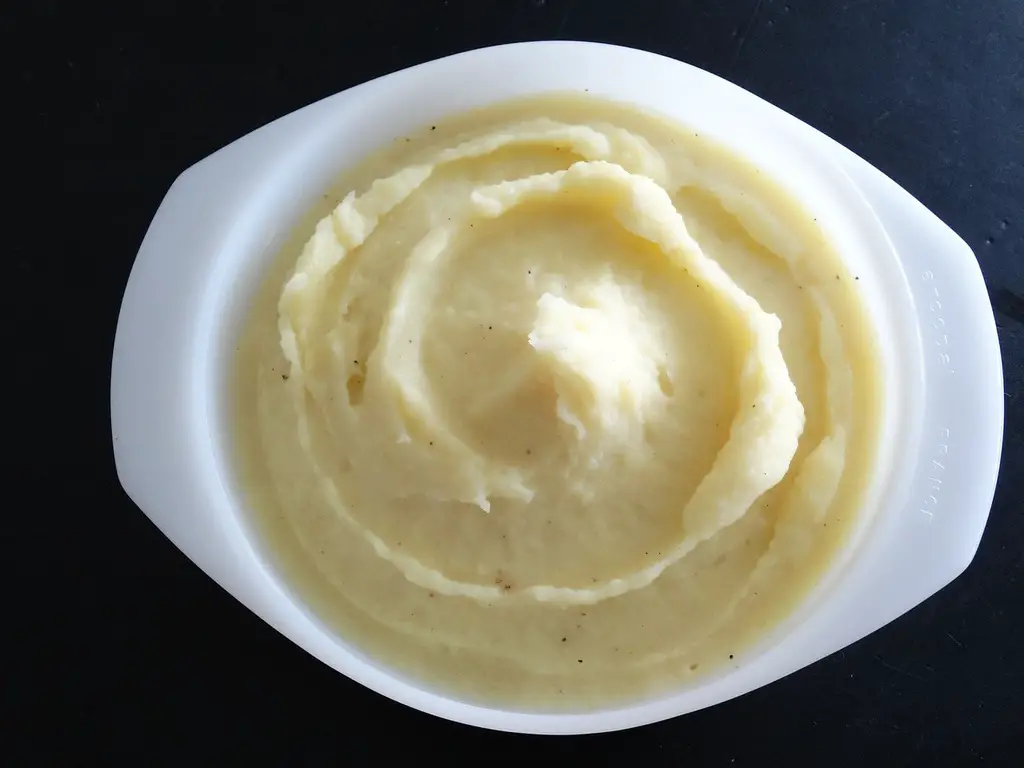
Instant mashed potatoes took off in the ’70s, and grocery stores began selling versions flavored for very particular dishes. You could find “roast beef style,” “country gravy infused,” or even “herbed chicken pairing” varieties. These mixes claimed to complement whatever meat you served. They seemed like the ultimate convenience for families wanting to feel coordinated at dinner.
Even if the flavor wasn’t quite what you expected, the idea was charming. People enjoyed the promise of a complete meal with minimal effort. It was part of the era when companies tried to anticipate exactly what families wanted. And there was something delightfully specific about choosing a potato mix just for one type of entrée.
8. Soup Starter Kits
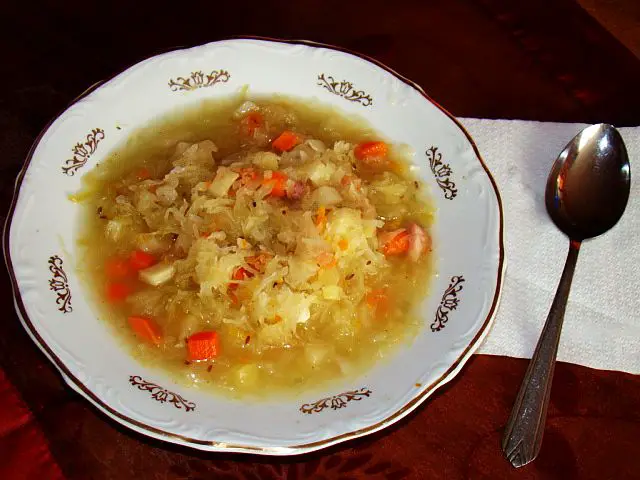
These kits weren’t just generic broth bases, but specific blends meant for one and only one soup. You might find “Savory Turkey Noodle Starter” or “Classic Beef Barley Builder” with packets that instructed you to add just the right ingredients. They created the illusion of homemade soup without requiring much skill. The boxes always showed pictures of hearty dishes that looked like Grandma made them. And families bought into the idea of making something special from a kit.
They were comforting and predictable, which made them popular during cold months. If you grew up with them, you may remember how the house smelled when the pot simmered on the stove. They were an oddly specific addition to the grocery aisle that filled a gap people didn’t even know they had. And they made every cook feel just a little bit more capable.
9. Marshmallow Fluff Dessert Mix-Ins
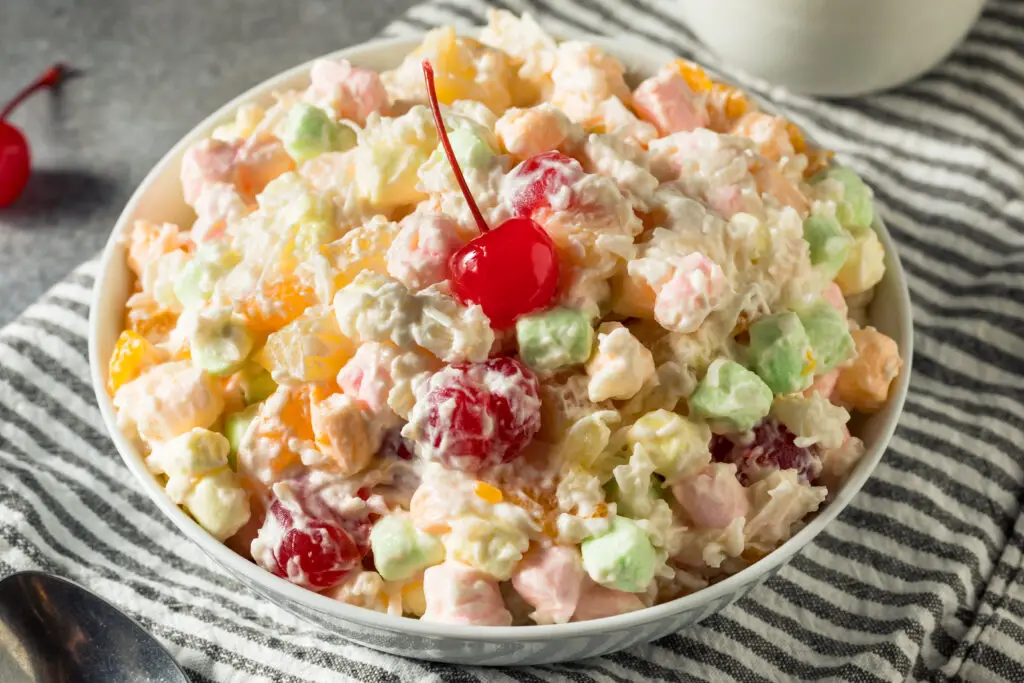
In the ’70s and ’80s, companies sold tiny packets that were specifically meant to be whipped into Marshmallow Fluff for themed desserts. There were flavors like “strawberry cloud,” “chocolate dream swirl,” and “lemon chiffon enhancer.” They were light, sugary and designed for potluck favorites. You’d fold them into Fluff and suddenly have a pastel-colored dessert topping. Kids loved the colors, and adults loved the simplicity.
They made dessert feel whimsical without much effort. People used them for cakes, pies or just spooning into bowls with fruit. They were oddly specific but absolutely charming. And anyone who grew up in that era can still picture the swirl of color hitting the bowl.
10. Powdered Beverage Add-Ins
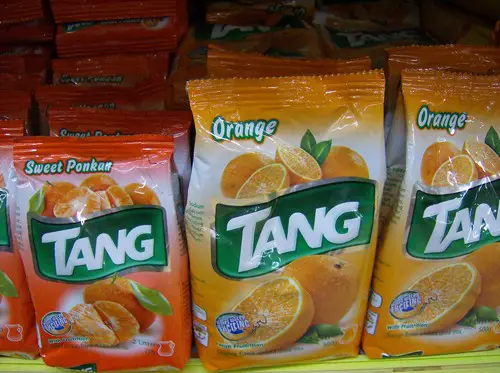
Long before flavored water enhancers, stores sold powdered packets meant to add a very particular twist to drinks. There were “sunrise citrus boosters” for orange juice or “berry burst enhancers” for lemonade. They were marketed as a fun way to perk up breakfast. Some tasted great, others were more chemical than fruity. But families kept them around because they felt inventive.
These add-ins made drinks feel customizable in a time when options were limited. Kids experimented by mixing two flavors together. Parents liked them because they stretched a carton of juice further. And even though their popularity faded, they paved the way for the drink mixes we see today.
11. Pre-Seasoned Breadcrumb Varieties
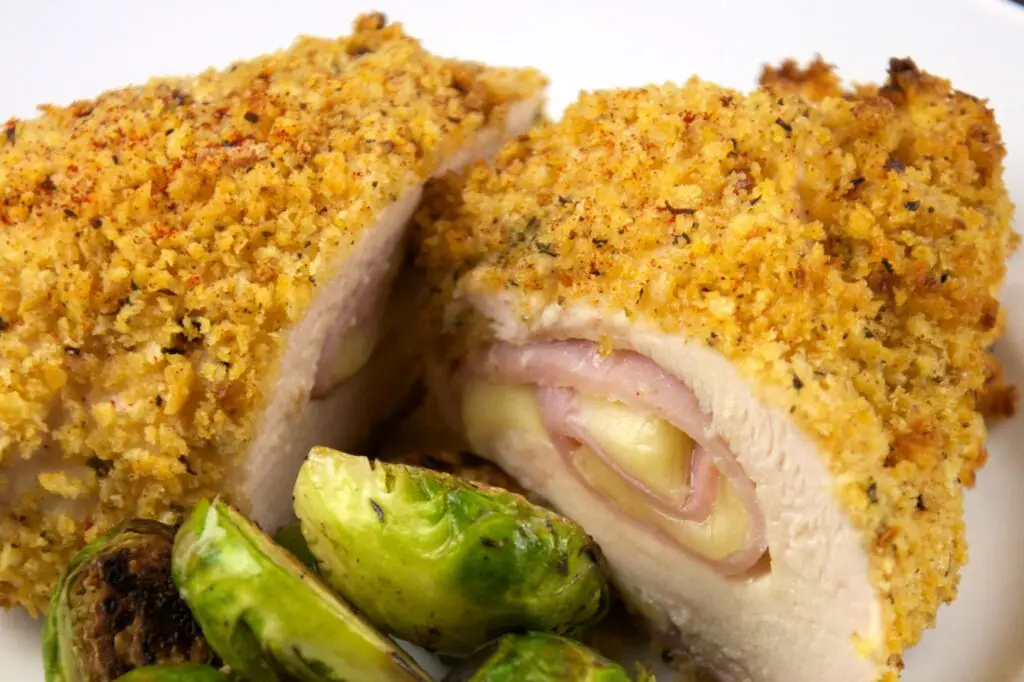
Breadcrumbs once came in niche flavors meant for just one type of food. You would see boxes labeled “pork chop crumb coating” or “Italian meatball binder” that felt almost like a recipe shortcut. They were widely used because they saved time on seasoning. The packaging always showed perfect golden results, which convinced families to try them. And if you found a favorite, you stayed loyal.
These crumbs were oddly specific but incredibly handy. They made dinners taste almost professional. They also made recipes feel more approachable for new cooks. And while you can still find seasoned breadcrumbs today, the hyper-specific versions were a moment in grocery history all their own.
12. Pie Filling “Stabilizers”
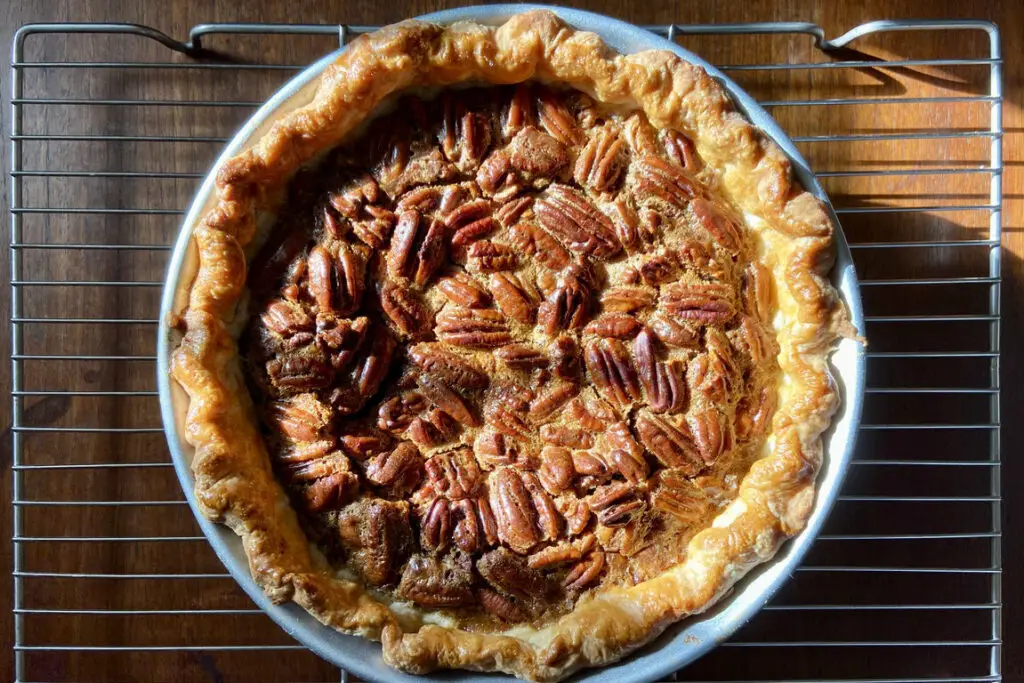
These little packets were meant to be added to fruit pies to keep the filling from getting runny. They came in apple, cherry and even mincemeat versions. Bakers swore by them if they wanted picture-perfect slices. They promised consistency, especially for holiday meals. And while some people doubted whether they made much difference, many families used them year after year.
They were part of the ritual of making pies that looked as good as they tasted. Home cooks appreciated any tool that made baking less stressful. These stabilizers were oddly specific but very reassuring. They represented the era of grocery products meant to guarantee success.
13. Artificial Butter “Dip” for Seafood
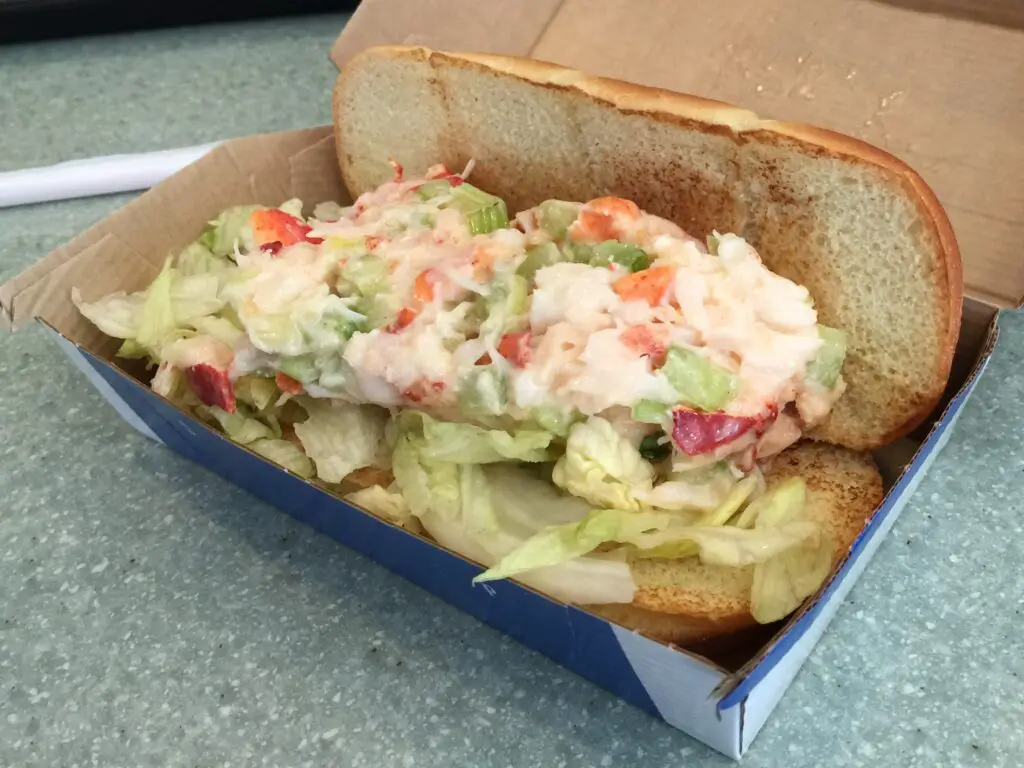
This wasn’t just margarine, but a specially formulated “seafood dip” meant for crab legs and shrimp. It came in small tubs and had a distinct salty, buttery flavor. Restaurants used versions of it, which gave it a certain credibility. Families picked it up when they wanted a seafood night at home without breaking the bank. It melted smoothly and coated everything with that unmistakable flavor.
It was one of those grocery items that served a single purpose but felt essential. People believed it made their seafood dinners more authentic. Even if the taste wasn’t exactly gourmet, it delivered on nostalgia. It was a hyper-specific product that still brings back memories for anyone who grew up with it.
14. Canned “Party Loaves”
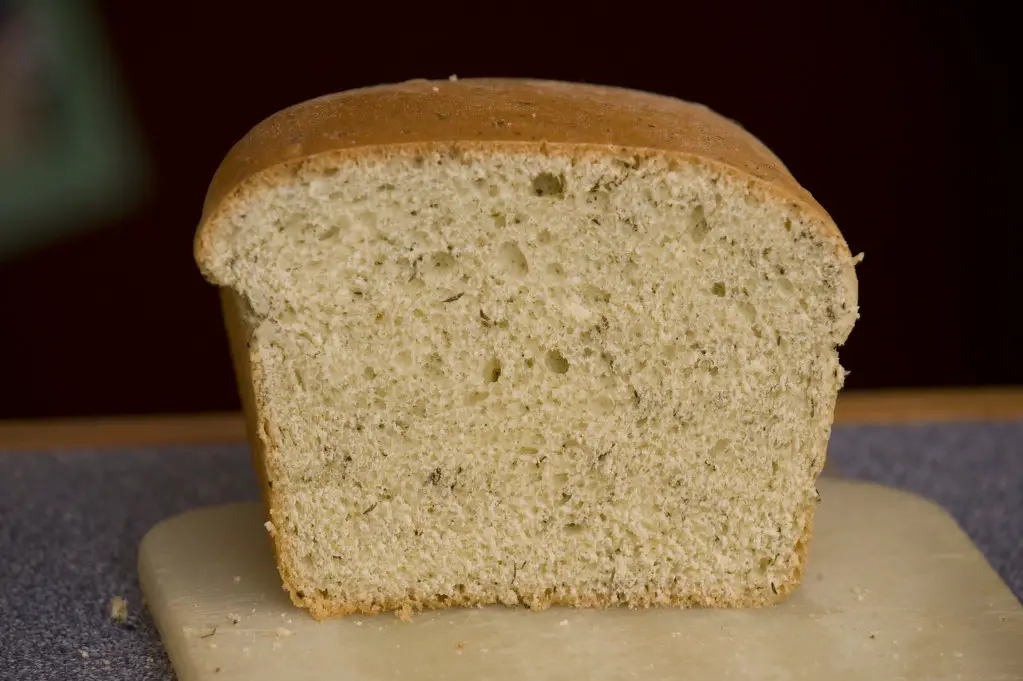
These were canned sandwich loaves meant specifically for slicing into neat finger sandwiches. They came in flavors like chicken, pimento or salmon and were surprisingly popular for gatherings. Hosts used them for baby showers, holiday parties and community events. The loaf shape made it easy to create perfectly uniform sandwiches. And despite their unusual texture, people loved the convenience.
They were a quirky symbol of entertaining during the mid-century years. The cans looked almost industrial, yet the results felt festive. They gave hosts a sense of efficiency and creativity. And even if the idea feels strange today, it once made perfect sense at a time when efficiency mattered more than variety.
15. Pancake Syrup “Flavor Packs”
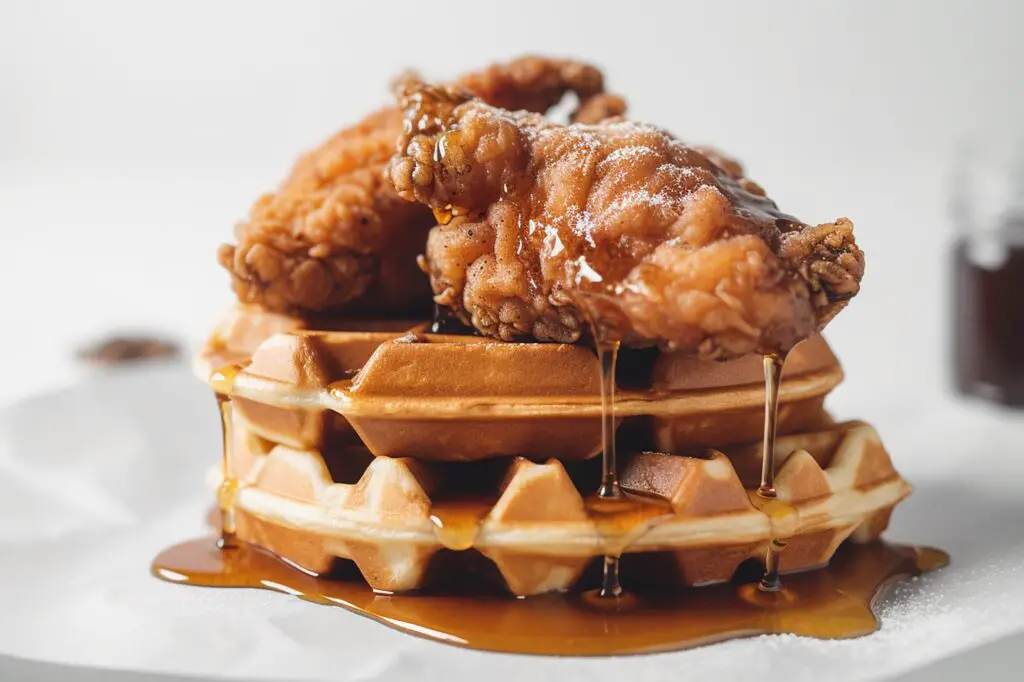
Before flavored syrups became mainstream, you could buy tiny packets meant to be mixed directly into your maple syrup. These packs came in flavors like blueberry, cinnamon apple and even pecan swirl. They promised to transform a simple breakfast into something special. Kids especially loved picking the flavor of the day. And the colors that sometimes came with them added to the novelty.
They made breakfast feel customizable long before that was a trend. Families enjoyed trying different combinations to keep mornings interesting. While the packets eventually faded from shelves, the memory of mixing them into syrup still feels fun and playful. They were oddly specific but absolutely delightful for anyone who remembers using them.