
1. Listening to the Radio Together
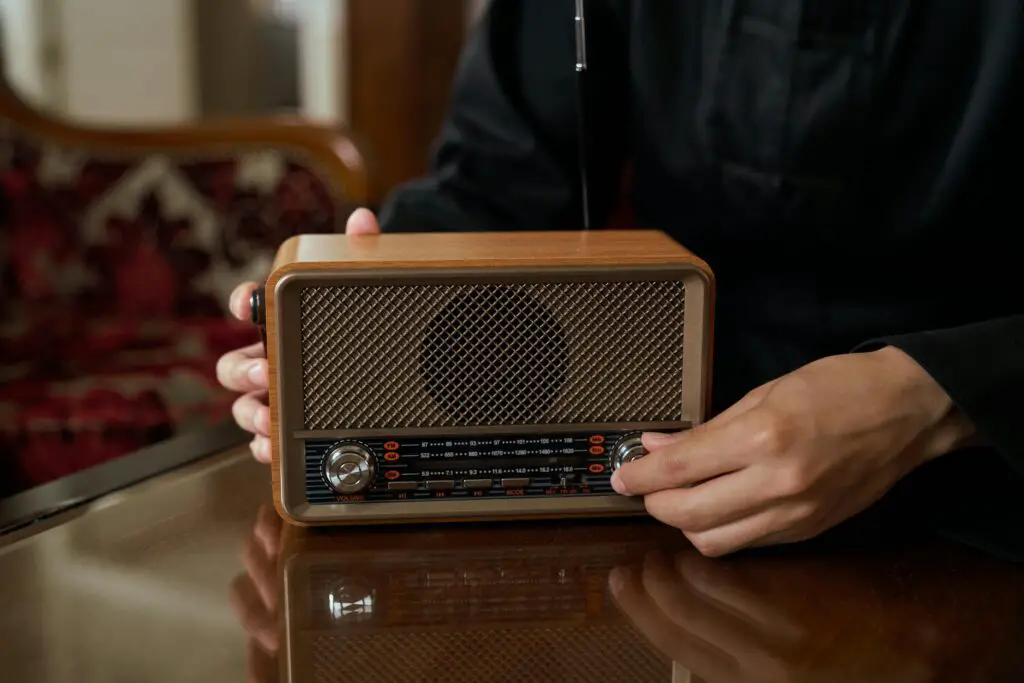
Families used to plan their evenings around radio shows the way we now plan around streaming drops. Someone would adjust the dial just right, then everyone would quiet down and actually listen. Sound effects filled in the visuals, which made your imagination work harder. Miss an episode and you really missed it, no rewind button waiting. People talked about the shows the next day at school or work like shared secrets. It felt communal in a way that’s hard to recreate now.
Radio listening also meant patience. Static happened, signals faded, and you learned to sit with it instead of skipping ahead. Commercial breaks were bathroom breaks or snack runs. Sometimes the radio just stayed on as background comfort, especially in the evenings. It was entertainment and companionship rolled into one.
2. Reading the Same Newspaper Over and Over

A daily newspaper wasn’t a quick skim, it was an all day companion. People read it front to back, then folded it and read it again later. The comics got saved, the advice columns were debated, and the classifieds were scanned even if you weren’t buying anything. You could spend a surprising amount of time just rereading the same stories. There was no endless scroll, so you made the most of what you had.
Some sections became rituals. The crossword might take hours spread across the day. Sports pages got reread with a pencil in hand. Even ads were studied, circled, and discussed. The paper often ended up shared, traded, or clipped for later. It stretched far beyond a single sitting.
3. Writing Letters Just to Fill the Evening
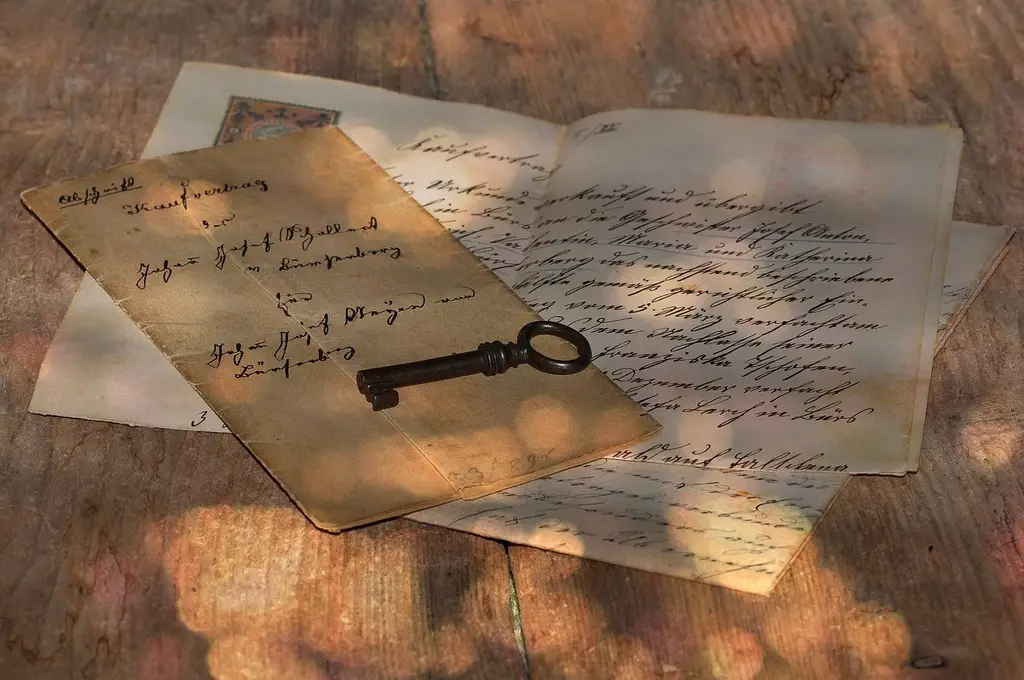
Letter writing wasn’t always about urgent news. Sometimes it was simply something to do after dinner. People wrote long, winding letters about small details that didn’t matter much. You thought carefully about what to say because you couldn’t instantly clarify it later. The act of writing itself slowed things down. It felt personal and deliberate.
Finishing a letter didn’t end the experience. You reread it, crossed things out, rewrote lines, then sealed it carefully. Waiting for a reply was part of the process, not an inconvenience. The gap between letters made the connection feel stronger. Time passed quietly in between.
4. Sitting on the Porch and Watching Everything
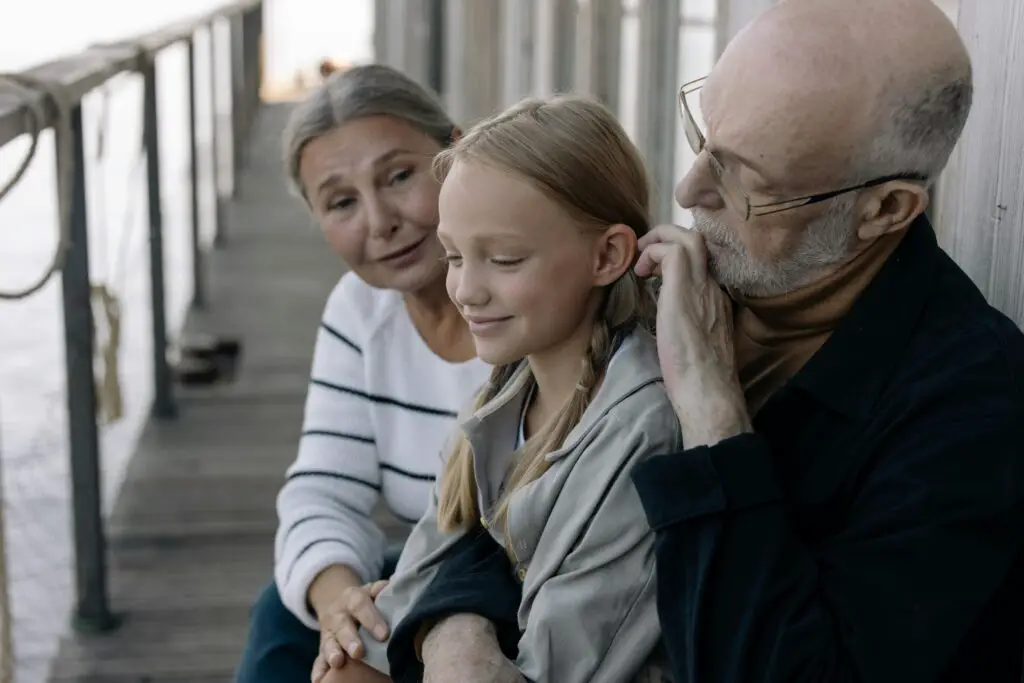
Porches used to function like live television. People sat outside and watched neighbors walk by, cars pass, and kids play. Nothing dramatic needed to happen for it to be entertaining. Conversations drifted in and out without pressure. It was low effort but strangely engaging.
Sometimes you barely talked at all. You just observed and let time pass. The same street looked different depending on the hour. Evening porch sitting often turned into storytelling without realizing it. It filled time gently instead of demanding attention.
5. Doing Crossword and Puzzle Books Slowly
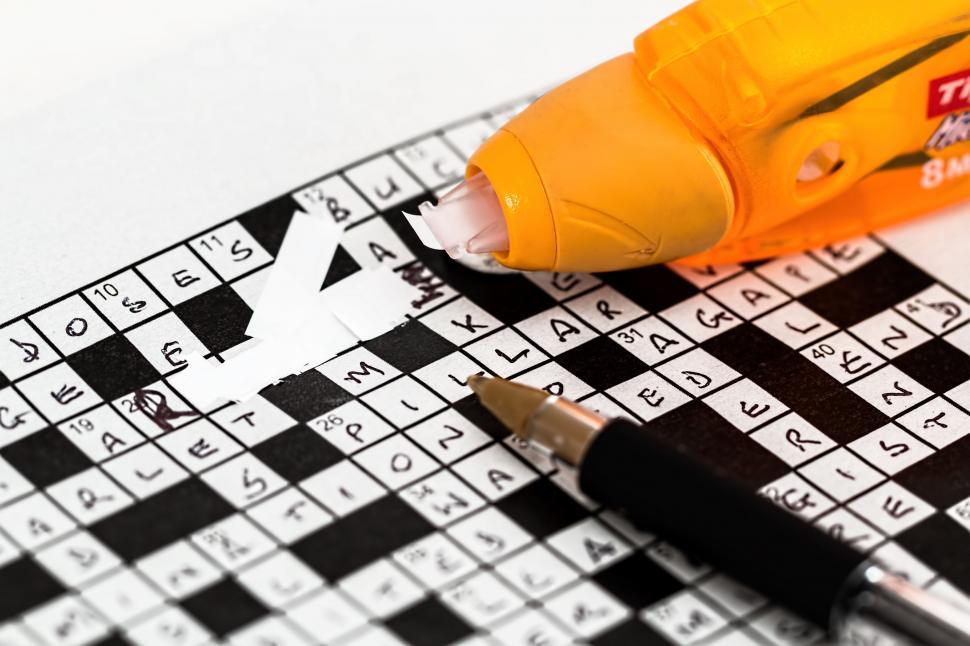
Puzzle books weren’t about speed or streaks. People worked on them a little at a time. You might leave one clue unanswered for days. The goal wasn’t finishing quickly but enjoying the thinking. It was mentally engaging without being overstimulating.
Puzzles traveled everywhere. They sat on coffee tables, kitchen counters, and nightstands. Family members sometimes helped, sometimes argued. Even unfinished puzzles felt satisfying. They were a quiet way to pass long stretches of time.
6. Organizing and Reorganizing Photo Albums
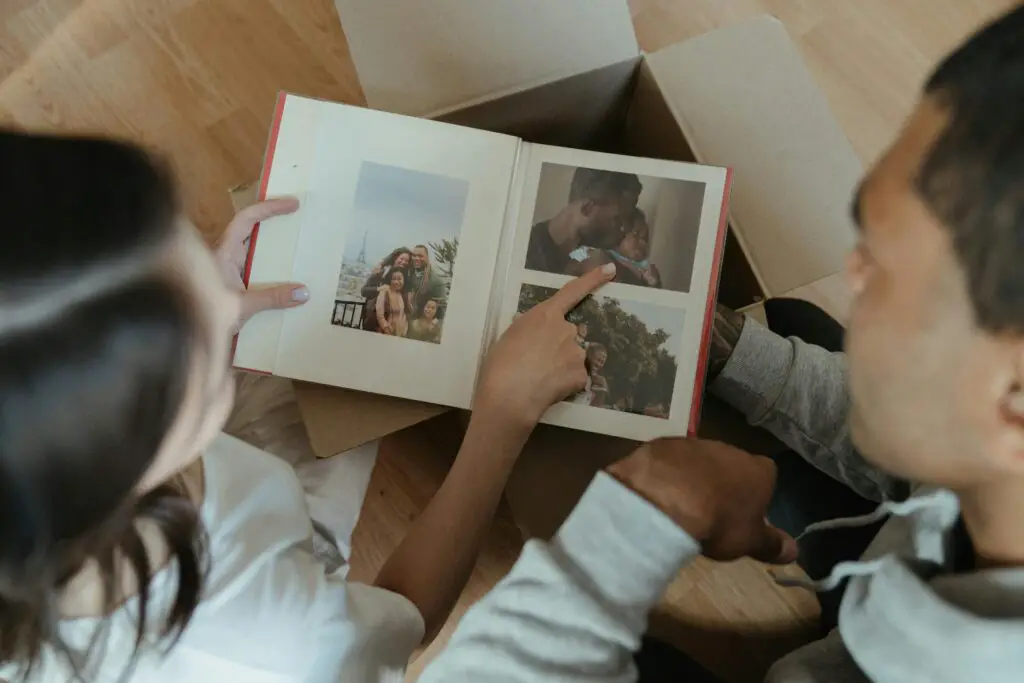
Photo albums weren’t just storage, they were activities. People took photos out, rearranged them, and added handwritten captions. You could spend hours deciding what order made the most sense. Each photo sparked memories and side stories. It became a walk through the past.
Albums were revisited often. Someone might pull one out on a random afternoon. Photos got passed around and talked about again and again. It was entertainment fueled by memory. The same pictures never got old.
7. Playing Solitaire With Actual Cards
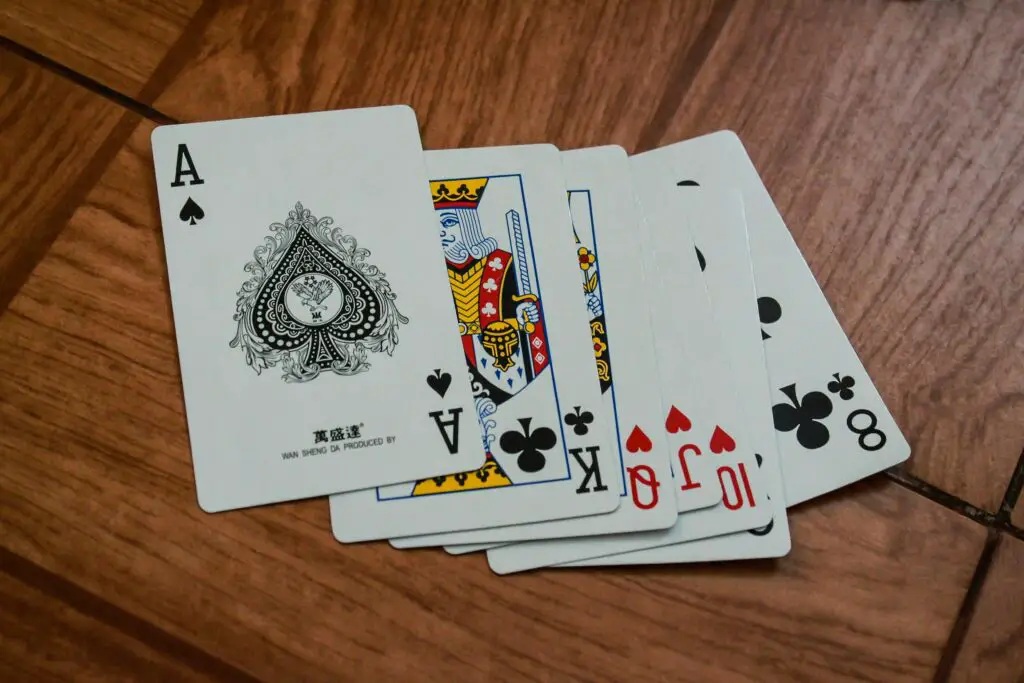
A deck of cards could fill an entire evening. Solitaire was quiet, repetitive, and oddly comforting. Shuffling alone became part of the ritual. You didn’t win every time, and that was fine. The point was the rhythm.
Cards wore down over time. Bent corners and faded backs told stories of how often they were used. Games paused and resumed without issue. It was something to do with your hands and your thoughts. No batteries required.
8. People Watching in Public Places

People watching used to be a full activity, not a background habit. Sitting in a park or café meant actually noticing others. You made up backstories in your head. Everyone became briefly interesting. Time passed without effort.
There was no urge to document it. You just watched and moved on. Small details stood out more when you weren’t distracted. It made waiting feel less like waiting. The world itself provided the entertainment.
9. Browsing Libraries Without a Plan

Libraries weren’t always about finding something specific. People wandered the aisles and let curiosity lead. You pulled books just because the covers caught your eye. Sometimes you didn’t even check anything out. The browsing itself filled time.
Libraries were quiet but not boring. You could sit, read a few pages, then move on. There was no algorithm guiding you. Discovery felt accidental and personal. It was slow exploration.
10. Fixing and Refixing Small Things

People spent a lot of time tinkering. A loose drawer or squeaky hinge could become an afternoon project. Even unnecessary fixes felt productive. It was something to focus on with visible results. Time disappeared while you worked.
Fixing things wasn’t rushed. You stopped, adjusted, and tried again. Tools came out even for small jobs. It gave a sense of purpose to empty hours. Sometimes the fix mattered less than the process.
11. Board Games That Lasted All Evening
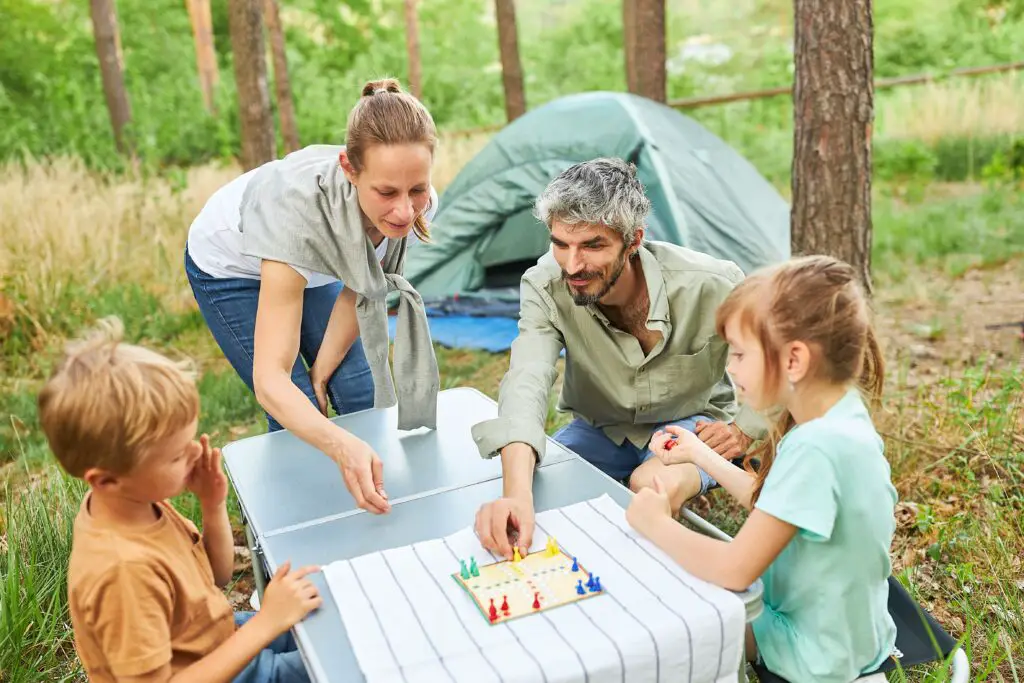
Board games weren’t quick diversions. One game could stretch across hours. Rules were debated and house rules developed naturally. Breaks happened mid game without stopping completely. It was flexible and social.
Winning wasn’t the only goal. Talking often took over the game itself. Pieces stayed on the table between turns. The evening revolved around it. Time passed without anyone checking the clock.
12. Simply Daydreaming Without Distraction

People used to stare out windows and let their minds wander. No device filled the silence immediately. Thoughts drifted without direction. It wasn’t productive, but it wasn’t wasted either. Creativity often came from those moments.
Daydreaming filled gaps in the day. Waiting rooms, bus stops, and quiet afternoons all invited it. There was no pressure to optimize the time. Letting your mind roam was normal. It passed time in the most human way possible.