
1. Church Bells
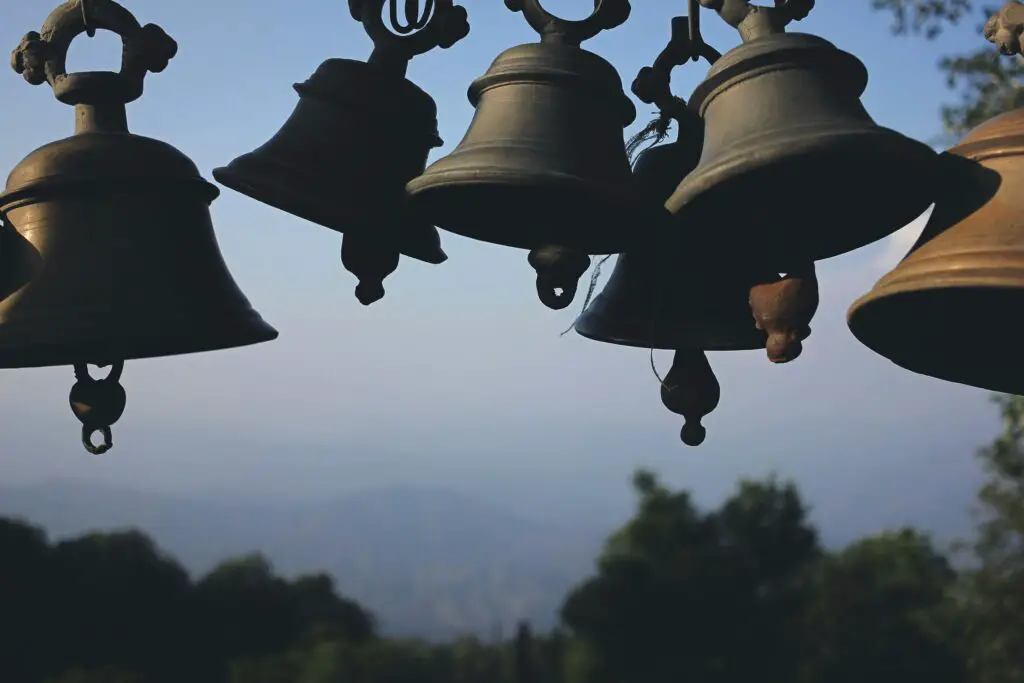
For centuries, church bells quietly ran the day in towns and villages. You did not need a watch when the bells rang for morning prayer, noon, or evening services. People learned to recognize the sound patterns and what they meant without thinking about it. A long toll could signal a funeral, while a lighter peal meant a wedding or celebration. The rhythm of daily life followed those sounds more than any written schedule. Even people who never attended church still listened. The bells were impossible to ignore.
In many places, church bells also acted as the community clock. Shops opened after the morning bells and closed when evening rang out. Farmers timed meals and fieldwork around them. Children knew when it was time to head home just by listening. When bells stopped ringing, people felt disoriented. Silence could feel unsettling.
2. The Sun’s Position in the Sky
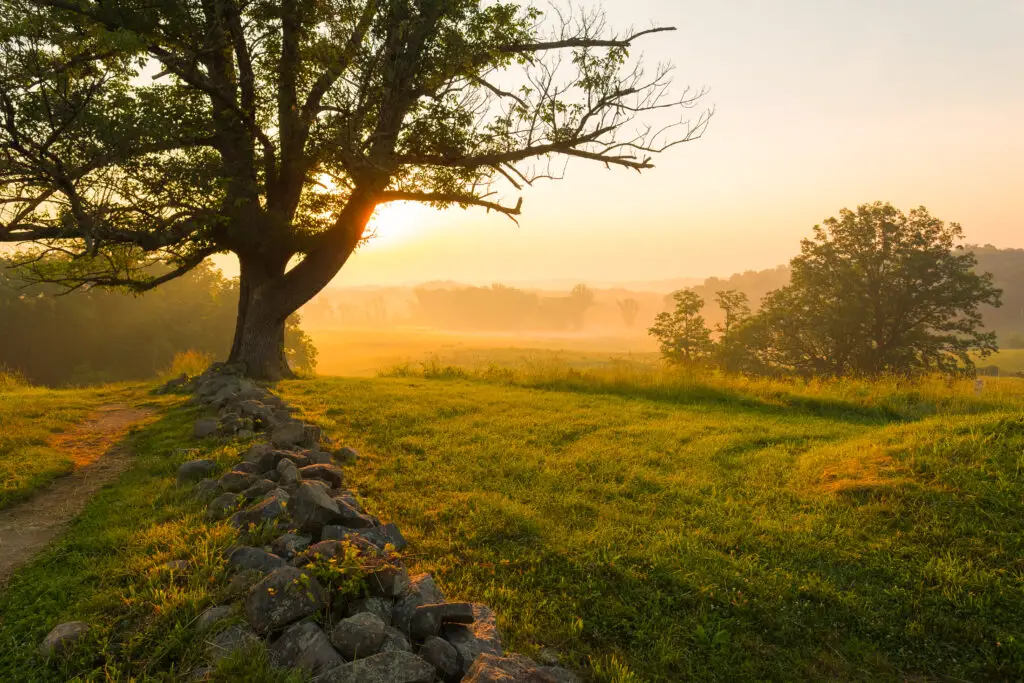
Before clocks were common, people watched the sun like a trusted guide. Morning meant the sun was low, afternoon meant it was overhead, and evening meant it drifted toward the horizon. You did not need precision, just awareness. Everyone knew what “high sun” or “near sunset” meant. Time felt flexible and forgiving. Being early or late was less stressful.
This way of telling time made people more connected to daylight itself. Short winter days felt very different from long summer ones. Work naturally shifted with the seasons. When clouds rolled in, time could feel blurry. People learned patience because the sky did not rush.
3. Hourglasses
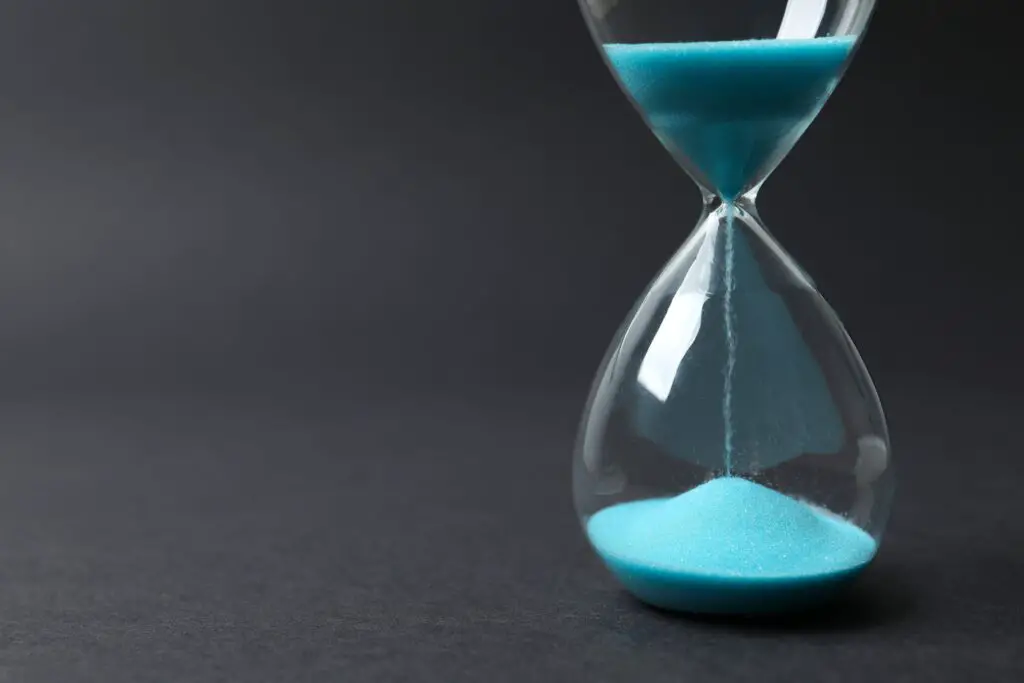
Hourglasses were simple but surprisingly dependable. Once flipped, the sand moved at a steady pace you could see. They were often used for cooking, sermons, or long meetings. Watching the sand fall made time feel tangible. You could literally see minutes slipping away. It encouraged focus because you knew exactly how much time remained.
Hourglasses also required attention. Someone had to remember to flip them. Forgetting meant time was suddenly unclear again. They were less about knowing the exact hour and more about measuring moments. That made them feel personal. Time passed at the speed you could watch.
4. Pocket Watches
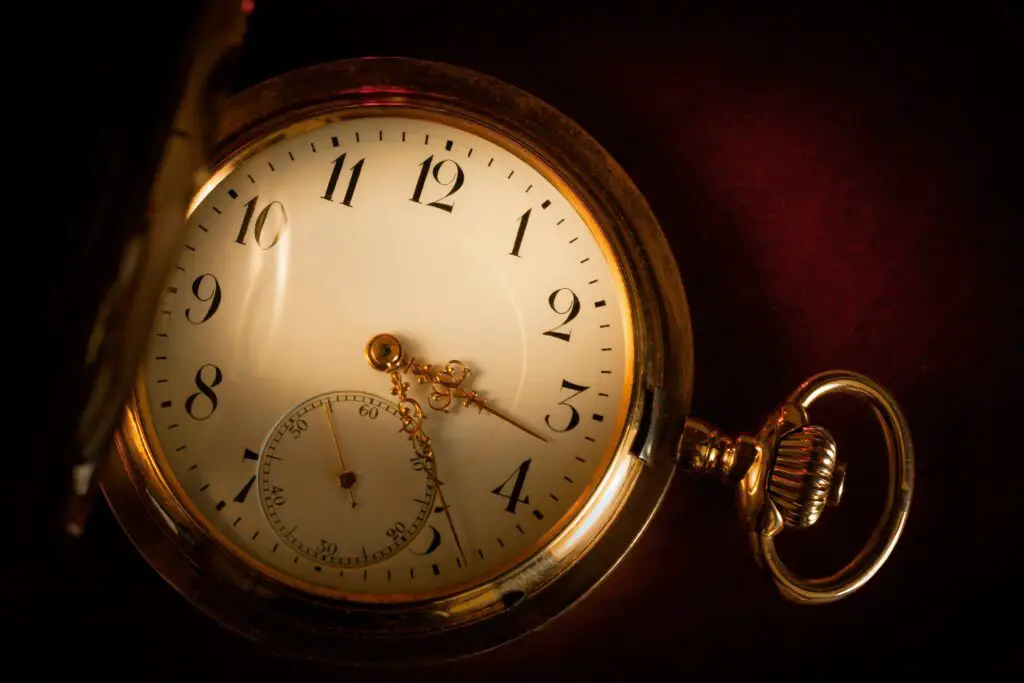
Pocket watches were once prized possessions, not casual accessories. Pulling one out felt intentional and slightly formal. People checked them carefully, not constantly. Time was something you consulted, not something that followed you around. A pocket watch often marked adulthood or success.
Because they were mechanical, pocket watches demanded care. They had to be wound regularly to stay accurate. If you forgot, time drifted. That small responsibility made people more mindful of it. Checking the time was a small ritual. It slowed the moment down.
5. Sundials
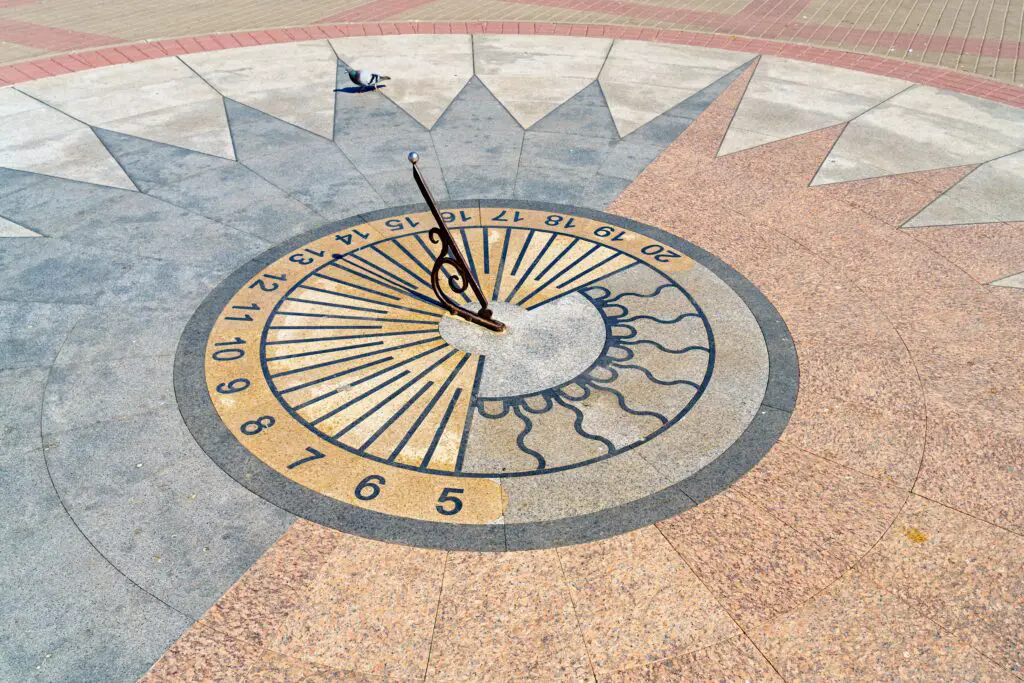
Sundials turned sunlight into a timekeeping tool. As the sun moved, shadows shifted across carved numbers. They were elegant and simple, but completely dependent on clear skies. When the sun disappeared, so did the time. That limitation was accepted without frustration.
Sundials reminded people that time was tied to nature. No two days looked exactly the same. They were often placed in gardens or public squares. Even if you did not check them closely, they added a sense of order. Time was part of the landscape.
6. Factory Whistles

In industrial towns, factory whistles ruled the day. A loud blast meant work started, another meant lunch, and one more signaled quitting time. Workers did not need watches because the whistle told everyone at once. Entire neighborhoods adjusted to that sound. It became part of daily life.
The whistle created a shared sense of time. Everyone heard it together, no matter where they were. It also marked boundaries between work and rest. When factories closed, the silence felt strange. Time suddenly became private instead of communal.
7. Radio Program Schedules
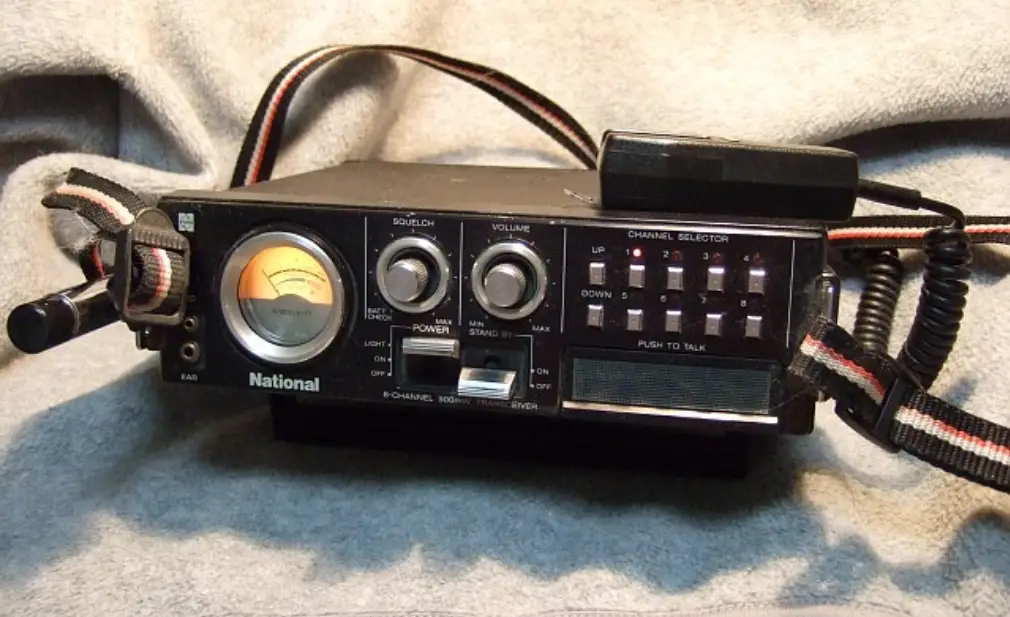
Radio once structured evenings in a very specific way. Families planned dinners and chores around favorite shows. You did not just listen whenever you wanted. You listened when the program aired. Missing it meant you missed it completely.
Time became something you organized around entertainment. People remembered programs by the hour they aired. “After the news” or “before the comedy show” was a real time reference. Radios made time feel shared again. Everyone tuned in together.
8. School Bells
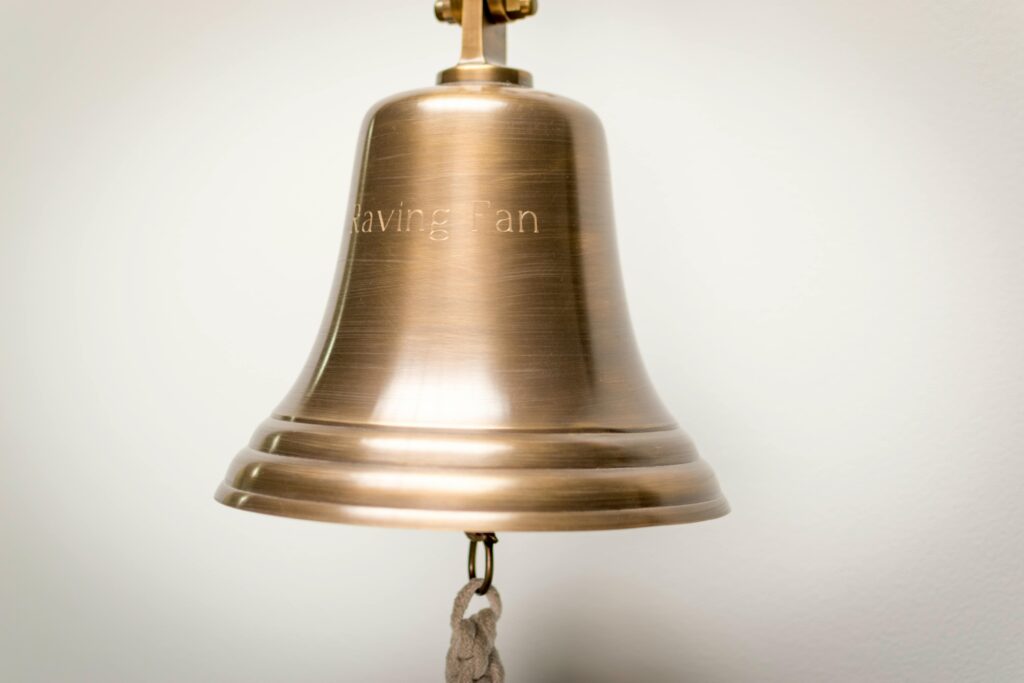
School bells taught generations how to divide the day. Each ring meant a class change, lunch, or dismissal. Students learned to move quickly when they heard it. Teachers relied on it to keep order. The bell was absolute.
Even after leaving school, many people still react to that sound. It trained people to associate noise with time passing. Days were broken into neat segments. When bells stopped for summer, time felt loose. The structure disappeared overnight.
9. Meal Times

Meals were once a primary way people marked time. Breakfast, dinner, and supper were fixed points in the day. You did not need a clock to know it was lunchtime. Hunger and routine did the job.
Families gathered at roughly the same times every day. Being late for a meal felt more serious than being late for anything else. Food anchored the day. Time passed from one plate to the next. It felt comforting and predictable.
10. Newspaper Editions
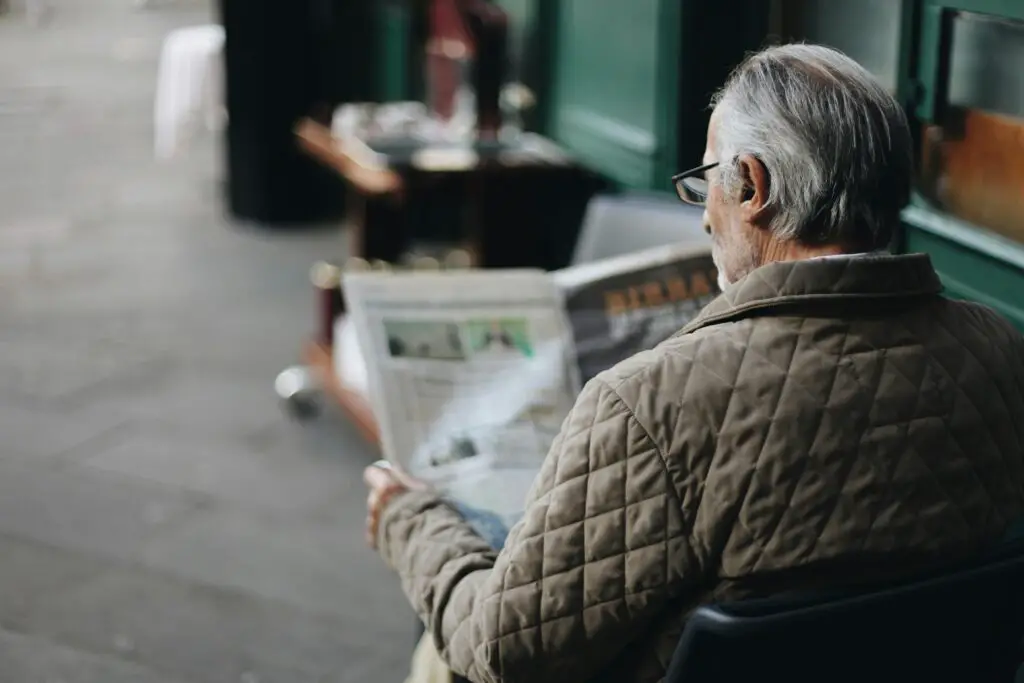
Morning and evening newspapers helped define the day. The morning paper started things off, while the evening edition wrapped it up. People associated certain stories with certain times. News had a rhythm.
Reading the paper was part of a daily schedule. You knew what time it was based on what edition was available. Waiting for the next paper required patience. News moved slower. Time felt calmer.
11. Work Shift Changes

Shift changes acted like unofficial clocks. When one group left and another arrived, the day moved forward. Factories, hospitals, and offices relied on this rhythm. People noticed time passing by who was coming or going.
These changes created predictable patterns. You could tell the hour by the faces you saw. Time was visible through people, not screens. When shifts overlapped, the day felt busy. When they ended, everything slowed.
12. TV Sign-Offs

Television used to shut down at night. When the national anthem played or the screen went dark, the day was over. Staying up later simply was not an option. Bedtime followed the broadcast schedule.
That sign-off felt final. It told you that it was truly late. Insomniacs had fewer distractions. Time pushed you toward rest. Nights were quieter.
13. Natural Sounds

Birdsong, crickets, and frogs all signaled different parts of the day. Morning birds meant sunrise was near. Crickets meant night had arrived. People learned these cues without thinking.
These sounds created a gentle sense of time passing. No alarms were needed. Nature handled it quietly. When those sounds disappeared, something felt off. Time without them felt less alive.