
1. The Corn Palace in Mitchell, South Dakota
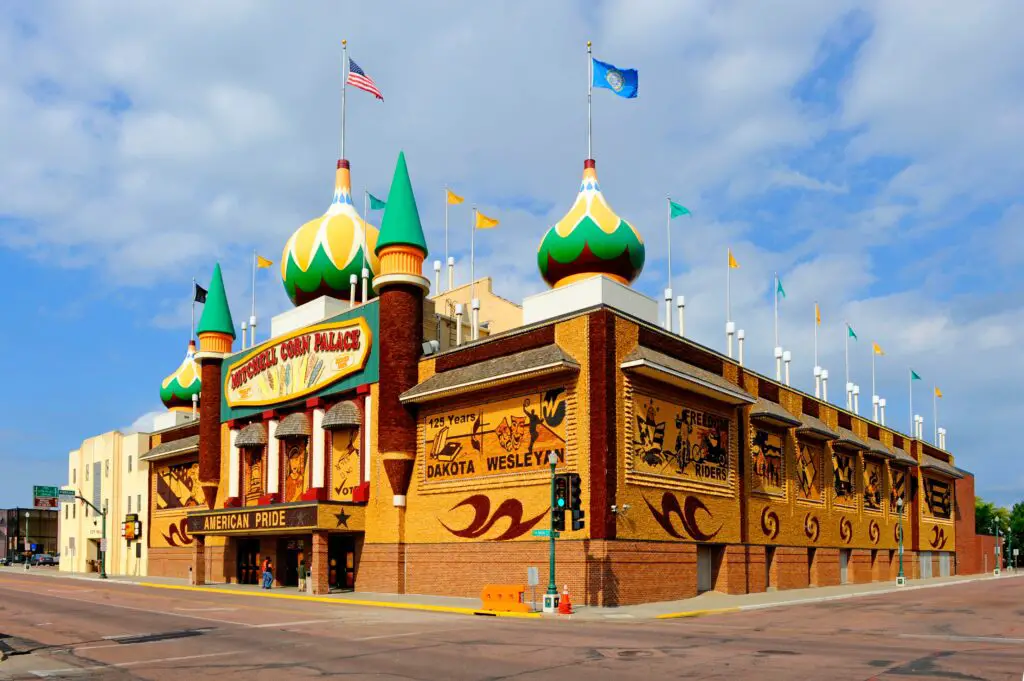
If you grew up on Midwest road trips, chances are someone insisted you had to stop at the Corn Palace, even if you had no idea what that meant. The building is still there, but decades ago it was treated like a true roadside marvel, covered in massive murals made entirely from real corn and grains. Families poured in to marvel at the seasonal designs, snap photos, and brag that they had seen the world’s only corn-themed palace. It felt wonderfully strange in the best small-town way, like something out of a storybook that somehow existed on a prairie highway. There were festivals, concerts, and community celebrations that made it feel like a destination, not just a quirky building. For many travelers, it was a must-stop attraction that broke up long stretches of empty road. Today, it still draws visitors, but the national buzz it once had has faded. It’s now more of a nostalgic curiosity than a true tourism magnet.
Back then, stopping at the Corn Palace felt like joining a long-running American inside joke that everyone understood. You didn’t just look at the murals, you lingered, wandered through the displays, and soaked in the novelty of it all. Kids pressed their faces to the walls, trying to figure out how the designs were actually constructed. Parents loaded up on postcards and souvenirs to prove they’d been there. It was the kind of place that made family vacations feel memorable, even if the rest of the trip was just highway and diners. As travel habits shifted and roadside attractions lost their pull, fewer people made the detour. Still, those who remember it from its peak talk about it with real affection. It represents a time when small towns could create something bold and capture national attention.
2. The Desert of Maine in Freeport, Maine
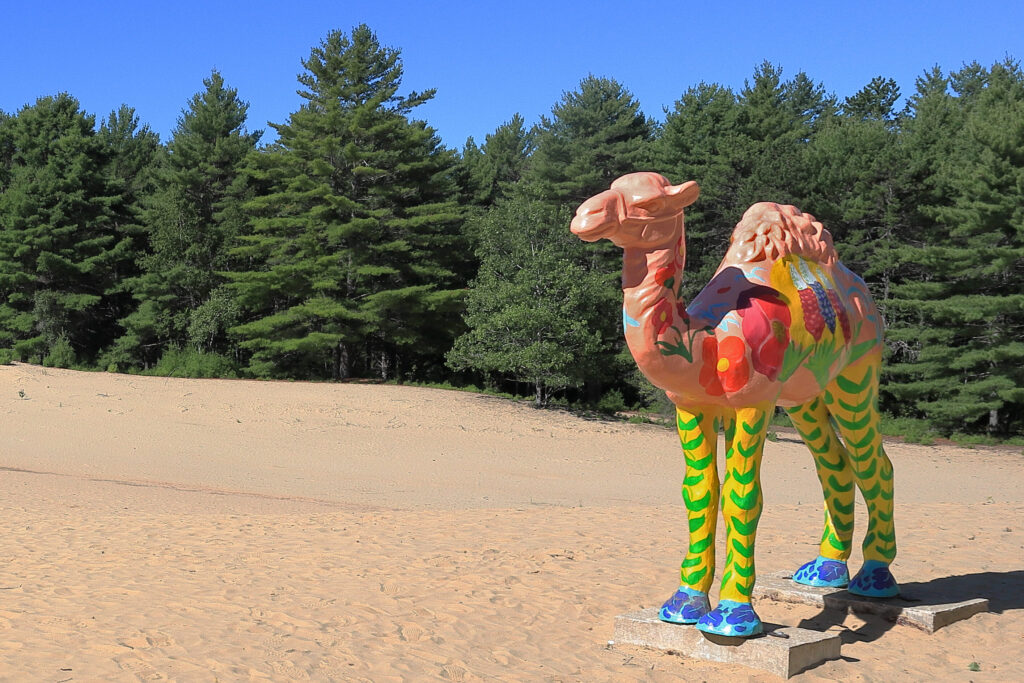
Calling it a desert always felt a little mischievous, especially when you realized you were still very much in New England. The Desert of Maine became famous for its rolling dunes of glacial silt that looked completely out of place among pine trees and rocky soil. Families arrived by the busload to ride dune buggies, tour the unusual landscape, and pose for photos that confused anyone back home. It was the kind of attraction that thrived on curiosity alone. You didn’t need thrill rides or flashy signs, just the simple novelty of seeing a “desert” where it shouldn’t exist. For decades, it was a reliable summer stop for tourists heading up the coast. It felt charmingly odd and strangely educational at the same time. Over the years, attendance softened as travel patterns changed.
People loved explaining to friends that yes, there really was a desert in Maine. Kids climbed the sandy slopes and pretended they were explorers, even though the Atlantic Ocean was only a short drive away. The attraction leaned into its mystery, offering tours that explained how farming mistakes created the unusual landscape. It became a quirky badge of honor to say you’d visited. As more polished attractions popped up and vacation schedules tightened, fewer travelers made room for a stop like this. Still, longtime visitors remember it fondly as one of those unexpected roadside surprises that made family trips feel adventurous. It wasn’t glamorous, but it was memorable in a very specific way. That kind of simple novelty is harder to find now.
3. Dogpatch USA in Marble Falls, Arkansas
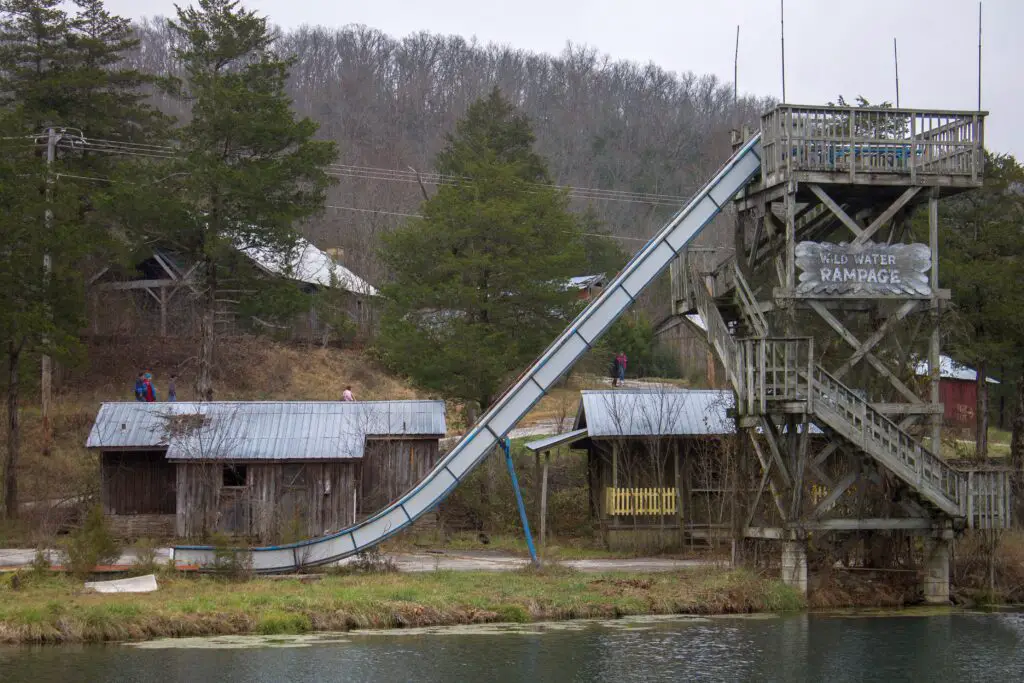
Dogpatch USA was once a full-blown theme park built around the characters from the comic strip Li’l Abner, and it leaned hard into folksy Americana. Families flocked in for costumed characters, rustic buildings, live shows, and old-fashioned amusement rides. It felt like stepping into a cartoon version of small-town life, complete with exaggerated accents and playful humor. For a while, it was one of Arkansas’ biggest tourist draws and a rite of passage for regional road trips. Kids loved the rides and silly characters, while adults enjoyed the kitschy charm. The park promised wholesome fun with a nostalgic twist, which really resonated at the time. Over the years, management issues and shifting tastes took their toll. Eventually, the park closed and slipped into quiet decay.
Those who visited still remember the strange magic of wandering through a living comic strip. There was something comforting about its simplicity, even if some of the humor hasn’t aged especially well. Souvenir photos and faded postcards are often all families have left of their visits. The abandoned remains of the park have since become a fascination for photographers and urban explorers. It’s a reminder of how quickly a major attraction can disappear once the crowds move on. Dogpatch once felt like it would be around forever. Now it lives mostly in memory and scattered online images. That contrast makes it especially haunting for anyone who remembers its heyday.
4. Santa’s Workshop in Cascade, Colorado

Nestled in the mountains near Pikes Peak, Santa’s Workshop was once a magical pilgrimage for families, especially during summer vacations. The park leaned fully into fairy-tale charm, with storybook buildings, gentle rides, and costumed characters straight out of childhood imagination. It felt cozy and whimsical rather than flashy, which made it especially appealing to parents with younger kids. Many families made it a yearly tradition, treating it like a hidden gem tucked into the Rockies. The scenery alone made the trip feel special, even before you stepped through the gates. Children believed wholeheartedly in the magic, and adults enjoyed watching that sense of wonder unfold. For a long time, it drew visitors from far beyond Colorado. Attendance eventually slowed as bigger theme parks dominated vacation planning.
People who visited still talk about how intimate and personal the experience felt compared to massive amusement parks. You could actually chat with characters and linger without feeling rushed or overwhelmed. The rides were simple but charming, built around imagination rather than adrenaline. It was the kind of place that made family photo albums feel extra special. As travel became more convenience-driven, smaller regional parks struggled to compete. Santa’s Workshop remains open in limited form, but the crowds are nothing like they once were. For many, it exists mostly as a treasured childhood memory. That sense of small-scale magic is increasingly rare.
5. The Enchanted Forest in Turner, Oregon
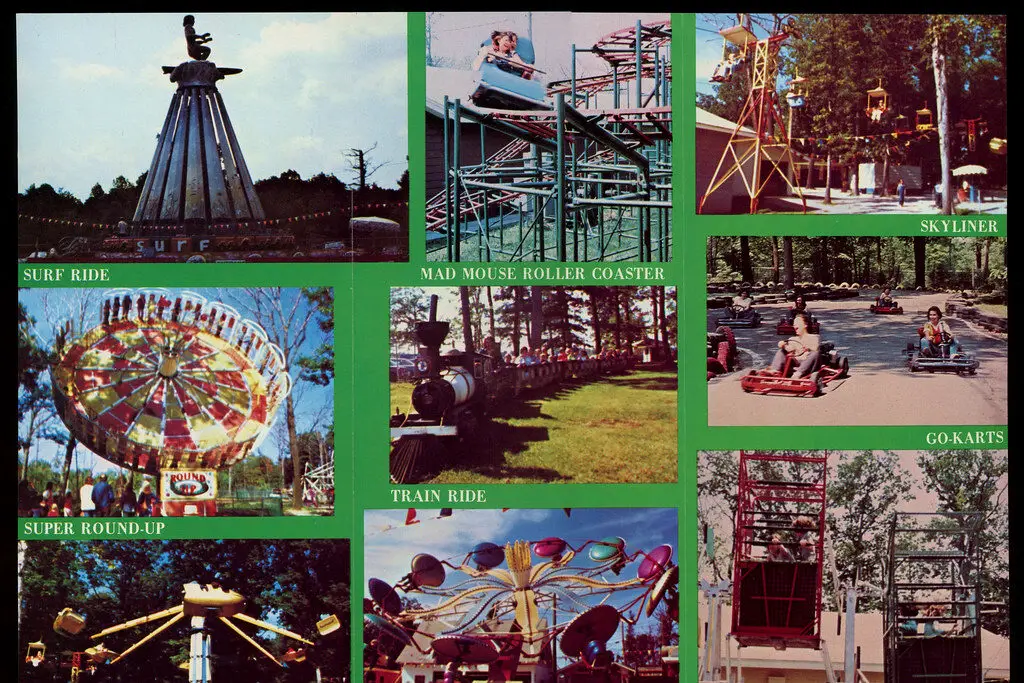
Long before massive theme parks became the default, The Enchanted Forest offered something softer and storybook-like. The park featured hand-built fairy tale scenes, crooked little buildings, and gentle rides that encouraged wandering rather than rushing. Families loved its imaginative atmosphere and the feeling that you’d stumbled into a living picture book. It was especially popular with young children who could explore at their own pace. The park didn’t rely on big thrills, just creativity and charm. For years, it drew steady crowds from across the Pacific Northwest. It felt like a secret world tucked just off the highway. Over time, tourism habits shifted and the buzz quieted.
Visitors still remember the quirky details, from tiny doorways to whimsical characters hiding in the trees. Parents appreciated that it felt safe, manageable, and refreshingly unplugged. It encouraged imagination rather than overstimulation, which was part of its appeal. As newer attractions emphasized speed and spectacle, places like this struggled to stay in the spotlight. The Enchanted Forest still operates, but it no longer commands the same wide attention it once did. Those who grew up visiting often describe it with genuine affection. It represents a gentler era of family entertainment. That nostalgia keeps its memory alive even as crowds thin.
6. Rock City Gardens in Lookout Mountain, Georgia
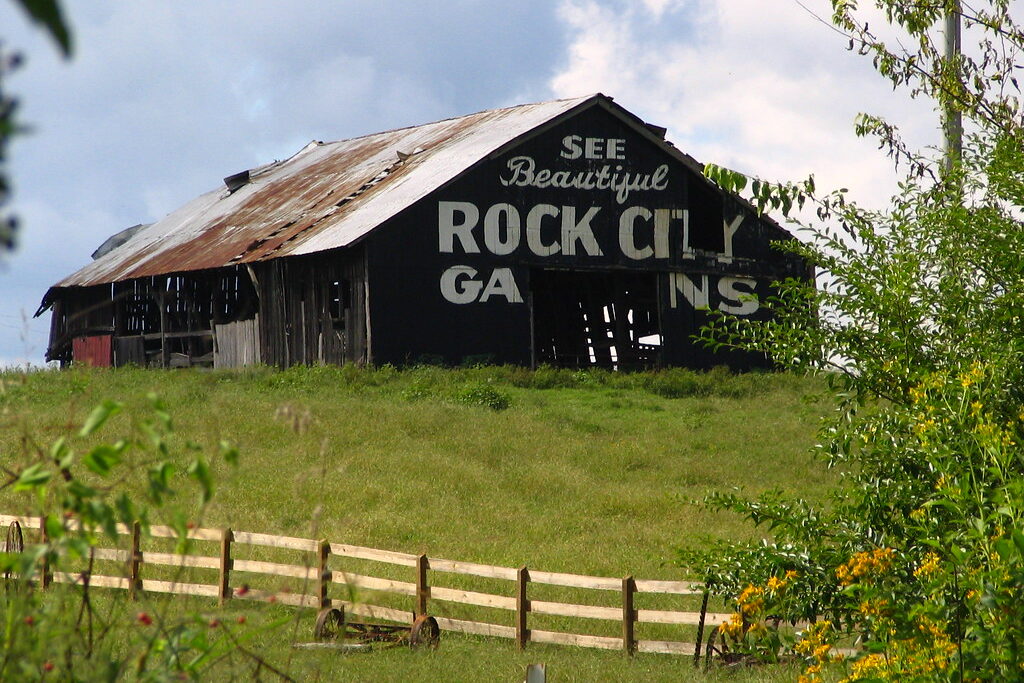
Rock City once felt like a magical maze carved straight out of nature, complete with winding paths, towering rock formations, and sweeping views across multiple states. The famous “See Rock City” signs painted on barns across the South made it feel unavoidable. Families made special trips just to walk the trails, cross the swinging bridge, and pose at Lover’s Leap. It was marketed as a must-see natural wonder, and for a long time it truly was. The gardens blended scenic beauty with playful storytelling, including fairy tale gnome displays that delighted kids. It felt adventurous without being intimidating. At its peak, it was a cornerstone of Southern tourism. While it still attracts visitors today, the cultural saturation has faded.
Older travelers still remember spotting those barn signs on every long drive and begging to finally stop. The anticipation built for miles before you ever arrived. Once there, the winding paths felt like an adventure you could take at your own pace. It was the kind of attraction that made simple walking feel exciting. As travel advertising evolved and road trip culture changed, the iconic signs became less common. Rock City remains beautiful, but it no longer dominates travel conversations the way it once did. For many families, it lives in faded snapshots and half-remembered stories. It’s a reminder of how powerful roadside marketing once was.
7. Frontier Village in San Jose, California
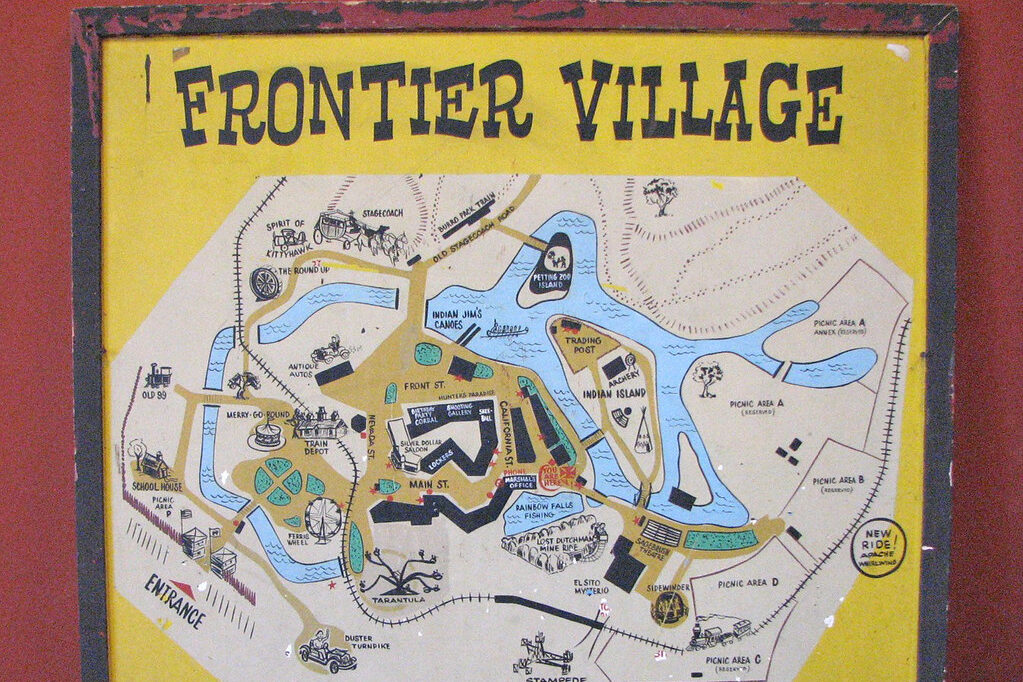
Frontier Village was a Western-themed amusement park that brought cowboy fantasies to life for generations of kids. With saloons, staged gunfights, train rides, and costumed performers, it felt like stepping into an old movie set. Families lined up for photos with sheriffs and outlaws, soaking in the playful drama. It became a beloved regional attraction and a common stop for birthday outings and school trips. The park leaned heavily into imagination and role-play, which made it endlessly entertaining for children. For many locals, it was their first taste of theme park magic. As Silicon Valley grew and land values skyrocketed, the park eventually closed. The site was redeveloped, and the village disappeared.
Former visitors often describe it with a mix of nostalgia and disbelief that it’s truly gone. It was woven into childhood routines in a way that modern attractions rarely are. Parents enjoyed watching their kids fully commit to the cowboy fantasy. The physical sets made everything feel immersive without needing technology. Once it closed, only photos and memories remained. New generations in the area often have no idea it ever existed. That disappearance makes the memories feel even more precious. Frontier Village now survives only in local lore and personal photo albums.
8. The House of Tomorrow in Disneyland’s Tomorrowland
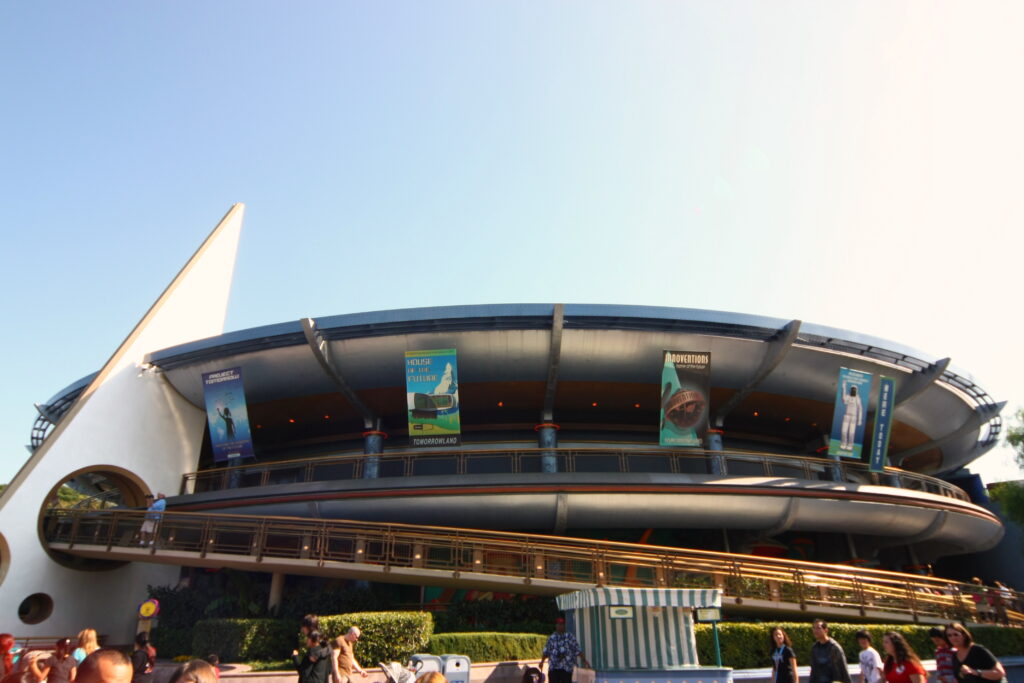
The House of Tomorrow wasn’t a ride, but it once fascinated millions of visitors eager to see what future living might look like. Built largely from plastic, it showcased futuristic kitchens, push-button conveniences, and bold design ideas that felt wildly advanced at the time. Families walked through wide-eyed, imagining a world where technology made everyday life effortless. It captured the optimistic spirit of mid-century futurism perfectly. People lingered in each room, marveling at things that seemed almost science fiction. It was one of the most visited walk-through attractions in the park for years. As real technology caught up and tastes changed, the exhibit lost its wow factor and was eventually removed. It quietly slipped into history.
Visitors who remember it often recall how inspiring and strange it felt at the same time. Some of the “future” ideas now seem charmingly outdated, while others proved surprisingly accurate. It gave kids permission to dream about what adulthood might look like decades ahead. The attraction reflected a time when people genuinely believed the future would be sleek, simple, and full of promise. Once newer attractions took over the space, the House of Tomorrow faded from collective memory. Few modern parkgoers even know it existed. Yet it remains a fascinating snapshot of how people once imagined progress. That blend of optimism and novelty is hard to replicate now.
9. Storyland in Glen, New Hampshire
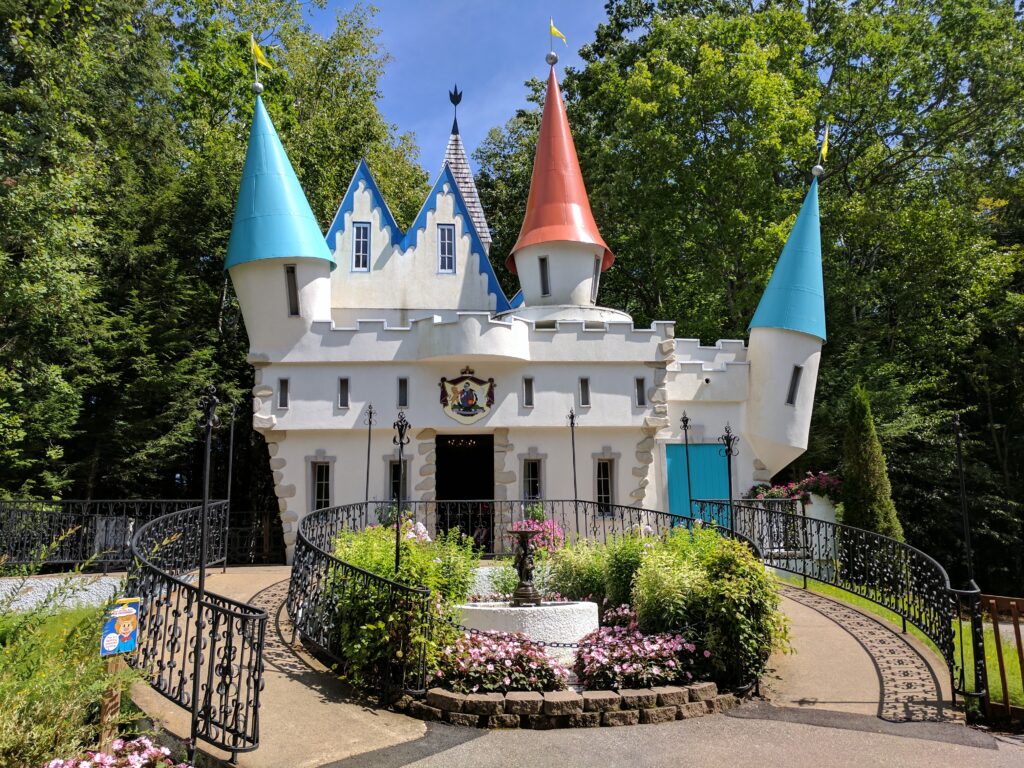
Storyland was a beloved storybook-themed park that once felt like pure magic for families traveling through New England. Giant nursery rhyme statues, fairy tale cottages, and gentle rides made it feel like stepping into a childhood dream. Parents loved that it catered to younger kids without overwhelming them. It was a common summer tradition for families vacationing in the White Mountains. Everything was colorful, cheerful, and slightly whimsical in a way that stuck with you. Kids could wander through familiar stories and feel like part of them. For years, it drew steady crowds from across the region. As travel patterns shifted, its national profile softened.
People who visited often remember very specific scenes, like climbing into oversized storybook props or riding small fantasy-themed rides. It was a place that encouraged imagination rather than spectacle. Families returned year after year because it felt comforting and familiar. As larger theme parks became more dominant vacation destinations, regional parks struggled to keep the same level of attention. Storyland continues to operate, but the era of massive crowds has passed. It now feels more like a local treasure than a major tourist draw. That quieter presence adds to its nostalgic charm. Many adults still smile when they realize it shaped some of their earliest vacation memories.
10. The Paul Bunyan Land of Giants in Minnesota
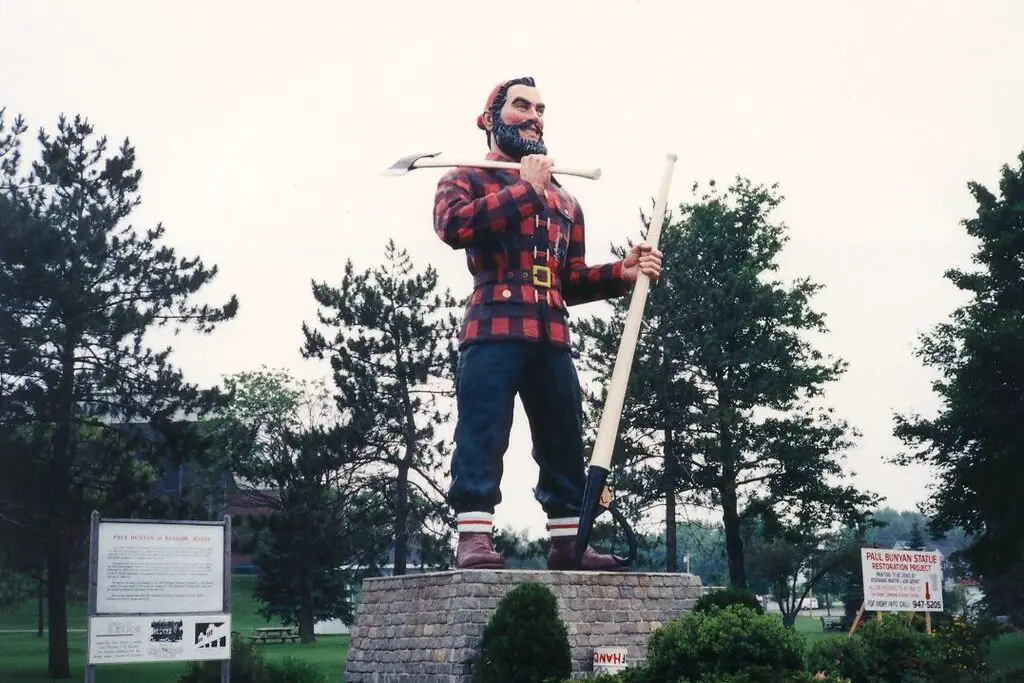
At one point, roadside America was dotted with giant statues, and the Paul Bunyan Land of Giants was among the most memorable. Towering lumberjack figures greeted travelers, offering a perfect photo opportunity for families passing through. It leaned into American folklore and roadside spectacle in a way that felt delightfully over-the-top. People made detours just to stand next to the massive statues and capture the moment. It became a small-town claim to fame and a reliable crowd-pleaser. Kids loved the sense of scale and the playful exaggeration. For a time, it drew steady tourist traffic. Eventually, interest waned as novelty attractions lost cultural momentum.
Those who remember it often recall the thrill of seeing something so absurdly large appear on the horizon. It broke up long drives and created instant memories. The statues felt like friendly giants watching over the highway. As travel became more streamlined and less spontaneous, fewer people stopped for roadside oddities. Some of these attractions were relocated or fell into disrepair. The magic wasn’t gone, but the crowds certainly were. Today, these giant landmarks feel like artifacts of a different travel era. They remind us how much joy simple spectacle once brought.
11. Weeki Wachee Springs Mermaid Shows in Florida

The mermaid shows at Weeki Wachee Springs once felt like pure fantasy brought to life. Performers swam gracefully in crystal-clear spring water, staging underwater ballets that amazed audiences of all ages. Families packed the bleachers, watching in awe as the mermaids waved and interacted beneath the surface. It was both whimsical and strangely mesmerizing. The shows became a Florida icon and a must-see attraction for decades. Tourists planned trips specifically around catching a performance. The spectacle felt timeless, even as entertainment trends changed. Over time, crowds diminished as newer attractions drew attention.
People who saw the shows still describe the experience with wonder. There was something almost magical about watching humans move so effortlessly underwater. It felt like a real-life fairy tale unfolding in front of you. Parents and children alike left talking about it for days. While the attraction still exists in a smaller form, it no longer commands the same cultural spotlight. Modern travelers often prioritize thrill rides and high-tech experiences instead. The mermaids remain a beautiful throwback to simpler spectacle-driven entertainment. Their legacy lives on in vintage postcards and family stories.
12. The Prehistoric Gardens in Port Orford, Oregon
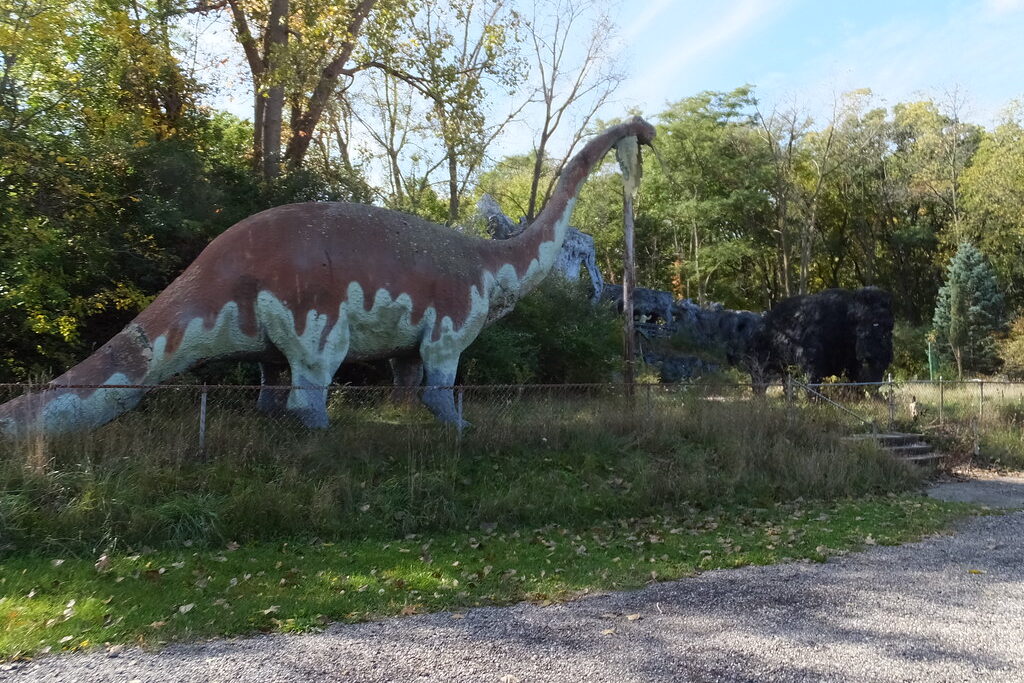
The Prehistoric Gardens offered a wonderfully strange experience of walking through a forest filled with life-sized dinosaur statues. Families loved the slightly eerie thrill of stumbling upon a towering Tyrannosaurus tucked among the trees. It felt like a roadside adventure mixed with a science fiction movie set. Kids treated it like an expedition, scanning the trail for the next creature around every bend. The attraction leaned into imagination more than scientific accuracy, which only added to its charm. For years, it drew curious travelers from up and down the coast. It was the kind of place you told friends about because it sounded almost unbelievable. As newer attractions emerged, attention drifted.
Visitors still remember the mix of excitement and mild spookiness the statues created. The natural forest setting made the dinosaurs feel surprisingly alive. It encouraged slow exploration rather than rushing through. Families often lingered longer than expected, soaking in the odd atmosphere. Over time, fewer travelers made the stop part of their itinerary. The attraction still exists but feels quieter and more niche now. Those who remember it from busier days speak of it fondly. It remains a snapshot of classic roadside imagination.
13. The Mystery Spot in Santa Cruz, California
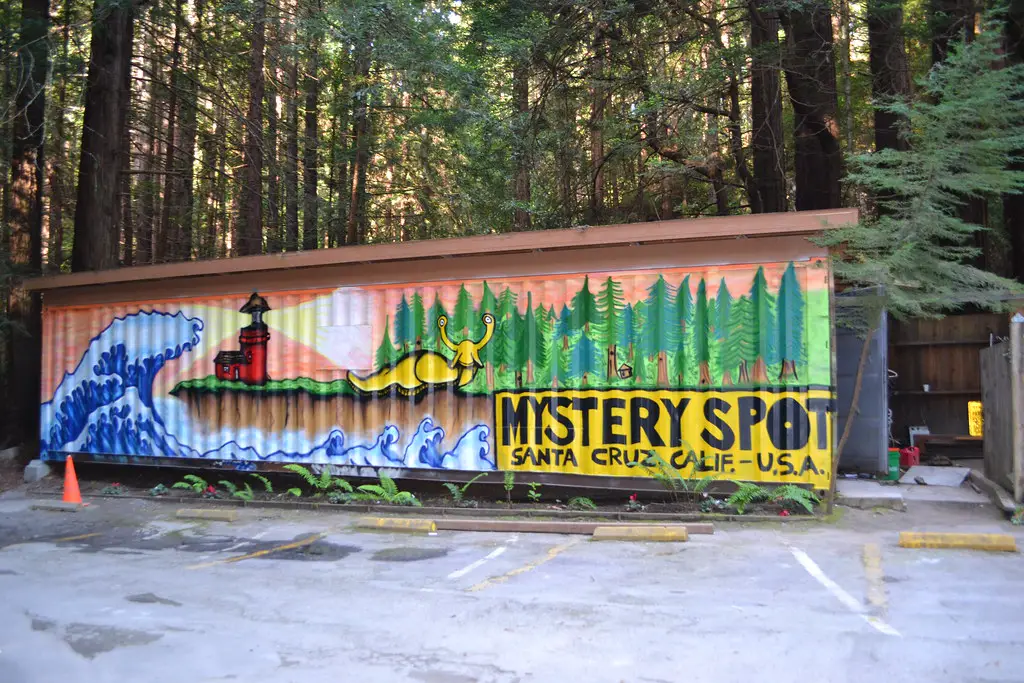
The Mystery Spot built its reputation on optical illusions that made gravity seem optional. Visitors watched balls roll uphill, people appear tilted at impossible angles, and water flow in puzzling directions. It was equal parts funhouse and science lesson, even if the explanations were intentionally playful. Tourists lined up for guided tours that leaned into the mystery and theatricality. For decades, it was a must-stop curiosity for California road trips. Kids left convinced something magical had happened, while adults debated the physics. The attraction thrived on word-of-mouth excitement. Over time, it became less of a national sensation.
People who visited still love recounting how disorienting and fun the experience felt. Photos from the tilted rooms remain popular conversation starters. It gave families something memorable and slightly mind-bending to talk about on the drive home. As novelty attractions multiplied and attention spans shortened, fewer travelers prioritized stops like this. The Mystery Spot remains open, but its cultural dominance has softened. It now feels more like a regional classic than a nationwide phenomenon. Still, its weird charm hasn’t completely faded. It continues to delight curious visitors who stumble upon it.
14. The Cabazon Dinosaurs in California
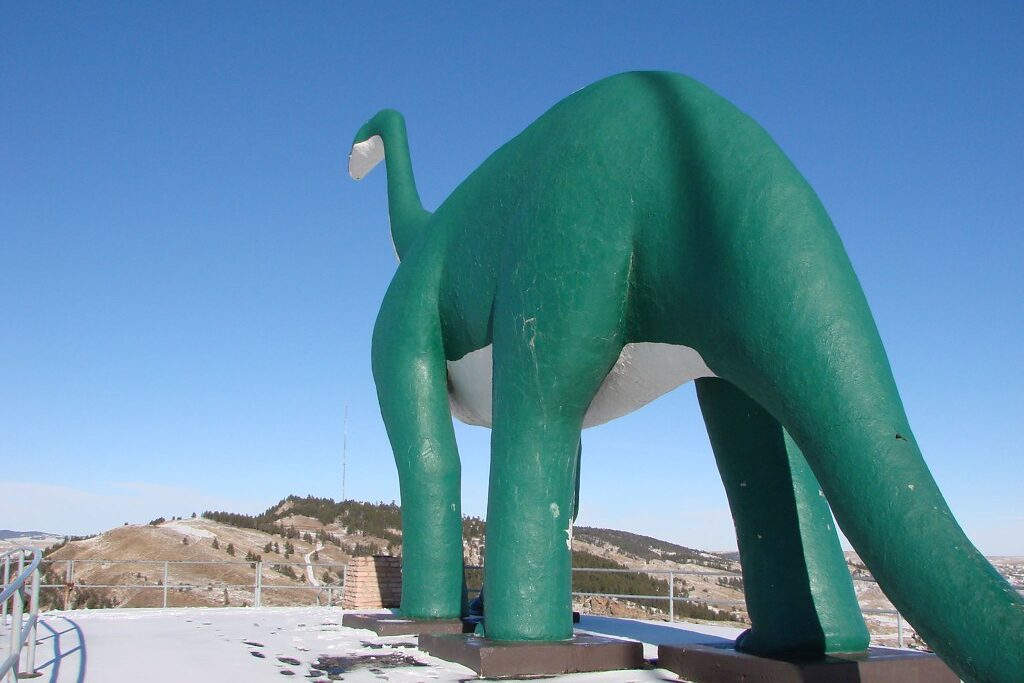
The massive Cabazon Dinosaurs once loomed over desert highways like something out of a dream. Travelers couldn’t miss the towering concrete creatures rising from the sand. Families pulled over for photos, picnic breaks, and a sense of roadside wonder. It became a landmark that signaled adventure and long-distance travel. The dinosaurs were kitschy, oversized, and completely unforgettable. Kids loved climbing around the structures and imagining prehistoric worlds. For decades, it was one of those places everyone seemed to stop at least once. As road trip culture changed, fewer travelers lingered.
People still remember the thrill of spotting the dinosaurs from miles away. It created a sense of excitement after long stretches of empty highway. The site became a symbol of classic American roadside tourism. As modern travel grew more destination-focused, spontaneous stops became less common. The dinosaurs remain standing, but the crowds are thinner now. They feel more like nostalgic monuments than bustling attractions. Many visitors today stumble upon them by accident rather than intention. That quiet shift makes the memory of their popularity even more striking.
15. The Beverly Hillbillies Mansion Tours in Los Angeles
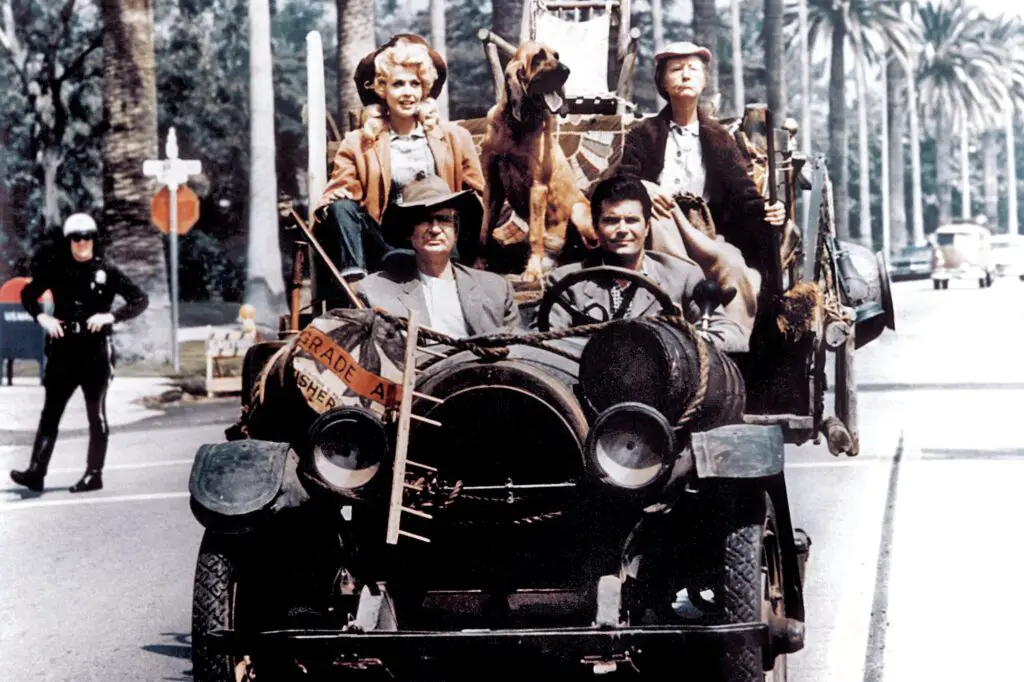
For fans of classic television, touring the mansion used as the Clampett home felt like stepping into a beloved living room. Visitors lined up to see the iconic pool, grand staircase, and familiar exterior up close. It was a surreal thrill to walk around a place you’d seen weekly on television. The tours attracted fans from across the country who wanted a tangible connection to the show. Guides shared behind-the-scenes stories that made the experience feel personal. For a time, it was a genuine pop culture pilgrimage. As ownership changed and privacy concerns increased, public access faded. The attraction quietly disappeared from tourism circuits.
People who took the tour often describe the strange mix of fantasy and reality. Seeing the real mansion made the show feel suddenly tangible. It deepened fans’ appreciation for the series and its cultural impact. As filming locations became more restricted and security tightened, experiences like this became rare. New generations of viewers rarely realize such tours ever existed. The mansion remains, but the public connection is gone. Those who visited still treasure the memory. It represents a time when television fandom felt more accessible and intimate.