
1. Rolling Acres Mall (Akron, Ohio)
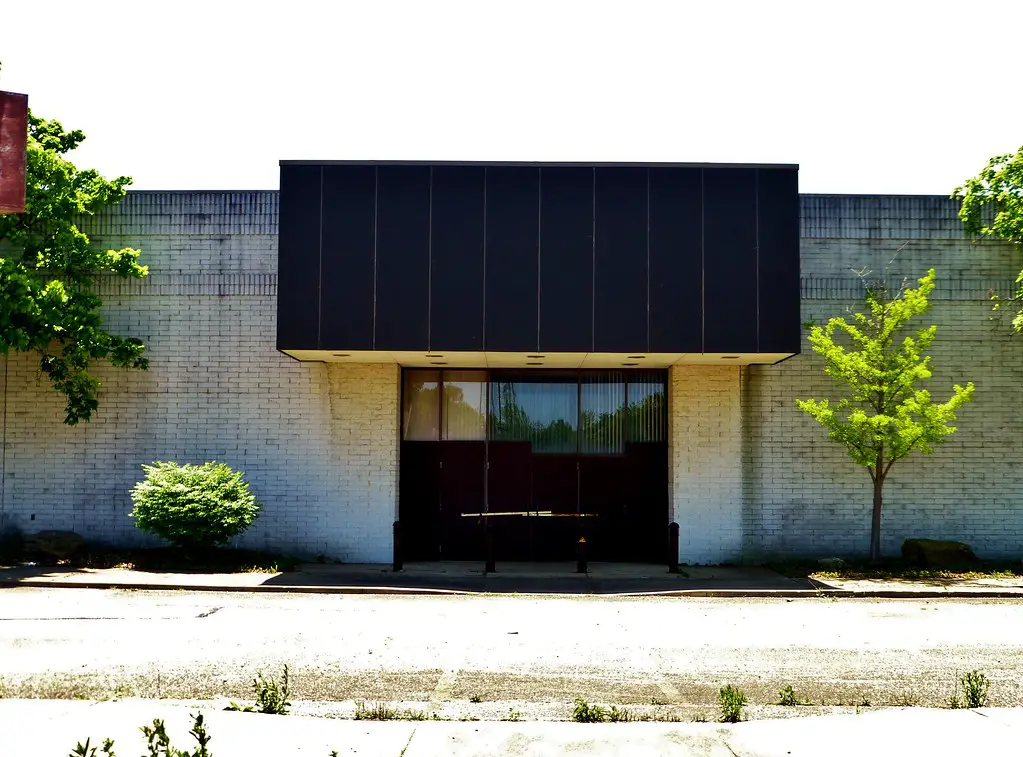
Rolling Acres Mall opened in 1975 and absolutely hit its stride in the early ’80s, when it felt like the social heartbeat of the west side of Akron. It had the classic department store anchors, a packed food court, and long interior corridors that encouraged hours of wandering. Teenagers treated it like a weekend destination rather than just a shopping stop. If you grew up nearby, you probably remember running into half your school there without planning it.
By the late ’90s, newer shopping centers and changing retail habits started pulling traffic away. Vacancies crept in, and the once lively corridors became eerily quiet. The mall officially closed in 2008 and was later demolished after years of decay and vandalism. Today, it lives mostly in memory and in haunting photos that capture just how quickly retail culture can disappear.
2. Randall Park Mall (North Randall, Ohio)
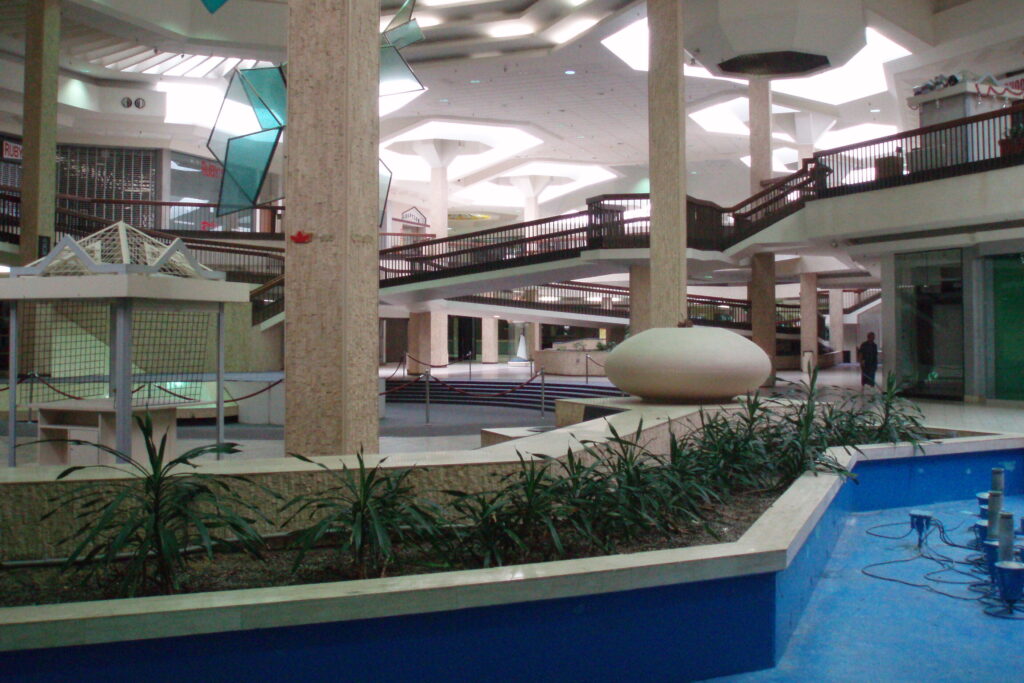
Randall Park Mall opened in 1976 and was once the largest shopping mall in the world by total floor area, which made it feel almost mythical in the ’80s. It had more than two hundred stores, sprawling hallways, and enough space to get lost in without trying. Families made full-day outings out of shopping there, complete with food court lunches and arcade stops. It truly felt like a small city under one roof.
As the surrounding area changed and anchor stores closed, foot traffic dropped dramatically. By the early 2000s, the mall was largely abandoned, and most of the structure was demolished in 2014. Seeing photos of the empty corridors shocked many locals who remembered its peak. It remains one of the most famous examples of a once unstoppable mall fading away.
3. Dixie Square Mall (Harvey, Illinois)
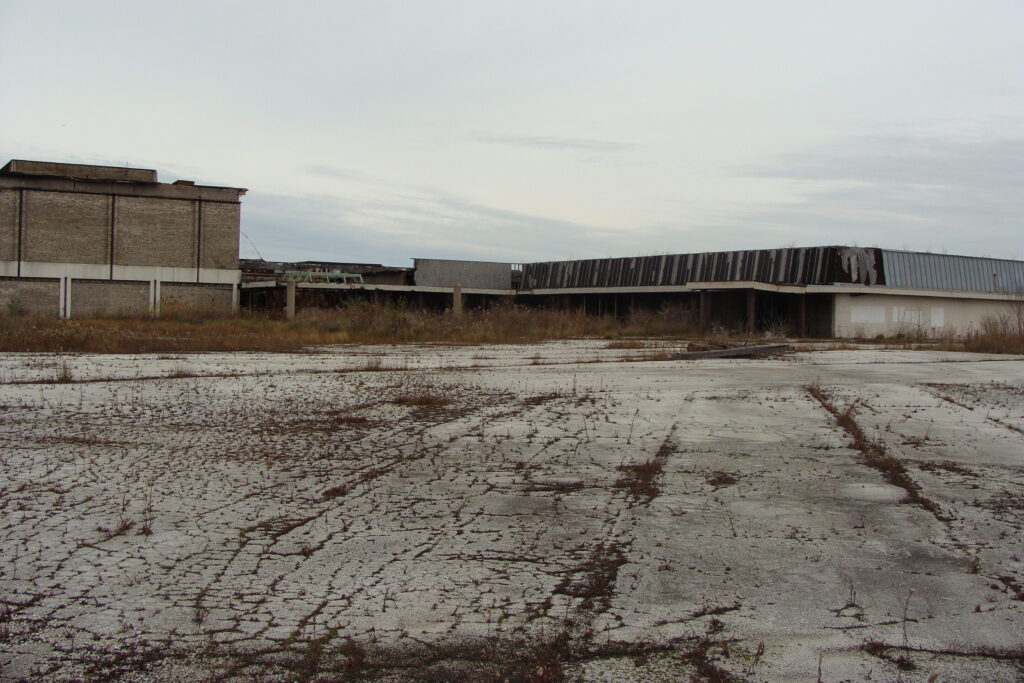
Dixie Square Mall opened in 1966 but became deeply embedded in pop culture during the ’80s after appearing in The Blues Brothers. For many shoppers, it was already a familiar suburban hangout before the film made it instantly recognizable. Its bright corridors and packed storefronts captured exactly what mall culture looked like at the time. Movie fans still associate it with that chaotic chase scene.
The mall struggled financially not long after the movie spotlight faded. Most stores closed by the late ’80s, and the building sat abandoned for decades. It became a popular but dangerous urban exploration site before finally being demolished in 2012. Its legacy now lives on more in film history than in retail memory.
4. Century III Mall (West Mifflin, Pennsylvania)
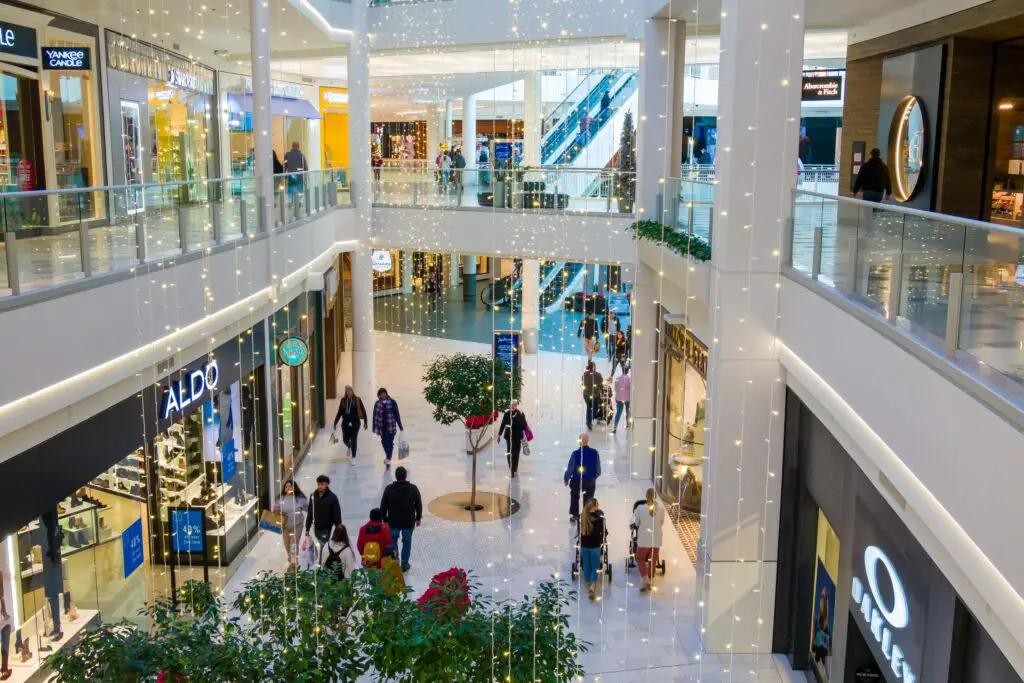
Century III Mall opened in 1979 and exploded in popularity during the early ’80s as one of the largest malls in the eastern United States. Its multiple levels, massive atriums, and glowing skylights gave it a futuristic feel at the time. Families from all over the Pittsburgh area treated it as a destination mall rather than a quick errand stop. It felt endlessly busy on weekends and during the holidays.
As department stores closed and newer retail centers emerged, traffic steadily declined. The mall officially shut down in 2019 after years of partial vacancy. Demolition began in the mid 2020s, marking the end of a landmark that once symbolized suburban growth. Locals still talk about it with a mix of nostalgia and disbelief.
5. Valley View Center (Dallas, Texas)
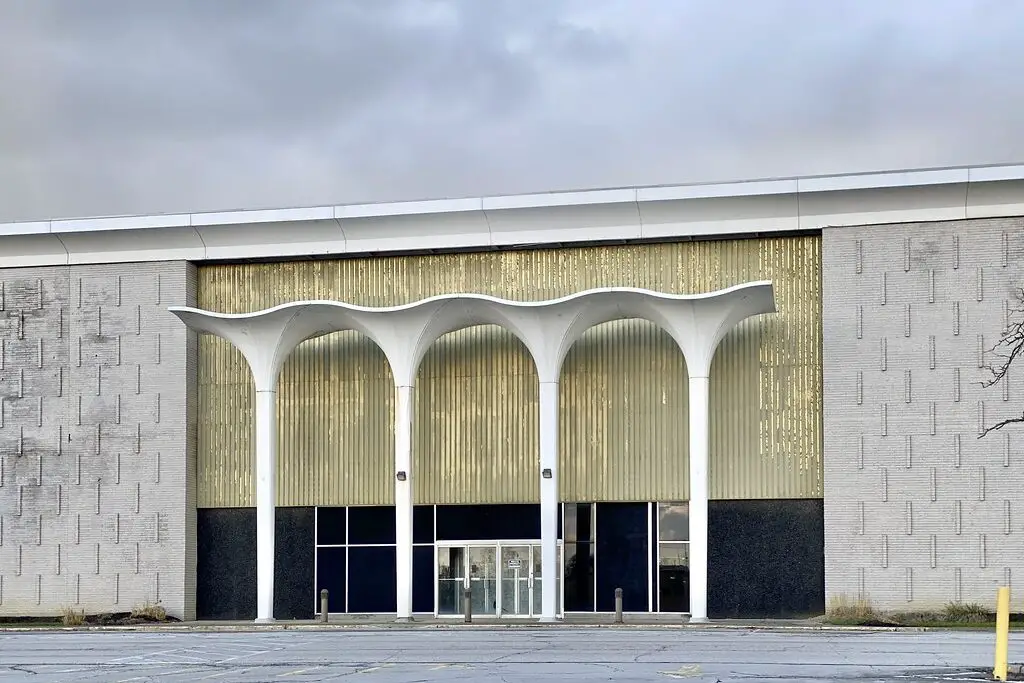
Valley View Center opened in 1973 and became a major Dallas shopping hub throughout the ’80s. It featured popular national chains, busy restaurants, and constant foot traffic from nearby neighborhoods. Many shoppers remember it as a comfortable, familiar place that never seemed to slow down. It captured the golden era of enclosed malls in Texas.
Decline began as nearby mega malls and outdoor centers pulled shoppers away. By the 2010s, large portions of the mall were vacant, and it officially closed in 2019. Demolition followed to make way for redevelopment. Its disappearance marked the end of a longtime community gathering space.
6. Hawthorne Plaza (Hawthorne, California)
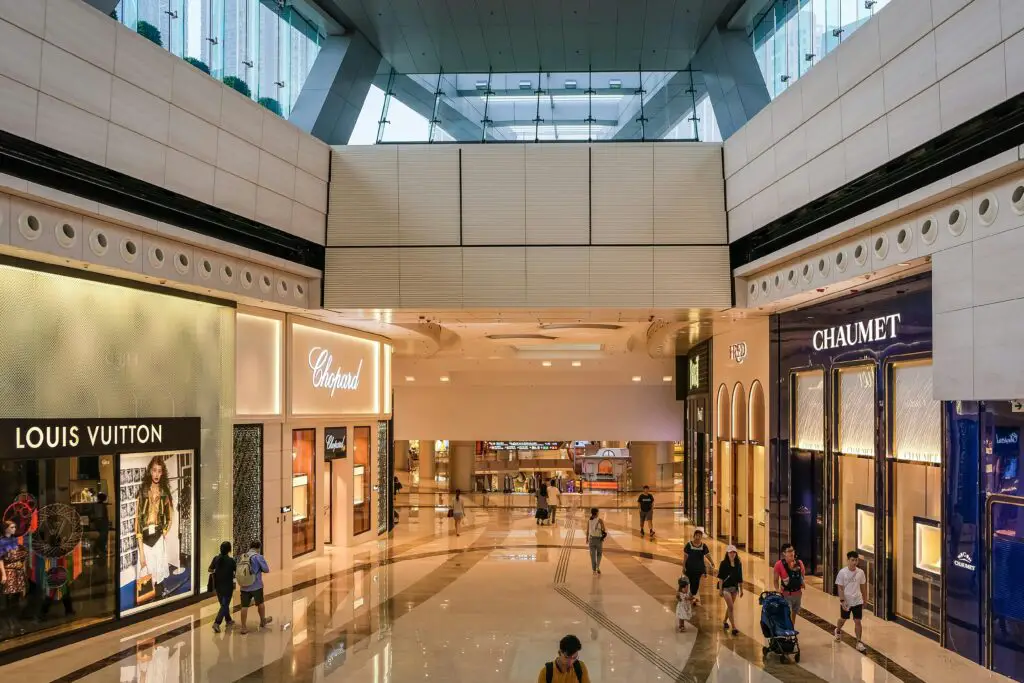
Hawthorne Plaza opened in 1977 and flourished during the ’80s with strong local traffic and recognizable department stores. It served a diverse community and reflected the fashion and shopping trends of the decade. Weekend crowds made it feel like a lively social hub rather than just a retail stop. For many locals, it was part of everyday life.
Economic shifts and competition slowly hollowed it out in the ’90s and early 2000s. The mall officially closed in 1999 and became abandoned shortly afterward. Its decaying structure became widely photographed for its haunting emptiness. Despite redevelopment plans over the years, the site has remained largely unchanged.
7. Cloverleaf Mall (Chesterfield County, Virginia)
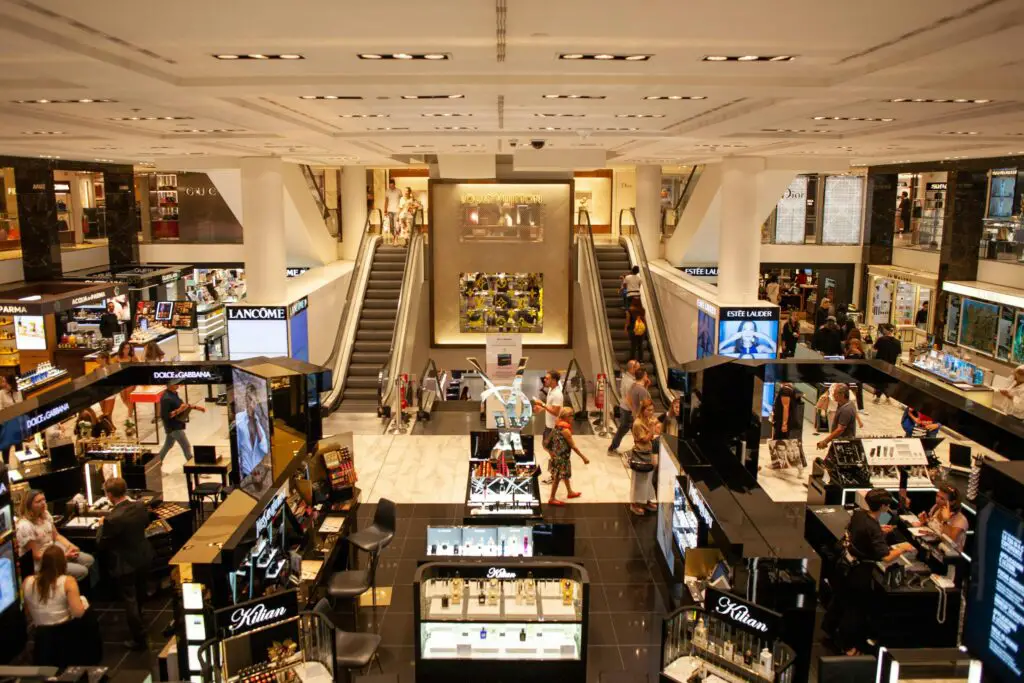
Cloverleaf Mall opened in 1972 and thrived during the ’80s as one of the Richmond area’s main shopping destinations. It featured busy department stores, steady foot traffic, and a steady rotation of local shoppers. Teens often treated it as a hangout spot after school and on weekends. It felt like a reliable anchor of suburban life.
As retail patterns shifted and nearby malls modernized, Cloverleaf slowly lost relevance. Most stores closed by the early 2000s, and the mall was eventually shuttered. The property has since been targeted for redevelopment. Its decline mirrors the broader story of mid-sized regional malls struggling to adapt.
8. Northland Center (Southfield, Michigan)
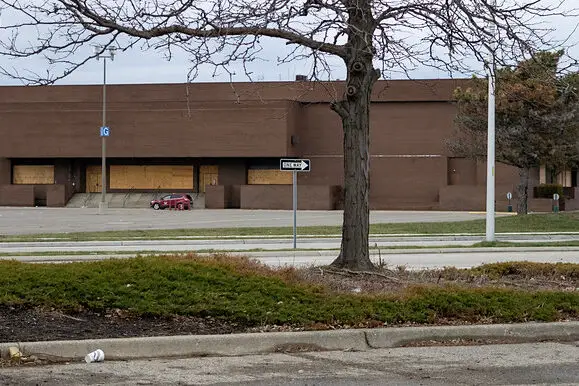
Northland Center opened in 1954 as one of America’s first outdoor shopping centers, but it remained extremely active well into the ’80s. It served metro Detroit with major retailers and a steady stream of shoppers. Even as enclosed malls gained popularity, Northland maintained strong community loyalty. It was a familiar shopping routine for many families.
Retail shifts and anchor closures gradually weakened the center in the 2000s. Most of the complex closed in the late 2010s, and demolition followed. The site is now being redeveloped for mixed-use purposes. Its long history makes its disappearance especially emotional for longtime residents.
9. Metrocenter Mall (Phoenix, Arizona)
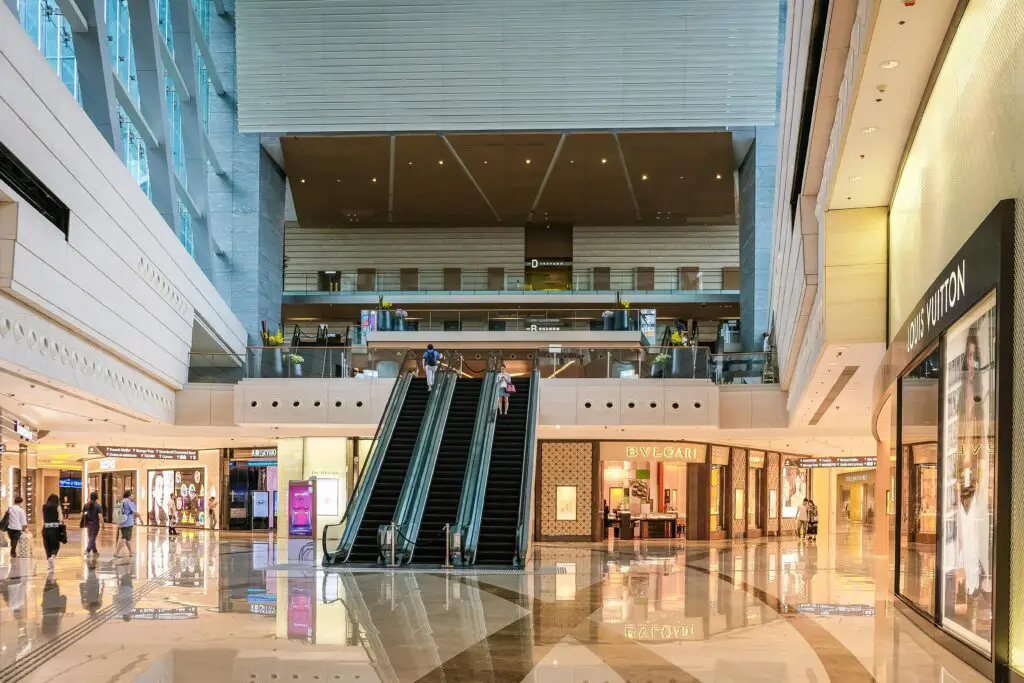
Metrocenter Mall opened in 1973 and became one of the Southwest’s most influential malls during the ’80s. It offered major retailers, entertainment, and steady crowds drawn from across the Phoenix metro area. For many locals, it represented the excitement of suburban expansion and modern retail. Shopping trips there often felt like an event.
As competition increased and anchor stores closed, traffic dropped steadily. Metrocenter officially closed in 2017 and was later demolished. Redevelopment plans aim to transform the property into a mixed-use district. Its absence is still felt by generations who grew up shopping there.
10. Landmark Mall (Alexandria, Virginia)
Landmark Mall opened in 1965 but experienced heavy traffic throughout the ’80s as Northern Virginia expanded. It served commuters, military families, and nearby residential neighborhoods. The mall had a dependable mix of national chains and local favorites. Many shoppers remember it as part of their everyday errands.
Changing demographics and retail trends eventually reduced foot traffic. The mall closed permanently in 2017 and has since been demolished for redevelopment. Plans now focus on residential and medical facilities. The transformation reflects how urban land use continues to evolve.
11. Gwinnett Place Mall (Duluth, Georgia)
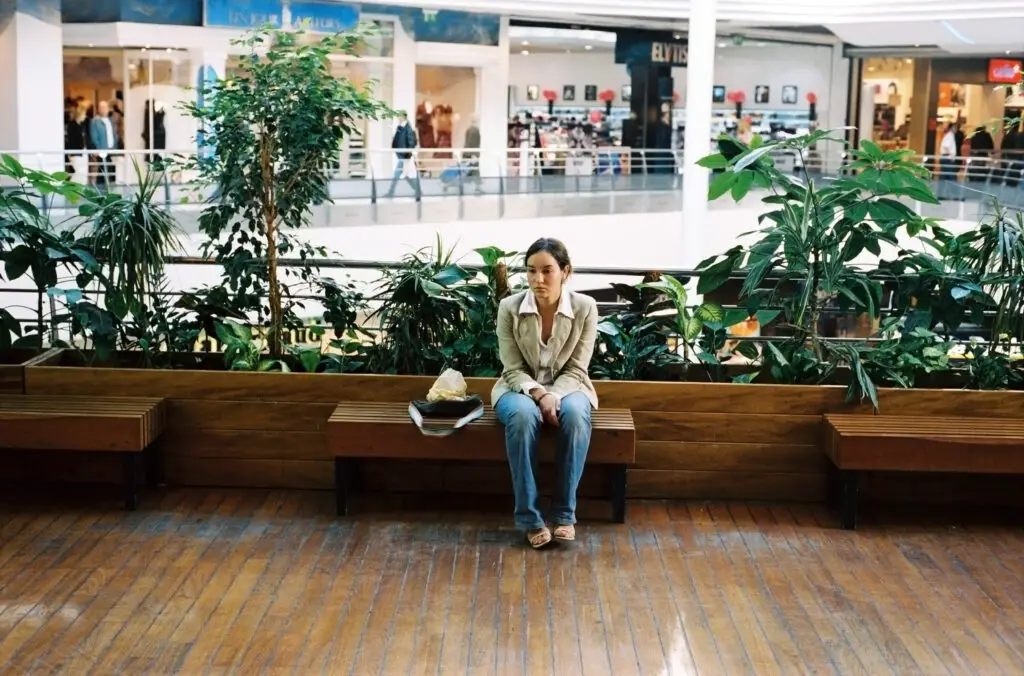
Gwinnett Place Mall opened in 1984 and immediately became a major retail draw for metro Atlanta during the late ’80s. Its modern layout and strong anchor lineup helped it grow quickly. It later gained renewed pop culture attention as a filming location for Stranger Things. For many locals, it remains tied to teenage memories and weekend browsing.
Retail decline accelerated in the 2010s as anchors closed and vacancy spread. The mall officially closed in 2021. Redevelopment plans aim to convert the property into a mixed-use community hub. Its cultural afterlife now outweighs its retail legacy.
12. Crestwood Court (Crestwood, Missouri)
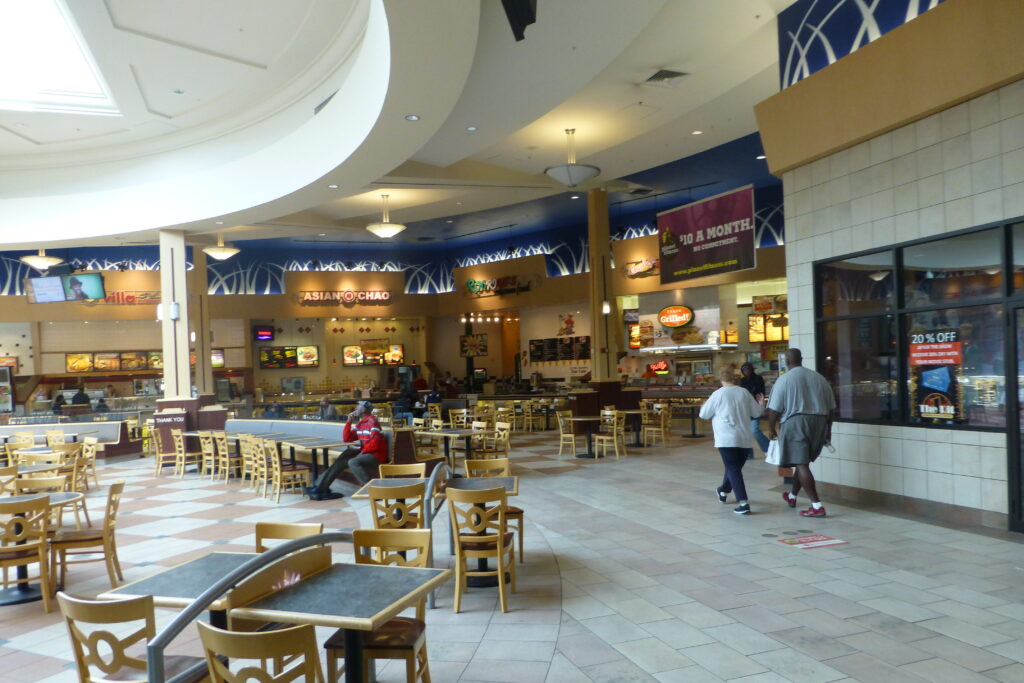
Crestwood Court opened in 1957 and stayed busy well into the ’80s as a key suburban shopping destination near St. Louis. It offered a dependable mix of department stores and specialty shops. Families often made it a regular shopping stop rather than a special trip. It felt stable and familiar for decades.
Competition from newer malls slowly eroded its customer base. The mall closed in 2013 and was later demolished after years of redevelopment delays. The empty site became a local symbol of stalled progress before new plans emerged. Its long vacancy made headlines in the region.
13. Villa Italia Mall (Lakewood, Colorado)
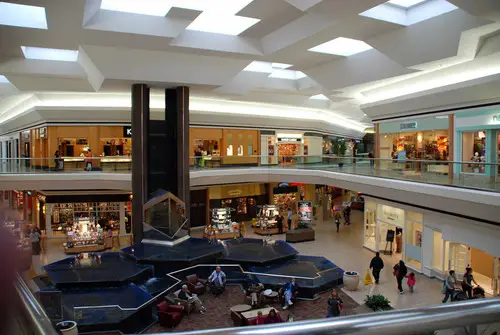
Villa Italia Mall opened in 1966 and thrived during the ’80s as one of Denver’s most popular shopping centers. It offered classic mall experiences including busy food courts, packed holiday crowds, and major department stores. Many locals associate it with teenage hangouts and family shopping traditions. It felt like a centerpiece of suburban growth.
As retail trends changed, the mall struggled to modernize. It closed in 2001 and was later redeveloped into the Belmar outdoor shopping and residential district. While the site remains active, the original enclosed mall experience is gone. Longtime residents still refer to the area by its original name.
14. Northgate Mall (Seattle, Washington)
Northgate Mall opened in 1950 as America’s first enclosed shopping mall and remained active well into the ’80s. It served as a central gathering spot for North Seattle families and teenagers. The mall evolved over time but maintained steady community importance for decades. Many locals associate it with first jobs, movie outings, and casual browsing.
Retail decline accelerated in the late 2010s as redevelopment plans took shape. The mall closed in 2023 and demolition followed to make way for a mixed-use neighborhood project. Its transformation marks the end of a retail landmark that helped define mall culture nationally. The legacy remains significant even as the structure disappears.