
1. Bradlees
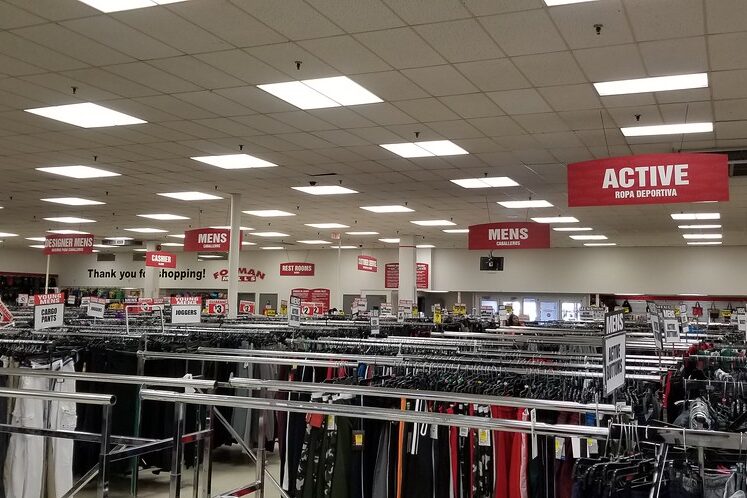
If you grew up anywhere near the Northeast, Bradlees was one of those stores that felt permanently planted in the local shopping plaza. It was a discount department store where families picked up school clothes, small appliances, housewares, and the occasional surprise toy without making a special trip to the mall. The aisles always felt wide and slightly industrial, with big metal racks and fluorescent lighting that gave everything a practical, no nonsense vibe. Parents loved the prices, and kids loved wandering through the seasonal displays that always seemed larger than life. Bradlees also had a loyal following because the stores were usually clean and well organized compared to some of its competitors. When locations began closing in the late ’90s, many suburbs suddenly felt like they lost a familiar anchor. Even now, longtime shoppers still remember the distinctive logo and the thrill of finding an unexpected bargain. It was the kind of place that quietly became part of weekly routines without anyone realizing how much they relied on it.
For a lot of families, Bradlees was where back to school shopping officially started every August. You could grab sneakers, notebooks, lunchboxes, and even a winter coat in one stop. The store never tried to be trendy or flashy, which was actually part of its charm. It felt dependable, like it would always be there when you needed socks or a last minute birthday gift. Once it disappeared, many shoppers had to split those errands across several different stores, which made suburban shopping feel more fragmented. There was also a sense of community in seeing the same familiar employees year after year. Losing Bradlees meant losing a small but steady part of everyday life.
2. Caldor
Caldor was another discount giant that once dominated suburban strip malls, especially throughout the Northeast and Mid Atlantic. It offered a little bit of everything, clothing, toys, home goods, electronics, and even garden supplies in some locations. Walking into Caldor felt like stepping into a massive treasure hunt, where you never quite knew what deals you might stumble across. The store had a busy, energetic atmosphere, especially on weekends when families packed the aisles. Many people remember grabbing last minute holiday gifts there because the selection was surprisingly broad. Caldor also leaned heavily into seasonal merchandise, with towering displays of holiday decorations that pulled shoppers in from the parking lot. When the chain folded in the late ’90s, entire shopping centers suddenly felt quieter and less lively. For many suburban communities, Caldor was one of the main retail anchors that drew steady foot traffic.
Shoppers often talk about Caldor as a place where errands and impulse buys blended together. You might go in for paper towels and walk out with a lamp, a puzzle, and a new sweatshirt. The store had a slightly chaotic charm that made browsing fun rather than stressful. Kids loved the toy aisles, while adults appreciated the reliable prices on basics. It was not fancy, but it felt welcoming and approachable. When Caldor disappeared, it left behind large empty buildings that took years to repurpose. That visual emptiness made the loss feel even more permanent.
3. Ames
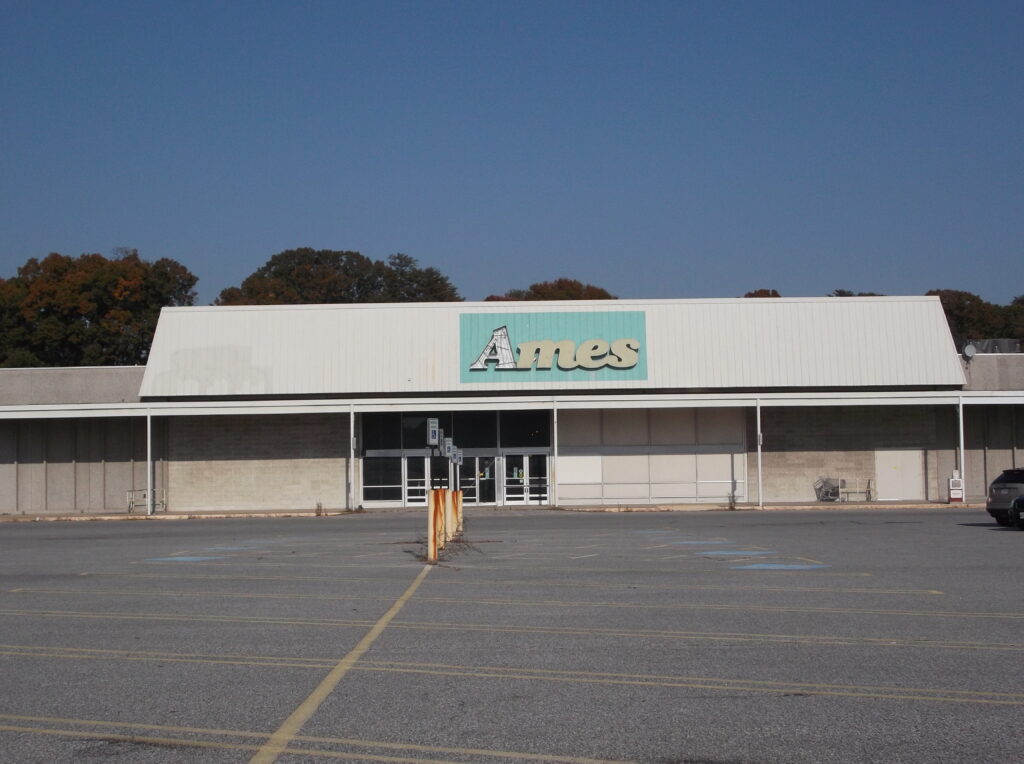
Ames was a staple in many small towns and suburban neighborhoods, especially in the Northeast and parts of the Midwest. It positioned itself as an affordable department store where working families could stretch their budgets. The shelves were often packed tightly, giving the store a cozy, slightly cluttered feel that regular shoppers found comforting. Ames carried everything from clothing and housewares to seasonal décor and school supplies. Many locations were smaller than big box stores, which made quick trips feel manageable instead of overwhelming. People often remember Ames as the place their parents trusted for practical purchases. When the chain struggled financially and eventually closed in the early 2000s, it left a noticeable gap in local shopping options. Some communities lost their closest affordable general store almost overnight.
There was something neighborly about shopping at Ames. You were likely to bump into someone you knew while browsing the aisles or waiting in line. The employees often recognized regular customers, which made the experience feel personal. Ames never tried to compete with flashy malls or luxury brands, and that honesty resonated with a lot of shoppers. It was dependable, familiar, and rooted in everyday needs. Once it vanished, many longtime customers realized how much they valued having a simple, affordable store close to home. That sense of convenience and familiarity is hard to replace.
4. Zayre
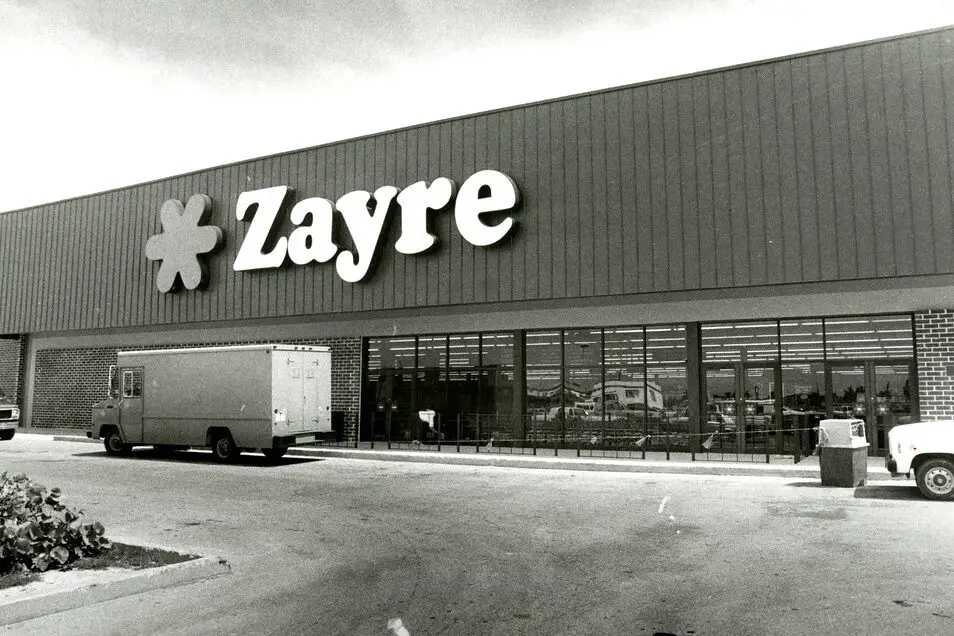
Zayre was once a major discount department store chain that helped shape suburban shopping habits in the ’60s, ’70s, and ’80s. The stores were large, brightly lit, and designed for high volume browsing, making them feel exciting for families on weekend shopping trips. Zayre offered clothing, toys, home goods, and seasonal items at prices that felt accessible to everyone. Many people remember the bold red signage and the bustling atmosphere inside the stores. It was the kind of place where you could spend an hour wandering without a specific list. Zayre also helped pave the way for later big box retailers by normalizing large scale discount shopping. When the chain disappeared in the late ’80s, its absence marked the end of an era for many suburbs. Some locations later became other familiar chains, but the original Zayre identity stuck in people’s memories.
For kids, Zayre often meant a chance to browse toy aisles while parents handled practical shopping. For adults, it was a reliable spot to pick up affordable clothing or household items. The store felt lively and sometimes a little chaotic, which added to its charm. There was a sense that everyone in the neighborhood shopped there at some point. Losing Zayre felt like losing a shared community experience. Even decades later, longtime shoppers still recall the look and feel of those massive sales floors.
5. Service Merchandise
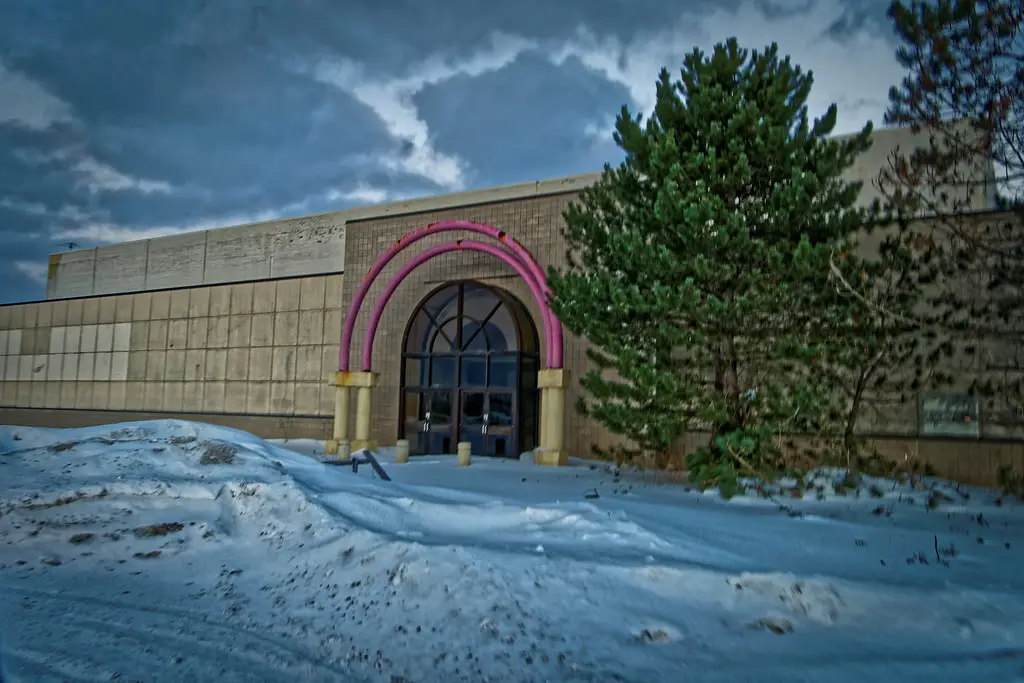
Service Merchandise was a completely different kind of shopping experience, which is why it remains so memorable. Instead of grabbing items off shelves, customers browsed catalogs or showroom displays and placed orders at a counter. Their purchases would then arrive on a conveyor belt from a stockroom in the back, which felt almost magical to kids. The store specialized in jewelry, electronics, small appliances, and gift items, making it a popular stop for holidays and special occasions. It felt futuristic at the time, almost like an early version of online shopping in physical form. Many shoppers remember standing eagerly by the conveyor belt waiting for their boxed item to appear. When the chain closed in the early 2000s, that unique experience quietly vanished from suburban life. Nothing else quite replaced that blend of showroom browsing and behind the scenes fulfillment.
Service Merchandise turned shopping into a small event rather than a quick errand. You had to plan your purchases, browse carefully, and wait for your items to arrive. That process made gifts feel more deliberate and exciting. Families often made special trips there for birthdays, anniversaries, or holiday shopping. The conveyor belt reveal never seemed to lose its novelty. Once the stores closed, a quirky and oddly charming retail ritual disappeared.
6. Mervyn’s
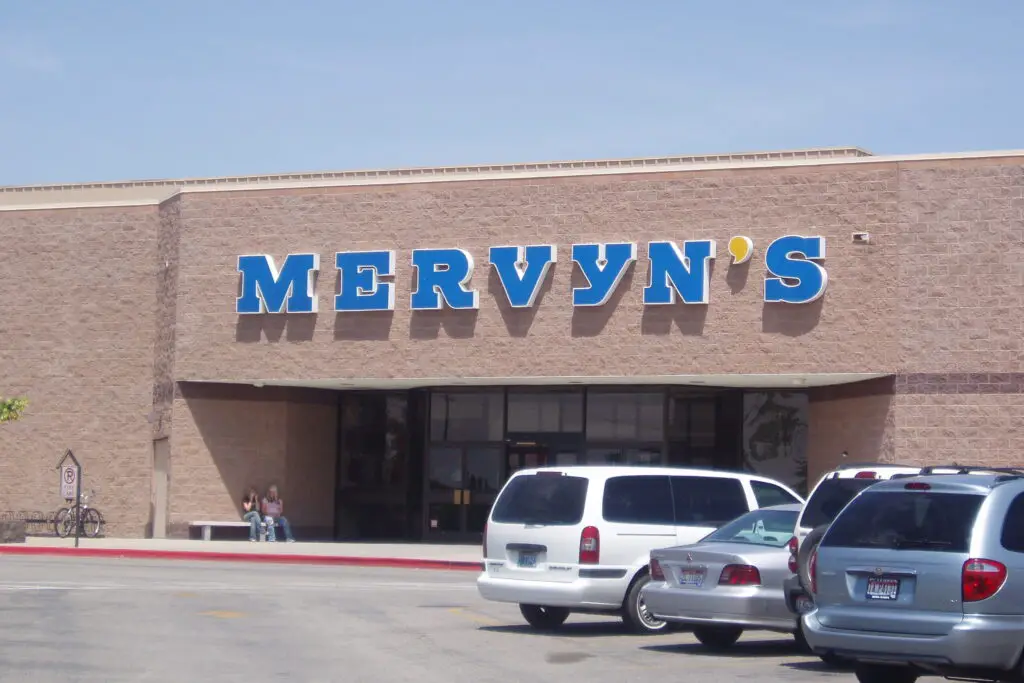
Mervyn’s was a beloved department store chain across the West and Midwest, especially in suburban shopping centers. It was known for affordable fashion, dependable basics, and frequent sales that kept loyal shoppers coming back. Many families relied on Mervyn’s for back to school clothing and everyday wear that balanced price and quality. The store had a clean, friendly layout that made browsing feel easy rather than overwhelming. Mervyn’s also became famous for its opening day sales events, which drew long lines and excited crowds. For many shoppers, it felt like a dependable middle ground between discount stores and upscale department stores. When the chain shut down in 2008, entire regions suddenly lost a familiar retail staple. The closures left a strong emotional response among longtime customers who had grown up shopping there.
Mervyn’s felt personal in a way that many modern big box stores do not. Shoppers often had favorite locations and familiar employees. The clothing styles leaned practical and wearable, making it easy to build a reliable wardrobe. Parents trusted the sizing and durability for kids’ clothes, which built long term loyalty. When the stores disappeared, many shoppers struggled to find a direct replacement that offered the same balance of price, selection, and comfort. That sense of trust and routine is what many people still miss.
7. Montgomery Ward
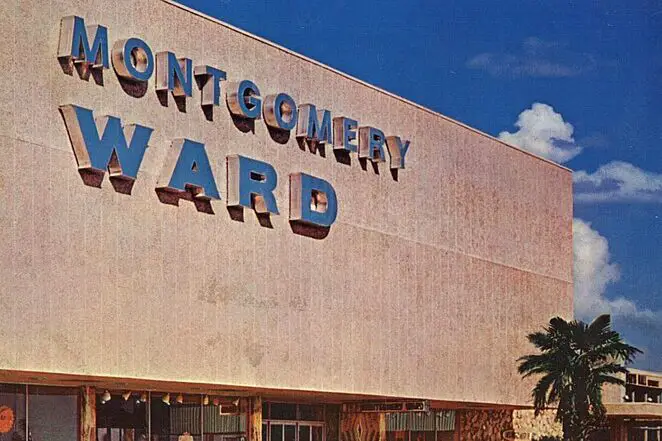
Montgomery Ward, often called Wards, was once a powerhouse of American retail with deep suburban roots. It began as a mail order giant and later expanded into large department stores that anchored many shopping centers. Wards offered appliances, furniture, clothing, and home goods, making it a true one stop shop for families. Many households purchased major items like washers or living room sets there. The brand carried a sense of reliability and tradition that stretched across generations. Walking through a Wards store often felt like stepping into a practical, well organized catalog brought to life. When the chain ultimately closed its remaining stores in the early 2000s, it marked the end of a historic retail institution. Entire communities felt the loss of a familiar anchor store.
For many shoppers, Montgomery Ward represented stability and trust. Parents and grandparents shopped there, creating a sense of continuity. The stores were not flashy, but they felt dependable and well stocked. People knew they could find quality basics without chasing trends. When Wards disappeared, it left behind large empty buildings and a noticeable gap in suburban retail landscapes. The emotional connection lingered long after the doors closed.
8. Hills Department Stores
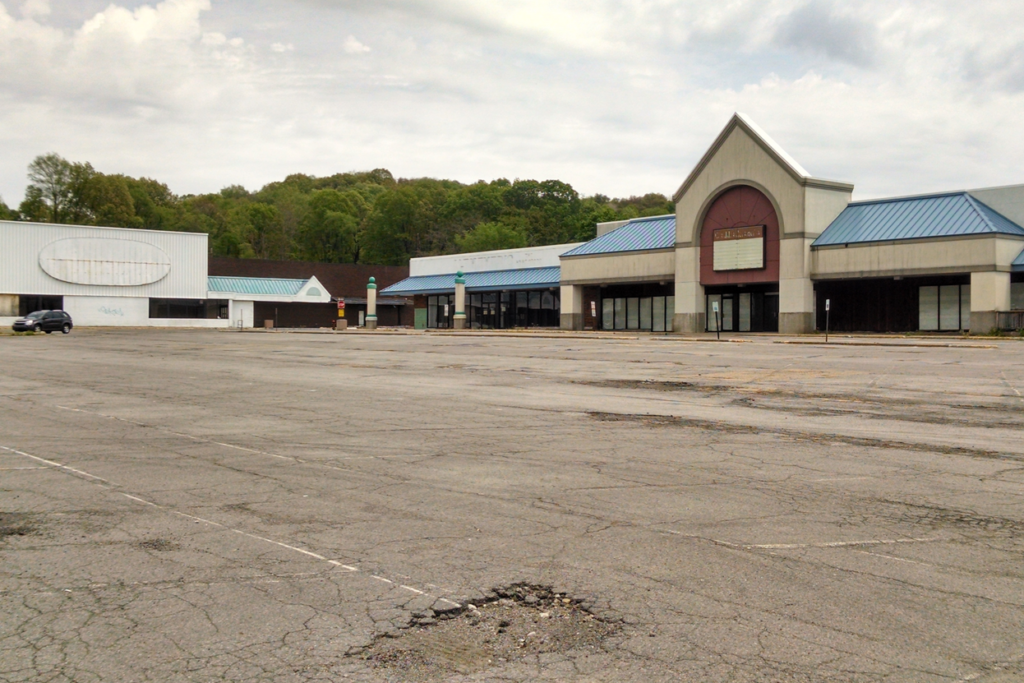
Hills was a discount department store chain that thrived in many suburban and small town communities, especially in the Northeast and Midwest. The stores were known for their large footprints, wide aisles, and a mix of clothing, toys, electronics, and household goods. Shopping at Hills often felt like a mini adventure because of the sheer variety under one roof. Families regularly made weekend trips there to stock up on essentials and browse seasonal displays. Hills also had a reputation for competitive pricing that appealed to budget conscious shoppers. Many people remember the bold signage and the slightly warehouse like atmosphere. When the chain closed in the late ’90s, many communities lost a major retail hub. The empty buildings became a familiar sight for years afterward.
Hills was often the kind of store where you ran into neighbors and classmates while shopping. It felt woven into everyday routines, especially for families with kids. The toy section alone could easily keep children entertained while parents finished their shopping. There was a sense of comfort in knowing exactly where everything was located. When Hills vanished, the shopping landscape in many suburbs felt noticeably thinner. The memories remain tied to everyday life rather than big special occasions.
9. Venture Stores
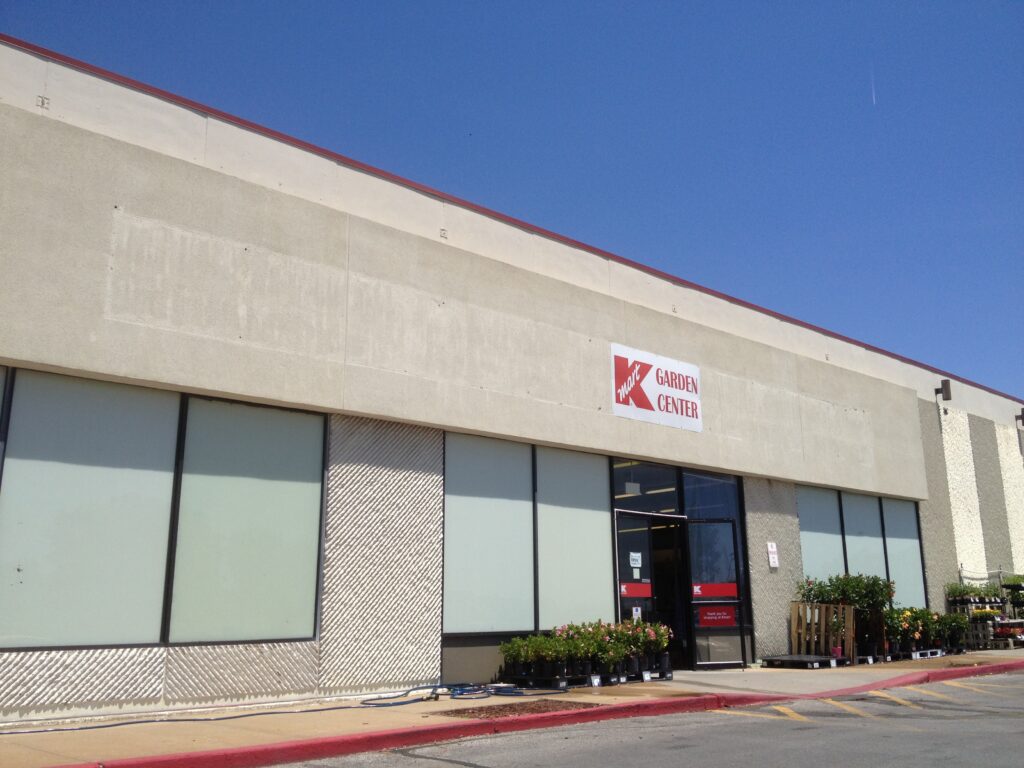
Venture was a popular discount chain throughout the Midwest that blended department store variety with affordable pricing. The stores carried clothing, home goods, toys, sporting equipment, and seasonal merchandise all in one place. Many shoppers remember Venture as bright, clean, and easy to navigate, which made it appealing for families. It was often a go to stop for back to school shopping and holiday preparations. Venture locations were usually positioned in suburban plazas with large parking lots, making errands convenient. The chain built strong loyalty in its regional markets. When Venture closed in the early 2000s, many Midwestern suburbs felt the loss immediately. It was not just a store closing, it was the disappearance of a familiar weekly destination.
Venture had a friendly, approachable feel that encouraged browsing. Shoppers often took their time exploring aisles rather than rushing in and out. The store balanced practicality with small moments of discovery, which made shopping feel pleasant rather than purely functional. Kids often associated Venture with toy browsing and seasonal décor. Once the stores were gone, many people realized how much they valued having a dependable regional chain nearby. The absence left a quiet but noticeable gap.
10. Phar-Mor
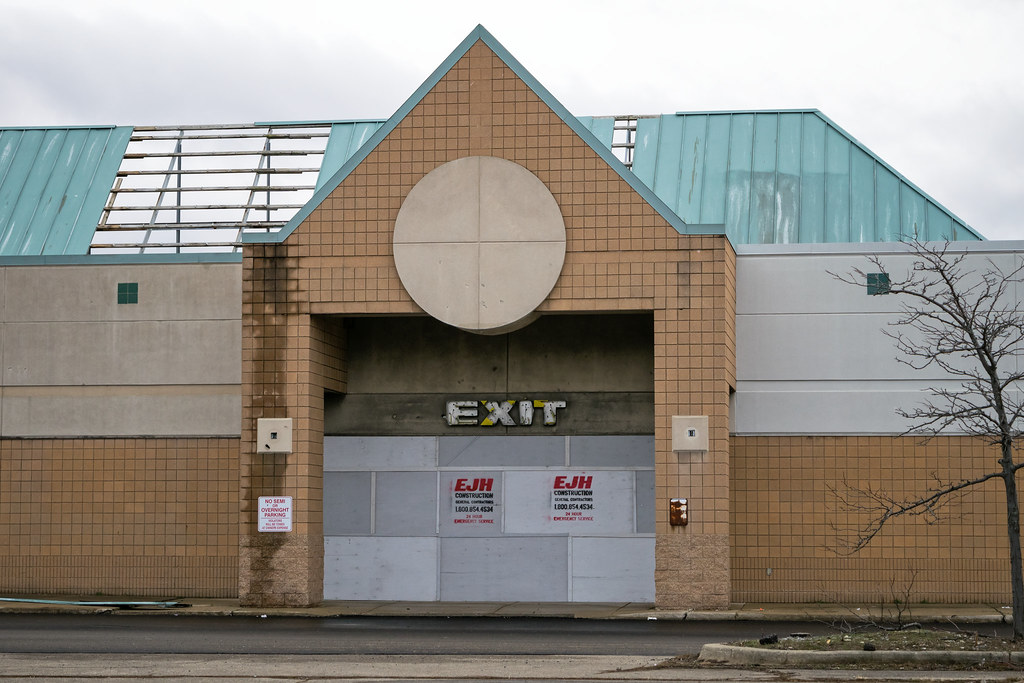
Phar-Mor was a deep discount drugstore chain that felt larger and more energetic than typical pharmacies. It carried massive selections of household goods, snacks, toiletries, and seasonal items alongside prescription services. The stores were brightly lit and often buzzing with activity, especially on weekends. Many shoppers treated Phar-Mor like a hybrid between a drugstore and a discount warehouse. Prices were often noticeably lower than competitors, which built strong customer loyalty. The colorful signage and wide aisles made the stores feel lively and inviting. When Phar-Mor collapsed in the early ’90s, the closures happened quickly and dramatically. Entire communities suddenly lost a favorite bargain destination.
Phar-Mor trips often turned into longer browsing sessions than planned. You might go in for shampoo and leave with holiday decorations and snack packs. The store encouraged impulse buying in a fun, low pressure way. Families appreciated the savings on everyday necessities. Once it disappeared, many shoppers felt the loss immediately in their household budgets. It was a reminder of how much a single retailer can shape daily routines.
11. Woolworth
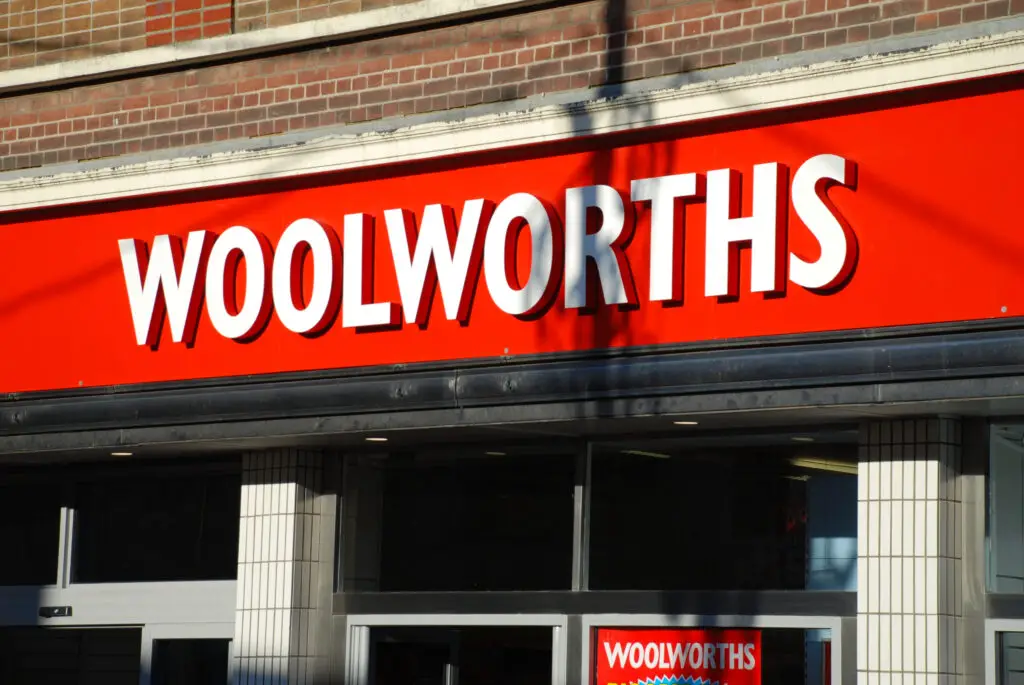
Woolworth was once a cornerstone of suburban and small town shopping districts, famous for its five and dime format and iconic lunch counters. It offered inexpensive toys, household items, candy, and simple clothing, making it a favorite for quick errands and small treats. Many kids remember stopping by Woolworth for a soda or a piece of candy after shopping with parents. The store felt approachable and friendly, with tightly packed aisles full of small discoveries. Woolworth also carried a sense of nostalgia even while it was still operating. As suburban malls changed and competition increased, the chain gradually faded away. The final stores closed in the late ’90s, marking the end of a retail era.
Woolworth was not just about shopping, it was about experience and routine. The lunch counters created memories that went beyond retail. Families often had favorite locations tied to childhood rituals. The simple joy of browsing inexpensive items made it accessible to everyone. When Woolworth disappeared, a piece of everyday Americana quietly went with it. Many people still associate the name with warmth and familiarity.
12. Kresge
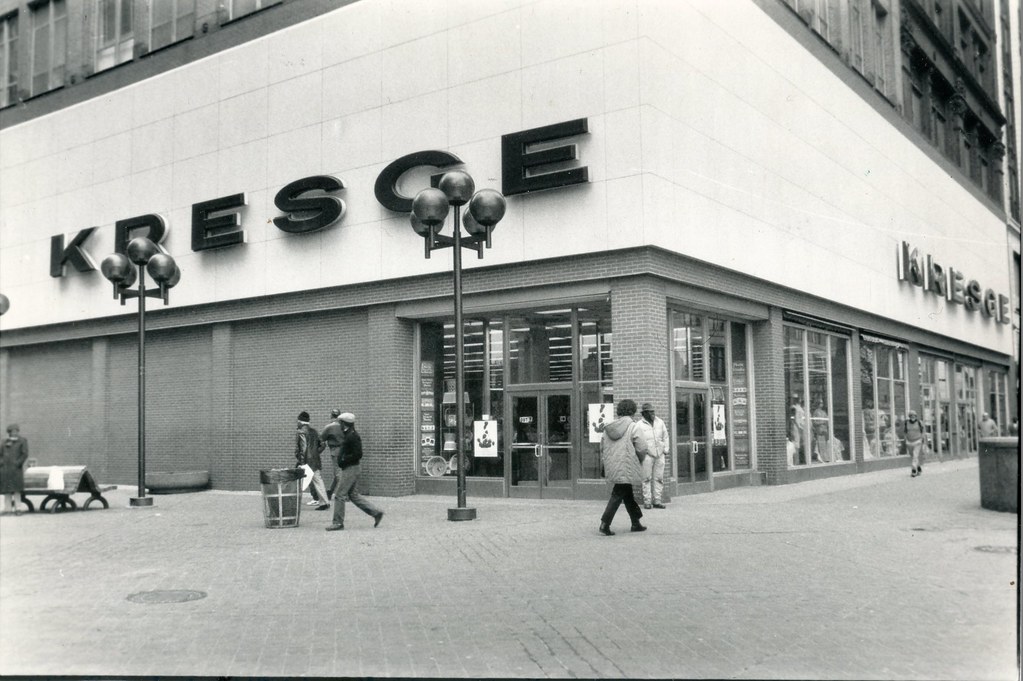
Kresge was another classic five and dime retailer that played a major role in suburban shopping before evolving into what later became Kmart. In its earlier form, Kresge stores offered affordable household goods, clothing basics, and small treats that drew steady foot traffic. The layout was practical and efficient, making it easy to pop in for quick purchases. Many families relied on Kresge for everyday essentials without needing a full mall trip. The store felt deeply woven into neighborhood routines. Over time, as branding shifted and retail strategies changed, the original Kresge identity slowly disappeared. For longtime shoppers, that transition felt like the loss of a familiar name and atmosphere. The memory of Kresge remains tied to simpler shopping experiences.
Kresge represented convenience and consistency. Shoppers knew what to expect every time they walked in. The prices were accessible, which made it a dependable option for families. Even though the physical locations evolved into something new, the original charm of Kresge still lingers in memory. People often remember it as part of childhood errands and weekend routines. That emotional connection keeps the name alive long after the signs came down.
13. Eckerd
Eckerd was a regional drugstore chain that once dominated many suburban corners, especially in the Southeast and parts of the Midwest. It functioned as more than just a pharmacy, carrying toys, cosmetics, snacks, photo processing, and seasonal décor. Many families stopped there regularly for prescriptions and small household needs. The stores were typically bright, friendly, and easy to navigate. Eckerd built strong loyalty through convenient locations and dependable service. For many shoppers, it felt like a neighborhood staple rather than a faceless chain. When Eckerd locations were absorbed or closed in the late 2000s, that familiar presence quietly faded. The brand name disappeared faster than many people expected.
Eckerd visits were often woven into everyday routines like picking up photos or grabbing a quick card for a birthday. The store felt approachable and comfortable rather than rushed. Employees often recognized regular customers, which added to the sense of familiarity. Once the brand vanished, many shoppers noticed how much they missed that local feeling. The replacements did not always recreate the same atmosphere. Eckerd remains a strong nostalgic touchstone for many suburban shoppers.
14. Bon-Ton
Bon-Ton was a regional department store chain that anchored many suburban malls and shopping centers across the Midwest and Northeast. It offered mid range clothing, home goods, cosmetics, and seasonal décor, making it a go to spot for family shopping trips. Many people associate Bon-Ton with dependable brands and steady sales rather than cutting edge fashion. The stores often felt comfortable and familiar, especially for longtime customers. Shoppers built routines around browsing clearance racks and seasonal displays. Bon-Ton also carried a sense of local loyalty in many smaller markets. When the chain closed most locations in 2018, many communities lost a long standing retail anchor. The closures left empty mall spaces and a strong sense of nostalgia.
For many families, Bon-Ton was part of holiday traditions and back to school shopping rituals. It felt reliable and approachable rather than overwhelming. The staff often recognized repeat customers, which made the experience feel personal. Once the doors closed, shoppers had to search for alternatives that did not always match the same comfort level. Bon-Ton’s disappearance marked the end of a familiar chapter in suburban retail life.