
1. The Local Mall Food Court
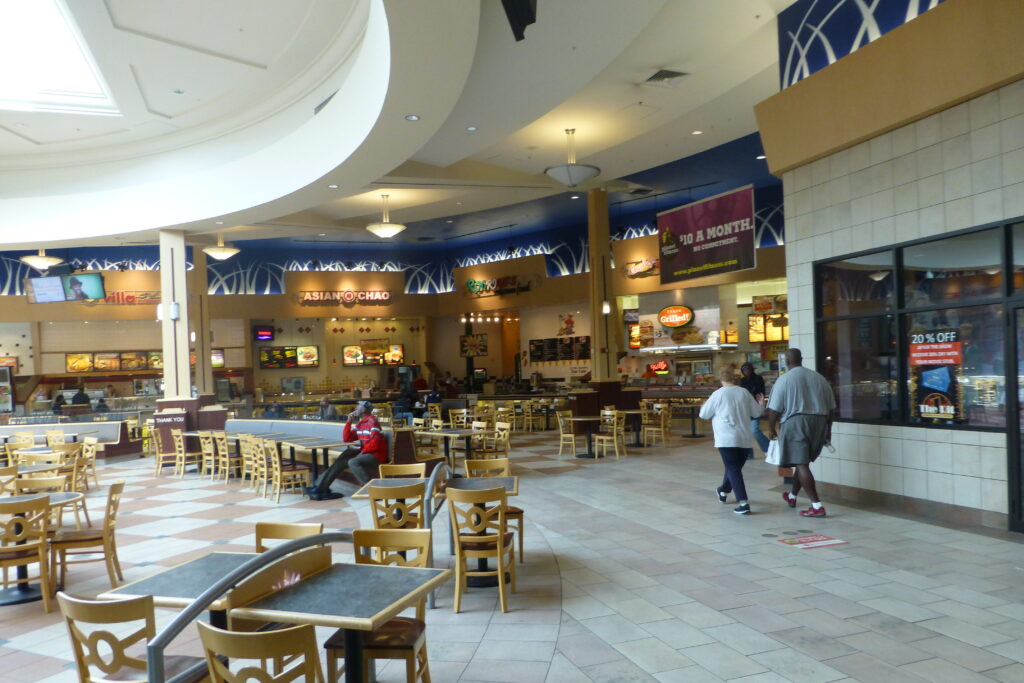
There was a time when the mall food court felt like the unofficial town square, especially on Friday nights or during holiday shopping season. You didn’t even have to buy anything to belong there, you just needed a tray, a soda, and a place to sit. Teenagers lingered for hours, families regrouped between stores, and retirees watched the world go by with a cup of coffee. Chains like Sbarro, Orange Julius, and Chick-fil-A became landmarks in their own right, almost like meeting points. It was loud, crowded, and somehow comforting at the same time. You always ran into someone you knew, even when you weren’t trying to.
Now, many of those food courts sit half-empty or have been replaced entirely as malls decline across the country. Online shopping and changing retail habits slowly chipped away at the crowds that once filled those plastic tables. Some malls have closed altogether, leaving behind silent corridors where those conversations used to echo. Others are trying to reinvent themselves, but it is not quite the same energy. The food court was never just about eating, it was about being seen. Losing it feels like losing a shared routine that held people together without anyone really noticing at the time.
2. Downtown Movie Theaters
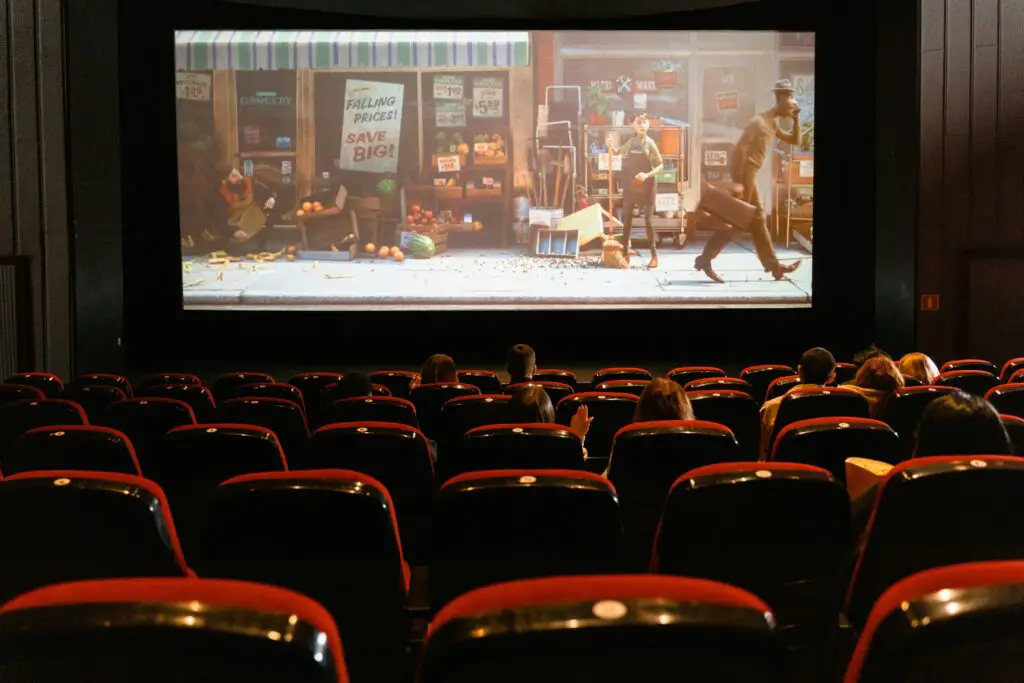
Before multiplexes moved to the outskirts of town, the downtown movie theater was a centerpiece of community life. These were often single-screen or small multi-screen venues with marquee lights that lit up the street at night. Seeing a movie felt like an event, not just something to pass the time. People dressed up a little more, arrived early, and sometimes stayed afterward to talk about what they had just watched. The theater anchored nearby restaurants and shops, creating a whole evening out.
Over time, many of these theaters closed or were converted into something else as larger multiplexes took over. The convenience of big parking lots and more screens pulled audiences away from downtown. Streaming services later changed the equation even more, making it easier to stay home. Some historic theaters have been restored, but many disappeared quietly. What remains is the memory of when a glowing marquee could make an entire block feel alive.
3. The Corner Drugstore Soda Fountain
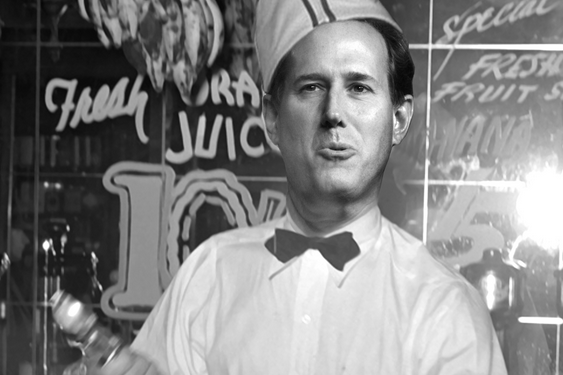
Long before fast food chains dominated, the soda fountain inside the local drugstore was a go-to gathering spot. People would sit at the counter, order milkshakes, floats, or grilled sandwiches, and chat with the person behind the counter. It was common for teenagers to meet there after school, while adults stopped in for a quick break during the day. The atmosphere felt personal, with regulars known by name and orders remembered without asking. It blended everyday errands with social time in a way that feels rare now.
By the late 20th century, most of these soda fountains had disappeared as chain pharmacies and fast food restaurants took over. The business model shifted toward efficiency and volume rather than conversation. Many of the original counters were removed to make room for retail space. A few have been preserved as nostalgic throwbacks, but they are no longer the norm. The soda fountain was less about the food and more about the pause it gave people in their day.
4. Community Roller Rinks
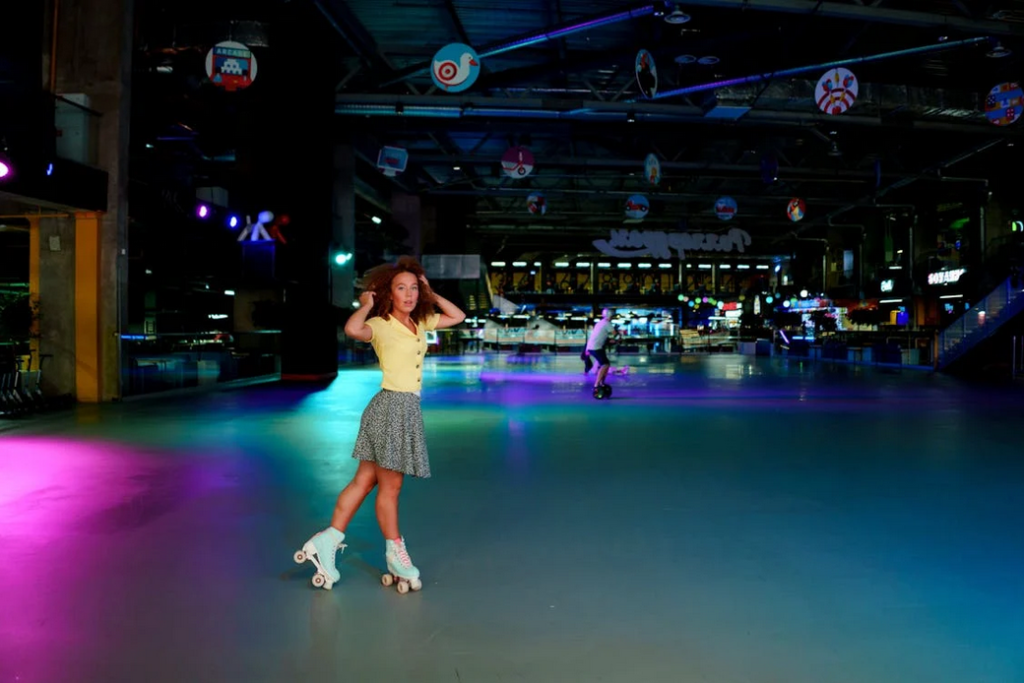
Roller rinks once served as a central hangout, especially for kids and teens looking for something to do on weekends. Music blasted through speakers, lights flashed across the floor, and everyone circled together in a kind of organized chaos. It was one of the few places where different age groups mixed naturally, from beginners clinging to the wall to experienced skaters showing off. Birthday parties, school events, and themed nights kept the place constantly busy. For many, it was where friendships deepened and first crushes quietly formed.
As entertainment options expanded, many rinks struggled to stay open. Video games, home entertainment systems, and later smartphones changed how people spent their free time. Some rinks closed, while others shifted focus or reduced hours. The ones that remain often lean heavily on nostalgia to attract visitors. Even so, the sense of community that once defined them is harder to recreate. It is a reminder of how shared physical spaces used to shape social life.
5. The Local Bowling Alley
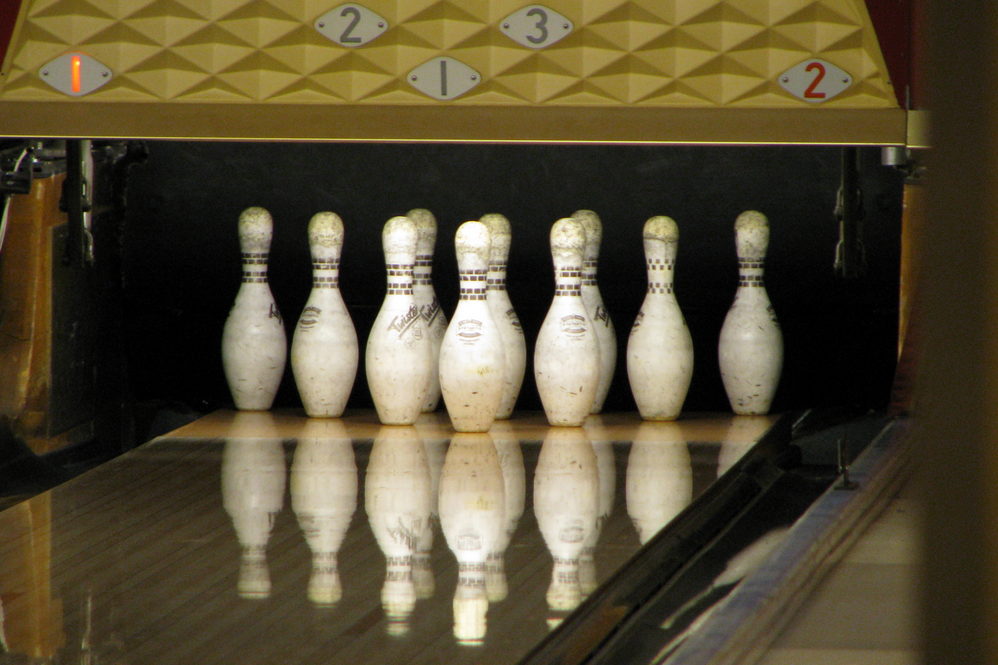
Bowling alleys used to be a staple of everyday social life, not just for league players but for anyone looking to spend an evening out. Families, coworkers, and groups of friends all found their way into those lanes at some point. The sound of pins crashing and the glow of scoreboards created a familiar rhythm that felt almost universal. Snack bars and arcade corners added to the experience, making it easy to stay for hours. It was casual, affordable, and accessible to almost everyone.
While bowling still exists, many smaller, locally owned alleys have closed or been replaced by more upscale entertainment centers. Rising maintenance costs and changing tastes made it harder for traditional lanes to compete. Modern venues often feel more like curated experiences than everyday hangouts. The shift has changed the atmosphere from relaxed to more structured. What used to feel like a second living room now feels more like a planned outing.
6. Main Street Hardware Stores
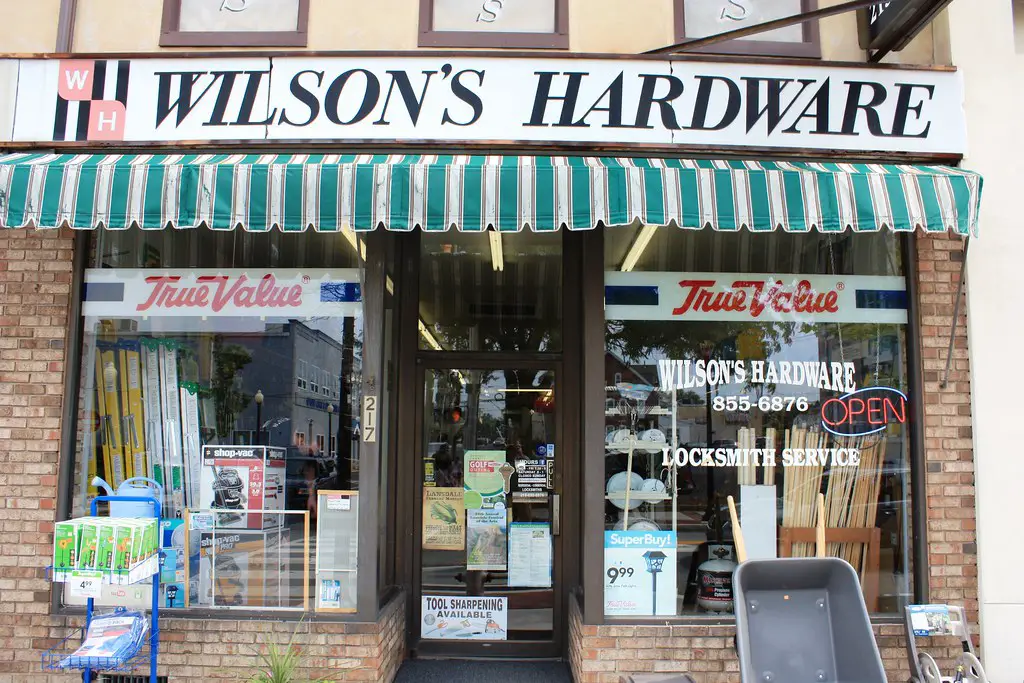
The independent hardware store on Main Street was once a place where people went not just for supplies, but for advice. The staff usually knew exactly what you needed, even if you struggled to describe it. These stores carried a little bit of everything, from nails and paint to odd replacement parts you could not find anywhere else. Conversations often stretched beyond the task at hand, turning a quick stop into a longer visit. It was a place where practical knowledge was shared freely.
Big-box retailers gradually replaced many of these small shops with larger inventories and lower prices. While convenient, they lack the same personal touch that defined the older stores. Many communities lost not just a business, but a reliable source of local expertise. Some independent stores have survived by specializing or building loyal customer bases. Still, the widespread presence they once had has largely faded. The disappearance reflects a broader shift toward scale over familiarity.
7. Drive-In Theaters
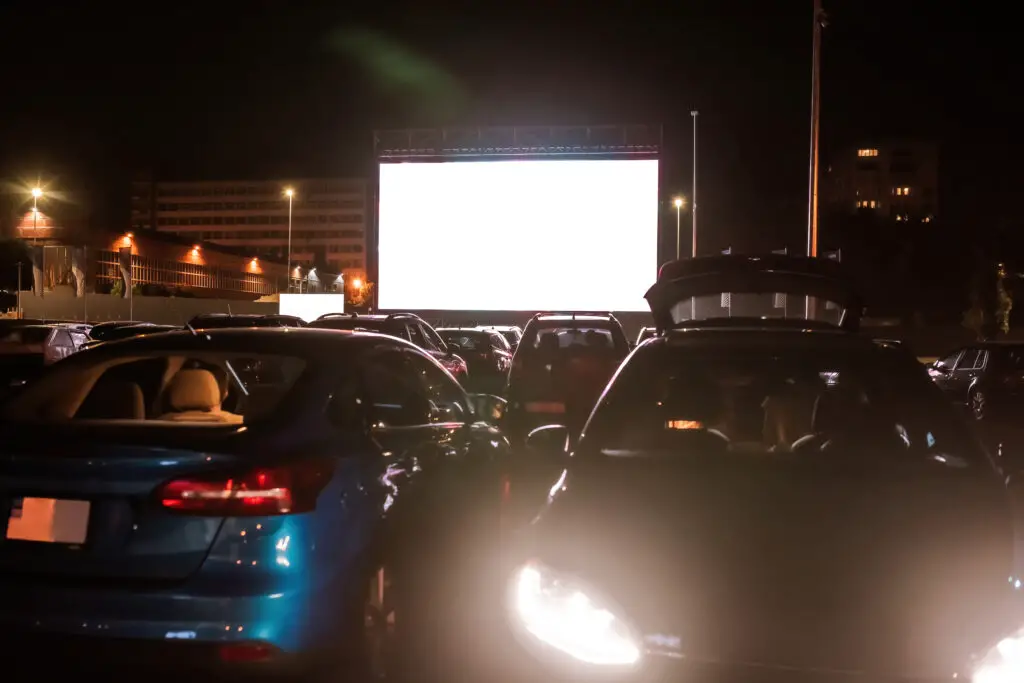
Drive-in theaters once turned movie nights into shared outdoor events. Families packed into cars, brought blankets, and tuned their radios to hear the film. It was as much about the experience as it was about the movie itself. Kids played before the show started, and concession stands became part of the tradition. The open-air setting made it feel relaxed and communal at the same time.
At their peak in the 1950s and ’60s, thousands of drive-ins operated across the United States. Over time, rising land values and the cost of maintaining large outdoor screens led to widespread closures. Indoor multiplexes proved more efficient and less weather-dependent. A small number of drive-ins still operate today, often as seasonal attractions. They draw crowds looking to relive something that once felt ordinary. The scale, however, is a fraction of what it used to be.
8. Local Video Rental Stores
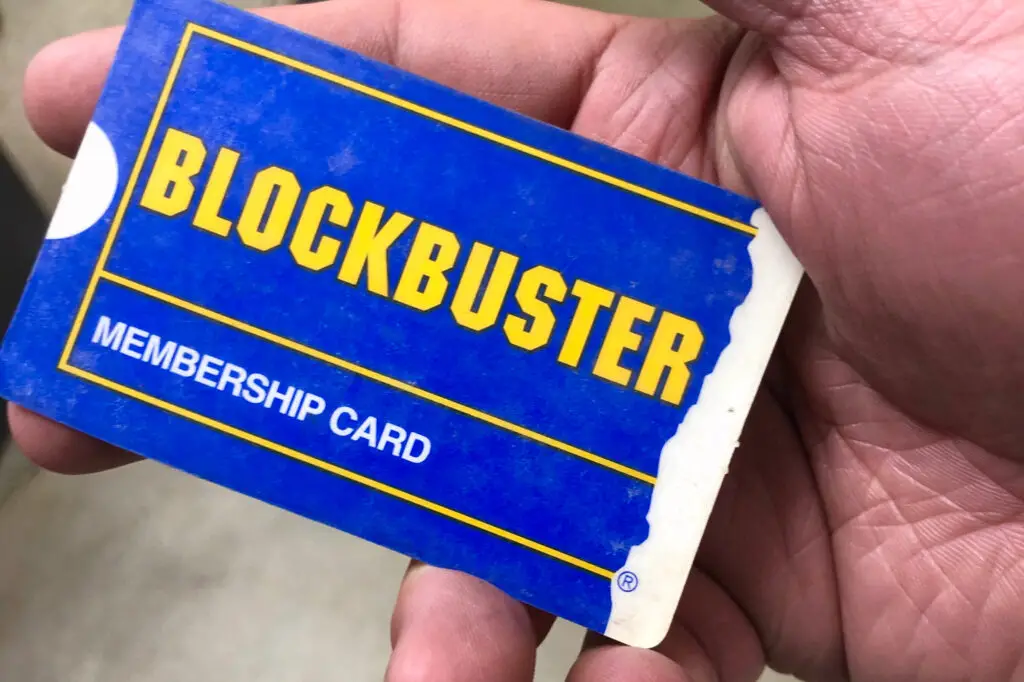
Before streaming, the video rental store was where people gathered to decide what to watch. Walking the aisles, reading the backs of cases, and debating choices was part of the ritual. Employees often made recommendations, and popular titles might already be checked out by the time you arrived. It created a sense of anticipation that does not quite exist in the same way now. The store itself became a shared reference point for entertainment.
Chains like Blockbuster dominated for a time, but even smaller independent stores played a big role in local communities. The rise of DVDs, mail-order rentals, and eventually streaming services made the business model unsustainable. Most of these stores closed by the early 2010s. Today, only a handful remain, largely as novelties. The experience of physically browsing for a movie has largely disappeared. What replaced it is more convenient, but less communal.
9. The Town Train Depot
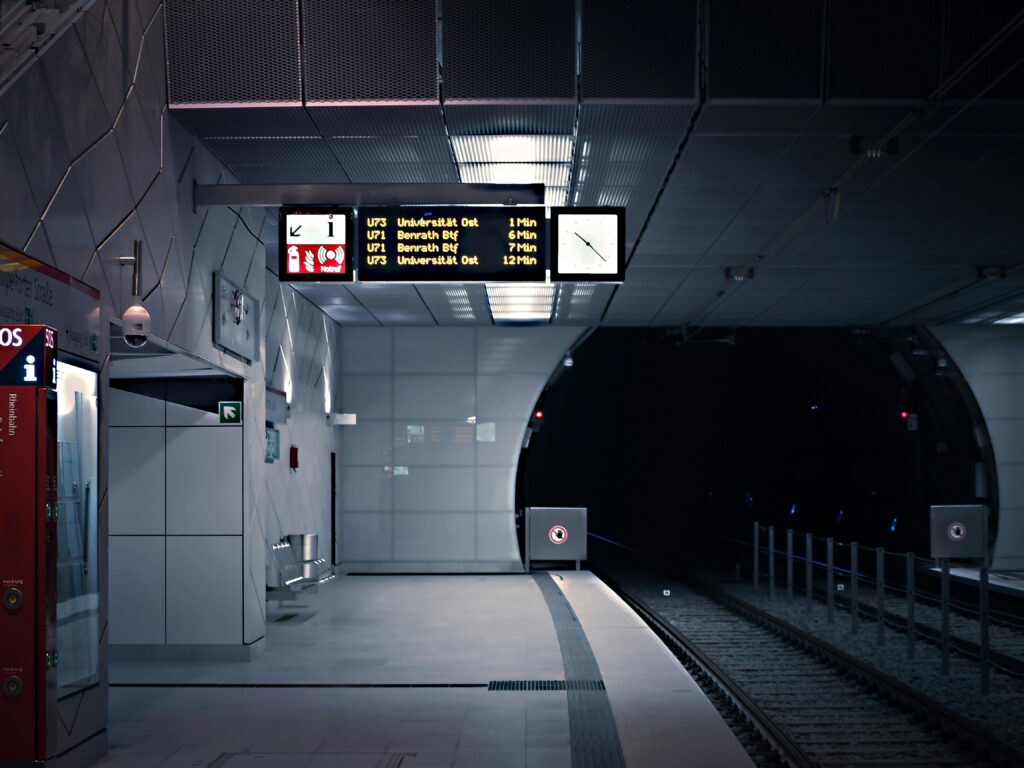
In many towns, the train depot was once the literal and social center of activity. People gathered to greet arrivals, send off loved ones, or simply watch the trains come and go. It connected the town to the wider world in a very visible way. Businesses often clustered nearby, feeding off the steady flow of passengers. The depot was both a transportation hub and a meeting place.
As automobile travel expanded and passenger rail declined in many areas, these depots lost their central role. Some were abandoned, while others were repurposed into museums or offices. A few remain active where rail service still operates, but the atmosphere is different. The sense of anticipation and connection has largely faded. What was once a gateway now often feels like a relic. Its importance is easier to recognize in hindsight than it was at the time.
10. Local Newspaper Offices

There was a time when the local newspaper office felt like the heartbeat of a town. Reporters knew the community closely, and stories often reflected everyday life in a very direct way. People stopped in to place ads, submit announcements, or simply talk to someone on staff. The building itself carried a sense of importance, especially when big stories were unfolding. It represented a shared source of information that everyone relied on.
The shift to digital media dramatically reduced the presence of physical newspaper offices. Many have downsized, relocated, or closed entirely as circulation declined. News still exists, but it is often produced with fewer local resources. The personal connection between readers and journalists has weakened in many places. Some papers continue to operate, but without the same visibility. The loss is not just physical, but cultural.
11. Public Swimming Pools

Community pools used to be a central gathering place during the summer months. Kids spent entire days there, while parents relaxed nearby or chatted with neighbors. Swim lessons, local competitions, and open swim hours created a steady rhythm throughout the season. It was one of the few places where everyone in town seemed to overlap. The pool became a shared backdrop for countless memories.
Over time, some public pools closed due to maintenance costs, liability concerns, or declining attendance. Private clubs and backyard pools changed how people accessed swimming spaces. In some areas, facilities were replaced with splash pads or other alternatives. While those serve a purpose, they do not fully replicate the same experience. The sense of a central gathering spot has been diluted. What remains are scattered pieces of what used to feel unified.
12. Church Basements and Social Halls
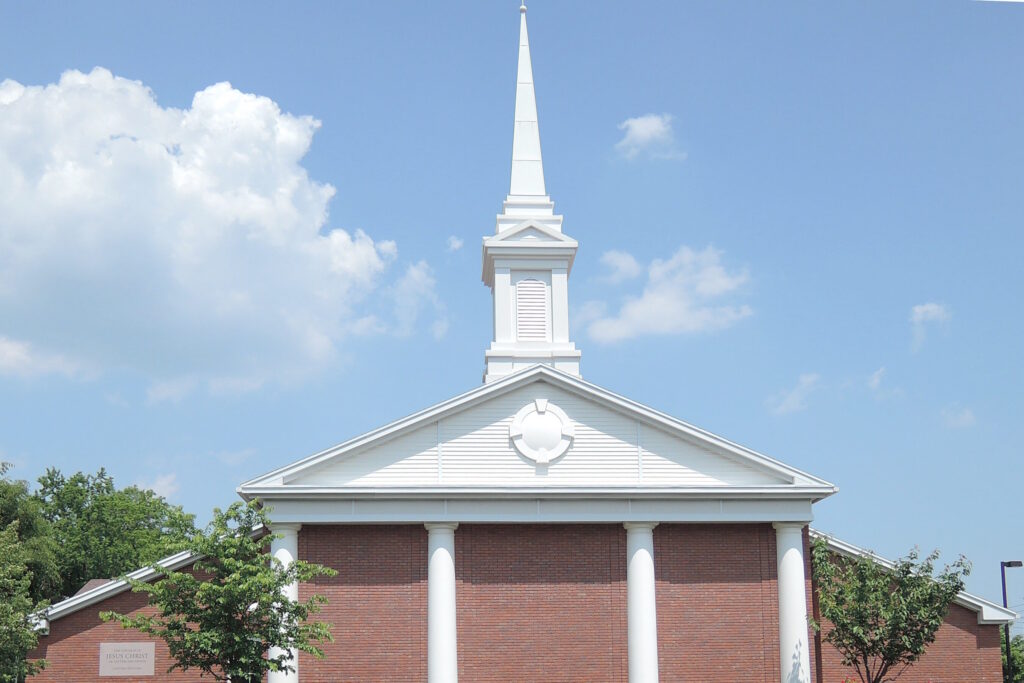
Church basements once hosted everything from community dinners to local meetings and events. Even people who did not attend services regularly often showed up for gatherings held in these spaces. Potlucks, fundraisers, and youth events made them active throughout the week. They functioned as informal community centers, especially in smaller towns. The familiarity of the setting made it easy for people to participate.
Changes in social habits and declining attendance in some areas have reduced the role of these spaces. Events still happen, but often on a smaller scale or less frequently. Other venues have taken over some of the functions they once served. The shift reflects broader changes in how communities organize themselves. The physical spaces remain, but their centrality has diminished. What they once represented is harder to recreate elsewhere.
13. Arcade Game Rooms
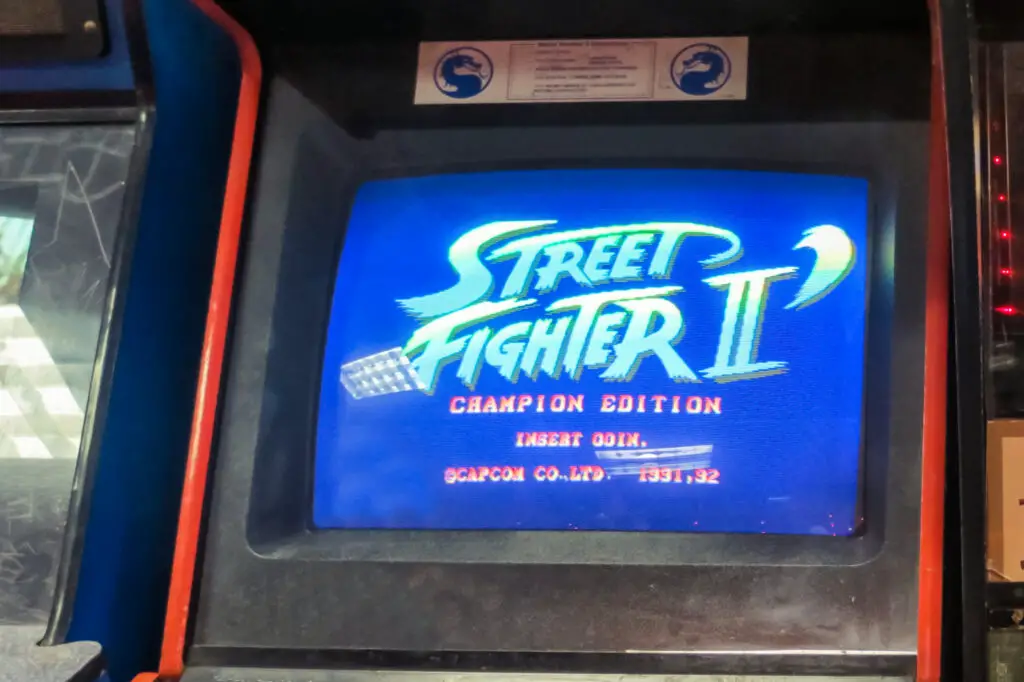
Arcades were once packed with people competing for high scores and gathering around popular machines. The sound of coins dropping and buttons clicking created a constant hum of activity. Games like Pac-Man and Street Fighter turned into shared cultural experiences within those walls. It was one of the few places where strangers interacted regularly over a common interest. The environment felt energetic and immediate.
Home gaming systems gradually reduced the need for dedicated arcade spaces. As consoles became more advanced, people could replicate much of the experience at home. Many arcades closed, while others shifted toward hybrid entertainment centers. A few still exist, often leaning into retro appeal. The social dynamic, however, is different from what it once was. The spontaneous interactions are less common now.
14. The Local Diner Counter
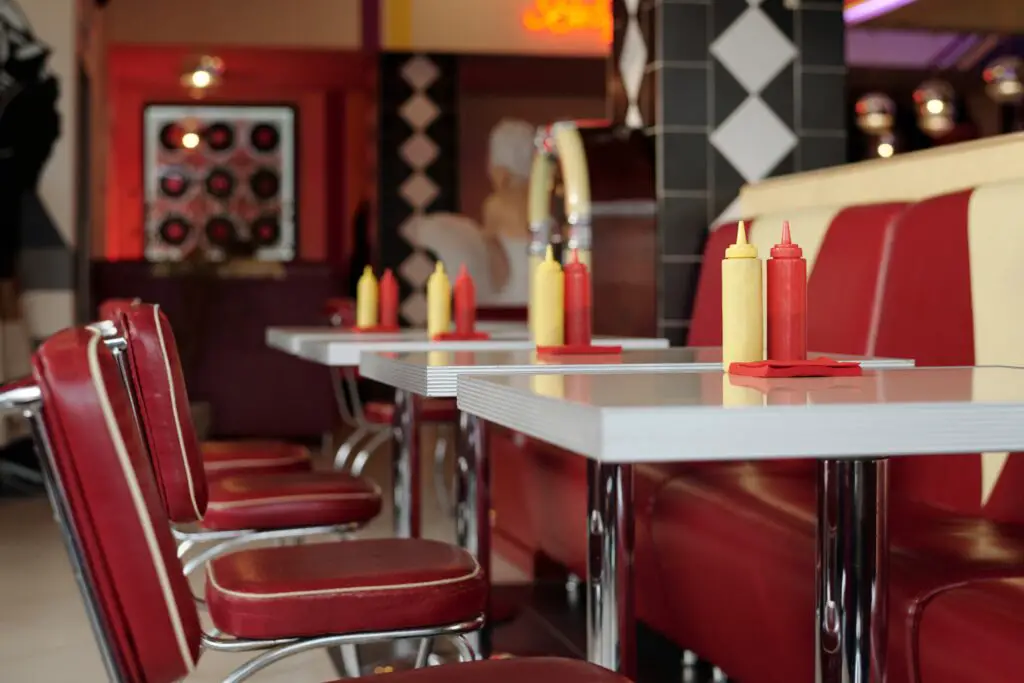
The diner counter used to be one of the easiest places to strike up a conversation with someone you had never met. Regulars sat in the same seats, and staff often knew their routines without asking. Coffee was constantly refilled, and conversations flowed as easily as the food orders. It was a place where different parts of the community overlapped naturally. The simplicity of it made it feel accessible to everyone.
While diners still exist, many have shifted away from the classic counter experience or closed entirely. Changing dining habits and rising costs have made it harder to maintain that traditional model. Chains and fast-casual restaurants offer quicker alternatives, but not the same atmosphere. Some classic diners remain, often celebrated for preserving the past. Even so, they are less central than they once were. The everyday familiarity that defined them has become something people now seek out intentionally.