
1. Video Rental Stores
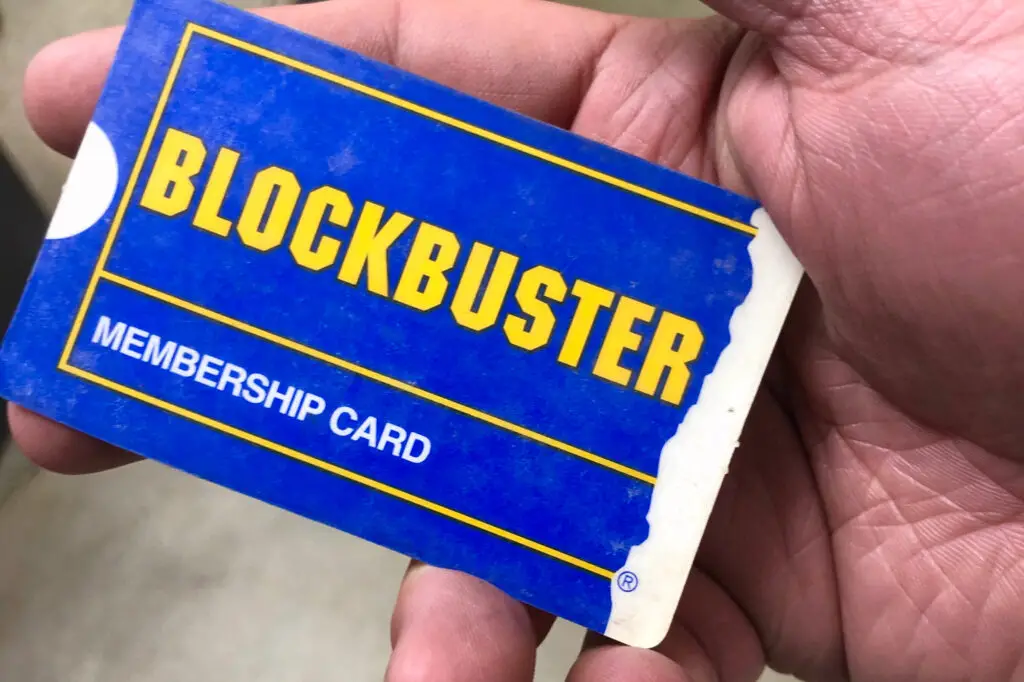
There was a time when a trip to the local video rental store felt like a weekly ritual, not an occasional treat. You’d wander the aisles debating between the “New Releases” wall and that one dusty section with older favorites you’d already seen five times. Clerks often knew your taste better than you did, recommending something random that ended up becoming a favorite. Late fees were a constant threat, but somehow part of the experience.
These stores felt permanent because they were tied to a very specific way of watching movies that didn’t seem like it would ever disappear. Then streaming arrived, and places like Blockbuster and countless independent shops shut their doors almost overnight. What once felt like a cornerstone of Friday nights just quietly vanished. Now the idea of physically renting a movie feels almost foreign.
2. Local Record Stores

Before music was something you could carry in your pocket, it was something you had to go out and find. Local record stores were where people discovered new bands, flipped through vinyl for hours, and debated music with strangers. The staff usually had strong opinions, and you either trusted them or avoided them entirely. Either way, the place had personality.
As CDs and then digital downloads took over, many of these shops struggled to survive. Big chains faded first, followed by smaller independent stores that couldn’t compete with convenience. While vinyl has made a comeback in recent years, the neighborhood record store as a gathering place is much rarer. What used to feel like a cultural hub now exists mostly in memory.
3. Independent Hardware Stores
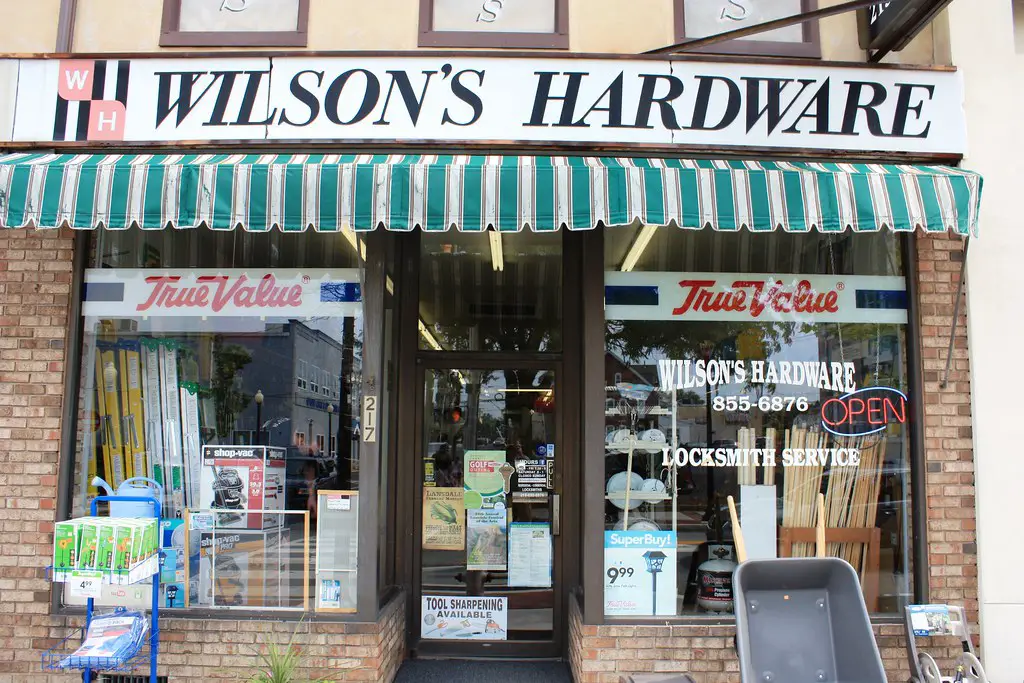
Neighborhood hardware stores were the kind of place where you could walk in with a problem and leave with both a solution and a conversation. The person behind the counter often knew exactly what you needed without you having to explain much. It wasn’t just about buying tools, it was about getting advice from someone who had likely fixed the same issue themselves.
Over time, large home improvement chains began to dominate the market with bigger inventories and lower prices. Many independent stores couldn’t keep up and eventually closed. The personal touch that once defined these places is harder to find now. For many, it’s a reminder of when shopping felt more like a relationship than a transaction.
4. Neighborhood Pharmacies
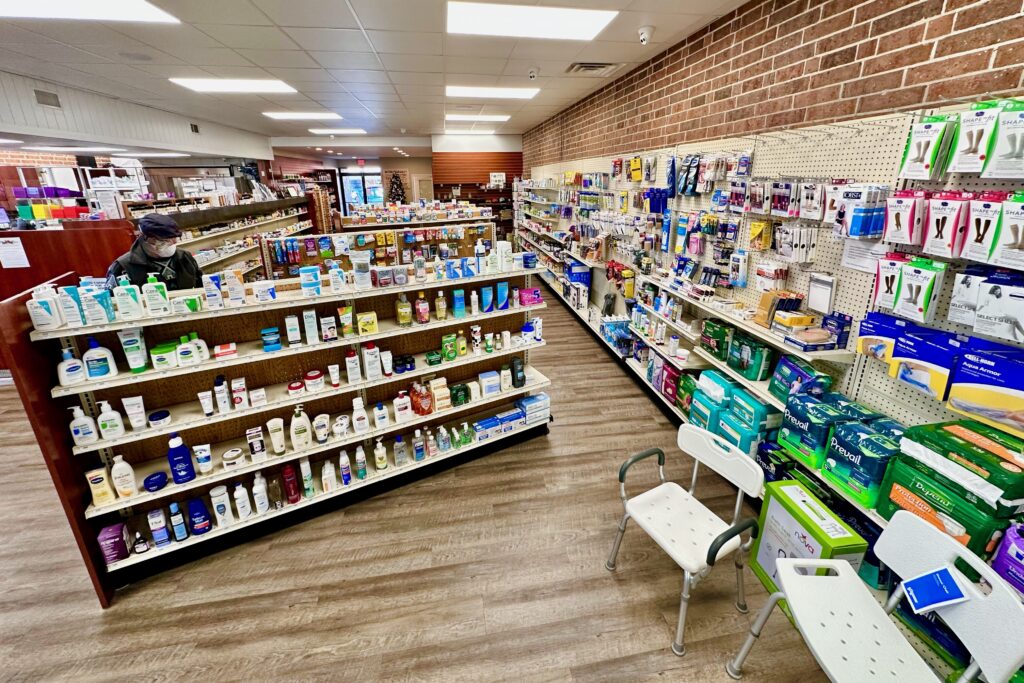
Before large chains became the norm, local pharmacies were deeply tied to their communities. The pharmacist often knew your name, your family, and your medical history without needing to look it up. It created a level of trust that felt reassuring, especially in smaller towns. Picking up a prescription didn’t feel rushed or impersonal.
As corporate pharmacies expanded, many independent ones disappeared. The shift brought longer hours and broader availability, but often at the cost of that personal connection. Today, most people are used to standing in line at a national chain. The idea of a pharmacist who knows you personally has become less common.
5. Mom-and-Pop Grocery Stores
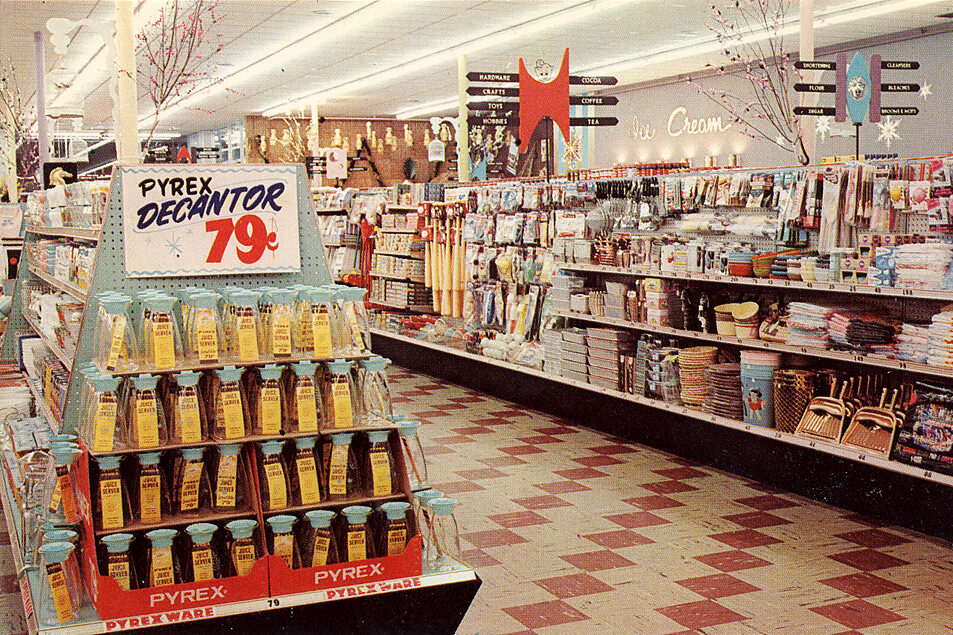
Small neighborhood grocery stores once served as the backbone of daily life. You didn’t just shop there, you ran into neighbors, caught up on local news, and maybe even got a little credit if you were short that week. The selection was smaller, but it felt curated and familiar. It was less about variety and more about reliability.
As supermarkets and big-box retailers expanded, many of these smaller stores couldn’t compete on price or inventory. Gradually, they closed or were absorbed into larger chains. What replaced them was more efficient, but often less personal. The sense of community that came with those small stores is something people still talk about.
6. Shoe Repair Shops
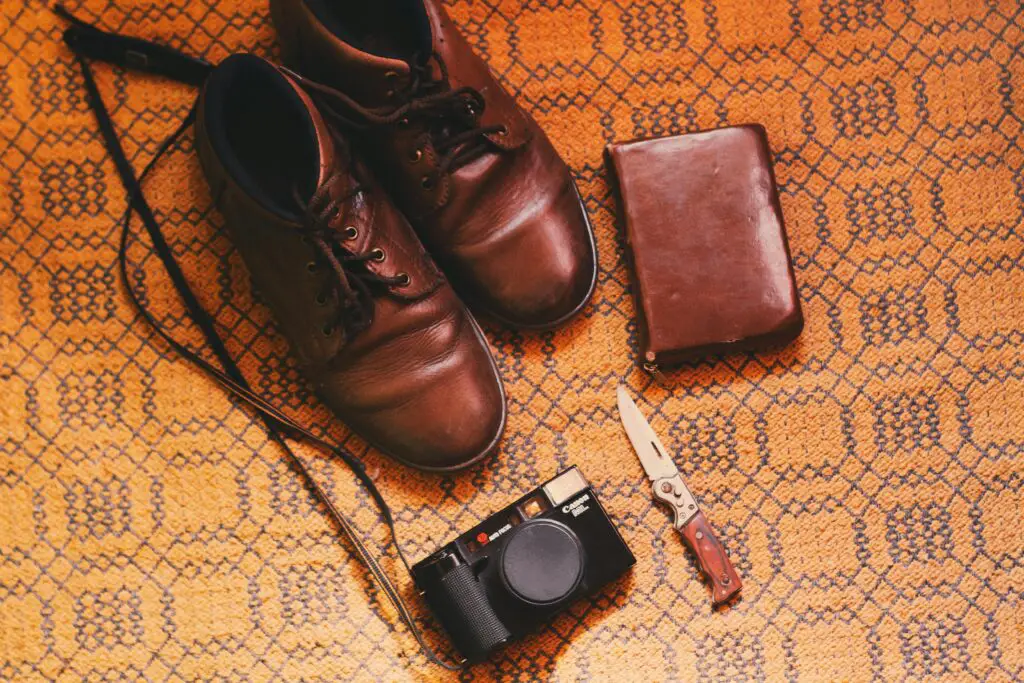
There was a time when repairing shoes was more common than replacing them. Local cobblers kept shoes, boots, and even handbags in working condition for years. You’d drop something off and come back days later, often amazed at how good it looked. It felt practical and a little bit old-fashioned even then.
As inexpensive footwear became widely available, the demand for repairs dropped significantly. Many shoe repair shops closed because it became cheaper to buy new than to fix old. The trade still exists, but it’s far less visible in everyday neighborhoods. What once felt like a standard service now feels like a specialty.
7. Tailor Shops

Tailor shops used to be a regular stop for anyone who wanted clothes to actually fit well. Alterations were part of everyday life, not just for special occasions. You’d bring in a pair of pants or a jacket and trust that it would come back fitting perfectly. It was a simple service that made a big difference.
As clothing became more mass-produced and disposable, fewer people sought out tailoring. Many local shops closed as demand declined. Fast fashion changed expectations, making fit less of a priority for many shoppers. The idea of having a regular tailor is now something fewer people experience.
8. Newsstands

Corner newsstands once played a major role in how people consumed information. You could pick up a newspaper, browse magazines, and sometimes grab a quick snack all in one place. They were often located in busy areas and became part of people’s daily routines. The variety of publications was part of the appeal.
With the rise of digital media, print sales dropped significantly. Many newsstands couldn’t survive the shift and eventually disappeared. What was once a primary source of information became optional, then obsolete. Today, seeing a fully stocked newsstand is increasingly rare.
9. Small Bookstores
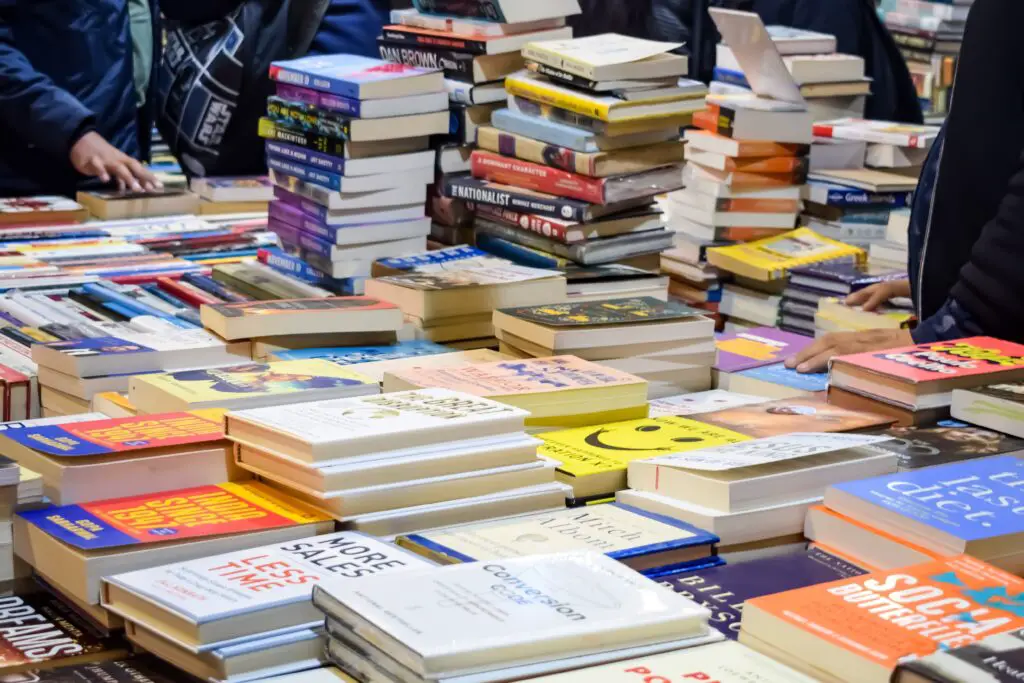
Independent bookstores used to be a quiet refuge in many neighborhoods. They offered a more personal experience than large chains, with carefully selected titles and staff recommendations. You could spend hours browsing without feeling rushed. It felt like a place designed for discovery.
The growth of online retailers and large bookstore chains made it difficult for many small shops to compete. While some have survived or even experienced a resurgence, many closed over the years. The ones that remain often rely on strong community support. Their disappearance in some areas left a noticeable gap.
10. Local Bakeries

Walking into a neighborhood bakery meant the smell hit you before anything else. Fresh bread, pastries, and cakes were made on-site, often using recipes passed down through generations. These places were part of daily routines, especially in the mornings. You didn’t need a special reason to stop in.
As supermarkets began offering in-store bakeries, many independent ones struggled. Larger operations could produce similar items at lower prices. Over time, some local bakeries closed or scaled back significantly. What remains still carries that nostalgic appeal, but it’s less common than it once was.
11. Photo Processing Shops
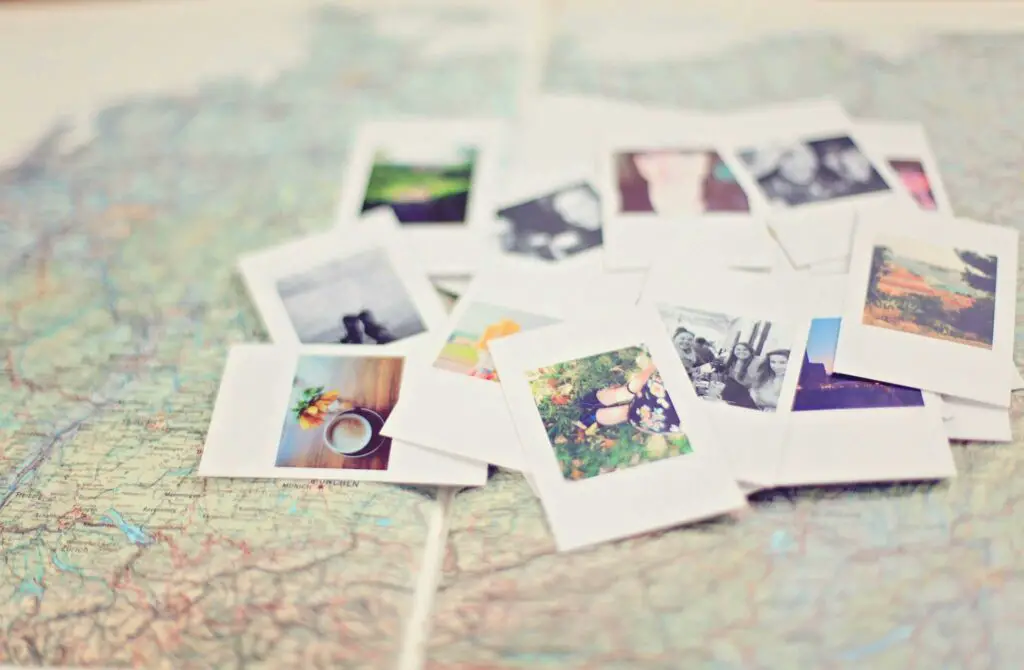
Before digital cameras and smartphones, developing photos required a trip to a local shop. You’d drop off a roll of film and wait, sometimes anxiously, to see how the pictures turned out. There was always a bit of suspense involved. It made the process feel more meaningful.
As digital photography became the norm, the need for film development disappeared almost entirely. Photo processing shops quickly became obsolete. Many closed within a relatively short period of time. What used to be a routine errand is now something people rarely think about.
12. TV Repair Shops

When televisions broke, replacing them wasn’t always the first option. Local repair shops specialized in fixing sets, often extending their life for years. You might bring your TV in or have someone come to your home to take a look. It was a common and practical service.
As electronics became cheaper and more disposable, repair became less economical. Many TV repair shops closed as demand declined. The shift changed how people think about appliances in general. Fixing something is no longer always the obvious choice.
13. Candy Shops

Neighborhood candy shops were a childhood staple for many people. You could walk in with a small amount of money and leave with a bag full of treats. The selection often included both popular brands and unique items you couldn’t find elsewhere. It felt like a small world of its own.
Over time, larger retailers and convenience stores absorbed much of that market. Dedicated candy shops became less common in everyday neighborhoods. Some still exist, often as specialty or tourist destinations. But the casual, walk-in-after-school experience has largely faded.
14. Travel Agencies

Planning a trip once meant sitting down with a travel agent who handled all the details. They booked flights, hotels, and sometimes even recommended destinations based on your preferences. It felt organized and reassuring, especially for complicated itineraries. The process was more hands-on.
With the rise of online booking platforms, many people began planning trips themselves. Travel agencies saw a sharp decline in demand and many closed. While some still operate for specialized travel, they are no longer a neighborhood staple. What used to feel essential is now optional.
15. Local Diners Owned by the Same Family for Decades
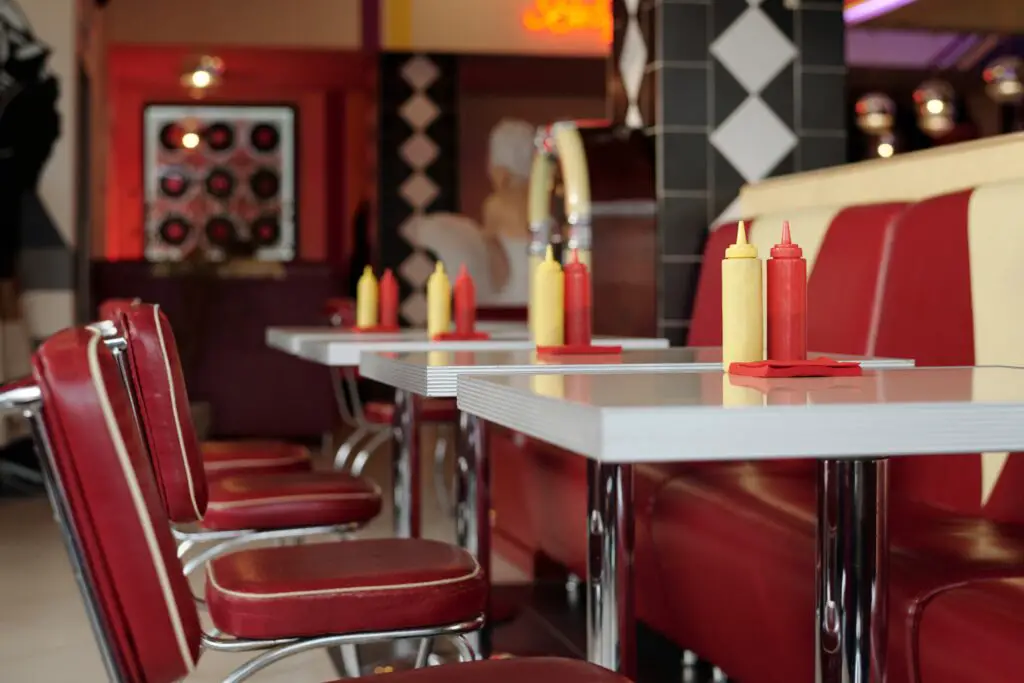
There was something comforting about a diner that had been run by the same family for years. The menu rarely changed, the staff recognized regulars, and the atmosphere felt consistent no matter when you walked in. It became part of people’s routines, not just a place to eat.
As larger restaurant chains expanded and economic pressures increased, many of these diners closed or changed ownership. Some still exist, but fewer than before. The sense of continuity they provided is harder to find now. For many, they represent a kind of stability that neighborhoods quietly lost.