
1. Creamed Chipped Beef on Toast
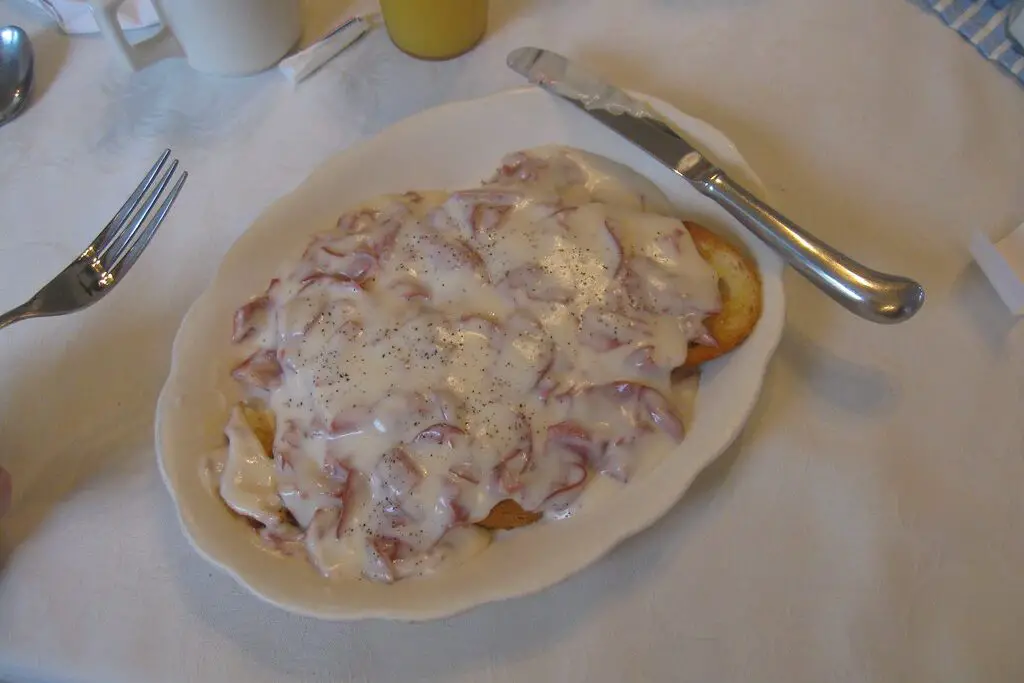
This was the kind of meal that felt filling even when the fridge was nearly empty. A small jar of dried beef could be stretched with milk and flour into something that covered the plate. It was warm, salty, and dependable, which mattered more than flavor during tight stretches. Many families leaned on it when fresh meat was out of reach.
It usually showed up at dinner, not breakfast, despite what diners would later suggest. Toast acted as the bulk, soaking up every bit of sauce. Kids often remember scraping the plate clean without really realizing why this meal kept appearing. It quietly disappeared once grocery budgets loosened.
2. Potato Pancakes Made From Leftovers

These weren’t the crisp restaurant version, but a practical way to reuse yesterday’s mashed potatoes. A little flour, maybe an egg if there was one, and suddenly dinner was back on the table. They fried up fast and filled the house with a familiar smell. It felt like a small victory to make something new out of nothing.
Families often served them plain or with applesauce if it was already in the pantry. Sour cream was a luxury and usually skipped. The goal was stretch and comfort, not presentation. Once lean years ended, these pancakes tended to fade away with them.
3. Cabbage and Noodles
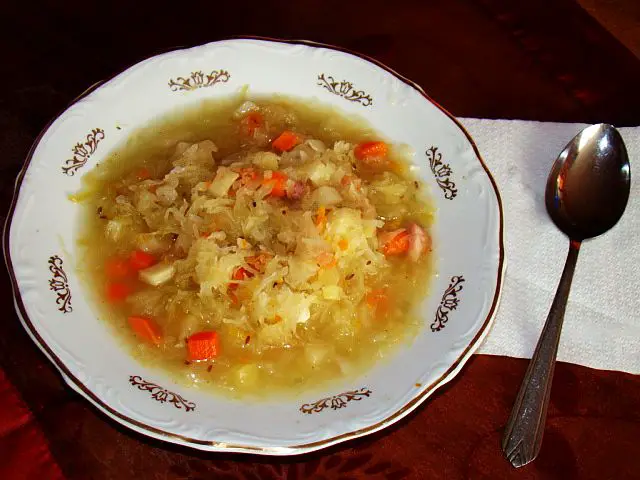
This dish leaned hard on two of the cheapest ingredients available. A head of cabbage could last several meals, especially when paired with noodles bought in bulk. Butter or oil was used sparingly, just enough to keep things from sticking. It was filling in a quiet, no fuss way.
Some families added onions if they had them, others did not. Meat was rarely involved and no one expected it to be. The meal showed up most often when paychecks were thin and time was tight. Later on, it became something people remembered more than recreated.
4. Milk Toast
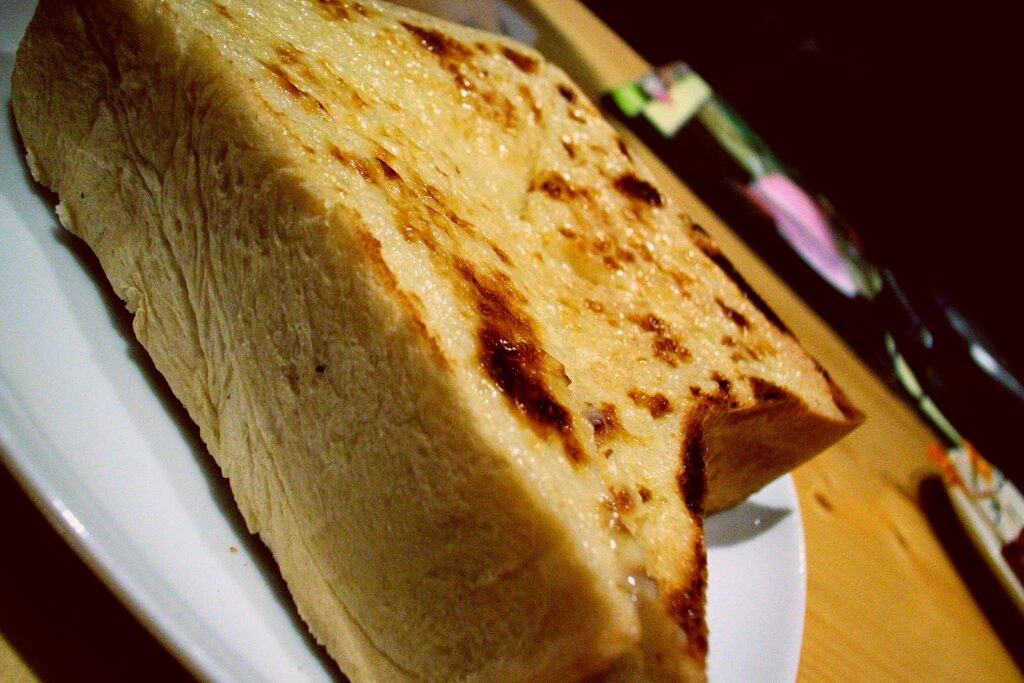
Milk toast usually appeared when money and energy were both low. It required almost no planning and used ingredients nearly every household had. Bread, milk, and maybe a little sugar or salt were all it took. It was soft, warm, and strangely comforting.
Adults often served it to kids who were sick or to everyone when groceries were running low. It never pretended to be exciting. Once families could afford fuller meals, milk toast quietly retired. It lingered mostly in memory and old family stories.
5. Beans on White Bread
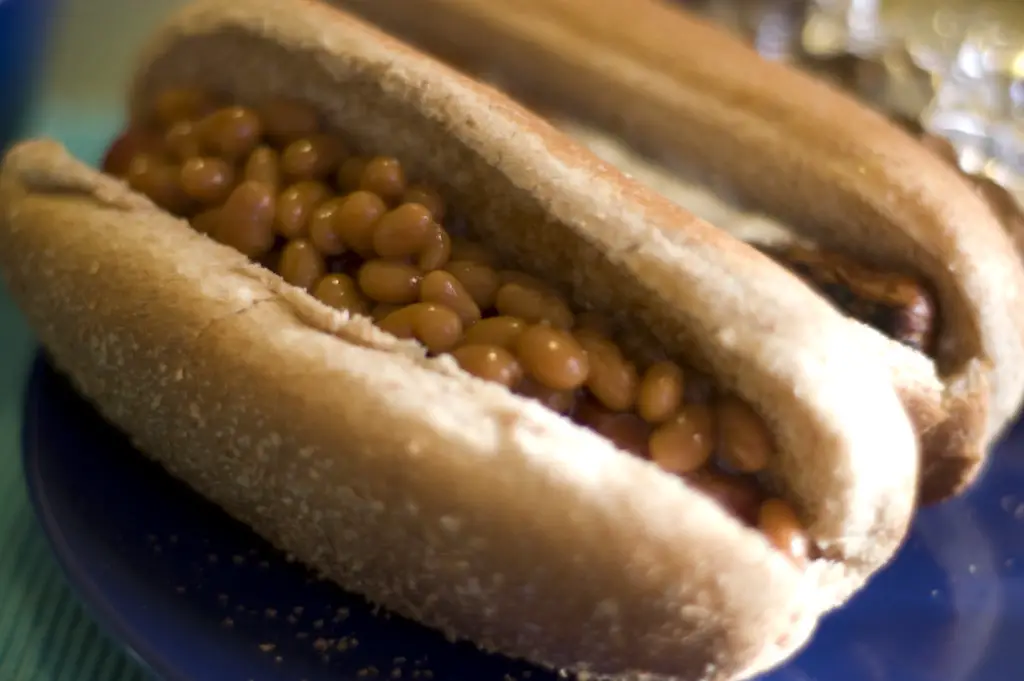
This was not the baked bean dish meant for cookouts. This was pure utility food, meant to fill stomachs cheaply. Canned beans went straight onto slices of bread, sometimes warmed and sometimes not. It was fast, inexpensive, and reliable.
Families turned to it when there was no room in the budget for meat. It stuck with you through the evening, which mattered more than taste. Kids often didn’t question it because it was just what dinner was. When finances improved, it rarely came back.
6. Rice With Gravy
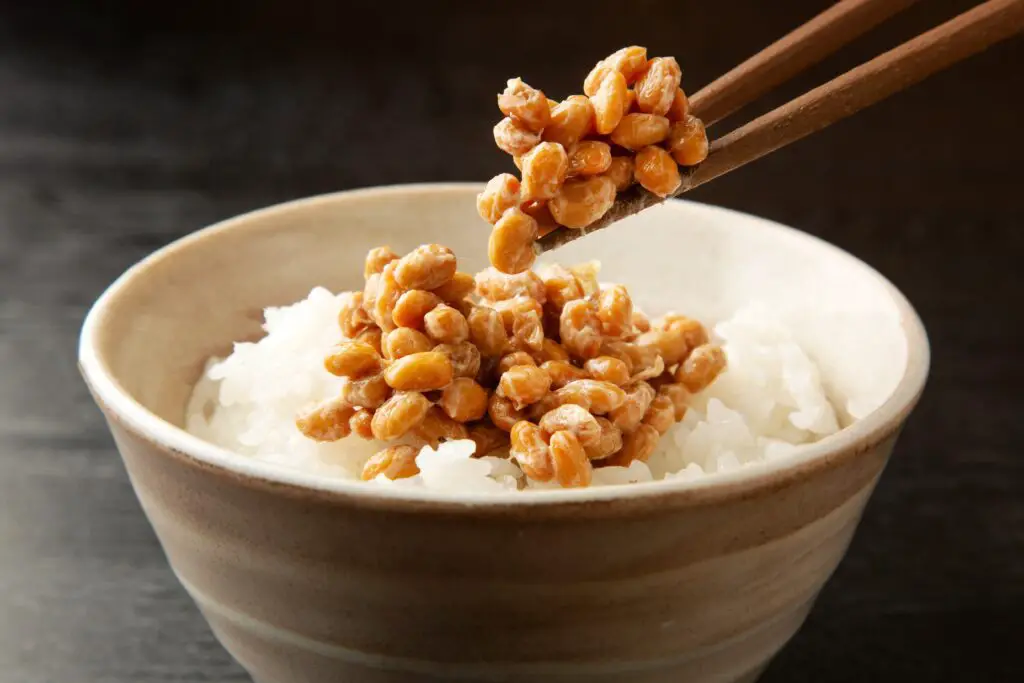
Rice acted as the great extender in many homes. A small amount of gravy could transform it into a meal that felt substantial. Sometimes the gravy came from drippings saved earlier in the week. Other times, it came from a packet stretched thin.
This dish usually showed up near the end of a pay cycle. It was warm and filling, even if it lacked variety. People remember it as plain but oddly comforting. Once meat and vegetables were easier to buy, rice and gravy became less common.
7. Tomato Sandwiches
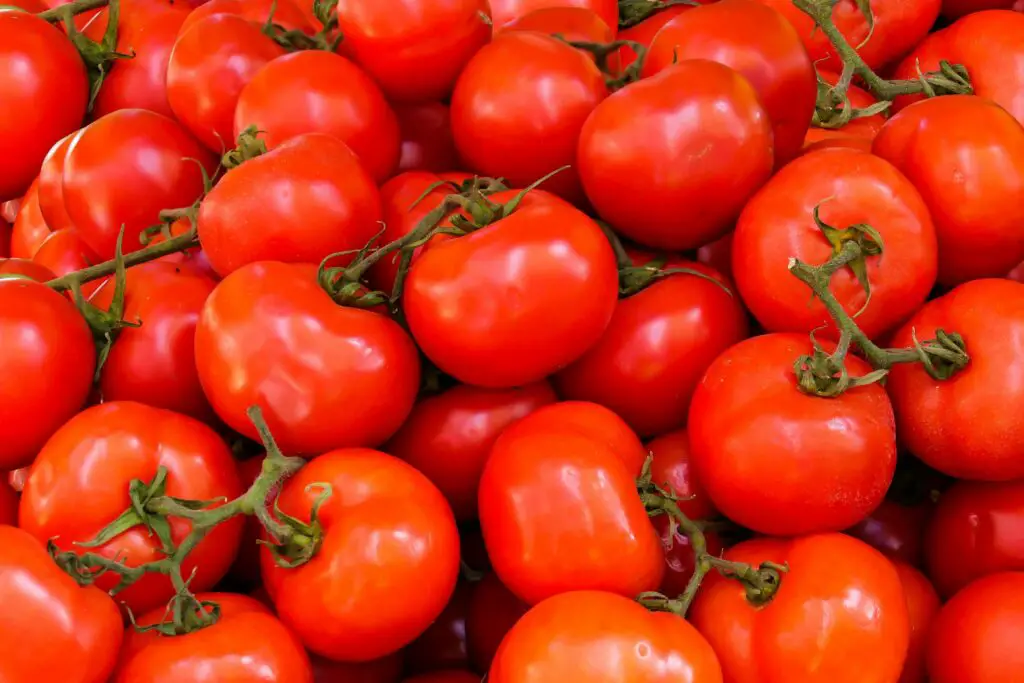
A couple of tomato slices between bread felt like a meal when options were limited. A little salt or mayonnaise went a long way. It relied on summer gardens or inexpensive produce. During lean years, simplicity mattered more than balance.
Families served these for lunch or dinner without much discussion. They were quick and required no cooking. Kids remember them as oddly satisfying despite how little was involved. As grocery choices expanded, tomato sandwiches slipped out of regular rotation.
8. Soup Made From Bones
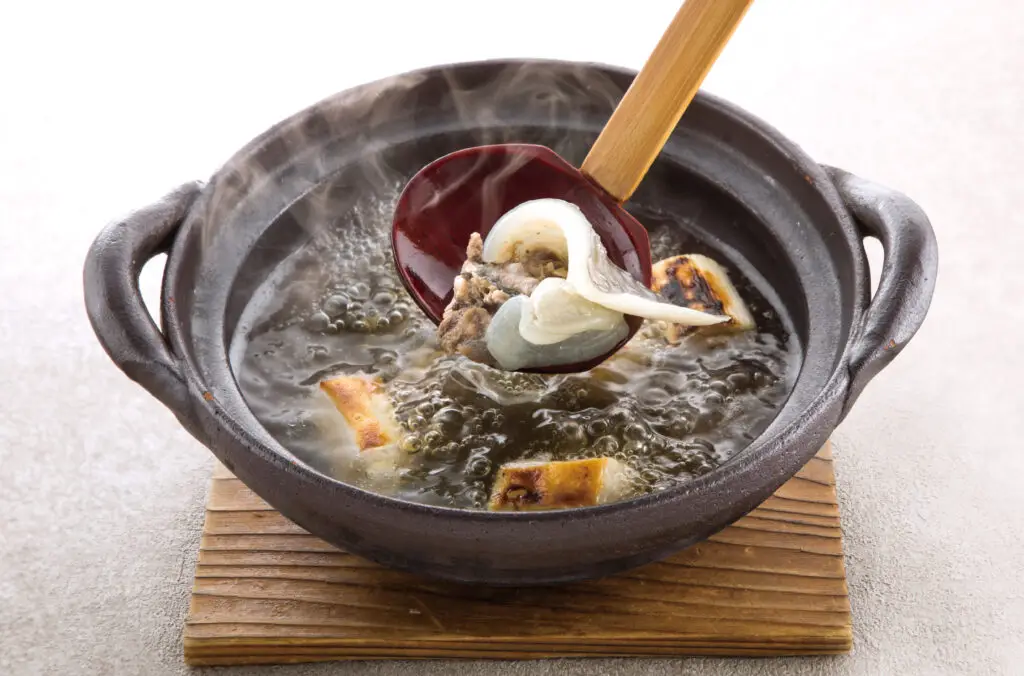
Nothing went to waste during tight times, especially not bones. Families saved them in the freezer until there were enough to make soup. Vegetables were added if available, otherwise it was mostly broth. The result was thin but nourishing.
This soup often simmered all afternoon. It made the house feel warmer and fuller than it actually was. Everyone knew it meant money was tight, but no one complained. When budgets improved, bone soup became an occasional habit instead of a necessity.
9. Macaroni With Stewed Tomatoes
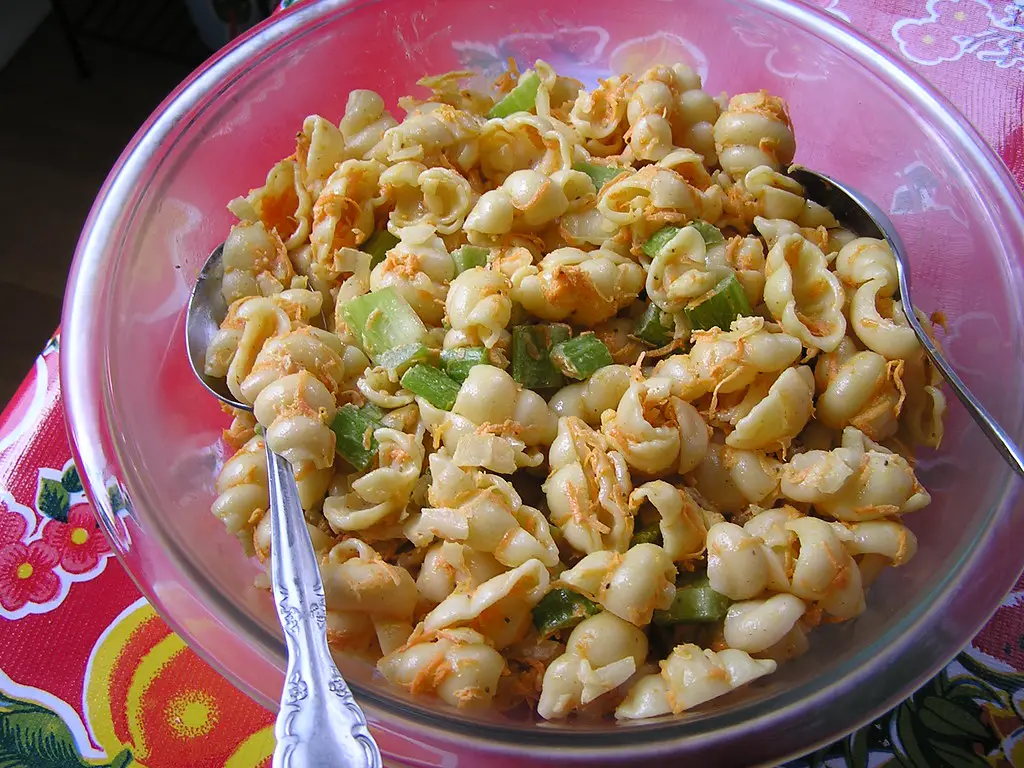
This dish relied on pantry staples and very little else. Pasta filled you up and tomatoes added just enough flavor. Butter or salt finished it off. It came together quickly on nights when there was nothing else planned.
Families leaned on it when grocery trips were overdue. It was not fancy, but it worked. Many people remember it as a red tinted bowl of comfort. Once meat sauces became affordable again, this version faded out.
10. Hot Dog Hash

A few hot dogs could stretch far when chopped and mixed with potatoes. Everything cooked together in one pan, saving effort and money. It was hearty and familiar. No one expected leftovers.
This meal showed up when meat was scarce but not entirely gone. Hot dogs felt like a treat even when used sparingly. Kids usually liked it, which helped. When lean years passed, hot dog hash became less common.
11. Cornbread and Milk

This was more of a meal than it sounded. Cornbread was cheap, filling, and easy to make from scratch. Milk turned it into something closer to dinner. It worked best when nothing else was available.
Families often served it without sides. It was quiet, filling food meant to get everyone through the night. Some people remember loving it, others less so. Either way, it was tied closely to leaner times.
12. Sugar Sandwiches

This was not about nutrition, but about getting calories fast. Bread, butter if available, and sugar did the job. It was cheap and required no cooking. During hard times, that mattered.
Kids often thought of it as a treat, not realizing why it appeared. Adults saw it as a stopgap. It disappeared quickly once groceries improved. Today, it feels almost shocking in its simplicity.
13. Eggless Pancakes

When eggs were too expensive or simply gone, families adapted. Pancake batter skipped the eggs and still worked well enough. Flour, milk, and a little baking powder carried the meal. Syrup was optional.
These pancakes were thinner and less rich. Still, they filled plates and stomachs. They often showed up toward the end of the month. Once eggs returned to the fridge regularly, eggless pancakes quietly vanished.