
1. Creamed Beef on Toast
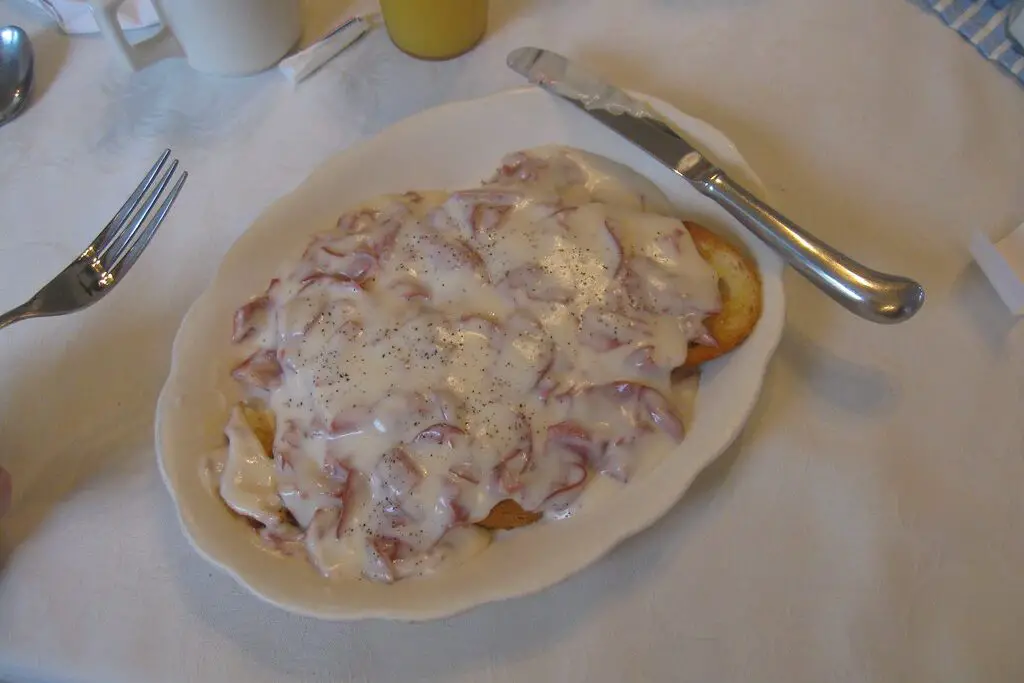
Often referred to by more colorful nicknames in military circles, this dish was the ultimate solution for a family with a near-empty kitchen. It typically began with a small amount of dried beef or ground meat that was stretched thin by a thick, homemade white gravy. By whisking flour and milk into the pan drippings, a savory sauce emerged that could satisfy several hungry appetites. This hearty mixture was then poured generously over toasted slices of plain white bread to add texture and bulk.
The beauty of this meal lay in its ability to transform a tiny bit of protein into a filling, warm dinner. It wasn’t flashy or particularly beautiful to look at, but it provided a sense of security when the grocery budget was stretched to its limit. Many children grew up eating this without realizing it was a “struggle meal” because the creamy sauce felt so indulgent. It remains a nostalgic touchstone for anyone who remembers the comforting smell of toasting bread and simmering milk on a rainy Tuesday.
2. Poor Man’s Stew
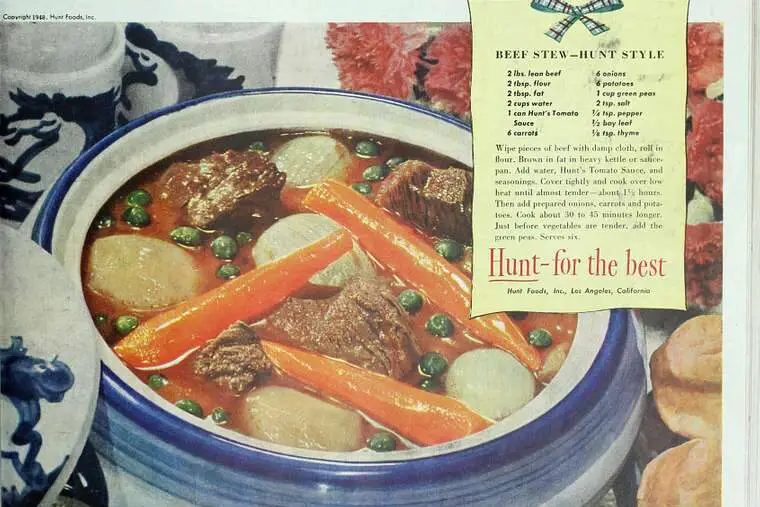
When the meat department was out of reach, Poor Man’s Stew relied on the humble hot dog and a few sturdy potatoes. This dish was a masterclass in improvisation, usually consisting of sliced franks simmered in a pot with whatever root vegetables were left in the bin. The broth was often nothing more than seasoned water or perhaps a single bouillon cube found at the bottom of a drawer. Everything cooked down together until the potatoes were soft enough to thicken the liquid naturally.
This meal was a quiet way for parents to ensure a hot, nutritious-feeling dinner reached the table without a trip to the store. The saltiness of the hot dogs infused the entire pot, making the potatoes taste far more flavorful than they would on their own. Families would often crowd around the table with bowls of this thin but warming soup, using crusts of bread to soak up every last drop. It was a testament to the fact that a little bit of heat and a lot of water could make a small amount of food go a long way.
3. Fried Bologna and Cabbage

Bologna wasn’t just for cold sandwiches; when the pantry was bare, it became the savory centerpiece of a hot dinner. Frying the bologna in a hot skillet caused the edges to curl up into little bowls, creating a charred, salty crust that mimicked more expensive cuts of meat. While the meat sizzled, a head of inexpensive cabbage would be shredded and tossed into the same pan to wilt. The cabbage soaked up the rendered fat, becoming sweet and tender as it caramelized against the pan.
This meal felt surprisingly complete and balanced despite costing only a few cents per serving. The contrast between the crunchy, salty meat and the soft, slightly sweet cabbage made it a genuine favorite for many. It was a quick fix that filled the kitchen with a sharp, savory aroma that signaled the day was finally winding down. For families on a budget, this was a reliable way to get a vegetable and a protein on the plate at the same time without any fuss.
4. Tomato Soup and Popcorn

On nights when the bread was stale and the crackers were long gone, popcorn stepped in as a creative substitute for croutons. A single can of condensed tomato soup would be stretched with water or a bit of milk to feed several children at once. While the soup simmered on the stove, a batch of plain popcorn was popped in a covered pot, filling the air with its distinctive toasty scent. The kernels were then dumped directly into the bowls of hot, bright red liquid right before serving.
The popcorn would stay crunchy for a few moments before softening into chewy, salty bites that added much-needed texture to the meal. It turned a simple soup into something that felt like a fun, intentional treat rather than a sign of a thinning cupboard. Parents often framed it as a “special snack dinner” to mask the reality of a lean week. It remains a surprisingly tasty combination that many people still crave when they need a simple, salty bit of childhood nostalgia.
5. Potato Pancakes
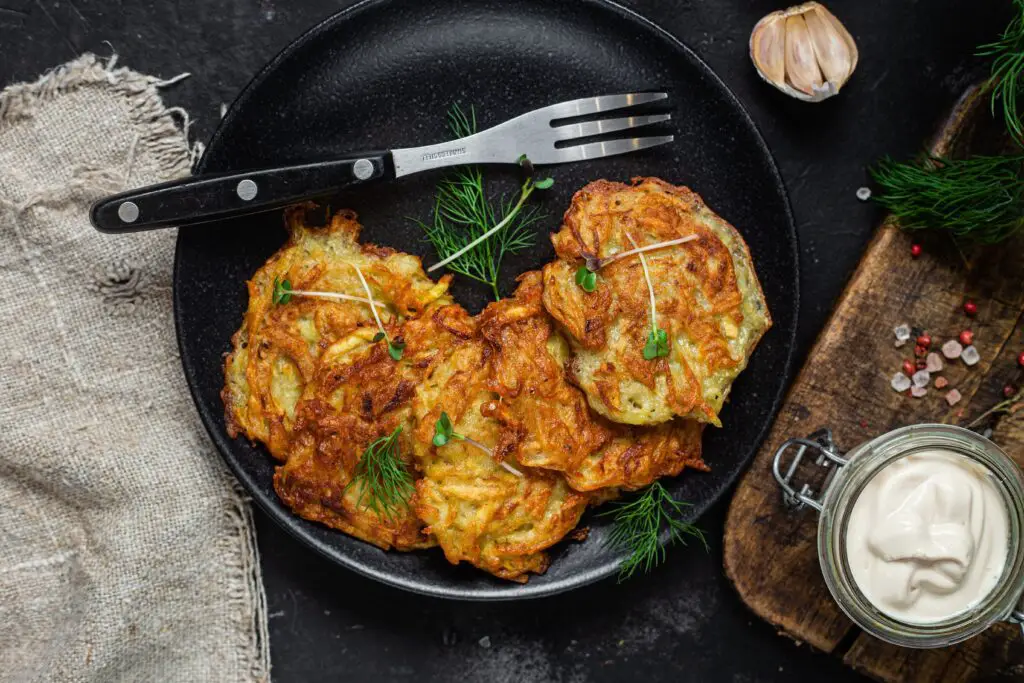
When all that remained in the vegetable bin were a few softening potatoes and a stray onion, potato pancakes became the main event. You’d grate the potatoes and the onion into a bowl, squeeze out the excess moisture, and bind them with a pinch of flour. These humble patties were then shallow-fried in a thin layer of oil until the edges became lacy and golden brown. They provided a satisfying crunch and a savory flavor that made everyone forget they were essentially just eating tubers.
These were the ultimate filler meal because potatoes are incredibly dense, cheap, and universally liked by kids. If there was a bit of applesauce or a lonely dollop of sour cream in the fridge, it felt like a feast. The smell of frying potatoes would fill the house, creating a sense of warmth and abundance even during the leanest times. It was a resourceful way to transform a basic root vegetable into a crisp, hot dinner that felt much more substantial than its ingredients suggested.
6. Buttered Noodles with Cabbage
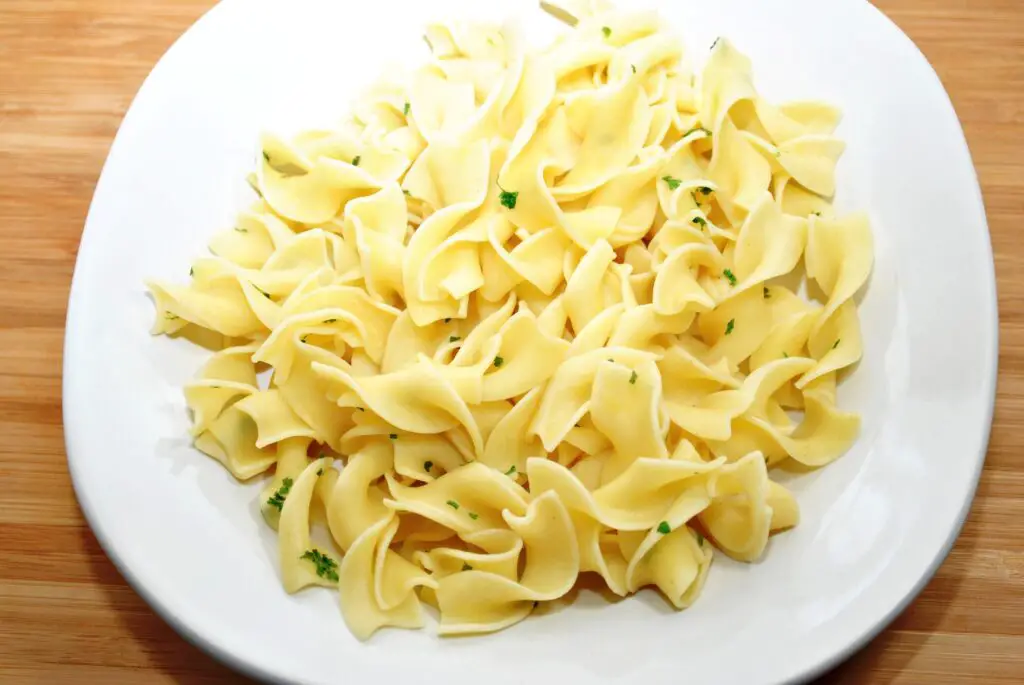
A box of macaroni or egg noodles and a head of cabbage could feed a large family for two days when money was tight. The cabbage was sliced thin and sautéed in a large pan with a generous pat of butter until it became sweet and translucent. Once the noodles were boiled, they were tossed into the pan to soak up the buttery, savory juices from the cabbage. A heavy hand with the black pepper was the secret to making this simple dish feel finished and sophisticated.
This meal was a staple in many households because both ingredients were shelf-stable and incredibly inexpensive. The cabbage added a necessary bulk and a boost of nutrients to the starchy pasta, making it a well-rounded survival dish. It was a quiet, unassuming dinner that relied on the magic of browning butter to create deep, complex flavors. Even today, many people cook this “pantry-clearer” as a comfort food because of its simple, satisfying heartiness.
7. Fried Cornmeal Mush
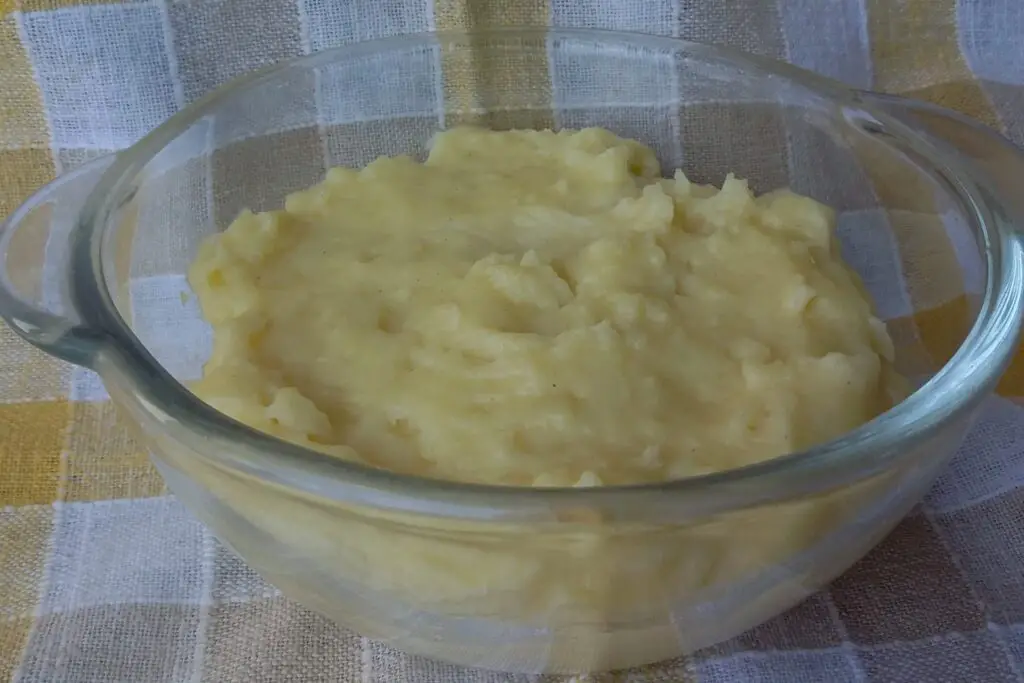
Cornmeal mush was a versatile staple that could be served as a hot cereal for breakfast or fried into slabs for dinner. It started as a simple porridge of cornmeal, water, and salt that was cooked until thick and then allowed to cool in a loaf pan. Once firm, the block of cornmeal was sliced into thick pieces and fried in a skillet until the outside was perfectly crispy. It was a brilliant way to make a few cents’ worth of grain feel like a substantial meal.
When served for dinner, these fried slabs were often topped with a bit of syrup or even a fried egg if the chickens were laying well. The contrast between the crunchy exterior and the soft, creamy middle made it a texture lover’s dream. It was a dish born of necessity that didn’t apologize for its simplicity, filling the stomach and providing lasting energy. Many grandparents still speak fondly of the rhythmic sound of the spatula flipping those golden squares on a cold evening.
8. Egg Drop Bread Soup
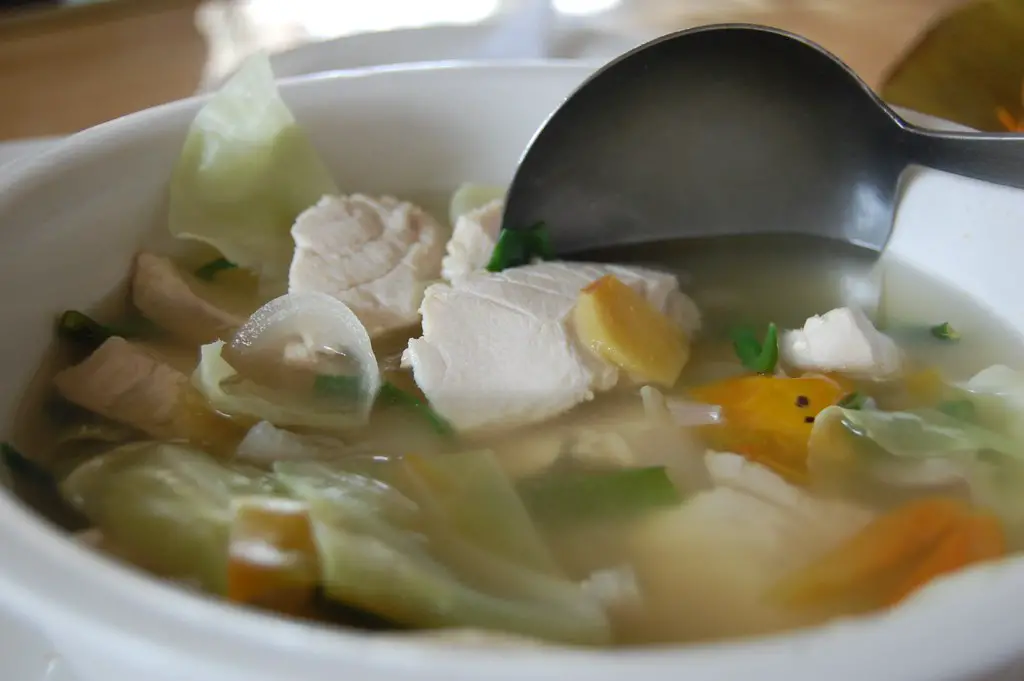
This dish was a resourceful way to use up a single egg and a few pieces of dry bread that were past their prime. A pot of water or basic broth was brought to a boil, and a beaten egg was slowly drizzled in to create delicate, wispy ribbons. To give the soup some body, toasted or fried cubes of old bread were dropped into the bowl at the very last second. It was a light, soothing meal that felt like a warm hug during a stressful week.
The bread would soak up the savory broth, turning into soft, dumpling-like bites that made the soup feel much more substantial. It was the kind of meal made by a parent who could look at an empty fridge and still find a way to feed their children. Because it used so few ingredients, the quality of the seasoning was everything, often relying on just a bit of salt and garden herbs. This soup was a testament to the power of a single egg to transform plain water into a nourishing dinner.
9. Onion and Potato Pie
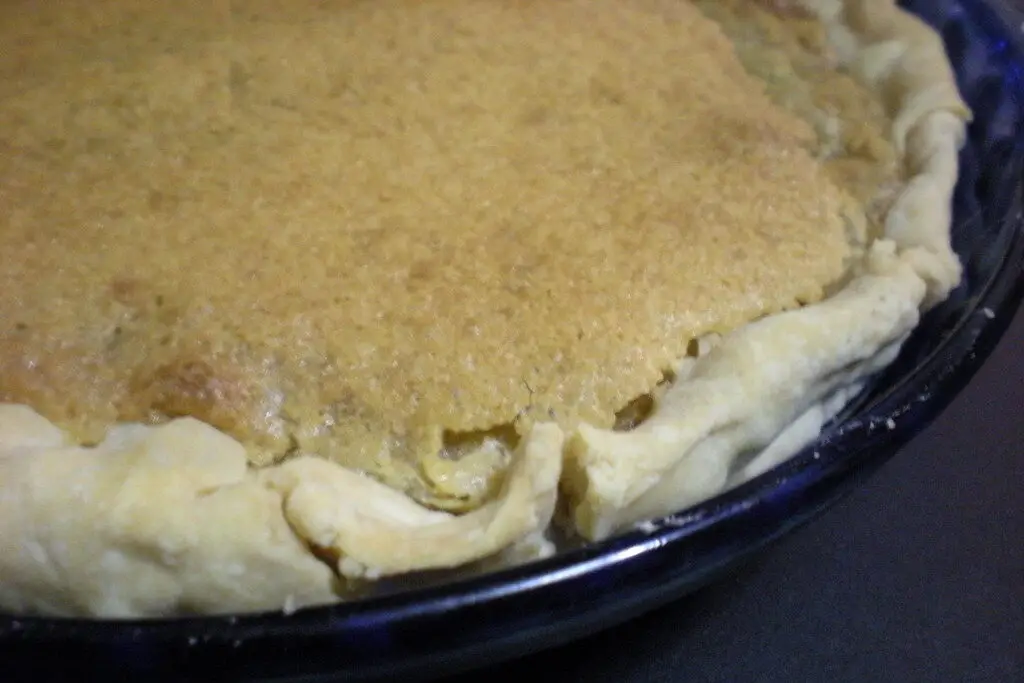
When the pantry was down to its last survivors, a simple onion and potato pie often made an appearance on the dinner table. This wasn’t a pie with a traditional crust, but rather layers of thinly sliced potatoes and onions baked together in a greased dish. If there was a splash of milk or a sprinkle of cheese available, it was added to create a bit of a creamy sauce between the layers. The top was baked until the potato edges turned brown and crispy, providing a wonderful textural contrast.
This dish relied on the natural sugars in the onions to caramelize and flavor the mild potatoes as they roasted. It was a dense, filling meal that could be sliced into wedges and served to a large group for very little cost. The kitchen would fill with the sweet, pungent aroma of roasting onions, making the house feel cozy and well-fed. It proved that you didn’t need meat to create a savory, mouth-watering center-of-the-table dish.
10. Rice and Raisins
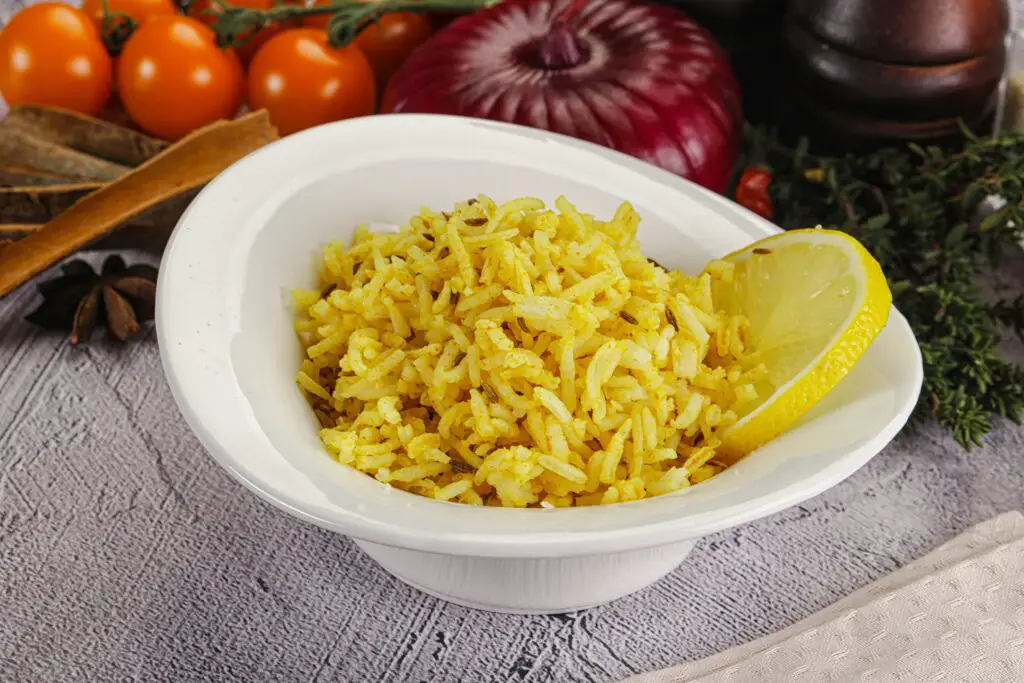
In some households, when the savory options were gone, a sweet-leaning rice dish served as a comforting dinner substitute. White rice was boiled until soft and then mixed with a handful of raisins, a bit of sugar, and whatever milk was left. It was essentially a simplified rice pudding, but it served as a primary meal when the cupboards offered nothing else. The raisins provided little bursts of sweetness and a bit of iron, making the rice feel less monotonous.
Eating this for dinner was often seen as a treat by children, who didn’t realize it was a result of a bare pantry. It was warm, easy to digest, and utilized items that could sit in the back of a cupboard for months without spoiling. The dish provided a quick energy boost and a sense of fullness that lasted through the night. It remains a classic example of how families used sugar and spice to make basic grains feel like a special occasion.
11. Fried Salt Pork and Gravy
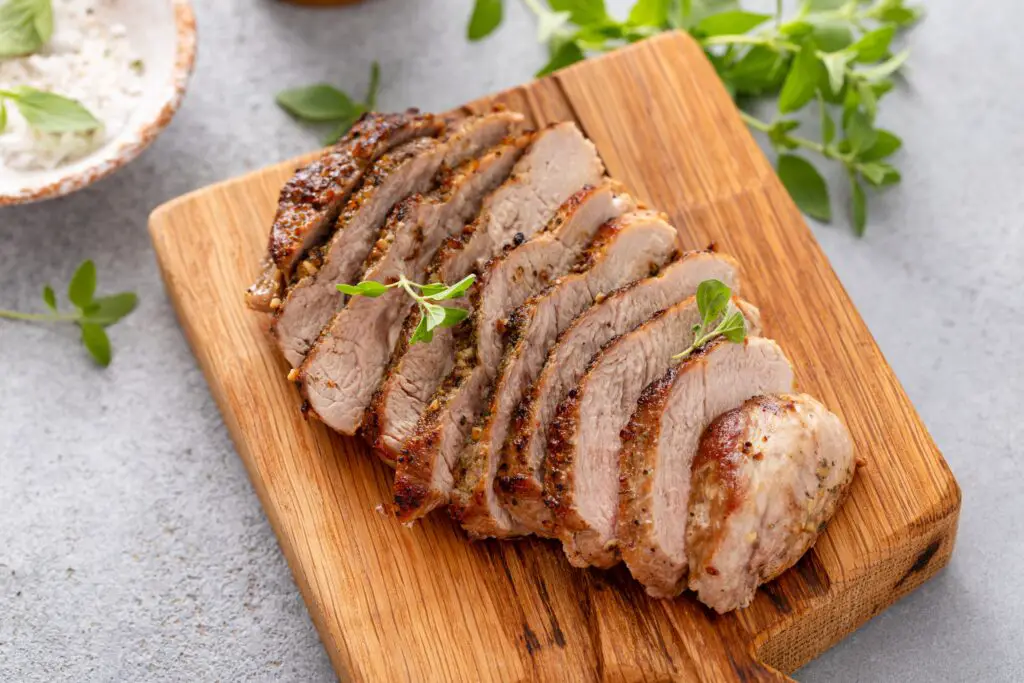
Salt pork was a long-lasting pantry staple that could survive without refrigeration for quite some time, making it a reliable backup. It was sliced thin and fried in a heavy skillet until it was crispy, much like bacon but with a much higher salt content. The rendered fat left behind in the pan was far too valuable to waste, so it was used to create a “sawmill” gravy. This salty, white sauce was then served over the meat or a pile of boiled potatoes.
The intense saltiness of the pork meant that a very small amount could flavor a massive serving of potatoes or bread. It was a rugged, traditional meal that sustained families through winter months when fresh groceries were impossible to find. The gravy served as a bridge, stretching the flavor of the meat across the entire plate so everyone felt they had a fair share. While it was a meal of survival, the smoky, salty aroma it produced was undeniably appetizing.
12. Baked Beans and Sliced Weiners
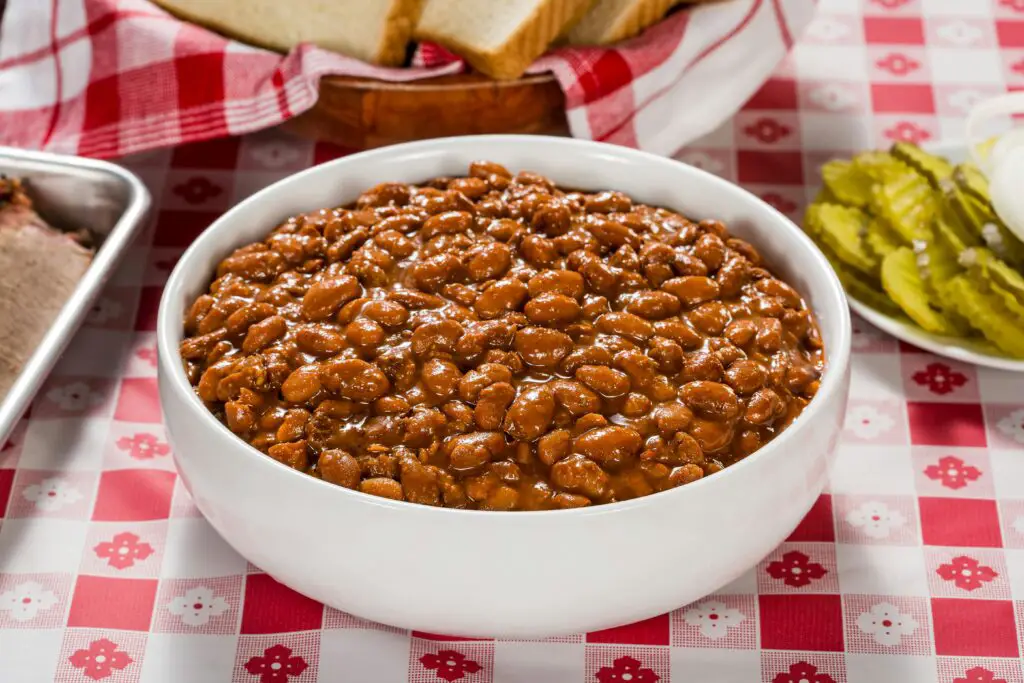
A can of beans and a few hot dogs were the quintessential “day before payday” meal for many families. The beans were poured into a small pot or baking dish, and the hot dogs were sliced into “coins” and stirred in. A bit of mustard, molasses, or ketchup was often added to the mix to deepen the flavor as it simmered on the stove. It was a sweet and savory combination that provided plenty of protein and fiber for very little money.
This meal was popular because it required almost no prep time and used items that most people kept on hand for emergencies. The beans were thick and filling, while the hot dogs added a meaty texture that satisfied the craving for a “real” dinner. It was the kind of meal that tasted even better the next day if there happened to be any leftovers. Kids usually loved it because of the sweetness, and parents loved it because it was a guaranteed empty-plate night.
13. Salmon Patties from a Can
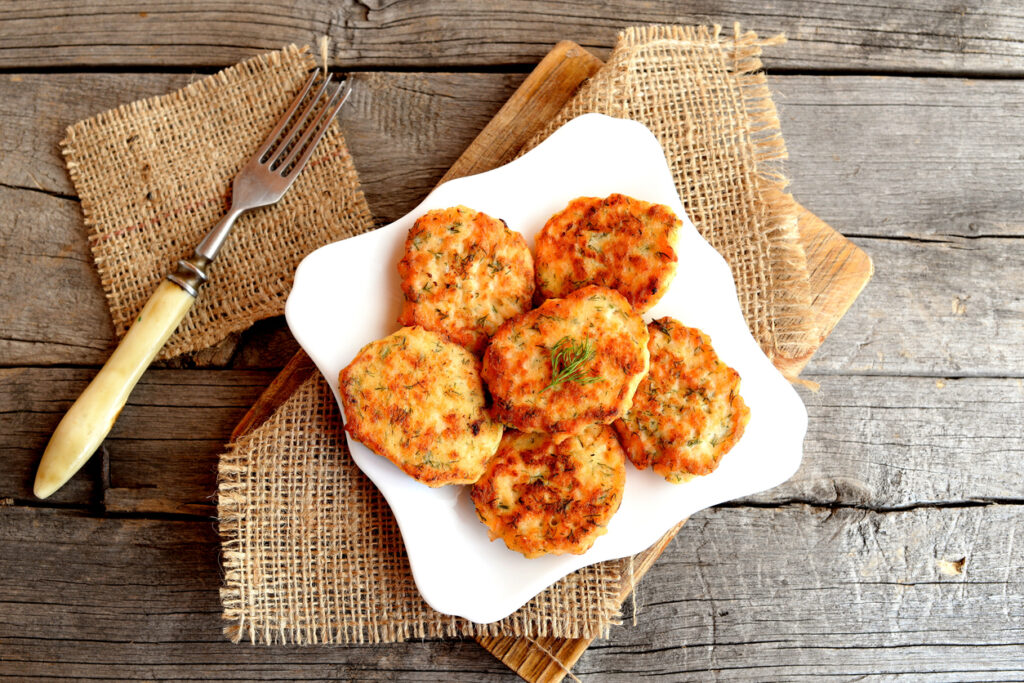
In many coastal or rural areas, a can of pink salmon was the emergency protein stashed in the back of the pantry. When the fresh meat ran out, that can was opened, drained, and mixed with crushed saltine crackers and a single egg. These were formed into small cakes and fried in a skillet until they had a golden, crispy crust on both sides. They were a sophisticated-feeling alternative to the usual starch-heavy struggle meals.
The patties were often served with a simple side of peas or more boiled potatoes to round out the plate. Because the salmon was already cooked in the can, the frying process was just about getting that perfect, crunchy exterior. It was a way to bring a taste of the sea to the table even when the bank account was nearly empty. These little cakes have remained a favorite comfort food for many, long after the need for them passed.
14. Fried Flour Tortillas or Dough
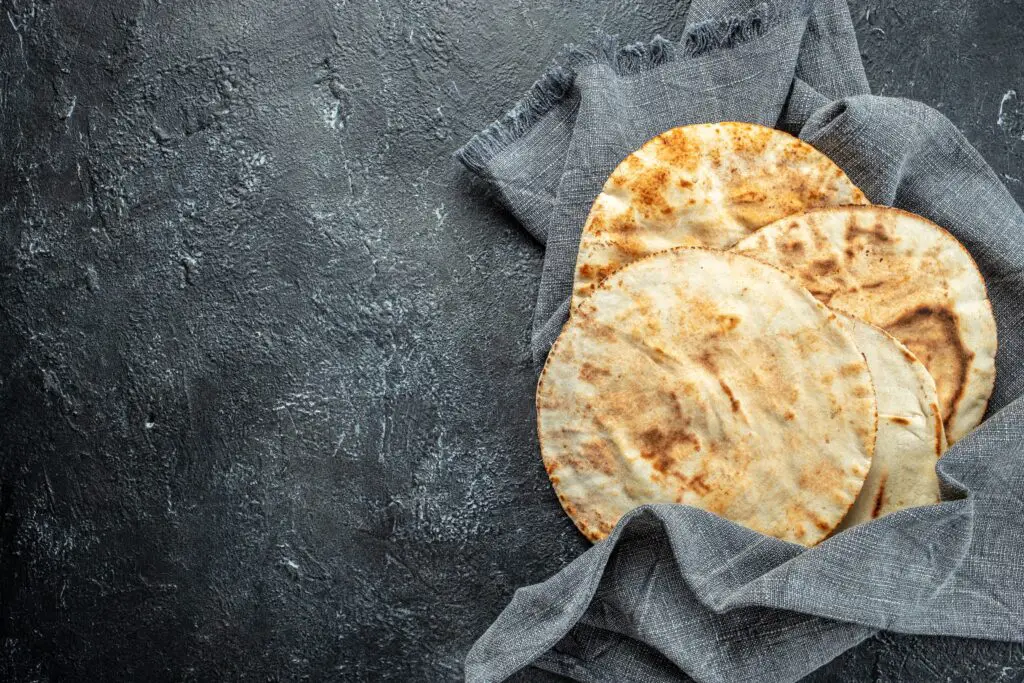
When the bread box was empty but the flour canister was full, mothers would whip up a simple dough of flour, water, and salt. This dough was rolled thin and fried in a hot pan with a little bit of lard or oil until it puffed up and browned. These “fry breads” or makeshift tortillas were the ultimate vessel for whatever scraps might be left in the fridge. Sometimes they were eaten plain, and other times they were topped with a sprinkle of sugar or a smear of lard.
This was a primal, satisfying meal that relied on the most basic elements of cooking: flour and fire. The warm, chewy bread provided an immediate sense of fullness and was surprisingly addictive despite its simplicity. It was a skill passed down through generations, ensuring that no matter how empty the pantry was, there would always be bread on the table. It stands as a final symbol of the creativity and resilience of families making the most of what they had.