
1. Hot Dogs and Beans
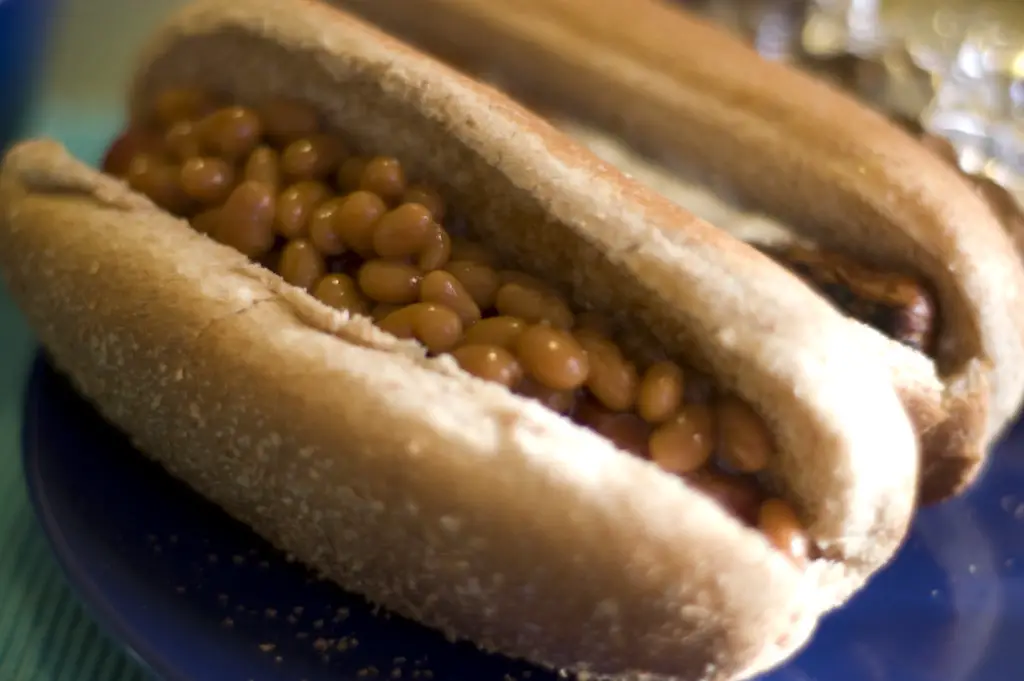
This meal showed up when the grocery money was running low and everyone knew it. A pack of hot dogs and a couple cans of baked beans could feed a whole family without much planning. Parents liked it because it was filling and cheap, and kids liked it because hot dogs felt like a treat. Sometimes the hot dogs were sliced right into the beans to stretch everything further. It usually came with white bread instead of buns because that was already in the pantry. No one pretended it was fancy, but it did the job.
It was also one of those meals where leftovers didn’t exist. Everyone scraped their plates clean because seconds weren’t guaranteed. The smell alone could tell you what kind of week it had been. Even so, it became oddly comforting over time. Years later, people remember it with a mix of nostalgia and relief.
2. Fried Bologna Sandwiches
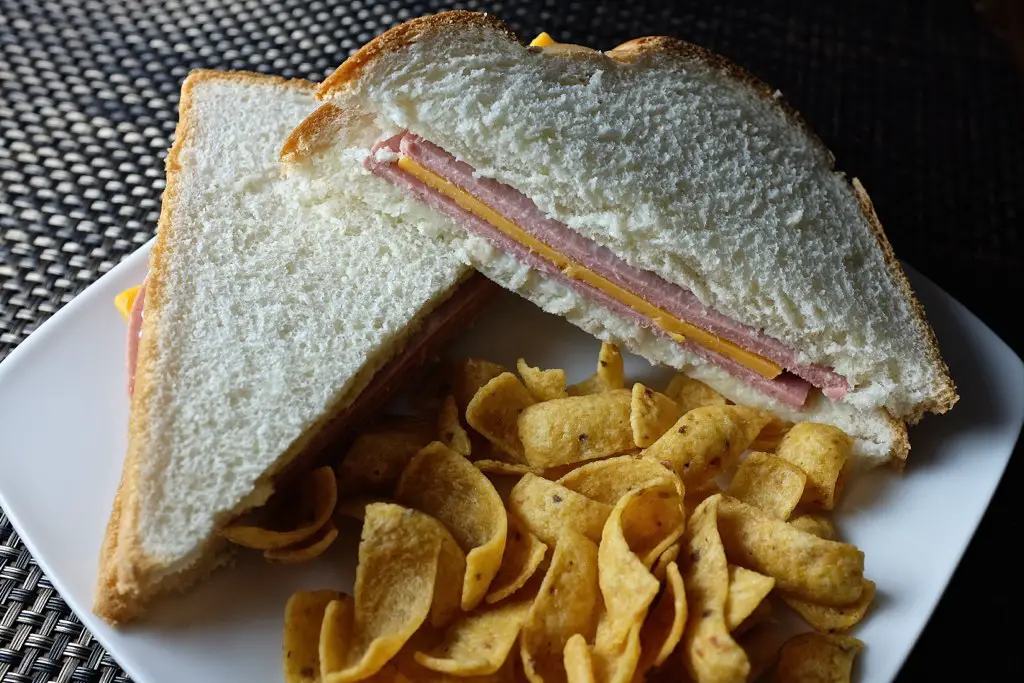
Fried bologna was what happened when lunch meat had to double as dinner. Thick slices were thrown into a pan until the edges curled and the smell filled the kitchen. It was usually served on white bread with mustard, nothing else needed. The frying made it feel more substantial than a cold sandwich. Parents sold it as something special, even if everyone knew better.
It often came with chips or whatever canned vegetable was left. Cleanup was easy, which mattered on stressful days. Kids sometimes loved it, sometimes groaned, depending on how often it had shown up lately. Looking back, it’s remembered as pure survival food. Still, plenty of people secretly crave it now.
3. Egg Noodles with Butter
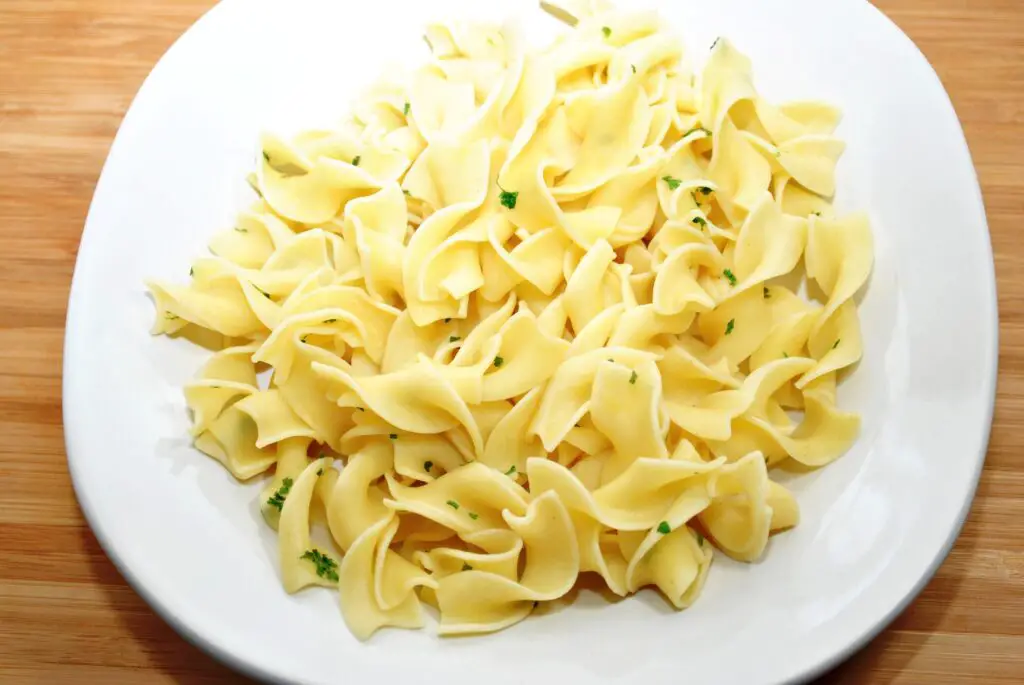
This was the ultimate bare-bones dinner, especially near the end of the week. Egg noodles were cheap, filling, and cooked fast. Butter and salt were usually the only toppings, though pepper made an appearance if it was handy. It felt plain, but it filled bellies quickly. Parents liked that no one argued too much about eating it.
Sometimes it came with a piece of bread just to add volume. It wasn’t exciting, but it was warm and comforting. The simplicity made it easy to remember. Many families quietly relied on this meal more than once a month. It’s one of those dishes people don’t talk about, but never forget.
4. Rice with Gravy

Rice with gravy showed up when the fridge was nearly empty. The rice stretched whatever sauce or drippings were left from earlier meals. Sometimes it was canned gravy, sometimes homemade from scraps. It felt hearty even when the portions were small. Parents framed it as filling and practical, which it was.
This meal often came with nothing else on the plate. The goal was simply to quiet hungry stomachs. It wasn’t something guests ever saw. Over time, it became a quiet family staple. Even now, some people find it oddly comforting.
5. Tuna and Peas
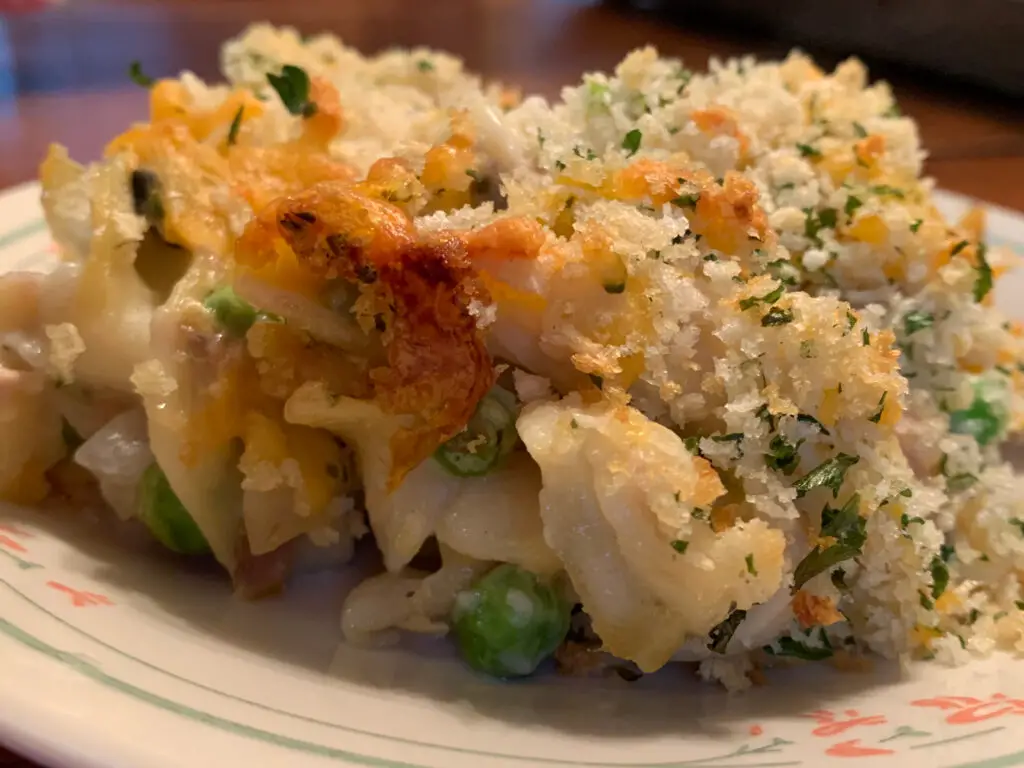
This dish was usually born out of pantry desperation. A can of tuna and a can of peas could turn into a full meal fast. Sometimes it was mixed with pasta, sometimes just eaten as-is. Mayo or butter tied it together. It was protein-heavy and cheap, which mattered a lot.
Kids had mixed feelings about it. Parents insisted it was healthy, which made it harder to complain. It usually appeared on nights when no one felt like cooking much. The smell alone signaled a tight week. Still, it fed everyone without breaking the budget.
6. Grilled Cheese and Tomato Soup
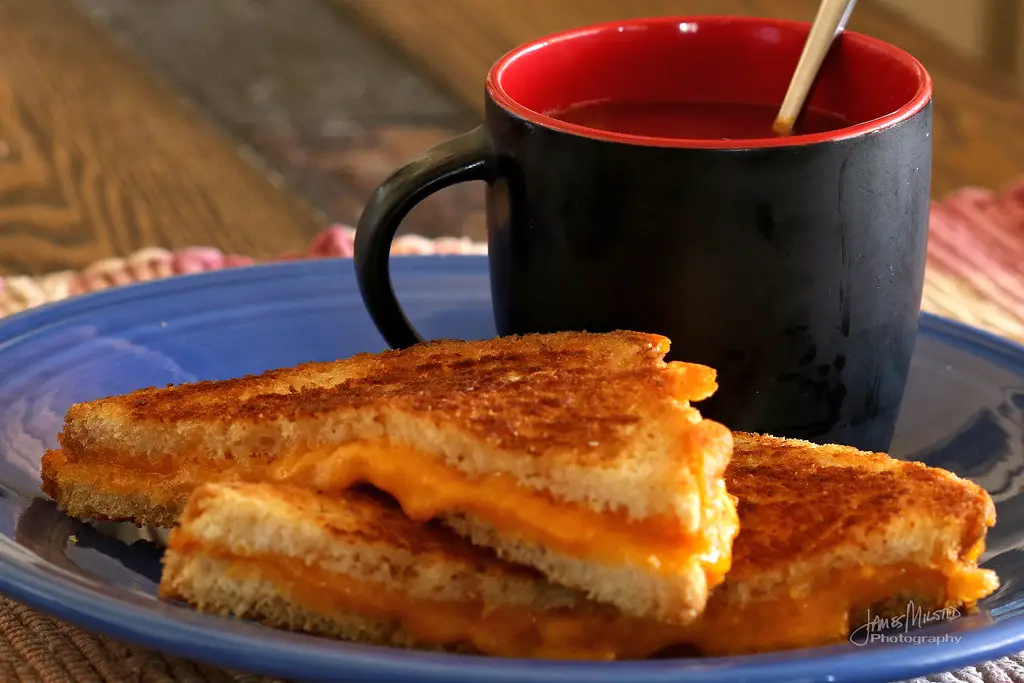
This combo felt almost like a treat, but it often showed up when money was tight. Bread, cheese, and canned soup were affordable staples. The grilled cheese filled you up fast, especially if it was cut into triangles. Tomato soup made everything feel warmer and more complete. It worked for lunch or dinner without much fuss.
Families leaned on this meal during cold months. It didn’t require many ingredients or planning. Everyone usually agreed to eat it without arguing. It felt comforting even during stressful times. Looking back, it’s remembered more fondly than it probably should be.
7. Potatoes and Onions
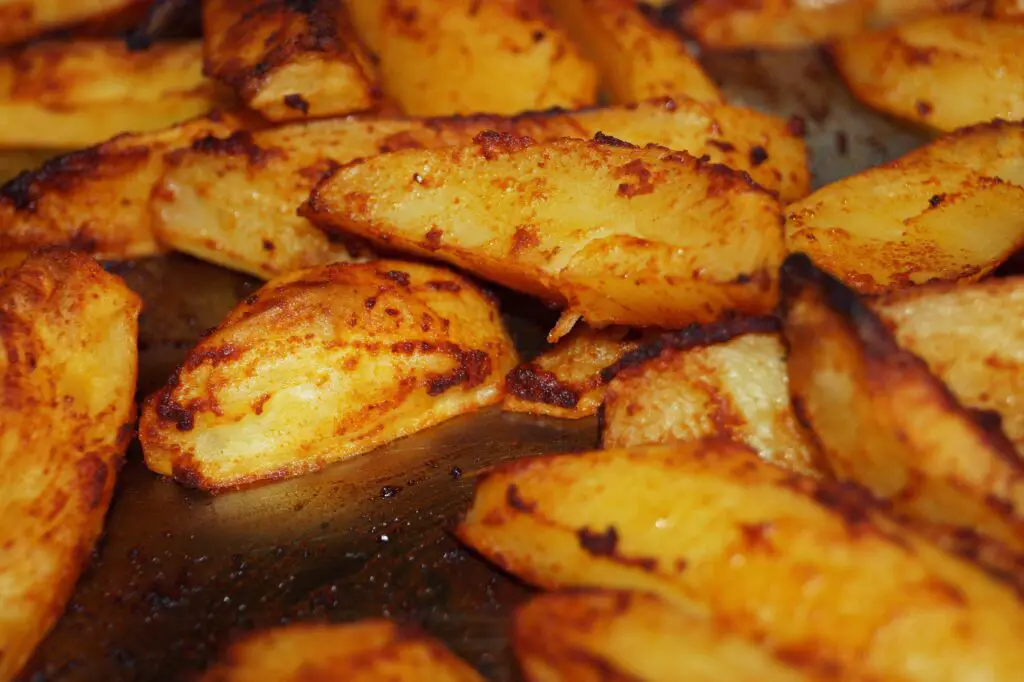
Potatoes and onions were cheap and always available. They were sliced, fried, or baked depending on energy levels. A little oil and salt went a long way. This meal filled the kitchen with a familiar smell. It felt hearty even when portions were small.
Sometimes it was served with eggs, sometimes on its own. It wasn’t glamorous, but it worked. Kids knew it meant the grocery run was overdue. Parents appreciated how far a bag of potatoes could stretch. Years later, it’s remembered as humble but satisfying.
8. Ramen with Extras
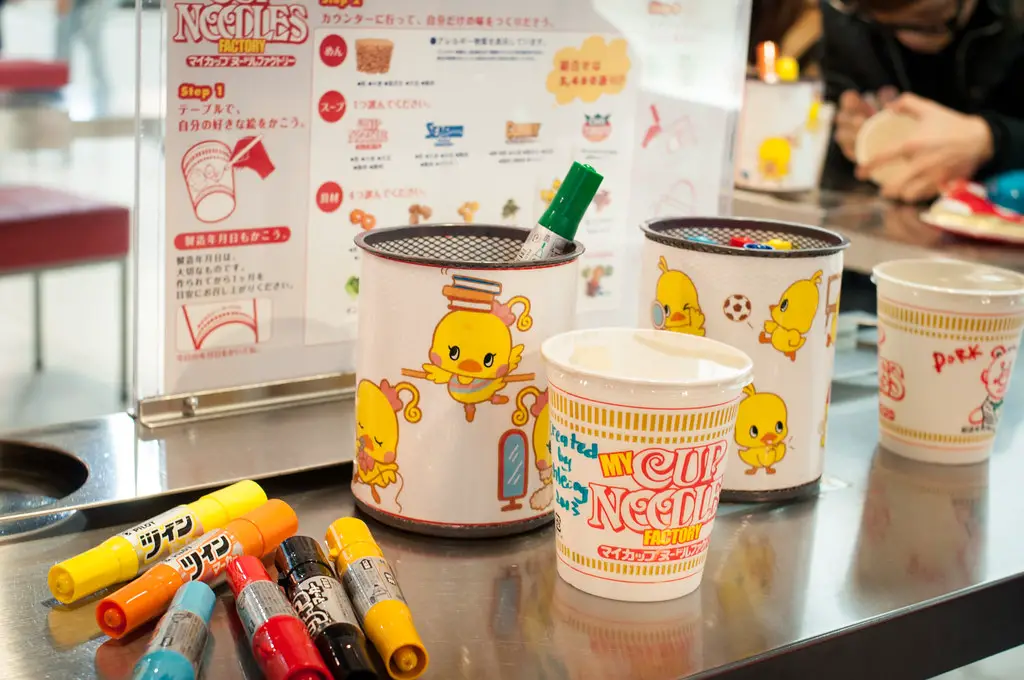
Ramen noodles were the ultimate stretch meal. One packet could be split or bulked up with eggs or vegetables. The seasoning packet did most of the work. It was fast, cheap, and filling. Parents liked how little effort it took.
Kids often loved it more than expected. It didn’t feel like a sacrifice meal to them. It showed up a lot during rough weeks. Over time, it became a staple rather than a last resort. Many people still keep it on hand today.
9. Creamed Chipped Beef on Toast
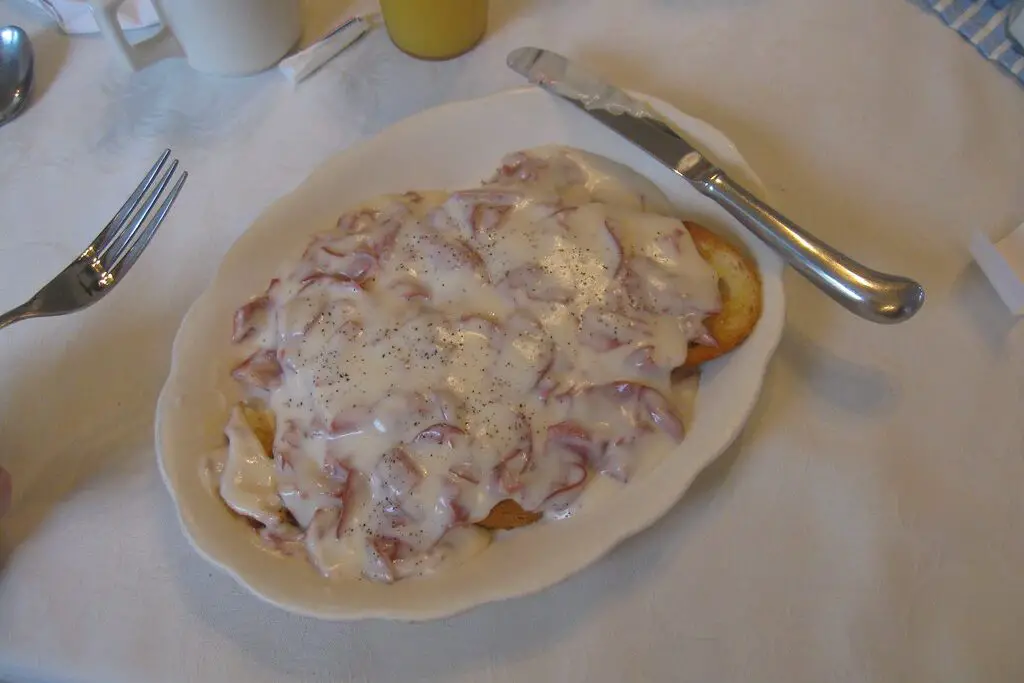
This meal felt old-fashioned even back then. Dried beef and white sauce stretched easily over toast. It was filling and used inexpensive ingredients. Parents often leaned on it when funds were low. Kids didn’t always love it, but they ate it.
It was usually served with nothing else. Cleanup was minimal, which mattered. The texture and saltiness made it memorable. It showed up more often than families liked to admit. Today, it’s mostly remembered as a sign of lean times.
10. Pancakes for Dinner
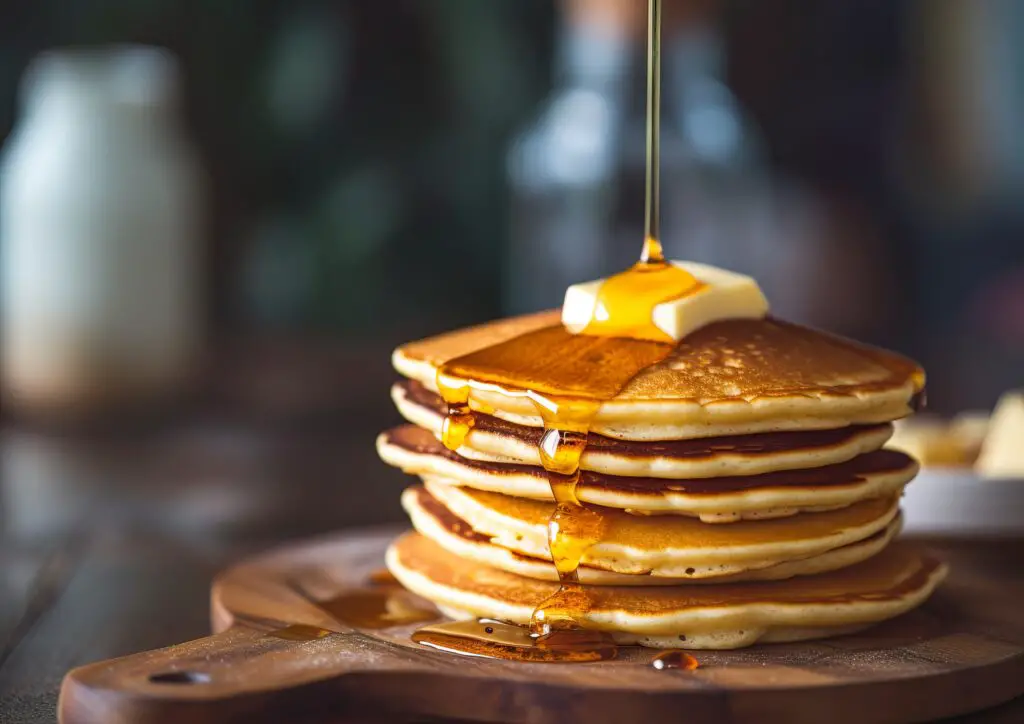
Breakfast-for-dinner nights often meant money was tight. Pancake mix was cheap and filling. Syrup made it feel special, even if it was rationed. Parents framed it as fun instead of frugal. Kids were usually on board immediately.
Sometimes eggs or bacon were skipped entirely. The goal was just to get everyone fed. It didn’t require a grocery run. Pancakes filled stomachs quickly. Looking back, many people remember these nights fondly.
11. Macaroni with Milk and Butter
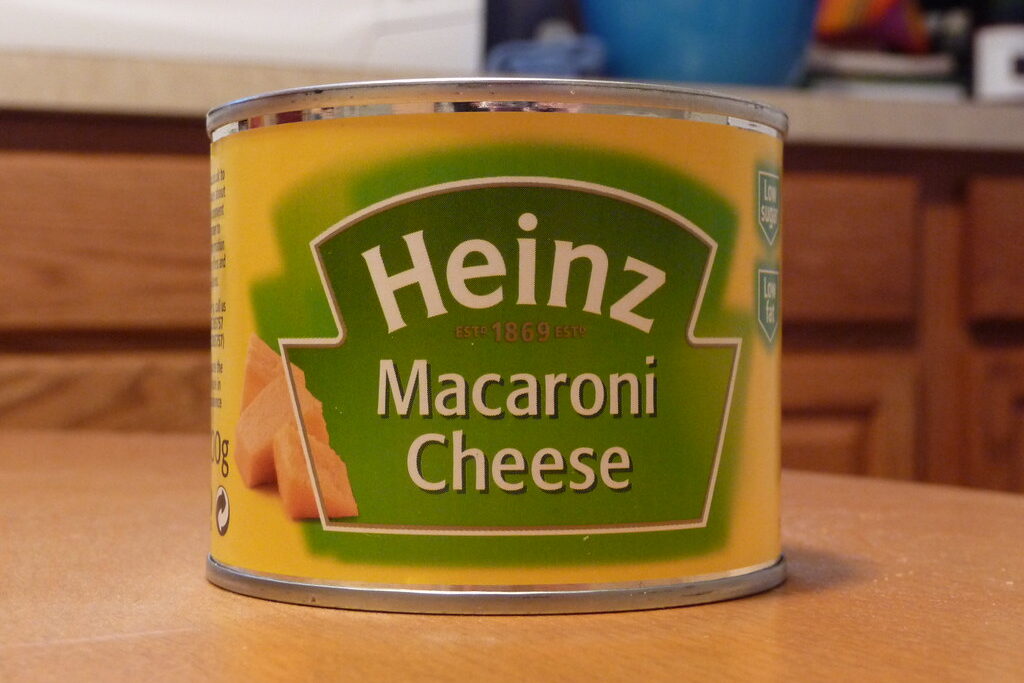
This wasn’t boxed mac and cheese, but something simpler. Plain macaroni was mixed with milk and butter. Salt and pepper were usually the only seasoning. It was creamy without needing cheese. Parents liked how cheap it was.
Kids accepted it, even if it wasn’t exciting. It filled bowls fast and disappeared quickly. This meal often appeared at the end of the month. It wasn’t advertised as a struggle meal. But everyone knew what it meant.
12. Soup Made from Leftovers
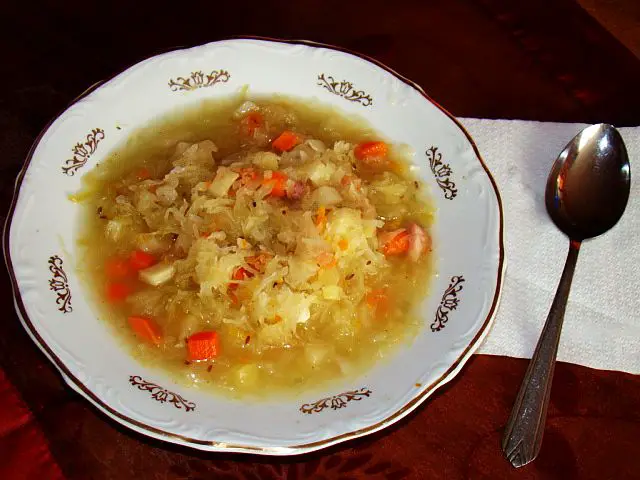
Leftover soup was a quiet act of survival. Bits of meat, vegetables, and broth were combined into one pot. Nothing went to waste. It changed every time it was made. Parents sold it as resourceful cooking.
The flavor depended on what was left. Sometimes it was great, sometimes questionable. Kids learned to be flexible. It fed everyone without spending extra money. It became a household tradition without ever being named.
13. Peanut Butter Sandwiches
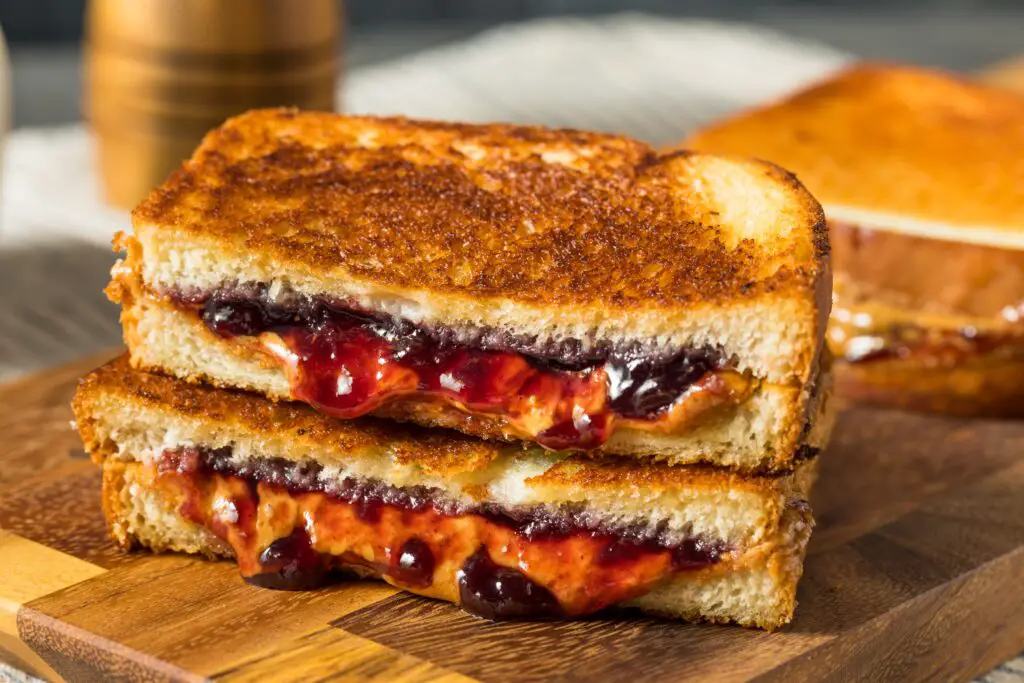
Peanut butter sandwiches weren’t just for lunch. They showed up at dinner when groceries were low. Paired with milk, they felt complete enough. Parents relied on them because kids rarely refused. It was quick and required no cooking.
Sometimes jelly was skipped to make it last longer. It wasn’t exciting, but it worked. No one complained too loudly. It became a quiet safety net. Many people still turn to it in tough weeks.
14. Cabbage and Sausage
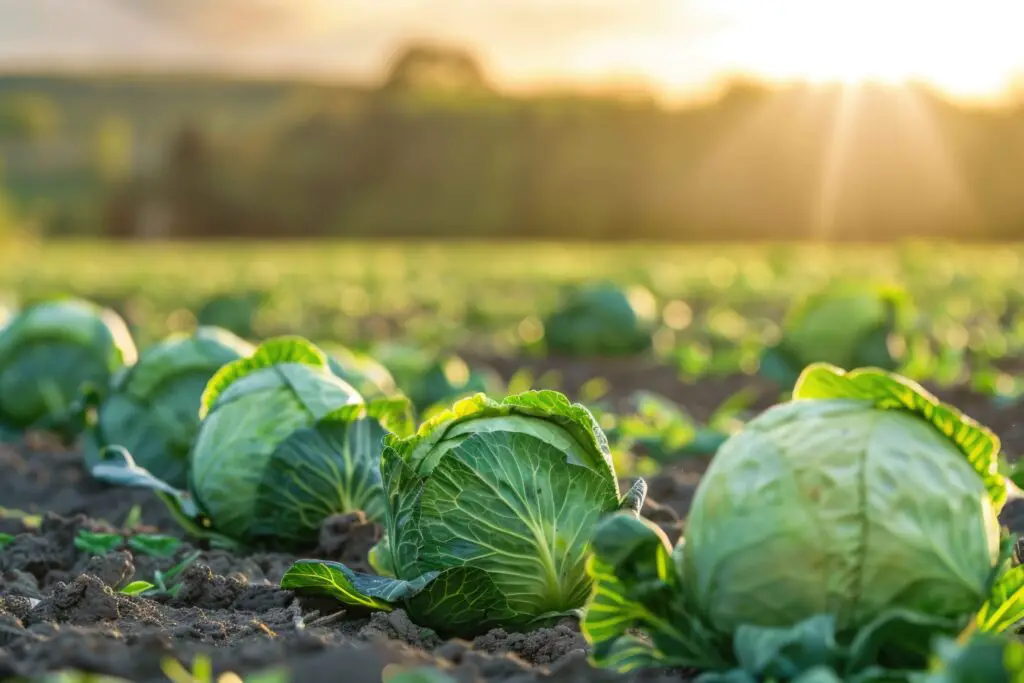
Cabbage and sausage stretched a small amount of meat a long way. The cabbage filled plates without costing much. Everything cooked together in one pan. The smell lingered for hours. Parents liked how filling it was.
Kids weren’t always thrilled, but they ate it. It showed up during especially tight weeks. Leftovers were common and expected. It was hearty and practical. Years later, it’s remembered as a true budget meal.
15. Milk Toast
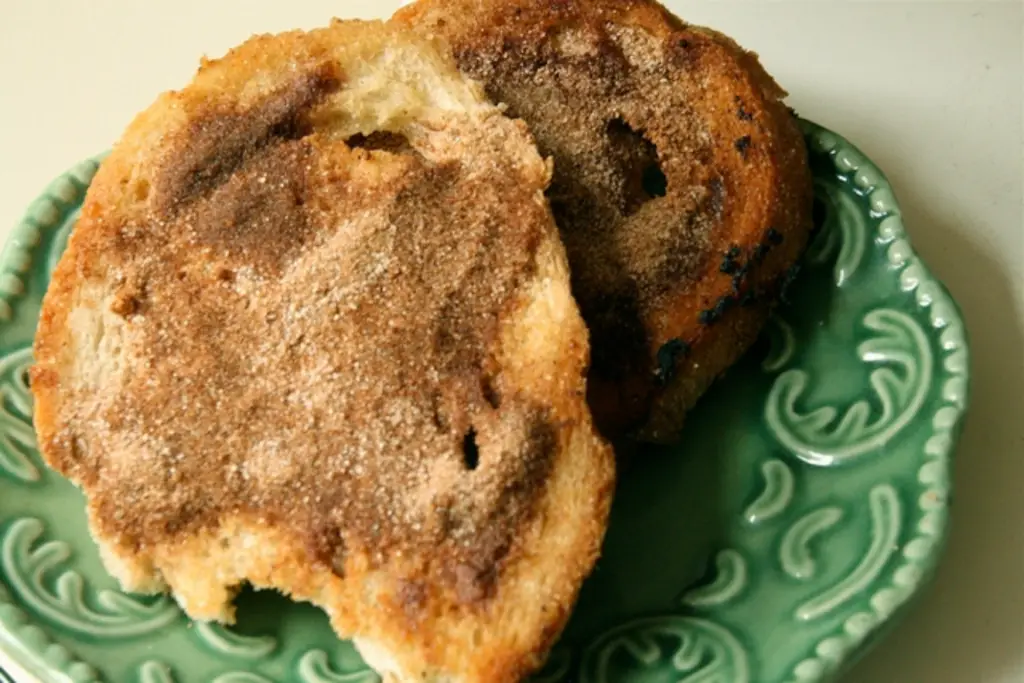
Milk toast showed up when there was almost nothing left to cook. Slices of bread were soaked in warm milk and lightly buttered. Sometimes a little sugar or salt was added, depending on taste. It was soft, bland, and filling enough to quiet hunger. Parents often framed it as comforting food. Kids usually ate it without much excitement.
It worked because the ingredients were always around. No stove skills were really required. It felt old-fashioned even at the time. This was a meal no one talked about outside the house. But it quietly got families through lean nights.
16. Biscuits with Gravy Made from Scraps
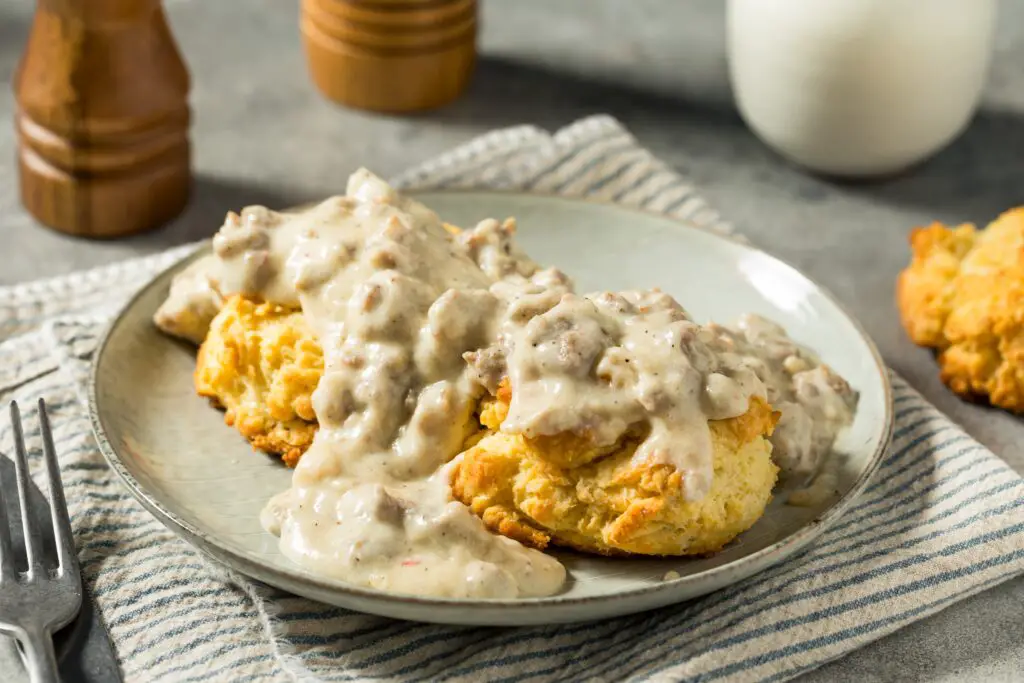
This wasn’t restaurant-style gravy, it was whatever could be pulled together. A little fat, flour, and milk became gravy fast. Biscuits were often homemade because they were cheaper. The gravy stretched everything and made the meal feel heavier. Parents relied on it when meat was scarce.
Sometimes there were tiny bits of sausage, sometimes none at all. Kids filled up quickly on the bread and sauce. Plates were usually wiped clean. It was warm, filling, and practical. Everyone knew it meant money was tight.
17. Cornmeal Mush or Fried Mush
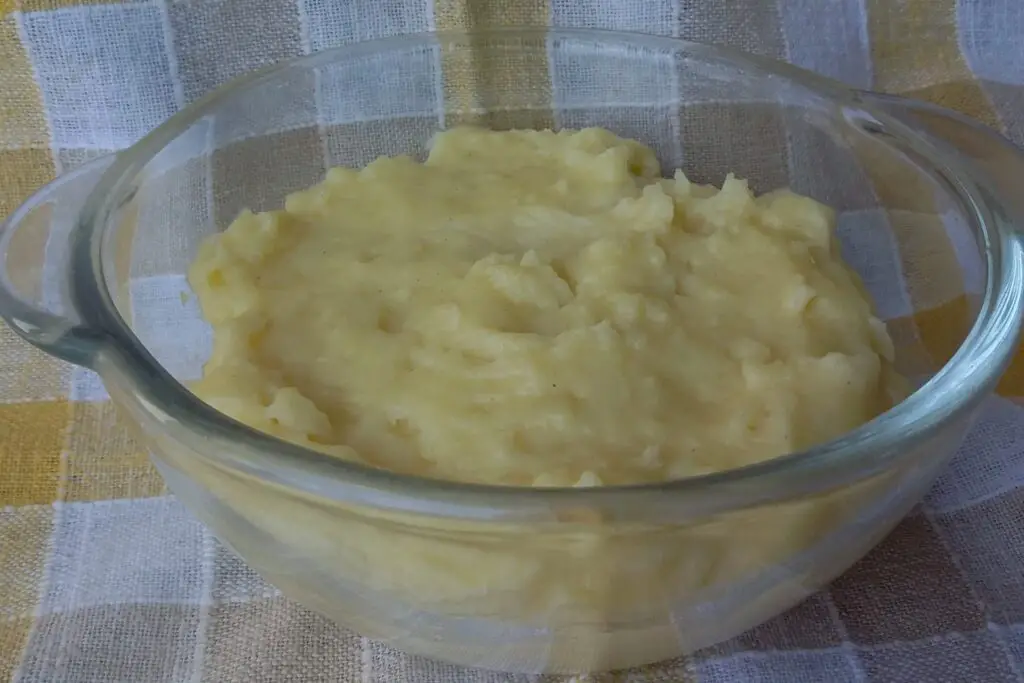
Cornmeal mush was one of those meals passed down quietly. Cornmeal and water cooked into a thick porridge. It was cheap, filling, and lasted a long time. Sometimes it was eaten soft, sometimes chilled and fried. Butter or syrup made it easier to swallow.
Kids had mixed opinions about it. Parents liked how far a bag of cornmeal could stretch. It often showed up at dinner instead of breakfast. This was survival food at its most basic. Many people remember it more by texture than taste.
18. Stuffed Bell Peppers Without Meat
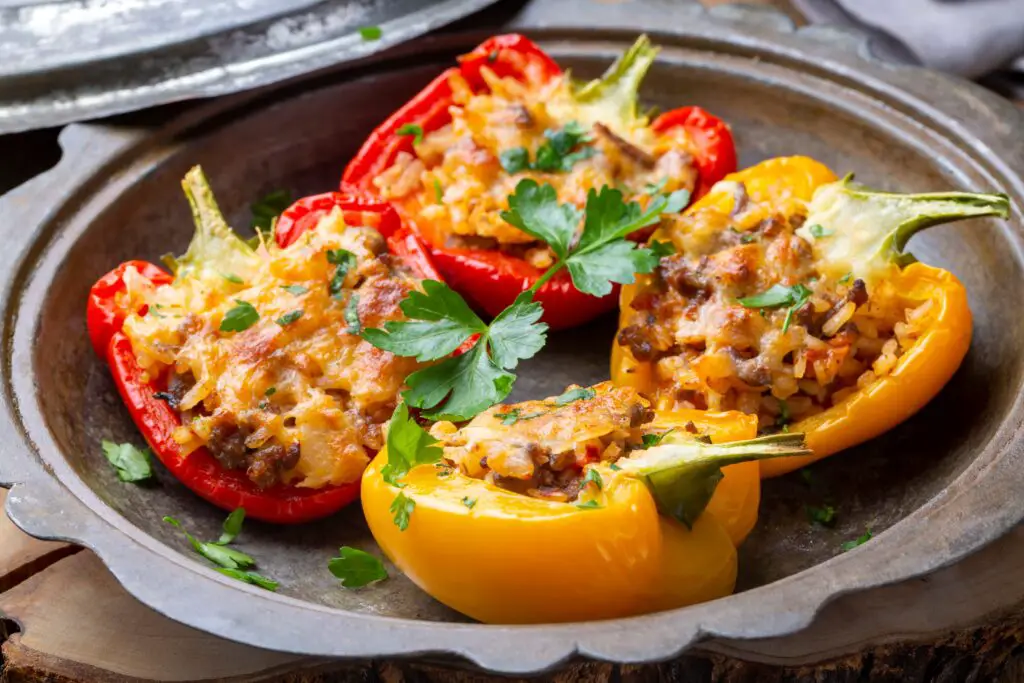
Stuffed peppers didn’t always include meat. Rice, breadcrumbs, and sauce did most of the work. The peppers made it feel like a proper dinner. Parents liked that it looked more complete than it was. It baked slowly and filled the house with smell.
Kids sometimes picked at it, sometimes ate it all. The filling stretched ingredients across multiple servings. It was a clever way to hide a tight grocery week. No one called it budget cooking out loud. But everyone understood.
19. White Rice with Soy Sauce
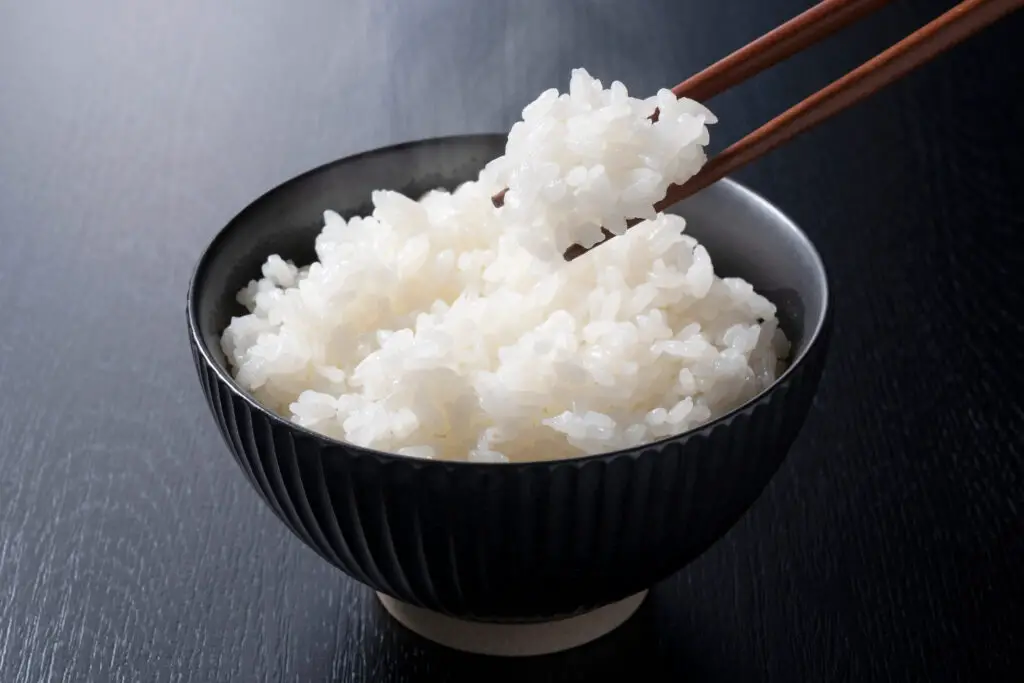
This meal appeared when the pantry was nearly bare. White rice was filling and cheap. Soy sauce added flavor without effort. Sometimes butter or margarine was mixed in. It came together fast with almost no prep.
There was rarely anything else on the plate. Parents leaned on it because it worked. Kids ate it because they had to. It wasn’t exciting, but it filled stomachs. Even now, people remember exactly how it tasted.