
1. The Picturephone
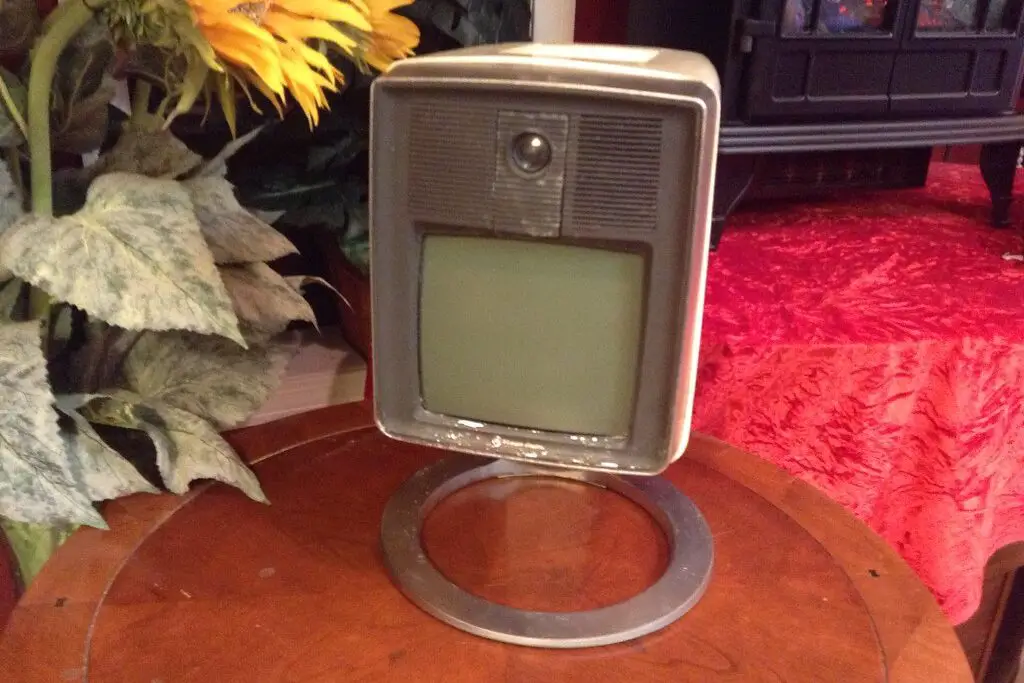
When the Picturephone debuted at the 1964 World’s Fair, people were amazed that you could see the person you were talking to. It felt like living in a sci-fi comic, even if the bulky hardware and high cost made it impractical for everyday use. Families lined up to try it, only to walk away realizing it wasn’t quite ready for prime time. The idea was incredible, but the technology just needed to catch up.
Still, it planted the seed for what would eventually become FaceTime and Zoom, things we now use without even thinking. The Picturephone showed that people genuinely wanted video calling, long before it was easy or convenient. Today, it feels wild that this futuristic invention came and went before most households had color TVs. In hindsight, it was simply waiting for the world to catch up.
2. The Sinclair C5
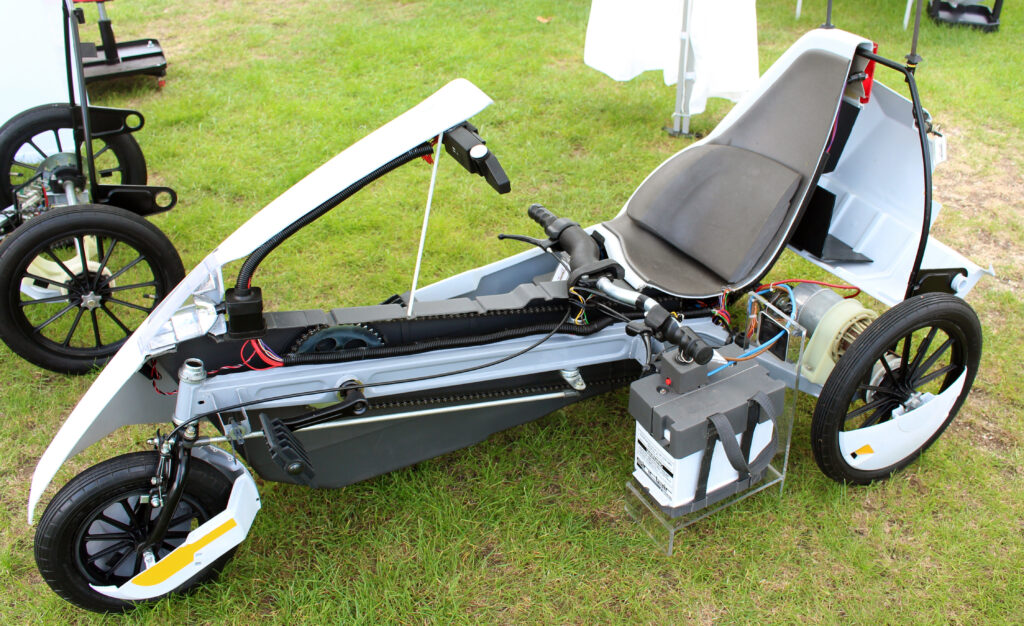
The Sinclair C5 arrived in 1985 as a tiny electric trike meant for everyday commuting. It looked like a cross between a go-kart and a bathtub, and people weren’t sure what to make of it. Even though it could zip around town on battery power, most folks weren’t ready to embrace electric vehicles quite yet. The C5 flopped almost immediately, becoming more of a curiosity than a transportation revolution.
But its creator, Sir Clive Sinclair, was clearly onto something. Today, electric scooters, bikes, and compact EVs are everywhere, and the C5 suddenly feels a lot less strange. If anything, it proved that the idea of small, personal electric transport wasn’t just possible, but inevitable. The world just needed a few more decades to warm up to it.
3. Pneumatic Tube Mail for Homes

Cities used to rely on pneumatic tube systems to zip messages from building to building at breakneck speed. Some inventors even pitched scaled-down versions for private homes, imagining neighbors sending notes or small packages through a network of whooshing tubes. It sounded exciting, like living inside an old-fashioned sci-fi novel. But the logistics and cost made the idea impossible to maintain.
Ironically, the concept isn’t far off from the instant communication we enjoy now. We swapped tubes and air pressure for Wi-Fi and smartphones, but the goal was the same, getting information to someone instantly. Pneumatic tube mail was basically the 20th century’s version of texting. It just needed technology that didn’t involve drilling tunnels under everyone’s lawns.
4. The Philips LaserDisc
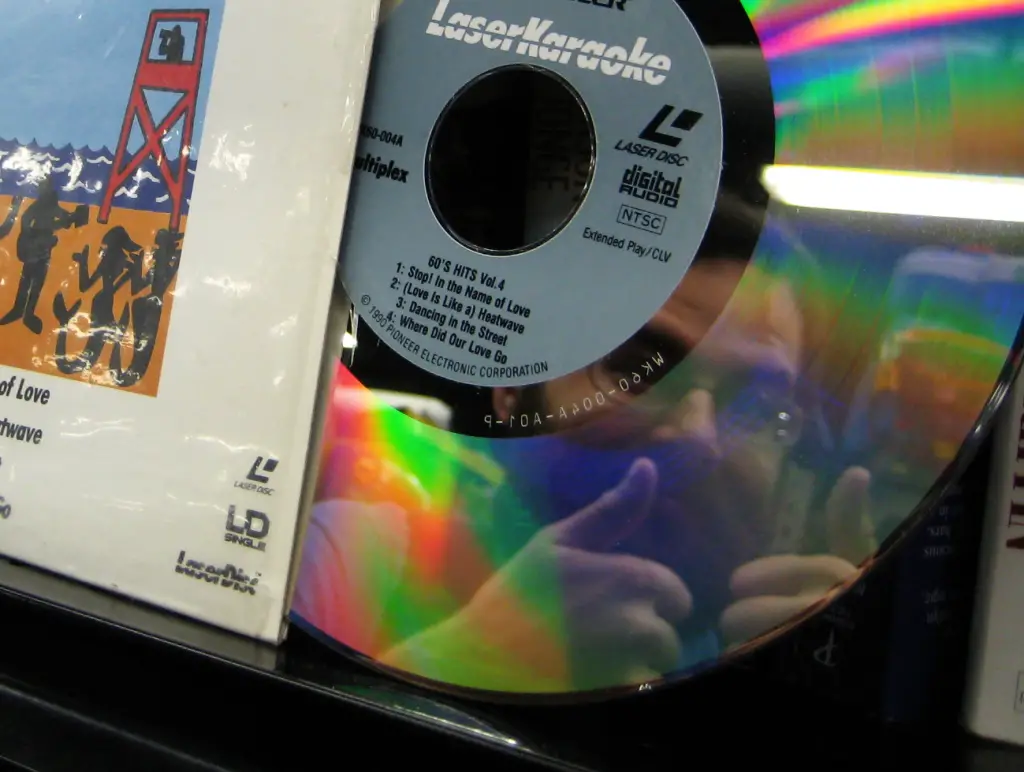
Before DVDs, before Blu-ray, before streaming, there was the LaserDisc. It launched in the late ’70s with crisp video quality that put VHS to shame. Cinephiles loved it, but the discs were massive, expensive, and not exactly user-friendly. Most families stuck with their familiar videotapes and let LaserDisc fade into the background.
Still, its influence is everywhere. LaserDisc pioneered special features, commentary tracks, and high-quality home video long before they became standard. It practically invented the idea of “collector’s editions” decades early. In a way, every modern movie night owes something to this oversized, underappreciated format.
5. The Ford Nucleon
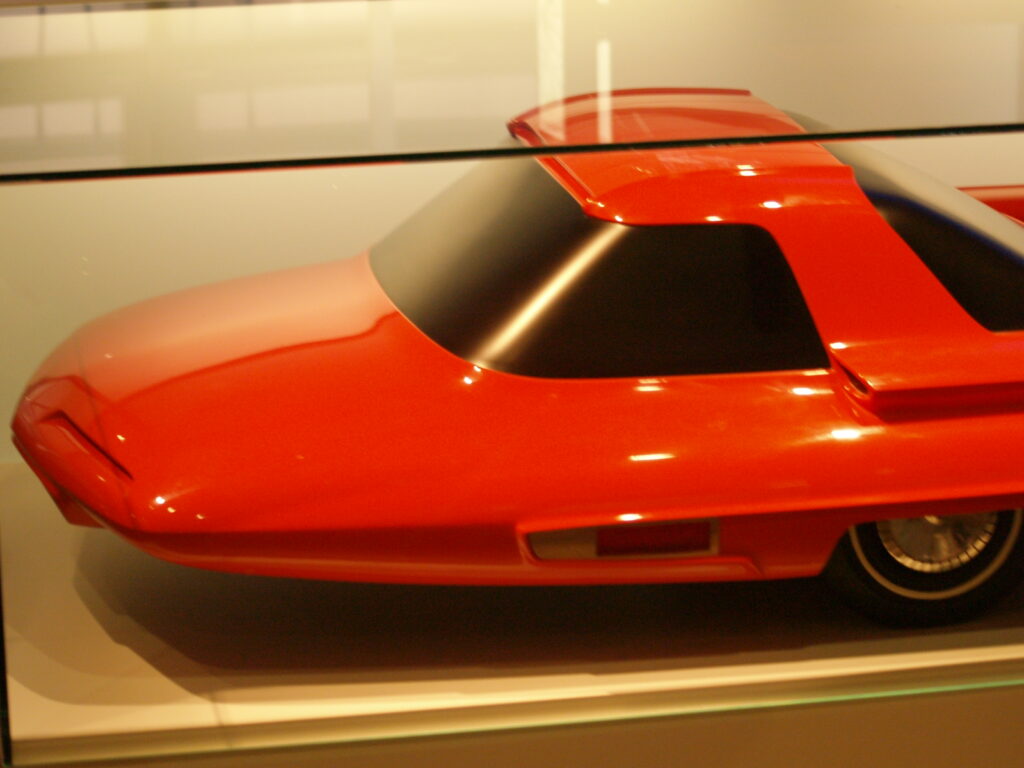
In the 1950s, Ford dreamed up a nuclear-powered concept car called the Nucleon. The idea was that you’d swap out a small reactor module instead of filling up at the gas station. It sounds absolutely wild now, but at the time people were convinced nuclear power would solve everything from electricity to transportation. The Nucleon looked sleek in drawings, even if it never moved an inch.
Of course, safety concerns and engineering problems immediately ended any hope of bringing it to life. But the idea foreshadowed our obsession with alternative power sources in a world searching for cleaner energy. While a nuclear car is unlikely to ever appear, the dream of reinventing transportation still drives innovation today. The Nucleon just imagined the future a little too boldly.
6. The Dynasphere
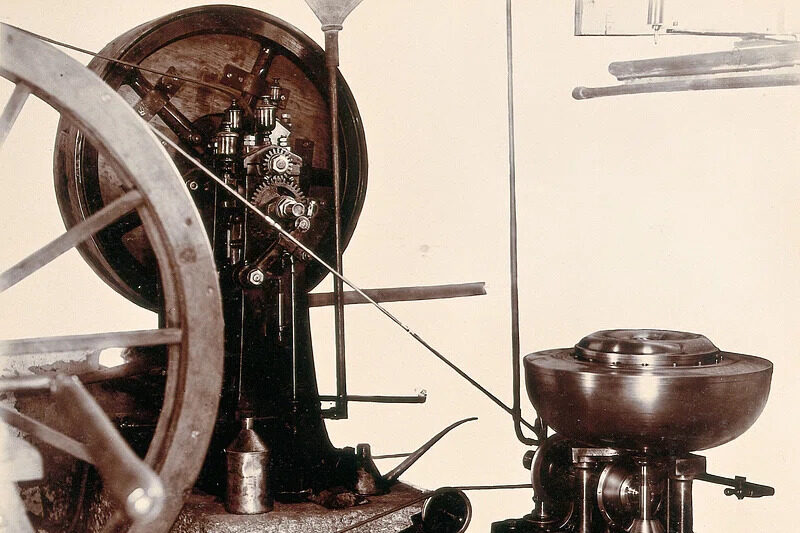
The Dynasphere was a giant motorized wheel with a seat inside, invented in the 1930s. Think of it like riding inside a rolling hula hoop, but with an engine. It looked mesmerizing as it wobbled down the road, even if turning was more of a suggestion than a skill. People were fascinated, but no one really wanted to commute inside a massive spinning circle.
In the end, it became one of those inventions that was fun to look at but impractical in everyday life. Yet it hinted at the idea of compact personal vehicles and alternative designs beyond the typical four-wheel structure. Today’s experimental EVs and quirky micro-cars owe a tiny nod to oddball ideas like the Dynasphere. It showed inventors weren’t afraid to roll outside the lines.
7. The Telautograph
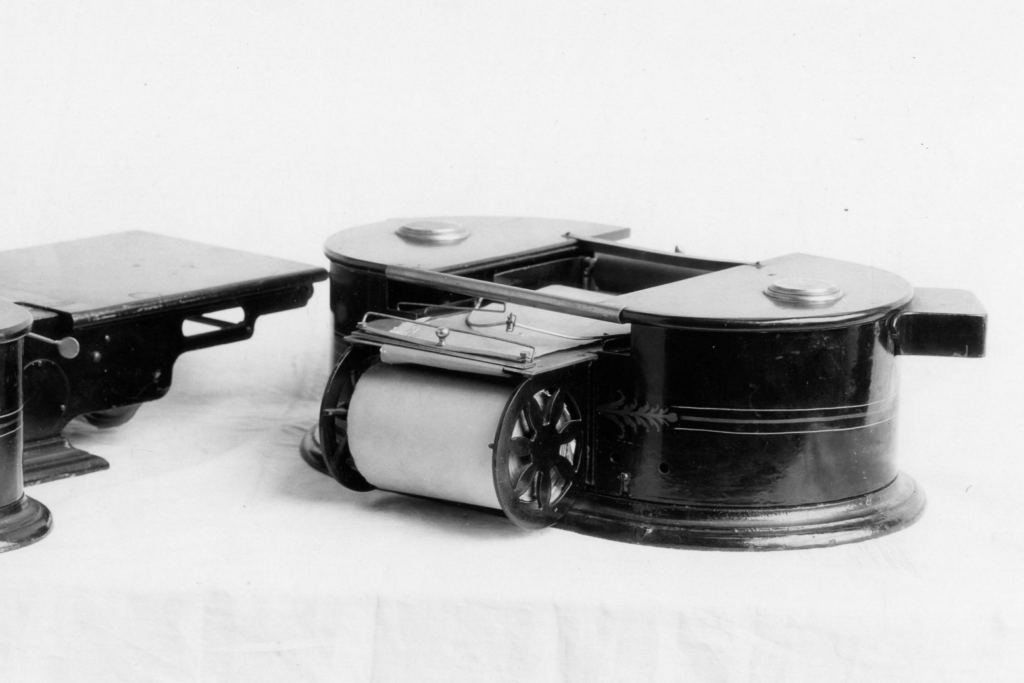
Invented in the 1880s, the Telautograph could send handwritten messages over wires, and the receiving machine would recreate the writing stroke by stroke. It was basically the ancestor of faxing, texting, and even digital signatures. Offices and hotels used it to pass along notes in real time, making it feel almost magical in an era long before computers. Yet it never broke into everyday home life.
Even so, the concept was years ahead of anything else like it. The Telautograph proved people wanted a way to send more than just typed words, something personal and recognizable. Today, its influence shows up whenever we electronically sign a document or send a stylus-written note. It was the start of a future it couldn’t quite reach.
8. The Electric Car of the 1910s
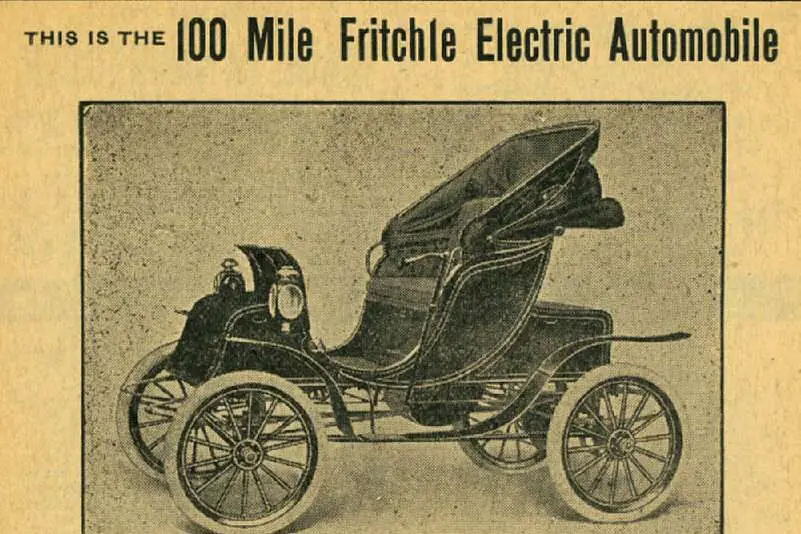
Long before Tesla existed, electric cars were actually more popular than gas cars in the early 20th century. They were clean, quiet, and didn’t require hand-cranking, which many drivers loved. But battery limitations and the rise of cheap gasoline pushed them off the road. By the ’20s, they had all but disappeared.
Now, electric vehicles have returned with a vengeance, and it almost feels like we’re picking up where history left off. The early EVs proved that electric transportation wasn’t just a modern idea but a forgotten path. If battery tech had advanced sooner, we might have been driving electric for the last hundred years. Instead, those early pioneers were simply too far ahead of their time.
9. The Autoped
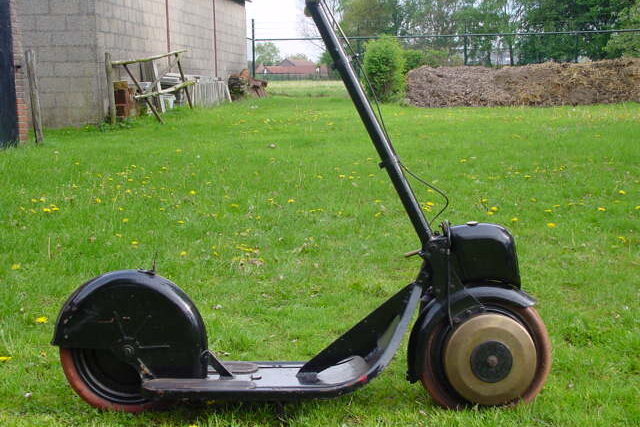
The Autoped was a motorized scooter introduced in 1915, and it looked surprisingly modern. Riders stood upright and zipped through streets much like we do on e-scooters today. It was convenient, compact, and surprisingly quick for its size. But concerns about safety and road etiquette made cities hesitant to embrace it.
Still, the Autoped laid the groundwork for the scooter craze happening now. People love small, easy-to-park transportation, the same way riders did over a century ago. Its design was so ahead of the curve that modern scooters barely look any different. If anything, the Autoped shows that good ideas often circle back around.
10. The Chrysler Turbine Car
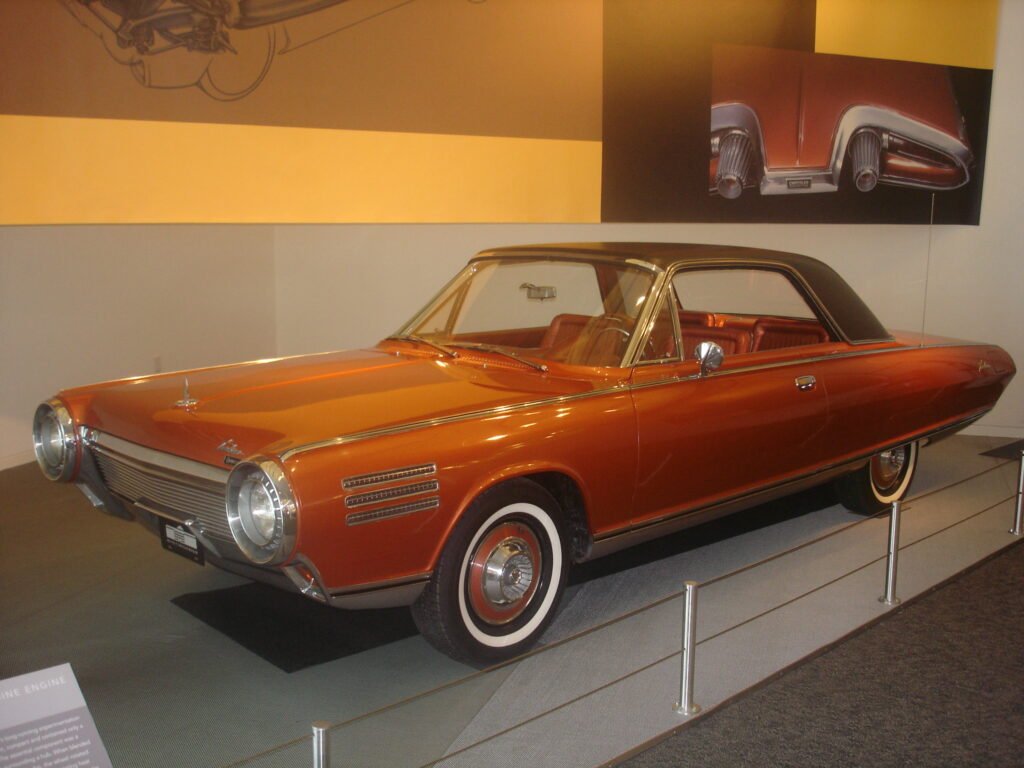
In 1963, Chrysler built a car powered by a turbine engine, the same kind used in some aircraft. It ran on almost anything, from diesel to vegetable oil, which felt unbelievably futuristic. The car was smooth, powerful, and shockingly quiet. But production costs and emissions concerns kept it from going mainstream.
Even so, it became a legend among car enthusiasts. The turbine car dreamed of a world where engines were cleaner, simpler, and more adaptable. Today’s push for alternative fuels and reduced emissions echoes the same hopes. Chrysler simply got there far too early for the world to follow.
11. The Wonderbook
The Wonderbook was a Sony project from the early 2010s that blended physical books with augmented reality. Kids could place the book in front of a PlayStation camera and watch its pages come to life on the screen. It felt like holding a magical object from a fantasy story, but it needed more content to really thrive. As a result, it quietly disappeared.
Yet the idea didn’t go away completely. Today’s AR apps and educational tools build on the same concept, mixing real objects with digital interaction. The Wonderbook was a glimpse of how learning and entertainment might merge someday. It just arrived when the tech wasn’t quite mature enough.
12. The 1970s Smart Home
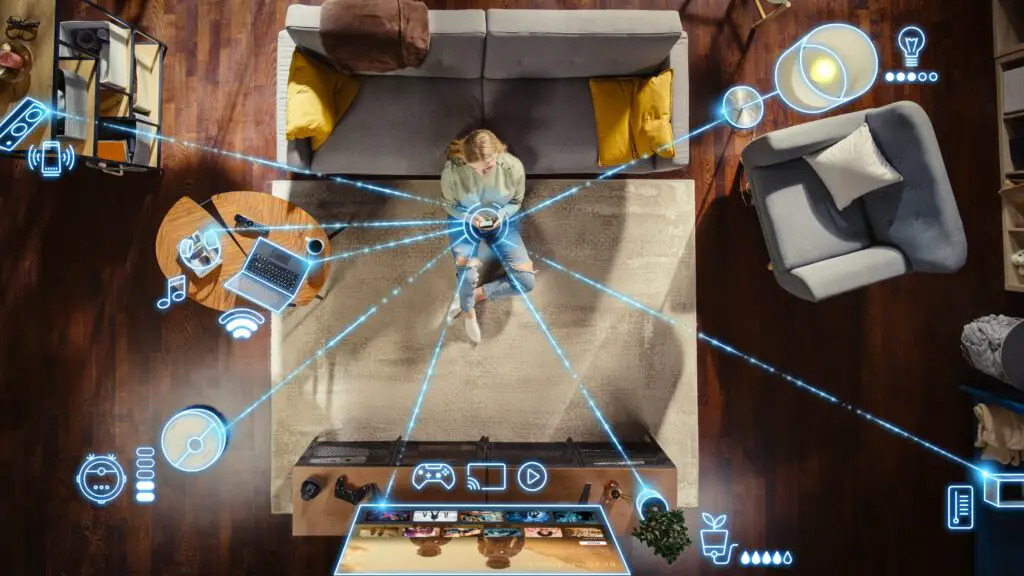
Believe it or not, people in the 1970s were already experimenting with computer-controlled homes. Some high-tech houses could manage lighting, temperature, and even security with a central system. It seemed like pure science fiction at the time, and most people couldn’t imagine needing that kind of automation. The cost alone kept it far out of reach.
Fast-forward to today, and smart homes are so common that we barely think twice about talking to our lights or adjusting our thermostat with an app. Those early systems were clunky, but they laid the foundation for everything from smart speakers to connected appliances. The 1970s homes were ahead of their time, giving us a preview of the convenience we live with now.
13. The Electrochef
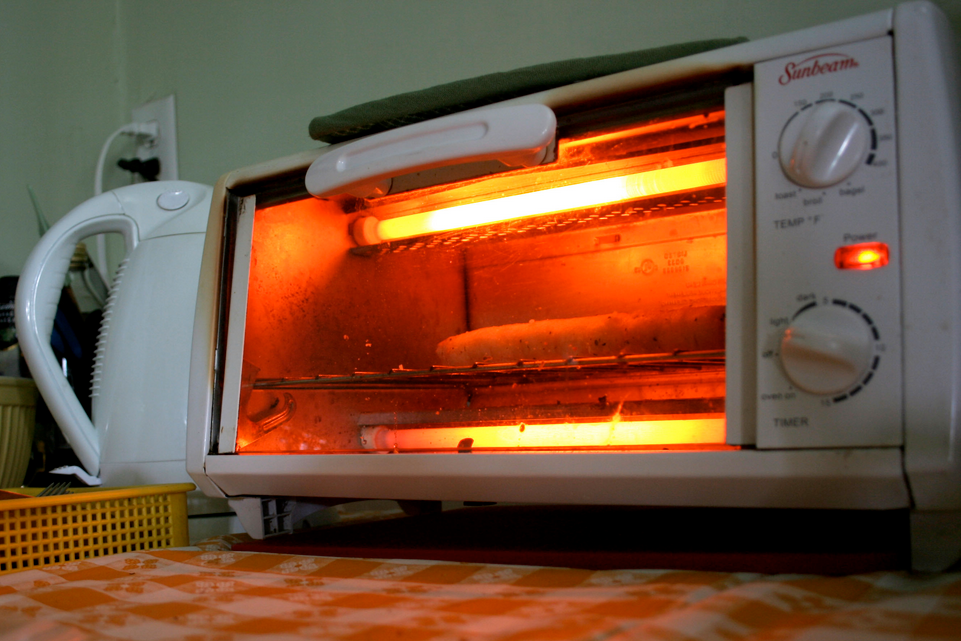
In the 1920s, the Electrochef electric stove tried to convince families to ditch gas cooking entirely. It looked sleek and modern, almost like something out of a futuristic kitchen showroom, and it promised cleaner, easier meal prep. But electricity was still inconsistent in many parts of the country, and people didn’t fully trust an all-electric kitchen yet. Most households stuck with their familiar gas ranges and let the Electrochef fade into the background.
Still, the idea was spot on. Electric cooking is now the norm, and flat-top stoves look a lot like what the Electrochef first imagined. It predicted the shift toward cleaner energy and safer appliances long before the world was ready. In a way, every smooth glass cooktop owes a quiet nod to this forgotten kitchen pioneer.
14. The Phonograph Voting Machine

Around the early 1900s, inventors experimented with a voting machine that used a phonograph-like mechanism to record votes. Instead of paper ballots, voters would push a lever, and the machine would log their selection automatically. It was meant to prevent messy handwriting, ballot confusion, and suspicious counting practices. But people were wary of trusting their democracy to something they couldn’t physically see on paper.
Even though it didn’t take off, it pointed the way toward the electronic voting systems we now use in everything from local elections to school boards. The inventors were trying to solve problems we still talk about today, accuracy, privacy, and trust. Their idea just needed better tech to support it. Looking back, it’s impressive how close they came to an idea that eventually became the norm.
15. The Minitel
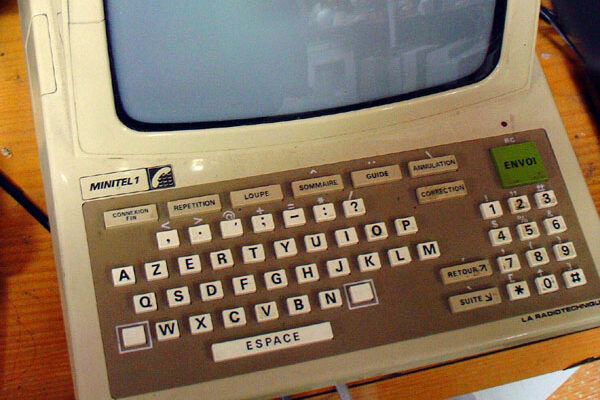
Before the internet took over the world, France launched the Minitel system in the early ’80s. It allowed users to check train schedules, look up phone numbers, send messages, and even shop from home. It was basically a proto-web, complete with its own screens and keyboards, at a time when most people were still getting used to home computers. But outside of France, hardly anyone noticed it.
Today, it’s shocking how closely Minitel resembled the early days of the internet. It predicted online directories, e-commerce, messaging, and digital services long before the rest of the world caught up. If it had launched globally, history might have looked very different. Instead, it became a futuristic invention that arrived before anyone realized how valuable it really was.
16. The 1920s Wearable Radio
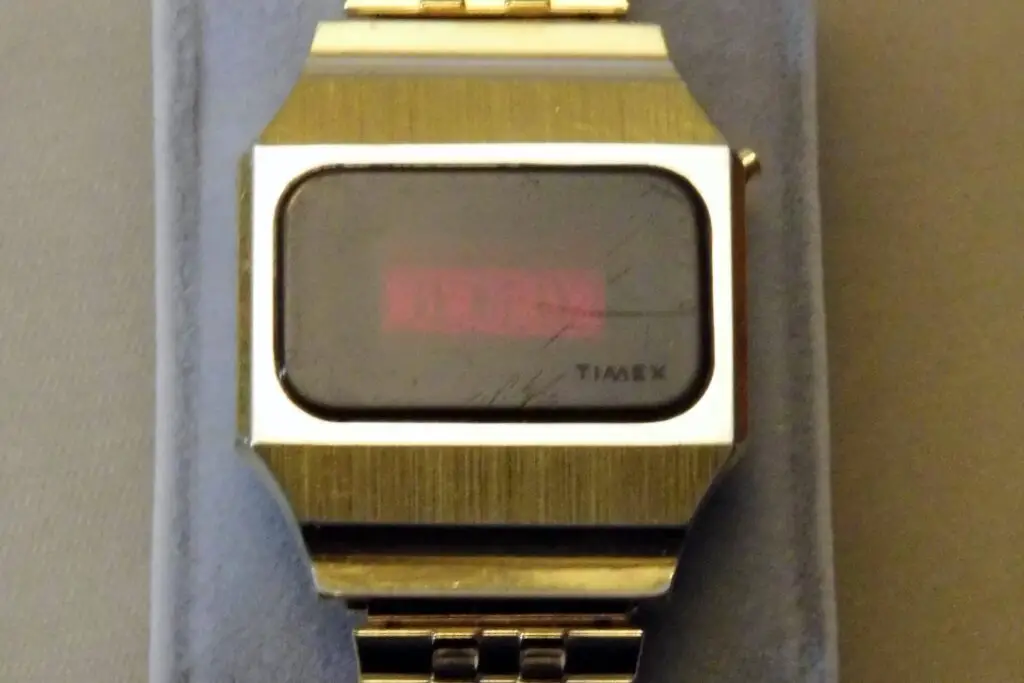
In the roaring ’20s, portable radios were strapped onto belts like early wearable gadgets. Some were even marketed to hikers and travelers as hands-free entertainment. They were bulky, heavy, and not exactly stylish, but the idea of carrying your music with you was revolutionary. Most people shrugged it off as a novelty that wasn’t quite practical.
Of course, the idea eventually came roaring back with the Walkman, then the iPod, and now smartphones. Those early wearable radios were clumsy prototypes for a future where personal audio would dominate daily life. They just needed to shrink by several pounds. But the dream of portable music was right there from the beginning.
17. The Litton Microwave Range
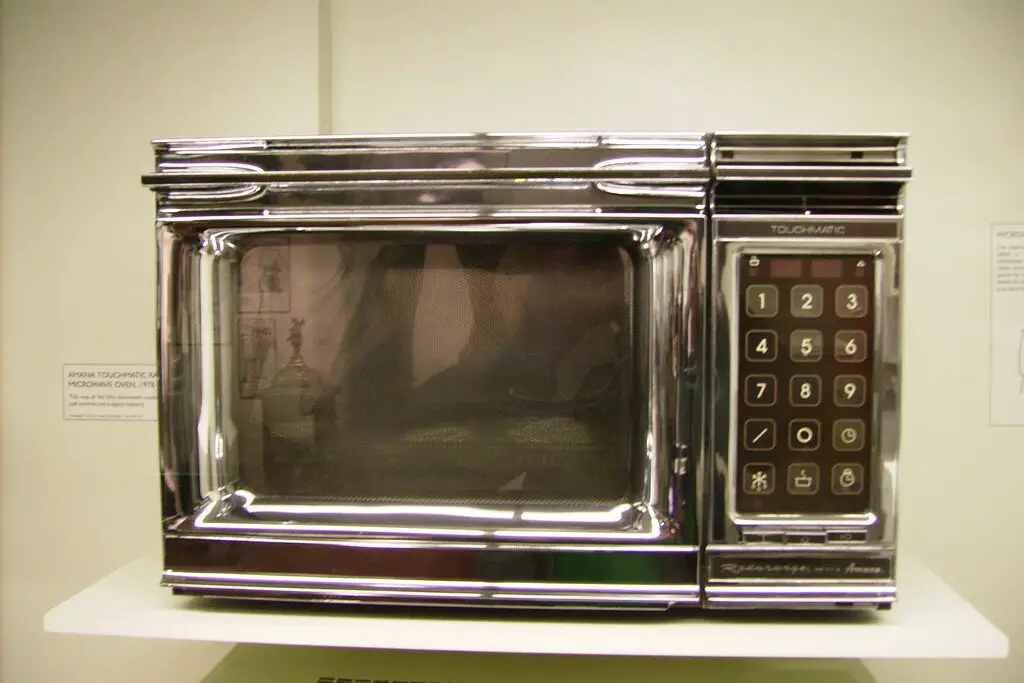
In the early 1960s, Litton Industries debuted one of the first counter-friendly microwaves, and it looked like something out of a spaceship. It cooked food quickly and promised a total reinvention of the home kitchen. But it cost as much as a small car, needed tons of electricity, and intimidated consumers who weren’t ready to trust “radiation cooking.” Most people simply couldn’t imagine replacing their stovetop meals with something that worked in seconds.
Still, the microwave eventually became one of the most essential kitchen appliances of all time. Litton’s early design foreshadowed the sleek countertop models we now rely on every single day. The world just needed prices to drop and technology to mature. The Litton Range arrived too soon, but it proved the future belonged to fast, convenient cooking.
18. The Radio-Fax Newspaper

In the 1930s and ’40s, some companies experimented with transmitting entire newspapers through radio waves. Homes with a special receiver could print the day’s news automatically, right onto small sheets of thermal paper. People loved the idea of getting headlines instantly, but the prints were blurry, the machines were expensive, and the timing wasn’t always reliable. Eventually, the concept fizzled out.
Yet the idea was essentially an early version of digital news. It predicted the shift away from physical newspapers and toward faster, personalized delivery of information. If the technology had been stronger, we might have been “downloading” our morning paper decades earlier. Instead, it became another promising invention waiting for the world to catch up.