
1. Hand-Washing Laundry in a Tub

There was a time when every household knew how to wash clothes by hand, especially delicate items or anything too dirty for a machine. People filled tubs or sinks with hot water, soap flakes, and a lot of patience. Scrubbing collars and cuffs took real effort, and wringing out heavy fabric was practically an arm workout. You also had to know how to rinse properly so soap didn’t stiffen the fabric when it dried.
Hanging clothes on a line to air-dry was part of the routine, and weather often dictated laundry day. Sunlight naturally bleached whites and freshened everything with that outdoor smell. Today, washers handle most of that work, and many people have never wrung out a soaked towel in their lives. It’s one of those skills that quietly disappeared once appliances became faster and cheaper.
2. Darning Socks and Mending Holes
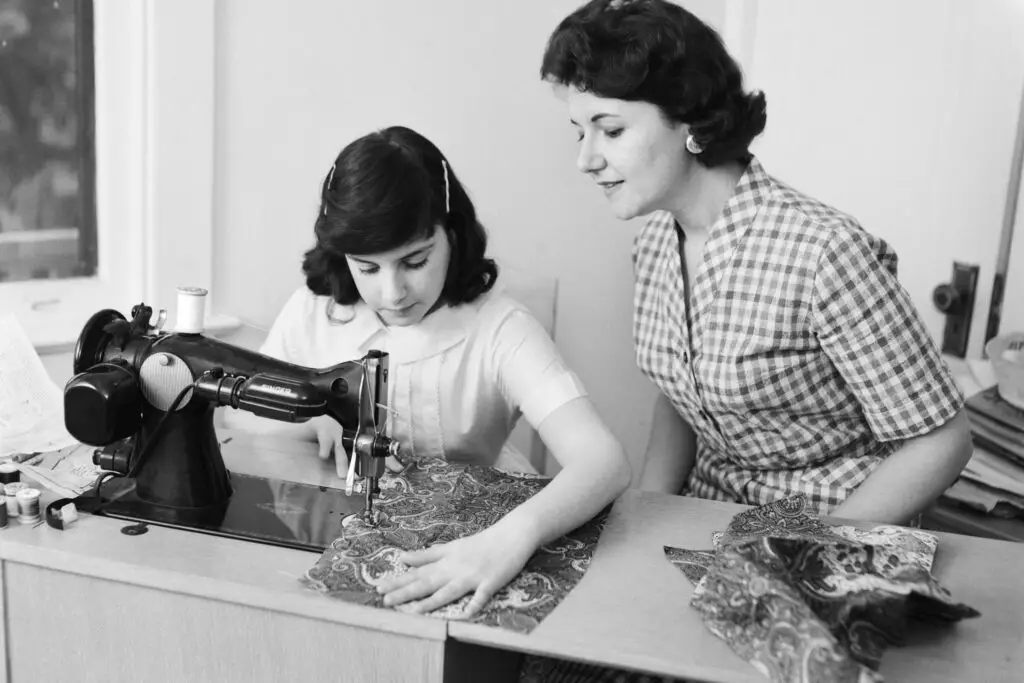
Before fast fashion and cheap replacements, people fixed what they owned. Darning a sock meant weaving thread back and forth across a hole until it was sturdy again. It took patience and decent hand-eye coordination, but it saved money and extended the life of clothing. Many kids learned basic sewing at home or in school because it was considered practical survival knowledge.
Small repairs also created a sense of pride and care for personal belongings. A neatly patched elbow or reinforced heel told a quiet story of thrift and responsibility. Now most people toss worn socks without a second thought. Sewing kits still exist, but many sit unopened in junk drawers.
3. Balancing a Checkbook by Hand

Keeping track of every dollar used to mean writing it down and doing the math yourself. People recorded deposits, checks, and cash withdrawals in neat little ledgers. You had to reconcile the numbers against monthly bank statements and catch any mistakes manually. It was a simple system, but it demanded accuracy and attention.
This habit helped families truly understand their spending habits. You could see where money went instead of relying on an app to summarize it. Digital banking made this nearly obsolete, and many younger adults have never balanced anything on paper. The mental math alone feels like a lost art.
4. Canning and Preserving Food

Home canning was once a seasonal ritual, especially in families with gardens. People spent long days washing jars, sterilizing lids, and carefully sealing fruits, vegetables, and sauces. It required knowledge about acidity, timing, and food safety to prevent spoilage. Pantries filled with colorful rows of jars felt like security for the winter months.
Preserving food also taught patience and planning. You had to think months ahead and manage supplies wisely. While some hobbyists still can today, most households rely on grocery stores year-round. The idea of spending a weekend processing tomatoes feels overwhelming to many modern families.
5. Ironing Clothes Properly
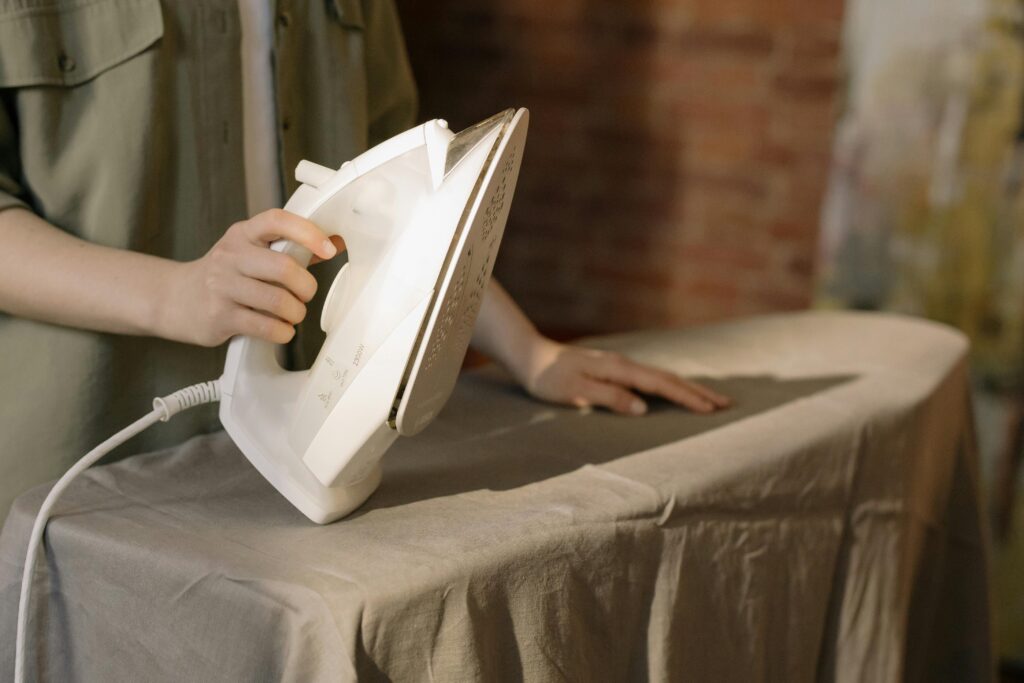
Ironing used to be a regular part of weekly routines, not just something done for special occasions. People understood fabric types, heat settings, steam levels, and how to press seams cleanly. Crisp shirts and smooth dresses were signs of care and respectability. Even kids sometimes helped by ironing handkerchiefs or pillowcases.
Modern wrinkle-resistant fabrics and casual dress codes have made this skill less necessary. Many people own irons but rarely plug them in. Some rely entirely on dryers or handheld steamers. The art of getting a perfectly pressed collar is quietly fading away.
6. Making Bread from Scratch with Yeast

Bread baking was once a normal household task rather than a weekend hobby. People mixed dough by hand, kneaded it on floured counters, and judged readiness by touch instead of timers. Yeast had to be proofed correctly, and temperature mattered more than people realized. The smell of rising bread was a daily comfort in many homes.
Today, bread is cheap and readily available at every corner store. Baking from scratch feels like a special project rather than a necessity. Many people have never worked with live yeast or shaped a loaf by hand. It’s a deeply satisfying skill that simply isn’t required anymore.
7. Sharpening Knives and Tools at Home
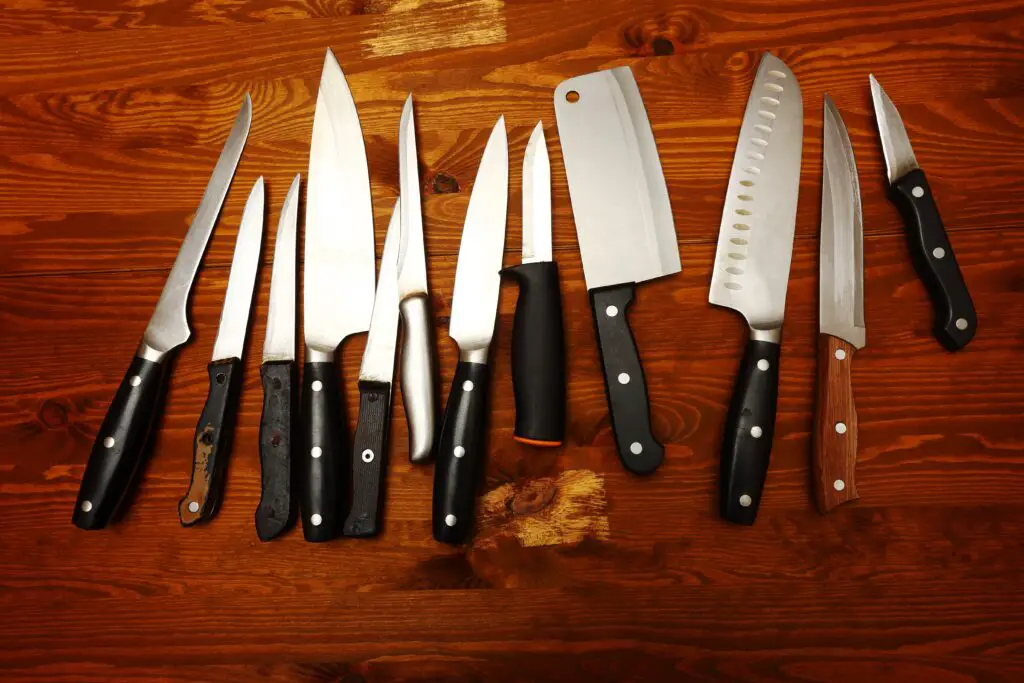
Keeping blades sharp used to be part of basic household maintenance. People used whetstones or manual sharpeners and knew the correct angle for different knives. A dull blade wasn’t just annoying, it could be dangerous. Regular sharpening kept tools reliable and extended their lifespan.
Now many people replace inexpensive knives instead of maintaining them. Professional sharpening services exist, but they’re rarely used for everyday kitchen tools. The quiet confidence of restoring a blade by hand has mostly vanished. It’s another example of convenience replacing craftsmanship.
8. Removing Stains with Simple Home Remedies

Before specialized cleaners lined store shelves, families relied on household solutions. Baking soda, vinegar, lemon juice, salt, and sunlight handled most everyday stains. People learned which methods worked for grease, ink, blood, and grass through trial and error. Passing down these tricks felt like shared wisdom.
Modern products work quickly, but they’ve made those old methods easy to forget. Many people panic at a stain instead of calmly treating it with what’s already in the kitchen. The knowledge still works just as well today. It’s simply not taught or practiced as often.
9. Polishing Silver and Household Metals

Special occasion dishes and utensils often required polishing before use. Tarnish removal took time, elbow grease, and the right polish or home mixture. Families made it a pre-holiday ritual that involved everyone helping at the table. The shine felt like part of the celebration itself.
Many households no longer own silver pieces or use them regularly. Stainless steel and disposable serveware eliminated the need for upkeep. Younger generations may never have handled polishing cloths at all. It’s a small but telling shift in how homes operate today.
10. Setting Up and Adjusting a TV Antenna

Getting clear television reception once required patience and physical effort. Someone stood by the TV while another adjusted the antenna or climbed onto the roof. Fine-tuning the angle meant balancing static, ghosting, and weather conditions. It was often a family negotiation process.
Streaming services eliminated the entire ritual. Many people today have never touched an antenna or dealt with fuzzy channels. The shared frustration and triumph of finally getting a clear picture is a memory from another era. It’s a skill that vanished almost overnight.
11. Maintaining a Pilot Light on Appliances
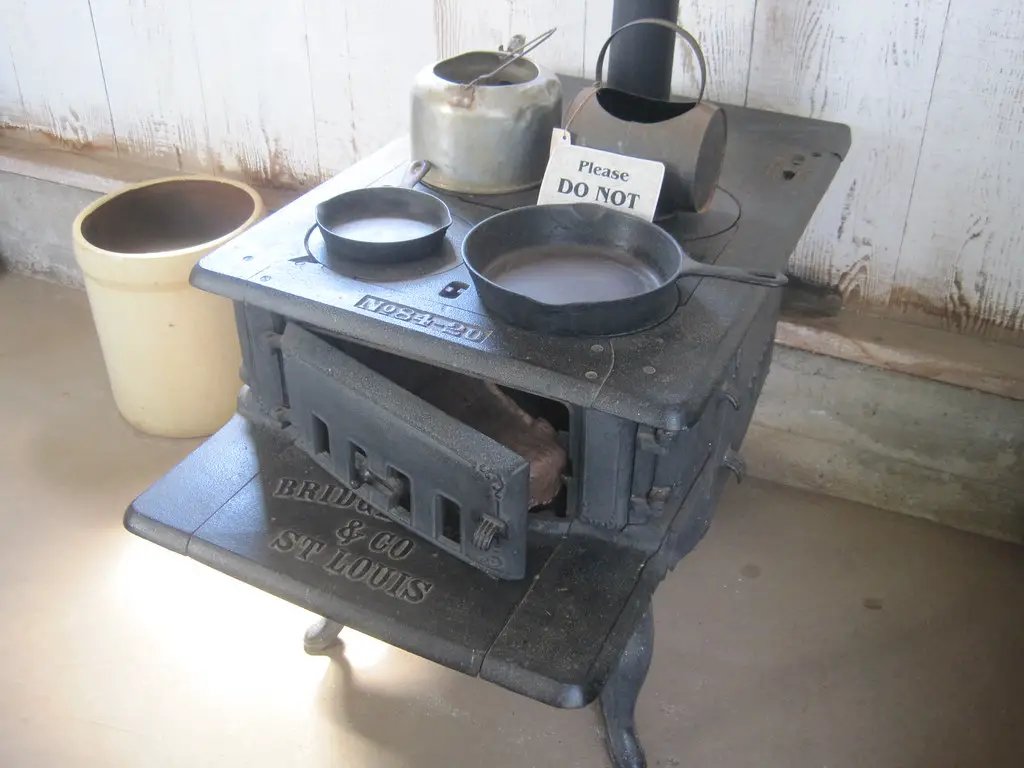
Older stoves and heaters relied on pilot lights that required occasional relighting. Homeowners learned how to safely turn gas valves, light matches, and confirm steady flames. It felt routine but demanded caution and awareness. Knowing what a healthy flame looked like mattered.
Modern ignition systems removed most of that responsibility. Many people would feel nervous even attempting it today. The familiarity with gas appliances has faded along with the equipment itself. It’s a reminder of how much hands-on maintenance homes once required.
12. Making Gravy from Pan Drippings

Gravy used to be built from scratch using meat drippings, flour, and careful stirring. You had to judge thickness by sight and adjust seasoning without measuring cups. Burned flour or lumps taught quick lessons in patience and timing. It was a practical kitchen skill passed down through observation.
Now packaged mixes and ready-made gravies dominate grocery shelves. Many people have never created a roux or strained drippings properly. Homemade gravy still tastes better, but convenience usually wins. The technique survives mostly during holidays or family traditions.
13. Cleaning and Caring for Cast Iron Cookware
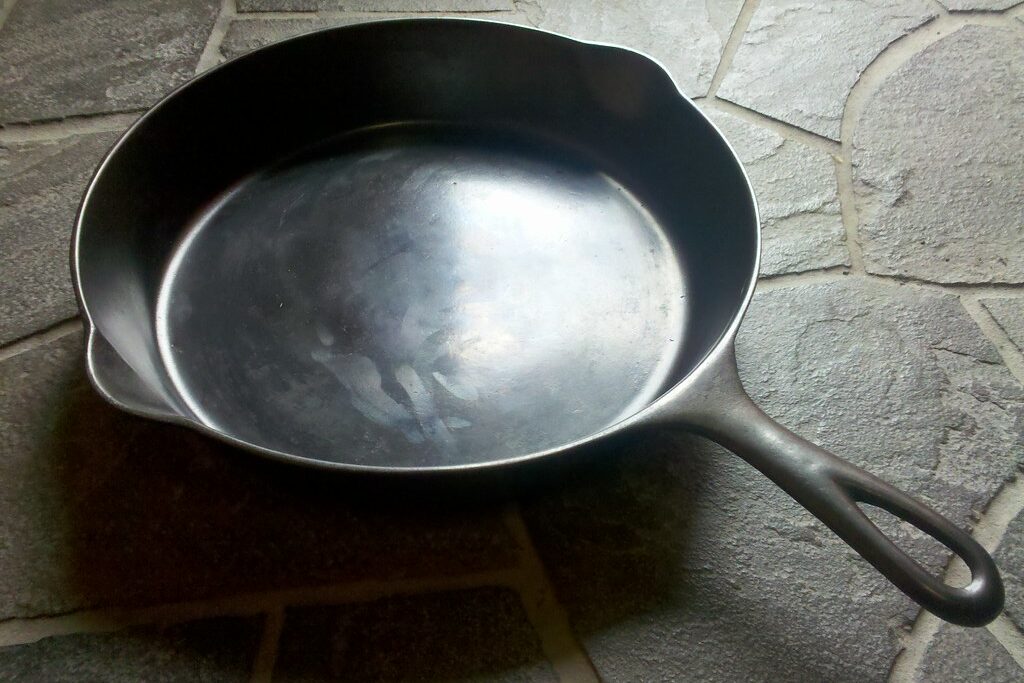
Cast iron pans require special care to prevent rust and maintain seasoning. People learned to avoid soap, dry thoroughly, and oil lightly after use. The cookware improved over time with proper treatment. It was often passed down through generations.
Today, nonstick cookware dominates kitchens, and cast iron feels intimidating to some. Many people are unsure how to maintain it properly. The durability and flavor benefits are still there, but the knowledge isn’t as widespread. It’s a skill that quietly slipped out of everyday life.