
1. Lincoln’s Birthday

For many years, February 12 was widely celebrated across the United States as Abraham Lincoln’s Birthday. Schools held programs, stores ran themed sales, and some states treated it as an official day off. It appeared on printed calendars and was taught as a notable civic holiday. When the Uniform Monday Holiday Act reshaped the federal schedule in the early 1970s, Lincoln’s Birthday was not included. Over time, many states dropped formal observances, choosing instead to merge recognition into the broader Presidents’ Day. By the 1990s, only a handful of places still acknowledged it separately. Today, most younger generations have never seen it marked as a standalone holiday.
The shift to Presidents’ Day blurred Lincoln’s individual recognition almost entirely. Even states that once closed offices on February 12 eventually phased out the tradition. Teachers still mention the date in lessons, but the dedicated holiday is gone. The loss was gradual, happening quietly over decades. Many adults remember having it off in childhood, while others never observed it at all. The uneven adoption made the holiday feel inconsistent and eventually unnecessary. What remains is simply the historical memory of it. The date itself still matters, even if the holiday no longer does.
2. Washington’s Birthday (as a Distinct Holiday)

Before the 1970s, February 22 appeared clearly on American calendars as Washington’s Birthday. It was a day for patriotic parades, special school activities, and widespread closures. When the Uniform Monday Holiday Act moved the observance to a Monday, the shift altered the public perception almost immediately. The holiday’s meaning became muddled, especially as retailers began promoting it as “Presidents’ Day.” Although the federal name never officially changed, the individual celebration of Washington’s actual birthday faded. States began treating it as a general presidential observance instead of a specific one. Eventually, most people forgot that February 22 had once been a major national holiday.
Today, the original date receives little attention outside of history enthusiasts. The modern long weekend feels more like a winter break than a birthday tribute. Schools mention George Washington, but the celebration lacks the singular focus it once had. The shift reflects how easily holiday identities can blur with time. Only printed calendars from decades ago hint at how prominent the day used to be. Washington’s Birthday survives technically, but not in spirit. The original holiday has essentially disappeared from public life.
3. V-J Day

Victory over Japan Day was once widely celebrated across the United States after World War II. Many states treated it as a formal holiday, and communities held parades to mark the end of the war. In some places, offices closed and families gathered for ceremonies. As years passed, the holiday’s prominence declined, especially as the nation shifted toward broader military remembrances. States began dropping it from the calendar, considering it less essential than Memorial Day or Veterans Day. Over time, it vanished from nearly every state schedule. Today, Rhode Island is the only state that still observes V-J Day as a paid holiday.
For most Americans, V-J Day is now a historical term rather than an active observance. The famous Times Square photo remains iconic, but the celebration attached to it has faded. Schools may teach the date, but few people know when it was once celebrated locally. The holiday’s disappearance reflects how generations gradually refocus their commemorations. As the firsthand memories of the war grew more distant, the dedicated day lost traction. It quietly slipped off calendars without much public discussion. What remains is the history, not the holiday itself.
4. Empire Day
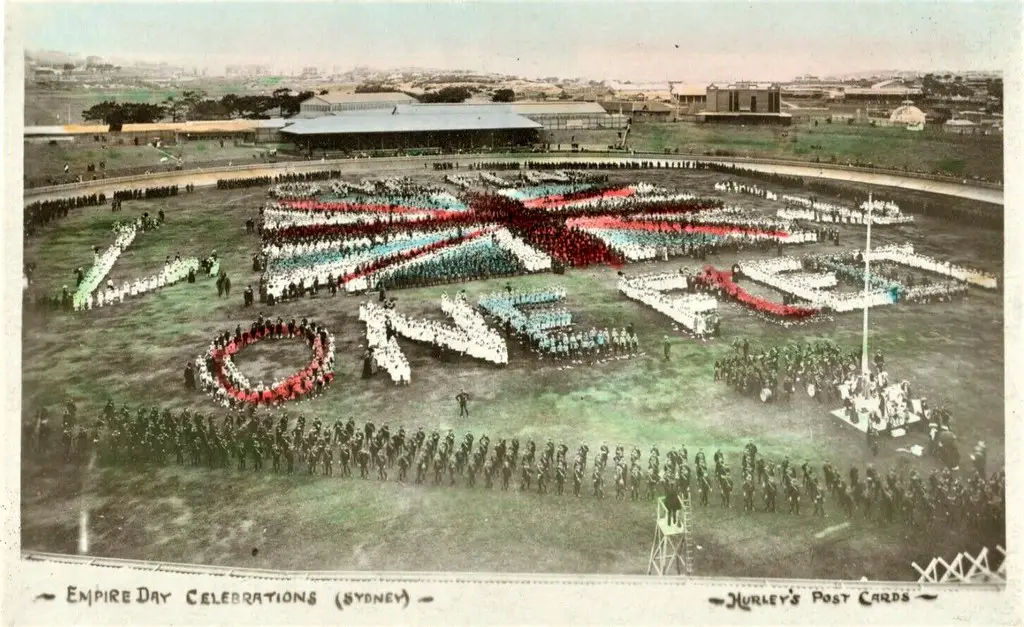
Empire Day began in 1902 as a celebration of the unity of the British Empire. Observed on May 24, it featured school events, public gatherings, and patriotic songs. The holiday became especially popular in Canada, Australia, and other Commonwealth regions. After World War II, world politics shifted, and the British Empire transitioned into the Commonwealth of Nations. As the old imperial identity faded, the holiday fell out of favor. In many places, it was renamed Commonwealth Day, while in others it disappeared entirely. The original Empire Day steadily faded from calendars.
Today, the holiday is largely forgotten outside of historical discussions. Commonwealth Day still exists, but it falls in March and has a completely different tone. The old Empire Day celebrations, with their parades and classroom ceremonies, have long been abandoned. Only older publications and school records show how widely it was once observed. The disappearance was gradual, reflecting changing political values. Most people today would not recognize the original May 24 holiday. It represents a chapter of history that no longer aligns with modern identities.
5. Evacuation Day (Massachusetts Version)
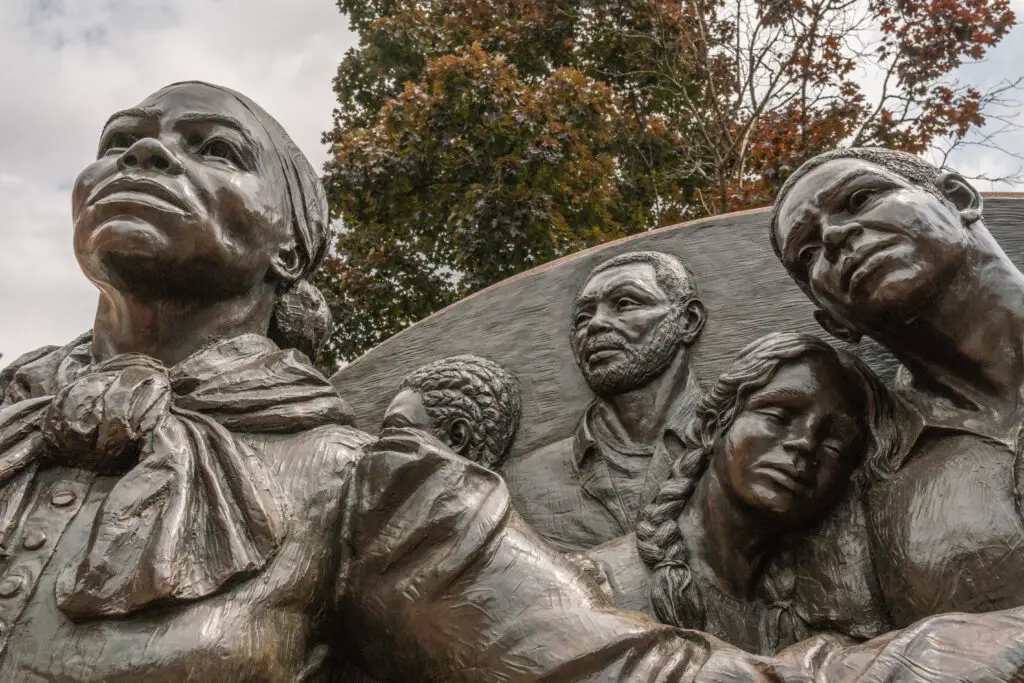
Evacuation Day commemorated the British troops’ departure from Boston on March 17, 1776. It was established as an official holiday in Suffolk County, Massachusetts, and included ceremonies and educational programs. Because it fell on the same day as St. Patrick’s Day, the two observances often blended together. Over time, many people treated it as an extension of St. Patrick’s celebrations rather than a standalone holiday. Budget concerns and changing priorities led some communities to cut back on official observances. Eventually, the holiday appeared less frequently on printed calendars. It faded gradually as statewide recognition diminished.
Today, Evacuation Day is still technically observed in limited Massachusetts counties, but it is far less recognized than it once was. Many residents no longer see it printed on schedules or school planners. In practice, St. Patrick’s Day overshadows it almost completely. The history remains significant, but the holiday itself has receded. It serves as an example of how regional observances can quietly fall away. People who grew up with it sometimes express surprise when others have never heard of it. Its presence now feels more historical than celebratory.
6. Arbor Day (U.S. Local Versions)

Arbor Day was once a major spring holiday in many states, with dates varying by region. Schools held tree-planting ceremonies, and communities organized outdoor events. Over time, different states shifted or eliminated their own Arbor Day observances. When a national Arbor Day date emerged, many local holiday versions disappeared. Some states eventually stopped recognizing it as a paid or formal holiday altogether. The observance slipped from school calendars and community planning schedules. The holiday’s prominence declined as environmental efforts shifted to Earth Day.
Today, most people remember Arbor Day as something they did in elementary school rather than a real holiday. Many states no longer acknowledge their original dates. The shift toward Earth Day made the traditional Arbor Day ceremonies feel outdated. Schools still teach tree conservation, but the dedicated day is often overlooked. Some regions maintain small events, but they are far quieter than before. The holiday’s decline shows how environmental priorities have changed. The original localized versions have mostly vanished from calendars.
7. Bank Holidays (Old U.S. State Versions)

Several U.S. states once had locally designated “Bank Holidays” that appeared on calendars as special closure days. These were not the federal bank holidays people think of today, but older, state-specific observances tied to local history or regional events. Over time, states standardized their schedules, eliminating these unique dates. Many of these holidays faded quietly as financial practices changed. Banks stopped closing for them, and communities stopped holding events. Eventually, they disappeared from printed planners and wall calendars. The tradition dissolved without much public attention.
Today, most people assume bank holidays are only the official federal ones. The idea that different states once had their own additional versions surprises many. Only archivists or longtime residents remember the older schedules. These forgotten closures reflect how differently states once operated. As banking became more unified, the old dates became unnecessary. Their disappearance marked a shift toward national consistency. They now exist mostly in historical records and old bank notices.
8. Battle of Bennington Day
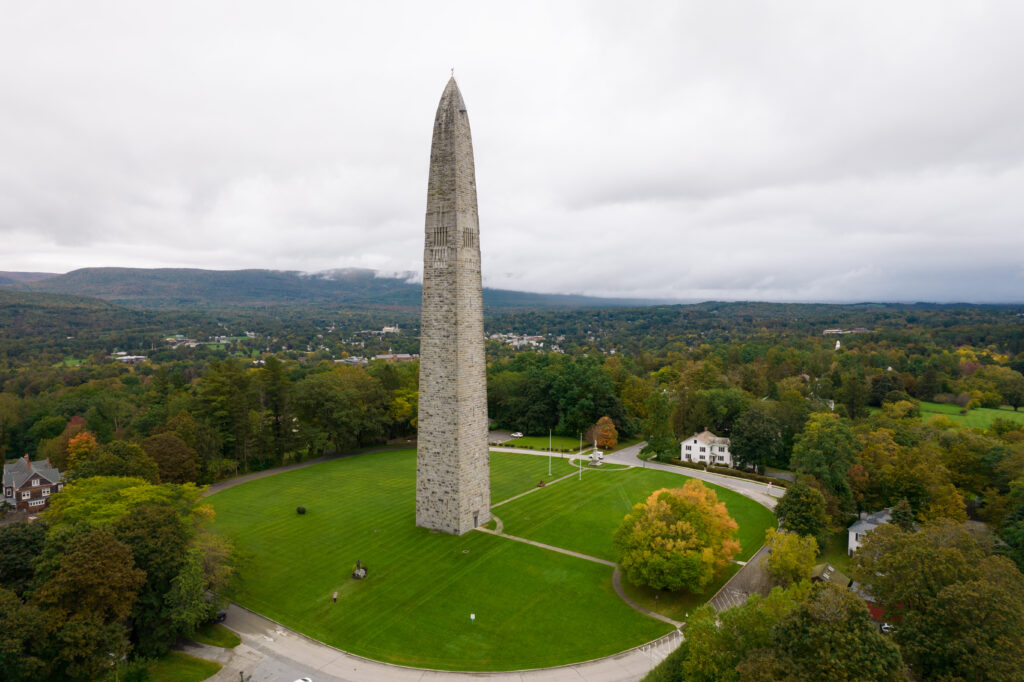
Observed in parts of New England, the Battle of Bennington holiday commemorated an important Revolutionary War victory. It was celebrated primarily in Vermont and included parades, speeches, and school events. The date, August 16, once appeared on many regional calendars. As decades passed, Vermont adjusted how it recognized the day, and other states phased out their observances. Budget concerns and shifting priorities reduced public celebrations. The holiday’s visibility decreased significantly. Eventually, it became more of a ceremonial acknowledgment than a widely observed holiday.
Today, Battle of Bennington Day is still technically noted in Vermont, but without the prominence it once had. Most schools no longer hold major activities for it. Many residents know the history but rarely see the holiday printed. Other states that once recognized it have long abandoned the practice. The observance now feels more historical than celebratory. It quietly slipped from public life without much controversy. Only regional pride keeps it alive in limited form.
9. Commonwealth Day (Canadian Version, Pre-1977)
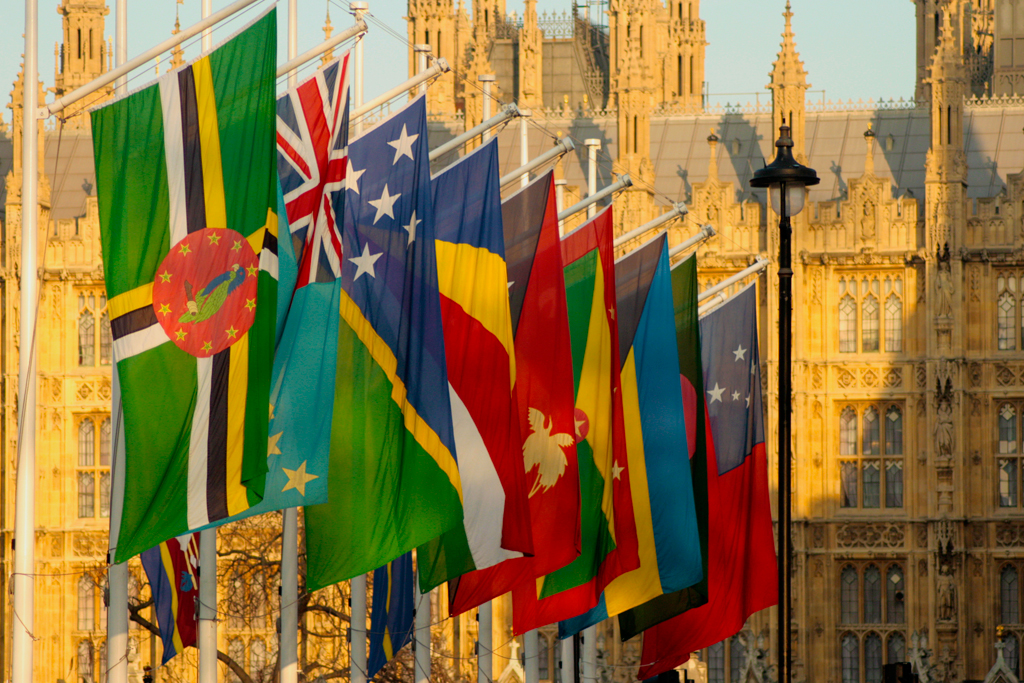
Before 1977, Commonwealth Day in Canada was observed on May 24, sharing a date with Empire Day. Schools held flag-raising ceremonies and community programs. In 1977, the Commonwealth Secretariat standardized the holiday worldwide, moving it to the second Monday in March. Canada adopted the change, effectively ending the original May 24 observance. The earlier version fell off calendars almost immediately. Over time, people grew accustomed to the new date. The old holiday became a historical footnote.
Today, very few Canadians remember that Commonwealth Day once fell in late May. The shift created a cleaner, unified observance across member nations. The earlier date survives only in older textbooks and archival materials. Most people associate May 24 with Victoria Day instead. The forgotten version illustrates how calendar changes can erase long-standing traditions. The older form of the holiday has completely disappeared from modern listings.
10. Flag Day (U.K. Regional Versions)

Several parts of the United Kingdom once held local “Flag Days” to raise funds for veterans’ organizations or civic causes. These events were marked on calendars and often involved school participation. Over time, fundraising methods changed, and many of these designated days declined. The events lost official recognition in numerous towns. Newer fundraising campaigns replaced the old-style flag drives. As these transitions occurred, the holiday dates disappeared from printed schedules. By the late twentieth century, many local Flag Days were no longer observed.
Today, the idea of a community-specific Flag Day feels unusual outside of historical contexts. Some charities still hold symbolic events, but the formal calendar listings are gone. Many people under forty have never heard of them. The observances now live mostly in old newspaper clippings. Their disappearance reflects shifts in community fundraising. The tradition faded naturally as new approaches emerged. Only historians and longtime residents recall the days clearly.
11. Labor Thanksgiving Day (Early U.S. Regional Versions)

Before the modern Thanksgiving schedule was fully standardized, some U.S. states held earlier versions of “labor thanksgiving” celebrations linked to harvest traditions. These were unofficial and varied widely by region. As the national Thanksgiving holiday became fixed under President Lincoln and later reaffirmed in the twentieth century, these smaller observances declined. States gradually aligned their dates with the federal calendar. The older harvest-linked versions fell out of usage. They no longer appeared on statewide calendars. The transition happened slowly but decisively.
Today, these early regional thanksgiving observances are largely forgotten. People associate Thanksgiving solely with the national November holiday. Only historians studying regional customs remember the earlier dates. They reflect how traditions were once highly localized. As the national holiday gained prominence, the older forms disappeared. They serve as reminders of how cultural consolidation can reshape the calendar. Their memory endures only in historical accounts.
12. Ludi Romani (Public Holiday Status)
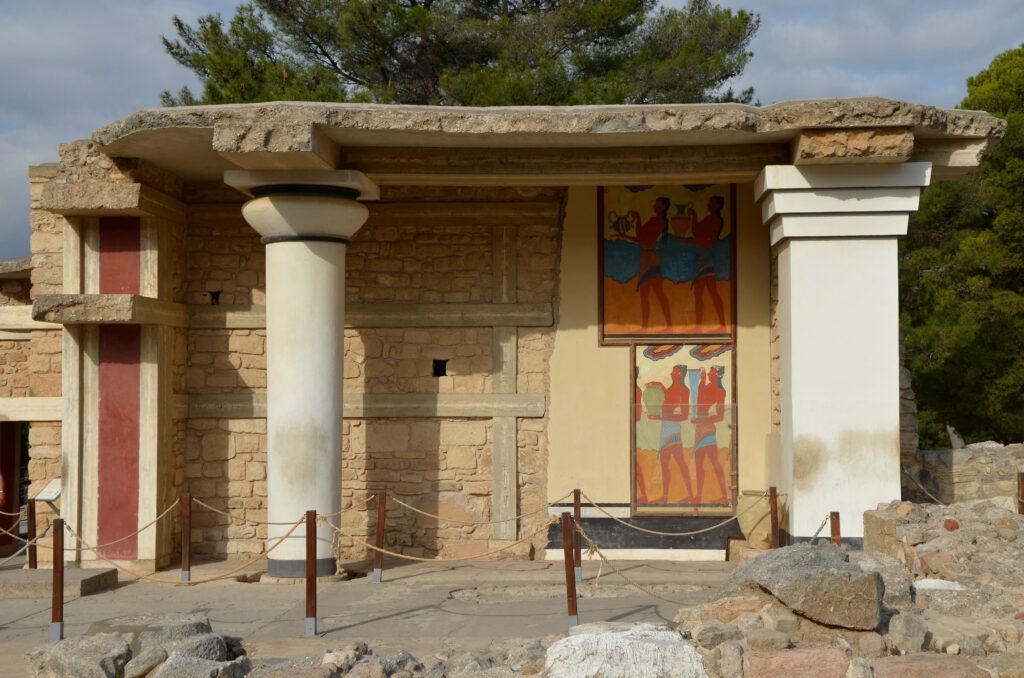
In ancient Rome, the Ludi Romani were public games held in early September. They included chariot races, theatrical performances, and elaborate ceremonies. For centuries, they functioned as major public holidays. As the Roman Empire evolved and later declined, many of these games lost their official status. By the late imperial period, the original holiday structure had faded significantly. Eventually, the games vanished entirely as Christian-era holidays took precedence. Their disappearance was part of a broader cultural shift.
Today, Ludi Romani survive only as historical references within classical studies. They no longer resemble holidays in any modern sense. Archaeologists and historians have reconstructed their significance, but the observance itself ended centuries ago. Modern festivals inspired by ancient Rome do not replicate the original holiday structure. The shift marked the transition from pagan to Christian observances. The games’ disappearance shows how even major holidays can vanish. Their legacy lives solely in scholarly work.
13. Saturnalia (Official Format)
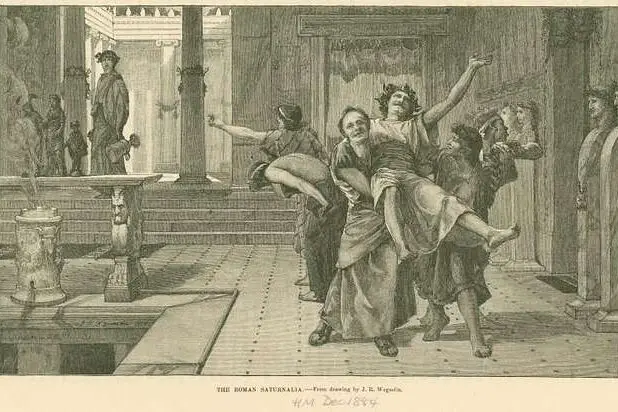
Saturnalia was one of ancient Rome’s most beloved festivals, traditionally held in December. It involved feasting, gift-giving, role reversals, and public celebrations. As Christianity spread through the empire, Saturnalia gradually lost its official recognition. By the fourth century, it had been replaced by Christian observances, including early versions of Christmas. The festival lingered for a time in reduced form but eventually disappeared from the official calendar. Its customs influenced later European traditions. The original holiday structure, however, vanished.
Today, Saturnalia is remembered mostly through history books and academic discussions. A few people celebrate modern reinterpretations, but nothing resembles the ancient holiday. The disappearance marked a major cultural transition. Its traditions survive only through echoes in later winter celebrations. The festival once dominated Roman life, yet it slowly slipped away. Its end shows how dramatically calendars can evolve over centuries. Saturnalia remains a symbol of a world that changed completely.