
1. Jell-O 1-2-3
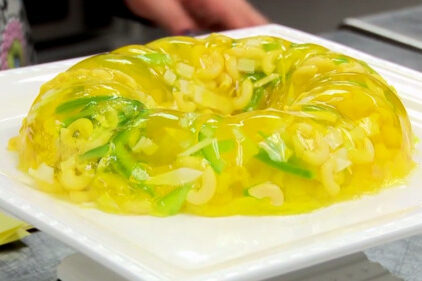
If you grew up in the ’60s or ’70s, Jell-O 1-2-3 felt like pure kitchen magic. You’d pour in a single liquid mixture and somehow end up with three distinct layers after it set in the fridge. The bottom became a firm gelatin, the middle turned creamy, and the top formed a light, airy foam. It looked complicated, but it was completely foolproof, which made it a hit with families. Kids especially loved watching it separate as it chilled. It came in flavors like strawberry and orange, and it always felt a little more special than regular gelatin desserts.
General Foods introduced it in 1969, and it quickly became a staple for home cooks who wanted something that looked impressive without much effort. It disappeared from shelves in the mid-’90s, though variations and copycat recipes still pop up online. Part of its charm was how futuristic it felt at the time, like food science had finally arrived in your kitchen. Today, it’s one of those desserts people remember vividly but rarely see anymore. When it does come up in conversation, it usually sparks a lot of “I forgot about that” reactions. It’s a perfect example of how simple grocery items once carried a sense of novelty.
2. Carnation Breakfast Bars
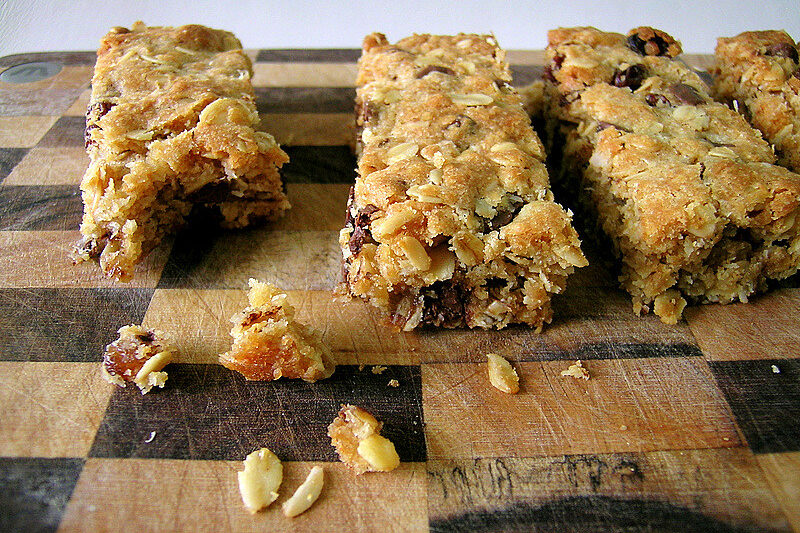
Before protein bars took over entire grocery aisles, Carnation Breakfast Bars quietly filled that role. They were marketed as a quick, convenient way to start your day, especially for busy families rushing out the door. The texture was soft and chewy, more like a dense cookie than the chalky bars that came later. Flavors like peanut butter chip and chocolate chip made them feel more like a treat than a health food. For a lot of kids, grabbing one of these felt like getting away with dessert for breakfast. They were often paired with a glass of milk and considered a complete morning solution.
They became especially popular in the ’70s and ’80s when convenience foods were on the rise. Carnation eventually phased them out as the breakfast market shifted toward newer formats like shakes and modern energy bars. Even so, people who grew up with them tend to remember the taste and texture pretty clearly. They didn’t try too hard to be healthy, which is part of why they were so appealing. Compared to today’s heavily fortified bars, they feel almost nostalgic in their simplicity. It’s one of those products that quietly disappeared but never really left people’s memories.
3. Space Food Sticks
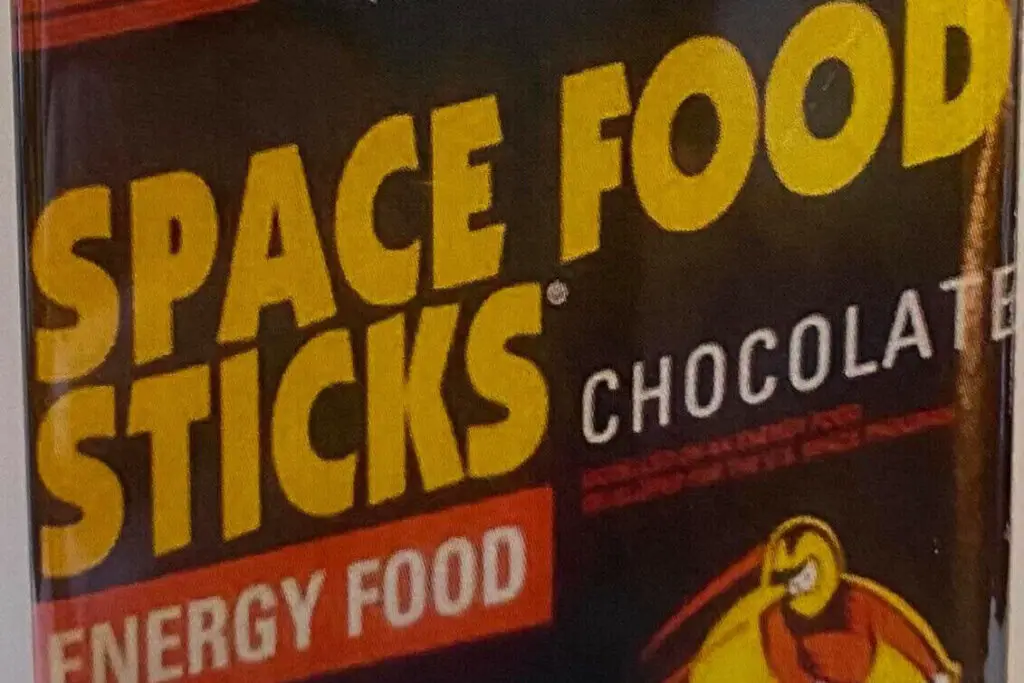
Space Food Sticks sounded like something straight out of NASA, and that was exactly the point. Pillsbury introduced them in the late ’60s, capitalizing on the public fascination with the space program. They were chewy, slightly dry snack sticks that came in flavors like chocolate, caramel, and peanut butter. The idea was that you were eating something similar to what astronauts might take into space. For kids, that alone made them irresistible. They came individually wrapped, making them easy to toss into a lunchbox. The branding leaned heavily into the futuristic angle, which worked perfectly for the era.
Despite their novelty, they were discontinued in the early ’80s as tastes shifted and the space craze faded a bit. They’ve made occasional comeback appearances in limited runs, but they’ve never fully returned to mainstream shelves. The texture and flavor were simple, but the concept carried most of the appeal. People who remember them tend to associate them with school lunches and Saturday mornings. They weren’t flashy, but they felt different enough to stand out. It’s a product that shows how much marketing and cultural trends can shape what ends up in your pantry.
4. Shake-a-Puddin’
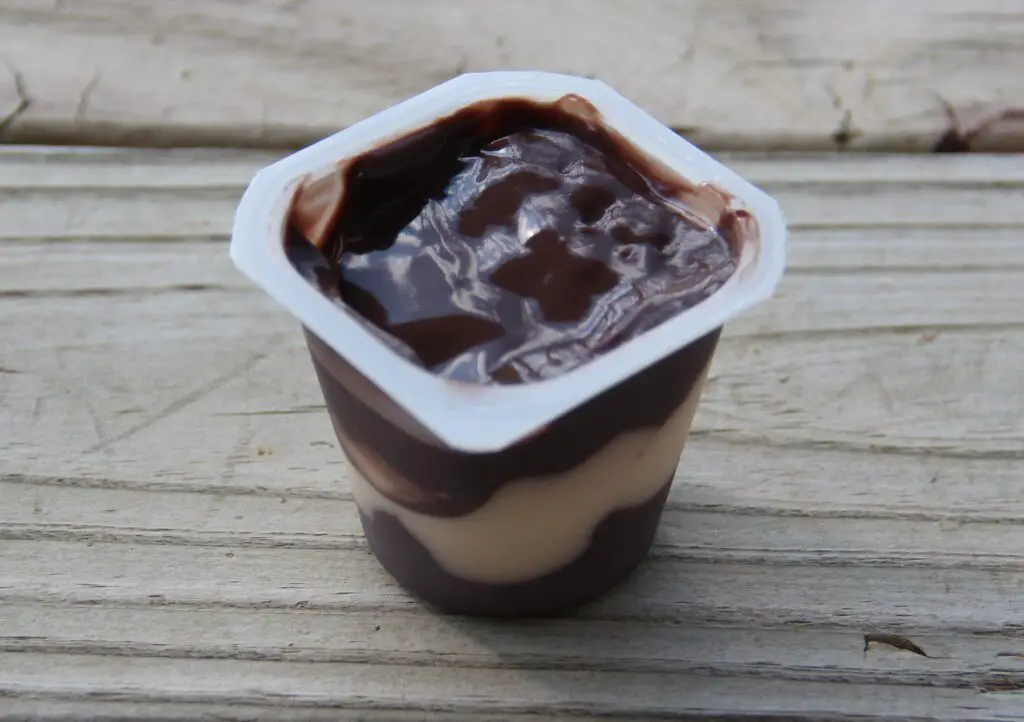
Shake-a-Puddin’ was one of those products that turned making dessert into an activity. Instead of cooking anything, you just poured milk into a container, added the mix, and shook it until it thickened. It felt interactive, which made it especially popular with kids. The process only took a few minutes, and the result was a simple pudding you could eat right away. It came in familiar flavors like chocolate and vanilla. The real appeal was the novelty of shaking your dessert into existence.
Introduced by General Foods in the ’60s, it fit right into the era’s fascination with quick and easy kitchen solutions. Over time, it lost ground to pre-packaged puddings and other ready-to-eat snacks. By the late ’70s, it had largely disappeared from stores. People who remember it often recall the shaking more than the taste itself. It turned a basic dessert into something hands-on, which was part of its charm. Today, it’s mostly remembered as a quirky example of mid-century convenience food.
5. Marathon Bar
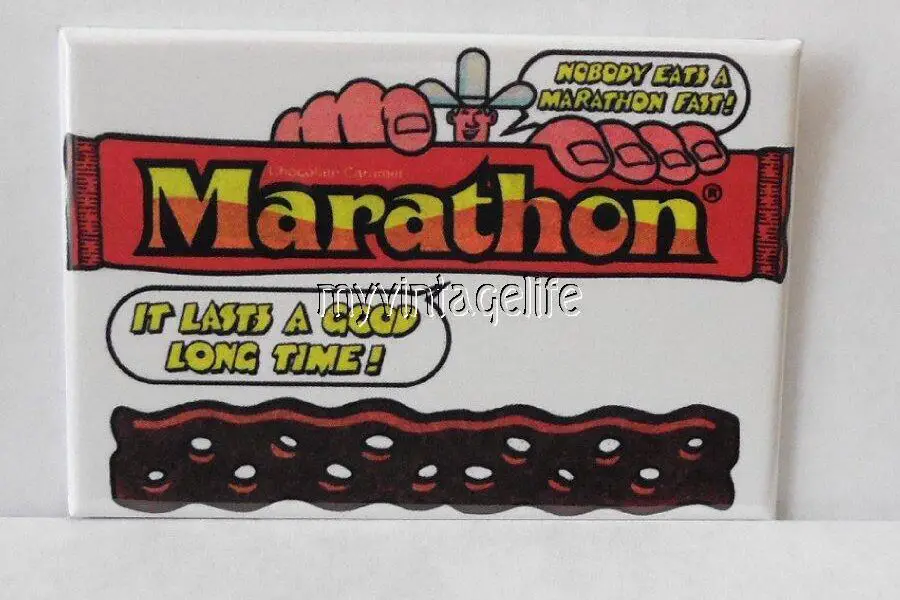
The Marathon Bar stood out immediately because of its shape. Instead of a typical candy bar, it was long, braided caramel covered in chocolate, stretching about eight inches. It even came with a ruler printed on the wrapper to emphasize its length. Eating it took time, which made it feel like you were getting more for your money. The caramel was dense and chewy, so it wasn’t something you could finish quickly. Kids loved the challenge of eating the whole thing.
Mars introduced it in the U.S. in 1973, but it was discontinued in 1981. It was similar to the Curly Wurly bar sold in the UK, but the Marathon had its own distinct branding. Even decades later, people still bring it up as one of the most memorable candy bars of its time. It wasn’t just about taste, it was about the experience. The length and texture made it feel different from everything else on the shelf. That uniqueness is exactly why it’s still remembered.
6. PB Max
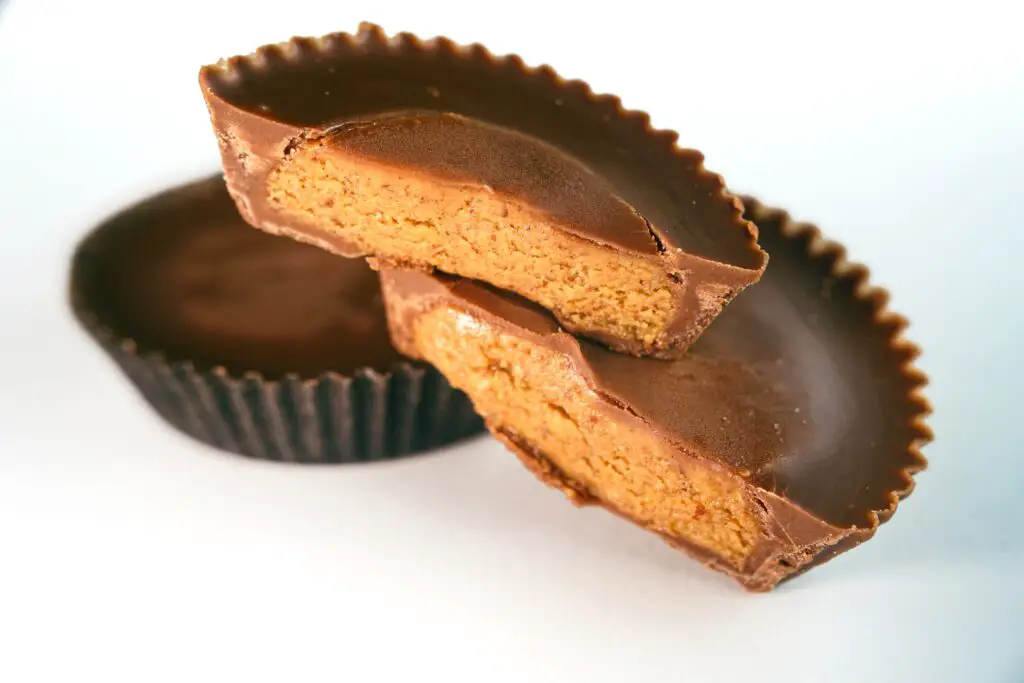
PB Max had a surprisingly loyal following for something that didn’t last very long. It combined a whole grain cookie base with peanut butter and oats, all coated in milk chocolate. The texture was a mix of crunchy and creamy, which made it stand out from standard candy bars. It felt a little more substantial, almost like a snack and dessert in one. Many people who tried it still describe it as one of the best candy bars ever made. It developed a near cult-like reputation after it disappeared.
Mars launched PB Max in 1989, but it was discontinued just a few years later in the mid-’90s. The commonly cited reason is that the Mars family reportedly wasn’t fond of peanut butter, though I cannot independently confirm that as the sole reason. Regardless, its removal from shelves surprised a lot of fans. It’s one of those products that people still hope will come back someday. The combination of ingredients was simple but effective. Its short lifespan only added to its mystique.
7. Reggie! Bar
The Reggie! Bar was tied directly to baseball legend Reggie Jackson, which made it instantly recognizable. It featured peanuts, caramel, and chocolate, similar to other candy bars, but the branding was the main draw. It was introduced in 1976 by Standard Brands and quickly became popular, especially in New York. During the Yankees’ 1977 season, fans even threw the bars onto the field after Jackson hit home runs. That kind of moment cemented its place in sports and snack history.
Despite its strong start, the bar was discontinued in 1981. It briefly returned in the ’90s and has appeared occasionally in limited releases since then. The connection to Jackson is what keeps it alive in people’s memories. It wasn’t just a candy bar, it was tied to a specific cultural moment. For baseball fans, it represents a very particular era. That kind of association is hard for any product to replicate.
8. Hi-C Ecto Cooler
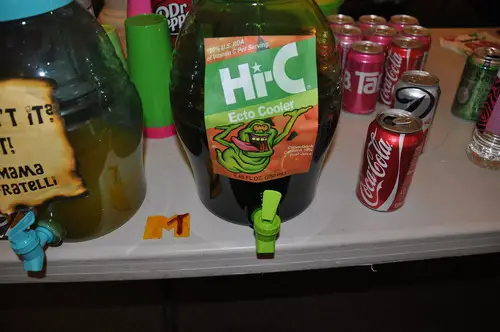
Hi-C Ecto Cooler became a phenomenon largely because of its connection to Ghostbusters. Originally just a citrus-flavored drink, it was rebranded in 1987 with the Slimer character on the box. The bright green color and tie-in made it instantly appealing to kids. It tasted sweet and slightly tangy, similar to orange drink with a twist. Lunchboxes across the country suddenly had something that felt a little more fun. It wasn’t just a drink, it was part of a bigger pop culture moment.
Even after the original promotion ended, Ecto Cooler stuck around for years due to its popularity. It was eventually discontinued in 2001, though it has returned for limited runs tied to franchise revivals. People who grew up with it often remember the color as much as the flavor. It’s one of those products that became bigger than its original purpose. The branding elevated a simple juice box into something memorable. That’s a rare feat for any grocery item.
9. Planters Cheez Balls (Original Recipe)
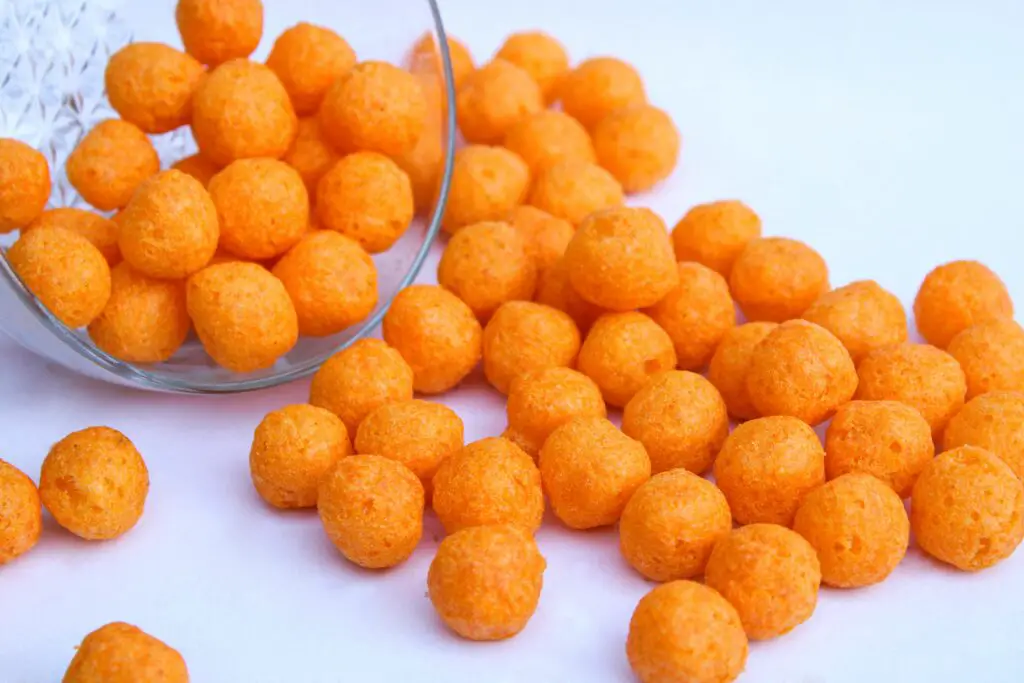
Planters Cheez Balls came in a distinctive blue can that was hard to miss. The snacks themselves were bright orange, airy, and coated in a bold cheese flavor that stuck to your fingers. Opening that can was part of the experience, especially at parties or family gatherings. They had a lighter crunch compared to denser cheese snacks. It was easy to keep reaching for more without realizing how many you’d eaten. For many people, they became a go-to snack in the ’80s and ’90s.
They were discontinued in 2006, which surprised a lot of longtime fans. The product has since returned in a slightly different form, but many insist the original version had a distinct taste and texture. Nostalgia for the blue can is almost as strong as the snack itself. It’s one of those items that felt tied to specific moments, like holidays or movie nights. Even with newer versions available, the original still stands out in memory. It shows how packaging and flavor together can leave a lasting impression.
10. Keebler Magic Middles
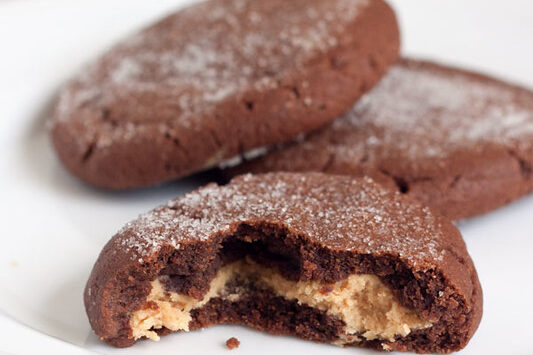
Keebler Magic Middles looked like ordinary cookies on the outside, but the inside told a different story. Each cookie was filled with a soft chocolate or peanut butter center that stayed gooey. Biting into one always felt a little surprising if you weren’t expecting it. They had a rich, almost dessert-like quality compared to standard cookies. The contrast between the outer shell and the filling made them stand out. They quickly became a favorite for people who wanted something a little more indulgent.
Keebler discontinued them in the early 2000s, and they haven’t returned in any official capacity since. Fans have tried to recreate them at home, but the original texture is hard to match. They’re often mentioned in discussions about snacks that should come back. The concept itself wasn’t complicated, but the execution made them memorable. It’s another example of a simple idea done well. That’s often what people miss the most.
11. Hostess Pudding Pies
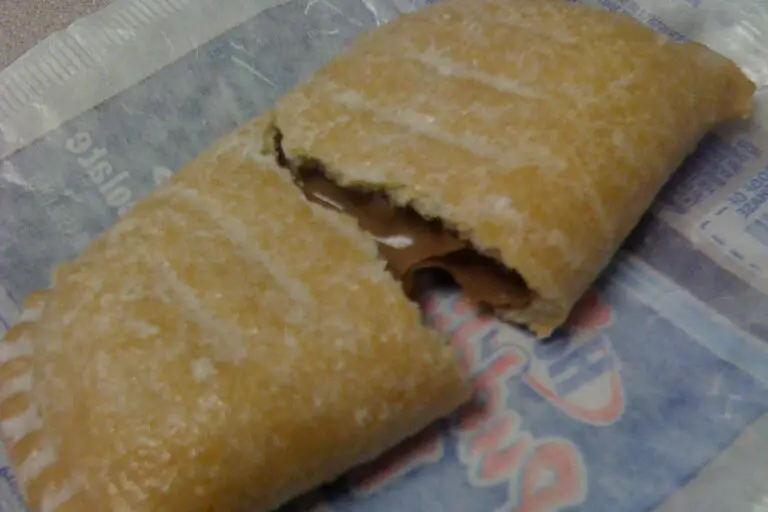
Hostess Pudding Pies were a step up from the brand’s usual offerings. Instead of fruit filling, these pies had a creamy chocolate or vanilla pudding inside a fried crust. The exterior had a slight crispness, while the inside was smooth and rich. They were often found in convenience stores as much as grocery aisles. For many people, they became a favorite after-school snack. They felt more indulgent than standard snack cakes.
They were discontinued in the early 2000s, well before Hostess’ larger corporate issues made headlines. People who remember them often describe the texture as the standout feature. The contrast between the crust and filling made them unique. They haven’t been widely reintroduced, which has only added to their nostalgic appeal. It’s one of those items that quietly disappeared without much explanation. That tends to make people remember it even more.
12. Fruit Brute Cereal

Fruit Brute was part of General Mills’ lineup of monster cereals, alongside Count Chocula and Franken Berry. It featured a werewolf mascot and a fruity flavor profile, setting it apart from the chocolate and strawberry options. The cereal had a loyal following, especially among kids who liked collecting the different monster characters. Its marshmallow pieces added to the appeal. It felt like part of a larger universe of cereals rather than a standalone product.
It was discontinued in the early ’80s, though it has returned briefly for seasonal releases. Compared to the other monster cereals, it never quite reached the same level of lasting popularity. Even so, people who remember it tend to do so fondly. The branding and character were just as important as the taste. It’s a reminder of how cereal once leaned heavily into mascots and storytelling. That approach made products more memorable.
13. Pepsi AM
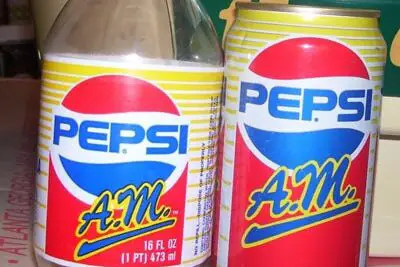
Pepsi AM was an attempt to position soda as a breakfast drink. It contained more caffeine than regular Pepsi and was marketed specifically for morning consumption. The idea was to compete with coffee in a way that felt more familiar to soda drinkers. It came in standard Pepsi branding with a slight twist to emphasize its purpose. The concept was bold, but it didn’t quite catch on. Most people still preferred traditional breakfast beverages.
Introduced in 1989, it was discontinued by 1990 due to low sales. The idea of drinking soda in the morning didn’t resonate widely at the time. It’s often remembered as an example of a product that was ahead of its time, or simply misjudged. Today, with energy drinks and canned coffees everywhere, it doesn’t seem as unusual. Back then, it stood out in a way that made people hesitant. That contrast is part of why it’s still remembered.
14. Slice Soda
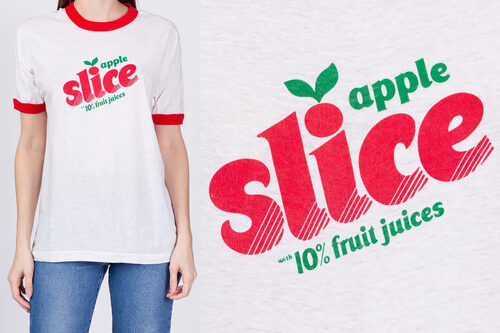
Slice was PepsiCo’s answer to the growing demand for fruit-flavored sodas with a slightly healthier image. Introduced in 1984, it contained a small amount of real fruit juice, which was a big selling point. Flavors like orange, apple, and grape made it feel different from traditional sodas. The branding emphasized freshness and a more natural approach. It quickly gained popularity during the ’80s. For many families, it became a regular alternative to standard soft drinks.
Over time, the brand lost momentum and was gradually phased out in the U.S. by the early 2000s. It still exists in some international markets, but not in the same form. People who remember it often associate it with a specific era of soda marketing. The idea of adding real juice felt innovative at the time. Today, it seems relatively modest compared to modern beverages. That shift highlights how consumer expectations have changed.
15. Nabisco Swiss Cheese Crackers
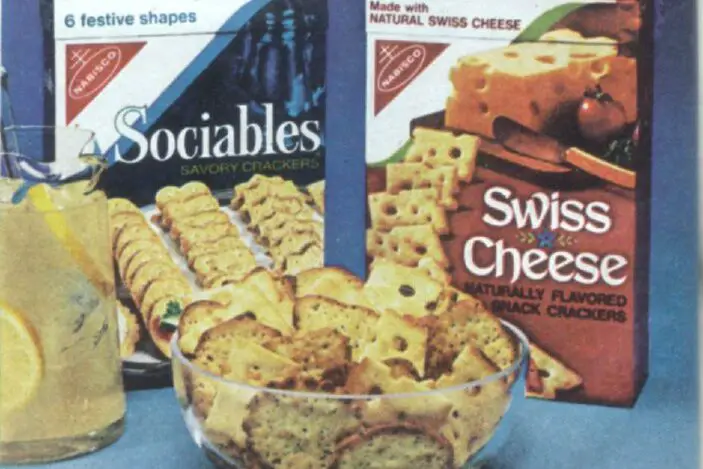
Nabisco Swiss Cheese Crackers had a very distinct look, shaped with holes to resemble slices of Swiss cheese. They had a strong, savory flavor that stood out from milder crackers. The texture was crisp but slightly airy, making them easy to snack on. They often showed up in lunchboxes or as part of simple snack plates. For many people, they were a regular grocery item without much thought. That familiarity is part of why they’re so memorable now.
They were discontinued years ago, though similar products have appeared under different brands. Fans often note that the flavor hasn’t quite been replicated. The visual design made them instantly recognizable. It’s one of those small details that sticks in your memory. Even without flashy marketing, they carved out a place in people’s routines. Sometimes that’s all it takes for a product to be remembered decades later.
16. Chef Boyardee Roller Coasters
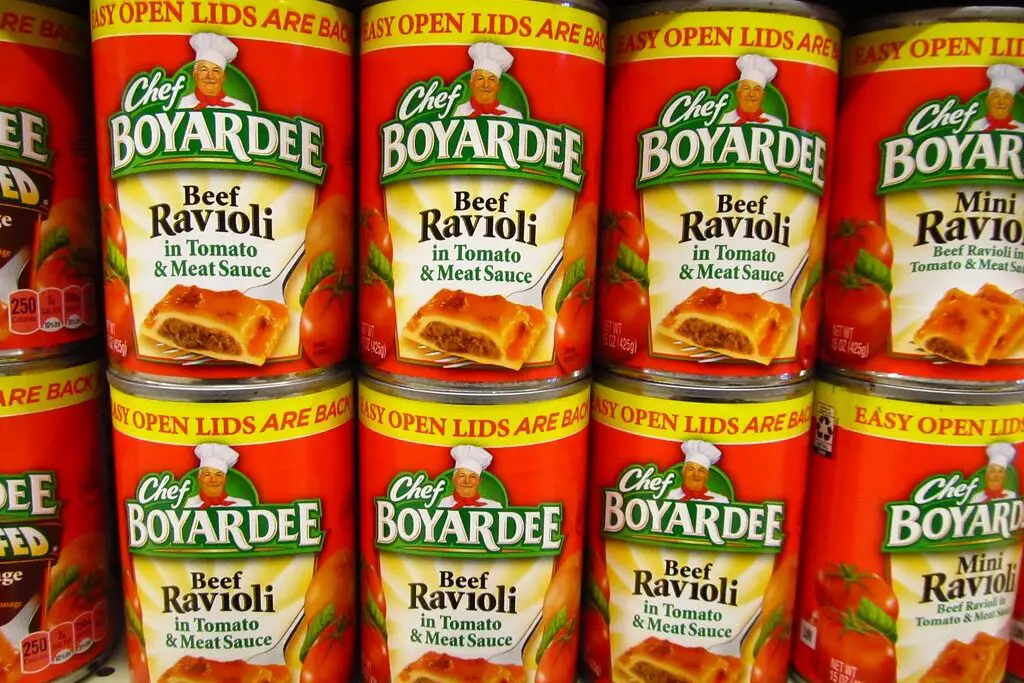
Chef Boyardee Roller Coasters turned pasta into something a little more playful. The noodles were shaped like loops and twists, giving the dish its name. It was still the same tomato-based sauce and pasta concept, but the shape made it more fun for kids. Parents appreciated the convenience, while kids enjoyed the novelty. It became a familiar sight in pantries during the ’80s and ’90s. The branding leaned into the idea of making mealtime entertaining.
Like many novelty-shaped pastas, it eventually disappeared as product lines were simplified. It didn’t offer anything radically different in terms of flavor, but the shape made it stand out. People who remember it often recall the look more than the taste. That’s a common theme with many forgotten grocery items. The visual element can be just as important as the flavor. In this case, it turned a simple canned meal into something a little more memorable.