
1. A&P
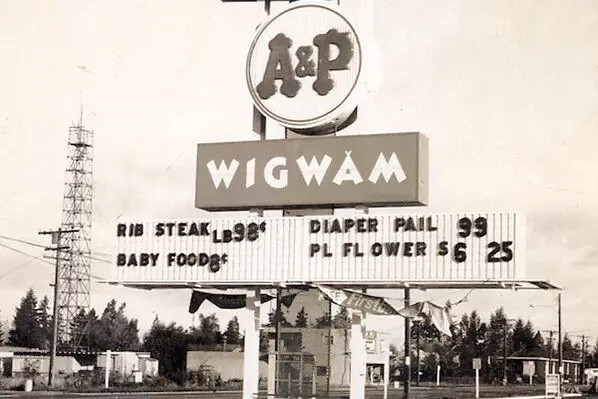
A&P was once the default grocery store for so many suburban families, the place everyone went without even thinking about it. It had that iconic red-lettered sign that made neighborhoods feel complete, almost like a town landmark. Parents loved the weekly specials, and kids remember the smell of freshly ground coffee beans drifting through the aisles. For a lot of families, A&P was where the weekend grocery run became a whole routine. It had a rhythm and predictability that people found comforting. The store brands were surprisingly reliable, too, which made shopping feel economical without sacrificing quality. It wasn’t fancy, but it was familiar, and that was enough. By the time it closed for good, it had been around so long that its absence felt surreal.
When A&P officially ended operations in 2015, it marked the end of a cultural era more than just a chain shutting down. Whole communities had grown up with the store, and the nostalgia hit hard once the signs came down. Its decline happened slowly, but the final closure still felt abrupt because A&P had always seemed indestructible. People still talk about it in that warm, almost wistful way that comes with remembering childhood routines. It’s one of those brands that immediately brings back images of metal carts, clipped coupons, and long aisles that felt endless to kids. Even its old circulars are collectible now among nostalgia fans. A&P will always be synonymous with mid-century suburban life. It’s the kind of store that reminds people how different grocery shopping used to feel.
2. Pathmark
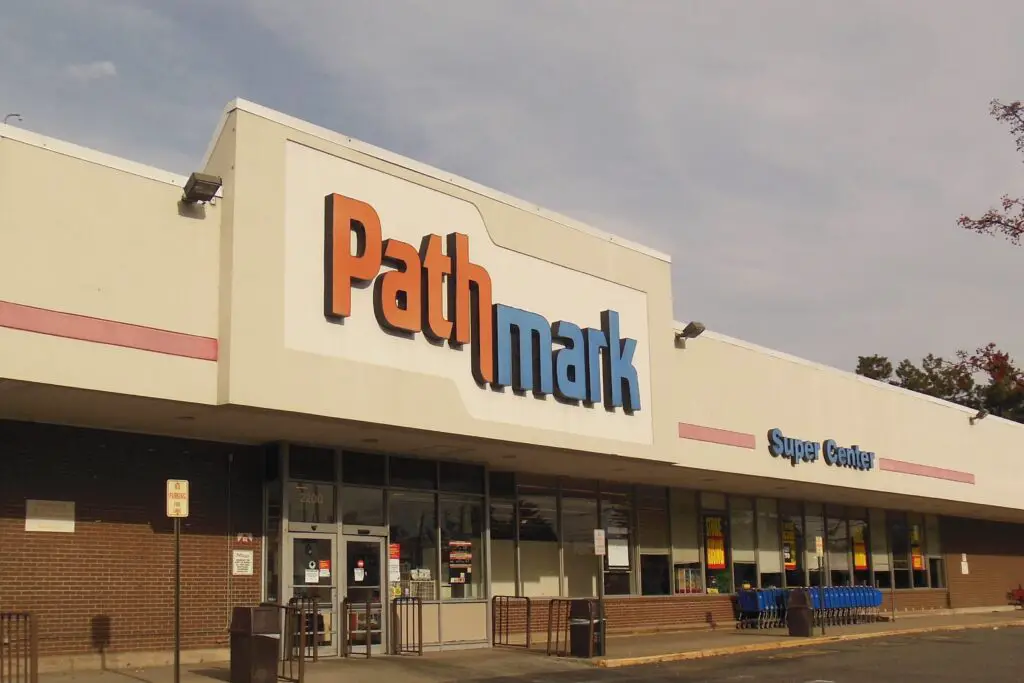
Pathmark was a huge part of suburban life in the Northeast, especially during the ’70s, ’80s, and ’90s. People loved it for its big, bold sales tags and those unforgettable commercials that seemed to run nonstop. It had a certain no-nonsense, practical personality that made grocery shopping feel quick and efficient. The stores were brightly lit and organized in a way that parents appreciated during hectic weeknight runs. Some families even knew exactly which Pathmark had the best snack aisle or bakery. It was reliable, inexpensive, and very much part of the weekly rhythm. Kids might not have cared about the prices, but they remember riding on the carts and checking out the seasonal aisles. It was the kind of store you didn’t realize you’d miss until it was gone.
When Pathmark shut down in 2015, it felt like a chunk of suburban identity disappeared with it. Many neighborhoods still have empty or repurposed buildings that once housed a Pathmark, and older shoppers immediately feel nostalgic when they drive by them. The loss of Pathmark left many people scrambling to find a new grocery store that fit their routine as neatly. Other chains stepped in, but none really captured Pathmark’s very specific charm. It was the kind of store where saving money didn’t feel like a chore. Even the weekly circulars had a certain excitement to them, especially around holidays. Its memory still lives on in local commercials posted online and old shopping bags people kept for odds and ends. Pathmark is truly one of those brands people didn’t appreciate enough until it vanished.
3. Alpha Beta
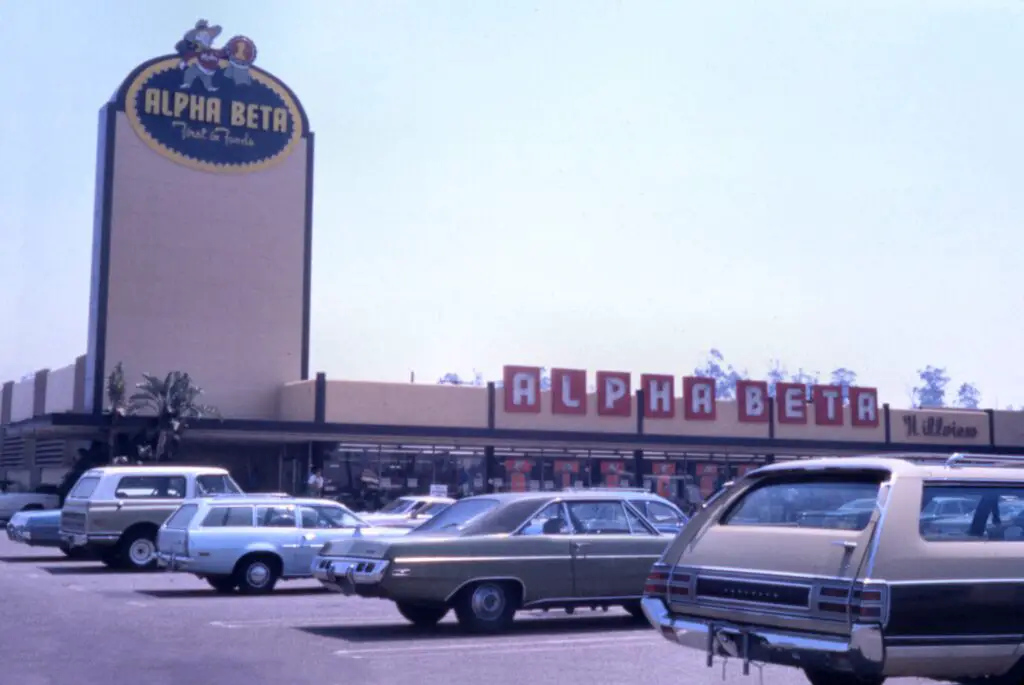
Alpha Beta was a West Coast staple that felt modern and bright during its heyday in the ’60s and ’70s. Families loved its clean aisles, organized layout, and catchy jingles that were impossible to forget. It had that California energy that made grocery shopping feel a bit more upbeat than usual. Kids remember grabbing free cookie samples while their parents browsed the aisles. The stores had everything you needed without feeling overwhelming, and people appreciated that simplicity. It became a predictable stop during weekend errands or after-school grocery runs. For many families, Alpha Beta was their first real memory of a big grocery chain. It fit perfectly into the growing suburban landscape.
By the early ’90s, Alpha Beta started disappearing as stores transitioned into Ralphs or other chains. A lot of people didn’t even realize the switch at first because the change happened gradually. When the name finally vanished, it felt like losing part of the neighborhood’s personality. Even today, older Californians can instantly picture the old signage. The brand has taken on a nostalgic glow, especially for those who grew up during its peak years. It represented a more relaxed and slower-paced version of grocery shopping. People still bring it up when reminiscing about their childhood suburbs. Alpha Beta may be gone, but its memory is incredibly strong.
4. Dominick’s
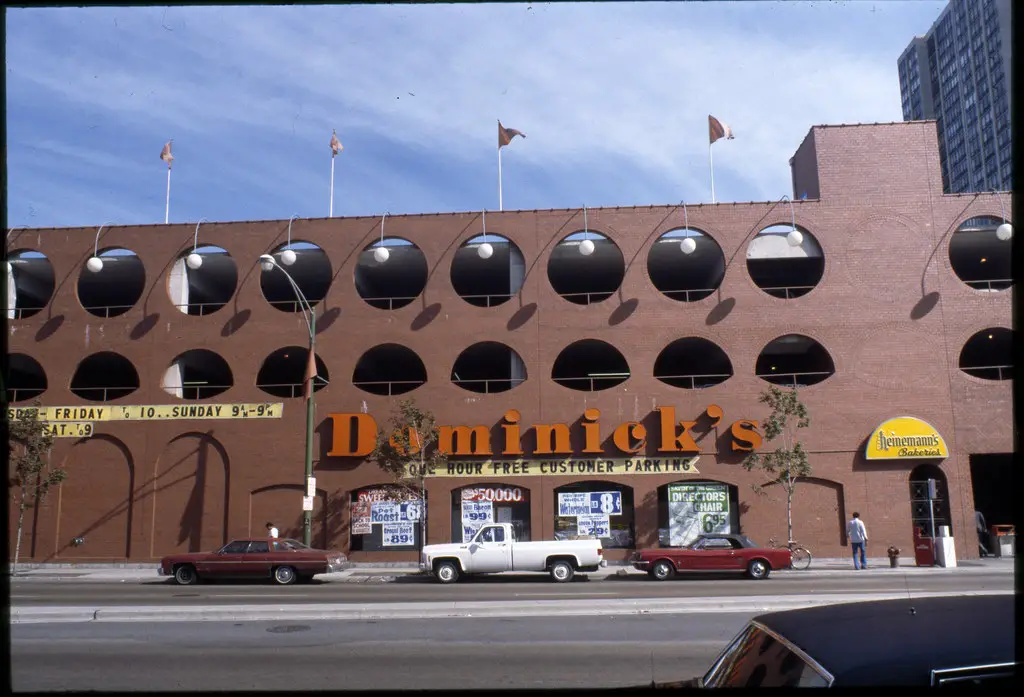
Dominick’s was a Chicagoland favorite for decades, the kind of store where everyone had a preferred location and a favorite bakery counter. It felt slightly more upscale than some of the other grocery options at the time. Families remember the warm lighting, the seasonal displays, and the sense that Dominick’s always had what you needed. Chicago suburbs practically grew up around these stores, and many people still recall going there after school or on Sunday mornings. It had character, and each location had its own small quirks. Shoppers felt comfortable there, and it became a part of family routines more than just a place to buy food. Even the store-brand products had loyal fans. It really was a suburban staple.
When Dominick’s closed in 2013, it left behind a surprising number of empty buildings and disappointed customers. The closures felt sudden, even though the chain had struggled for years. Many neighborhoods had to adjust quickly to new stores filling the space, and the transition wasn’t always smooth. Even now, Chicagoans still bring up Dominick’s with affection. It represents a very specific time in suburban living, one filled with more personal-feeling stores. Memories of the warm bakery smells and the familiar aisles come back easily. For many families, Dominick’s wasn’t just a grocery store, it was a weekly ritual. Its absence is still felt a decade later.
5. Pantry Pride
Pantry Pride was the budget-friendly stop for many families, especially during the cash-conscious ’70s and ’80s. It had that no-frills atmosphere that made shopping feel fast and practical. The orange signage was instantly recognizable, and the store layout was straightforward enough that kids could navigate it with their parents. Pantry Pride was one of those stores where you could stretch your grocery budget without sacrificing the basics. It may not have been glamorous, but it was dependable, and that mattered. Families appreciated having an affordable store nearby, especially during tougher economic times. The shelves were always stocked with staples that made weekly meal planning easier. It really fit the suburban mindset of practicality.
As competition increased, Pantry Pride gradually shuttered its stores and eventually disappeared entirely. Its slow fade meant that many people didn’t notice it was truly gone until years later. Even though it was simple and bare-bones, people still remember it with fondness because it served its purpose well. The brand’s disappearance represents a shift away from simpler grocery options. Today, when people think about old suburban stores, Pantry Pride pops up in conversations surprisingly often. It brings back memories of clipped coupons and careful budgeting. It was the definition of a straightforward grocery store. Losing it meant losing a bit of suburban history.
6. Finast
Finast was especially popular in New England and parts of the Midwest, and it struck a perfect balance between affordable and welcoming. The name itself feels retro now, but many families remember those bold block letters on the store signs. It wasn’t too big or overwhelming, and the store-brand products were trusted by a lot of shoppers. People liked that Finast felt like a local store even though it was part of a chain. Kids remember tagging along and recognizing the aisles long before they could read the signs. It’s the kind of store that felt rooted in the neighborhood. The atmosphere was familiar and comfortable. It was a reliable part of suburban errands.
After being absorbed into other grocery chains, the Finast name faded quietly in the ’90s. Many families didn’t realize it was disappearing until the signs changed. Even so, its memory stuck because it was part of so many people’s early shopping experiences. It represented a simpler time before supermarkets became massive. People still recall specific products that tasted just like home. It’s one of those brands that brings instant nostalgia. Finast may not have been flashy, but it meant a lot to the communities it served. Its disappearance left a gap that modern stores don’t quite fill.
7. Food Fair
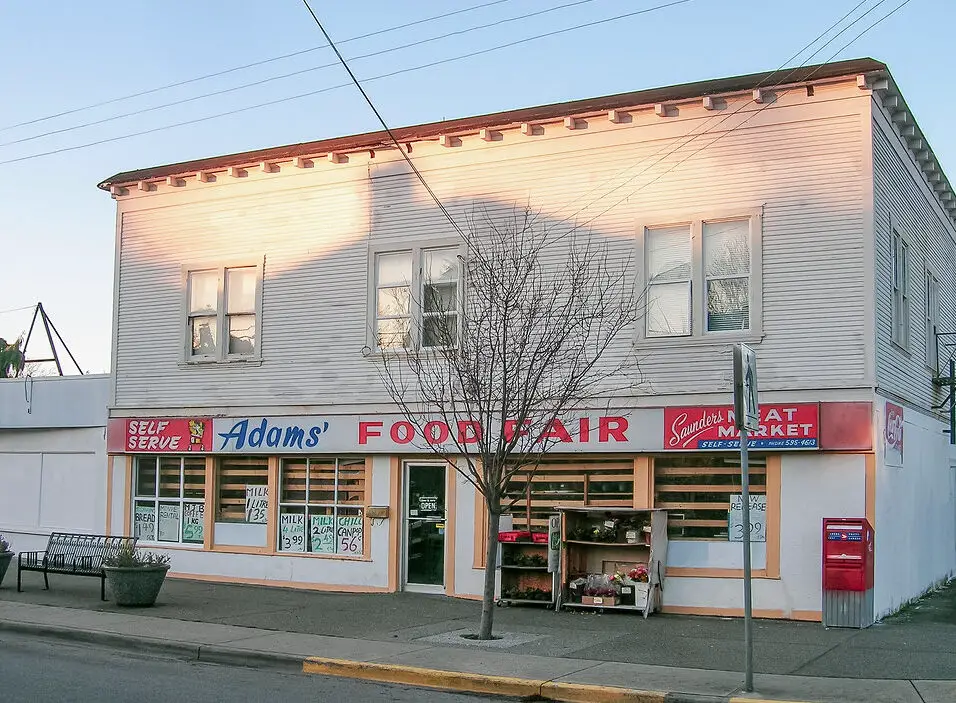
Food Fair was once a big name across the East Coast, especially during the ’50s and ’60s. It had a very mid-century look, the kind you now see in old ads or vintage postcards. Families loved going there because it felt modern at the time, and it made grocery shopping feel like a real event. The stores had long, bright aisles that made everything seem bigger. Kids remember tagging along and being fascinated by the variety of snacks. The name itself has that friendly, old-school ring to it. It was a dependable part of suburban life during its peak. Food Fair really helped shape early grocery culture.
After financial trouble hit in the ’70s, Food Fair began to fade from the suburban landscape. Some were rebranded, others closed, and before long the name had essentially vanished. People who grew up with it remember the transition feeling abrupt. It left behind only memories and the occasional old sign in a vintage photograph. Food Fair has become one of those brands people recall fondly even if they weren’t regular shoppers. It holds a nostalgic charm tied to early suburbia. Talking about it brings back memories of simpler grocery routines. Its absence is a reminder of how many once-prominent stores have disappeared.
8. Grand Union
Grand Union was one of those stores that felt like it had always been there, especially for families in the Northeast. It had a vintage charm with its slightly creaky floors and straightforward layout. Parents liked that they could count on it for everything they needed for the week. Kids often remember it as the place they first picked out snacks on their own. Grand Union had a very classic suburban grocery feel, the kind that doesn’t exist anymore. It was familiar in a comforting way, like an older store that never tried to be overly modern. The brand had a long run filled with loyal customers. It really became part of the suburban landscape.
During the late ’90s and early 2000s, Grand Union went through several ownership changes that weakened the brand. Stores slowly closed or switched names, and the decline felt gradual but inevitable. When the final locations shut down, it hit longtime customers harder than expected. Many people still miss the warm, nostalgic feel of shopping there. It represented an older style of supermarket that had more personality than today’s sleek chains. Even now, the name sparks instant recognition among people who grew up with it. Grand Union remains a sentimental favorite. Its memory is a reminder of how much suburban grocery culture has changed.
9. Lucky Stores
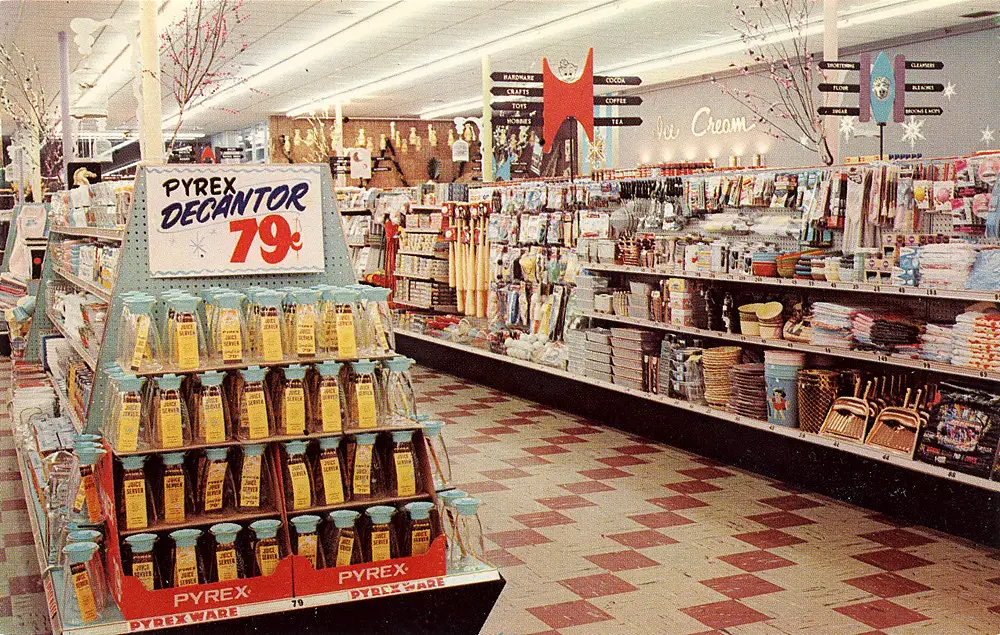
Lucky Stores were a familiar sight for West Coast families, especially in California suburbs. Its red signage felt like part of the neighborhood, and many families did their weekly shopping there without hesitation. The stores struck a nice balance between good prices and a friendly atmosphere. People remember Lucky as one of the easy, dependable chains of the era. Kids recall riding in the carts and begging for treats near the checkout. Lucky Stores had a reliable place in suburban routines. They always felt approachable and convenient. For many people, it was their first grocery memory.
When most Lucky locations rebranded in the late ’90s, it caught a lot of people by surprise. The brand disappeared almost overnight in some areas, leaving shoppers feeling like a piece of their community had changed. A few stores have brought the name back, but it’s more nostalgic than mainstream. People still talk about Lucky as if it belongs to another time. It remains closely tied to childhood memories and long-gone suburban shopping centers. For Californians especially, Lucky Stores represent a very specific era. It’s one of those grocery names that lingers even decades after fading away.
10. Hills Supermarkets
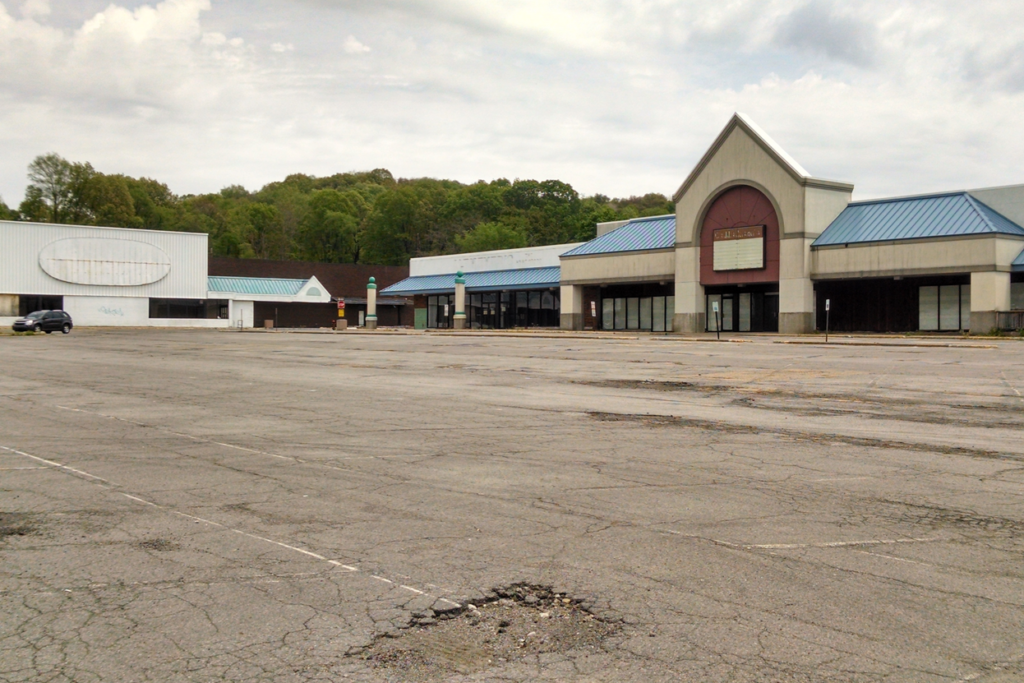
Hills Supermarkets were a big part of suburban life in New York and nearby areas during the ’60s and ’70s. Many families remember it as their go-to spot for big weekly shopping trips. The stores seemed modern for the time, and the aisles were wide enough for kids to wander a bit. People loved that Hills often felt less crowded than some competitors. It was a great place for families who valued convenience. Even its circulars had a very specific look that older shoppers still remember. Kids recall balloon giveaways and fun seasonal displays. Hills fit perfectly into the rhythm of suburban living.
By the mid-’70s, financial troubles started piling up, and the chain began shutting down locations. Before long, Hills had essentially vanished from the grocery scene. The closures felt sudden to many families who had relied on the stores. People still talk about Hills with genuine nostalgia. It had a distinct identity that made it stand out from other supermarkets of the era. The name alone brings back a flood of memories for those who grew up on the East Coast. It represents a warm, familiar version of shopping. Losing it meant saying goodbye to a piece of suburban history.
11. The Old Stop & Shop

Stop & Shop still exists today, but the version people remember from decades ago feels completely different. The older stores had a cozy, local charm that made grocery shopping feel friendly and simple. Families remember the rounded red-and-white signs and smaller layouts that felt easy to navigate. It was the kind of place where neighbors always ran into each other. The bakeries smelled amazing, and kids loved grabbing cookies or peeking at the cake displays. That vintage Stop & Shop was a comforting part of early suburban life. Its atmosphere felt less corporate and more personal. It’s hard not to miss that version of the chain.
Modern Stop & Shop stores have become sleeker, larger, and far more standardized. While convenient, they lack some of the warmth the older stores had. Many people feel nostalgic for the earlier era, especially when they see old photos of the original signage. It reminds them of a time when grocery shopping felt slower and more familiar. The brand still survives, but the classic Stop & Shop spirit is gone. People who grew up with it often describe it as a completely different store. It left behind more memories than most realize. The old version truly belongs on a list of forgotten suburban staples.
12. Piggly Wiggly (in former regions)
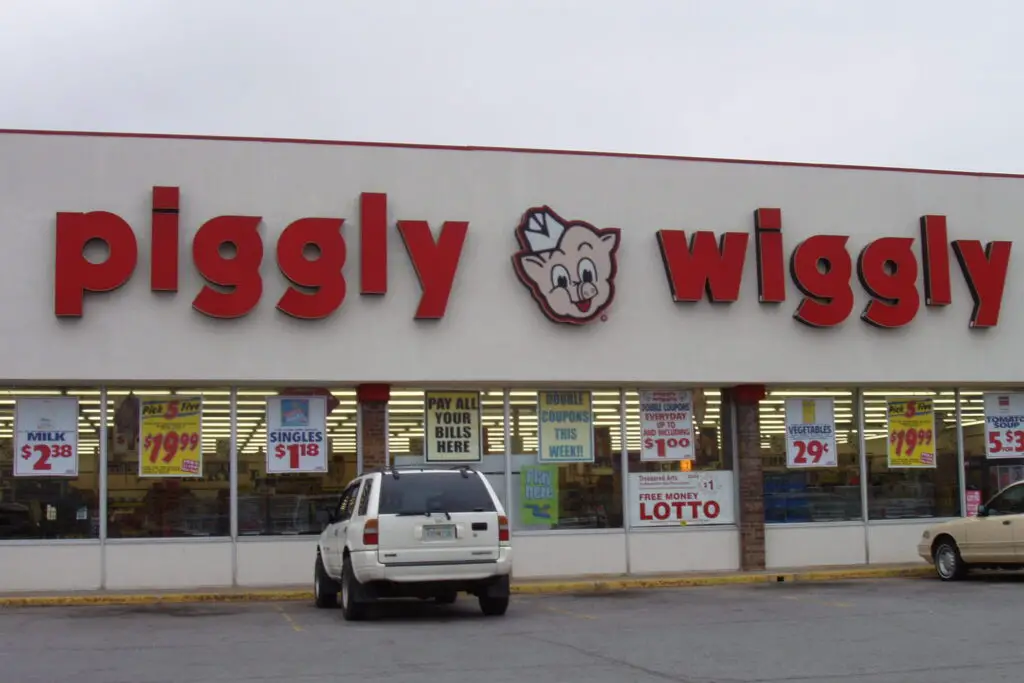
Piggly Wiggly might still exist in the South and Midwest, but it disappeared entirely from many northern suburbs where it once thrived. In the ’50s and ’60s, it was a fun and friendly store with a name that kids loved saying. The pig mascot added to the charm, making it one of the more playful chains around. Parents liked its good prices and straightforward layout. It was one of the first self-service grocery stores, which felt modern at the time. Families remember shopping there during weekend errands before bigger chains took over. Piggly Wiggly truly fit the suburban lifestyle. It was a cheerful part of everyday routines.
As competition grew, many Piggly Wiggly stores were sold, renamed, or simply closed. In many regions, the brand vanished quietly without much fanfare. People who grew up with a local Piggly Wiggly still talk about it with affection. The name alone brings back childhood memories for many shoppers. It represents a more relaxed and less corporate style of grocery shopping. Even those who never shopped there know the name from cultural references. It remains one of the most iconic “almost forgotten” brands out there. Its legacy still feels warm and nostalgic.
13. Big Bear Stores
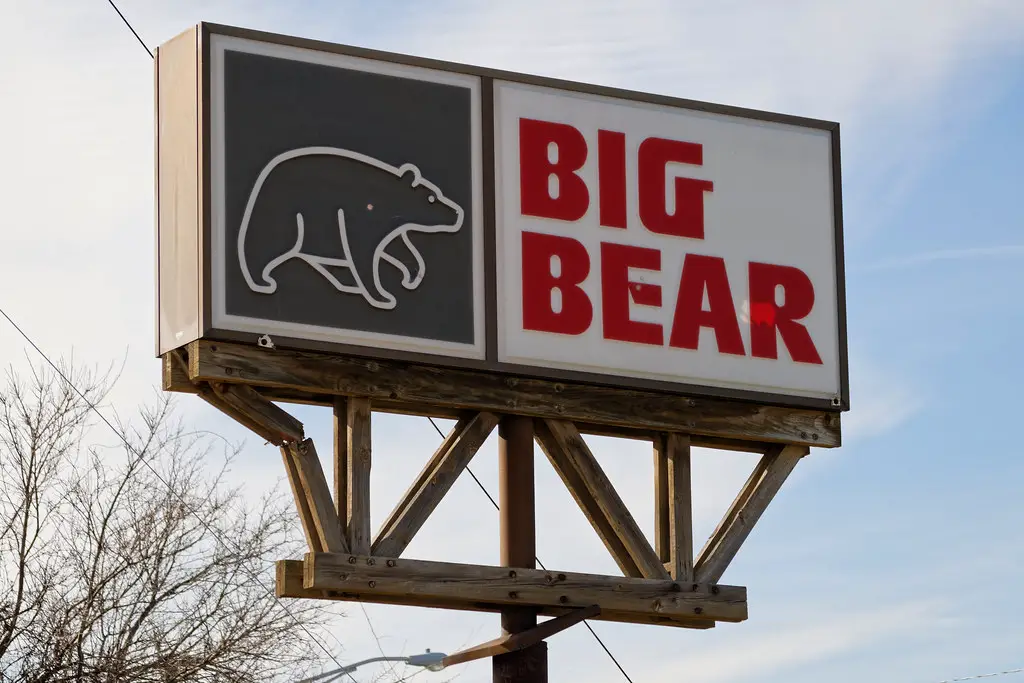
Big Bear was a beloved Midwest chain, especially in Ohio, and it had a homey feel shoppers still miss. Families trusted its store-brand products, and the stores offered a welcoming, community-oriented vibe. Parents often stocked up for the week there, knowing they’d get reasonable prices and solid selection. For kids, Big Bear meant a stop at the bakery for a cookie or snack. Many people remember its bear logo as part of childhood errands. It was dependable and familiar in all the best ways. Big Bear really defined what a suburban chain could be. It felt like part of the neighborhood.
When Big Bear closed its doors in 2004, it left behind a surprising sense of loss. Neighborhoods felt different without it anchoring their shopping plazas. Other chains moved in, but none quite replaced its specific warmth. People still talk about the chain nostalgically, remembering the comfort of its aisles. It became a symbol of community-oriented shopping. Even today, fans collect memorabilia like old logos or shopping bags. Big Bear represents a forgotten style of customer-friendly grocery retail. Its memory still lingers across the Midwest.
14. National Tea Company
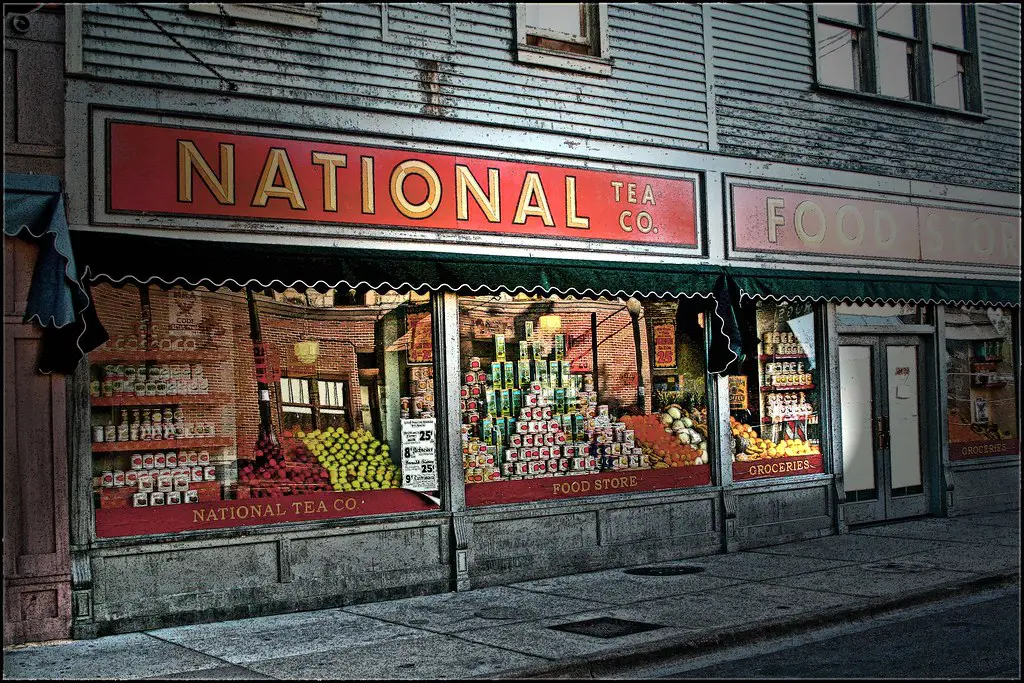
National Tea Company was once a major chain across the Midwest and South, especially during the mid-20th century. Families appreciated its straightforward selection and affordable prices. It had the classic look of a retro supermarket, the kind you now see in newspapers and old family photo albums. Kids remember tagging along and noticing the bright signage and long aisles. The brand felt dependable and steady, offering everything families needed in one stop. It matched perfectly with the suburban growth boom. Many people fondly recall the store-brand items. National Tea was part of early suburbia in a big way.
Over time, mergers and acquisitions slowly chipped away at the brand until it faded in the ’90s. The disappearance happened quietly, but for those who remembered it, the loss still stands out. It represents a time when grocery stores felt simpler and more personal. People who grew up with National Tea still talk about it as a foundational part of their routines. The brand is now mostly preserved through old signs and nostalgic stories. Its memory brings back an entire era of shopping. National Tea will always hold a place in suburban nostalgia.
15. Winn-Dixie (in former northern regions)
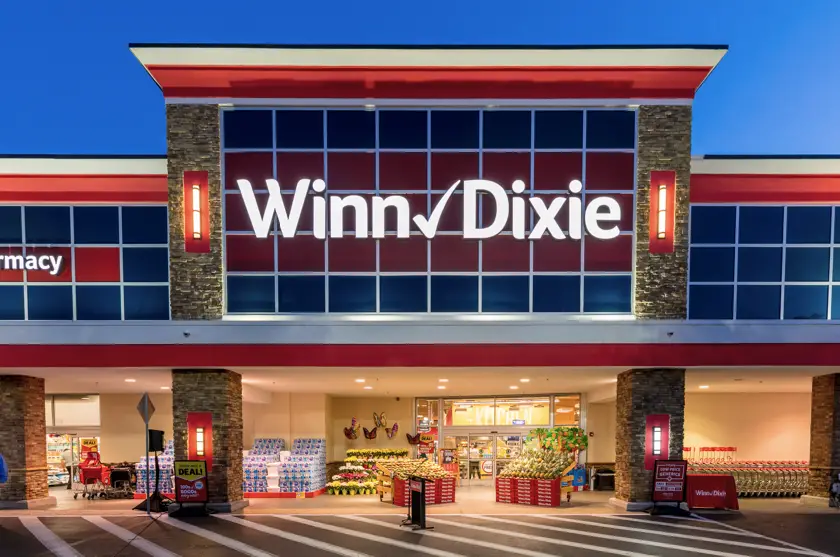
Winn-Dixie still exists in the South, but many northern and Midwestern suburbs once had locations that disappeared long ago. Families who grew up with it remember the red script logo and the warm lighting inside. It felt like a friendly, dependable supermarket that didn’t try too hard to impress. Parents liked the weekly deals, and kids remember grabbing snacks near the checkout. It was a comfortable and familiar part of weekly routines. Winn-Dixie fit right in with the suburban rhythm of the era. It made grocery shopping feel easy. Many people still recall its aisles like they were just there yesterday.
When the chain pulled out of those regions, its departure felt abrupt. Whole neighborhoods suddenly had to rethink their grocery routines. The closure left behind empty buildings or new stores that didn’t have the same personality. People still talk about Winn-Dixie like a long-lost neighbor. It symbolizes a time when grocery shopping felt more local and less corporate. Even though the brand still exists elsewhere, the forgotten northern locations feel like a piece of history. It remains a nostalgic part of suburban living for those who grew up with it. Winn-Dixie truly deserves its place on this list.