
1. Pineapples
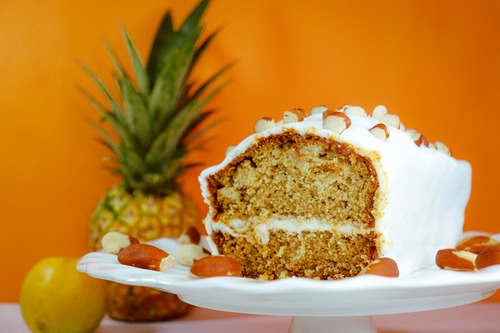
Before you could toss one into your grocery cart without thinking, pineapples were pure luxury. In the 1700s, they were so rare in Europe and colonial America that people rented them just to display at parties. Showing up with a pineapple meant you had serious money and global connections. Hosts sometimes didn’t even eat them, they were centerpieces meant to impress guests.
Growing a pineapple required expensive greenhouses or risky overseas shipping. By the time it arrived, it might already be half spoiled, which only made it more exclusive. The fruit became a symbol of hospitality because it was something most people could never afford. Today it’s sliced onto pizza without a second thought, which would have horrified an 18th century dinner guest.
2. White Sugar
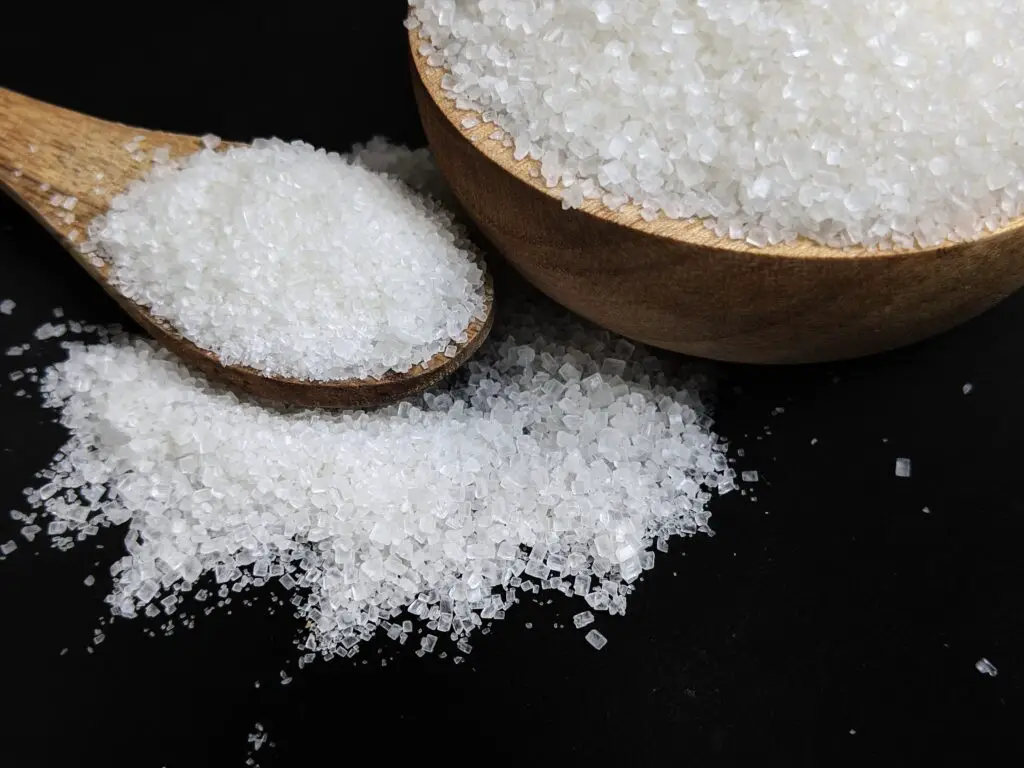
There was a time when white sugar was more precious than gold in many parts of the world. Refining sugar into its bright white form was labor intensive and costly. Only the wealthy could afford sugar loaves, which were often locked away to prevent theft. Serving desserts sweetened with refined sugar was a clear flex.
Sugar sculptures were common at elite banquets, shaped into animals or castles. They weren’t always meant to be eaten, just admired. Ordinary people used honey or fruit instead. The idea of dumping sugar into coffee daily would have seemed wildly indulgent.
3. Aspic
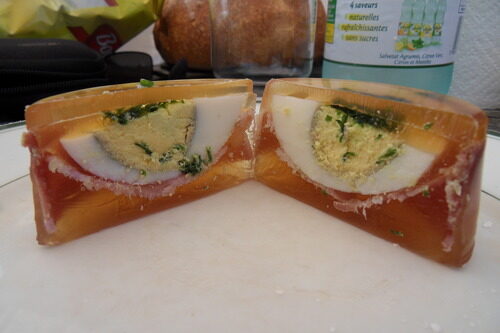
Aspic looks strange to modern eyes, but it once screamed sophistication. Made from clarified meat stock that set into jelly, it required time, skill, and plenty of meat. Meat itself was expensive, so suspending food in aspic showed abundance. Elaborate molded dishes were common at upper class dinners.
The clear, glossy look was meant to show off both ingredients and culinary technique. Cookbooks treated aspic as a sign of refinement. Today it mostly inspires curiosity or jokes. Back then, it meant your household had resources and a trained cook.
4. Peacock
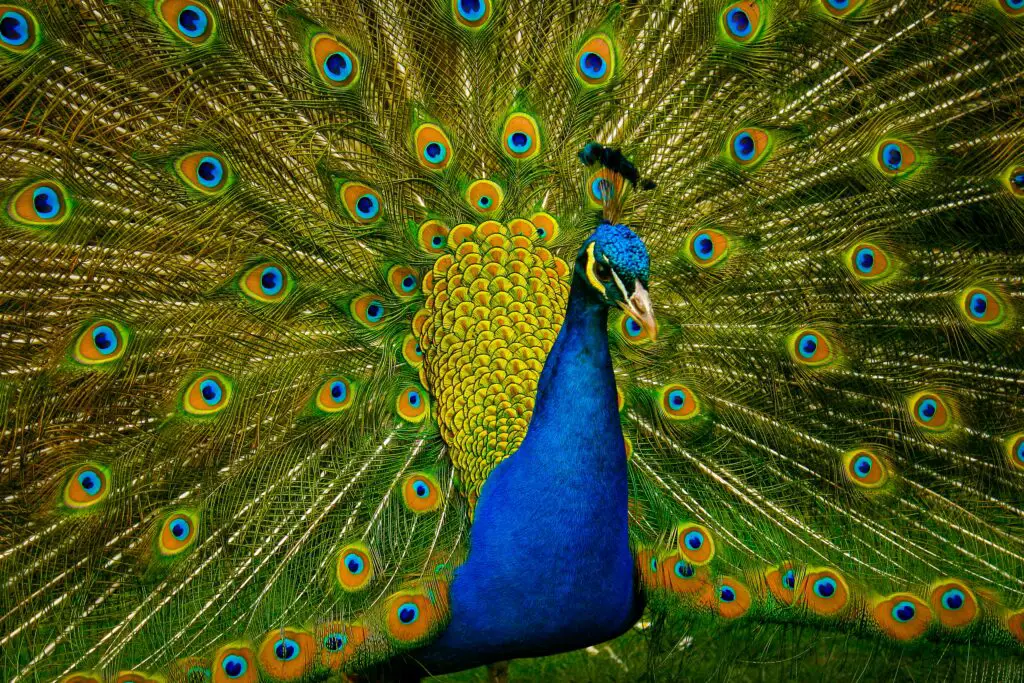
Peacock was not just dinner, it was theater. Medieval banquets often featured whole peacocks roasted and re dressed in their feathers. The bird was more about spectacle than flavor. Serving one announced wealth, power, and status instantly.
Only nobles could afford to waste food on visual drama. The peacock was sometimes paraded into the hall before carving. Regular people might never see one in their lifetime. Today the idea sounds excessive, which was exactly the point.
5. Spices
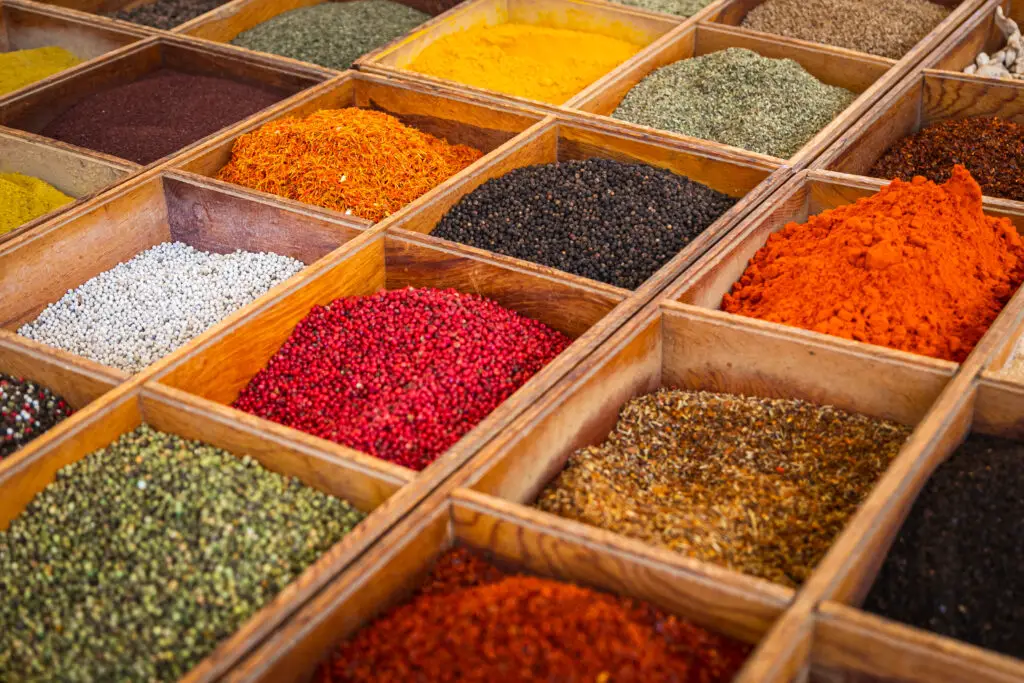
Spices like pepper, nutmeg, and cloves were once worth fortunes. They traveled dangerous routes by land and sea, passing through many hands. A small pouch of spice could cost a laborer months of wages. Wealthy households used spices generously to show they could.
Spices also symbolized worldliness and access to distant lands. Recipes often used more spice than necessary just to prove a point. Over time, global trade made them affordable. Now they sit quietly in kitchen cabinets instead of locked chests.
6. Oysters
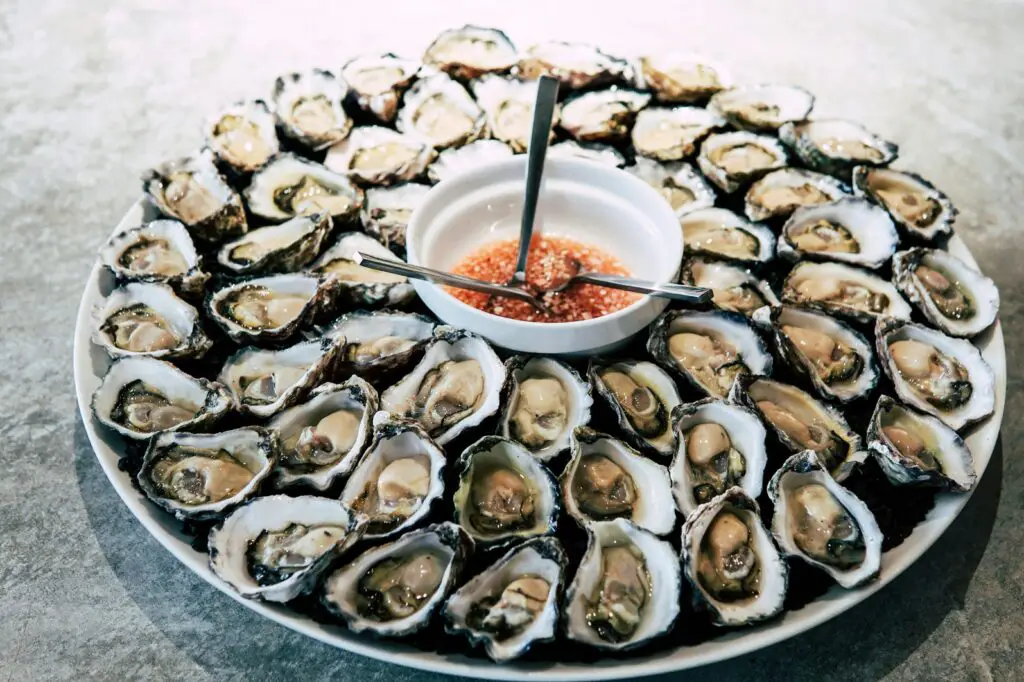
Oysters were not always casual bar food. When inland transportation was difficult, fresh oysters were rare and costly. Serving them meant you lived near the coast or paid dearly to ship them inland. They were associated with elegance and fine dining.
Overharvesting and industrial shipping changed everything. At one point they became food for the working class. The cycle eventually flipped again, with oysters returning to luxury status. Their history says a lot about how wealth and access shift over time.
7. Caviar
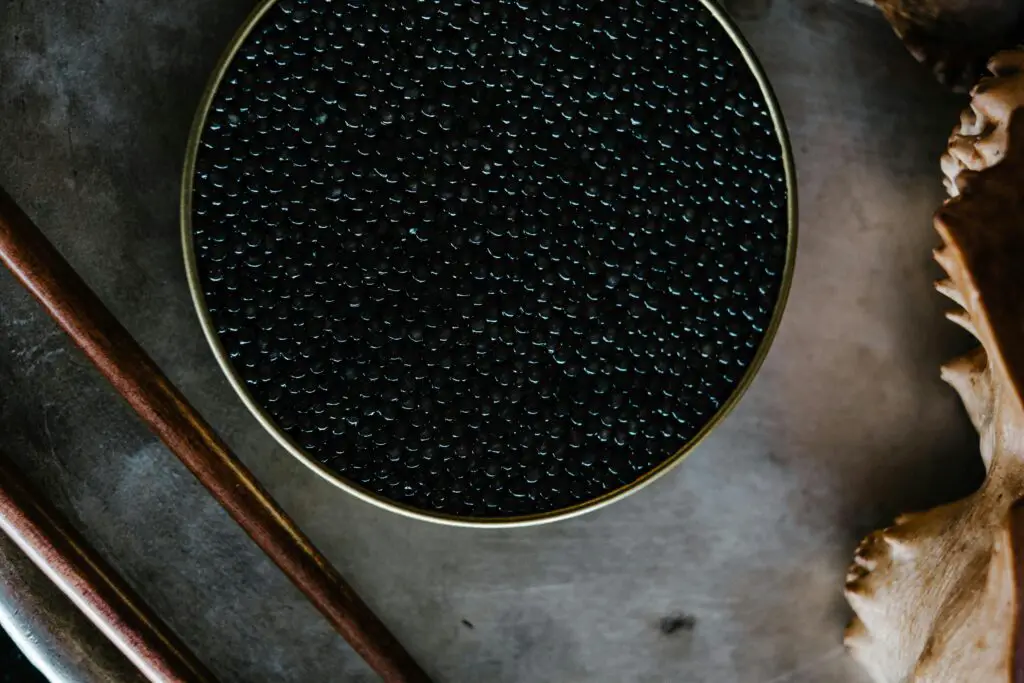
Caviar has long been associated with excess. Harvesting sturgeon roe required access to specific waters and careful preparation. Only elites could afford to eat it regularly. It appeared at lavish parties as a quiet symbol of privilege.
The small portions were part of the message. You didn’t need a lot to show you could afford it. Conservation and rarity have kept its luxury image intact. Still, its roots go back to a time when food was used to signal class.
8. Marzipan
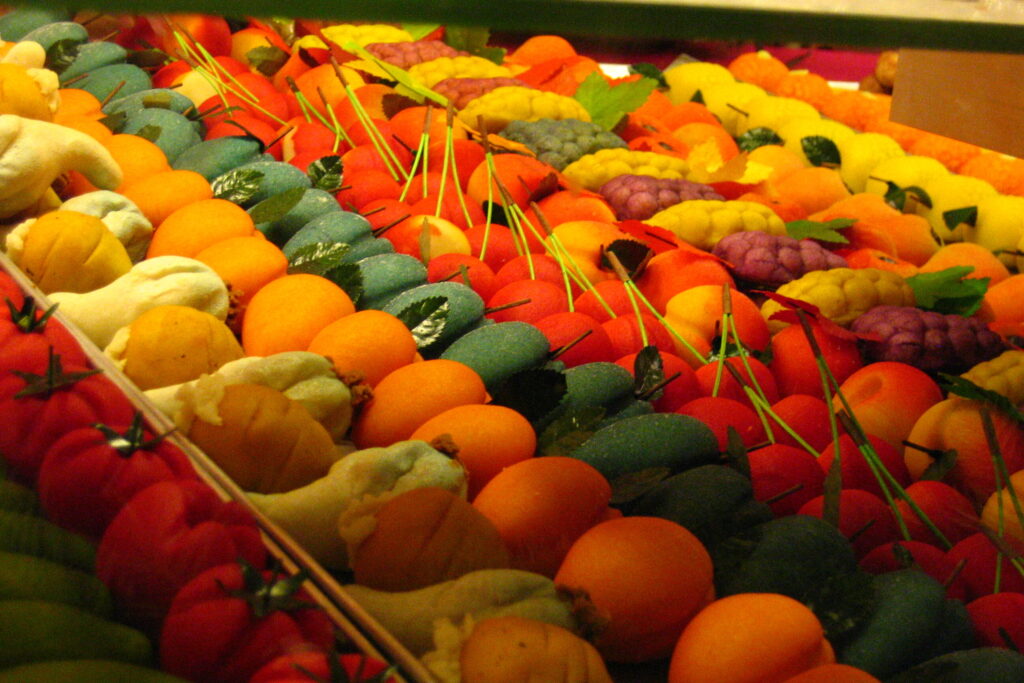
Marzipan was once reserved for royalty and special occasions. Made from almonds and sugar, both expensive ingredients, it was far from everyday fare. It was often shaped into fruits, flowers, or animals. These creations decorated banquet tables before being eaten.
Marzipan also had medicinal associations, which added to its prestige. Only wealthy households could afford to waste time and ingredients on edible art. Today it feels old fashioned. Once, it was the height of indulgence.
9. Swan

Swans were legally protected in medieval England and belonged to the crown or nobility. Eating one required permission and status. Like peacock, swan was about symbolism more than taste. Its presence at a table sent a very clear message.
Swans were marked and tracked, reinforcing their exclusivity. Serving one meant power and privilege. Modern sensibilities find the idea uncomfortable. In its time, it was unmistakably elite.
10. White Bread

White bread used to be a luxury item. Refining flour to remove bran took extra effort and cost. Dark, coarse bread was for common people. White bread signaled refinement and wealth.
Serving soft white loaves showed you could afford waste. The nutritious parts of the grain were discarded in favor of appearance. Over time, this perception flipped completely. Now whole grain bread carries the prestige.
11. Ice Cream
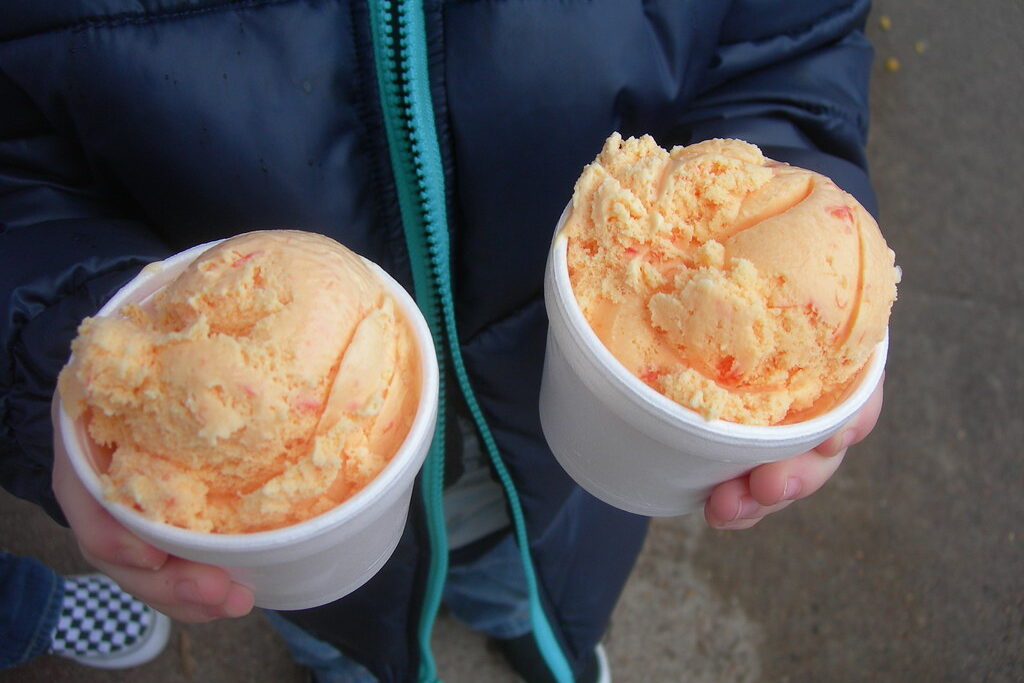
Before freezers, ice cream was wildly impractical. Ice had to be harvested, stored, and transported. Only wealthy households could manage it. Serving ice cream at a party was astonishing.
It was often reserved for royalty and elite events. The effort required made it unforgettable. Today it is everywhere, even at gas stations. That ease would have seemed unbelievable centuries ago.
12. Turtle Soup
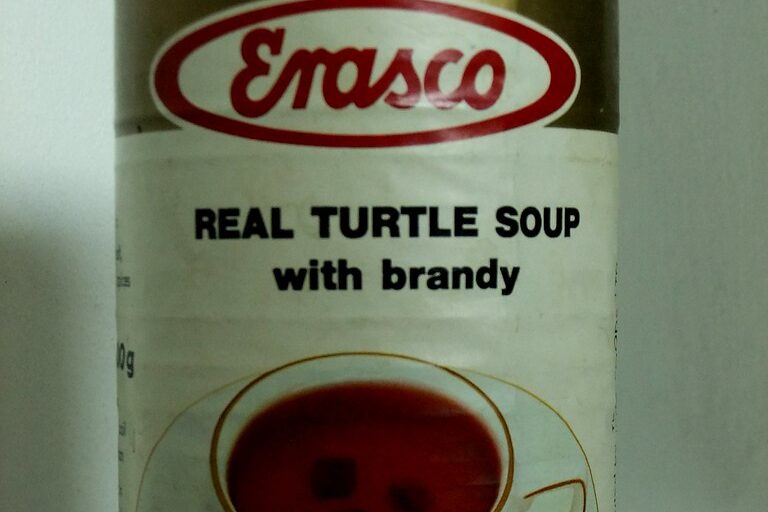
Turtle soup was once a status symbol in Europe and America. Importing turtles and preparing the soup was expensive. It appeared at formal banquets and political dinners. Offering it meant your event mattered.
The soup became associated with power and influence. Over time, conservation concerns ended its popularity. What remains is the reputation it once carried. It was a dish meant to impress, not comfort.
13. Oranges
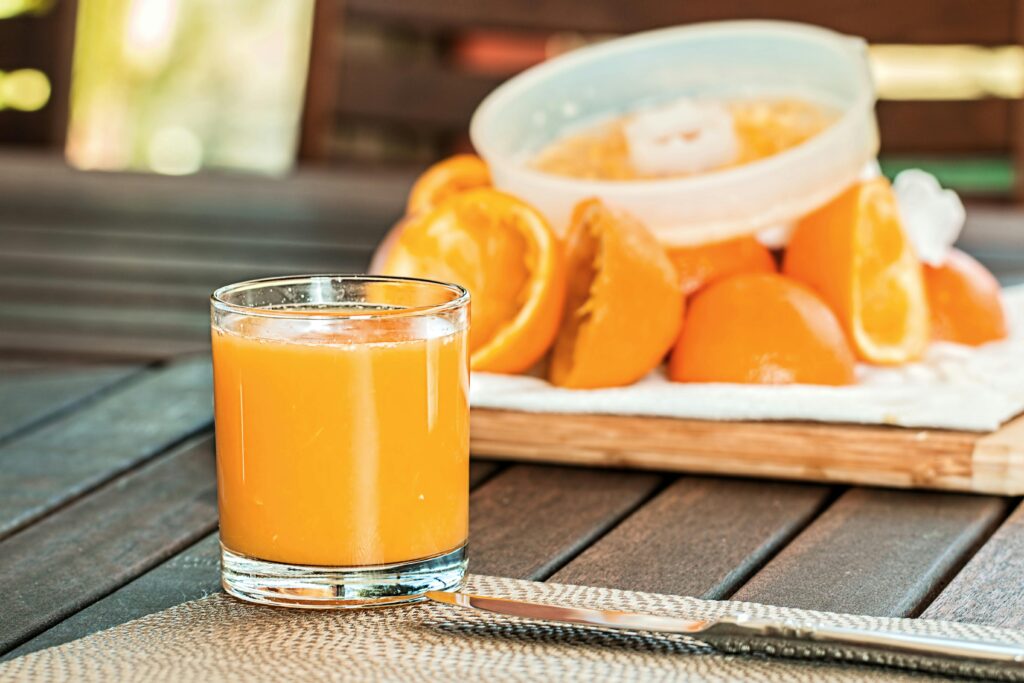
Oranges were once rare winter luxuries in colder climates. They had to be imported and traveled long distances. Receiving an orange as a gift was special, especially for children. Displaying them showed wealth and connections.
They often appeared in stockings or on banquet tables. People saved the peels to scent rooms. Today they are everyday fruit. Their former status feels almost impossible to imagine.
14. Truffles
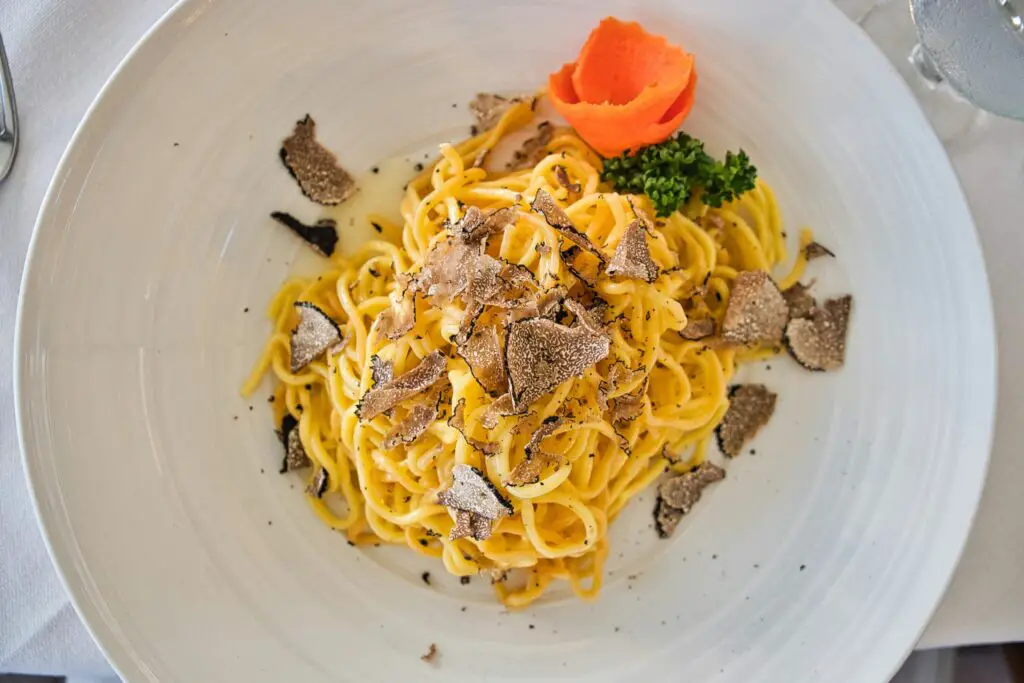
Truffles have always been elusive and expensive. Finding them required trained animals and local knowledge. They couldn’t be farmed reliably for centuries. This scarcity made them symbols of wealth.
Their aroma and price went hand in hand. Truffles showed up in fine kitchens long before they reached home cooks. Even now, they carry an air of indulgence. Their reputation is rooted in centuries of exclusivity.