
1. Potato Water Soup
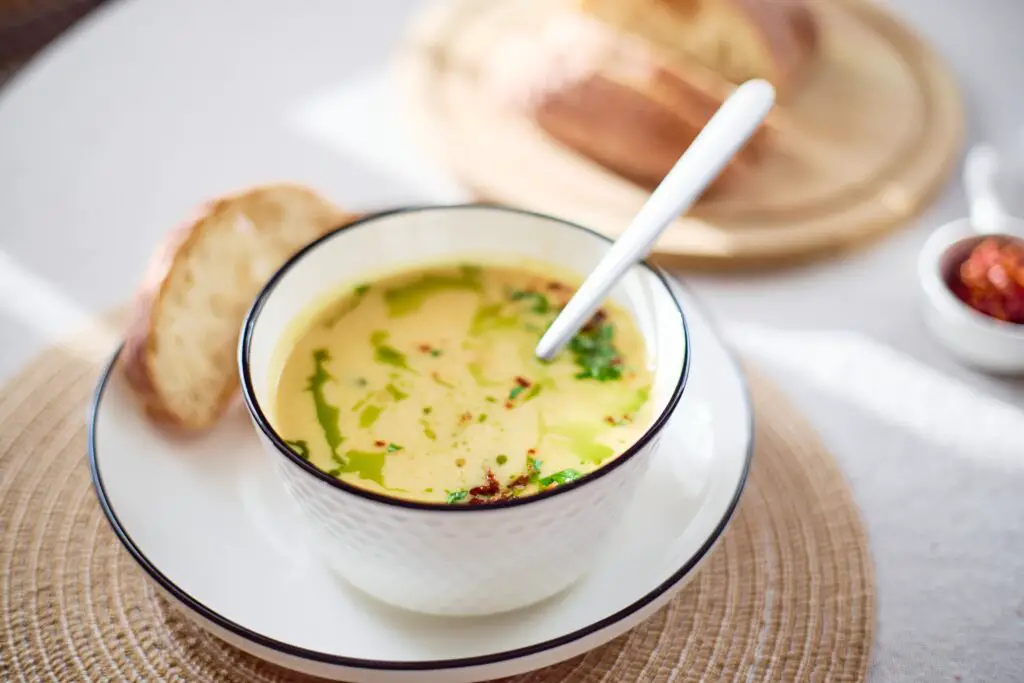
This was the kind of meal that happened when the potatoes were gone but the pot still had something to give. Families saved the starchy cooking water and turned it into a thin soup with salt, pepper, and maybe a splash of milk if there was any left. It looked like nothing and tasted like survival. The warmth mattered more than the flavor.
It showed up quietly during weeks when groceries were stretched to the breaking point. No one ever wrote it down or claimed it as a recipe. It was just something you did because throwing food away was not an option. Once times improved, this soup vanished without ceremony.
2. Cornmeal Mush
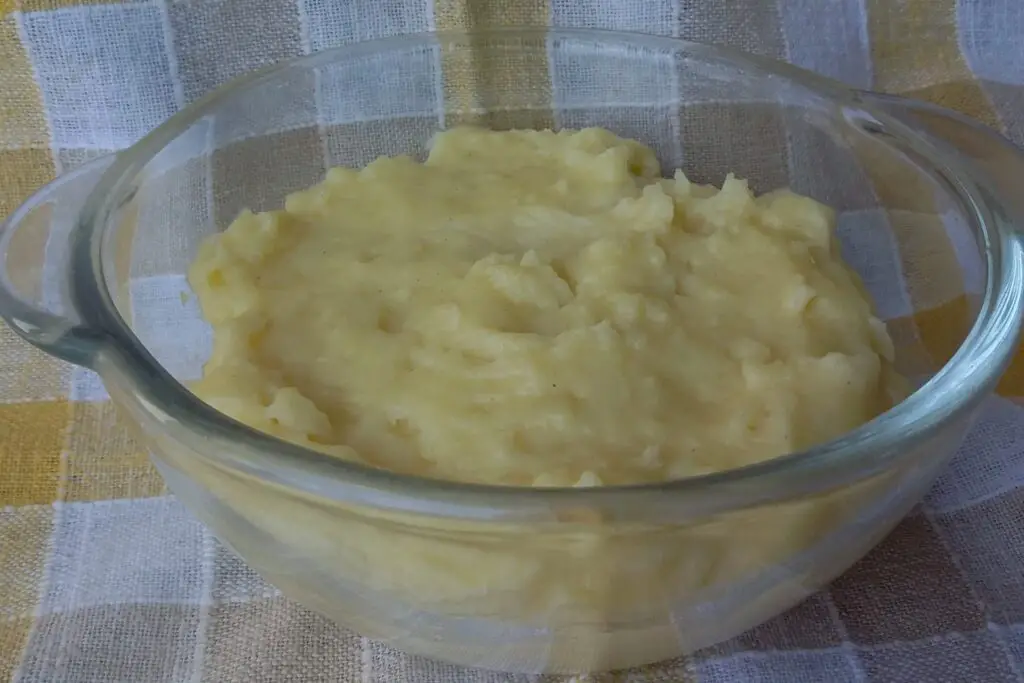
Cornmeal mush walked the line between breakfast and dinner, depending on how desperate the situation was. Boiled with water and a pinch of salt, it could be eaten plain or dressed up with whatever scraps were available. Some families fried leftovers the next day to make it feel like a new meal.
It filled bellies cheaply and reliably when cupboards were nearly empty. The texture was divisive, but complaints were not encouraged. Mush was eaten because it existed, not because it was loved. When money returned, most households quietly retired it for good.
3. Depression-Era Meatless Loaf
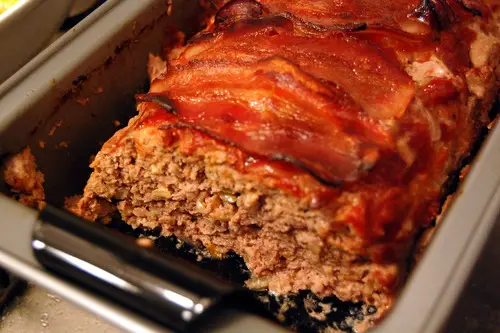
This loaf looked like meatloaf but relied on breadcrumbs, onions, and eggs instead of beef. It was seasoned heavily to mask what was missing. Families sliced it carefully so everyone got an even portion.
It existed to create the illusion of a proper dinner during lean weeks. Served with gravy, it almost felt convincing. Almost. Once real meat came back to the table, this loaf faded into memory.
4. Boiled Onion Supper
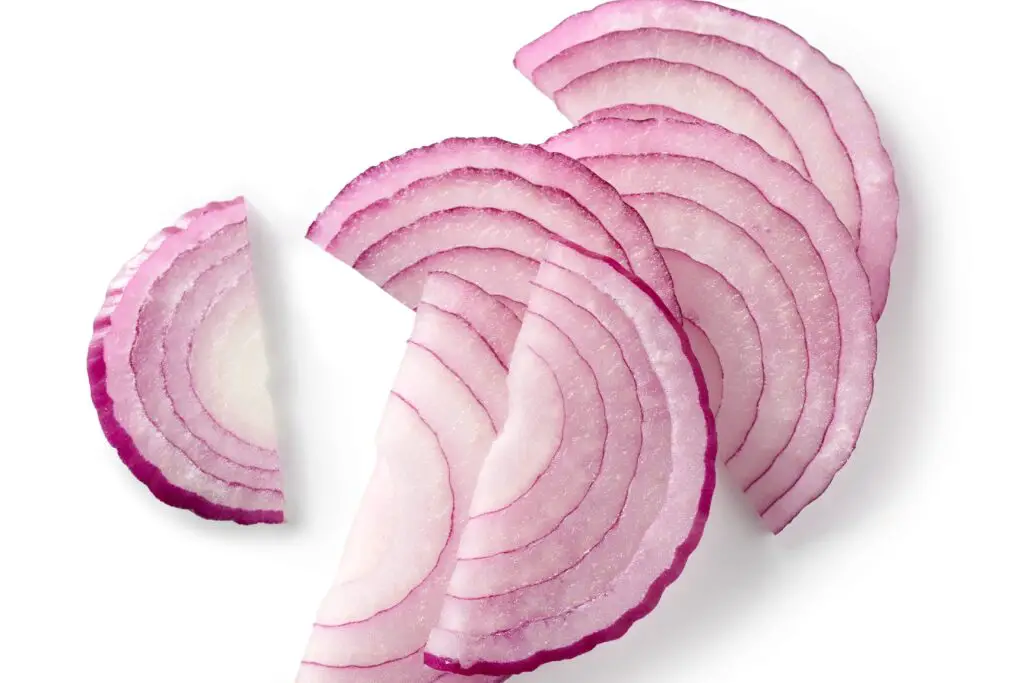
A whole onion boiled until soft does not sound like a meal, but during hard times it counted. The onion sweetened as it cooked, creating a broth that felt hearty enough to justify a bowl. Sometimes bread was dunked into the liquid to stretch it further.
This dish appeared when even soup ingredients were scarce. It was eaten slowly and without comment. Nobody requested seconds, but nobody refused it either. When times improved, boiled onions returned to being ingredients, not dinners.
5. Milk Toast
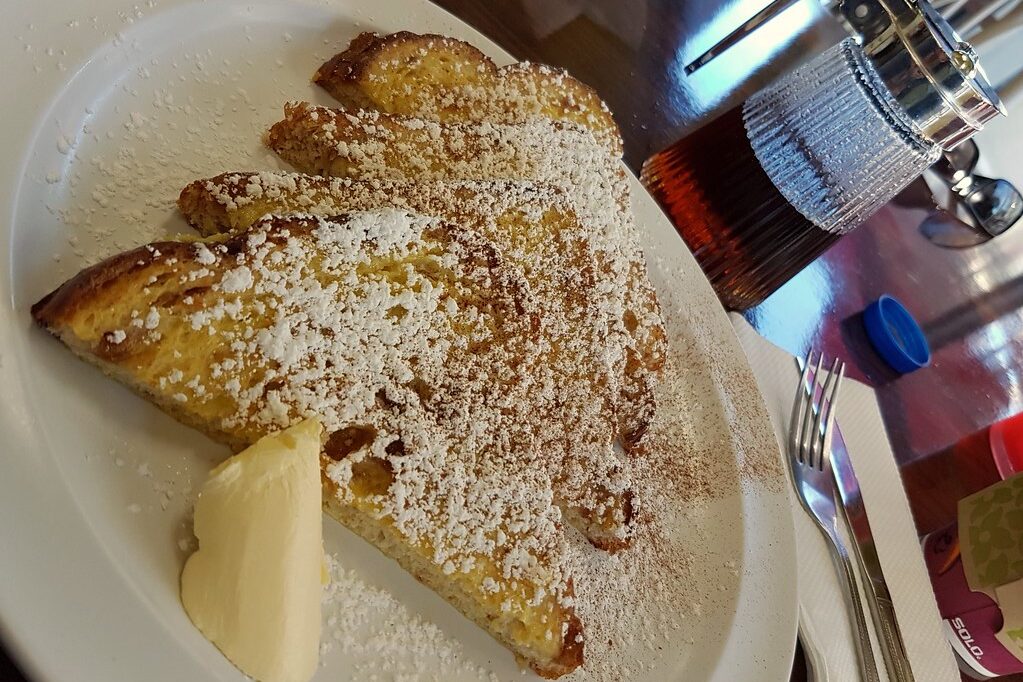
Milk toast was exactly what it sounds like, toasted bread soaked in warm milk with a little sugar or salt. It was soft, bland, and easy to digest, which made it useful when nothing else was available. Children were often served it first.
It showed up during illness and poverty alike. The simplicity was the point, not the pleasure. Adults pretended it was comforting. Once kitchens were better stocked, milk toast quietly disappeared.
6. Cabbage and Water Stew
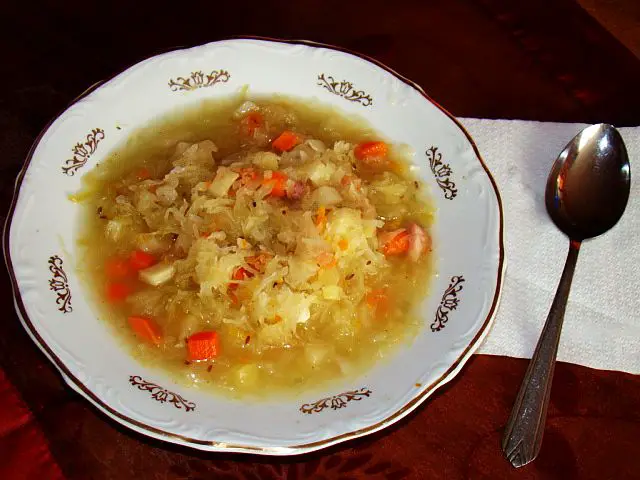
This stew relied on cabbage because cabbage lasted when nothing else did. Chopped and boiled until tender, it created a broth that smelled stronger than it tasted. If a potato or carrot joined the pot, it felt like a luxury.
It was filling without being exciting. Families ate it because it stretched across multiple meals. Leftovers were expected. When food budgets loosened, cabbage returned to side-dish duty only.
7. Fried Bread Scraps
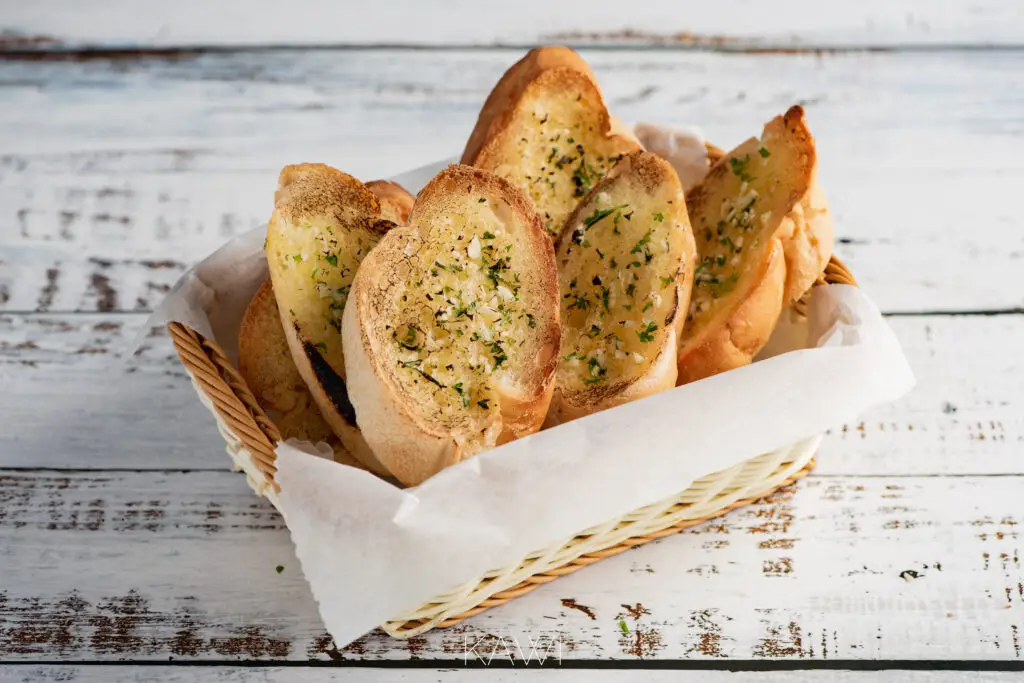
Old bread was never wasted, not when oil and a pan could turn it into dinner. Scraps were fried until crisp and eaten plain or topped with whatever was on hand. Sometimes an egg was cracked over it to make it feel complete.
This dish appeared late in the week when paychecks were still days away. It was eaten quickly and quietly. No one called it a favorite. Once bread was plentiful again, frying scraps stopped feeling necessary.
8. Bean Water Gravy
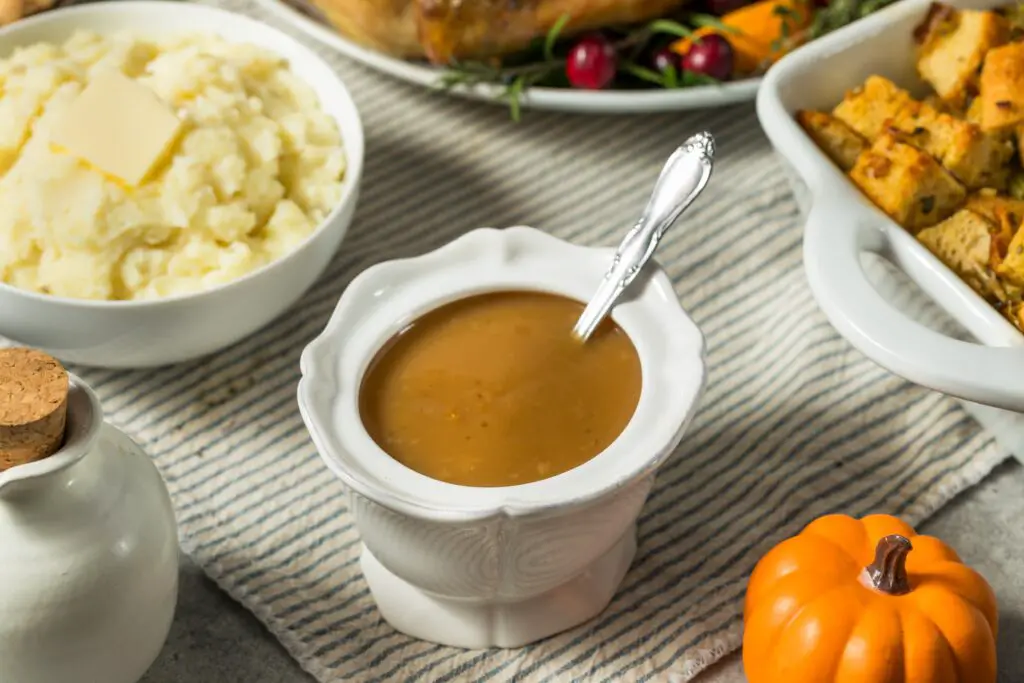
After beans were cooked, the liquid was saved and thickened into a makeshift gravy. Poured over bread or potatoes, it made the meal feel substantial. The flavor depended entirely on how well the beans had been seasoned.
It was born from the idea that nothing edible should be poured down the drain. Families learned to make do with what remained. This gravy was rarely remembered fondly. It disappeared as soon as wasting bean water stopped feeling risky.
9. Rice with Everything
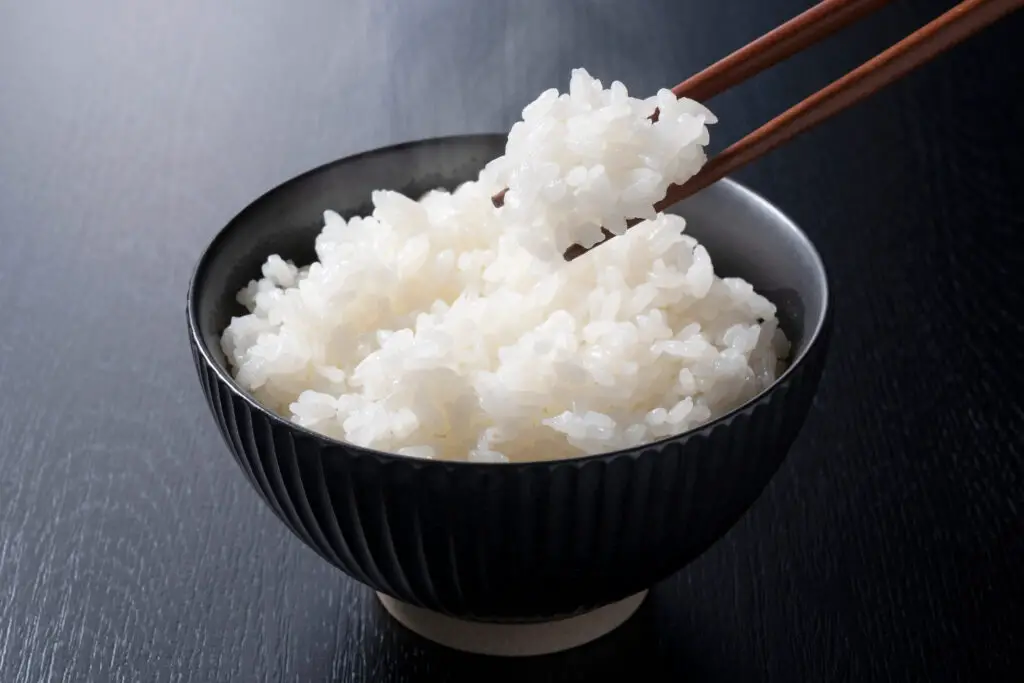
Rice became the base for nearly every meal during hard stretches. It was paired with whatever scraps existed, vegetables, sauces, or just salt and butter. The goal was volume, not variety.
This dish shifted daily depending on availability. It was dependable and cheap. Complaints were rare because alternatives were limited. Once grocery lists expanded, rice lost its role as the main event.
10. Tomato Soup Stretch

Canned tomato soup was diluted with water or milk to serve more people. Crackers or bread were added to make it filling. Each bowl tasted thinner than the last.
This was a quiet trick used by parents who needed to feed everyone. Nobody announced the stretching. Kids noticed, but understood. When times improved, soup went back to being made as directed.
11. Eggless Pancakes

Pancakes without eggs relied on flour, water, and a bit of baking powder. They were dense and not especially fluffy. Syrup or sugar helped cover the difference.
They appeared when eggs were too expensive or unavailable. Breakfast still needed to happen. These pancakes were filling but forgettable. Once eggs returned, no one looked back.
12. Potato Peel Hash
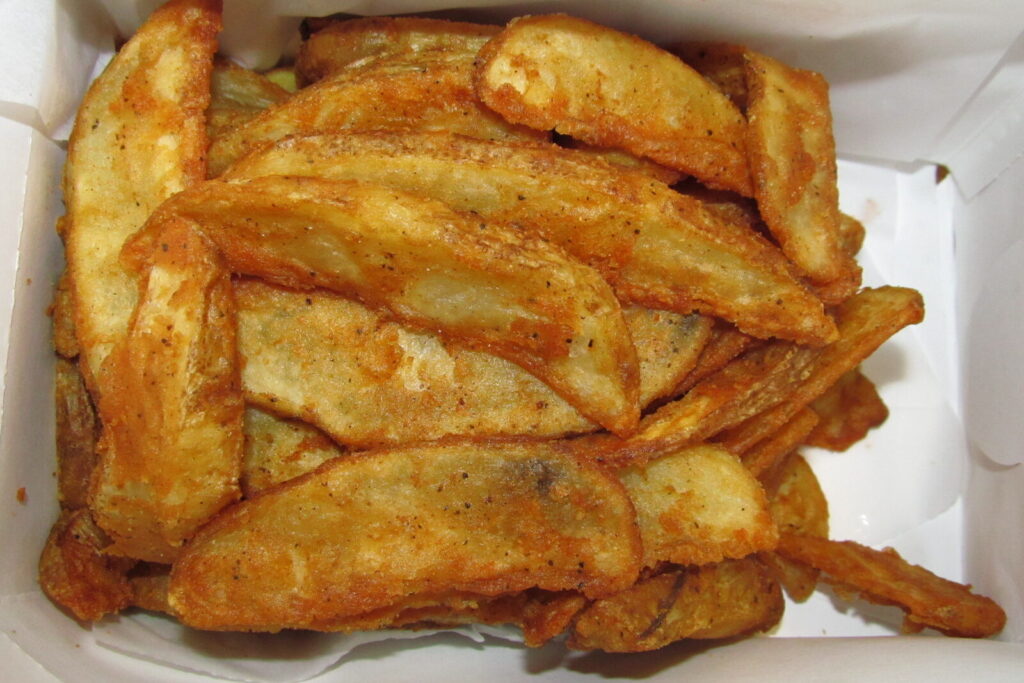
Potato peels were scrubbed, chopped, and fried into a rough hash. It smelled better than it tasted, but it worked. Every scrap mattered.
This dish showed up when waste felt dangerous. Peels became food instead of trash. The texture was uneven and unpredictable. When food security returned, peels returned to the bin.
13. Bread and Sugar
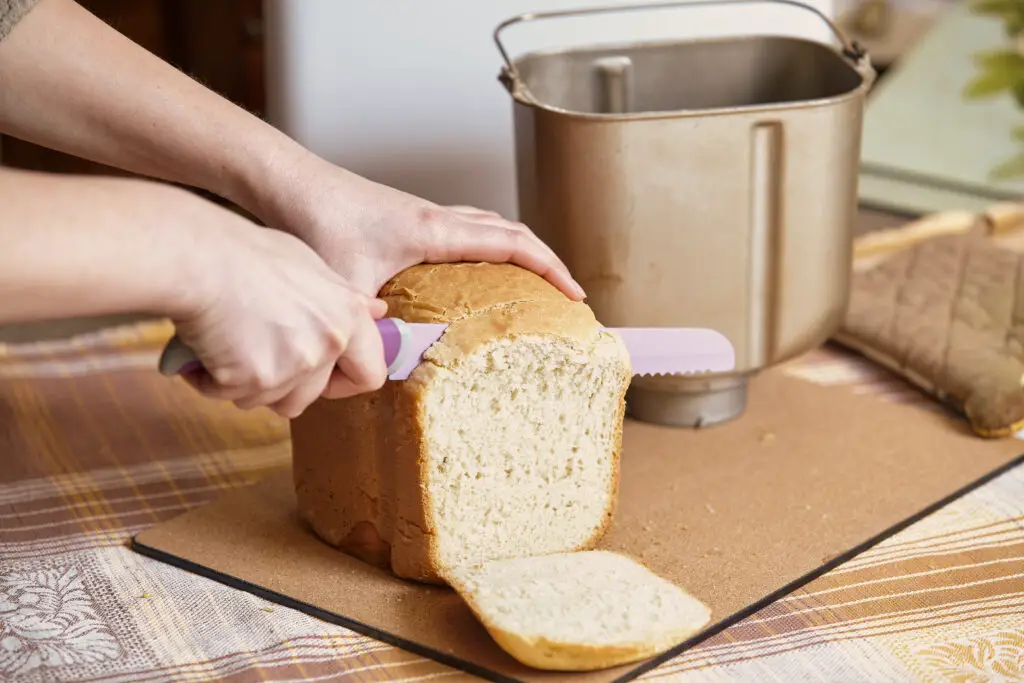
Sometimes dinner was simply bread sprinkled with sugar or dipped in sweetened water. It was energy, not nutrition. Families ate it without ceremony.
This was a last-resort meal that filled a gap until tomorrow. No one bragged about it. It was understood and temporary. Once hard times passed, it vanished without nostalgia.