
1. Creamed Chipped Beef on Toast

There was a time when creamed chipped beef felt less like a choice and more like a strategy. Dried beef in a jar was inexpensive, shelf-stable, and could stretch to feed everyone at the table. Mixed into a simple white sauce and poured over toast, it created a filling meal from almost nothing. Kids often knew it by nicknames whispered with a laugh, even if they secretly liked it. It showed up on weeknights when the grocery money had to last a few more days. The ingredients were basic pantry staples that rarely went to waste. It was salty, creamy, and surprisingly comforting.
Looking back, families remember it as a signal that things were tight. It was rarely served when times were good and fresh meat was plentiful. Still, it filled stomachs and kept the lights on, which mattered more than presentation. Many adults admit they still crave it now and then, even if they would never put it on a dinner party menu. It carries a memory of resilience and quiet thrift. Parents never called it struggle food, but everyone understood. It was survival disguised as supper.
2. Potato Soup with Almost Nothing In It

Potato soup has always had a humble reputation, but during lean years it became even simpler. Sometimes it was little more than potatoes, water or milk, salt, and pepper. On better weeks, a bit of onion or a small pat of butter might find its way in. It simmered on the stove, stretching a bag of potatoes into multiple meals. Bread on the side helped make it feel complete. The warmth alone made it comforting on cold evenings. It was inexpensive, reliable, and endlessly adaptable.
Families remember scraping bowls clean because there simply was not anything else. Meat was optional and often absent. The soup filled the house with a familiar smell that suggested stability, even when finances were shaky. Parents praised how hearty it was, and children rarely questioned it. In hindsight, it was a masterclass in stretching simple ingredients. It tasted like effort more than extravagance. For many, it remains the flavor of endurance.
3. Fried Bologna Sandwiches

Fried bologna was a practical answer to a thin grocery budget. A single inexpensive package could make multiple meals. Sliced thick and browned in a skillet, it curled at the edges and felt almost like real deli meat. Tucked between slices of white bread with mustard or ketchup, it became dinner. It required no special skills and no expensive ingredients. Children often thought it was a treat because it was warm. Parents knew it was economical.
During better times, it quietly disappeared from regular rotation. It was not something served when guests came over. Still, it carried a certain nostalgic appeal that many remember fondly. The smell of it frying signaled a quick meal that would satisfy everyone. It represented making do without complaint. No one talked about budgets at the table, but the message was clear. It was a sandwich that held a household together.
4. Cabbage and Noodles

Cabbage and noodles appeared when fresh produce was limited to what was cheapest and longest lasting. A head of cabbage could stretch across several meals without spoiling. Mixed with egg noodles and a bit of butter or oil, it created a filling dish for very little cost. Some families added onions or a touch of bacon if available. The result was simple but hearty. It filled the kitchen with a savory, slightly sweet aroma. It felt substantial even without meat.
For many, this dish is tied to stories of grandparents who lived through harder economic times. It was practical cooking at its most efficient. When finances improved, it often faded into the background. Yet it remains deeply comforting to those who grew up with it. The ingredients were inexpensive, but the care in preparation was not. It reflected resourcefulness and quiet strength. It was humble food with lasting meaning.
5. Tuna Noodle Casserole
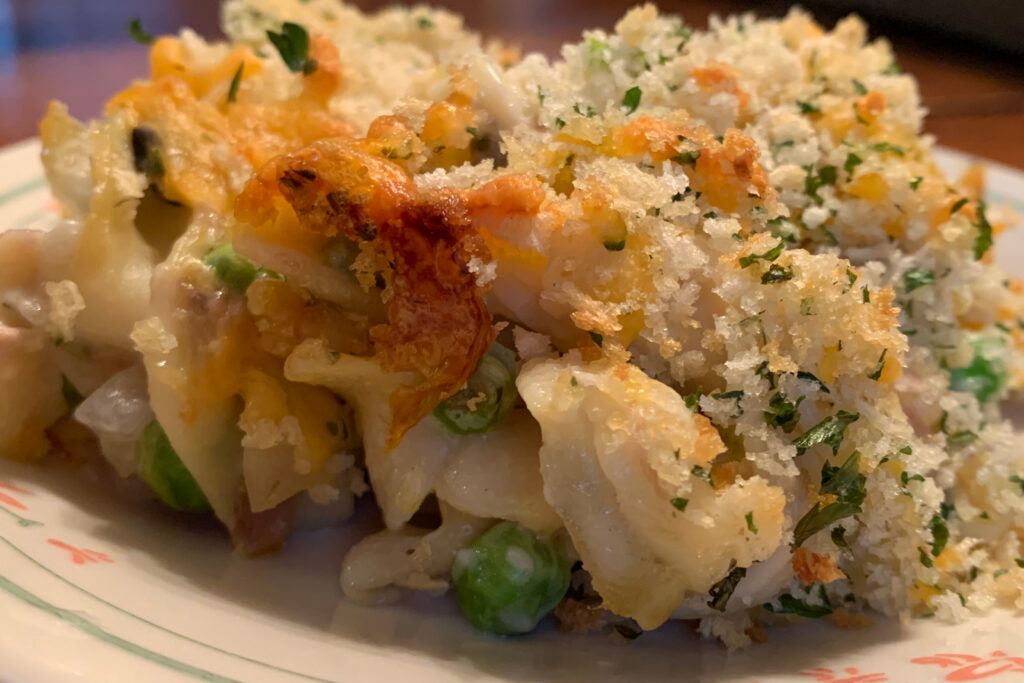
Tuna noodle casserole was a pantry solution that felt like a full meal. Canned tuna, egg noodles, and a can of condensed soup formed its foundation. A sprinkling of crushed crackers or breadcrumbs on top made it seem special. It baked into something warm and cohesive, perfect for feeding a crowd. The ingredients were affordable and widely available. It required little fresh produce. It could stretch leftovers into the next day’s lunch.
When budgets were tight, it appeared more frequently. It was dependable and filling, even if it was not glamorous. Families appreciated how easily it could be doubled. It rarely showed up during celebratory dinners. Over time, it became associated with practical necessity. Still, many people look back on it with genuine affection. It was comfort born from constraint.
6. Beans and Cornbread

Beans and cornbread have long been staples in many households, especially during financially uncertain times. Dried beans were inexpensive and could feed a large family. Simmered slowly with seasoning, they became tender and satisfying. Cornbread provided a cheap, filling companion. Together, they created a meal that felt complete. The ingredients were simple and shelf-stable. It required patience more than money.
This dish often reflected cultural traditions as much as economic necessity. During harder years, it showed up more often on the weekly menu. It was nourishing and dependable. Leftovers reheated well, which mattered when stretching meals. When finances improved, families sometimes added meat back into the pot. Still, the basic version held its own. It was a quiet reminder that simple food can sustain both body and spirit.
7. Tomato Gravy Over Biscuits
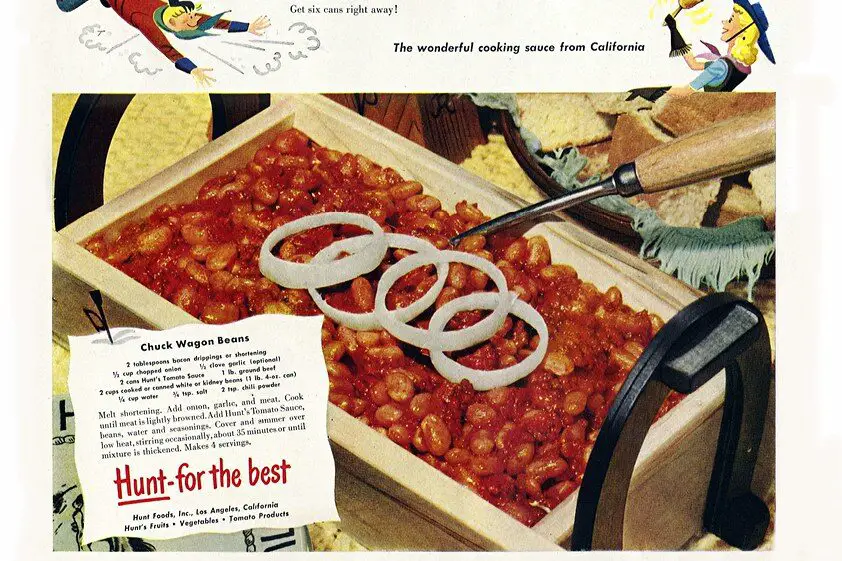
Tomato gravy might sound unusual to those unfamiliar with it, but it was a clever way to transform pantry staples. Canned tomatoes, flour, and fat turned into a savory sauce. Poured over homemade or canned biscuits, it became a hearty meal. The acidity of the tomatoes balanced the richness of the gravy. It was inexpensive and filling. It required few ingredients. It felt homemade and intentional.
During lean years, it appeared more frequently on breakfast or dinner tables. It was a creative way to avoid wasting canned goods. Families learned to appreciate its bold flavor. It was rarely served once more elaborate ingredients returned to the pantry. Yet it remains a cherished memory for many. It symbolizes ingenuity in the face of scarcity. It was a dish born from necessity and imagination.
8. Rice with Milk and Sugar
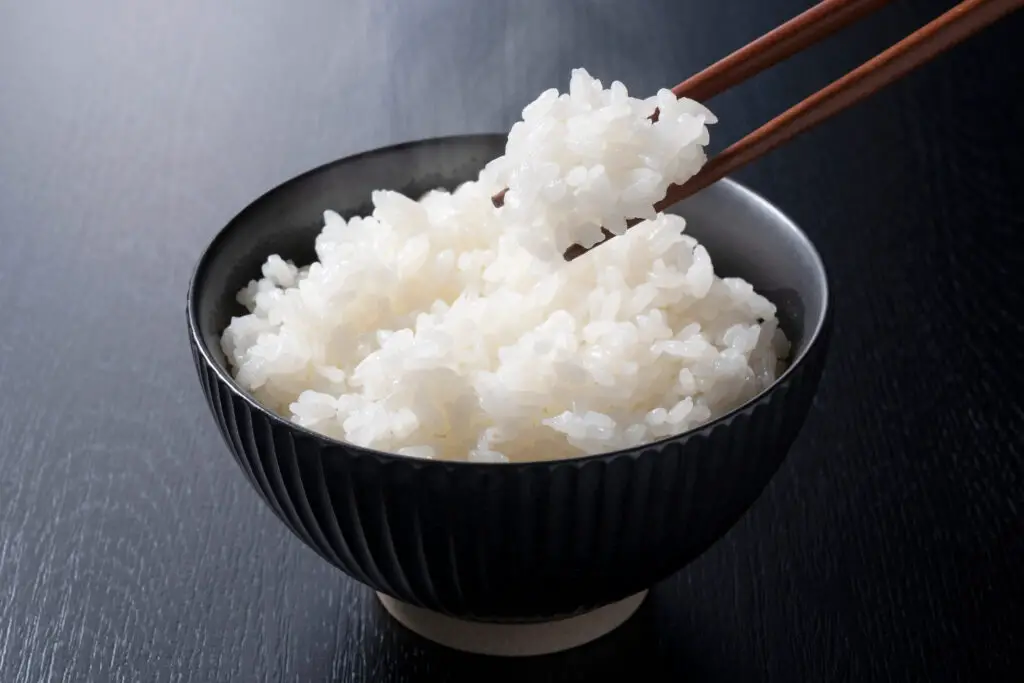
Rice with milk and sugar was a dessert that doubled as dinner when funds were low. White rice was affordable and easy to prepare. A splash of milk and a spoonful of sugar transformed it into something comforting. Cinnamon, if available, made it feel special. It was warm, simple, and soothing. It filled hungry stomachs with minimal cost. It required little more than what most kitchens already had.
Parents often framed it as a treat rather than a compromise. Children rarely realized it was a budget solution. It satisfied a craving for sweetness without expensive ingredients. During prosperous times, it gave way to more elaborate desserts. Still, many remember the comfort it provided. It was proof that small indulgences matter. It made hard seasons feel slightly softer.
9. Sloppy Joe Stretch
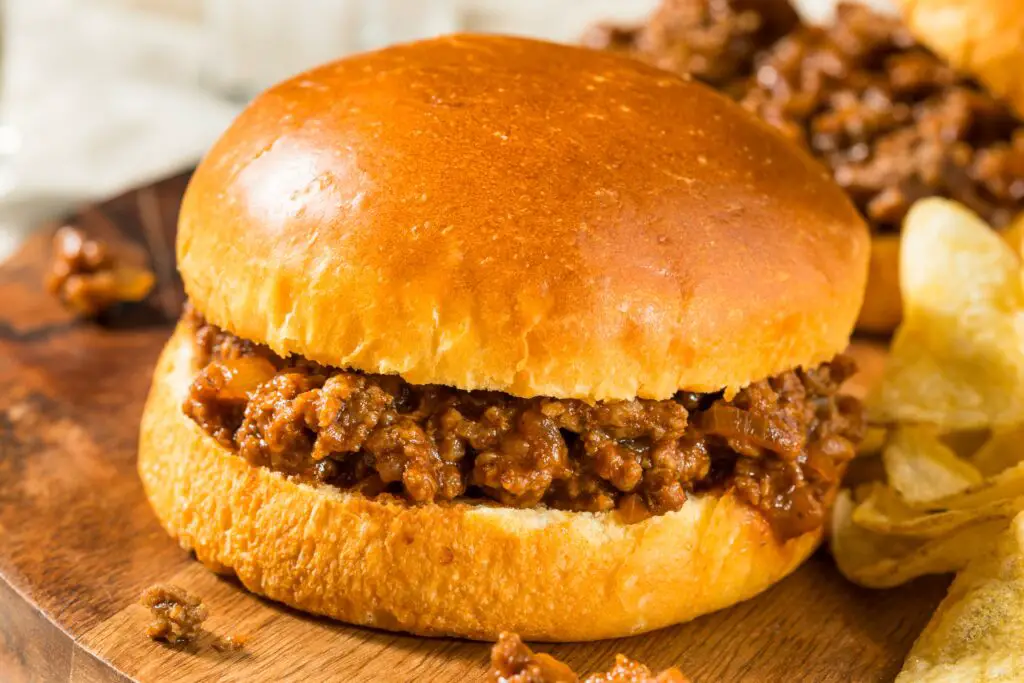
Sloppy Joes were already economical, but during hard years they stretched even further. Ground beef might be mixed with breadcrumbs or oats to make it go farther. The sauce masked the additions and kept the flavor bold. Served on inexpensive buns, it felt like a classic American meal. It was casual and filling. It pleased children and adults alike. It made limited meat feel abundant.
Families rarely discussed the stretching tactics openly. It was simply understood that the meat needed to last. During better times, the fillers quietly disappeared. Still, the messy sandwiches remained beloved. They represented making something hearty from modest means. They carried a sense of fun despite financial stress. They were resilience served on a bun.
10. Macaroni and Tomatoes
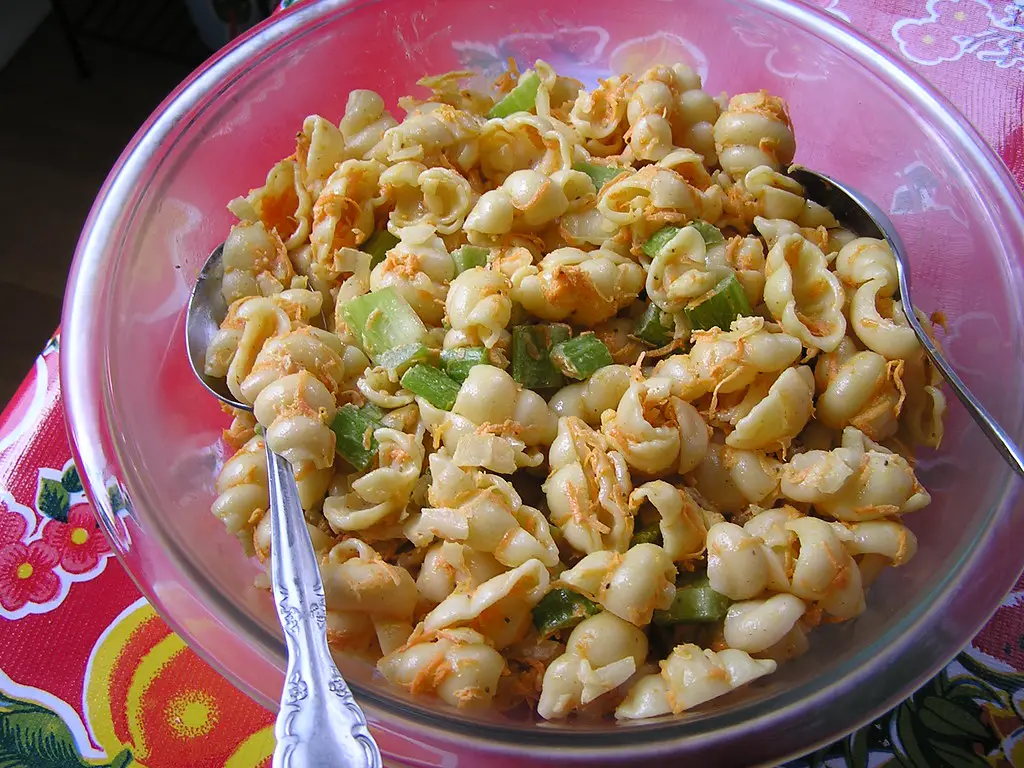
Macaroni and tomatoes was as straightforward as it sounds. Elbow macaroni mixed with canned tomatoes formed the base. A bit of butter or seasoning added flavor. It was inexpensive and quick to prepare. The tang of the tomatoes gave it character. It filled bowls generously. It required no specialty items.
This dish often signaled that groceries were running low. It used ingredients that lingered in the pantry. Families ate it without ceremony, understanding its purpose. It rarely appeared during celebratory occasions. Yet many adults remember it with surprising fondness. It tasted like home, even if it tasted like austerity. It was simple sustenance at its most honest.
11. SOS Ground Beef on Toast
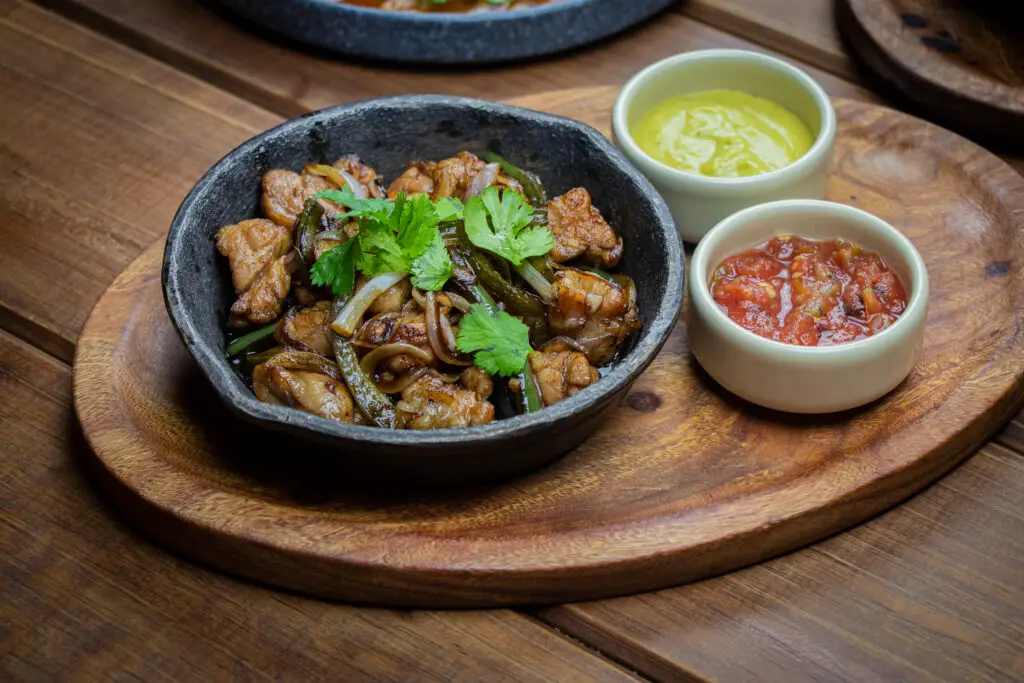
Ground beef on toast, sometimes called SOS, was another stretching tactic. A small amount of beef was extended with gravy and served over bread. The toast absorbed the sauce and made the meal feel substantial. It required minimal meat to satisfy multiple people. It was quick and inexpensive. It relied on pantry basics. It felt hearty despite its simplicity.
During tighter years, it appeared often on weeknight tables. Parents praised how filling it was. Children might not have realized how carefully it was measured. As finances improved, it became less frequent. Still, its savory flavor lingers in memory. It symbolized thrift without complaint. It was comfort crafted from constraint.
12. Egg Drop Soup at Home

When grocery money was scarce, eggs became a valuable protein source. Egg drop soup could transform a couple of eggs and broth into a meal. Whisked eggs poured into simmering liquid created delicate ribbons. A little salt and pepper was often all it needed. It was warm and soothing. It required few ingredients. It stretched a carton of eggs across several dinners.
Families turned to it when meat was too expensive. It felt light yet nourishing. It often appeared alongside simple rice. During better seasons, it was replaced by heartier fare. Still, its simplicity left a lasting impression. It was a lesson in how little is truly necessary. It proved that nourishment does not require extravagance.
13. Bread Pudding from Leftovers

Bread pudding was the art of refusing to waste even a stale loaf. Cubed bread mixed with milk, sugar, and eggs became something entirely new. Baked until golden, it felt like a proper dessert. It used ingredients that might otherwise be discarded. It was economical and satisfying. A sprinkle of cinnamon or raisins elevated it slightly. It made leftovers feel intentional.
During hard years, nothing went unused. Bread pudding turned scraps into comfort. Families gathered around it as if it were a luxury. When finances improved, store-bought sweets took its place. Yet many still return to it by choice. It carries the warmth of resourceful kitchens. It is proof that creativity thrives under pressure.