
1. Creamed Chipped Beef on Toast
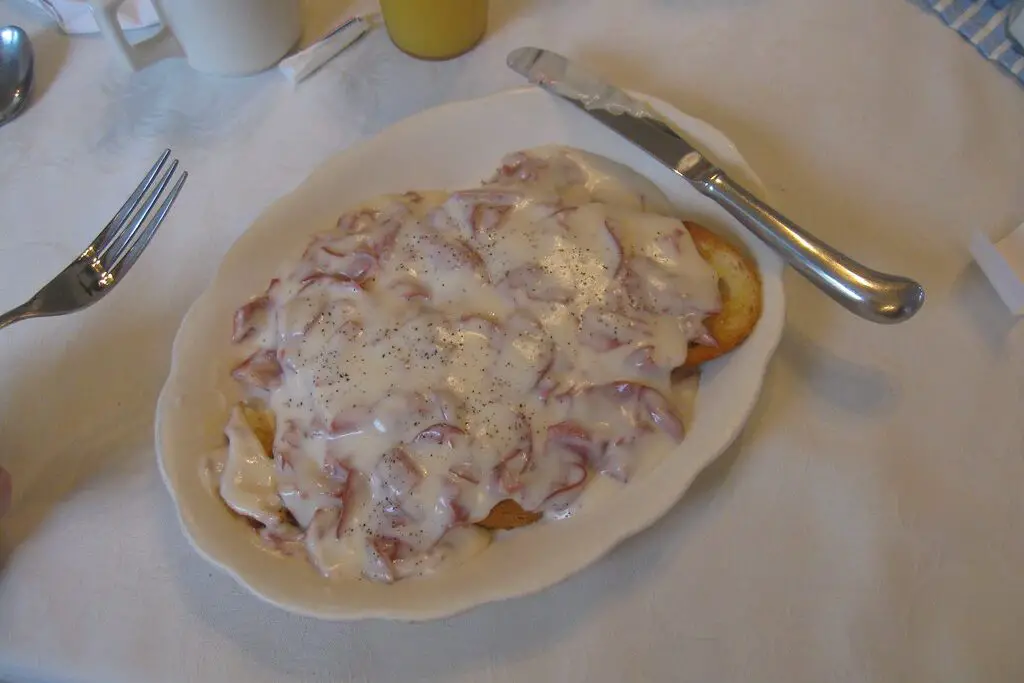
If you grew up hearing this called “SOS,” you already know it was the kind of meal that showed up when the grocery budget was officially tapped out. A jar of dried beef could stretch into a full family dinner once it was chopped up and stirred into a thick white sauce. Poured over toast, it felt filling even if it wasn’t exactly exciting. Some families added a little pepper or a splash of milk to thin it out when supplies were low. It was warm, salty, and dependable, which counted for a lot during tight weeks.
It’s one of those dishes many people haven’t made since childhood, partly because dried beef isn’t something most of us keep on hand anymore. But for a long stretch of the twentieth century, it was a pantry staple for thrifty cooks. Kids often remember the smell hitting the kitchen before they even saw what was for dinner. It wasn’t glamorous, but it kept everyone fed and satisfied. For a lot of families, it quietly symbolized making it through another rough patch.
2. Hot Dog Potato Hash

This dish usually appeared when there were a couple of leftover hot dogs and a bag of potatoes that needed to be used up. Everything got chopped, tossed into a skillet, and fried until crispy around the edges. Onions were added if you had them, and sometimes a squirt of ketchup made its way into the pan. It was fast, cheap, and surprisingly filling. Nobody pretended it was gourmet, but it smelled great and filled the house with comfort.
Many people remember this as a “clean out the fridge” dinner that happened more often during lean months. It worked because hot dogs were inexpensive and potatoes stretched forever. Every family had their own version depending on what happened to be in the drawer that week. It’s the kind of meal that rarely shows up in modern meal planning, yet it fed a lot of families for decades. For many, it’s tied to memories of crowded kitchens and second helpings scraped from the pan.
3. Tomato Soup and Grilled Cheese Nights

This combo became the default dinner when money was tight and time was short. Canned tomato soup was cheap, and bread and American cheese were usually already in the fridge. Grilled cheese felt like a treat even when it was made with the simplest ingredients. Dunking the sandwich into the soup somehow made it feel like a full meal instead of a shortcut. It was comforting, warm, and easy on picky eaters.
During financial slumps, this meal might appear several times in a single week. Parents knew it would get eaten without complaints, which mattered when grocery choices were limited. Many adults today associate this pairing with childhood security rather than struggle. It’s still around, but it doesn’t carry the same necessity it once did. Back then, it was a quiet lifesaver on nights when the pantry looked bare.
4. Tuna Noodle Casserole
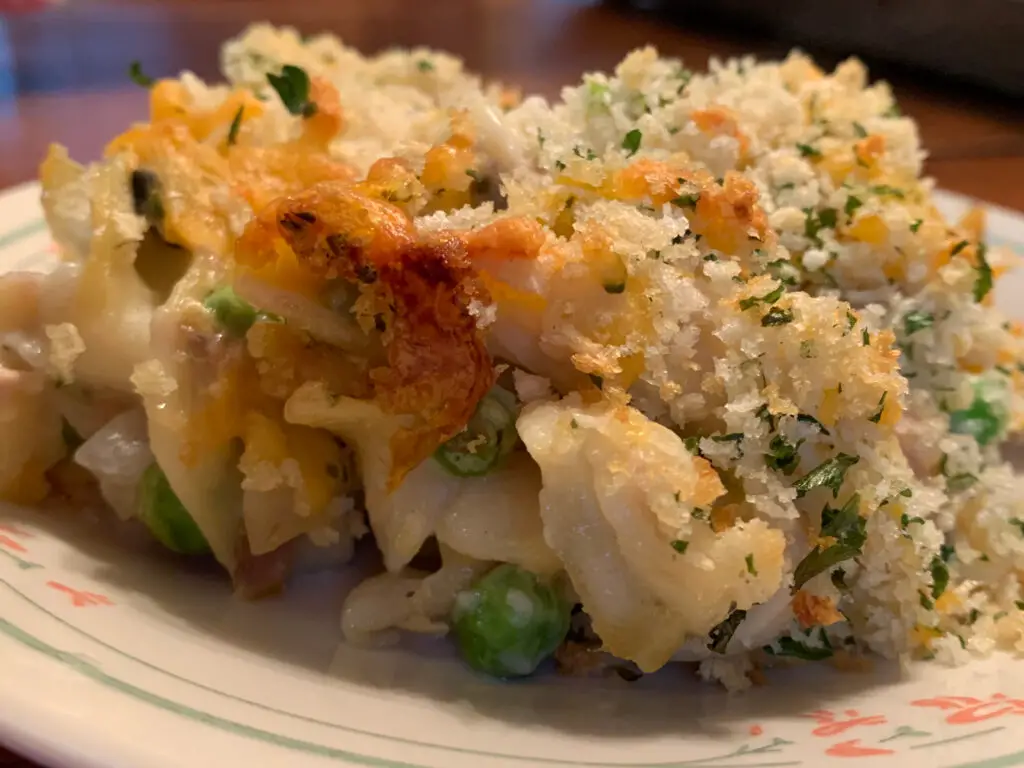
Few dishes scream budget cooking quite like tuna noodle casserole. A couple of cans of tuna, some egg noodles, and a can of condensed soup could feed a whole family. Frozen peas or crushed crackers were added when available. It baked into a bubbling, creamy dish that stretched well into leftovers. It wasn’t fancy, but it was dependable and filling.
This casserole showed up especially during weeks when meat was too expensive to justify. Tuna felt like a protein compromise that still kept costs down. Many kids grew up thinking this was a normal weekly dinner until they left home. Today, it tends to feel dated, like something out of a community cookbook from decades ago. But for families riding out tough financial stretches, it was a steady, familiar anchor.
5. Fried Bologna Sandwiches

When lunch meat budgets disappeared, bologna stepped in as the affordable substitute. Frying it in a pan made it feel special instead of sad. The edges curled up, the center browned, and suddenly it smelled like a real cooked meal. Slapped between two slices of bread with mustard or ketchup, it became dinner. Some families added a slice of cheese if they had it.
This was often a sign that groceries were being stretched as far as possible. Bologna was cheap, filling, and could last several meals. Kids sometimes loved the novelty of watching it puff up in the skillet. As adults, many people can’t imagine making it now, yet the memory sticks. It’s one of those humble meals tied closely to making do without much complaint.
6. Bean and Bacon Soup
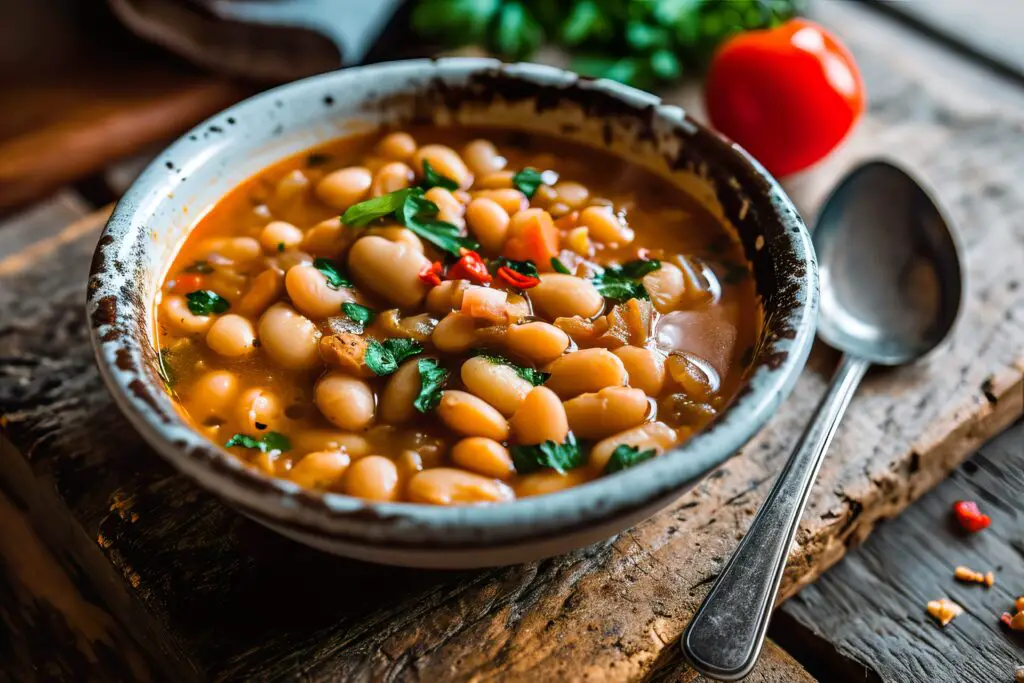
Dried beans were one of the cheapest ways to feed a household, especially when bought in bulk. A little bacon or ham bone added flavor without needing much meat. The pot could simmer all day and feed everyone more than once. Served with bread or crackers, it felt hearty and comforting. It warmed the house and stretched the grocery dollar impressively far.
This soup often appeared during winter slumps or long stretches between paychecks. Families learned to season it creatively depending on what was available. It wasn’t flashy, but it filled bellies and kept people satisfied. Many adults today associate the smell with childhood kitchens and slow afternoons. It’s a reminder of how resourceful home cooking used to be.
7. Egg-in-a-Hole

This simple dish was a way to turn basic bread and eggs into something that felt fun. A hole was cut in the bread, and an egg was cooked right in the center. It looked playful, which helped distract from the simplicity of the ingredients. Kids loved dipping the toast into the yolk. It worked for breakfast, lunch, or dinner when options were limited.
Eggs were relatively affordable and could stretch across many meals. When meat wasn’t an option, eggs stepped in as the main protein. Families leaned on little tricks like this to keep meals from feeling repetitive. Many people haven’t made this since childhood, even though it’s still easy and inexpensive. It’s one of those quiet budget classics that faded out of everyday cooking.
8. Cabbage and Sausage Skillet
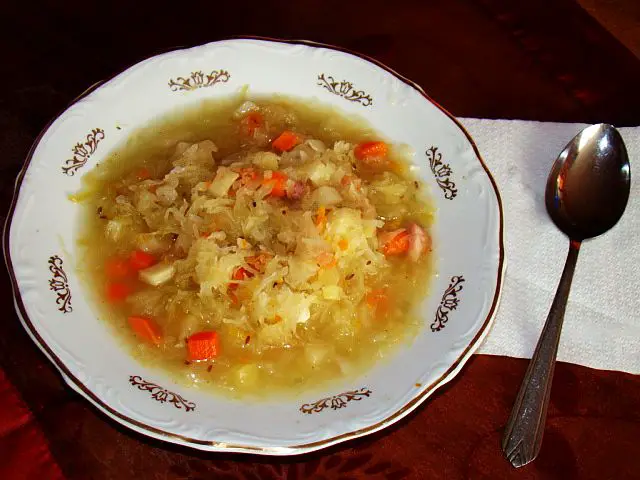
Cabbage was cheap, filling, and lasted a long time in the fridge. A single smoked sausage could flavor an entire pan of vegetables. Everything got sliced and sautéed until tender and slightly caramelized. It smelled stronger than some other budget meals, but it filled the kitchen with warmth. Served with bread or potatoes, it stretched surprisingly far.
This dish showed up often when produce had to be inexpensive and long-lasting. Cabbage could feed a family without blowing the grocery budget. Sausage added just enough richness to make it feel like a real dinner. It’s less common now, partly because people associate cabbage with old-fashioned cooking. But during tough financial seasons, it was a dependable staple.
9. Rice and Gravy
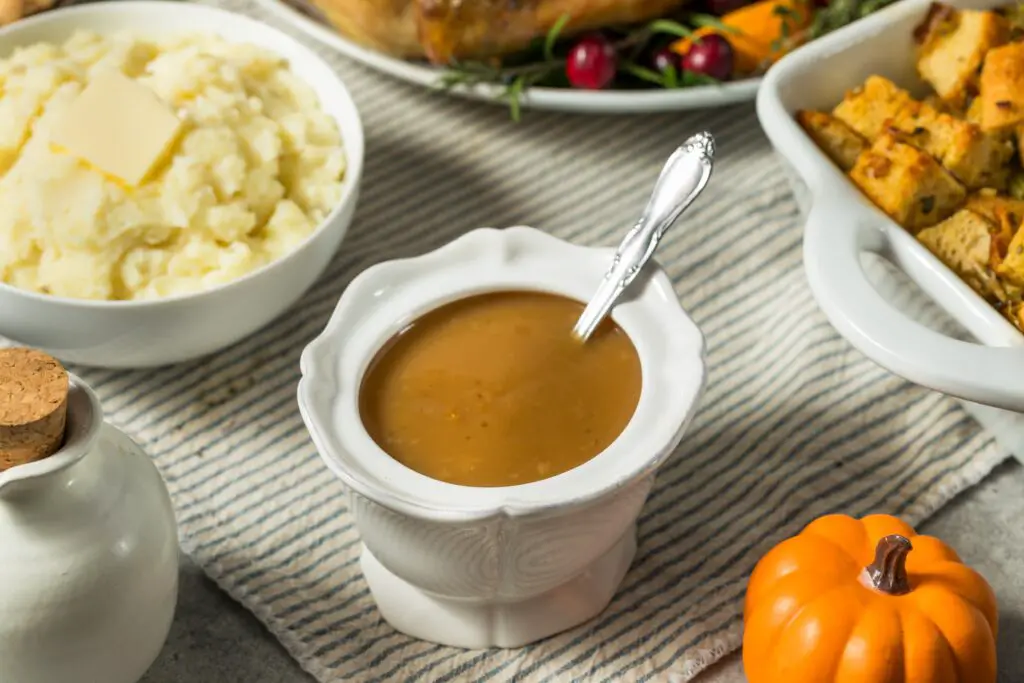
Sometimes dinner was simply rice topped with whatever gravy could be scraped together. Drippings from a small piece of meat might be stretched into sauce for the whole family. The rice soaked everything up and made it feel substantial. It was bland on its own, but comforting when hot and fresh. Salt and pepper did a lot of heavy lifting.
This meal often appeared near the end of a grocery cycle when options were slim. Rice was inexpensive and lasted forever in the pantry. Gravy gave it flavor and a sense of abundance, even when meat was scarce. Many people associate it with late-in-the-week dinners. It’s a quiet example of how families made something out of almost nothing.
10. Pancakes for Dinner

Breakfast-for-dinner became a financial fallback in many households. Pancake mix was cheap, and milk and eggs were usually already around. A stack of pancakes felt generous even when money was tight. Syrup might be rationed carefully, but the plates were still full. It felt like a treat rather than a compromise.
Kids often loved these nights, not realizing they were tied to budgeting realities. Parents appreciated how fast and affordable the meal was. Sometimes pancakes were paired with a single egg or a bit of fruit if available. Today, pancakes for dinner feel playful or nostalgic. Back then, they were often a quiet necessity.
11. Spaghetti with Butter and Salt
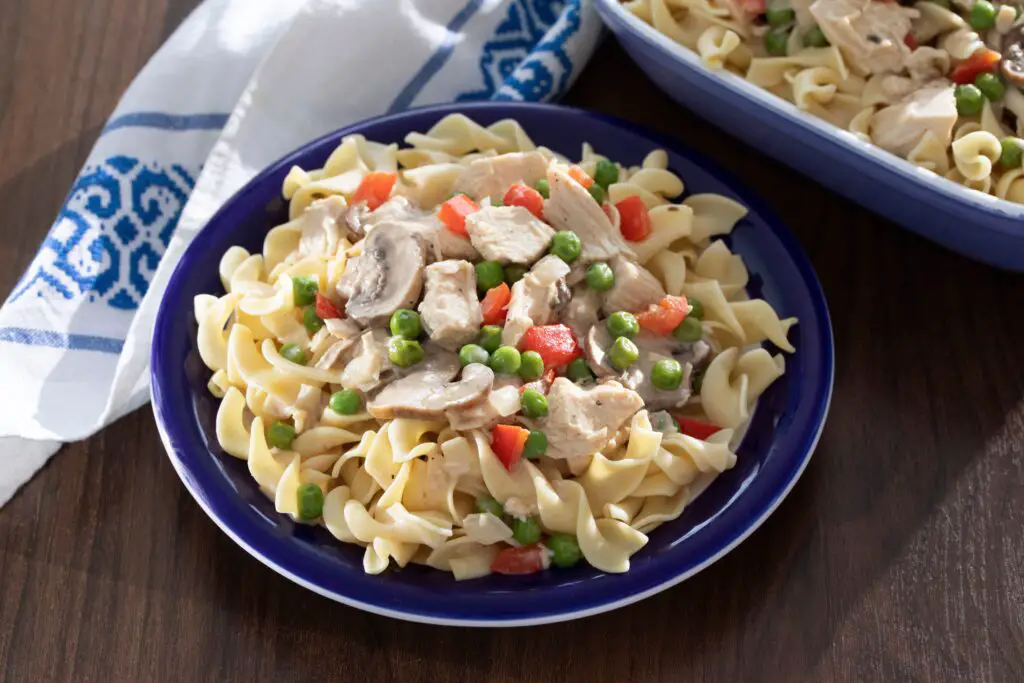
When sauce ran out or wasn’t in the budget, plain pasta stepped in. Butter, salt, and maybe a little garlic powder carried the flavor. It filled stomachs quickly and cheaply. Everyone knew it wasn’t exciting, but it was dependable. Sometimes a sprinkle of Parmesan showed up if there was any left.
This dish usually appeared during the leanest grocery weeks. Pasta was one of the cheapest ways to feed a crowd. Families learned to make peace with simple flavors when money was tight. Many adults remember this meal clearly, even if they never cook it now. It’s a reminder of how flexible home cooking had to be.
12. Cornbread and Milk

This old-fashioned dish sounds strange to people who didn’t grow up with it. Crumbled cornbread in a bowl of milk made a filling, inexpensive meal. It required almost no additional ingredients. It was quick, comforting, and surprisingly satisfying. Some people added a little sugar for sweetness.
Cornmeal was cheap and shelf-stable, making it a pantry staple. This meal showed up especially in rural households during tight times. It blurred the line between dinner and dessert in a way kids often enjoyed. Today, it feels like a relic of another era. But it kept many families fed when budgets were stretched thin.
13. Stuffed Bell Peppers with Mostly Rice

When meat was scarce, stuffed peppers leaned heavily on rice and breadcrumbs. A small amount of ground meat was stretched across several peppers. Tomato sauce tied everything together and made it feel hearty. It baked into a filling dish that could feed multiple people. Leftovers reheated well, which mattered during tight weeks.
This meal looked impressive despite being budget-driven. It gave the illusion of abundance when ingredients were limited. Families appreciated how far a pound of meat could stretch this way. Many people haven’t made this version in years, opting for meat-heavy recipes now. But during financial slumps, it was a clever and comforting solution.