
1. Water Toast

When the pantry was down to the heels of bread and a few staples, families turned to water toast. It wasn’t fancy, but it provided a warm, soft texture that felt like a real meal when the wind was howling outside. You would toast the bread until it was almost burnt to give it some structural integrity and flavor. Then, a mixture of boiling water, a tiny pat of butter, and a pinch of salt was poured over the slices.
The heat from the water would soften the bread into a comforting, savory porridge-like consistency. It was a humble way to make dry, old bread palatable without needing milk or eggs. Parents often added a heavy shake of black pepper to give it a bit of a kick and some much-needed warmth. It was the ultimate “last resort” breakfast that kept many kids full until school.
2. Vinegar Pie
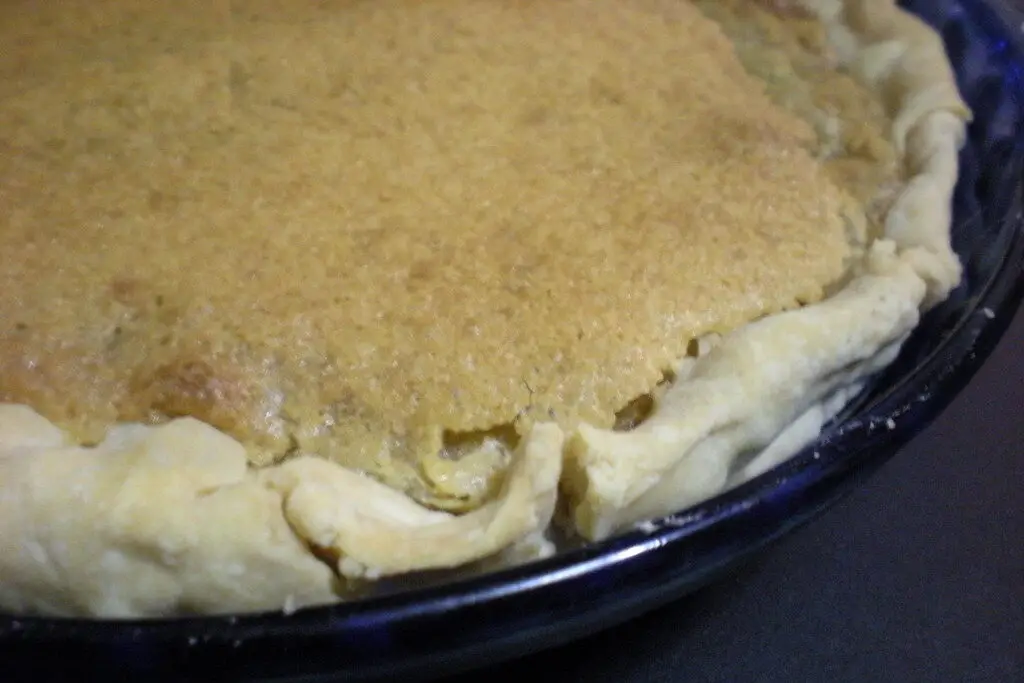
Winter often meant fresh fruit was nothing more than a distant memory of summer. To satisfy a craving for something sweet and tart, resourceful cooks turned to the “desperation pie” category, with vinegar pie being the standout. By mixing cider vinegar with sugar, flour, and eggs, they created a custard that mimicked the flavor of lemons. It was a clever bit of kitchen chemistry that turned basic staples into a dessert that felt special.
The sharp tang of the vinegar mellowed out during the baking process, resulting in a smooth, silky filling. It was usually served in a simple lard crust that provided a flaky, salty contrast to the sweet interior. While it sounds strange today, it was a prized treat when the cellar was empty of apples. Eating a slice by the fire made the long, dark nights feel just a little bit shorter.
3. Fried Cornmeal Mush
Cornmeal was a lifeline during hard winters because it was cheap, shelf-stable, and incredibly filling. Most families would cook up a big pot of plain cornmeal porridge for dinner, but the real magic happened the next morning. The leftovers were poured into a loaf pan to chill and solidify overnight into a firm brick. By morning, it was ready to be sliced into thick slabs and dropped into a sizzling cast-iron skillet.
Fried in a bit of bacon grease or butter, the outside would get incredibly crispy while the inside stayed soft and creamy. It was often topped with a drizzle of molasses or a sprinkle of sugar to make it feel more like a pancake. This dish was a masterclass in stretching one ingredient into two distinct meals. It provided the kind of heavy, slow-burning energy needed to shovel snow or chop wood in the freezing cold.
4. Potato Candy
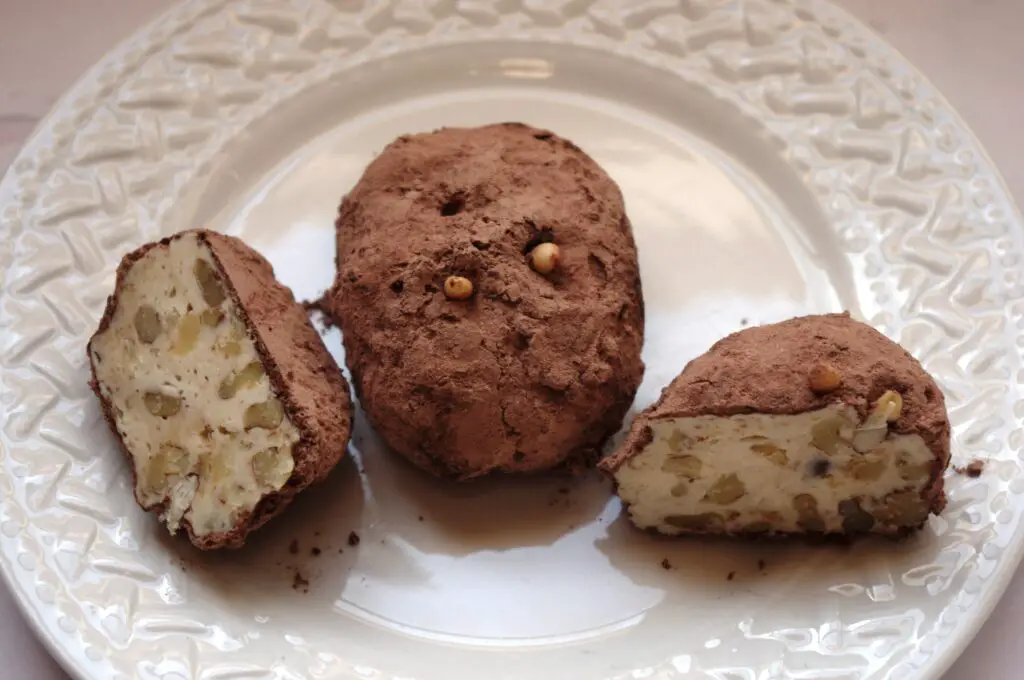
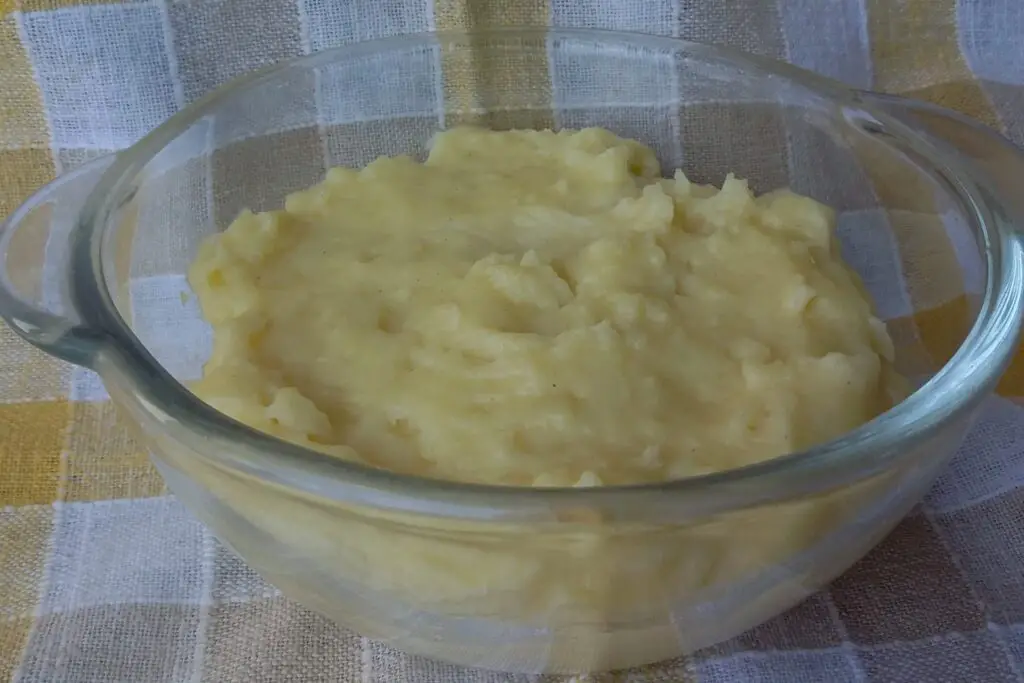
When sugar was scarce and traditional candy was out of the question, potatoes stepped in to save the day. This treat is a bit of a culinary illusion because it uses a plain mashed potato as the base for a sweet, fudge-like roll. The starch in the potato reacts with powdered sugar to create a dough that is surprisingly easy to work with. It was one of the few “fun” things parents could make for their children when the grocery budget was zero.
The dough was rolled out thin, slathered with a layer of peanut butter, and then rolled up like a tiny jelly roll. After being chilled in a cold windowsill or a cellar, it was sliced into bite-sized rounds. You couldn’t taste the potato at all; it just provided a smooth, neutral canvas for the sugar and peanut butter. It was a humble luxury that proved creativity could flourish even in the leanest months.
5. Milk Toast
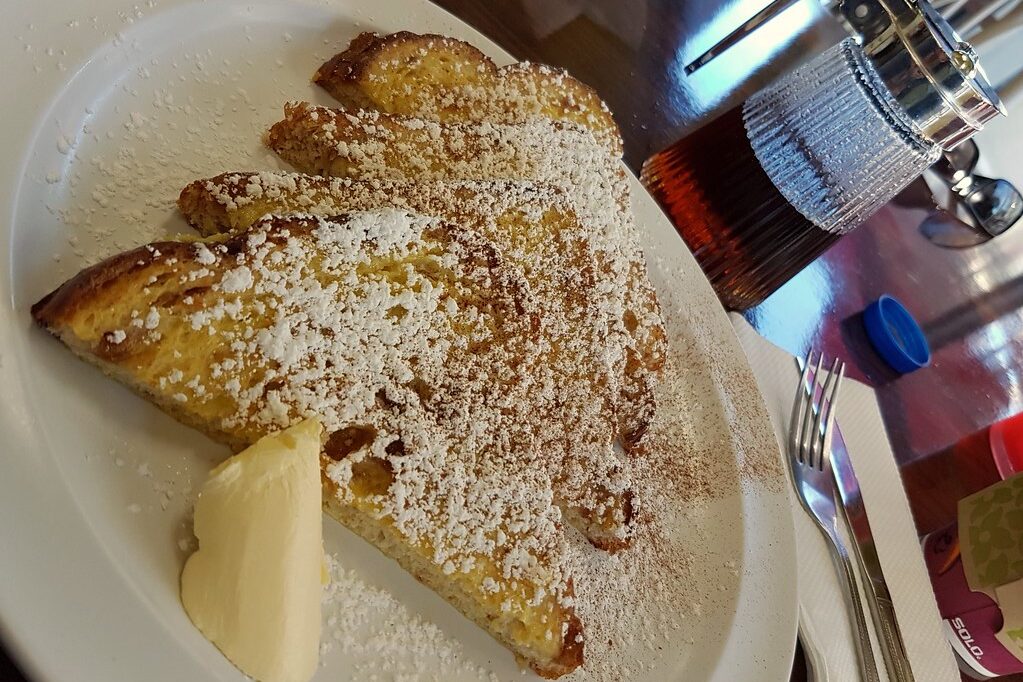
Milk toast was the slightly more upscale cousin of water toast, reserved for when the cows were still producing or the powdered milk hadn’t run out. It was considered a “sick bed” food, but during a hard winter, it became a standard supper for everyone. The bread was toasted until very dark and then submerged in a bowl of scalded milk. A bit of sugar and cinnamon transformed it into a dessert-like comfort food that warmed you from the inside out.
For a savory version, families would add a bit of salt, pepper, and perhaps a dusting of flour to thicken the milk into a light gravy. It was easy on the stomach and required almost no effort to prepare when the house was freezing. There was something deeply soothing about the way the toast soaked up the warm liquid. It remains a nostalgic memory for many who grew up in drafty farmhouses during the Great Depression.
6. Navy Bean Soup with a Bone
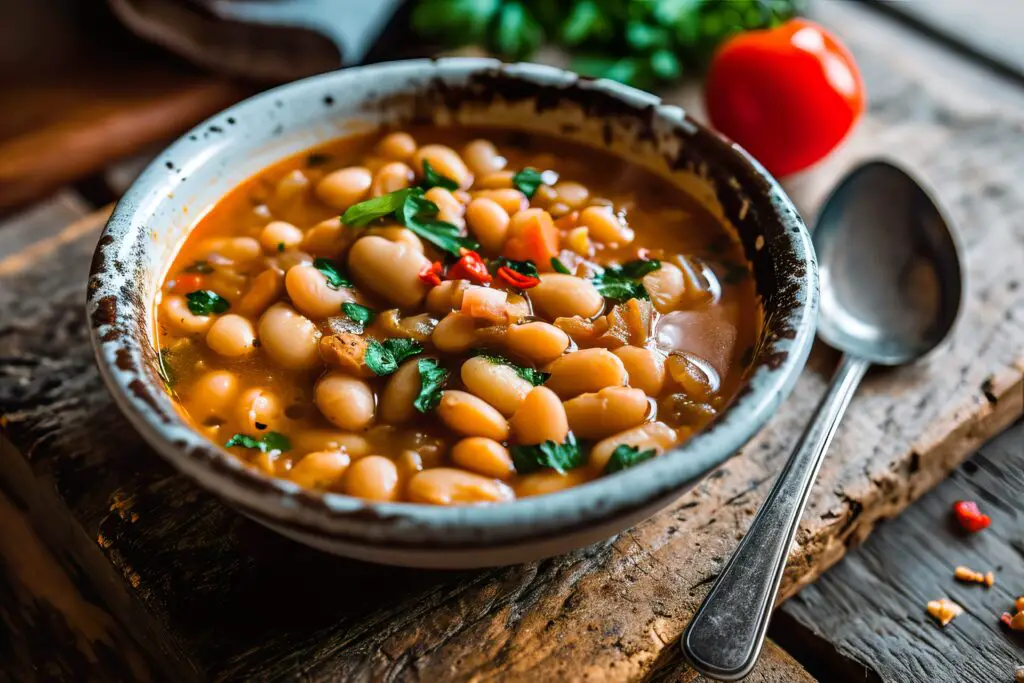
A bag of dried navy beans could last a family weeks if they were careful, and soup was the best way to make them go the distance. The secret to this dish wasn’t the beans themselves, but the hambone saved from a previous holiday or a rare splurge. That bone would be boiled for hours until every bit of marrow and flavor was extracted into the broth. It turned a pot of plain beans into a rich, smoky masterpiece that could feed a crowd.
The beans provided essential protein and fiber, keeping everyone full for hours after the meal was over. If things were really tight, parents would add “spud-filler,” which was just extra diced potatoes to bulk up the volume. A side of crusty cornbread was the traditional accompaniment for soaking up the salty broth. It was a slow-simmered labor of love that made the whole kitchen smell like home and security.
7. Salt Pork and Gravy
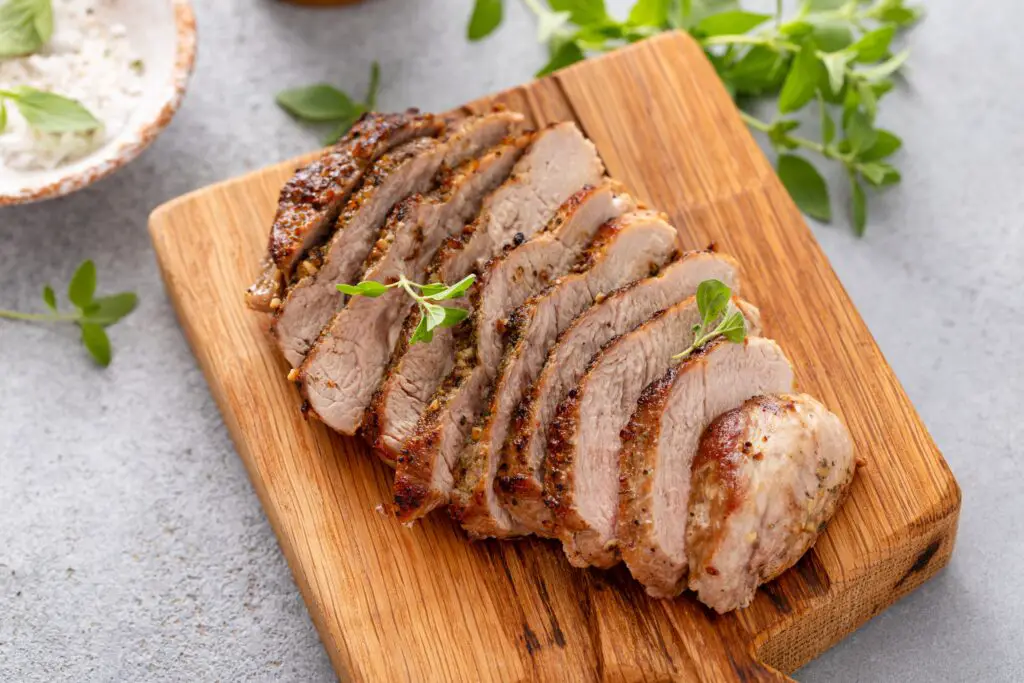
Salt pork was a winter staple because it was preserved with salt and didn’t require fancy refrigeration to stay good. It was essentially thick-cut, salt-cured fat with just a tiny streak of meat, making it very calorie-dense. To prepare it, the slices were soaked to remove some of the salt and then fried until they were golden and crisp. The rendered fat left in the pan was the “liquid gold” used to start the next part of the meal.
Flour and milk were whisked into that fat to create a thick, salty white gravy that was poured over everything. Usually, it landed on top of boiled potatoes or thick slices of bread to ensure nothing went to waste. This meal was all about survival, providing the high-fat content necessary to maintain body heat in poorly insulated homes. It wasn’t light or healthy by modern standards, but it was delicious and life-sustaining when the mercury dropped.
8. Onion Soup (Poor Man’s Style)
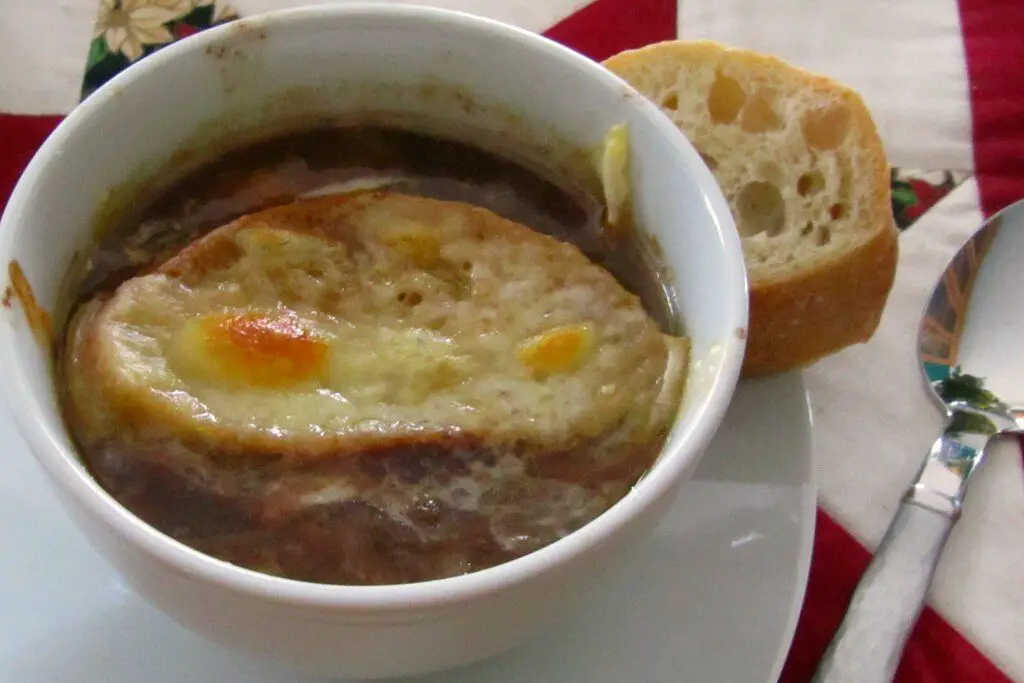
While French onion soup is seen as a delicacy now, the “poor man’s” version was a survival tactic. Onions were one of the few vegetables that could be stored in a root cellar all winter without rotting. When the meat was gone, onions were sliced thin and caramelized slowly in a pot to bring out their natural sugars. Water or a simple bouillon was added to create a dark, flavorful broth that tasted much heartier than it actually was.
To make it a full meal, a piece of stale bread was floated on top, sometimes with a tiny sprinkle of cheese if the family was lucky. The onions provided a punch of flavor that broke the monotony of bland winter starches. It was a steaming bowl of resilience that kept the winter blues at bay. Even without the fancy melted Gruyère, the deep, savory taste felt like a warm hug on a sub-zero night.
9. Hoppel Poppel
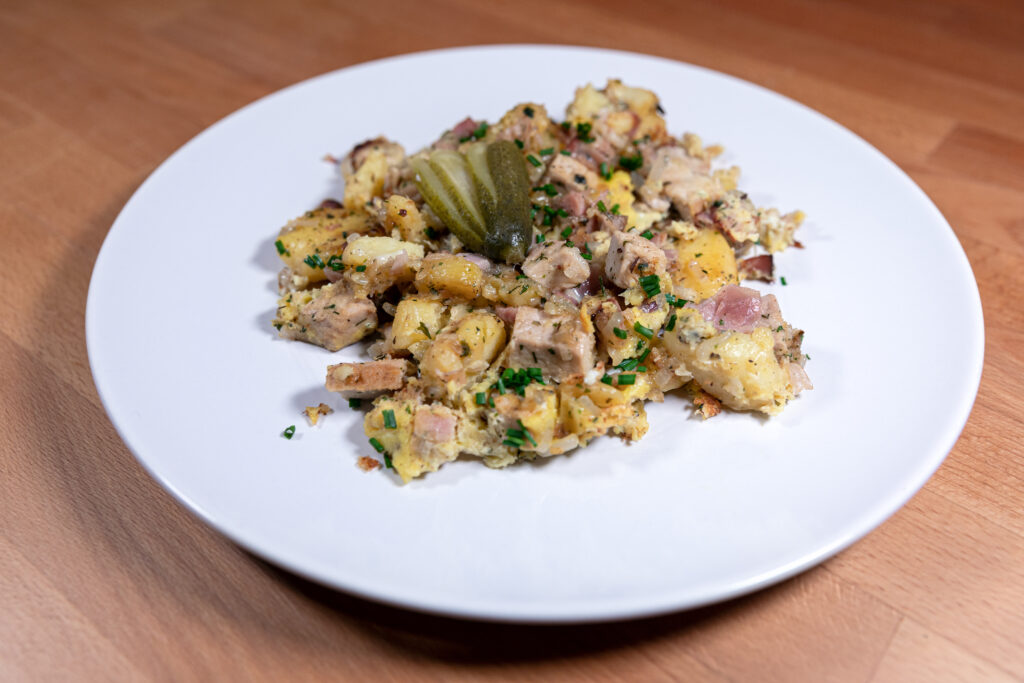
This dish with a fun name was actually a practical way to use up every single scrap in the icebox. It originated in German-American communities and quickly became a winter favorite for its versatility. The base was always fried potatoes and onions, but from there, you added whatever tiny bits of meat were left. A stray piece of sausage, a slice of bacon, or even some chopped deli meat would find a home in the pan.
Everything was bound together at the end with a couple of beaten eggs scrambled directly into the mix. It was a messy, hearty jumble of ingredients that hit every savory note a hungry person could want. Because it was so heavy, it was usually served as a main dinner dish rather than just breakfast. It was the kind of meal that made you want to curl up under a quilt and sleep through the blizzard.
10. Mock Apple Pie
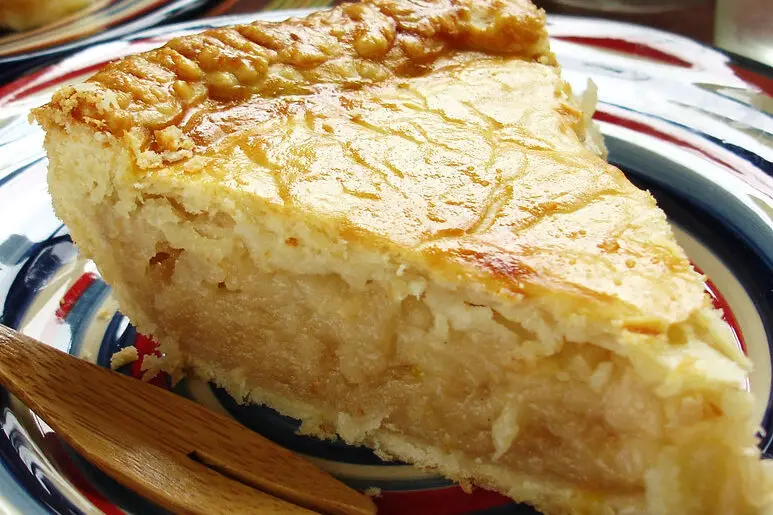
When the apple barrels were finally empty in late February, families didn’t give up on pie; they just got creative. This famous recipe used Ritz crackers—or any butter cracker available—to stand in for the fruit. The crackers were placed in a pie shell and covered with a syrup made of water, sugar, and cream of tartar. When baked, the texture of the soaked crackers became remarkably similar to cooked apples.
A heavy dose of cinnamon and nutmeg completed the deception, fooling the senses into thinking there was actual fruit involved. It was a bit of culinary magic that allowed parents to give their kids a “fruit” dessert when none existed. The crackers provided a buttery richness that real apples sometimes lacked, making it a favorite for many. It stands as a testament to the ingenuity of home cooks who refused to let a hard winter steal their joy.
11. Cabbage and Noodles (Haluski)
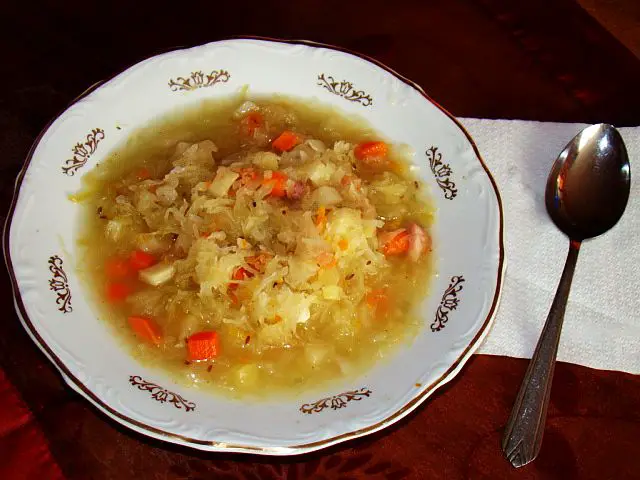
Cabbage was another root cellar hero that stayed crunchy and fresh long after the green beans had wilted. When paired with egg noodles, it became a dish that was both cheap and incredibly satisfying. The cabbage was shredded and sautéed in a generous amount of butter or lard until it turned brown and sweet. This caramelization process was key to turning a boring vegetable into something that tasted almost like meat.
The tender noodles were tossed into the pan, absorbing all the fat and the savory bits of cabbage. Some families added poppy seeds or a lot of black pepper to give the dish more character. It was a high-carb, high-fat meal that was perfect for fueling up before a long day of winter chores. It remains a beloved comfort food in many Eastern European households today for its simple, earthy flavor.
12. Savory Bread Pudding
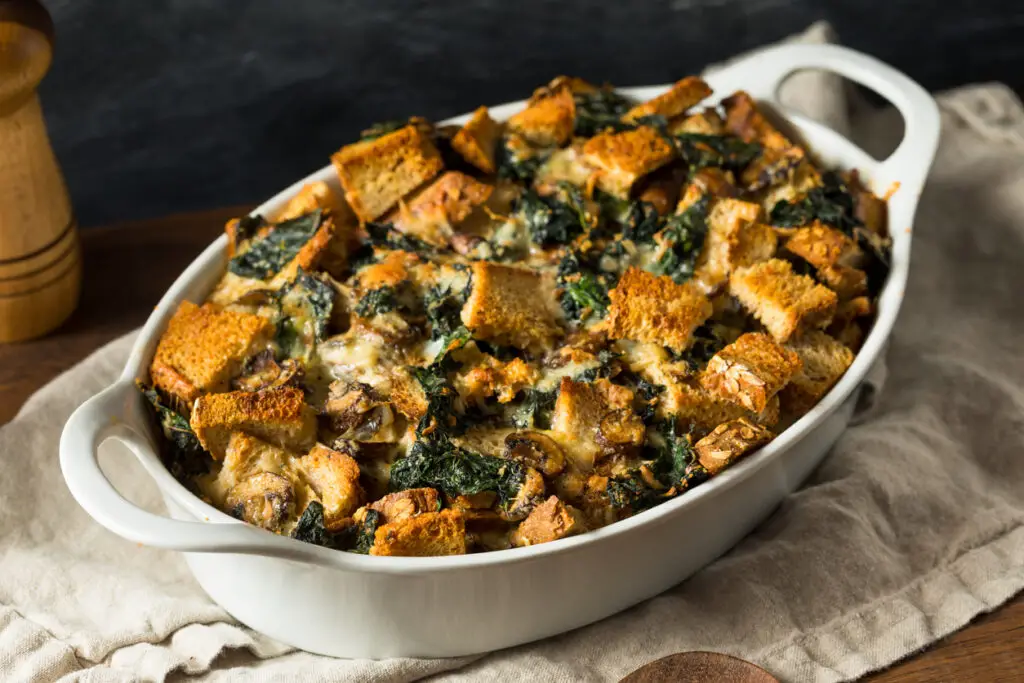
We usually think of bread pudding as a dessert, but during lean winters, the savory version was a common dinner. It was a way to use up every last crumb of bread, even the pieces that were hard as rocks. The bread was cubed and soaked in a mixture of eggs, milk, and whatever savory seasonings were on hand. If there was a stray onion or a bit of dried herbs, those went into the mix as well.
The whole thing was baked until the top was golden and the inside was custardy and warm. It was much more filling than a simple sandwich and felt like a substantial “main event” on the dinner table. If the family had a small piece of cheese, they would grate it on top for a salty crust. It was a clever way to turn “trash” bread into a treasure of a meal.
13. S.O.S. (Creamed Chipped Beef)
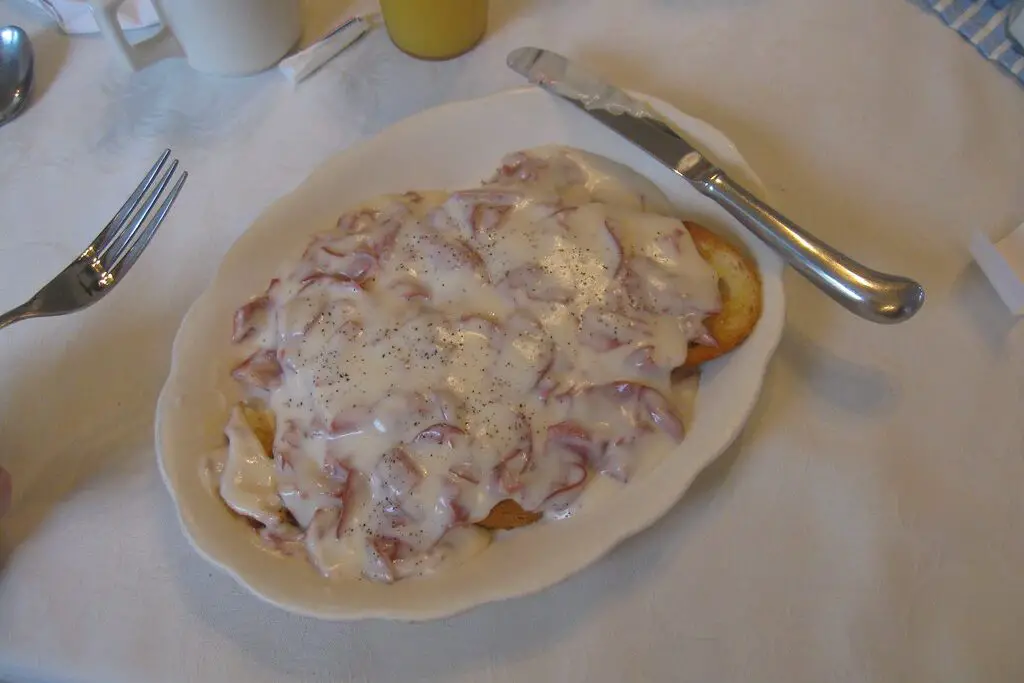
Originally a military staple, S.O.S. (which stands for something a bit colorful) made its way into civilian homes during the hardest winters. It relied on jars of dried, salted beef that could sit in the pantry for years without spoiling. The beef was torn into small pieces and simmered in a thick, buttery white sauce. This salty, creamy mixture was then ladled over thick slices of toasted white bread.
It was an ugly dish by any standard, but the flavor was incredibly robust and satisfying. The saltiness of the beef seasoned the entire gravy, meaning you didn’t need to add much else. It provided a massive hit of protein and fat that stayed with you throughout a cold night. For many, the sight of creamed beef on toast is the ultimate symbol of making it through a tough season.
14. Johnnycakes
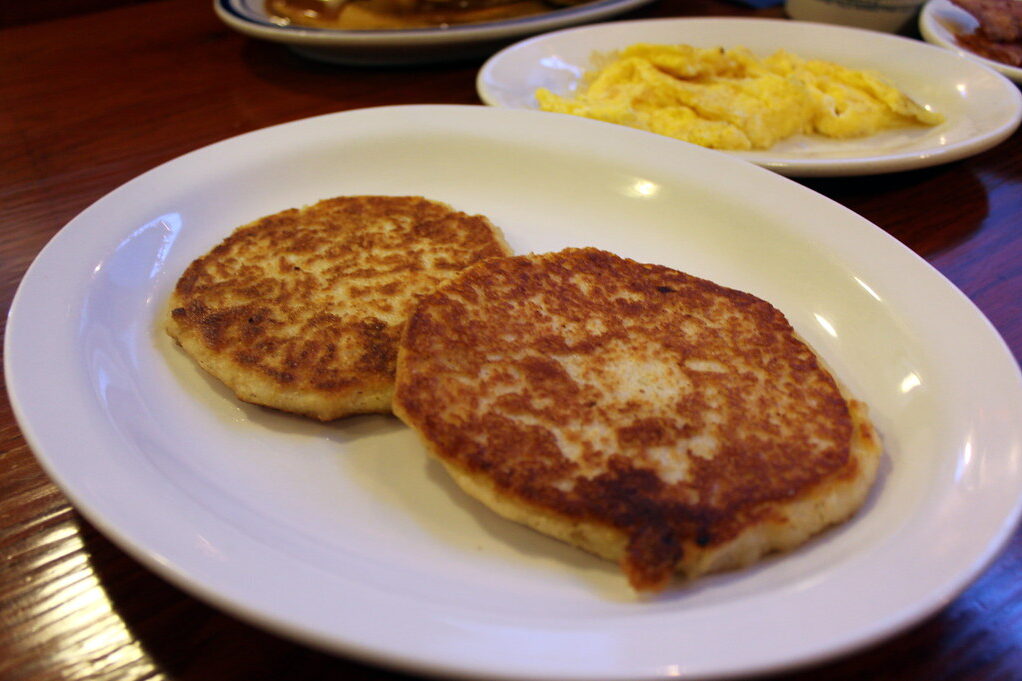
When the wheat flour ran out and the snow was too deep to get to the mill, cornmeal again became the star of the kitchen. Johnnycakes were the simplest form of bread, consisting of little more than cornmeal, boiling water, and a pinch of salt. The hot water scalded the meal, creating a thick, stiff dough that was shaped into small patties by hand. These were fried on a hot griddle until the edges were charred and the centers were steaming.
They were dense and chewy, providing a rugged kind of sustenance that could be held in the hand while working outside. While they were best with a bit of butter or maple syrup, most families ate them plain or dipped in bacon fat during the leanest years. Because they didn’t require yeast or eggs, they were the ultimate “no-pantry” bread. They had a nutty, toasted flavor that felt incredibly grounded and honest on a cold morning.
15. Scrapple
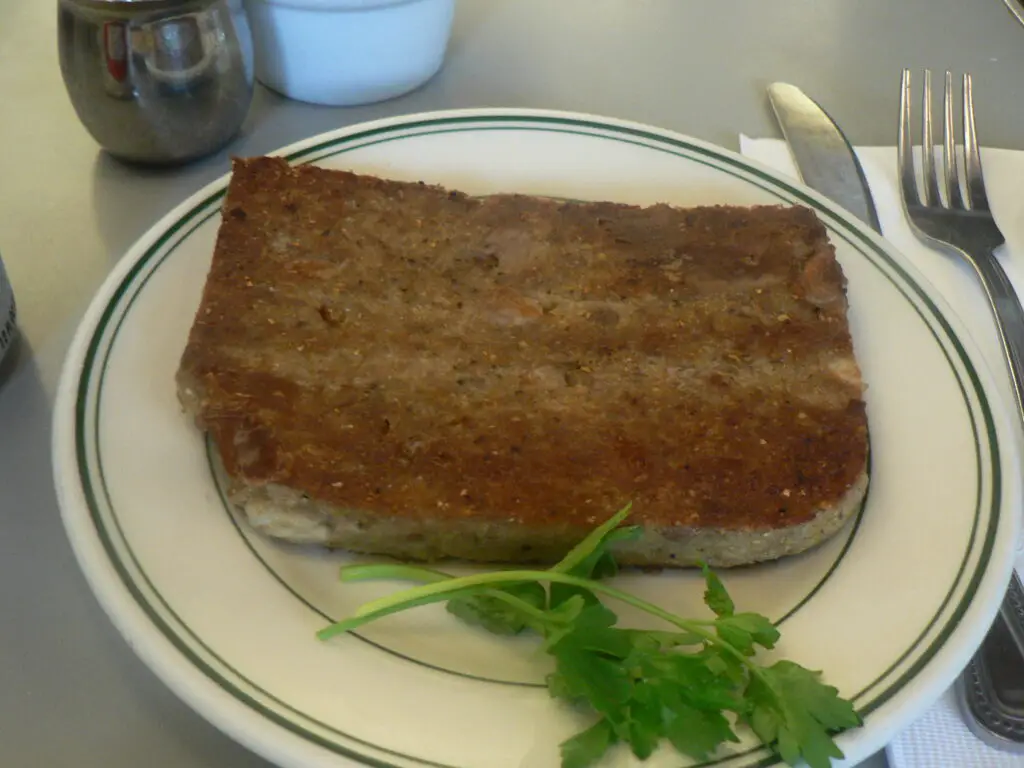
In the spirit of using every part of the pig to survive the winter, scrapple was the quintessential “everything but the oink” dish. It was made by simmering pork scraps and trimmings with cornmeal and buckwheat flour into a thick, grey mush. This mixture was heavily seasoned with sage, savory, and black pepper to mask the humble origins of the meat. Once it thickened, it was poured into loaves and left to freeze in the outdoor larder.
When breakfast time came, thick slices were cut and fried in a pan until the outside developed a dark, shatteringly crisp crust. The inside remained soft and savory, offering a complex flavor that was much richer than standard sausage. It was a brilliant way to stretch a very small amount of meat into many weeks of hearty breakfasts. For many families, the smell of frying scrapple was the only thing that could get them out of bed in a sub-zero house.
16. Pea Coffee and Roasted Grain Brews
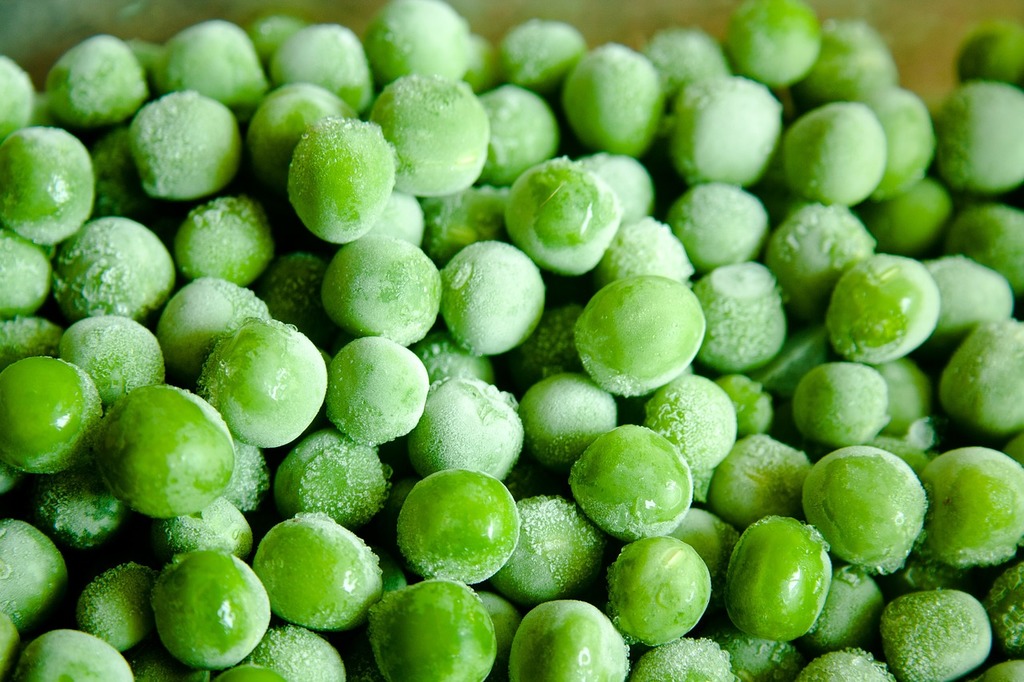
Actual coffee beans were an expensive luxury that often vanished from the cupboard by mid-January. To keep the ritual of a warm morning drink alive, families got creative with whatever they had in the dry bins. Dried peas, barley, or even rye grains were slow-roasted in the oven until they were dark brown and nearly scorched. Once ground up, these “beans” were brewed in boiling water to create a dark, bitter liquid that mimicked the look of coffee.
It lacked the caffeine kick of the real thing, but the toasted, earthy aroma provided a psychological boost during the greyest months. Sometimes a bit of chicory or a dried beet was added to deepen the color and add a hint of sweetness. It was a reminder of how much people valued the comfort of a hot cup between their hands. Drinking a “mock brew” was a small way to maintain a sense of normalcy when the world outside was frozen over.
17. Hot Water Gingerbread

Gingerbread was a winter favorite because the spices provided a warming sensation, but the “hard winter” version was made without any expensive milk or butter. Instead, the recipe relied on boiling water and molasses to create a dark, sticky, and fragrant cake. The boiling water reacted with the baking soda to create a light, airy texture despite the lack of dairy. It filled the whole house with the scent of cloves and ginger, which was a welcome change from the smell of woodsmoke.
This cake was usually served warm and didn’t need any frosting to be delicious. It was a dense, spicy treat that felt much more decadent than its cheap ingredients suggested. Because it was so moist, it stayed fresh for a long time in a cold cupboard, providing a quick snack for anyone coming in from the cold. It was the kind of recipe passed down through generations as a secret weapon against winter gloom.
18. Potato Biscuits

When the flour supply started looking low, potatoes were used as a “filler” to make the bread go twice as far. Leftover mashed potatoes or freshly boiled and riced tubers were kneaded into a small amount of flour and leavening. This created a dough that was much heavier and more moist than a traditional biscuit. These biscuits were often baked right on the top of the woodstove if the oven wasn’t fired up.
The result was a soft, pillowy roll that stayed tender even after it cooled down, thanks to the moisture from the potato. They were incredibly filling and could turn a simple bowl of thin broth into a satisfying feast. If there was a bit of leftover lard, it was used to give the tops a golden, salty crunch. These biscuits represented the ultimate winter philosophy of never wasting a single scrap of starch.