
1. Open Pit Barbecue Sauce
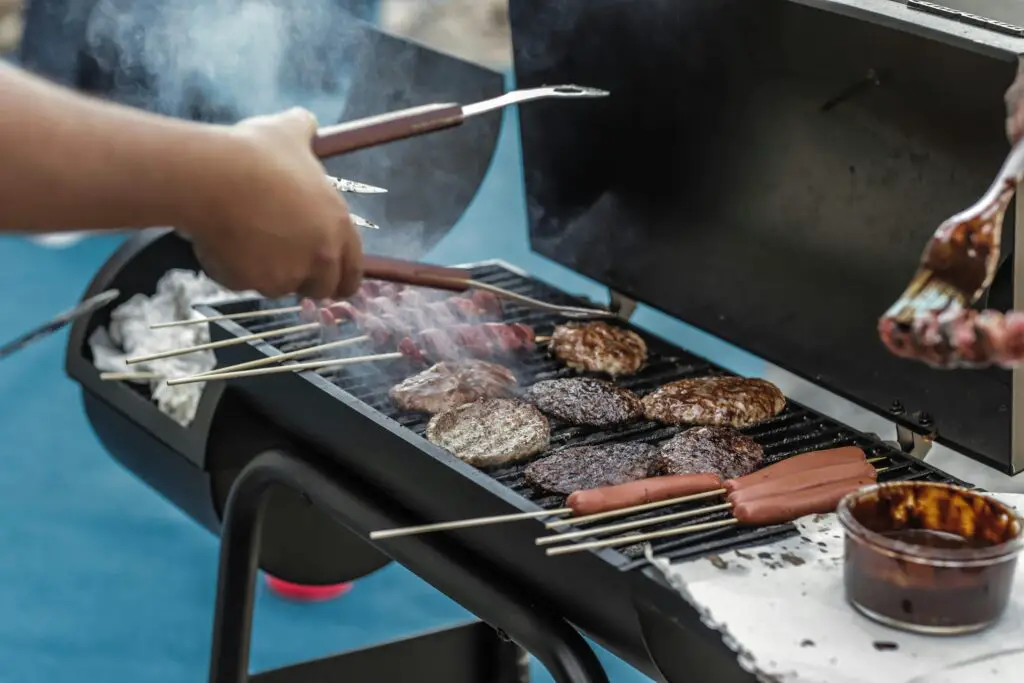
Open Pit Barbecue Sauce was one of the most recognizable bottles in the ’70s, especially in the Midwest. Its sharp, vinegar-forward flavor made it stand out from the sweeter sauces that later took over the market. Families used it for chicken, ribs, burgers, and even as a dipping sauce for fries. It was a fixture at backyard cookouts long before gourmet BBQ brands were a thing. The bright blue label became a familiar sight in countless kitchens.
While Open Pit still exists in certain regions, it isn’t the nationwide staple it once was. As thicker and sweeter sauces grew more popular, its tangy style felt a little old-fashioned to younger shoppers. But anyone who grew up in the ’70s remembers exactly how it tasted. It was a dependable, everyday condiment for decades. Today it feels like a nostalgic nod to classic cookout flavor.
2. Peter Pan Peanut Spread
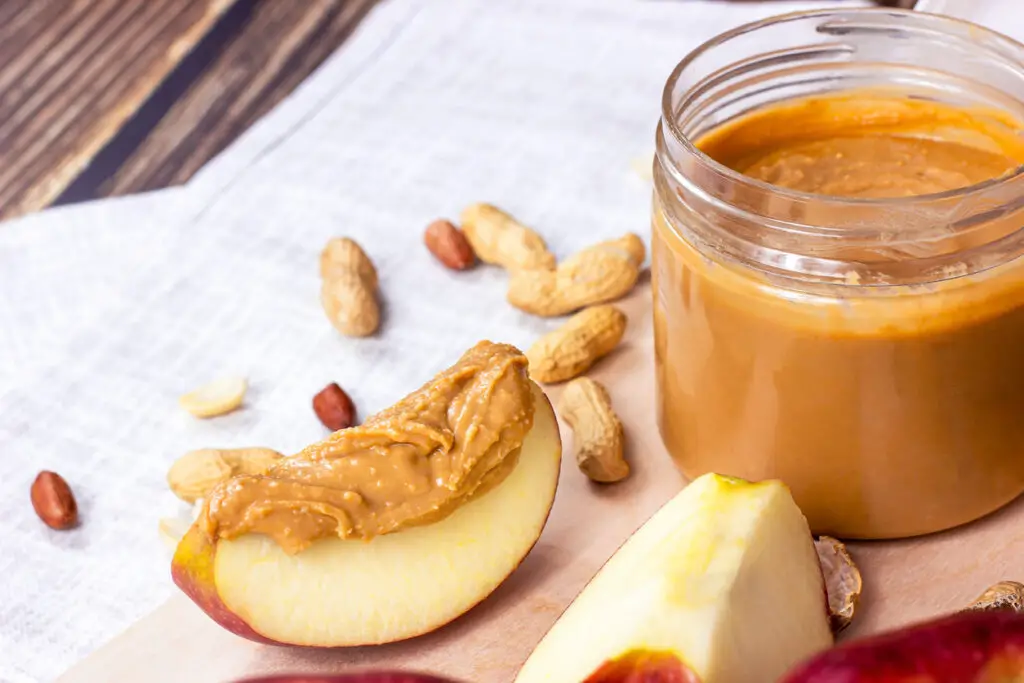
Peter Pan once sold a peanut spread that wasn’t quite peanut butter and wasn’t quite frosting, and it reached peak popularity in the ’70s. It was thinner, sweeter, and meant to be spread on bread like jam. Some families bought it because it spread easily and felt like a treat for kids. It was one of those products companies created when they thought everything needed a “fun” twist.
Over time, regular peanut butter won the taste test and the spread faded away. It wasn’t as rich as peanut butter or as fruity as jelly, so it kind of sat in its own category. Many people who grew up in the decade remember the jar but can’t quite recall the flavor. It was a very specific ’70s grocery-store moment. Today it feels like something that couldn’t survive in a simpler snack era.
3. Seven Seas Viva Italian Dressing
Before being absorbed under the Kraft label, Seven Seas was a best-selling salad dressing brand, and Viva Italian was one of its most recognizable flavors. It had a sharp, oregano-heavy taste that showed up at nearly every family dinner. Bottled Italian dressing was still relatively new, so people got excited about anything that felt “restaurant-style.” Viva Italian was especially popular because it paired well with everything from iceberg wedge salads to pasta bakes.
As tastes shifted and more brands flooded the shelves, Viva Italian faded into the background. Families gradually turned to the bigger names that dominated the dressings aisle. But for people who remember the ’70s, that bottle was everywhere. It was almost impossible to attend a backyard dinner without seeing it. Even if it’s gone now, its presence was unmistakable back then.
4. Hellmann’s Sandwich Spread
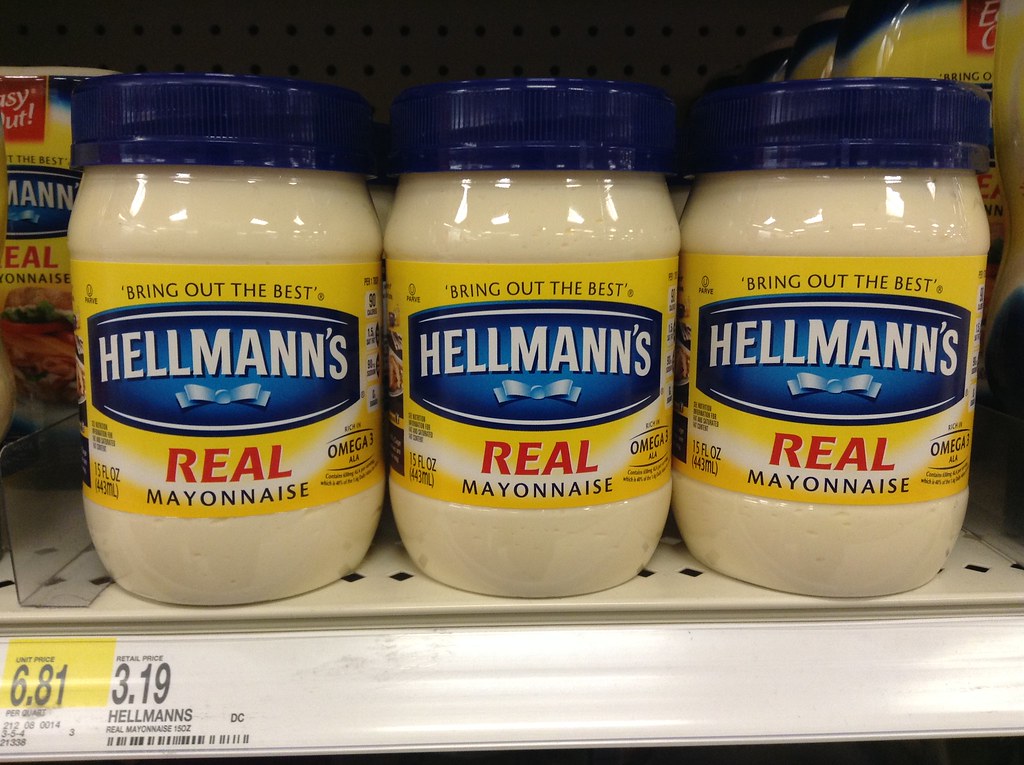
Before flavored mayos and aiolis took over, Hellmann’s Sandwich Spread was one of the most recognizable grocery-store condiments in the ’70s. It had chopped pickles, spices, and a creamy base that made every sandwich taste like a deli special. It was easier than mixing mayo and relish separately, which appealed to busy families. A lot of households kept a jar in the fridge at all times.
As newer condiments came along, the spread slowly lost its place. Fewer people relied on shortcut sandwich fillers, and the flavor felt old-fashioned. Still, for those who grew up in that era, the jar brings back clear memories of school lunches. It was once a major player in the condiment aisle. Today it’s mostly remembered by people who reached for it routinely.
5. Wish-Bone Russian Dressing
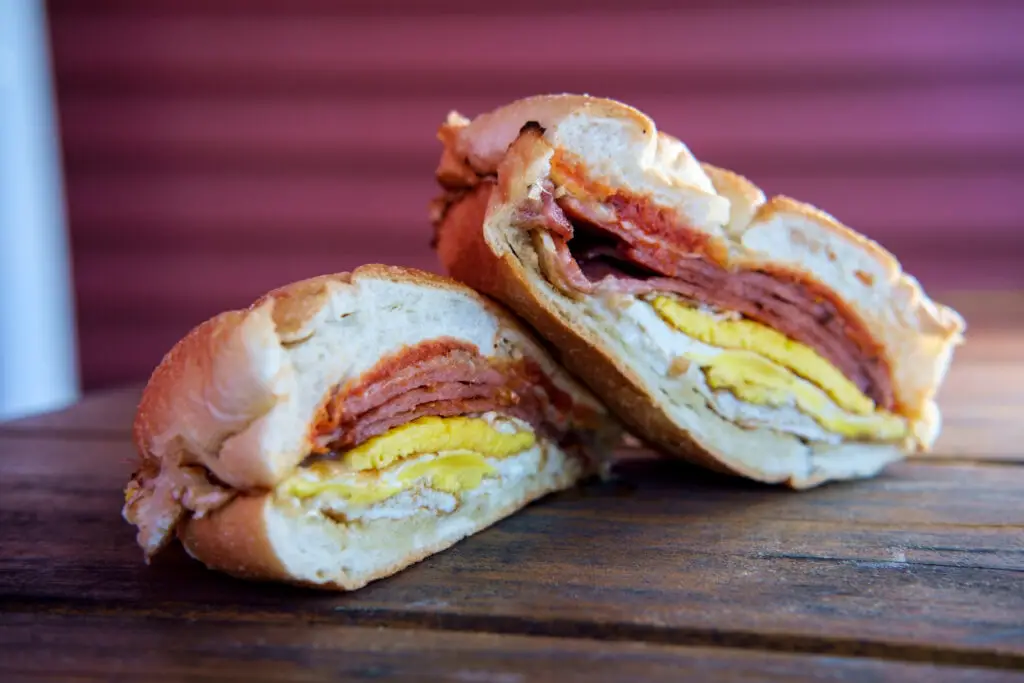
Wish-Bone’s Russian Dressing was a huge staple in the ’70s, especially as salads became a bigger part of dinner menus. It had a tangy, reddish flavor that sat somewhere between French dressing and thousand island. People used it on everything from salads to burgers to party trays. It was incredibly common before lighter, more modern dressings began to dominate.
Many families kept this bottle right next to their Italian dressing for easy weeknight meals. It was a dressing that felt fancy without being complicated. Over time it quietly disappeared as tastes leaned more toward vinaigrettes. But anyone who grew up in the ’70s remembers seeing that bottle constantly. It was everywhere before it slipped out of fashion.
6. Kraft Blue Cheese Dressing
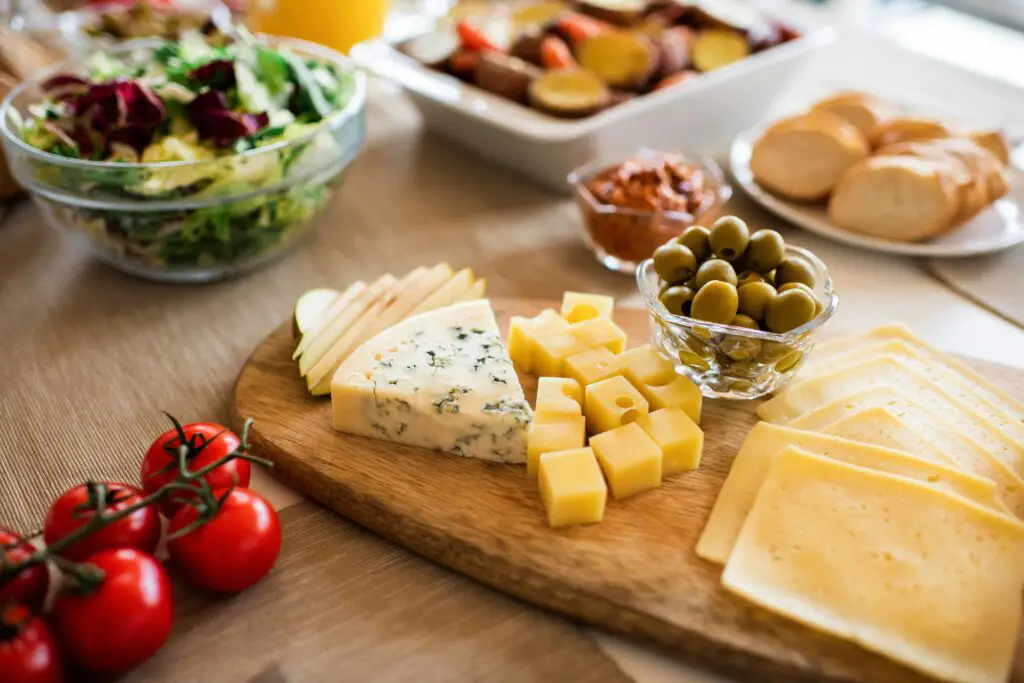
Kraft Blue Cheese Dressing was practically mandatory at every ’70s salad bar, restaurant, and backyard barbecue. It came in the classic glass bottle that everyone instantly recognizes. It was extra thick and bold, which made it popular for dipping celery and topping wedge salads. People used it far more often than they do today because salad bars were such a trend.
As lighter dressings and ranch became more popular, blue cheese took a bit of a backseat. The flavor was divisive, so only loyal fans continued to buy it regularly. But in the ’70s, it was a standard fixture of American kitchens. The taste and smell are incredibly recognizable to anyone who grew up then. It’s one of those condiments that defined a decade even if it still technically exists.
7. Vlasic Sweet Pickle Relish
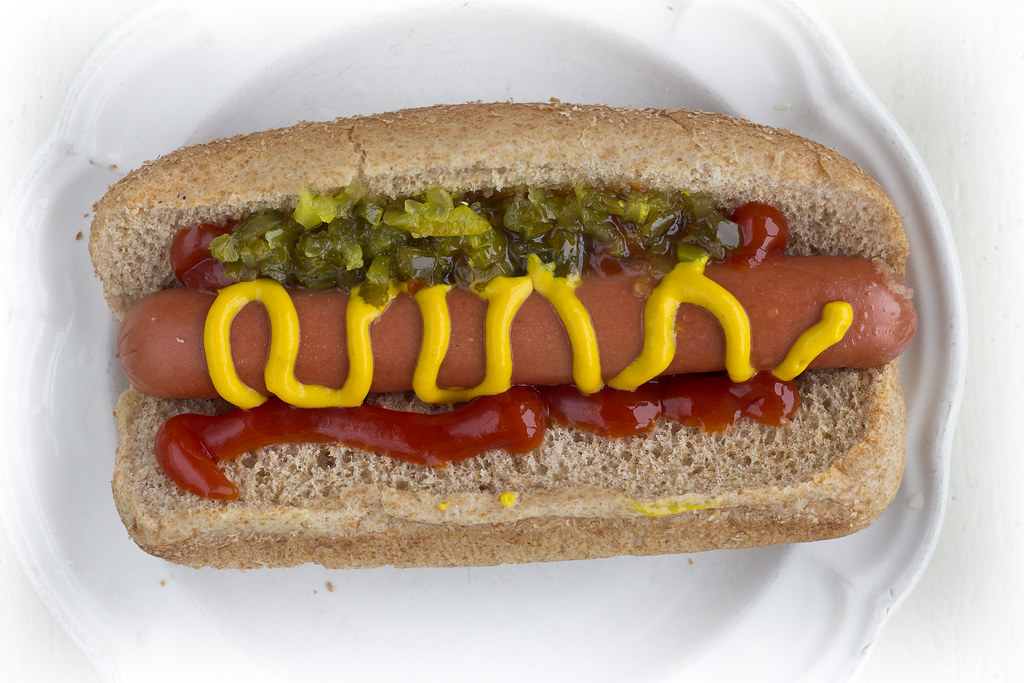
While relish is still around, the exact Vlasic sweet relish recipe from the ’70s is far more recognizable to older generations. It had a specific sweetness and texture that made hot dogs, tuna salad, and egg salad taste just a little different. People used it constantly because it paired well with nearly every summer dish. It became a quiet staple of cookouts and school lunches.
Over the years, the formula shifted and competing brands took over. The original taste is something people remember distinctly even if they can’t find it now. It was one of those condiments that lived in every fridge without anyone thinking twice about it. Today, people realize how tied it was to its era. Its memory lives mostly through recipes passed down from moms and grandmas.
8. Heinz 57 Sauce
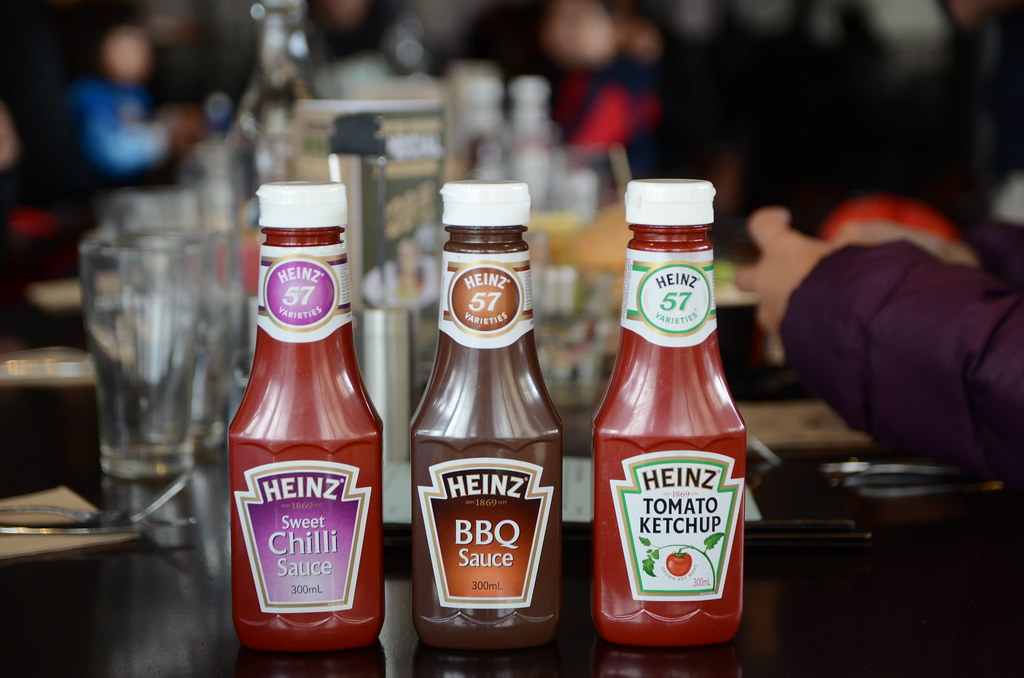
Heinz 57 Sauce was everywhere in the ’70s, far more popular than it is today. People put it on chicken, pork, steak, and even potatoes. It had a tangy, slightly spicy flavor that tasted unique in a world before shelves were filled with different international sauces. Many families kept it on the dinner table as casually as ketchup.
While the sauce still exists, its popularity is nowhere near what it used to be. Newer brands and bolder flavors took over the condiment aisle. Still, for anyone who grew up in the decade, the taste is unmistakable. It was one of those sauces that felt fancy but accessible. It helped define thousands of family dinners.
9. McDonald’s Big Mac Sauce (bottled takeaway cups)

In the ’70s, McDonald’s briefly experimented with giving customers small takeaway cups of Big Mac sauce so they could use it at home. It wasn’t widely advertised, but it became recognizable to families who frequented the chain. People loved having the special sauce on homemade burgers or fries. It felt like a treat since the Big Mac itself was still relatively new.
The idea faded quickly as McDonald’s streamlined operations. Today the sauce only appears on burgers unless there’s a limited promotion. But the original takeaway cups were a real part of the ’70s fast-food experience. Many families remember the taste as something entirely new. It was an early glimpse of the “restaurant sauce at home” trend.
10. Kraft Catalina Dressing
Catalina dressing was massively popular during the ’70s, especially in taco salads and potluck dishes. Its sweet, red, tangy flavor made it instantly recognizable. People loved how it coated every ingredient so evenly. It was a bright, bold dressing during a decade that loved colorful food.
Today it’s still around but not nearly as talked about. Many younger shoppers don’t even realize it exists. In the ’70s, though, it was almost impossible to host a salad-based meal without it. The flavor is a clear time capsule for anyone who grew up eating it. It remains one of the most memorable dressings of the era.
11. Miracle Whip Light
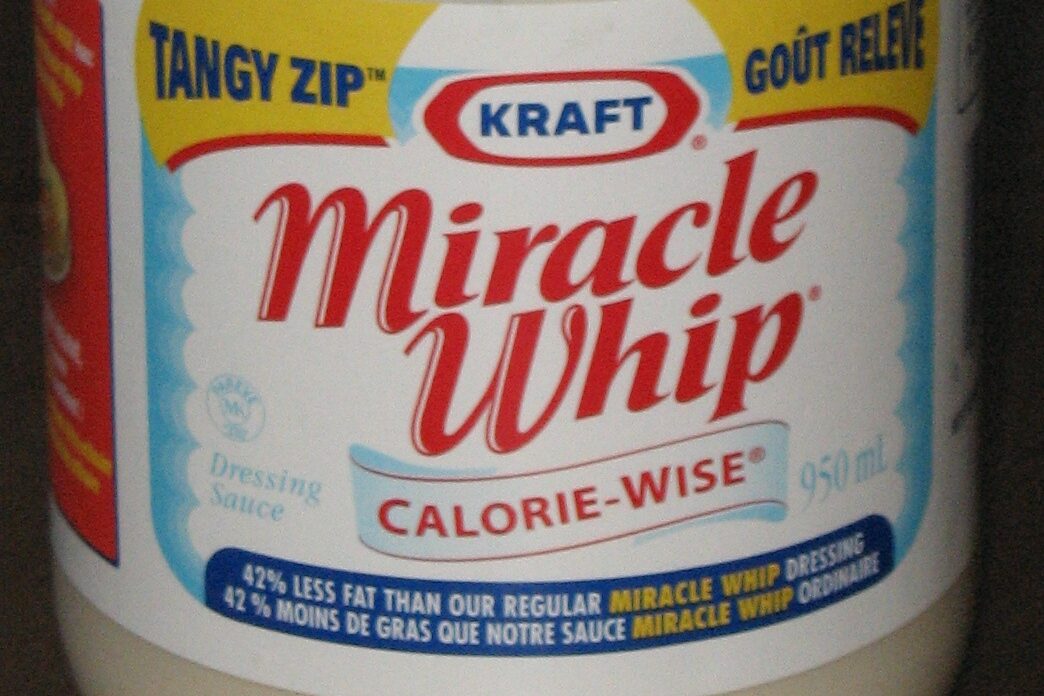
Miracle Whip has been around forever, but the Light version that hit mass popularity in the ’70s became instantly recognizable. It was sweeter and tangier than regular mayo, and families used it in sandwiches, salads, and dips. The Light label felt modern and health-conscious at a time when “diet” foods were suddenly everywhere. People kept it in the fridge even if they didn’t use regular Miracle Whip.
Over time, tastes shifted and fewer people wanted the sweeter flavor profile. But in the ’70s, it dominated lunchboxes and family dinners. It was part of the larger movement of lightened-up versions of classic foods. Those who grew up in the era can still picture the exact label. It was a staple before fading into the background.
12. Lawry’s Marinade Sauces
Lawry’s was a huge name in the ’70s, and their marinades were considered cutting-edge. The bottles came in flavors like teriyaki, lemon pepper, and herb-and-garlic, long before the marinade aisle exploded with options. Families used them for chicken, steak, kabobs, and weekend cookouts. It made backyard grilling much easier and more flavorful.
As more brands entered the market, Lawry’s original marinades became less dominant. But during their peak, they were everywhere. Anyone who grew up in that time remembers the unmistakable smell when the bottle opened. It was part of the shift toward easy, flavorful cooking. The marinades defined countless summer dinners before fading into history.
13. French Dressing (Kraft & Wish-Bone versions)
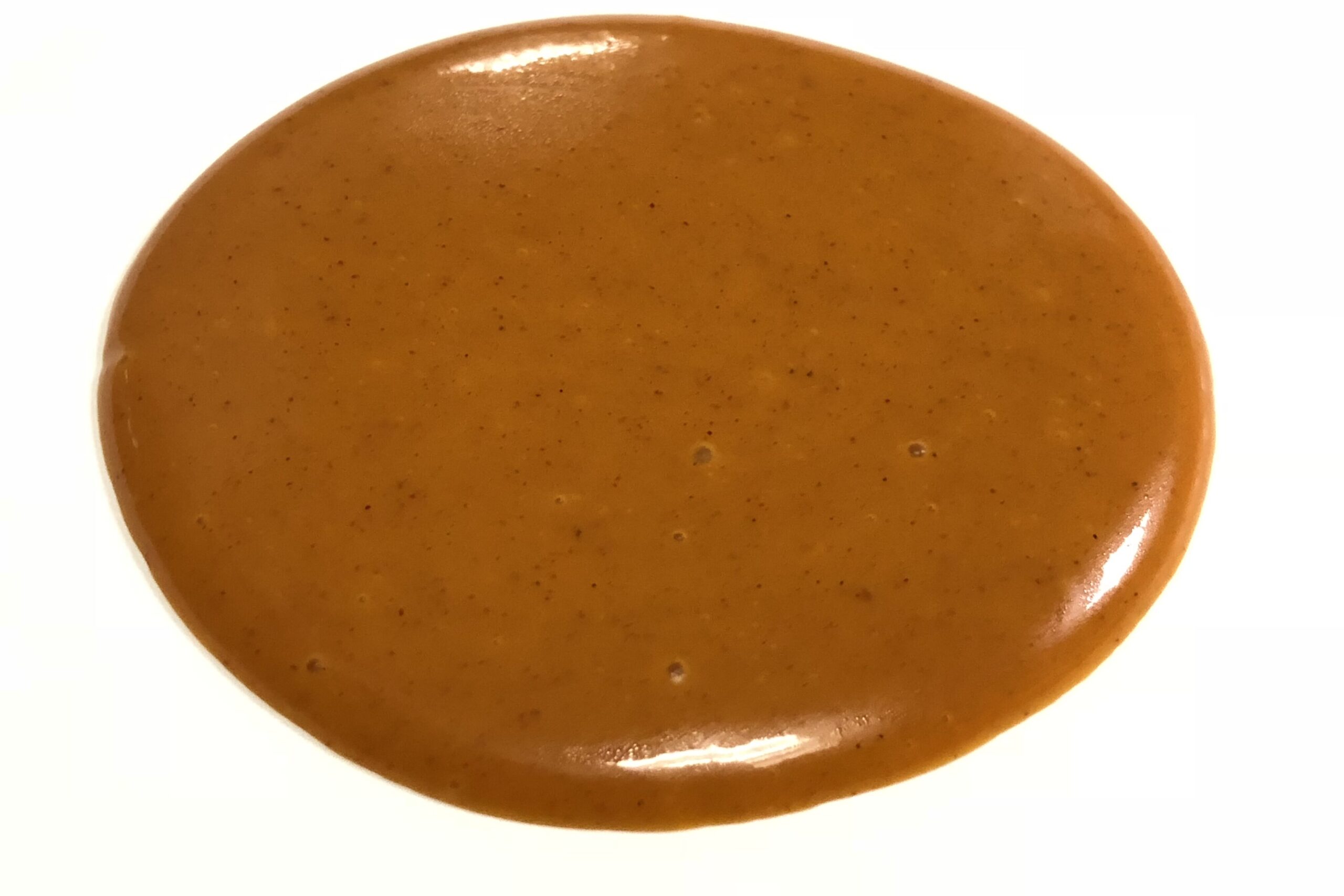
French dressing was a huge staple in the ’70s, especially the bright orange, sweet-and-tangy version sold by Kraft and Wish-Bone. It showed up on every iceberg salad imaginable, and families treated it like the “fancy” option when they weren’t using Italian. The color alone made salads look more exciting to kids, which was half the battle. It also poured beautifully, which mattered more than people remember. It was the dressing of PTA meetings, potlucks, and church basement dinners everywhere.
Over the years, French dressing became overshadowed by ranch and balsamic vinaigrettes. Younger shoppers don’t even realize how dominant it once was. For ’70s families, it was the go-to bottle when company came over. There was something nostalgic about its sweet zip and creamy texture. Even though it still exists, it’s nowhere near the cultural staple it once was. Its heyday sits firmly in the retro salad era.
14. Grey Poupon Dijon Mustard (early U.S. rise)
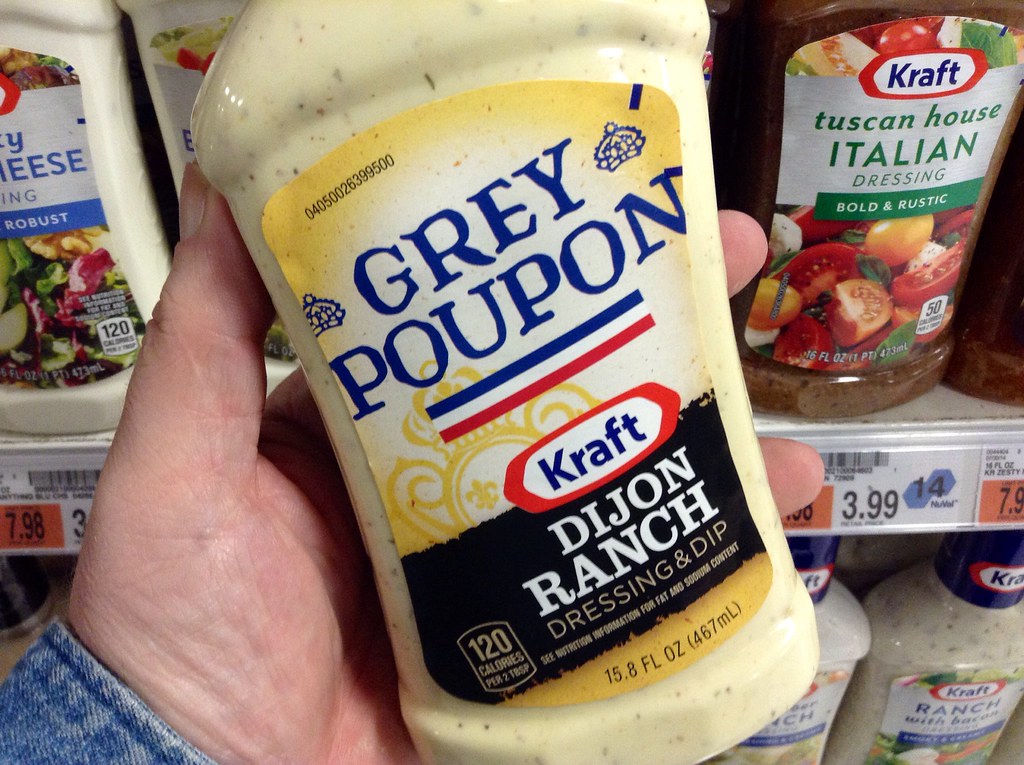
Grey Poupon technically existed earlier, but the brand began gaining real traction in the U.S. in the ’70s, long before the iconic ’80s limousine commercials. For many families, it was the first Dijon mustard they ever tasted, and it felt incredibly upscale. It signaled a shift toward more “European-style” condiments hitting American shelves. People bought it for roasts, sandwiches, and dressings. It was the era when cooks started experimenting beyond classic yellow mustards.
Over time, Dijon became a mainstream pantry item, but in the ’70s it felt like a gourmet adventure. It made home cooking feel elevated in a decade full of culinary experiments. While the brand later became pop culture famous, its quiet climb started here. Anyone who tried it back then remembers feeling a little fancier for spreading it on a sandwich. It was a sign that condiments were starting to evolve in big ways.
15. Kraft Thousand Island Dressing
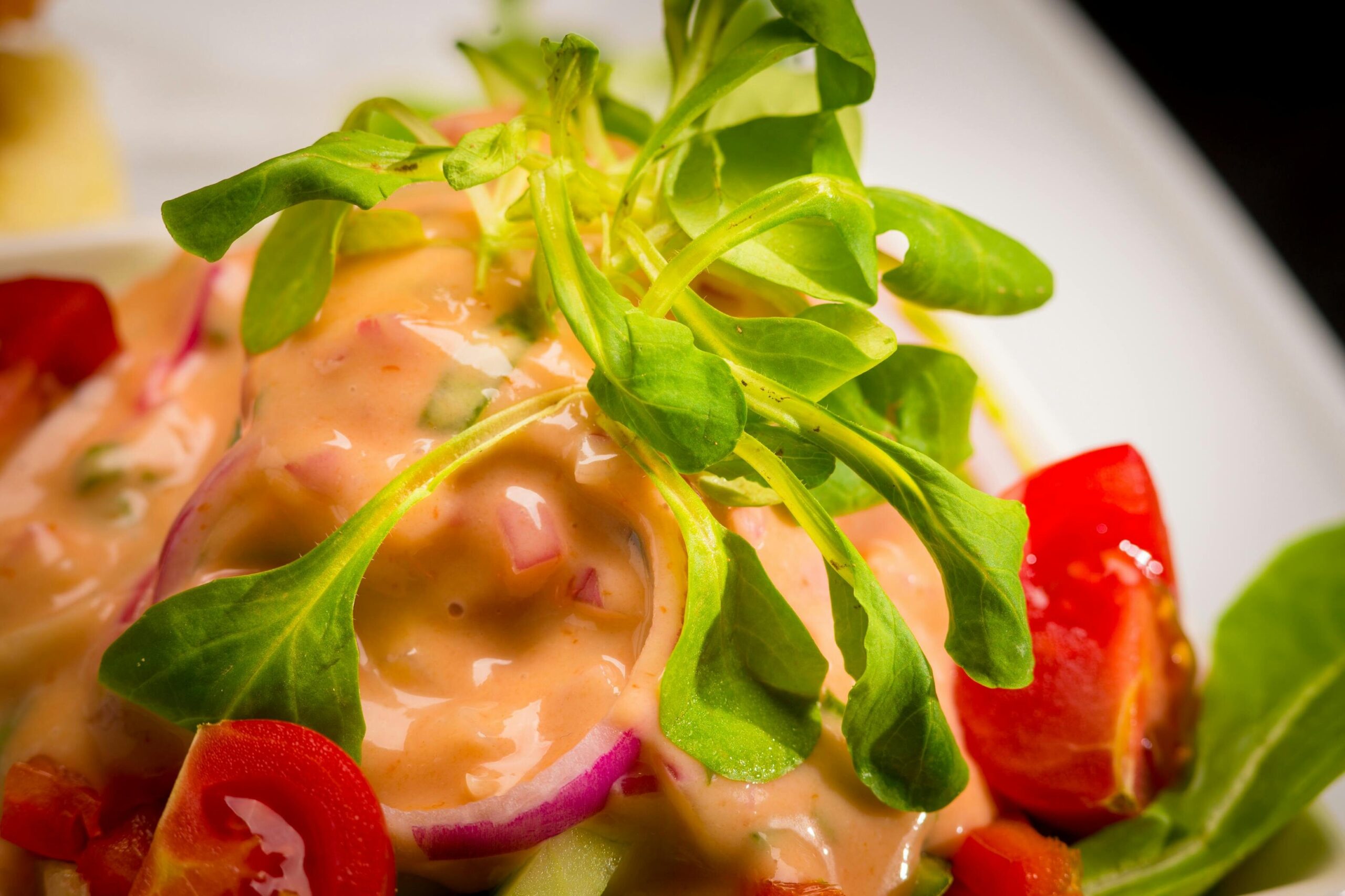
Thousand Island dressing was a powerhouse in the ’70s, especially before ranch took over the world. Kraft’s version was the bottle most families recognized instantly. People used it on salads, burgers, and even baked potatoes. Restaurants loved it too, especially on Reuben sandwiches and salad bars. It was sweet, creamy, and packed with that unmistakable relish tang.
As tastes shifted, Thousand Island became more of a specialty item than a household staple. But anyone who grew up in the decade remembers seeing it constantly. The glass bottle was practically part of the dinner table setup. Even today, the flavor brings back memories of retro diners and cafeteria trays. It defined a generation of comfort salads.
16. Tangy Golden Mustard (Frenches & Gulden’s varieties)
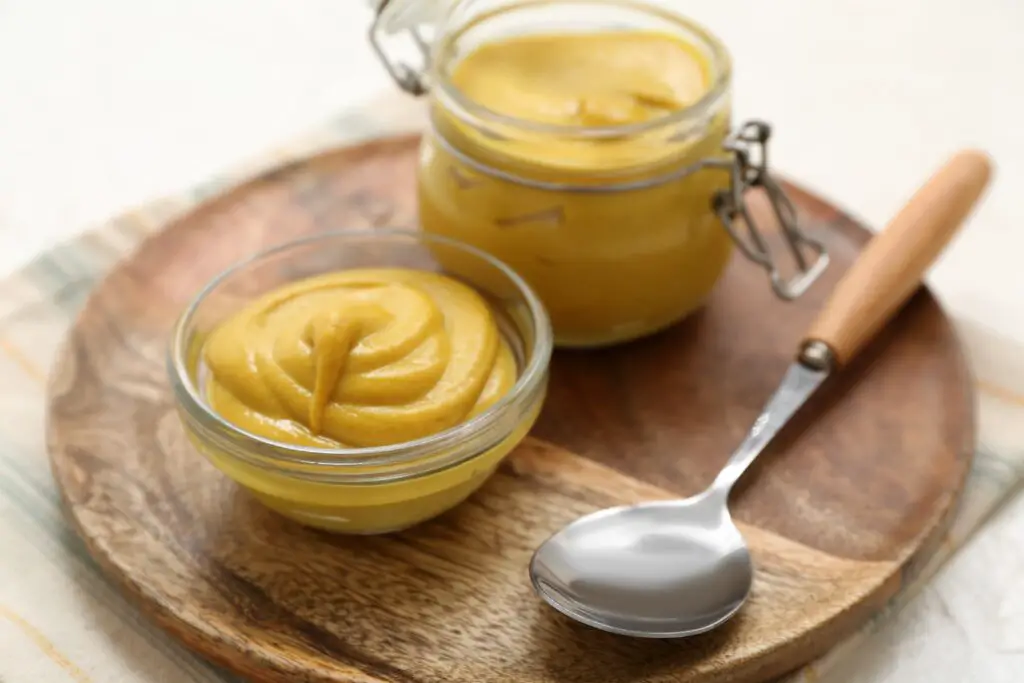
Before specialty mustards hit the grocery aisle, the tangier golden mustards—particularly the ones from French’s and Gulden’s—were essential in the ’70s. They had a sharper bite than the classic yellow version, and people used them on hot dogs, sausages, and ham sandwiches. It was a time when mustard was branching out, slowly inching toward the gourmet takeover of the ’80s and beyond. Golden mustard offered more flavor without feeling too daring.
By the late ’80s, Dijon and stone-ground varieties started pushing these aside. But for ’70s families, this was the bold mustard. It made cookouts feel a little more grown-up and gave sandwiches just enough kick to be interesting. Anyone who remembers it can still picture the label perfectly. It represents a turning point in the condiment world, when mustard began to outgrow its simple past.
17. Smucker’s Apple Butter
Smucker’s Apple Butter was a huge pantry staple in the ’70s, especially in families that loved simple, comforting spreads. It was thicker and smoother than jam, with a deep cinnamon flavor that tasted like fall in a jar. People spread it on toast, biscuits, and even added it to pork recipes. It was one of those condiments that felt homemade even though it came right off the grocery shelf. It made breakfasts feel a little cozier.
Over time, breakfast habits shifted and apple butter became more of a niche item. But in the ’70s, it was everywhere, tucked into lunchboxes and served during weekend breakfasts. Many people associate it with grandparents or big family breakfasts around the table. The flavor is an instant time machine for anyone who grew up with it. It was simple, warm, and unforgettable.
18. Heinz Horseradish Sauce
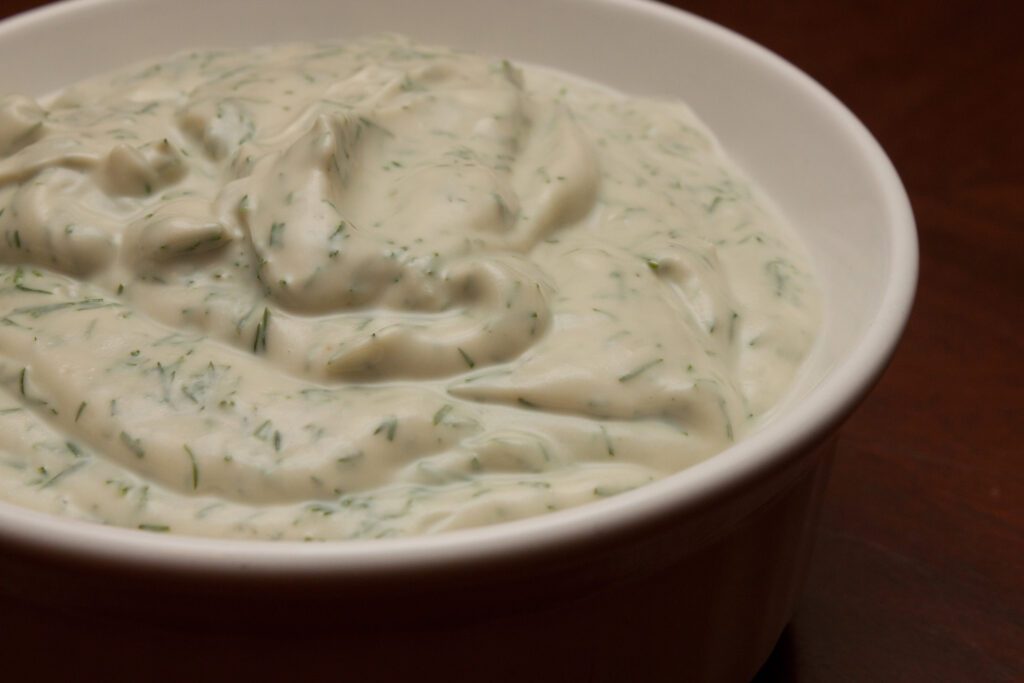
Heinz Horseradish Sauce was a recognizable favorite in ’70s kitchens, especially for roast beef sandwiches and Sunday dinners. It had a creamy, spicy flavor that adults loved, even if kids treated it like a forbidden condiment. People used it for ham, brisket, and as a dipping sauce for fried appetizers. It brought a little heat to a decade that was otherwise full of mellow flavors.
As international sauces became more popular, horseradish lost some of its spotlight. But in the ’70s, it really was a kitchen staple. Many families kept it on hand for holiday meals and special occasions. The creamy version made it more approachable than pure horseradish. Today it still exists, but its cultural moment belongs solidly to that retro dinner-table era.