
1. A Warm Kitchen at Night
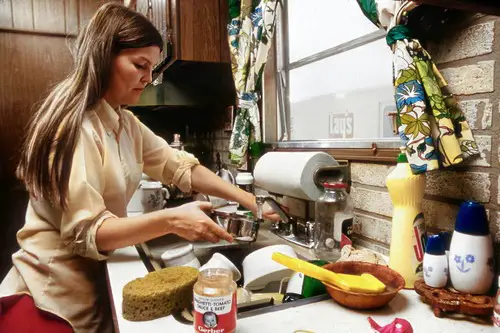
Even when money was tight or days were long, the kitchen often stayed warm after dinner. Someone might sit at the table long after the plates were cleared, just enjoying the quiet heat from the stove. It was a place where worries softened a little without anyone having to say why. The warmth itself felt reassuring, like proof that at least one part of the day had been handled.
In many homes, the kitchen became a late night refuge during hard times. People lingered with a cup of tea, rereading the same paper or listening to the radio hum. It did not fix anything, but it slowed the spinning thoughts. That steady warmth made the world feel briefly manageable.
2. Familiar Radio Voices
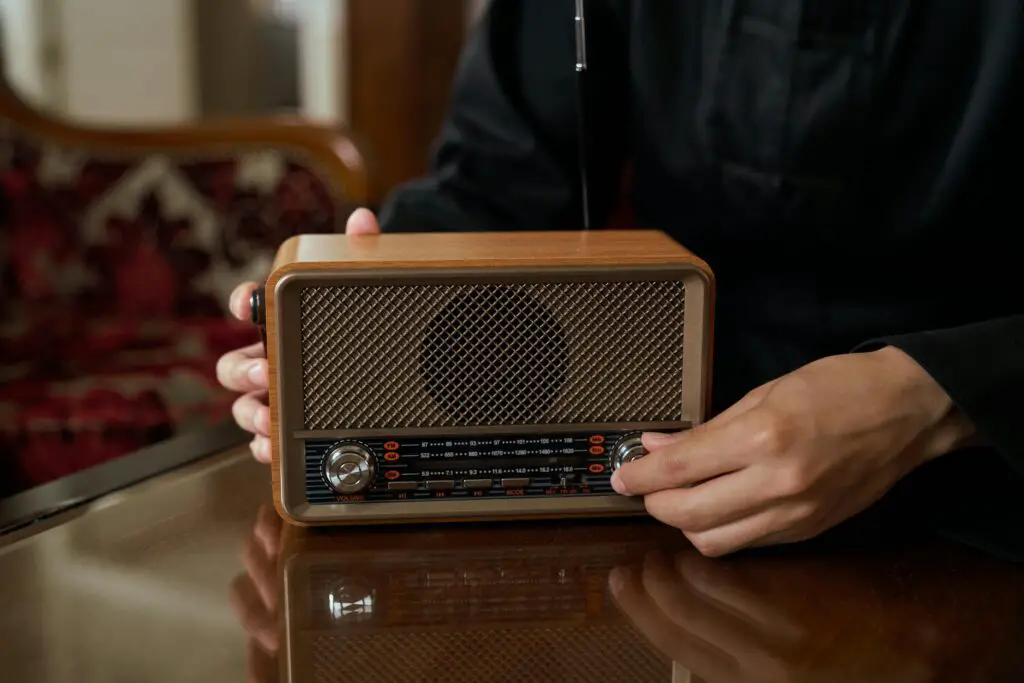
Radio voices became companions, especially during lonely or repetitive days. Hearing the same host at the same hour gave structure when life felt uncertain. The voices felt personal even though they were shared with millions. It was comforting to know someone else was awake with you.
For people facing long workdays or quiet homes, radio filled the silence without demanding anything back. You could listen while cleaning, resting, or just sitting still. The predictability mattered more than the content. Those familiar voices helped time pass more gently.
3. Clean Sheets Once a Week

Fresh sheets were a small luxury that made a real difference. No matter how worn the rest of life felt, climbing into a clean bed reset the body and mind. The scent alone suggested care and effort. It was a reminder that someone was still trying.
For many families, sheet changing happened on the same day every week. That routine created a sense of order even when nothing else felt stable. The bed became a safe pause at the end of hard days. Sleep came easier when the sheets were crisp.
4. A Reliable Pair of Shoes

Having shoes that fit well and lasted mattered more than style. When money was scarce, dependable shoes meant fewer daily frustrations. They allowed people to walk farther, work longer, and feel capable. Comfort came from knowing they would not fall apart.
Those shoes often carried memories of long shifts, errands, and quiet walks home. People took care of them, repairing soles or polishing leather. They became trusted companions rather than disposable items. That reliability eased daily strain in subtle ways.
5. Evening Baths

Baths were not just about cleanliness, they were about recovery. Warm water eased sore muscles and offered a rare moment of privacy. Even short baths felt indulgent during demanding weeks. They marked the end of effort.
For people living crowded or stressful lives, baths provided mental relief. The ritual stayed the same even when circumstances did not. Lighting was low, noise was muted, and time slowed down. Those moments helped people feel human again.
6. Handwritten Letters

Letters brought connection when travel and phones were limited. Seeing familiar handwriting made distance feel smaller. The act of reading a letter demanded attention and patience. It created a pause in the day.
Writing back also offered comfort. Putting thoughts on paper helped organize feelings that were otherwise buried. Letters could be reread during lonely moments. They lasted longer than conversations.
7. Sunday Meals

Sunday meals often carried more weight than nutrition. They marked a pause in the working week. Families gathered even when tempers were short or resources thin. The predictability mattered.
Those meals reminded people they belonged somewhere. Recipes stayed simple, but the ritual felt meaningful. Sitting together made struggles feel shared. It helped reset everyone before another hard week began.
8. Quiet Early Mornings

Early mornings offered calm before responsibilities arrived. The house felt different when everyone else was still asleep. That silence belonged to whoever woke first. It was peaceful without trying to be.
For people carrying heavy burdens, those moments felt restorative. Coffee tasted better in the quiet. Thoughts could settle before the day demanded action. It was a gentle way to prepare.
9. Mended Clothing
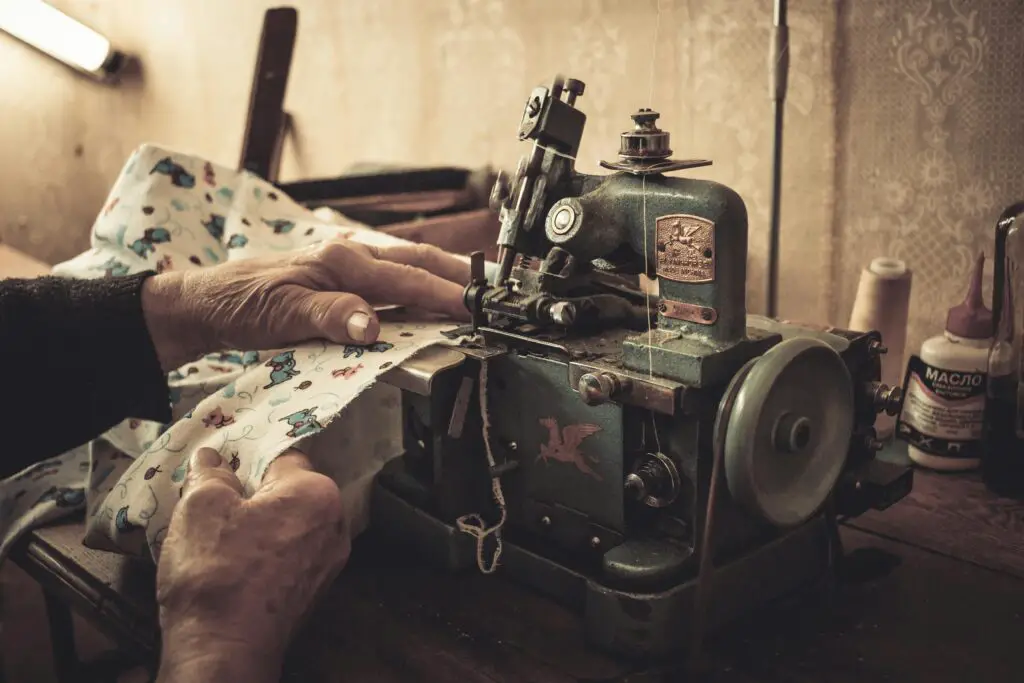
Mended clothes told stories of care and persistence. Repairing instead of replacing was common and necessary. Each stitch extended usefulness and dignity. Wearing repaired clothing felt practical rather than shameful.
Those small fixes showed effort in hard times. People learned patience through sewing and patching. The clothes lasted longer, and so did resilience. It was quiet problem solving.
10. Familiar Scents

Certain smells anchored people emotionally. Laundry soap, soup simmering, or wood smoke triggered calm. Scents carried memories more powerfully than images. They grounded people during stressful days.
In difficult lives, familiar smells provided instant reassurance. They signaled safety and routine. Even fleeting moments of recognition mattered. Comfort arrived through the senses.
11. Shared Humor

Laughing together eased tension when life felt heavy. Humor did not erase problems, but it softened them. Shared jokes created brief relief. They reminded people they were not alone.
Even dark humor served a purpose. It helped people survive long days and short patience. Laughing together built connection. Those moments stayed memorable.
12. Predictable Bedtimes

Going to bed at the same time each night created stability. Routine mattered when days felt chaotic. Sleep followed patterns even when life did not. That consistency calmed the body.
Predictable bedtimes helped people feel in control of something. It signaled closure to difficult days. Rest came more easily with repetition. That structure offered quiet comfort.
13. Sitting Without Doing Anything

Doing nothing was once acceptable and necessary. Sitting quietly allowed minds to recover. There was no pressure to optimize time. Rest existed without guilt.
In difficult lives, stillness was valuable. It let thoughts drift without demands. Those moments restored energy. Sometimes, not doing anything was the comfort.