
1. Chi-Chi’s
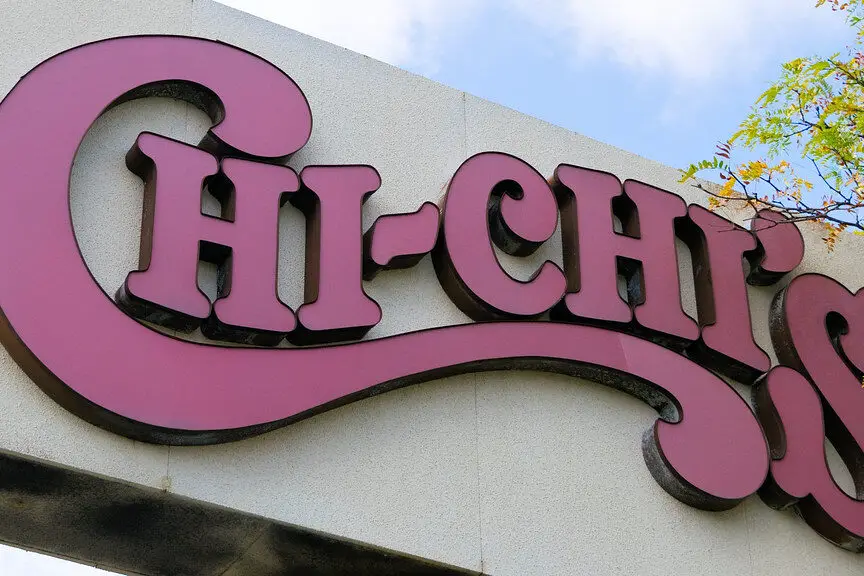
If you grew up in the ’80s, you probably remember Chi-Chi’s as the place where every birthday involved a waiter shouting “Ay yi yi!” while you blushed behind your sombrero. It was one of the first big Tex-Mex chains many suburban families ever tried, and ordering a chimichanga felt like a culinary adventure. The colorful décor and margarita glasses the size of fishbowls made it feel like a party even on a Tuesday night. Kids loved the endless baskets of warm chips, and parents loved that it felt just a little exotic without being intimidating.
Chi-Chi’s expanded quickly, which made it feel like the next big thing for a while. But behind the scenes, the chain struggled with ownership changes and financial trouble. A series of setbacks eventually shut down its U.S. locations. While you can still find it overseas, for many Americans, Chi-Chi’s lives on mostly as a nostalgic memory of family nights out.
2. Steak and Ale
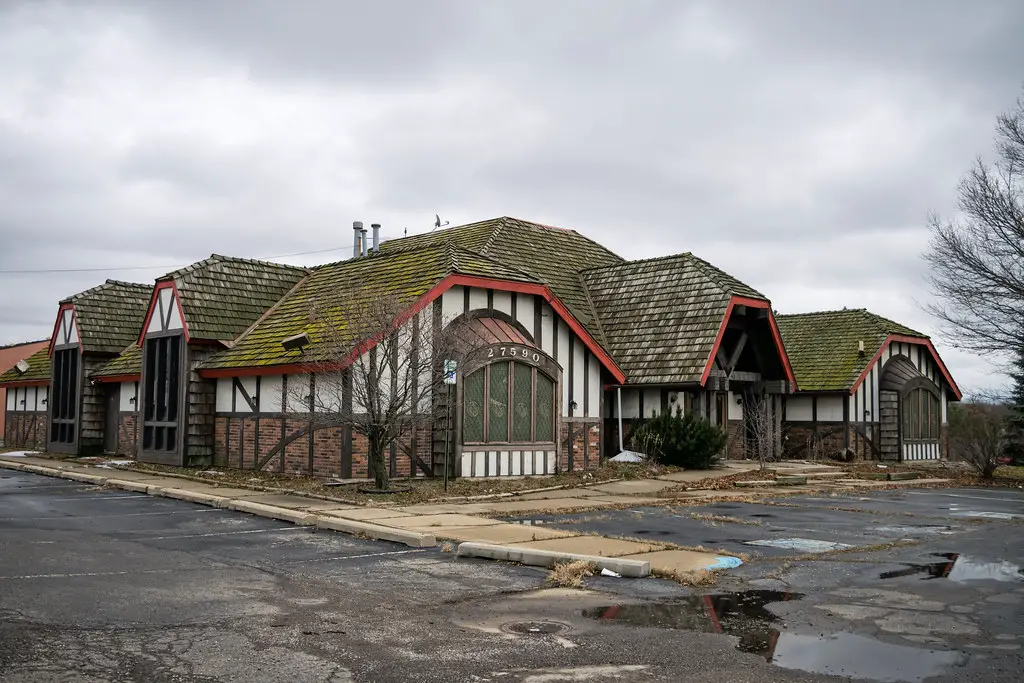
Steak and Ale felt incredibly fancy when you were a kid, especially with its dim lighting and those big wooden booths that made you feel like you were dining inside a medieval tavern. Their salad bar was a point of pride, and grabbing a chilled plate to pile high with toppings was oddly thrilling. And of course, the honey-glazed bread was the real star, warm and soft enough to fill up on before your entrée even arrived. For a lot of people, it was the spot for date nights that didn’t break the bank.
The chain started to lose steam in the ’90s as dining trends shifted. Even their signature steakhouse-meets-pub vibe couldn’t keep people from drifting toward newer restaurants. Financial problems eventually led to its closure. Fans still reminisce about it, and there have even been attempts to revive the brand, proving just how much people loved its cozy charm.
3. Bennigan’s
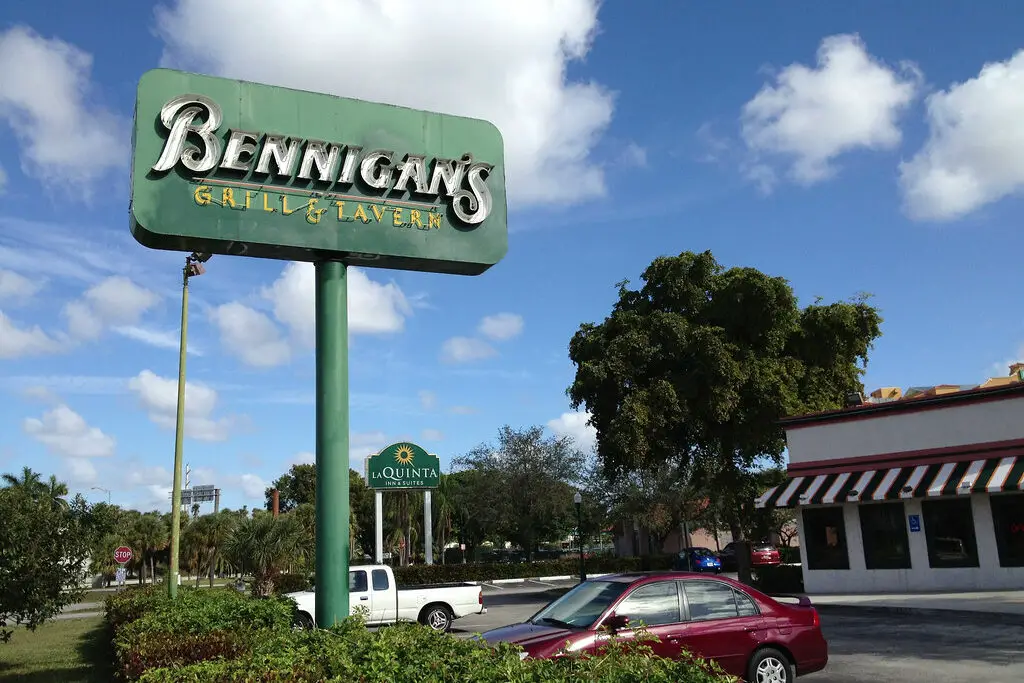
Bennigan’s had a way of making even a simple lunch feel like an event. From the shamrock-green accents to the oversized sandwiches, it was the kind of place that felt like a mix between an Irish pub and a family diner. Their Monte Cristo sandwich was practically legendary, and if you ordered one, you probably left holding your stomach and questioning your choices. Everything felt big, loud, and fun, the way chain restaurants often did in the ’80s.
But Bennigan’s expanded too quickly and hit trouble when the casual-dining boom started to fade. After a major financial collapse, most locations closed almost overnight, leaving loyal customers stunned. A handful still remain or have reopened abroad, but it’s nothing like the sprawling chain it once was. Still, for many people, Bennigan’s was the backdrop to countless after-school hangouts and family meals.
4. Kenny Rogers Roasters
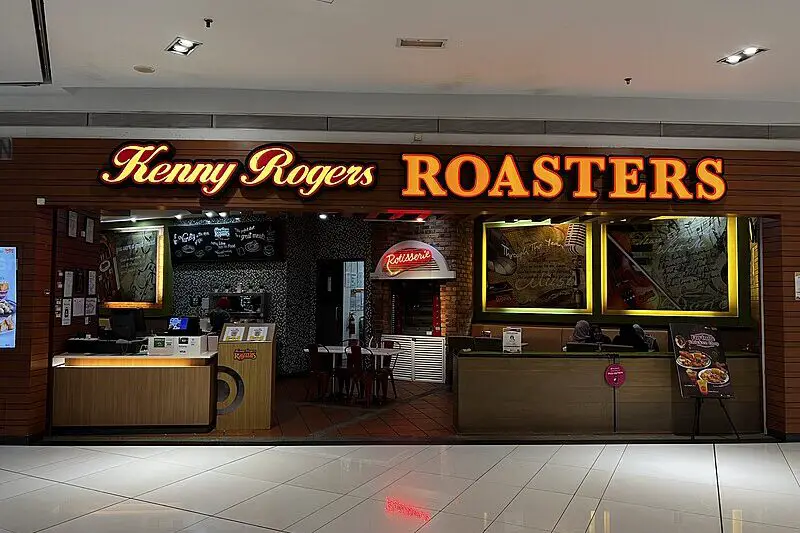
This was the chicken place for people who liked their meals served with a side of soft rock respectability. Kenny Rogers Roasters popped up during the late ’80s with wood-fired rotisserie chicken and sides that felt more “home cooked” than fast food. The bright red exterior made it impossible to miss, and the vibe was somewhere between comfort food joint and cozy café. Families who wanted something quick but not greasy flocked to it for dinners on busy weeknights.
The chain saw some success but struggled with competition from bigger players. By the late ’90s, most U.S. locations had disappeared. Interestingly, the brand stayed alive in parts of Asia, where it is still popular. Even so, for many Americans, the name brings back memories of those big, comforting chicken plates and the novelty of eating at a restaurant with a country legend’s name on it.
5. Sizzler
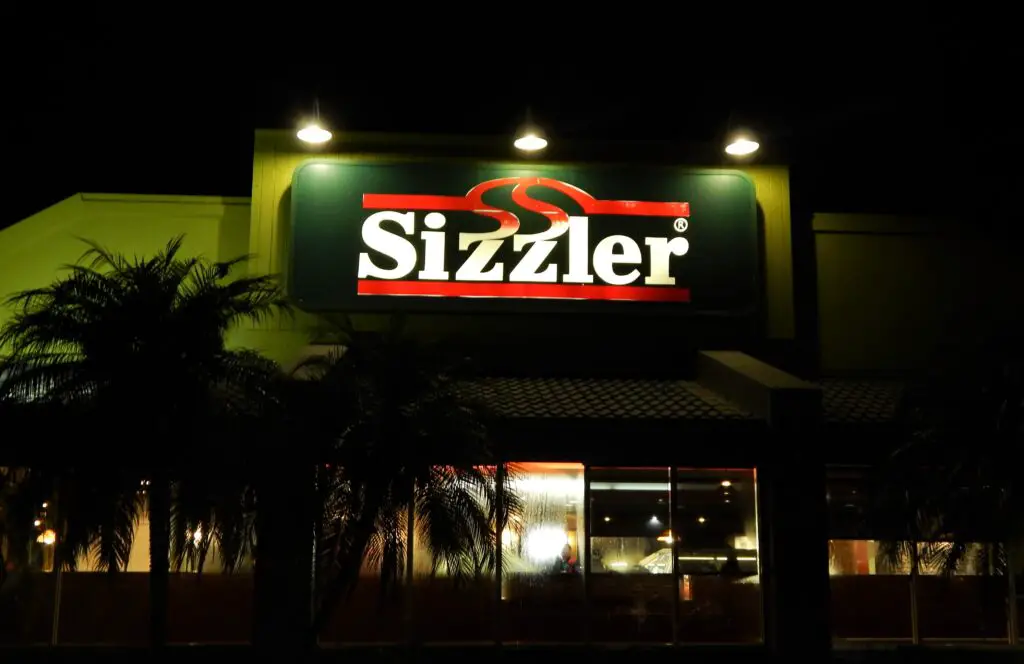
Sizzler was the king of “treat night” for a lot of families, thanks to its all-you-can-eat salad bar and inexpensive steak dinners. There was something special about grabbing a tray and building the world’s tallest salad before your entrée even hit the table. And if you were a kid, the dessert bar felt like the greatest discovery of your young life. It was casual but felt just elevated enough to make you sit up straighter.
As the ’90s rolled in, Sizzler faced a wave of competition from new buffet chains and fast-casual restaurants. A combination of financial issues and changing tastes caused many locations to close. A small number still exist today, but the brand is a shadow of its ’80s heyday. For many, Sizzler represents a simpler era when going out for steak felt like a big, exciting event.
6. Rax Roast Beef
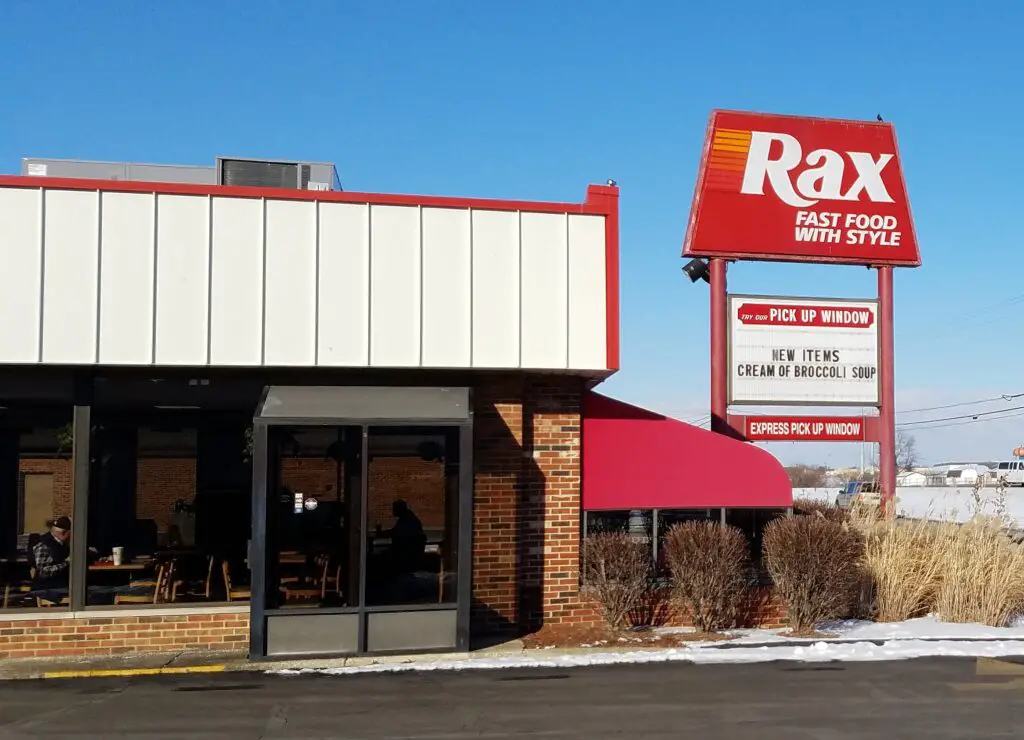
Rax was like the quirky cousin of the bigger fast-food chains, offering roast-beef sandwiches, baked potatoes, and even a salad bar. Their “fancy fast food” angle made it feel like a step above the usual drive-thru fare. Some locations even had solariums with big, sunny windows, which felt downright sophisticated at the time. Kids loved the fix-your-own bar, and adults appreciated having more than burgers as an option.
But branding issues and fierce competition made it hard for Rax to keep up. The chain shrank rapidly, becoming one of those names people stop noticing until it’s suddenly gone. A few locations still exist, mostly as nostalgic novelties. For many people, Rax is one of those places they completely forgot about until someone mentions the name and all the memories come rushing back.
7. ShowBiz Pizza Place
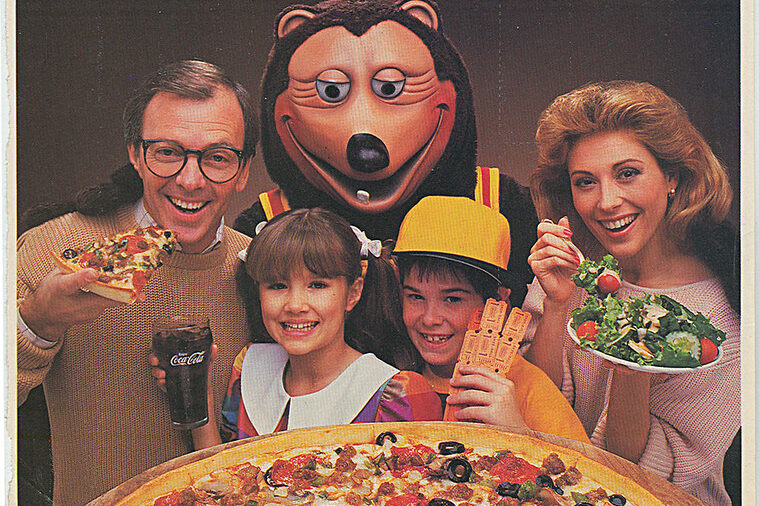
Before Chuck E. Cheese fully took over, kids in the ’80s begged their parents to go to ShowBiz Pizza. The animatronic band, Rock-a-Fire Explosion, was both beloved and nightmare-fuel, depending on the kid. The video games, prizes, and pizza parties made it the go-to spot for birthdays, and walking through those doors felt like entering another world. The lights, sounds, and music made it feel like the ultimate indoor carnival.
ShowBiz eventually merged with Chuck E. Cheese, retiring much of its original charm. The Rock-a-Fire band was phased out, and the ShowBiz identity faded. Today, only vintage videos and nostalgic fans keep its memory alive. For people who grew up with it, nothing ever quite matched the magic of a ShowBiz birthday.
8. Ground Round
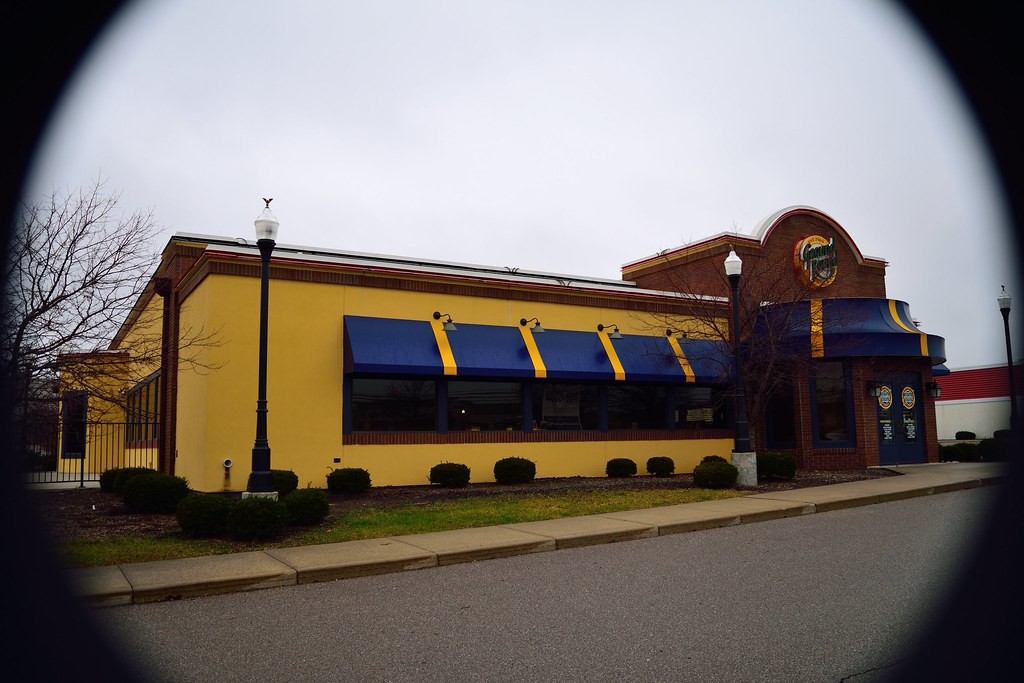
Ground Round was one of the few places where kids felt like they were really welcome. They had popcorn on the table, cartoons playing on big screens, and not a single grown-up seemed bothered by the noise level. Parents loved the relaxed vibe, and kids thought it was the coolest restaurant ever because they could be a little wild without judgment. The food was classic American comfort, from burgers to chicken baskets.
The chain stumbled financially in the early 2000s and closed many locations abruptly. A few were revived under new ownership, but the brand never returned to its former glory. People who grew up going there still talk fondly about those big balloon-filled birthday nights. It remains one of the most nostalgia-loaded restaurant names of the era.
9. Sambo’s
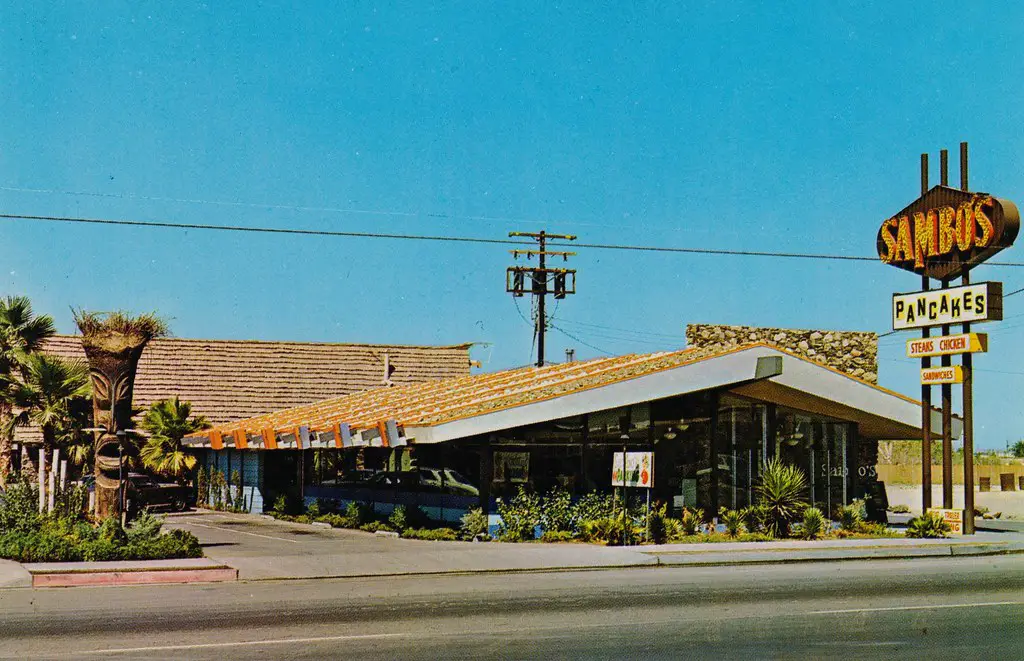
Sambo’s was once a major diner-style chain with bright orange décor and big breakfast plates that drew crowds all day long. Their pancakes and coffee were staples for families on weekend mornings. By the ’80s, it had become a familiar roadside sight, especially for travelers. Kids loved the cartoon tiger imagery, and parents appreciated the affordable prices.
But the chain faced growing controversy over its name, which was tied to racist stereotypes, and it struggled to rebrand. Financial trouble followed, and by the mid-’80s the chain was collapsing. Only one original location remains today, operating independently. For many people, Sambo’s is a reminder of how quickly even major chains can disappear.
10. Ponderosa Steakhouse
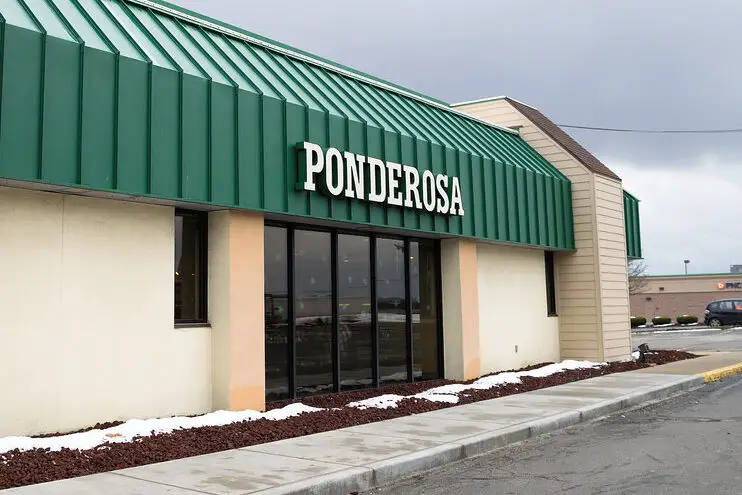
Ponderosa felt like the Wild West brought to suburban America. With its cowboy-themed décor and laid-back atmosphere, it was a favorite for families who wanted a hearty meal without spending too much. The buffet line always felt endless, offering everything from mashed potatoes to soft-serve ice cream. It wasn’t fancy, but it was reliable, and kids loved the sense of independence from serving themselves.
The brand lost ground as buffet competition increased and newer chains pushed into the market. Many locations shut down over the years, though a handful still exist. It never fully recovered its ’80s momentum, but for many families it was a reliable weekend spot. The name still sparks instant nostalgia for those who grew up eating there.
11. Country Kitchen
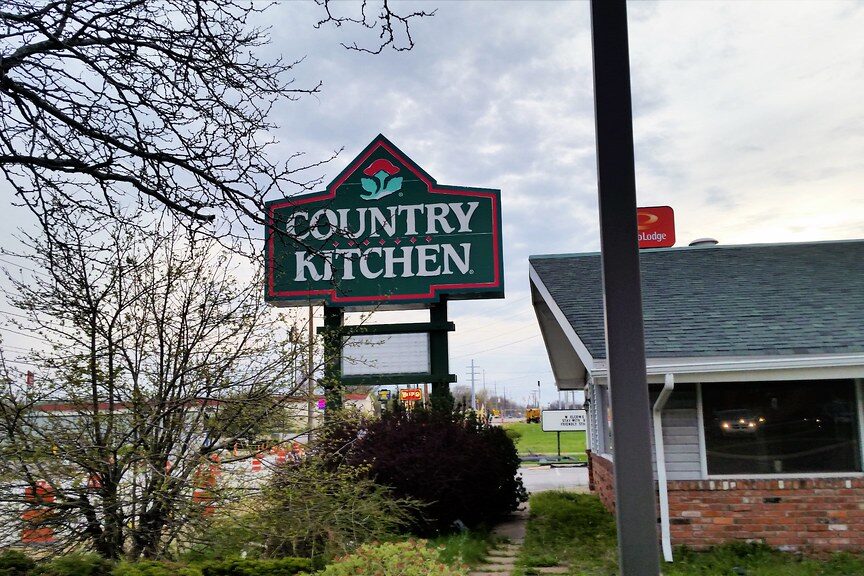
Country Kitchen was a cozy family restaurant known for its pancakes, hearty breakfasts, and comforting home-style meals. You could walk in at almost any hour and find people sipping coffee or enjoying a stack of flapjacks. It was one of those places where the waitress always seemed to know everyone’s name. The vibe felt somewhere between a diner and a hometown café, even though it was part of a chain.
As competition from nationwide diners and breakfast chains ramped up, Country Kitchen struggled to keep its footing. Many locations quietly disappeared throughout the ’90s and beyond. A few remain, mostly in the Midwest, but it’s nowhere near the presence it once had. For many people, it’s a warm memory tied to family breakfasts after church or road trips with a car full of kids.
12. All-Star Café
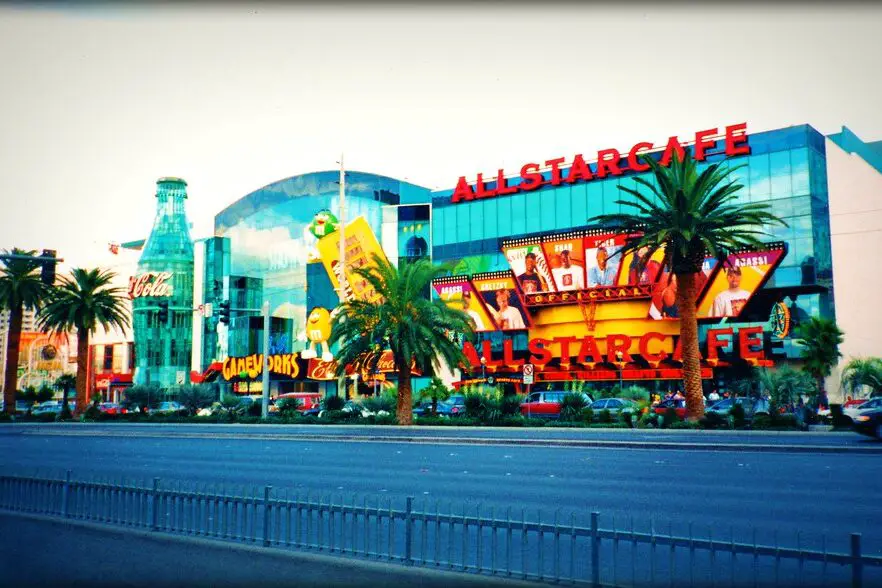
The All-Star Café was the sports-themed restaurant boom at its peak, backed by big-name athletes and full of memorabilia. Walking inside felt like stepping into a stadium gift shop mixed with a Hard Rock-style dining room. Fans loved grabbing burgers and nachos surrounded by jerseys, trading cards, and giant screens. It felt loud, busy, and energetic in a way that really fit the late ’80s and early ’90s vibe.
Despite its big backing and flashy concept, the café struggled to stay profitable. The novelty wore off, and the brand fizzled out. Locations closed one by one until the name disappeared entirely. For sports fans who visited during its short run, though, it still brings back memories of a very specific era in chain-restaurant history.
13. Red Barn
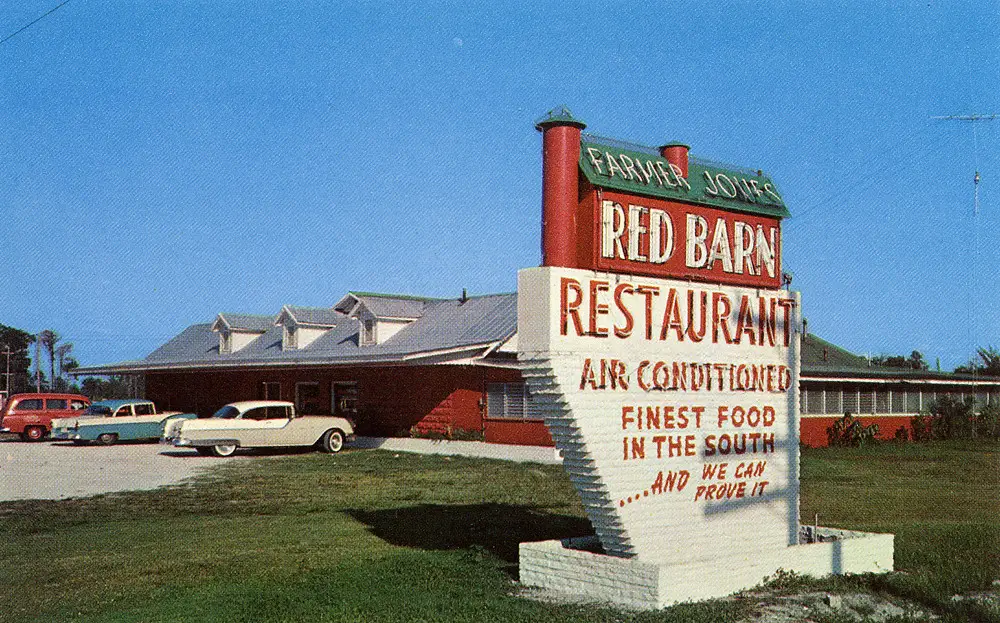
Red Barn stood out immediately because of its barn-shaped buildings and bright red exterior. It served burgers, chicken, and something called the “Big Barney,” which was their answer to bigger fast-food sandwiches. The chain also had a salad bar long before that became mainstream, making it feel a little ahead of its time. Kids loved the farm-themed characters and simple, comforting menu.
But Red Barn struggled with ownership changes and branding issues, and the chain disappeared from the U.S. by the ’80s. Some independent restaurants still use the name, but the original company is long gone. For many people, Red Barn is a nearly forgotten part of childhood road trips. Hearing the name is like unlocking a memory you didn’t realize you’d misplaced.