
1. Radium Face Creams
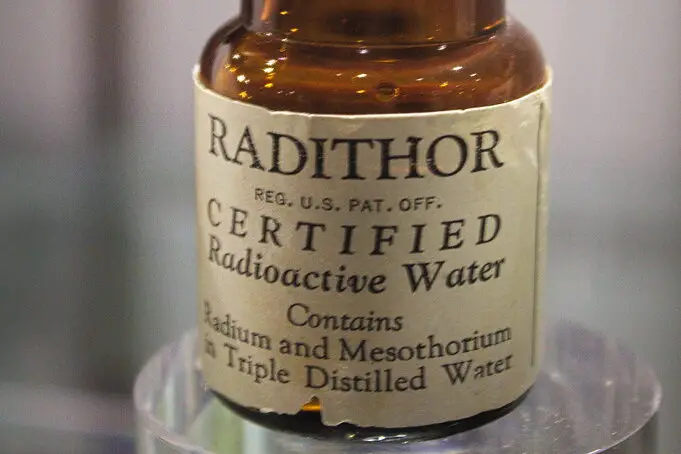
Radium was once marketed as a miracle ingredient that could energize skin and erase signs of aging. Beauty companies promised these creams would give women a healthy glow and renewed youth. At the time, radiation was associated with progress and science, not danger. Women applied these products daily without any warnings or protective guidance. The idea of radioactive skincare now feels almost unthinkable. Back then, it was sold as modern and sophisticated.
In reality, repeated exposure to radium damaged skin and underlying tissue. Users reported burns, sores, and long-term health problems that went far beyond cosmetic issues. Some women experienced radiation poisoning without realizing the cause. These creams are now a chilling reminder of how little was understood about radiation. What was meant to beautify actually caused lasting harm.
2. Arsenic Complexion Wafers
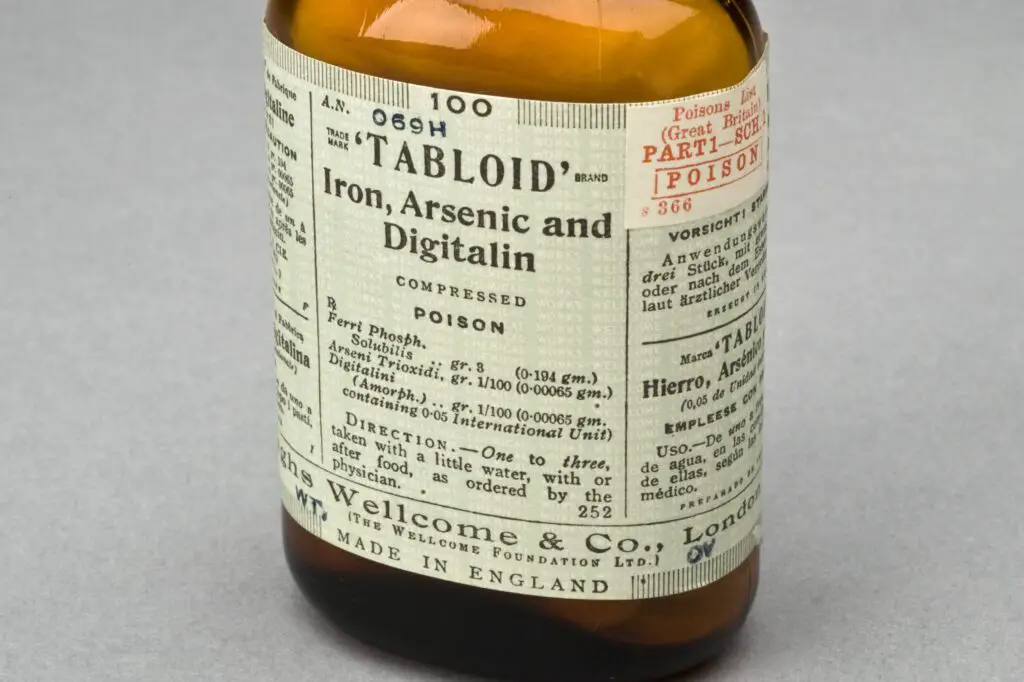
Arsenic wafers were sold as an easy way to achieve a pale, flawless complexion. Women were told to ingest small doses daily to clear blemishes and improve skin tone. The ads made it sound safe, controlled, and even medicinal. Pale skin was considered fashionable and refined. These wafers promised beauty from the inside out.
Ingesting arsenic is dangerous even in small amounts. Over time, users experienced nausea, hair loss, and serious organ damage. The buildup of arsenic in the body could become deadly. What was marketed as a beauty supplement was essentially slow poisoning. The risks were rarely disclosed, if they were mentioned at all.
3. Lead-Based Lipstick
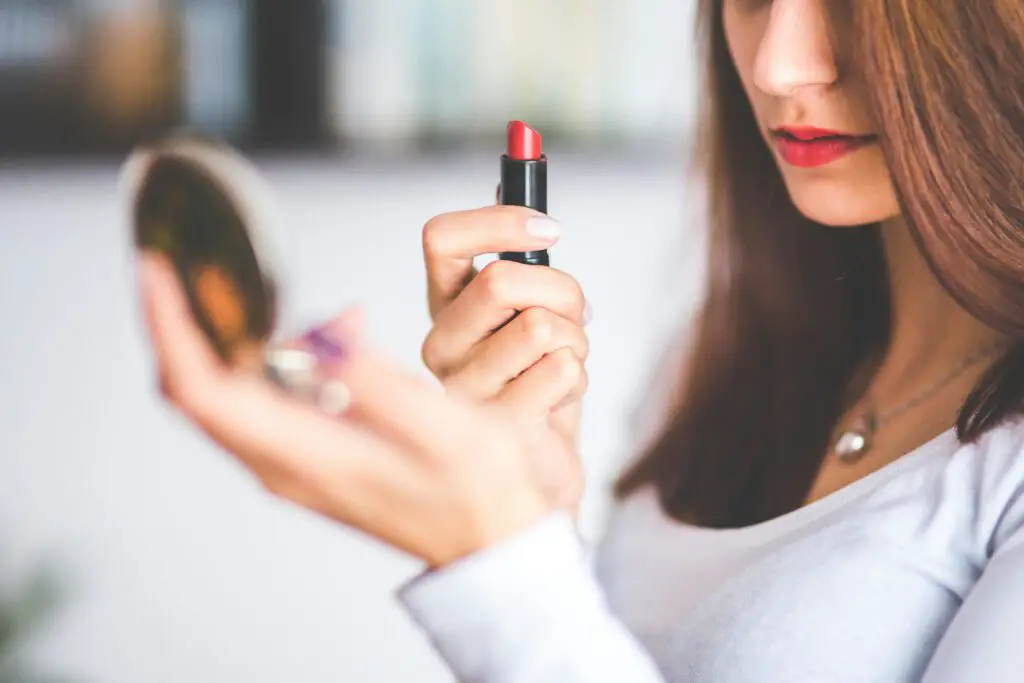
Lead was commonly used in early lipstick formulas to improve texture and color payoff. It helped create rich reds and long-lasting shades women loved. Applying lipstick multiple times a day meant constant exposure. No one warned consumers about absorption through the lips. It was considered a normal cosmetic ingredient.
Lead accumulates in the body and can cause severe health problems. Chronic exposure affects the nervous system and can lead to long-term illness. Many women unknowingly consumed small amounts every time they reapplied. These lipsticks were glamorous on the surface but dangerous beneath. It is unsettling to think how routine use caused silent harm.
4. Mercury Skin-Lightening Creams
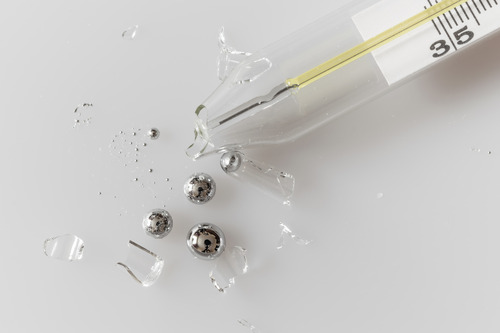
Skin-lightening products were widely sold to fade dark spots and even out complexions. Mercury was a popular ingredient because it produced fast visible results. Women were encouraged to use these creams daily. Advertisements framed lighter skin as healthier and more beautiful. The products felt like a quick fix for common concerns.
Mercury is highly toxic and easily absorbed through the skin. Long-term use led to kidney damage, neurological problems, and skin discoloration. Some users developed tremors and memory issues. The very creams meant to improve appearance caused irreversible harm. Many women did not realize the damage until it was too late.
5. Belladonna Eye Drops
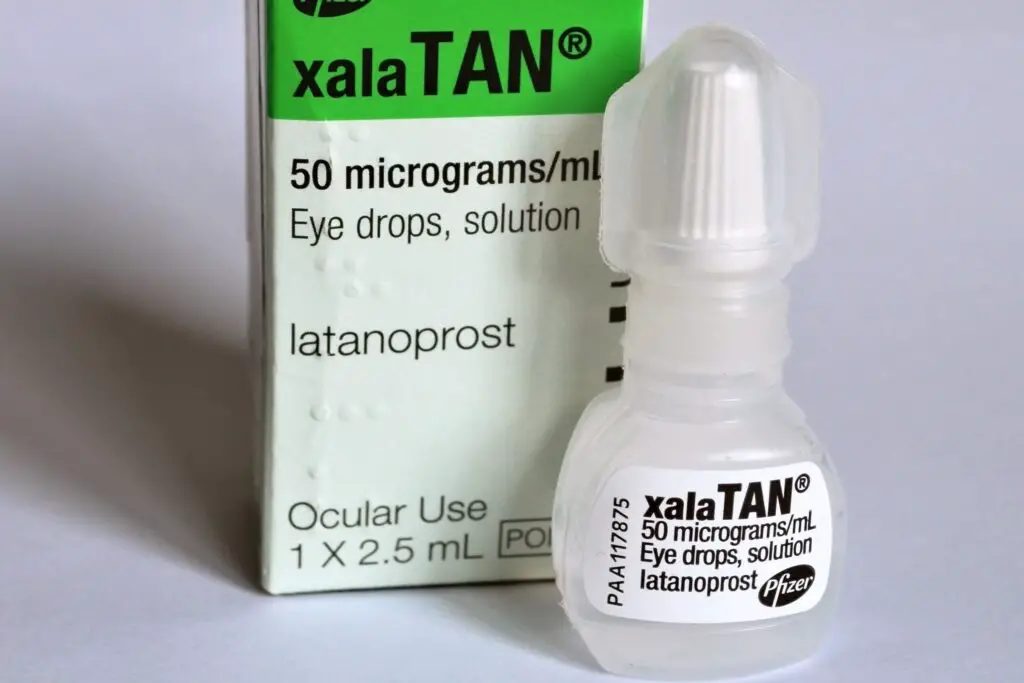
Belladonna drops were used to dilate pupils for a wide-eyed, dreamy look. Large pupils were once seen as alluring and fashionable. Women willingly put these drops directly into their eyes. The effect was immediate and visually striking. Beauty often meant enduring discomfort.
Belladonna is poisonous and affects the nervous system. Repeated use caused blurred vision, eye strain, and even permanent vision damage. Some women experienced heart palpitations and dizziness. What looked romantic came with serious physical consequences. The cost of beauty was far higher than advertised.
6. X-Ray Hair Removal Treatments

X-ray machines were once used in salons to remove unwanted facial hair. The process was marketed as modern, painless, and permanent. Women trusted the technology because it sounded scientific. Multiple sessions were often required. No protective measures were used.
Repeated radiation exposure caused burns, scarring, and increased cancer risk. Many women later developed severe skin damage and tumors. At the time, radiation risks were poorly understood. What seemed futuristic turned out to be extremely dangerous. It remains one of the most alarming beauty practices in history.
7. Lye-Based Hair Straighteners
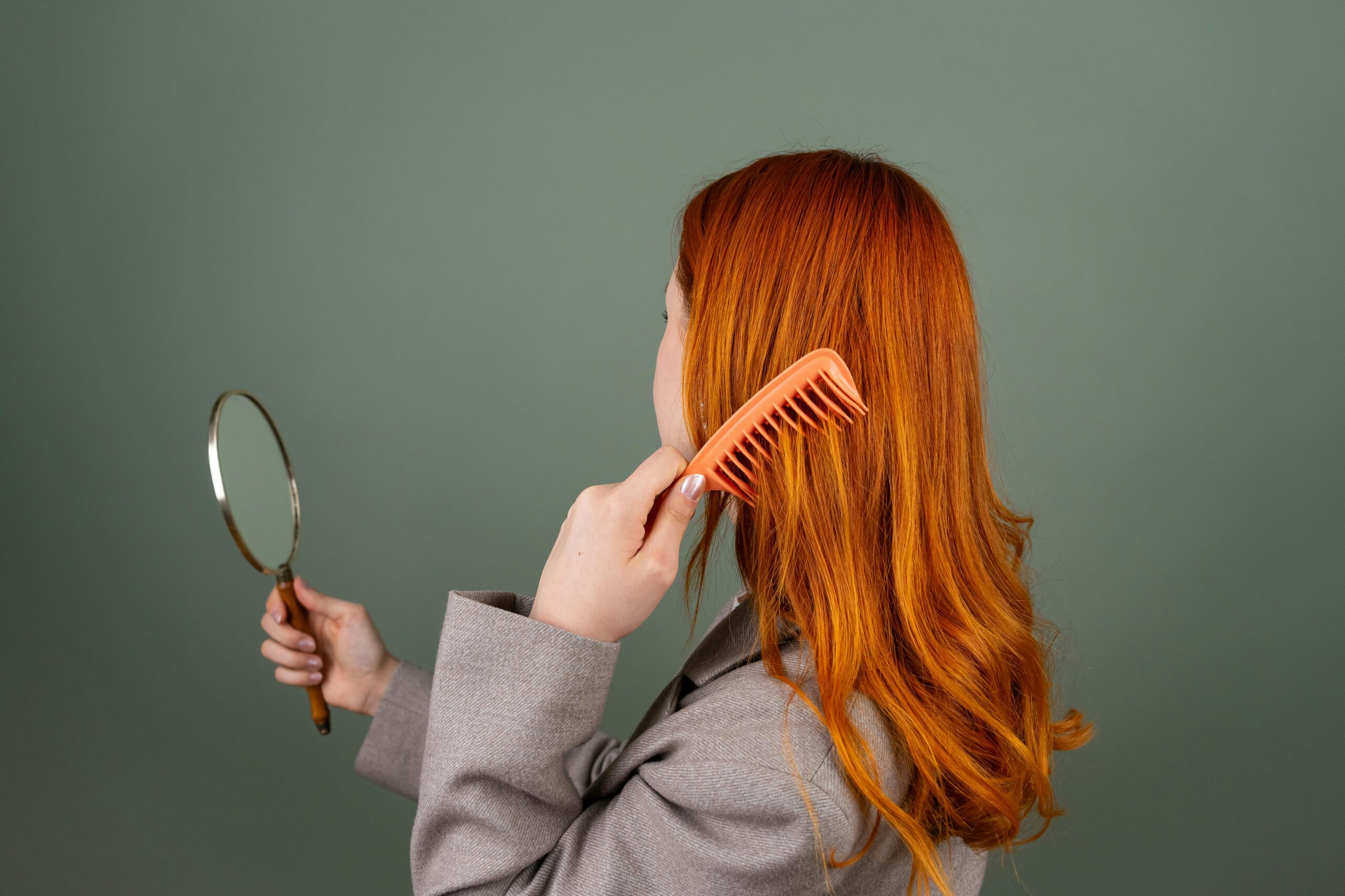
Early hair straighteners often contained lye to alter hair texture. These products promised smoother, more manageable hair. Women were expected to tolerate burning and irritation. Instructions downplayed the risks and focused on results. Straight hair was heavily idealized.
Lye can cause severe chemical burns when applied to the scalp. Users experienced blistering, hair loss, and permanent scarring. Improper use made injuries even worse. Many women normalized pain as part of the process. The damage often lasted far longer than the hairstyle.
8. Formaldehyde Hair Smoothing Treatments
Some early hair-smoothing treatments relied on formaldehyde to lock hair into place. The results were shiny and long-lasting. Salons promoted them as advanced and professional. Clients often noticed strong fumes during application. That smell was a warning sign.
Formaldehyde is a known carcinogen. Exposure caused breathing issues, eye irritation, and long-term health concerns. Stylists and clients were both affected. What delivered sleek hair also delivered toxic exposure. Many people underestimated the danger because the results looked so good.
9. Arsenic Hair Removal Powders
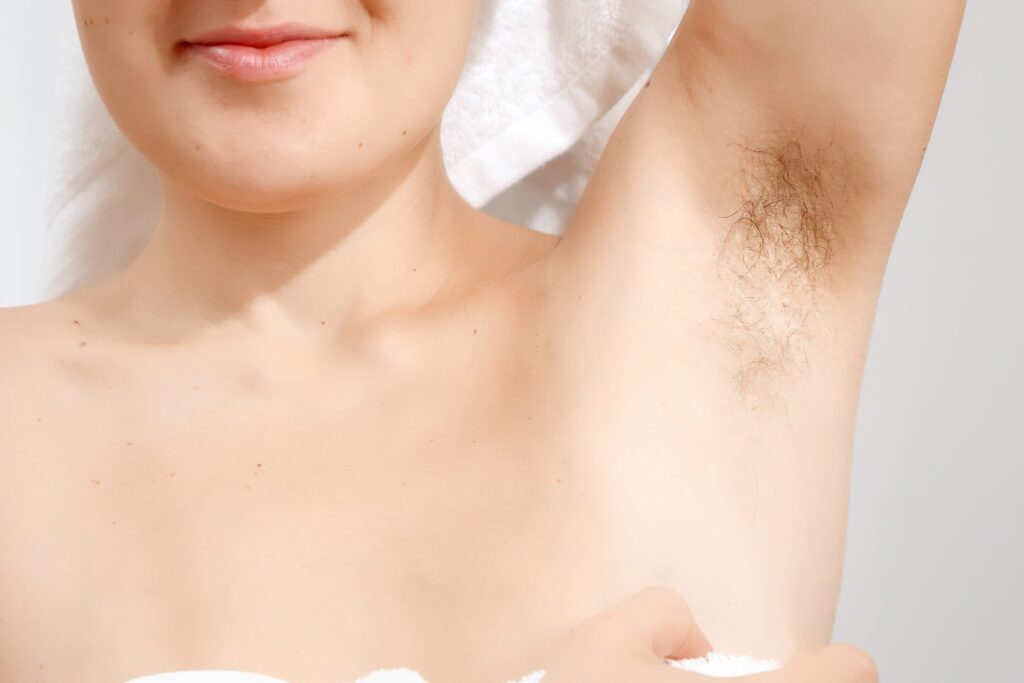
Hair removal powders were advertised as painless alternatives to shaving. Some formulas contained arsenic to dissolve hair. Women applied them directly to sensitive skin. The convenience made them popular. Safety concerns were rarely mentioned.
Arsenic absorption through the skin caused burns and systemic poisoning. Users experienced skin damage and serious illness. The powders could leave lasting scars. What seemed like a gentle solution was anything but. The risks far outweighed the convenience.
10. Coal Tar Hair Dyes
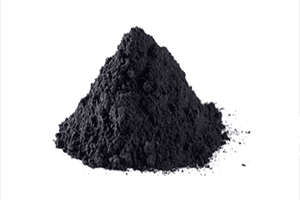
Coal tar dyes were among the earliest hair coloring products. They produced deep, lasting color that women wanted. These dyes were harsh but effective. Many users experienced irritation but continued use anyway. Hair color was worth the discomfort.
Coal tar contains carcinogenic compounds. Long-term exposure increased the risk of cancer and skin conditions. The dangers were not widely communicated at the time. These dyes helped shape modern hair coloring while causing serious harm. Beauty often came at an invisible cost.
11. Asbestos-Contaminated Face Powders
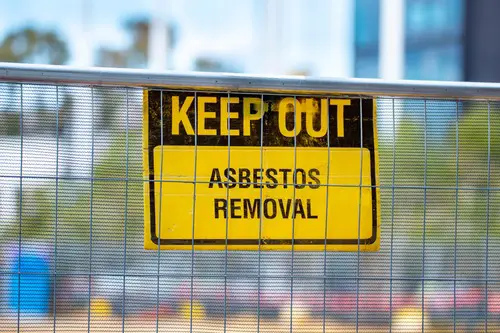
Some face powders were made with talc that contained asbestos. These powders were soft, smooth, and easy to apply. Women used them daily as part of their routine. They were marketed as gentle and refined. No warnings appeared on packaging.
Asbestos exposure is linked to severe lung disease and cancer. Inhalation during application posed serious risks. Over time, repeated exposure could become deadly. What seemed harmless was quietly dangerous. The idea of toxic powder near the face is deeply unsettling.
12. Tapeworm Diet Pills
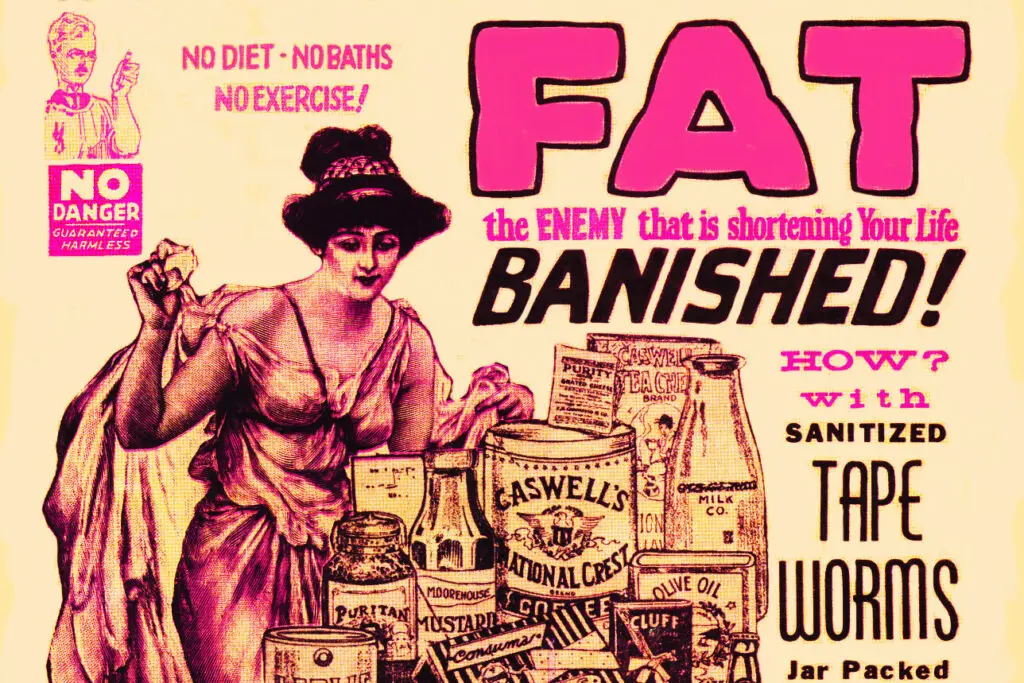
Tapeworm pills were sold as a weight loss solution disguised as a beauty aid. Women were encouraged to ingest parasites to stay thin. The promise was effortless slimming without dieting. Ads framed it as clever and modern. The reality was horrifying.
Tapeworm infections caused malnutrition, pain, and serious medical complications. Some infections became life-threatening. Removing the parasite was not always easy. What was marketed as beauty enhancement was a dangerous medical risk. The obsession with thinness led to extreme measures.
13. Mercury Freckle Creams
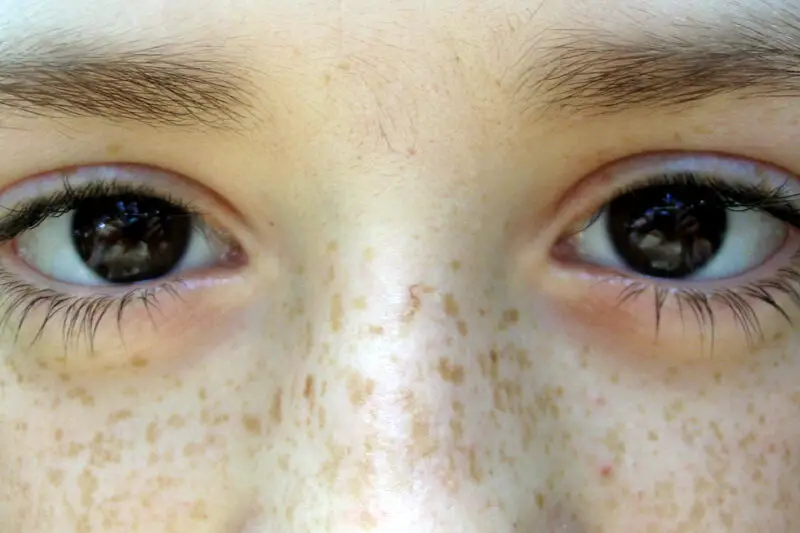
Freckle creams promised to fade spots and create even skin tone. Mercury made the skin peel and lighten quickly. Women applied these creams nightly. The fast results seemed impressive. Long-term effects were ignored.
Mercury toxicity caused nerve damage and kidney failure. Users developed skin discoloration and sensitivity. The freckles often returned once use stopped. The damage, however, remained. Beauty standards drove people to risk their health.
14. Heated Eyelash Curlers

Early eyelash curlers were heated over open flames. Women tested the temperature by touch and hoped for the best. The goal was long-lasting curl. Burns were considered part of the process. There were no safety guidelines.
Hot metal near the eyes caused burns and lash loss. Accidents led to eye injuries and scarring. The risk was constant and immediate. Modern curlers seem luxurious by comparison. It was beauty with real danger attached.
15. Toxic Nail Hardeners
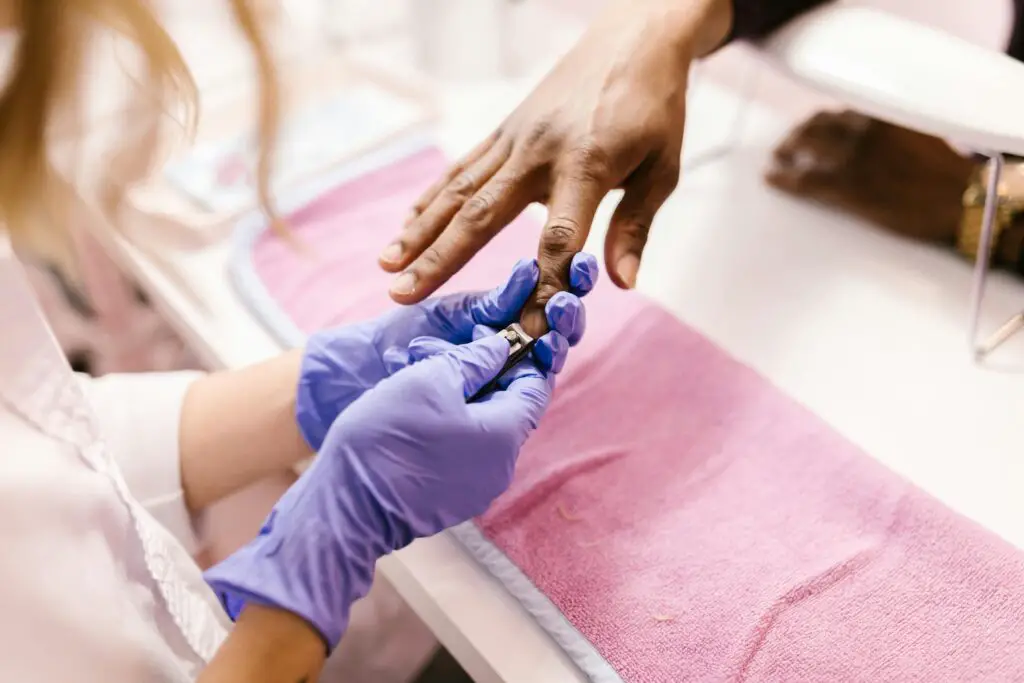
Some nail hardeners used harsh chemicals to strengthen weak nails. They promised salon-quality results at home. Women applied them frequently to maintain the look. The formulas were powerful and fast-acting. Warnings were minimal.
These products caused nail damage, allergic reactions, and breathing issues. Some users developed brittle, painful nails despite regular use. The cure made the problem worse. What seemed like self-care turned into long-term damage. It is a reminder that not every beauty fix is safe.