
1. Riverview Park (Chicago, Illinois)
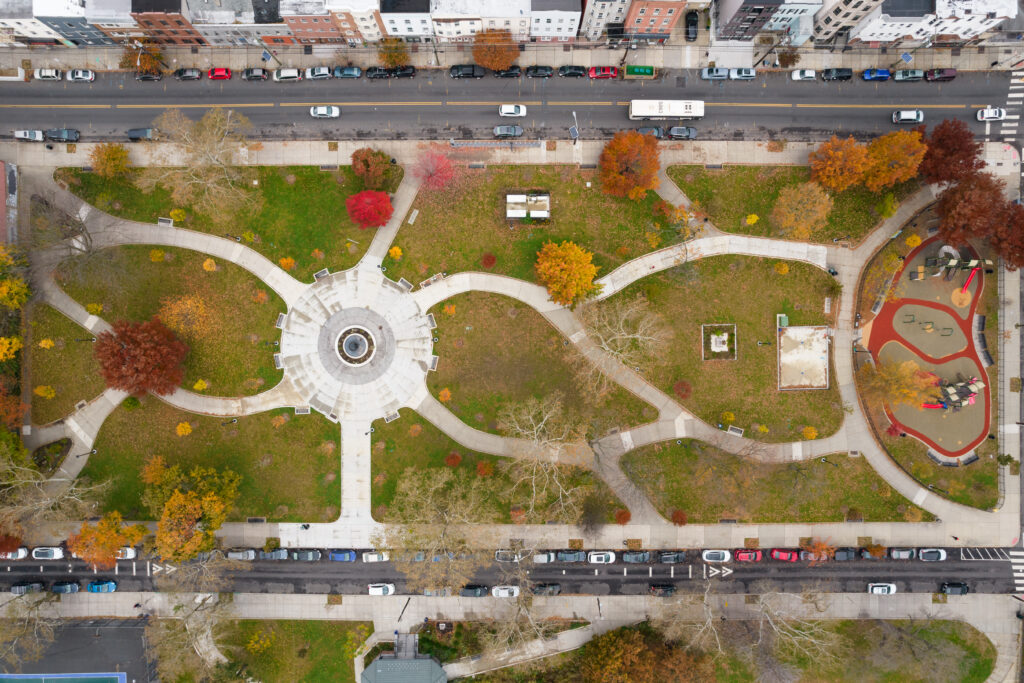
For much of the 20th century, Riverview Park was practically a Chicago weekend ritual. Families rode streetcars to the North Side to spend the day on roller coasters, shooting galleries, and the famous Bobs wooden coaster, which opened in 1924 and quickly became legendary among thrill seekers. The park had a reputation for being affordable and lively, with admission free and rides paid individually. That made it easy for families to drop in for just a few hours after church or dinner.
At its peak, Riverview drew more than a million visitors a year and became one of the largest amusement parks in the country. Teenagers met friends there, couples went on dates, and generations of Chicago kids grew up riding the same attractions their parents once loved. By the late 1960s, however, rising land values and urban development pressures made the park difficult to sustain. Riverview closed in 1967, and the property was later redeveloped for housing and schools. Today only stories and old photographs remain of the park that once defined Chicago summers.
2. Idora Park (Youngstown, Ohio)
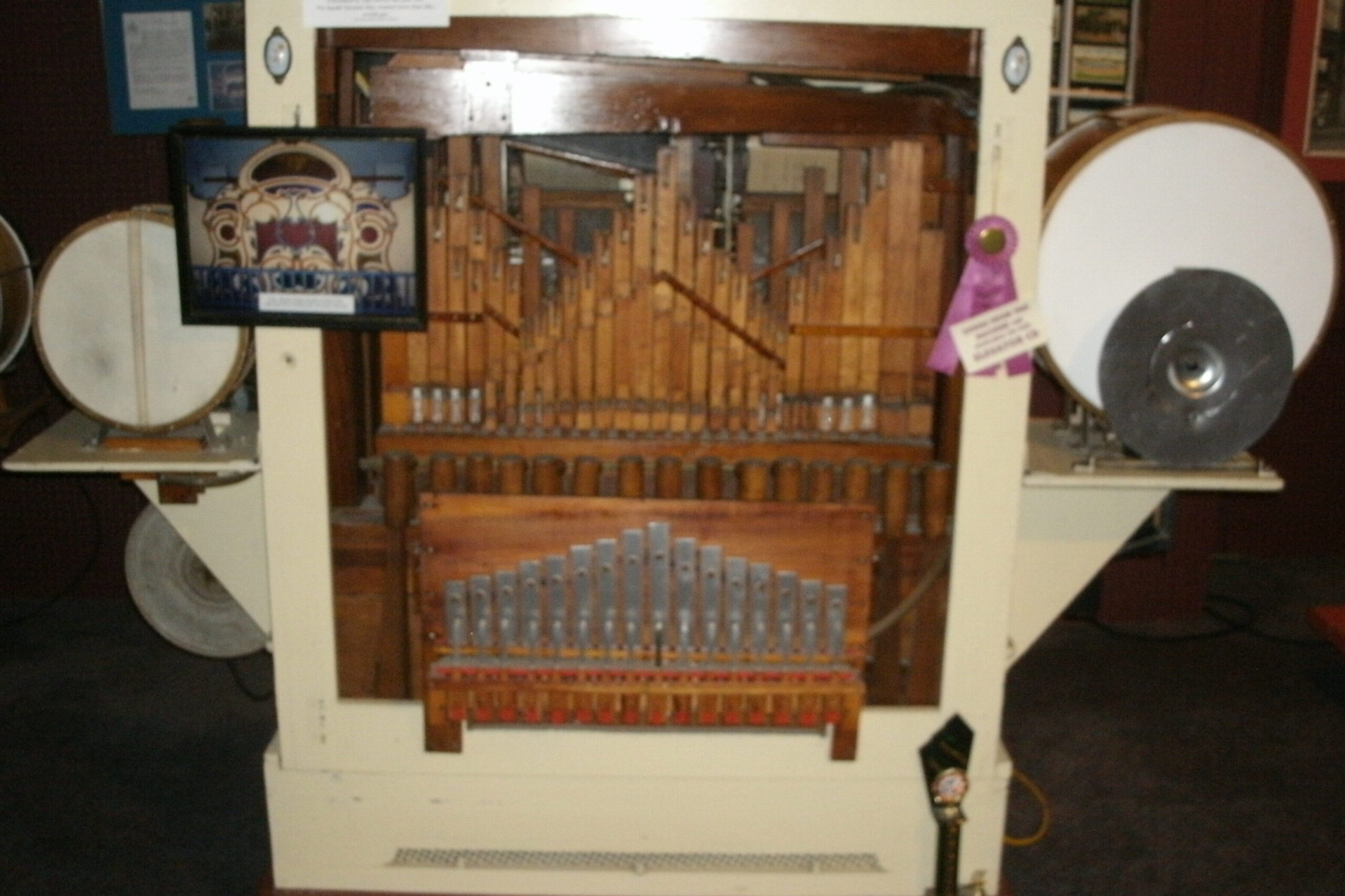
Idora Park opened in 1899 as a trolley park designed to give people a reason to ride the streetcars out of town on weekends. Over time it grew into one of the most beloved amusement parks in the Midwest, packed with rides, dance halls, and picnic areas. The park’s wooden roller coaster, the Wildcat, became a regional legend and ran for nearly five decades. Families across northeastern Ohio made visiting Idora part of their summer traditions.
The park managed to survive the Great Depression and both world wars, which made its eventual fate even more surprising. In 1984 a devastating fire destroyed much of the park’s main attraction area, including the Wildcat coaster. Although there were attempts to rebuild, the damage proved too costly. Idora never reopened, and the site slowly faded into history. For many former visitors, the smell of popcorn and the sound of the coaster still linger in memory.
3. Steeplechase Park (Brooklyn, New York)
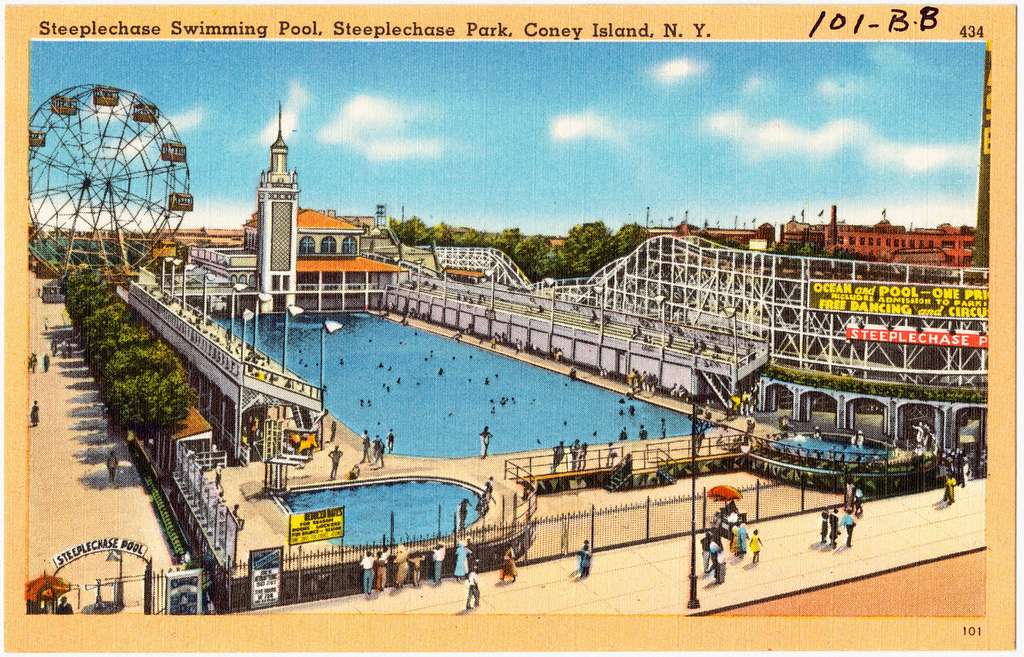
Before modern theme parks existed, Brooklyn’s Coney Island was the center of American amusement culture. Steeplechase Park opened in 1897 and quickly became one of the most recognizable parks in the country. Its signature attraction involved mechanical horses that visitors rode along a racing track, which gave the park its name. The entrance, marked by the famous “Funny Face” clown, became one of Coney Island’s most iconic images.
Steeplechase was known for its playful, slightly chaotic energy. Riders laughed their way through spinning barrels, giant slides, and unpredictable mechanical rides that were designed to knock hats off and ruin carefully styled hair. It remained a major attraction for decades before finally closing in 1964 after the death of its longtime owner. Most of the park was demolished not long afterward. Today it survives mainly through nostalgia and vintage photographs of Coney Island’s golden age.
4. Euclid Beach Park (Cleveland, Ohio)
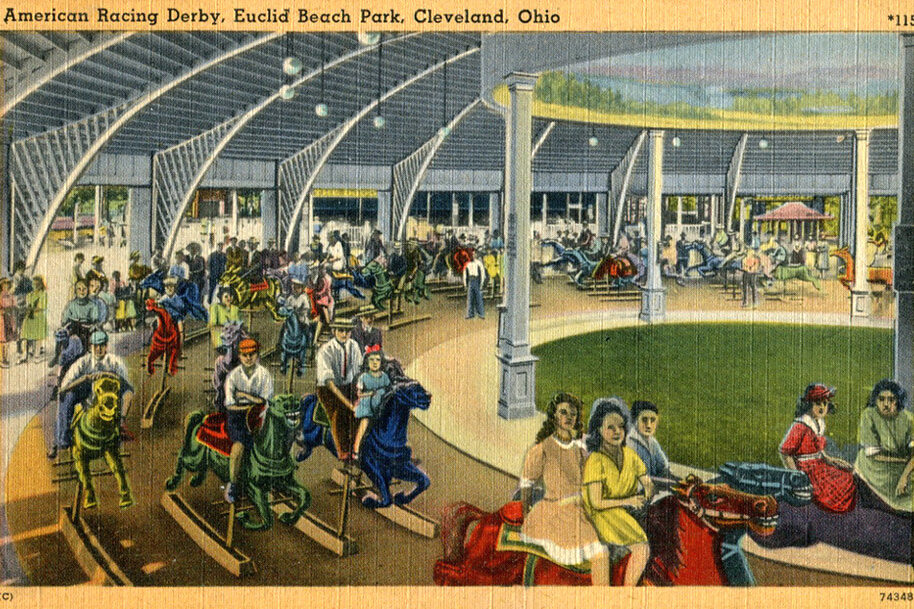
Euclid Beach Park opened in 1895 along the shore of Lake Erie and quickly became Cleveland’s favorite summer destination. Families would spend entire days there riding the coasters, swimming at the beach, and eating classic amusement park food. The park’s operators enforced strict rules that kept the atmosphere family friendly, banning alcohol and rowdy behavior. For decades it became known as a wholesome place where parents felt comfortable bringing their kids.
Its wooden roller coaster, the Thriller, drew visitors from across the region and helped define the park’s reputation. Generations of Cleveland residents remember the smell of popcorn and the sound of the carousel echoing along the lakefront. By the late 1960s, however, attendance began to decline as newer theme parks opened elsewhere. Euclid Beach closed in 1969 after more than seventy years of operation. A few of its rides were preserved and relocated, but the park itself disappeared.
5. Paragon Park (Hull, Massachusetts)
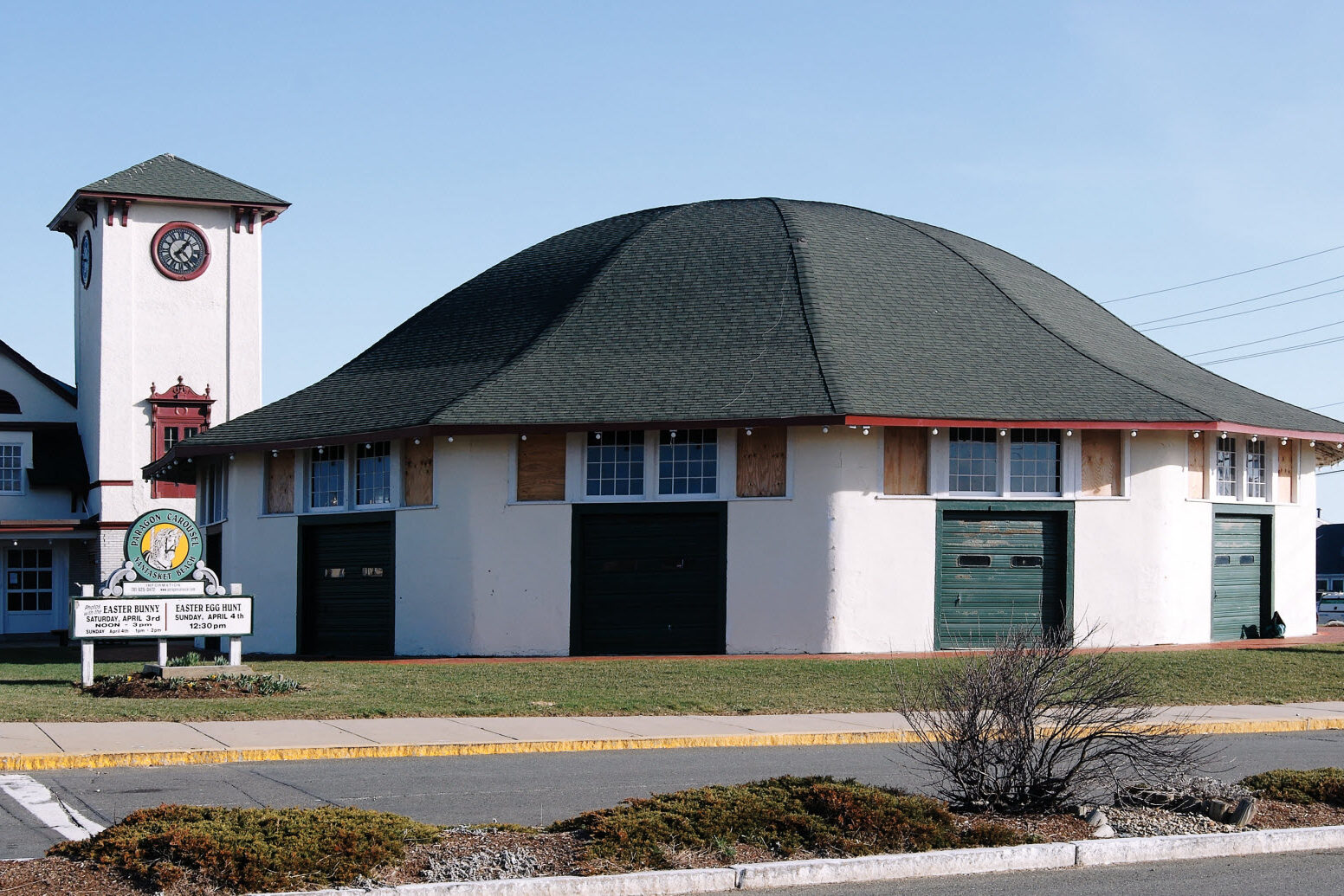
Just south of Boston, Paragon Park stood along the shoreline of Nantasket Beach and served as a classic seaside amusement park for much of the 20th century. Its most famous attraction was the Giant Coaster, a wooden roller coaster that had thrilled riders since 1917. Families visiting the beach could easily spend the afternoon riding attractions before heading back to the sand. The mix of ocean air and carnival lights gave the park a unique charm.
For many New England families, Paragon Park was simply part of summer. Teenagers gathered there on warm evenings, and generations returned year after year for the same rides. But by the 1980s the property had become extremely valuable for redevelopment. The park closed in 1984 and was eventually replaced by condominiums and shops. Only the restored carousel still hints at the lively place that once stood there.
6. Crystal Beach Amusement Park (Ontario, Canada)
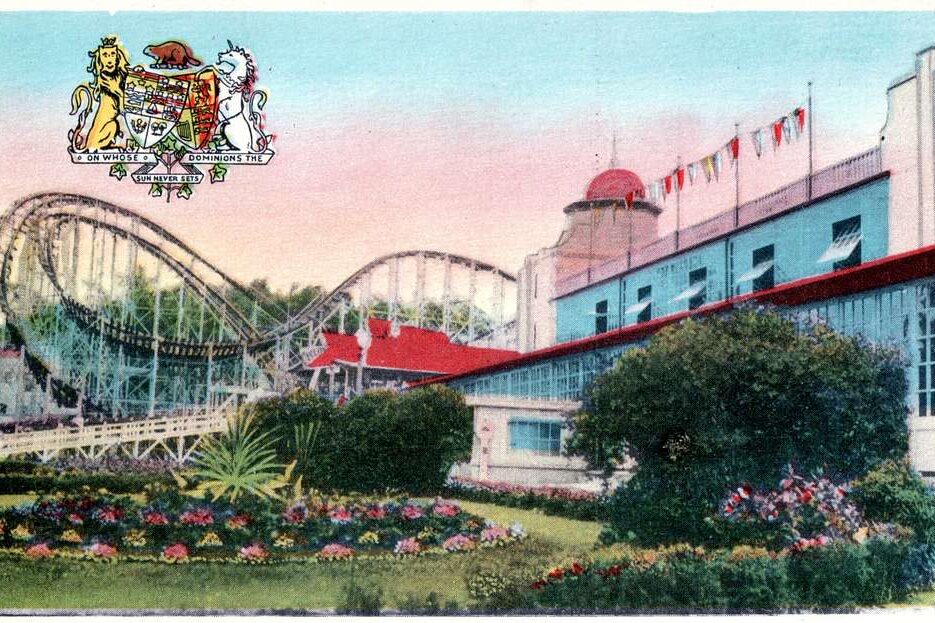
Crystal Beach Amusement Park sat just across the border from Buffalo, New York, making it a favorite cross border getaway for American families. Opened in 1888, it grew into a sprawling lakeside park known for its roller coasters and lively boardwalk atmosphere. The park’s Cyclone coaster, built in 1927, was widely considered one of the greatest wooden coasters ever constructed. Visitors often packed entire picnic lunches for the daylong trip.
For decades Buffalo residents treated Crystal Beach almost like their own summer playground. Ferries and later bridges made it easy for crowds to cross Lake Erie and spend the day there. But the 1980s brought rising maintenance costs and shifting tourism patterns. The park closed in 1989, ending more than a century of operation. Today the area has been redeveloped into housing, though memories of the Cyclone still spark nostalgia.
7. Palisades Amusement Park (Fort Lee, New Jersey)
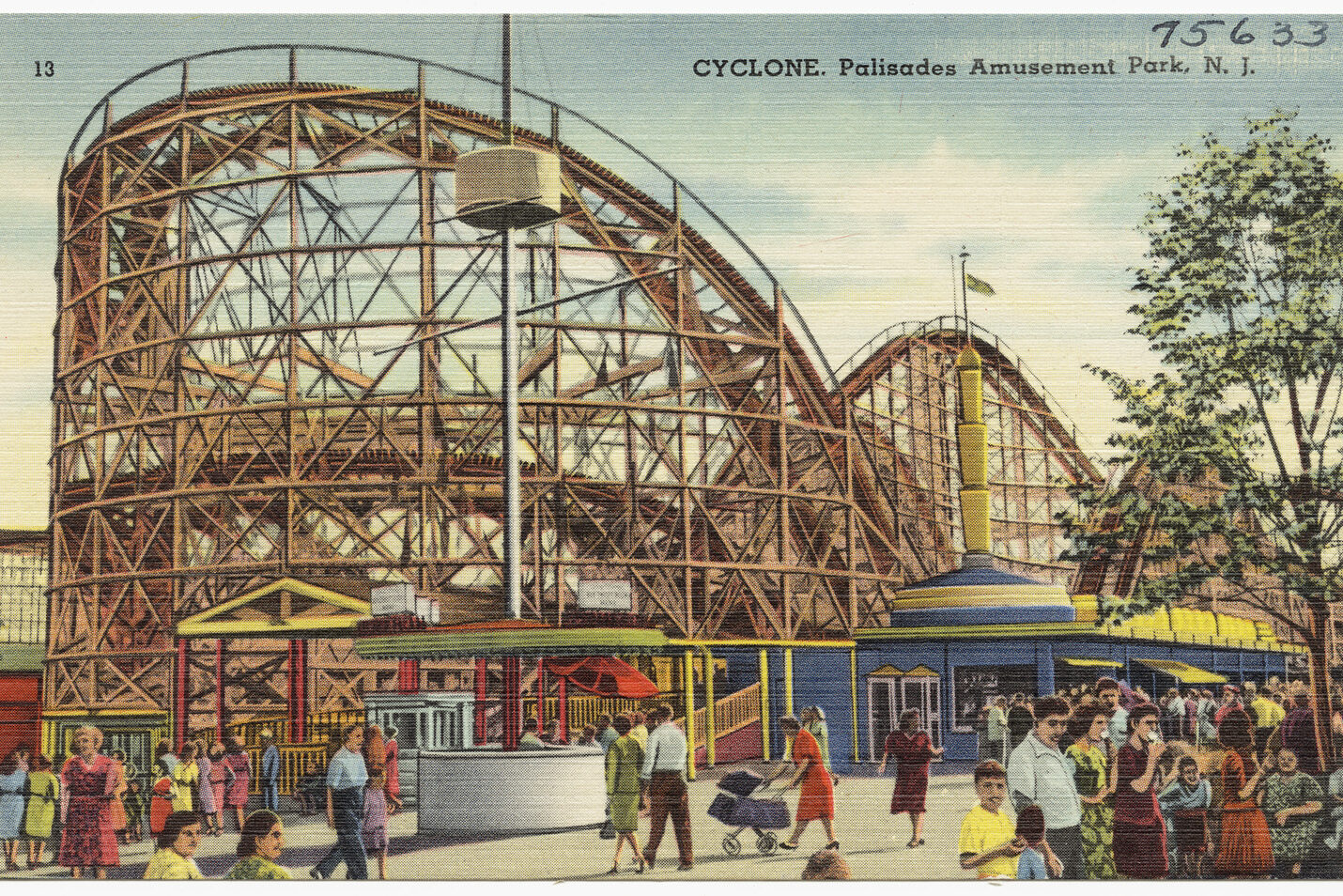
Perched on the cliffs overlooking the Hudson River, Palisades Amusement Park once offered spectacular views of the New York skyline. It opened in 1898 and quickly became one of the most famous amusement parks in the Northeast. The park featured massive roller coasters, a huge saltwater swimming pool, and constant advertising that made it a household name. Millions of visitors came each year from New York and New Jersey.
Palisades also became part of pop culture thanks to frequent mentions in music and television. For decades the phrase “Palisades Park” instantly brought to mind summer fun and flashing carnival lights. Unfortunately the land beneath it became too valuable to keep the park running. It closed in 1971 and was soon replaced by apartment buildings. Only a few scattered artifacts remain to remind people of the once bustling attraction.
8. Rocky Point Park (Warwick, Rhode Island)
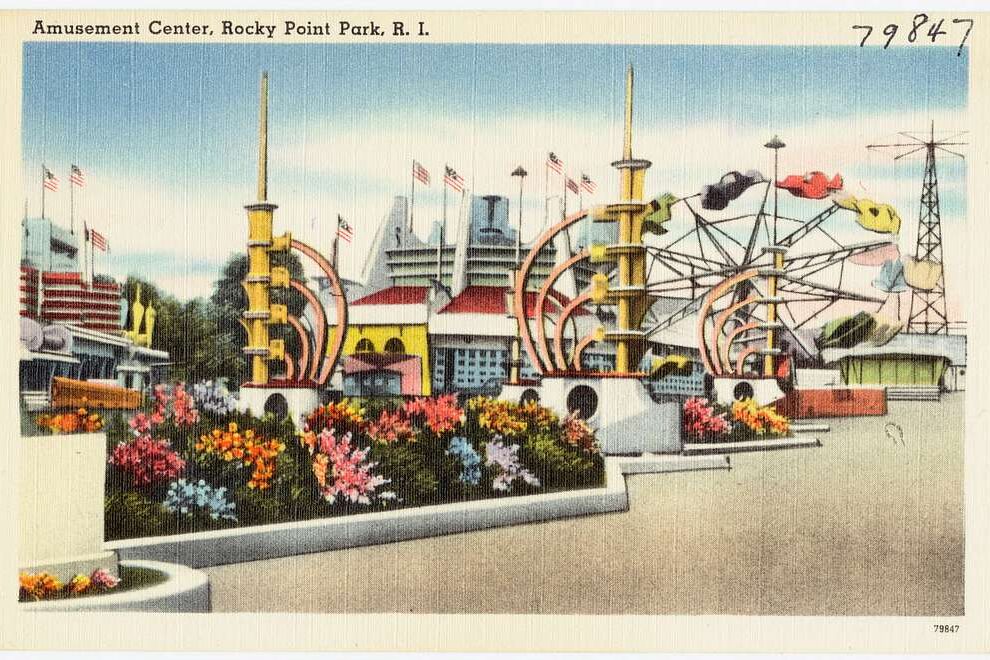
Rocky Point Park began in the 1840s as a small seaside resort before gradually evolving into a full amusement park. By the early 20th century it had become one of Rhode Island’s biggest entertainment destinations. Visitors came for roller coasters, midway games, and famously generous seafood dinners served in the park’s large dining hall. Many families combined the amusement rides with a day at the nearby beach.
The park operated for more than a century, which made its eventual closure especially bittersweet for locals. Financial struggles and declining attendance forced Rocky Point to shut down in 1995. Several of its rides were auctioned off and relocated to other parks around the country. In recent years the waterfront area has been turned into a public park. Visitors can still walk the grounds where generations once lined up for roller coasters.
9. Freedomland U.S.A. (Bronx, New York)
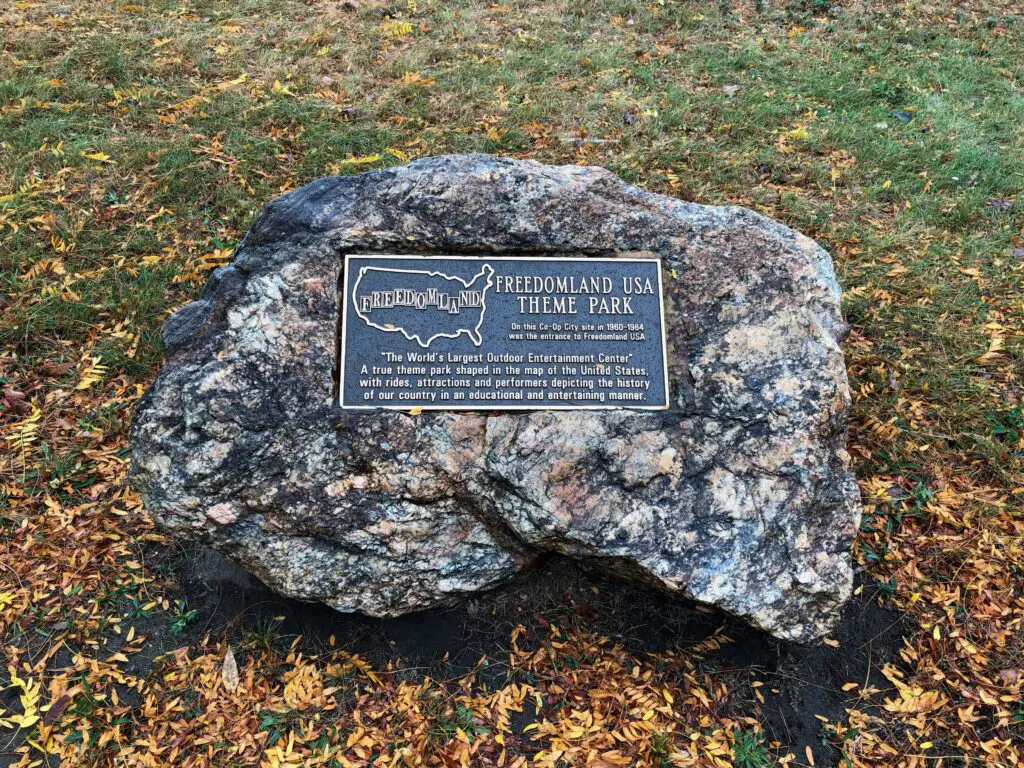
Freedomland U.S.A. was one of the more unusual amusement parks in American history. When it opened in 1960 in the Bronx, it marketed itself as a “history theme park,” with attractions based on different eras of American history. Visitors could ride boats through scenes inspired by the Chicago Fire or explore Old West style towns. The park attempted to combine education with entertainment.
Despite its ambitious concept, Freedomland struggled financially almost from the beginning. Attendance never reached the levels that investors had hoped for. The park closed in 1964 after only a few seasons of operation. Much of the land was later developed into the Co Op City housing complex. For a brief moment, however, it offered a very different kind of amusement park experience.
10. Pontchartrain Beach (New Orleans, Louisiana)
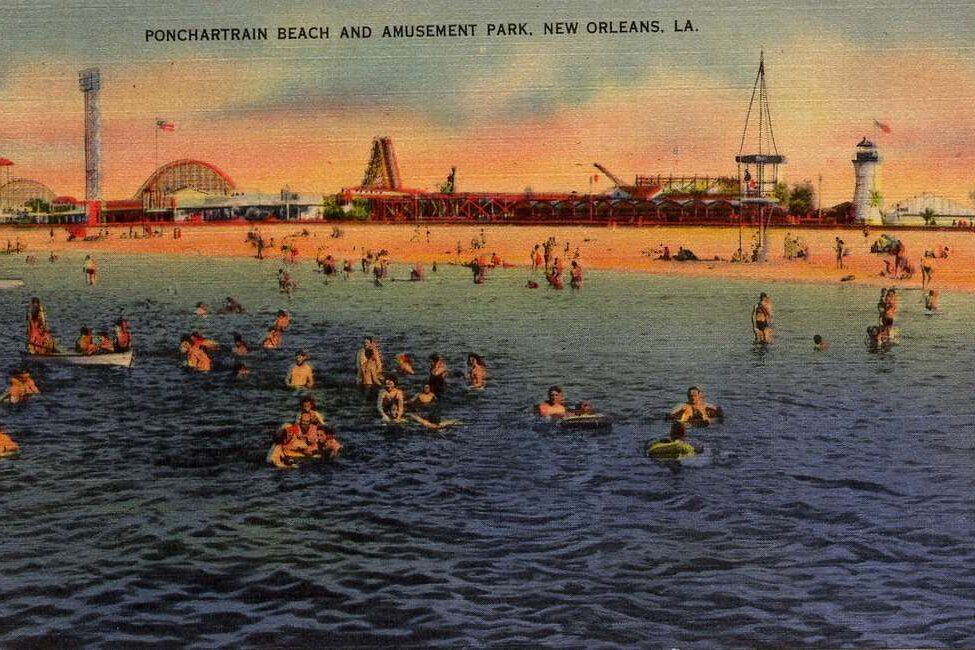
Pontchartrain Beach once stood along the shores of Lake Pontchartrain and served as New Orleans’ primary amusement park for decades. Originally developed in the 1920s, it expanded into a full amusement destination by the 1940s. Families flocked there for roller coasters, a famous wooden coaster called the Zephyr, and a lively boardwalk atmosphere. The park became deeply woven into the city’s local culture.
For many residents, visiting Pontchartrain Beach meant summer evenings filled with music, food, and lake breezes. Teenagers often gathered there after school or during weekend outings. But by the early 1980s the property was losing visitors to newer attractions. The park closed in 1983 and was eventually demolished. Today only scattered memories remain of the place locals once called simply “the Beach.”
11. Willow Grove Park (Willow Grove, Pennsylvania)
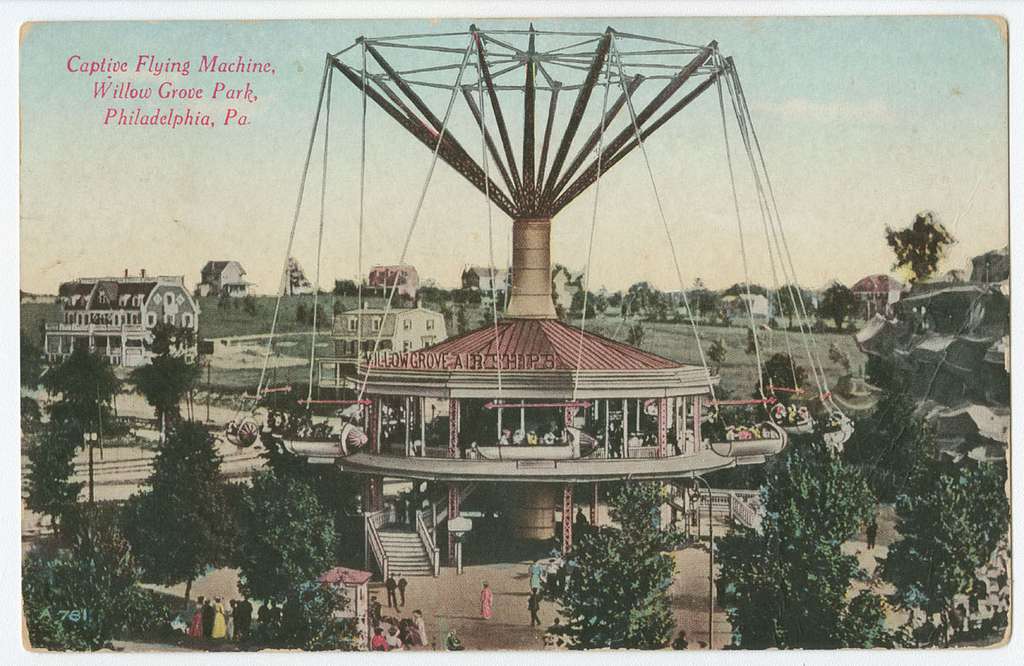
Willow Grove Park began in 1896 as a trolley park just outside Philadelphia. At the time, trolley companies built amusement parks at the ends of their lines to encourage weekend travel. Willow Grove quickly grew into a major entertainment destination with rides, theaters, and large picnic areas. Famous performers including John Philip Sousa once conducted concerts there.
The park remained popular for decades and became a favorite outing for Philadelphia families. Generations visited for the rides and live entertainment that filled the park every summer. By the 1970s, however, the aging park struggled to compete with modern theme parks. Willow Grove closed in 1975 after nearly eighty years of operation. The site is now home to a shopping mall that carries the park’s name.
12. Chippewa Lake Park (Chippewa Lake, Ohio)
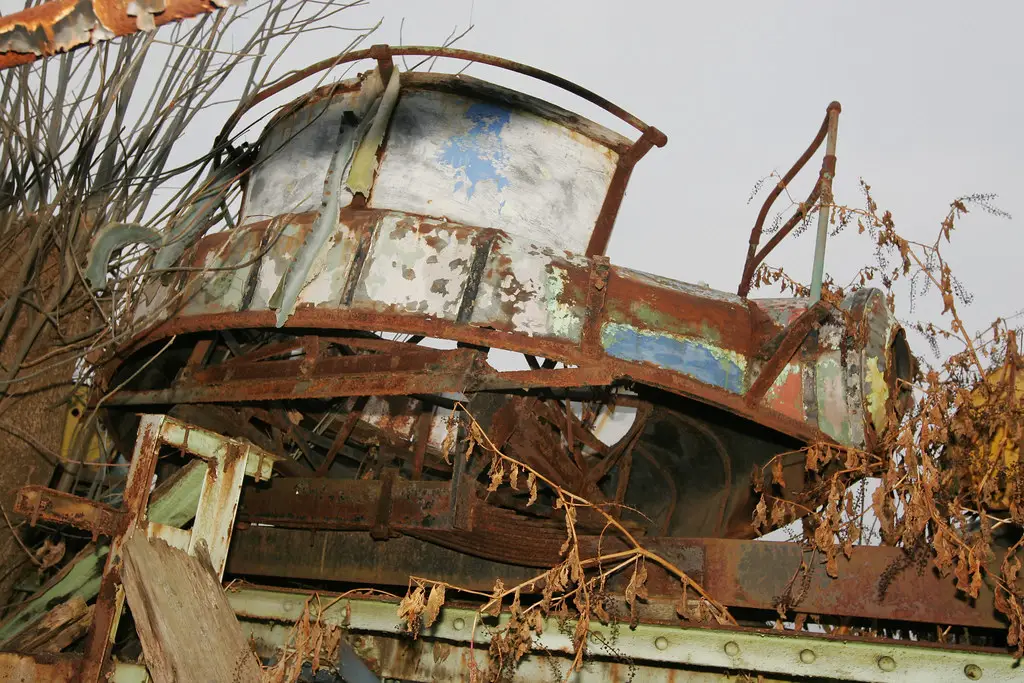
Chippewa Lake Park opened in 1878 and was one of the oldest amusement parks in the United States. Located between Cleveland and Akron, it offered roller coasters, boat rides, and dance halls that drew visitors from across the region. The park had a relaxed atmosphere that made it especially popular with families. Many people returned year after year for the same rides and familiar scenery.
Despite its long history, the park closed suddenly in 1978 after attendance declined. The closure came as a shock to many local residents who had grown up visiting it. For decades the abandoned rides slowly rusted in place, creating a haunting reminder of the park’s past. Eventually most of the remaining structures were removed. Still, the name Chippewa Lake Park continues to stir nostalgia throughout Ohio.
13. Lakeside Park (Denver, Colorado)
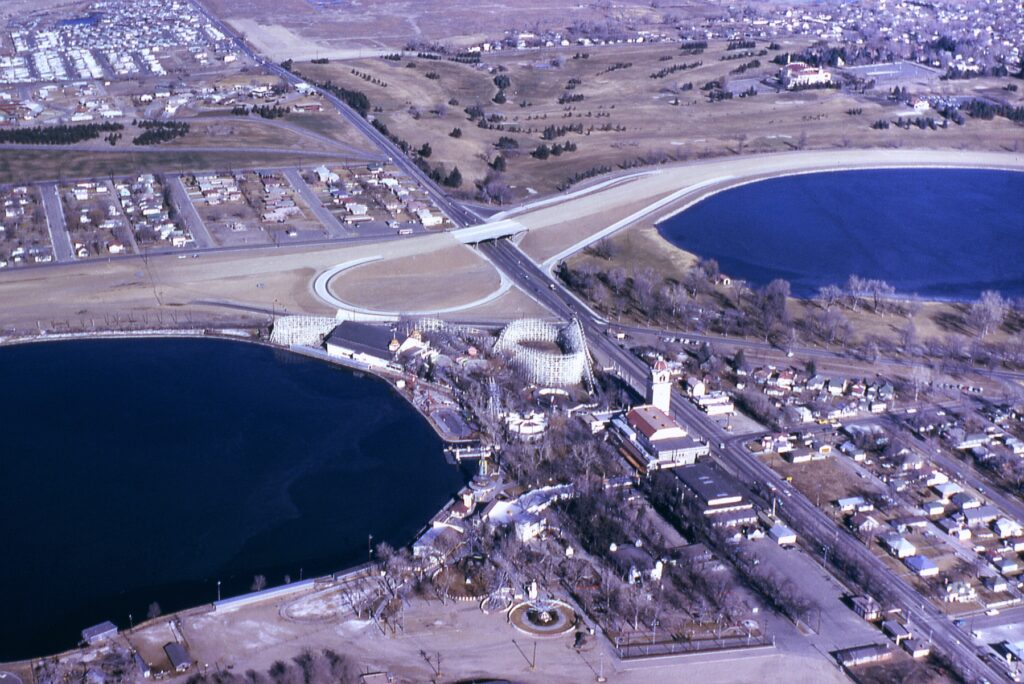
Lakeside Park opened in 1908 just outside Denver and became one of the region’s earliest amusement destinations. The park was known for its distinctive architecture, including towers covered in thousands of electric lights. Visitors came for roller coasters, boat rides, and elaborate nighttime illumination that reflected off the lake. The park created a magical atmosphere after sunset.
Although Lakeside technically still exists today, its golden era has long passed. Many of the original rides closed or were removed over time, and attendance dropped sharply in the late 20th century. For older residents, however, Lakeside remains a symbol of Denver’s early amusement culture. They remember crowded summer nights and the glow of lights across the water. The park now survives mostly as a nostalgic relic.
14. Lincoln Park (Dartmouth, Massachusetts)
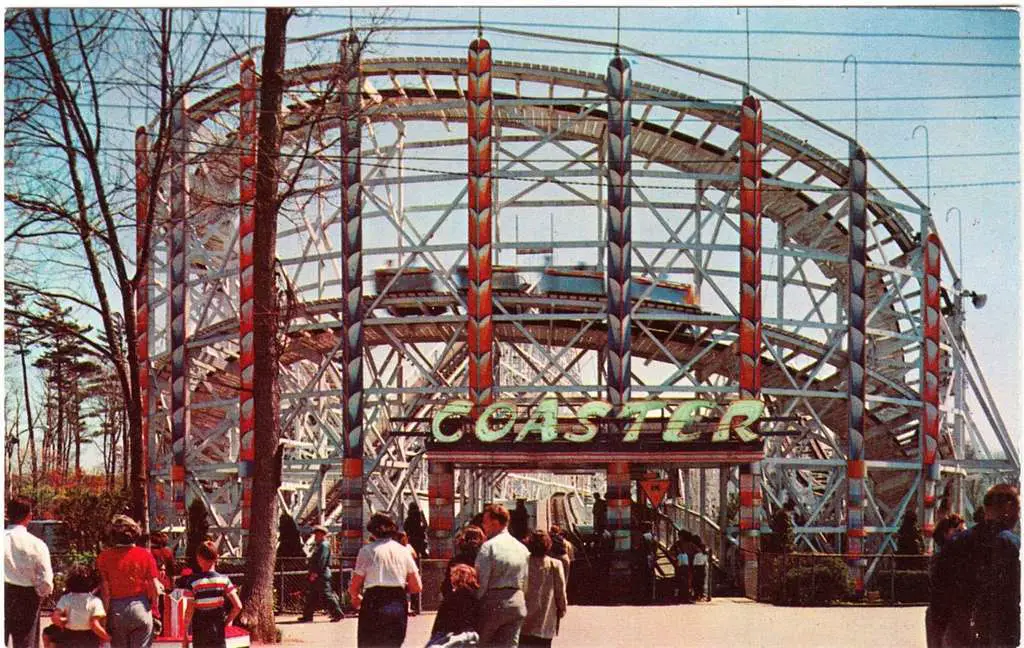
Lincoln Park opened in 1894 as another classic trolley park designed to attract weekend travelers. It later expanded into a full amusement park filled with rides, games, and picnic grounds. The park’s Cyclone roller coaster became a standout attraction and remained in operation for decades. Families from across southern New England often spent entire days there.
By the 1980s, however, the aging park struggled financially and faced increasing competition from larger theme parks. Attendance gradually declined until the park finally closed in 1987. The famous Cyclone coaster was eventually dismantled, marking the end of an era. Today the site has largely been redeveloped. For many locals, Lincoln Park still represents a lost piece of summer tradition.
15. Wonderland Amusement Park (Revere, Massachusetts)
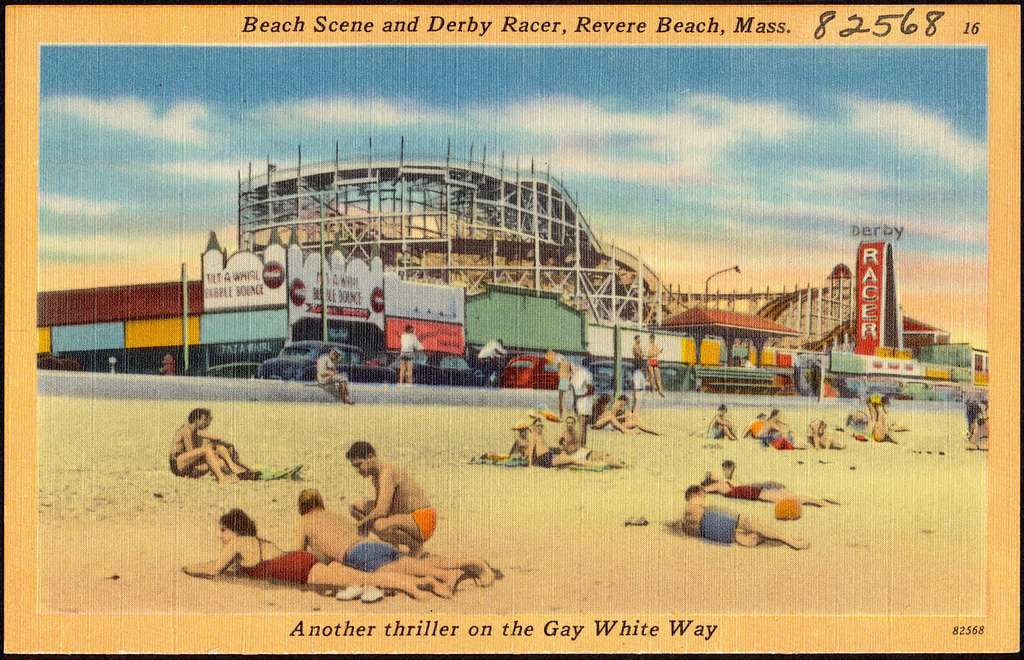
Wonderland Amusement Park opened in 1906 in the seaside city of Revere, just outside Boston. It quickly became one of the largest amusement parks in the region, drawing huge crowds during the early 20th century. Visitors rode roller coasters, watched live performances, and strolled along a lively boardwalk. For many working class families, it offered an affordable escape from city life.
The park thrived for several decades before the Great Depression began to hurt attendance. By 1931 financial struggles forced Wonderland to close permanently. Much of the land was later redeveloped, though the area kept the name “Wonderland.” Today it is difficult to imagine the crowds that once filled the park every weekend. But for a time, it was one of New England’s biggest summer attractions.