
1. McDLT
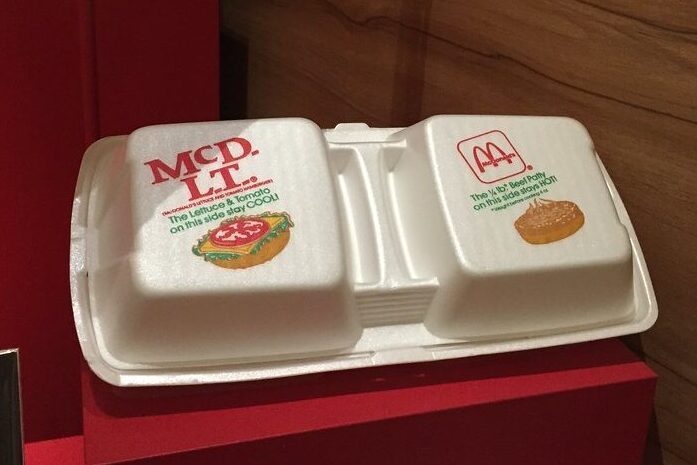
The McDLT was introduced by McDonald’s in the mid-1980s, and its whole selling point was keeping the hot and cold parts of a burger separate. It came in a bulky, two-sided Styrofoam container that held the beef patty on one side and the lettuce, tomato, and bun on the other. The idea was that you’d assemble it yourself right before eating, so nothing got soggy. For a while, it felt like a clever solution to a real fast-food problem. The marketing leaned heavily into that “freshness” angle, and people were curious enough to try it.
What ultimately doomed it wasn’t the taste, but the packaging. The Styrofoam container quickly became a problem as environmental concerns grew in the late ’80s. McDonald’s phased it out around 1990 as part of a broader shift away from foam packaging. Even though the concept stuck around in spirit, like fresher toppings and made-to-order burgers, the McDLT itself disappeared. It’s one of those items people remember more for the packaging than the sandwich.
2. Crystal Pepsi
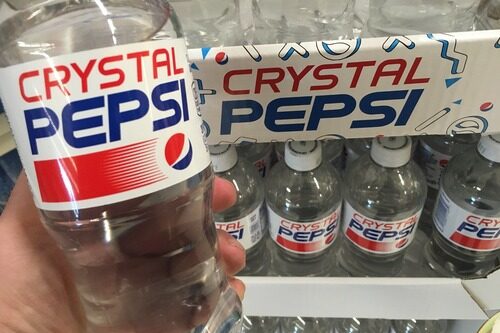
Crystal Pepsi debuted in 1992 and immediately stood out because it looked like water but tasted like cola. It was part of a larger early ’90s trend toward “pure” and transparent products. The novelty factor alone got people talking, and initial sales were strong. PepsiCo pushed it hard with major advertising campaigns, trying to position it as a cleaner alternative to traditional sodas. For a brief moment, it felt like the future of soft drinks.
The problem was that people couldn’t quite reconcile the taste with the appearance. When you expect something clear to taste like lemon-lime soda and it doesn’t, it creates a strange disconnect. Sales dropped quickly after the initial curiosity wore off. By 1993, it was largely gone from shelves. Pepsi has brought it back in limited runs over the years, mostly for nostalgia, but it never regained its original momentum.
3. Orbitz Drink
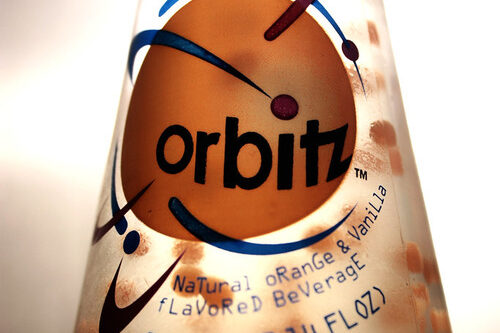
The Orbitz drink launched in 1997 and looked more like a science experiment than a beverage. It featured small, colorful gelatin balls suspended in a thick, sweet liquid. The drink was designed to have a futuristic, almost space-age appeal. It definitely got attention, mostly because people weren’t sure what they were looking at. For a moment, it became one of those “you have to try this” items.
But the texture turned out to be a dealbreaker for most people. Drinking something with floating blobs wasn’t as fun as it sounded. Many described it as unsettling rather than enjoyable. Sales never reached sustainable levels, and it disappeared quickly. Today, it’s remembered as one of the strangest beverage experiments of the ’90s.
4. Heinz EZ Squirt Colored Ketchup
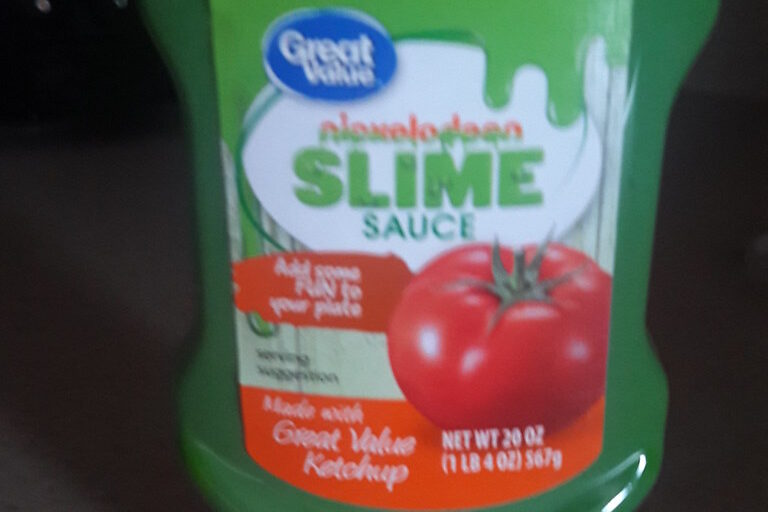
Heinz EZ Squirt hit stores in 2000 with bold colors like green, purple, and even blue. Heinz marketed it directly to kids, making ketchup feel more like a toy than a condiment. It sold surprisingly well at first, especially the green version. Kids liked the novelty of putting brightly colored ketchup on their food. It turned everyday meals into something a little more playful.
The appeal didn’t last very long, though. Parents started to lose interest once the novelty wore off, and the unusual colors could make food look less appetizing. Sales declined over the next few years. Heinz discontinued the product by the mid-2000s. It remains one of the more memorable attempts to reinvent a very familiar product.
5. Jell-O Pudding Pops
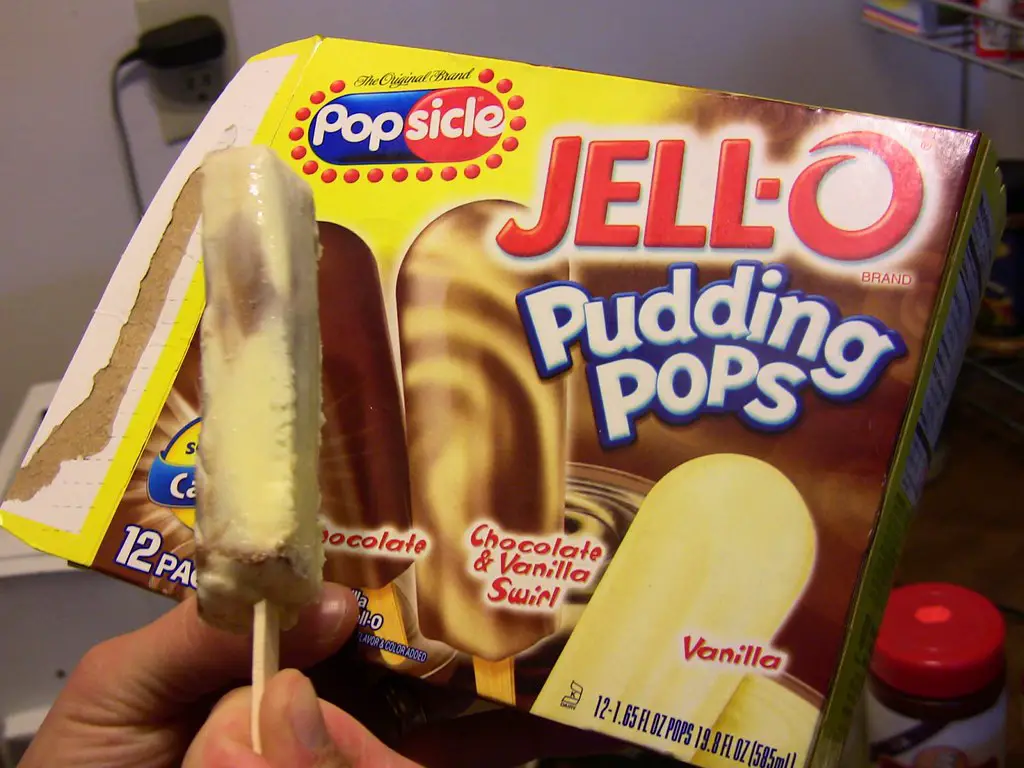
Jell-O Pudding Pops were a major hit in the ’80s, especially after being promoted with help from Bill Cosby. They had a creamy, slightly different texture compared to regular ice pops, which made them stand out. Kids and adults both loved them, and they became a staple in many freezers. At their peak, they felt like they were everywhere. The branding and advertising made them especially recognizable.
They started to fade in the ’90s after production and distribution changes under General Foods and later Kraft Foods. Manufacturing issues made it harder to maintain consistent quality and availability. Eventually, they were discontinued in their original form. Variations have appeared over time, but they never quite matched the original popularity. For many people, they’re tied to a very specific era.
6. Butterfinger BB’s
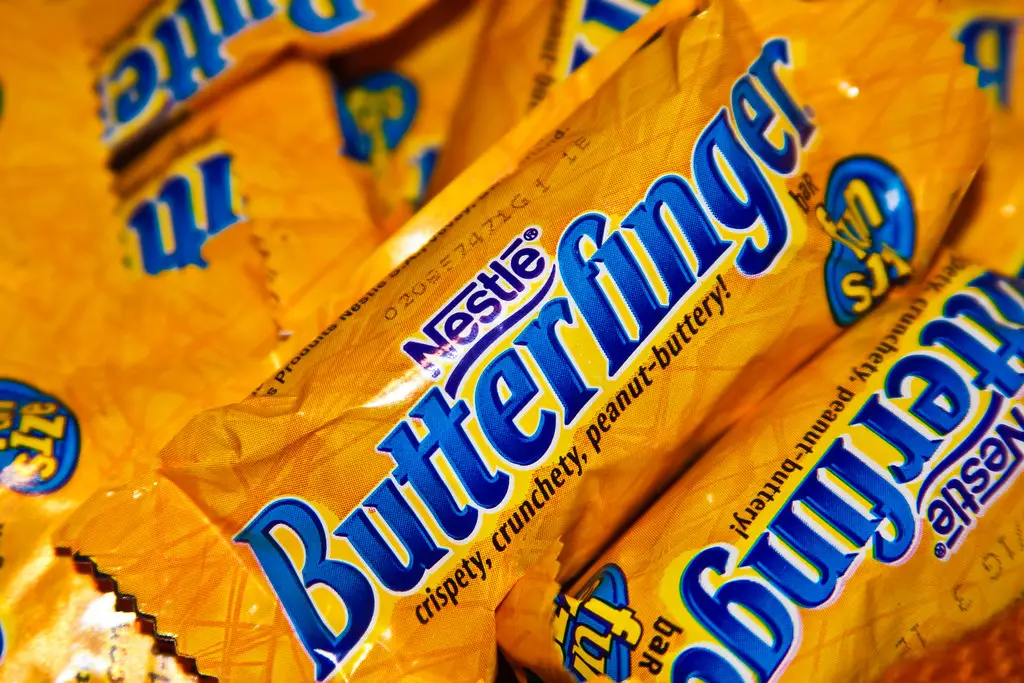
Butterfinger BB’s were introduced by Nestlé in 1992 as small, round versions of the classic Butterfinger bar. They were easier to snack on and became especially popular with kids. The candy got a boost from tie-ins like The Simpsons, where Bart Simpson famously promoted Butterfinger. For a while, they were a regular sight in candy aisles. The texture and flavor were the same, just in a more convenient form.
They were discontinued in 2006, reportedly due to declining sales and production challenges. Fans have asked for their return for years. Ferrero later introduced Butterfinger Bites, but they’re not exactly the same. The original BB’s had a specific crunch and coating that people still remember. It’s one of those candies that never quite got replaced.
7. Surge Soda
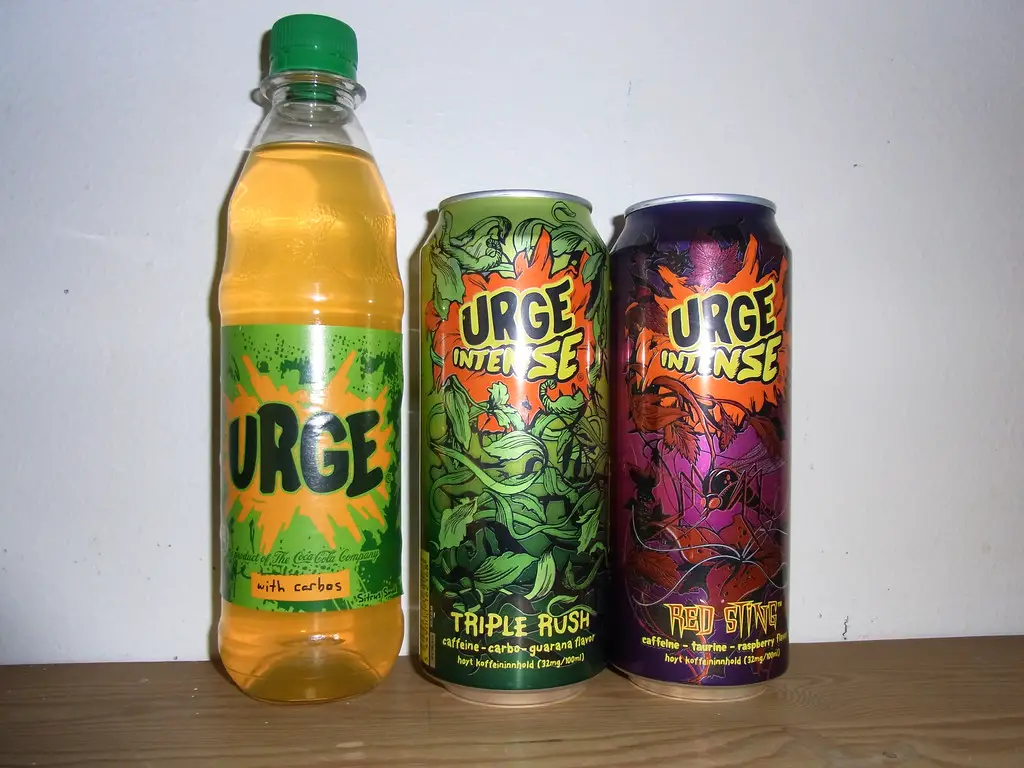
Surge soda was launched by The Coca-Cola Company in 1996 as a competitor to Mountain Dew. It had a strong citrus flavor and a reputation for being high-energy. The marketing leaned into that extreme, late-’90s vibe, which helped it stand out. It quickly developed a loyal following, especially among teenagers. For a few years, it felt like a serious contender in the soda market.
Despite that following, it was discontinued in 2003 due to declining sales. What’s notable is how much fans pushed for its return. After years of online campaigns, Coca-Cola brought it back in limited releases starting in 2014. Even so, it never fully returned to its original widespread availability. Its brief popularity and later revival efforts make it a bit of an outlier.
8. Arch Deluxe
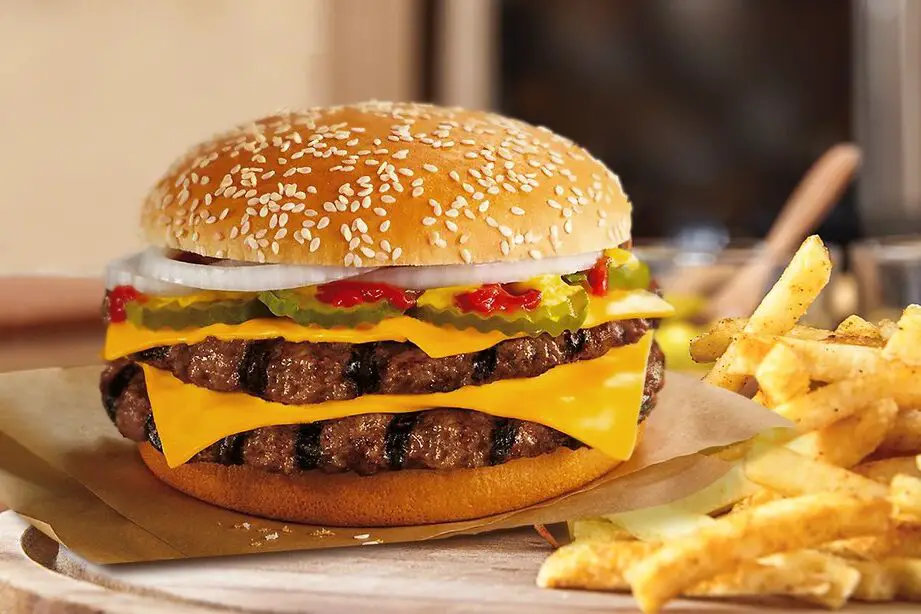
The Arch Deluxe was introduced by McDonald’s in 1996 as a more “adult” burger. It featured a quarter-pound beef patty, peppered bacon, lettuce, tomato, and a special mustard-mayo sauce. McDonald’s invested heavily in advertising, reportedly spending around $100 million on the campaign. The commercials even suggested it was a burger kids wouldn’t like. That was a risky approach for a brand known for family appeal.
The strategy didn’t work as intended. Customers didn’t see enough difference to justify the higher price. Sales were disappointing, and the burger was phased out by the early 2000s. It’s often cited as one of McDonald’s biggest product misfires. The idea of targeting adults specifically just didn’t translate at the time.
9. Planters Cheez Balls (Original Run)
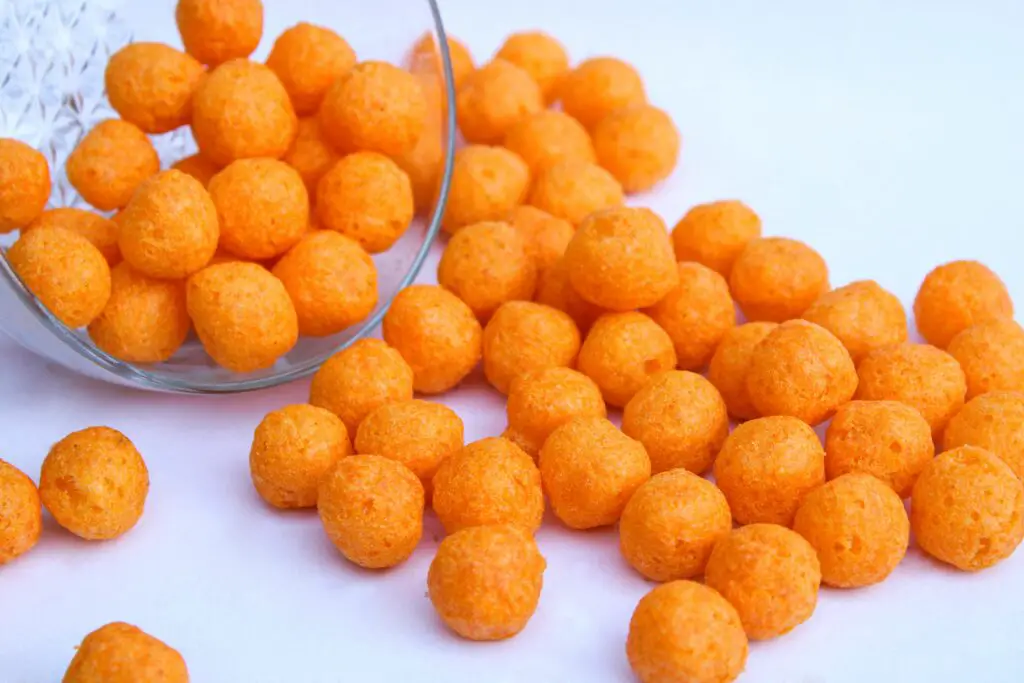
Planters Cheez Balls were a familiar snack in the ’80s and ’90s, sold in large blue canisters by Planters. They had a distinct airy crunch and bright orange coating that left your fingers covered in cheese dust. For many people, they were a staple at parties and in lunchboxes. They stood out from other cheese snacks because of their texture and packaging. The canister itself became part of the experience.
They were discontinued in 2006, which surprised a lot of longtime fans. Demand hadn’t completely disappeared, but product lines shifted. Planters eventually brought them back in 2018 after years of requests. Still, that long gap is why they feel like something that vanished. For over a decade, they were completely absent from shelves.
10. OK Soda
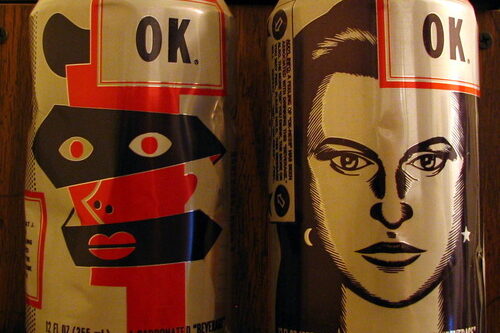
OK Soda was released by The Coca-Cola Company in 1993 as an intentionally ironic product. It targeted young adults who were skeptical of traditional advertising. The branding was deliberately strange, with abstract artwork and a tone that almost mocked itself. It was a very early attempt to appeal to a more cynical, media-aware audience. For a niche group, that approach was actually appealing.
The problem was that it was too niche. Most consumers didn’t quite understand what it was supposed to be. Distribution was limited to select markets, which didn’t help. By 1995, it was discontinued. It’s now often referenced as an early example of ironic marketing that didn’t quite land with a broad audience.
11. Squeezit Drinks
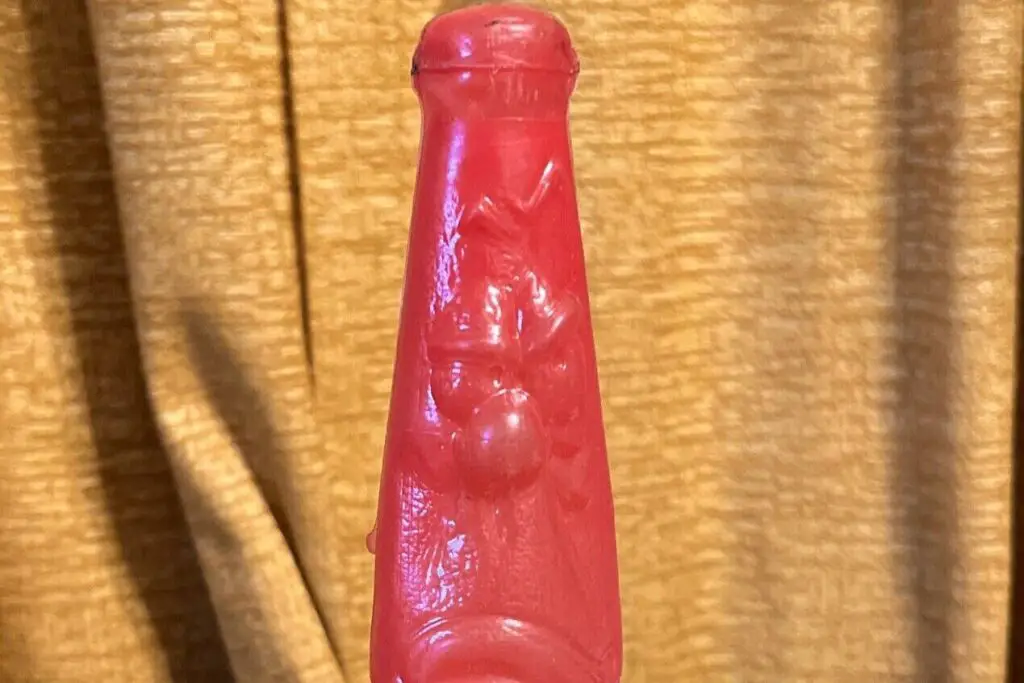
Squeezit were introduced by General Mills in the late ’80s and became a lunchbox staple. The drinks came in squeezable plastic bottles shaped like cartoon characters. Kids would twist off the tops and squeeze the juice directly into their mouths. It was messy, but that was part of the appeal. The branding leaned heavily into fun and silliness.
They were discontinued in 2001 as consumer preferences shifted away from sugary drinks. Parents started looking for healthier options, and the product didn’t fit that trend. While similar drinks exist today, Squeezit has never returned in its original form. It’s closely tied to a very specific era of kids’ snacks. For many people, it’s pure nostalgia.
12. Doritos 3D
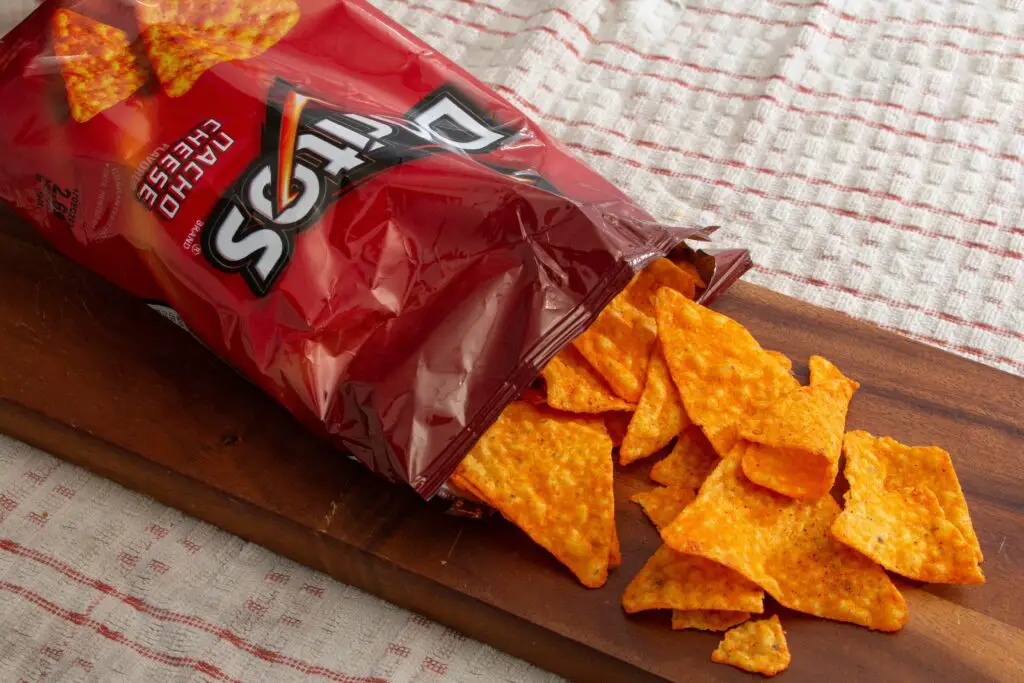
Doritos 3D were introduced by Frito-Lay in the late ’90s as a puffed version of the classic chip. They had a hollow, airy structure that made them feel different from regular Doritos. The flavors were similar, but the texture was the main selling point. They were marketed as a more fun, snackable alternative. For a while, they were everywhere.
They were discontinued in the early 2000s as sales declined. Years later, Frito-Lay reintroduced a version of Doritos 3D, but it’s not identical to the original. The shape and texture changed slightly, which longtime fans noticed. The original version remains the one people remember most clearly. It’s another example of a snack that had a strong but short-lived run.
13. PB Max
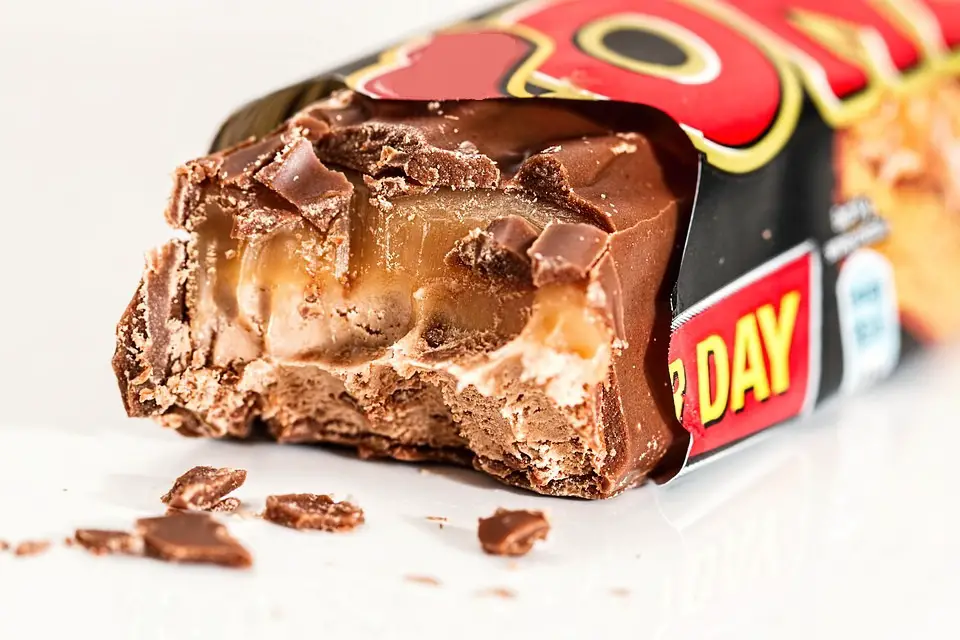
PB Max was launched by Mars, Incorporated in 1989 and combined peanut butter, oats, and chocolate. It developed a loyal following very quickly. The texture was different from most candy bars at the time, with a thicker, more substantial bite. Sales were reportedly strong, which made its disappearance even more surprising. It seemed like it had real staying power.
Despite that, Mars discontinued it in the mid-’90s. One commonly reported reason is that members of the Mars family didn’t like peanut butter, though I cannot independently confirm that as the sole cause. Whatever the internal reasoning, it wasn’t due to poor sales. That’s part of why it still comes up in nostalgia discussions. It’s a rare case of a successful product being pulled anyway.
14. Hi-C Ecto Cooler
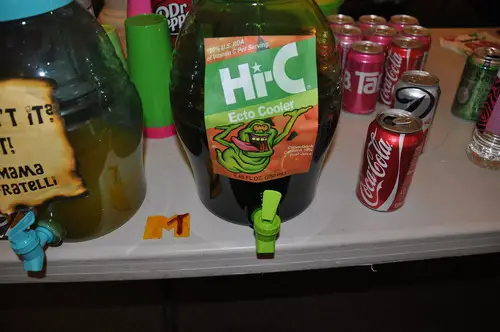
Hi-C Ecto Cooler was introduced in 1987 as a tie-in with Ghostbusters. It was essentially a rebranded citrus drink, but the bright green color and branding made it stand out. It became extremely popular with kids and stuck around long after the original promotion. For many people, it became more than just a movie tie-in. It was a regular part of childhood for years.
It was discontinued in 2001 as branding shifted and the tie-in became less relevant. Like several other items on this list, it has returned briefly for promotional runs. Still, those comebacks have been temporary. The original long run ended, and it never fully regained its place. Its connection to Ghostbusters is a big part of why it’s still remembered.
15. Lifesavers Holes
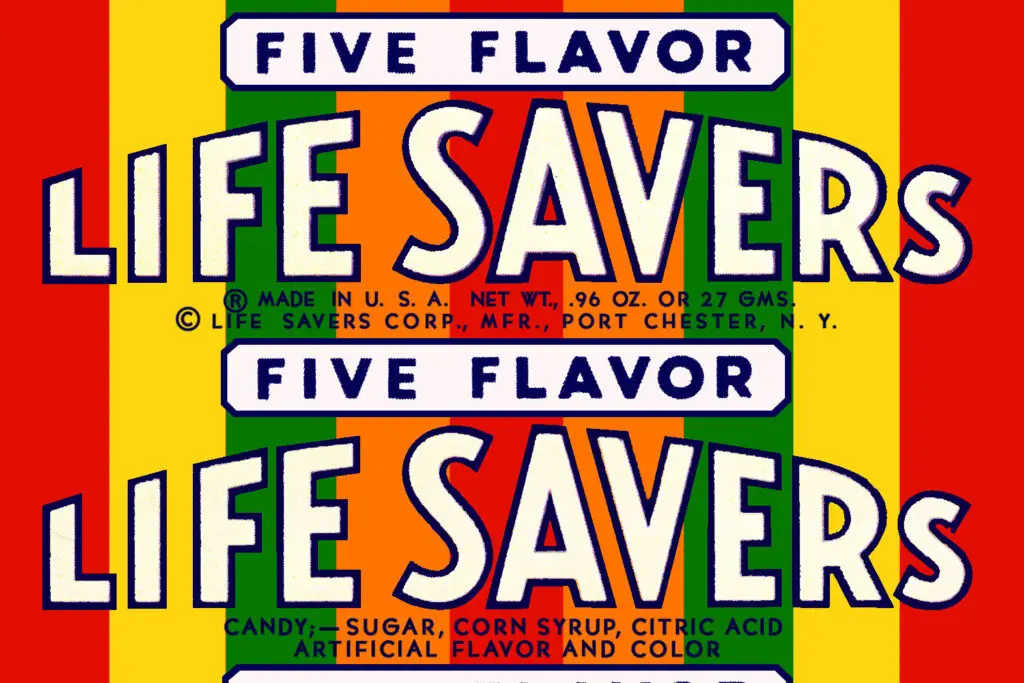
Lifesavers Holes were introduced by Nabisco in 1990 as small, bite-sized versions of the classic Lifesavers candy. They were essentially the “holes” from the center of the ring-shaped candies. The concept was simple but clever, and they were easy to snack on. They became popular fairly quickly, especially for people who wanted something smaller than a full roll. It felt like an obvious extension of the brand.
They were discontinued by the mid-2000s after changes in ownership and product lines. While similar products exist, the original Lifesavers Holes quietly disappeared. There wasn’t a single dramatic reason, just a gradual phase-out. That’s often how these products go. They fade out rather than ending all at once.