
1. Meatloaf

For decades, meatloaf was the unofficial badge of adulthood, the kind of dinner that meant someone had learned how to plan meals, stretch a budget, and feed a family without complaint. It showed up reliably on weeknights, usually paired with mashed potatoes and a can of green beans, and nobody pretended it was exciting. Making meatloaf meant you owned a loaf pan, remembered to thaw the ground beef, and had the patience to wait for it to bake instead of grabbing takeout. There was something quietly respectable about pulling a bubbling loaf from the oven and slicing it neatly at the table. It said you had your act together, at least enough to provide a hot meal at the end of the day.
Over time, meatloaf became shorthand for grown-up stability, the kind of food you associated with parents who paid bills on time and kept a tidy fridge. Kids often groaned about it, but secretly recognized it meant things were steady at home. Even leftovers had a sense of order, neatly wrapped and ready for sandwiches the next day. Today it’s often joked about as bland or old-fashioned, but it once symbolized consistency, responsibility, and dependable routine. If meatloaf was on the menu, life felt predictable in the best way.
2. Oatmeal
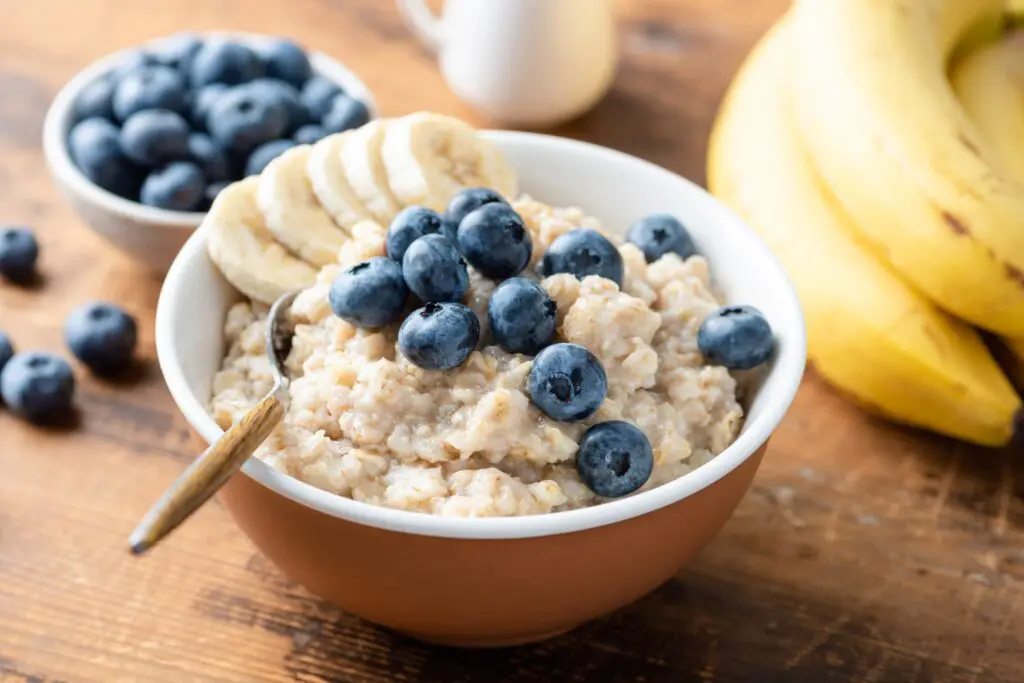
Oatmeal has long carried the reputation of being the breakfast choice of people who care about their health, their schedule, and their long-term well-being. Choosing oatmeal meant waking up early enough to cook something warm instead of grabbing a sugary pastry on the way out the door. It suggested discipline, planning, and a certain quiet maturity that didn’t need flashy flavors. Parents often served it as proof they were doing right by their families, even if kids drowned it in brown sugar to make it tolerable. A bowl of oatmeal felt like a small act of self-control.
In many households, oatmeal became a symbol of starting the day responsibly, especially during cold mornings or busy school weeks. It was the breakfast you ate when you were serious about your routine and your health. Even adults who didn’t love it still respected it for what it represented. Over time, it became less about taste and more about intention, choosing nourishment over indulgence. That steady bowl of oats quietly said, “I’m taking care of myself.”
3. Tuna Casserole

Tuna casserole earned its place as a responsibility food because it combined affordability, convenience, and the ability to feed multiple people without much fuss. It was the dish of busy parents who needed something filling that could stretch across leftovers and packed lunches. Mixing canned tuna with noodles, cream soup, and a crunchy topping felt like practical problem-solving in a baking dish. It wasn’t glamorous, but it got the job done, which was the point. Serving tuna casserole meant you were thinking ahead and managing resources wisely.
The casserole also symbolized reliability, showing up at potlucks, church dinners, and weeknight tables alike. It had a reputation for being dependable rather than exciting, which made it feel responsible by default. Kids might have pushed it around their plates, but adults appreciated its efficiency. It represented the mindset of making things work, even when time and money were tight. Tuna casserole quietly signaled competence and care.
4. Split Pea Soup

Split pea soup carried the aura of thrift and practicality, especially in colder months when a hearty pot could stretch across several meals. It was the kind of food associated with slow cooking, planning ahead, and using pantry staples wisely. Letting a pot simmer on the stove felt like an act of domestic competence, filling the house with a comforting, steady smell. It wasn’t flashy, but it promised warmth and nourishment. Serving split pea soup suggested you knew how to manage both time and ingredients.
For many families, this soup represented making the most of what you had, often incorporating leftover ham or simple vegetables. It reflected an older mindset of minimizing waste and maximizing value. Eating it felt grounding, like participating in a tradition of sensible home cooking. Over time, split pea soup became linked with stability and preparedness. It symbolized the calm reassurance of a well-run kitchen.
5. Cottage Cheese

Cottage cheese became a symbol of responsibility during eras when dieting and health consciousness were closely tied to personal discipline. Choosing it over richer snacks signaled restraint, self-control, and an awareness of nutrition trends. It showed up in lunchboxes, office fridges, and diet plans as the sensible option. People who ate cottage cheese were often seen as trying to stay on track, managing weight or health goals. It had a quietly serious reputation.
For many adults, keeping cottage cheese in the fridge felt like a commitment to better habits. It was the snack of people who read labels and thought about portions. Even if it wasn’t anyone’s favorite, it represented intention and care. Over time, it became shorthand for being responsible about what you put into your body. That lumpy bowl carried a surprising amount of virtue.
6. Pot Roast
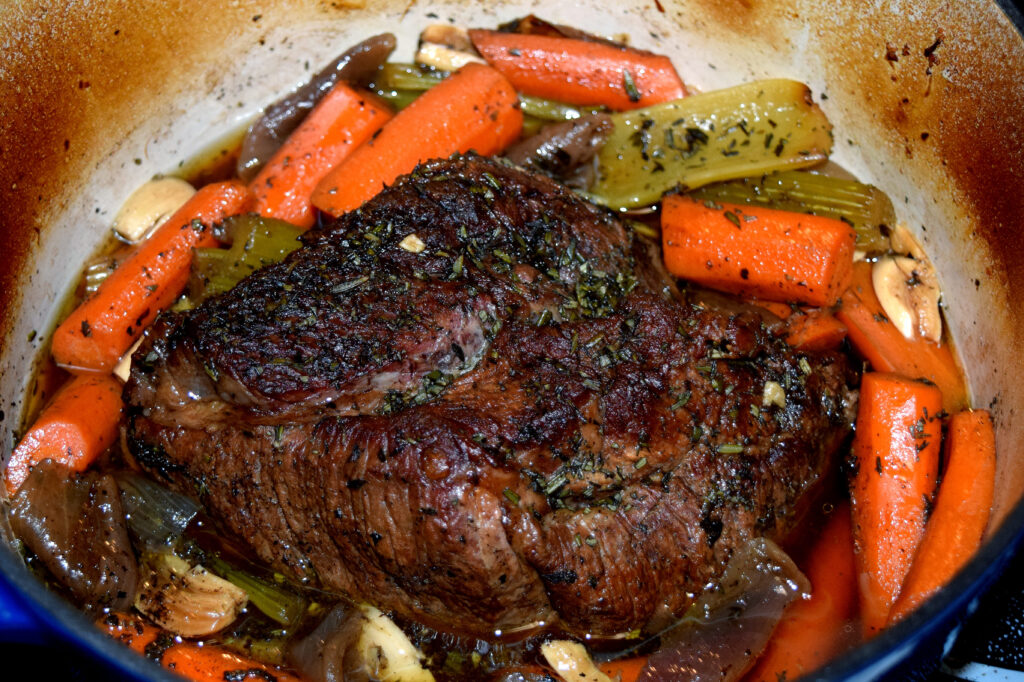
Pot roast symbolized responsibility because it required planning, patience, and a willingness to cook something that took hours instead of minutes. It was the meal of Sunday afternoons and family dinners, when someone took the time to slow-cook meat and vegetables into something comforting and filling. Preparing a pot roast meant you were thinking about more than just yourself. It implied hosting, nurturing, and maintaining a household rhythm. The smell alone felt like a promise of stability.
Serving pot roast also conveyed a sense of tradition and care, often tied to family gatherings and reliable routines. It wasn’t about trendy flavors or quick fixes, it was about showing up consistently. Leftovers meant sandwiches and reheated meals, extending the effort across days. Pot roast represented investment in home life and long-term comfort. It quietly said someone was paying attention to the big picture.
7. Apples

Apples earned their reputation as responsible food thanks to their association with health, simplicity, and everyday reliability. Packing an apple in a lunchbox felt like a sensible choice, easy, portable, and good for you without any fuss. Parents often encouraged apples as a default snack, reinforcing the idea of making smart, uncomplicated decisions. They became a symbol of moderation rather than indulgence. Choosing an apple felt like choosing common sense.
Over time, apples also became linked with routine and dependability, the kind of food you always had on hand. They didn’t spoil quickly and didn’t require preparation, making them a practical staple. Eating an apple signaled a small act of self-care and restraint. It wasn’t flashy, but it was dependable. That humble fruit came to represent everyday responsibility.
8. Lentil Soup
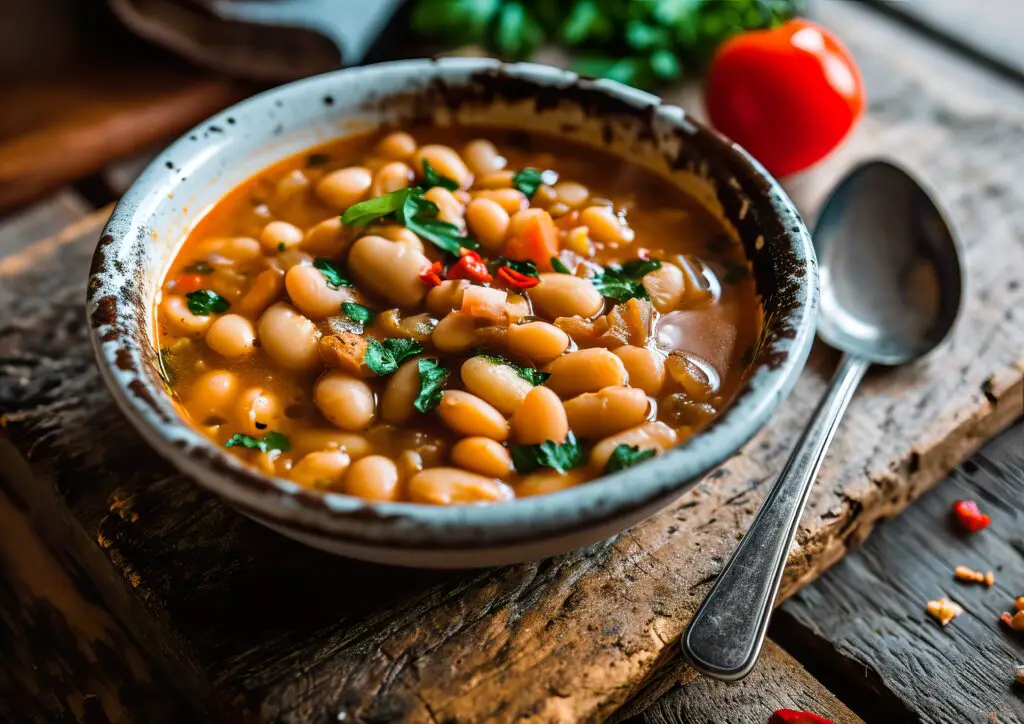
Lentil soup developed a reputation for being both economical and nutritious, making it a favorite among people focused on sensible eating and budgeting. It often appeared in households that valued simplicity, health, and efficiency. Cooking lentils meant planning ahead, soaking or simmering, and paying attention to timing. The result was filling, affordable, and easy to stretch across multiple meals. It reflected thoughtful resource management.
For many, lentil soup symbolized intentional living, choosing plant-based protein and hearty nourishment over convenience foods. It became associated with people who cared about sustainability and long-term health. Serving it felt quietly virtuous, even if it wasn’t universally loved. It represented mindfulness in the kitchen and respect for ingredients. Lentil soup carried an understated sense of responsibility.
9. Liver and Onions
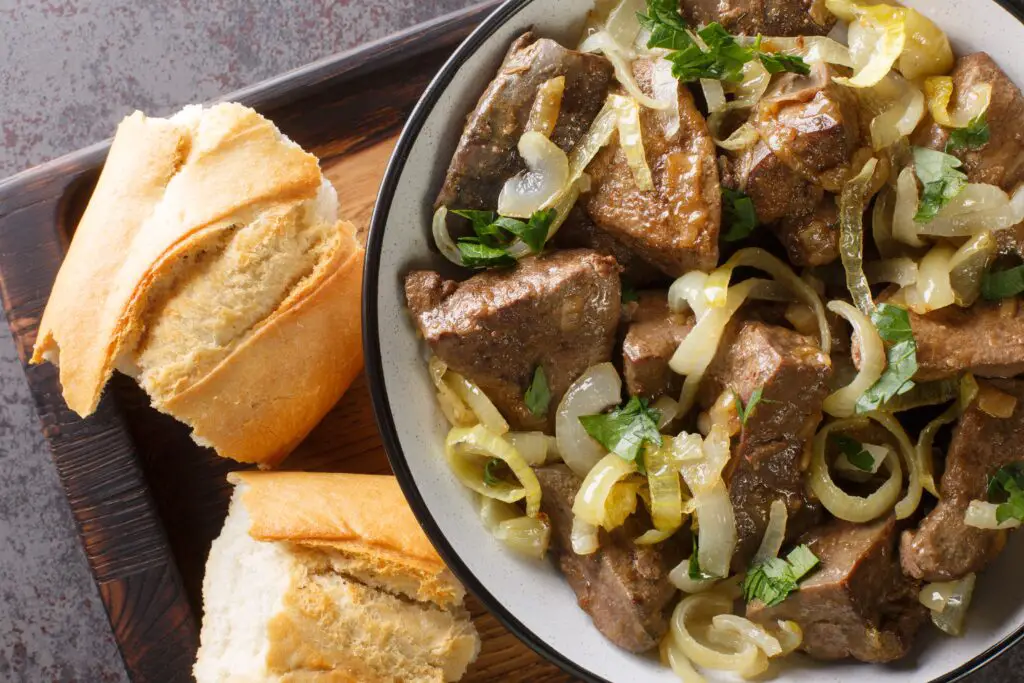
Liver and onions earned its serious reputation as a food eaten out of duty rather than pleasure. It was often served because it was considered nutritious, economical, and good for you, even if kids protested loudly. Eating it suggested discipline and respect for what was on the plate. Families associated it with doing what was necessary, not what was fun. It carried a tone of practicality and endurance.
For many adults, serving liver meant prioritizing health or tradition over taste. It became a symbol of making tough but sensible choices. Even those who disliked it understood its role as a responsible meal. Over time, it developed a nostalgic reputation tied to stricter household rules and expectations. Liver and onions stood for grit and obligation.
10. Brown Bread

Brown bread once symbolized wholesomeness and nutritional responsibility, especially during times when white bread was viewed as overly processed or indulgent. Choosing darker, denser bread signaled health awareness and mindful eating habits. It was often associated with adults who cared about fiber, digestion, and moderation. Packing brown bread sandwiches felt like making a smarter choice for the long term. It reflected a quiet commitment to better nutrition.
In many households, switching to brown bread was treated almost like a lifestyle upgrade. It suggested maturity and informed decision-making. Even if kids preferred softer white slices, adults leaned into the idea that brown bread was the sensible option. It carried an air of quiet virtue. That loaf represented responsibility in everyday form.
11. Vegetable Soup
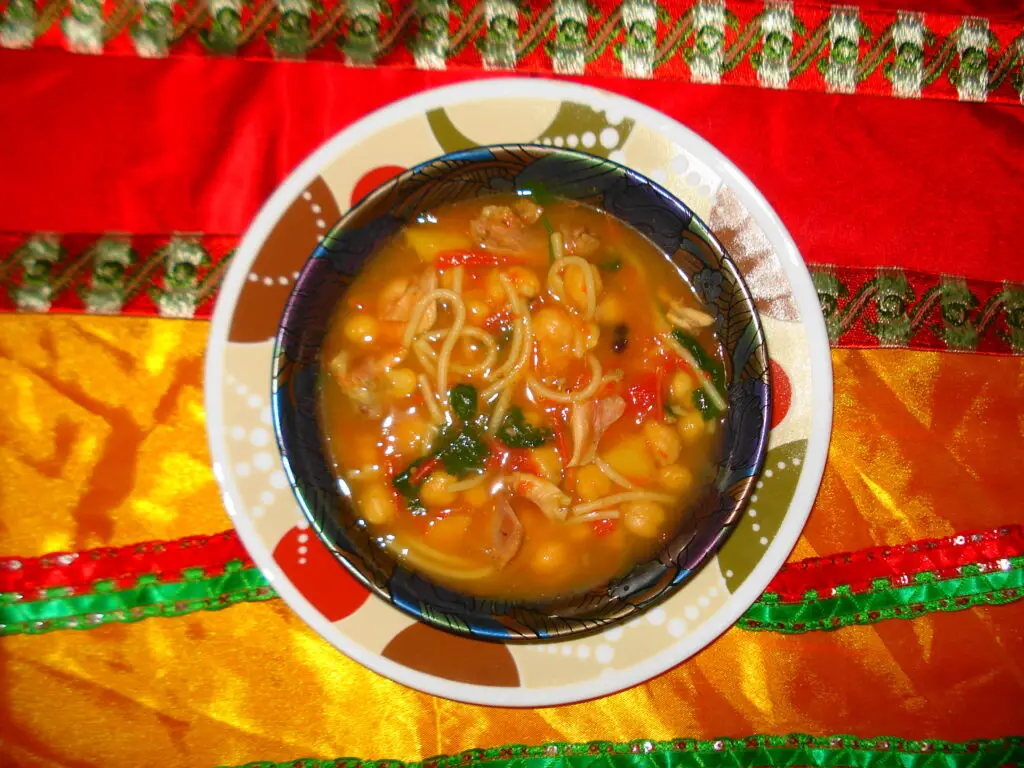
Vegetable soup symbolized balance and care, especially when made from scratch using whatever was available in the fridge. It reflected planning, minimizing waste, and turning odds and ends into something nourishing. Making a pot of vegetable soup suggested attentiveness and household management. It wasn’t indulgent, but it was comforting and steady. Serving it felt like a practical act of care.
For many families, vegetable soup also represented recovery and maintenance, the meal you ate when someone was sick or when you wanted to reset after indulgence. It carried associations with wellness and common sense. Leftovers meant easy lunches and minimal waste. It reinforced the idea of thoughtful living. Vegetable soup quietly stood for stability and responsibility.
12. Hard-Boiled Eggs

Hard-boiled eggs earned their responsible image because they required preparation, foresight, and intentional snacking habits. Boiling and peeling eggs ahead of time suggested planning rather than impulse eating. They were often packed for work, school, or travel as a reliable protein source. Choosing them over processed snacks signaled discipline and health awareness. They felt utilitarian in the best way.
In many households, keeping hard-boiled eggs in the fridge meant someone was thinking ahead. They became associated with structure and routine. Even their plainness reinforced the idea of sensible eating. They weren’t exciting, but they were dependable. That simple egg carried a surprising amount of practical symbolism.
13. Raisins

Raisins developed a reputation as the sensible sweet, the snack that technically counted as fruit while still satisfying a sugar craving. Parents often offered them as a compromise between candy and health. Packing raisins suggested moderation and portion control. They became a lunchbox staple that signaled reasonable choices. Choosing raisins felt like choosing restraint.
Over time, raisins symbolized small acts of responsibility, opting for something better than empty calories. They were easy to store, inexpensive, and long-lasting, which added to their practical appeal. Even if kids wished for cookies instead, raisins carried moral approval. They represented everyday discipline in snack form. That tiny box quietly reinforced good habits.
14. Baked Chicken

Baked chicken became a symbol of responsible home cooking because it was straightforward, affordable, and easy to feed a family with. It required basic seasoning, oven timing, and a little planning, but nothing extravagant. Serving baked chicken suggested routine and reliability rather than indulgence. It often appeared on weeknight tables as a dependable main dish. It reflected consistency and practicality.
For many households, baked chicken represented balance between effort and nourishment. It was filling without being heavy, familiar without being boring. Leftovers easily turned into lunches or sandwiches, stretching the meal further. It symbolized efficiency and care in everyday cooking. That simple tray in the oven quietly said someone was managing things well.