
1. TV Dinners

There was a time when sliding a frozen tray into the oven felt like admitting defeat as a home cook. TV dinners carried the reputation of being lazy, overly processed, and something you fed the kids only when you ran out of energy or time. Serving one to guests would have felt almost apologetic, like you needed to explain yourself before anyone took a bite. The aluminum tray and compartmentalized portions screamed convenience instead of care. Even families sometimes hid the box so visitors would not see what was really for dinner. It was food meant to be eaten in front of the television, not proudly placed at a table.
Now, those old-school frozen meals feel oddly nostalgic and even charming. People hunt down vintage-style versions for fun, and retro brands lean into the kitschy appeal. What once felt embarrassing now sparks memories of Salisbury steak nights and mystery desserts that somehow always tasted the same. Convenience has also become more socially acceptable as life gets busier. No one blinks anymore if dinner comes out of the freezer. In a strange way, the TV dinner went from shame food to comfort food.
2. Canned Vienna Sausages
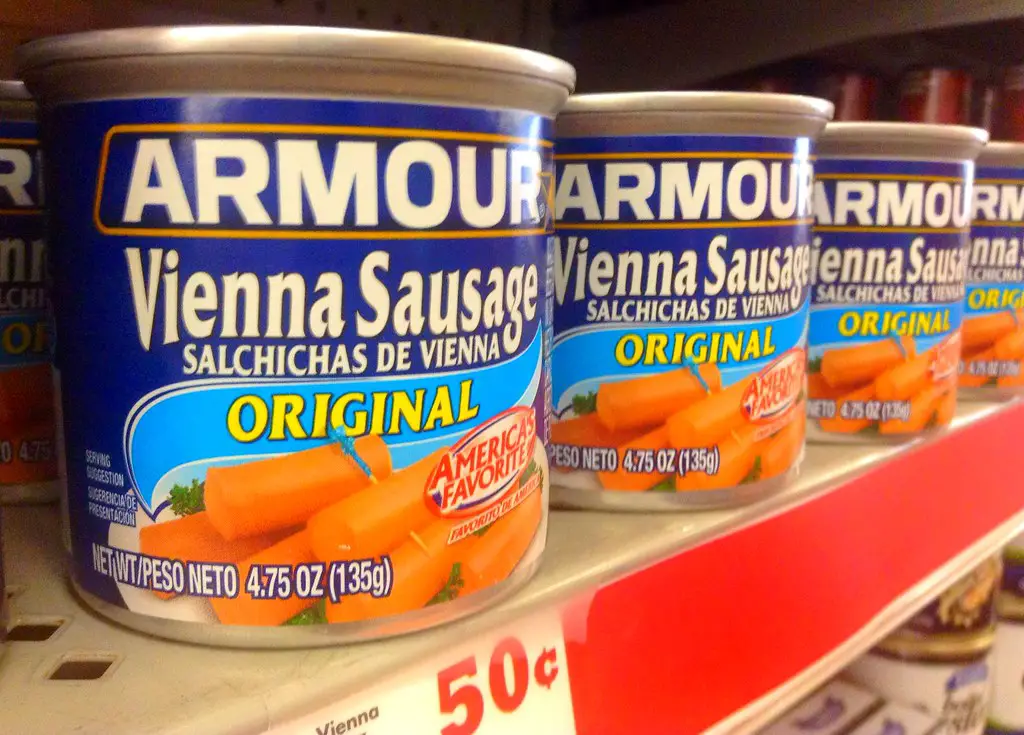
Canned Vienna sausages had a reputation that was hard to shake. The pale little sausages floating in gelatinous liquid did not exactly scream appetizing presentation. They were often associated with tight budgets, camping trips, or emergency pantry food rather than a proper meal. Putting them on a dinner plate felt like announcing you had completely given up on cooking. Many people quietly ate them straight from the can instead of letting anyone see.
Today, they still have a cult following among people who grew up with them. Some enjoy the salty, soft texture as a nostalgic snack rather than a full meal. Social media has even turned them into a kind of ironic comfort food. While they may never become a dinner party centerpiece, the embarrassment factor has softened. They now live more in the category of guilty pleasure than social faux pas.
3. Spam
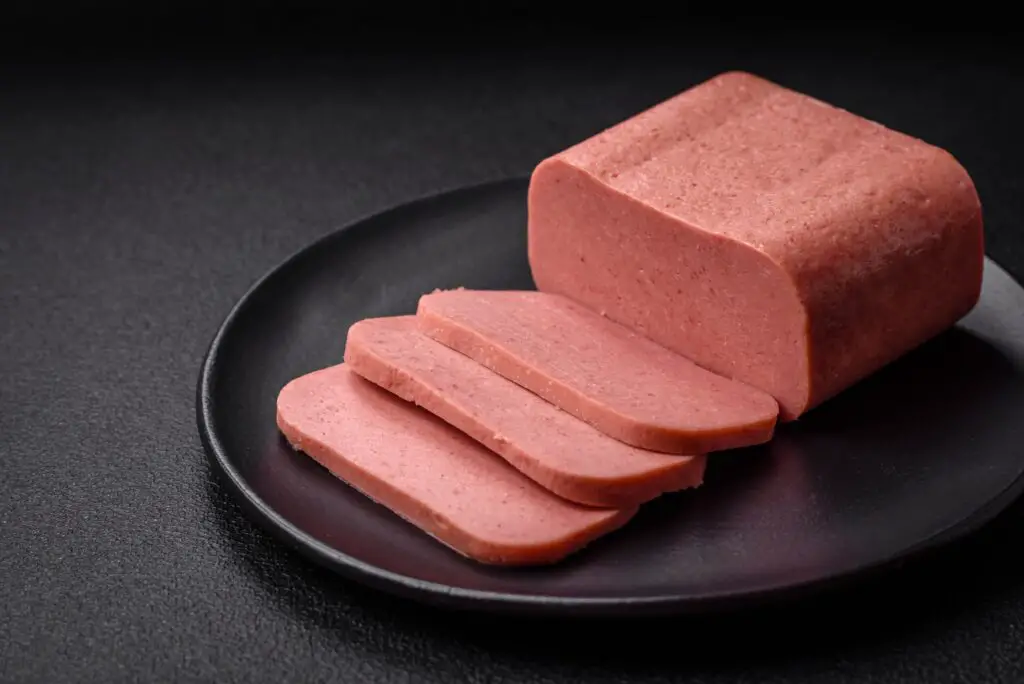
Spam spent decades being the punchline of food jokes. Its reputation as mystery meat in a blue can made people reluctant to admit they served it for dinner. Many families treated it as a last-resort protein when nothing else was in the fridge. The smell alone could trigger strong reactions from anyone who did not grow up eating it. Putting Spam on the table felt like inviting judgment from guests.
Over time, Spam has been reclaimed in creative ways. Chefs slice it thin, crisp it up, and use it in rice bowls, sandwiches, and even upscale interpretations. In places like Hawaii, it has long been beloved and celebrated. What once felt embarrassing now feels quirky and nostalgic. The same can is suddenly seen as retro instead of shameful.
4. Powdered Mashed Potatoes
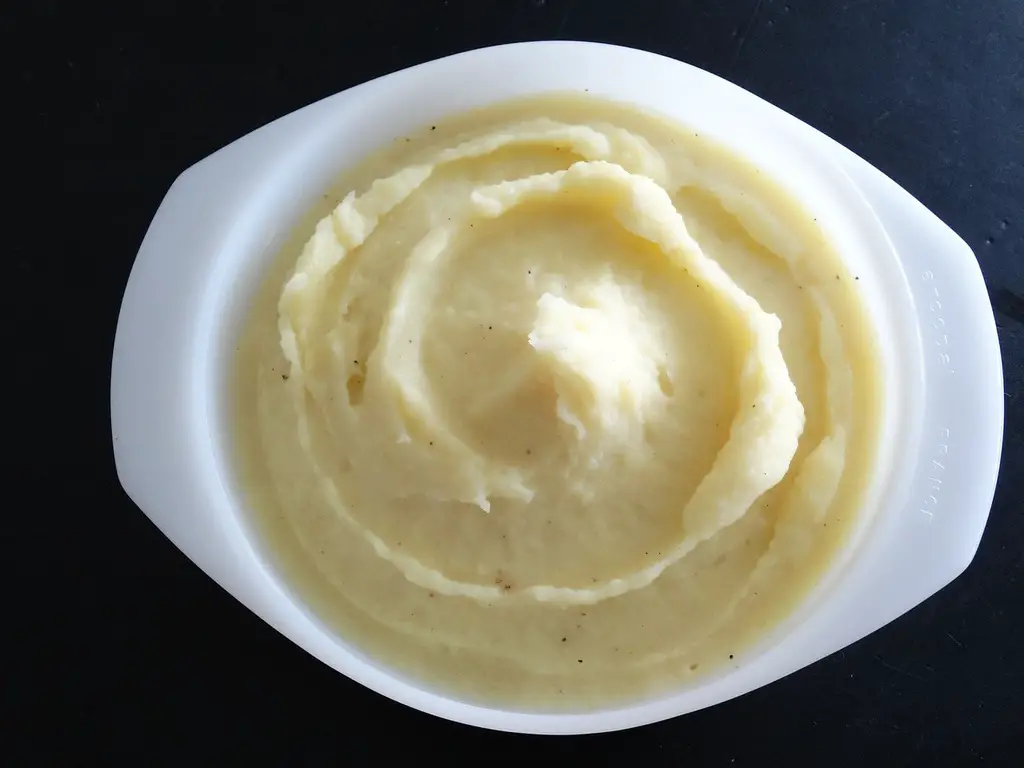
Instant mashed potatoes were often viewed as the ultimate shortcut. The idea that potatoes could come from a box instead of being peeled and boiled felt slightly scandalous in traditional kitchens. Serving them to guests could feel like confessing you took the easy way out. The texture sometimes gave them away immediately, which only added to the embarrassment.
These days, convenience foods get a lot more grace. People openly admit when they need something quick and easy, especially on busy weeknights. Some boxed versions have improved in flavor and texture, making them harder to distinguish from homemade. Powdered potatoes are now more about practicality than shame. The stigma has faded along with stricter expectations around home cooking.
5. Jell-O Salads
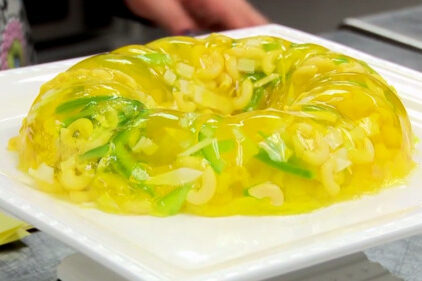
Jell-O salads once ruled potlucks, but they also carried a strange social risk. Suspended vegetables, fruit, or even meat inside gelatin could make guests hesitate before taking a scoop. Serving one at a formal table could feel risky, especially if you were unsure how adventurous your company was. There was always the fear someone would quietly avoid it and judge you for bringing it.
Today, these creations are mostly seen as quirky relics of another era. People enjoy them for their novelty rather than their culinary sophistication. Vintage cookbooks and themed parties have revived interest in them as conversation pieces. What was once awkward now feels charmingly weird. The embarrassment has turned into playful nostalgia.
6. Meatloaf
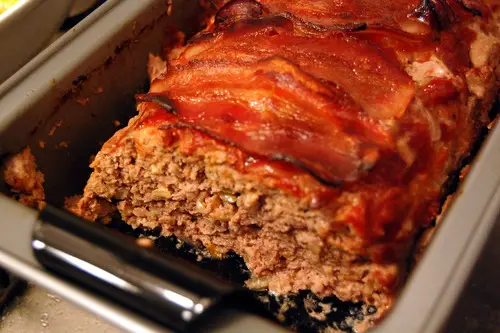
Meatloaf has long carried the image of bland, overcooked dinners from childhood. Some families associated it with stretched budgets and filler ingredients meant to make meat go further. Serving meatloaf to guests could feel like admitting you were not trying very hard to impress. It was comfort food, but not exactly glamorous food.
In recent years, meatloaf has been reinvented with better seasoning, sauces, and creative variations. Home cooks proudly share their signature recipes, and restaurants even feature elevated versions. What once felt boring or embarrassing now feels cozy and familiar. People appreciate the nostalgia and the flexibility of the dish. Meatloaf has quietly earned back its respect.
7. Hot Dogs for Dinner

Hot dogs often carried the reputation of being kid food or backyard cookout food only. Serving them as a sit-down dinner sometimes felt like cutting corners. Guests might expect something more substantial or sophisticated. The simplicity of a hot dog could make hosts feel slightly apologetic.
Now, gourmet hot dog bars and specialty sausages have changed the conversation. Creative toppings and high-quality ingredients make hot dogs feel intentional instead of lazy. People enjoy building their own combinations and leaning into the fun. What once felt embarrassing now feels casual and inviting. Hot dogs have found a second life beyond the grill.
8. Boxed Mac and Cheese
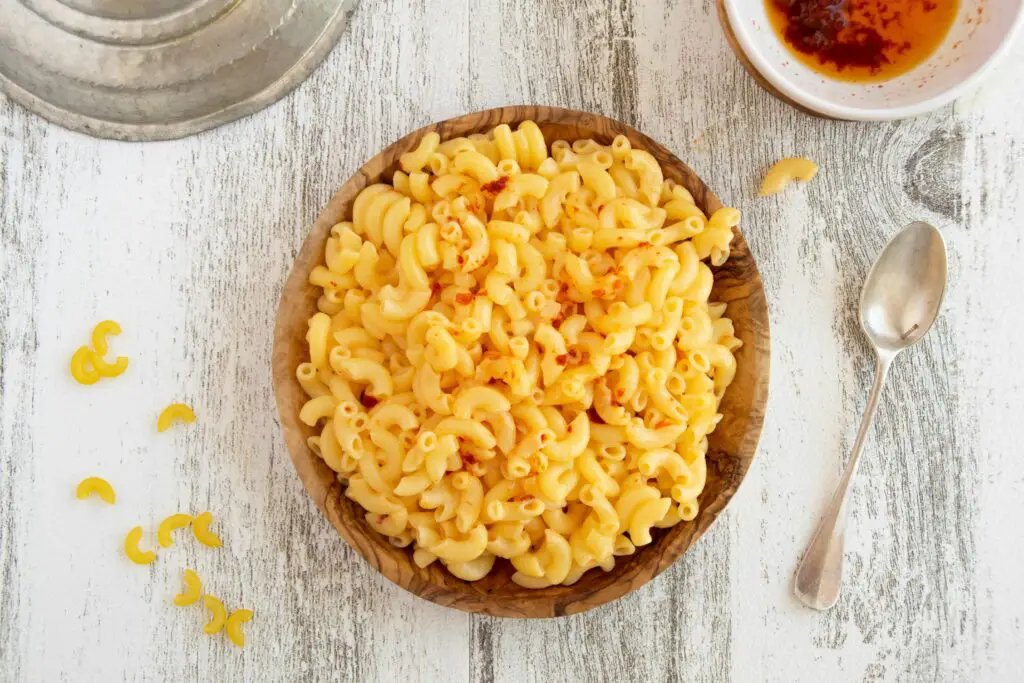
Boxed mac and cheese has always been beloved, but not always respected. Serving it to adults could feel like admitting you did not have time or energy to cook properly. The bright orange color and powdered cheese packet made it feel less like real food to some people. It was often treated as a guilty pleasure rather than something you proudly served.
Today, boxed mac and cheese is openly celebrated as comfort food. People customize it with add-ins like vegetables, spices, or extra cheese to make it feel more grown-up. Nostalgia plays a big role in its renewed popularity. No one feels the same level of embarrassment about enjoying it anymore. It has become a symbol of simple joy rather than culinary laziness.
9. Canned Fruit Cocktail
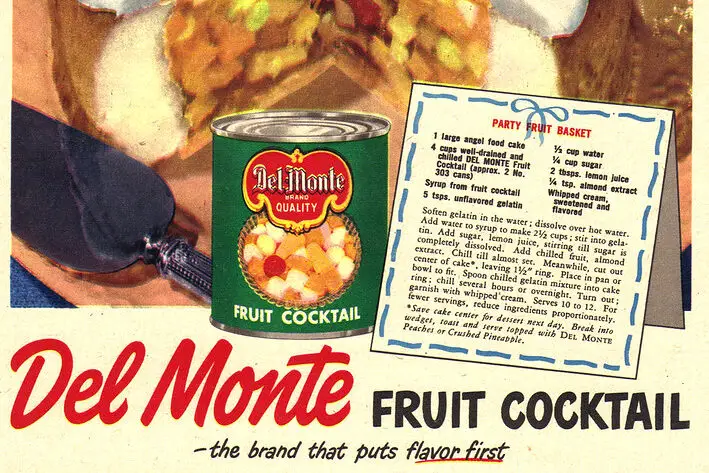
Canned fruit cocktail once showed up in many homes as dessert or a quick side dish. The syrupy mix of grapes, peaches, and cherries could feel outdated or overly processed. Serving it to guests sometimes felt like you had not planned anything fresh or thoughtful. The texture and sweetness made it obvious it came straight from a can.
Fresh fruit is now more accessible year-round, which has pushed canned fruit into a nostalgic corner. Some people still enjoy it for the memories of school lunches and simple desserts. It feels less embarrassing and more retro now. While it may not be a dinner party star, it no longer carries the same social stigma. It simply belongs to a different era of convenience.
10. Liver and Onions
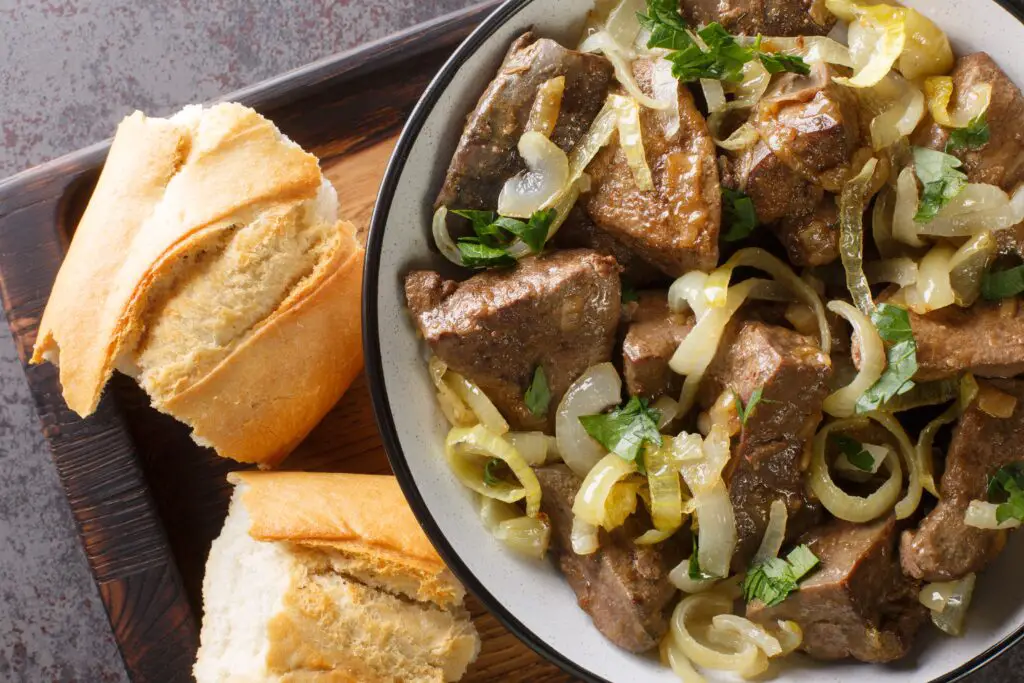
Liver and onions has long divided households and dinner tables. The strong smell and distinctive texture could make even adventurous eaters hesitate. Serving it could feel like imposing a personal taste on everyone else. Guests might politely pick at their plates while silently wishing for something else.
Despite its reputation, some people still love it for its old-fashioned comfort and nutritional value. It remains a staple in certain families and diners. While it may never be universally popular, it has gained a kind of nostalgic respect. The embarrassment has softened into acceptance of differing tastes. It is now more about personal preference than social judgment.
11. Creamed Chipped Beef on Toast
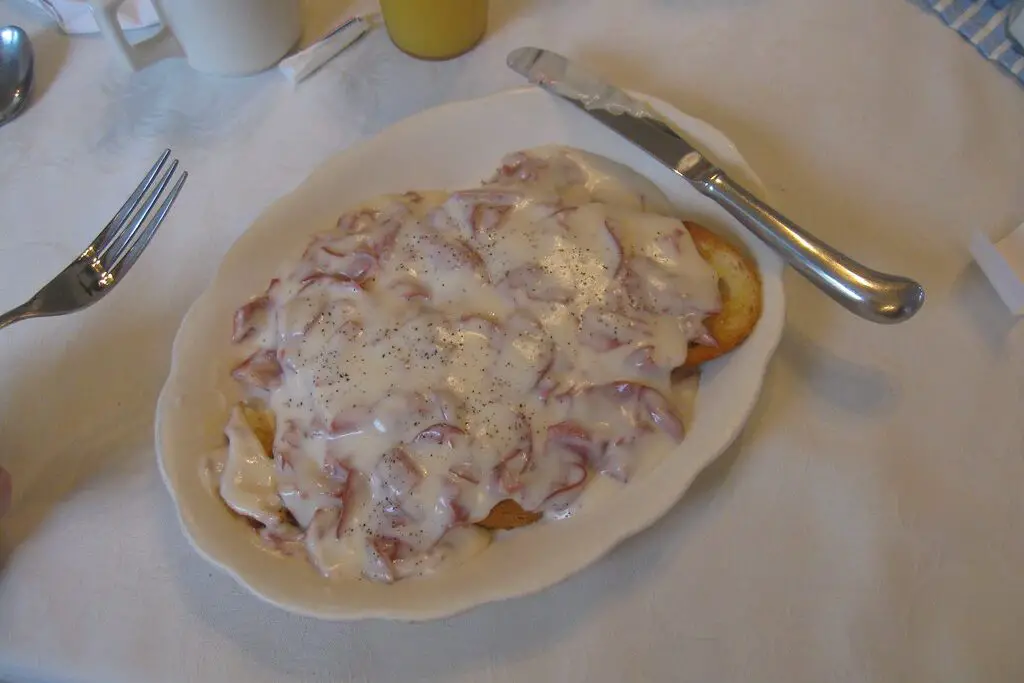
Often nicknamed with less polite language, creamed chipped beef had a reputation that worked against it. The pale gravy and salty meat could look unappealing to newcomers. Serving it felt risky if guests were unfamiliar with the dish. It carried strong associations with military meals and budget cooking.
For those who grew up with it, the dish remains deeply comforting. Many people still crave it for breakfast or simple dinners. It has become one of those foods you either love or avoid entirely. The embarrassment factor has mostly faded into nostalgia. It now lives comfortably in the category of old-school comfort food.
12. Canned Meatloaf
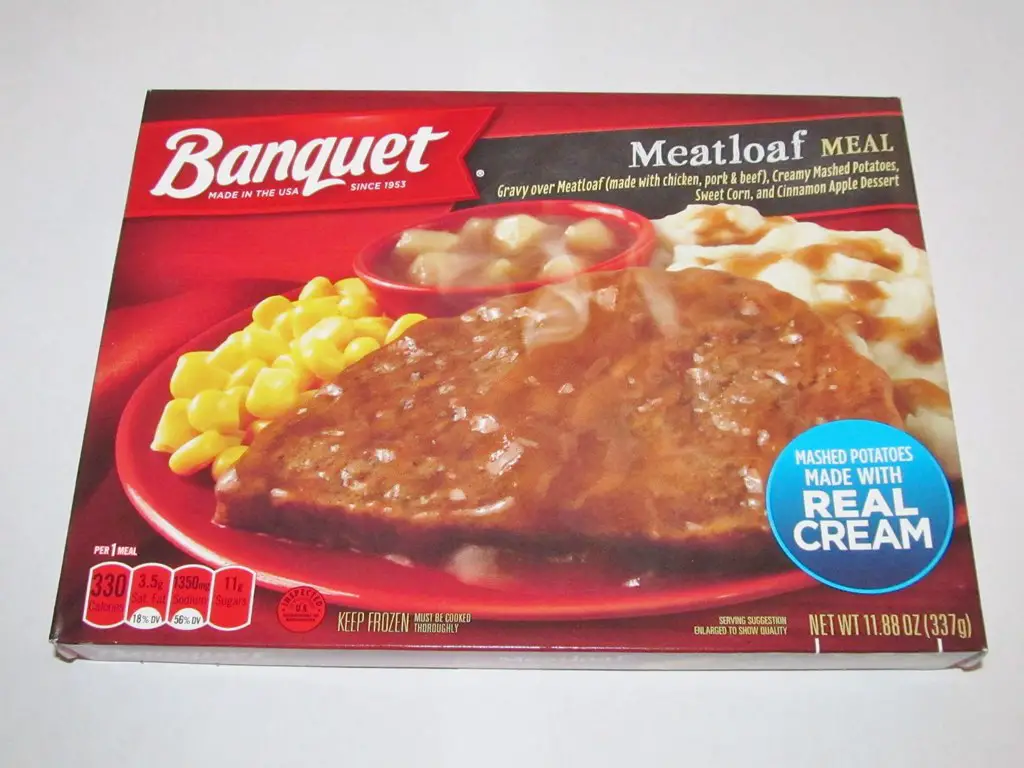
Canned meatloaf took the questionable reputation of regular meatloaf and intensified it. The idea of slicing meatloaf straight from a can was enough to make some people cringe. Serving it could feel like crossing an unspoken social line. Even people who liked meatloaf often avoided the canned version in public.
Today, canned novelty foods have become a curiosity rather than a source of shame. Some people buy them just to try once for fun or nostalgia. While it is still unlikely to appear at a dinner party, the reaction is more amused than judgmental. It represents a strange moment in food history. The embarrassment has turned into curiosity.
13. Boiled Cabbage

Boiled cabbage had a reputation for filling homes with a powerful smell. The texture could become soft and sulfurous if overcooked. Serving it often felt like inviting complaints before anyone even sat down. It was associated with frugality rather than culinary excitement.
Cabbage has since been redeemed through roasting, fermenting, and creative seasoning. People now appreciate its versatility and health benefits. While plain boiled cabbage may still not win many fans, it no longer feels embarrassing in principle. The ingredient itself has earned new respect. It just needed better preparation.
14. Tuna Casserole
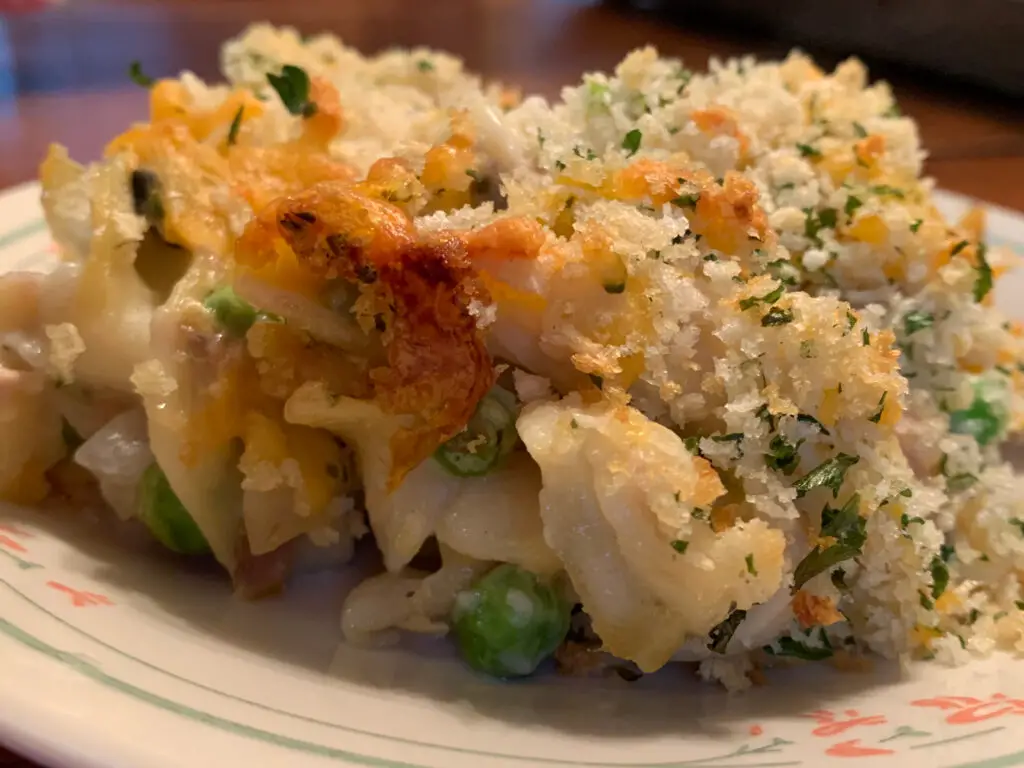
Tuna casserole was a staple in many households, but it often came with mixed feelings. The combination of canned tuna, condensed soup, and noodles could feel repetitive and uninspired. Serving it to guests might feel like admitting you relied on pantry staples rather than fresh cooking. The smell alone could divide opinions at the table.
Today, tuna casserole is remembered with a mix of nostalgia and humor. Some people still genuinely love it and keep their family recipes alive. Others see it as a symbol of simpler, budget-friendly times. It no longer feels embarrassing so much as charmingly old-fashioned. The dish has become part of collective food memory rather than a source of shame.
15. Canned Corned Beef
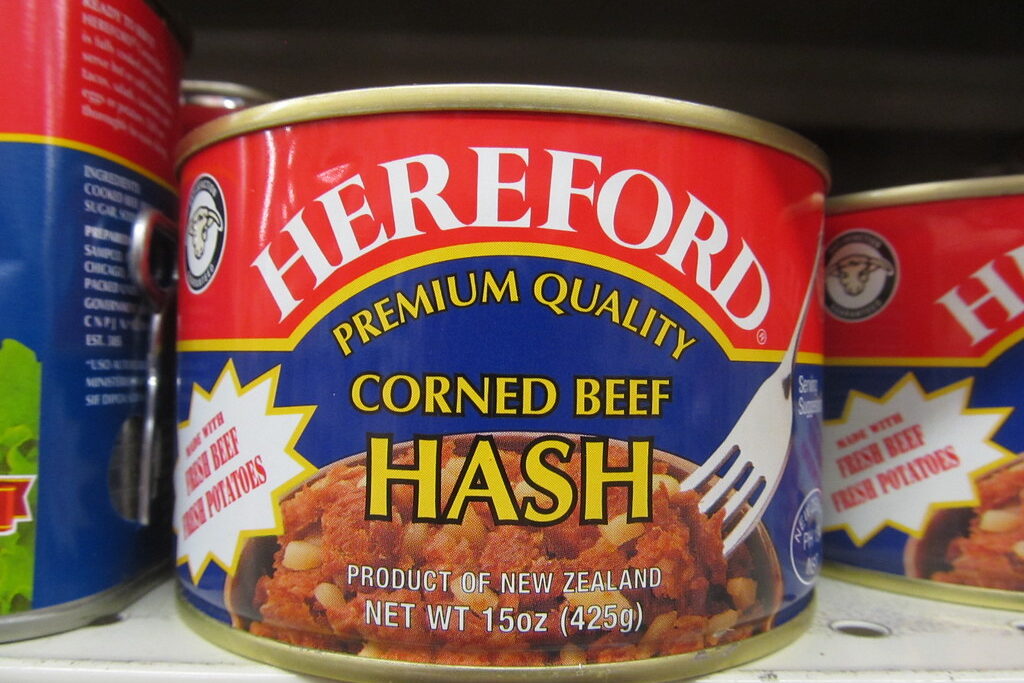
Canned corned beef had a strong smell and an even stronger reputation. Once the key was turned and the meat slid out in one solid block, there was no hiding what dinner was going to be. The gelatinous coating and compact shape made it look more like survival food than something you proudly plated. Serving it to guests could feel awkward, especially if you were trying to make a good impression. Many families treated it as a backup protein rather than a planned meal.
Over time, people have rediscovered it in dishes like hash and fried rice, where texture and seasoning transform it completely. Nostalgia plays a big role for anyone who grew up eating it regularly. It has become more accepted as a pantry staple with practical uses. While it still may not headline a dinner party, it no longer carries the same embarrassment factor. It feels more like a humble ingredient than a social misstep.
16. Microwaved Mug Cakes

Mug cakes exploded in popularity for their convenience, but serving one to someone else felt slightly awkward. The uneven texture and sometimes rubbery edges made them look more like a science experiment than dessert. Offering a guest a cake made in a coffee mug could feel a little apologetic. It signaled speed over presentation and polish.
Now, mug desserts are embraced as a fun, low-effort treat rather than something to hide. People enjoy experimenting with flavors and quick fixes for sweet cravings. They fit neatly into modern life where shortcuts are normal. The embarrassment has shifted into practicality and playful creativity. It is more about enjoyment than perfection.
17. Frozen Fish Sticks
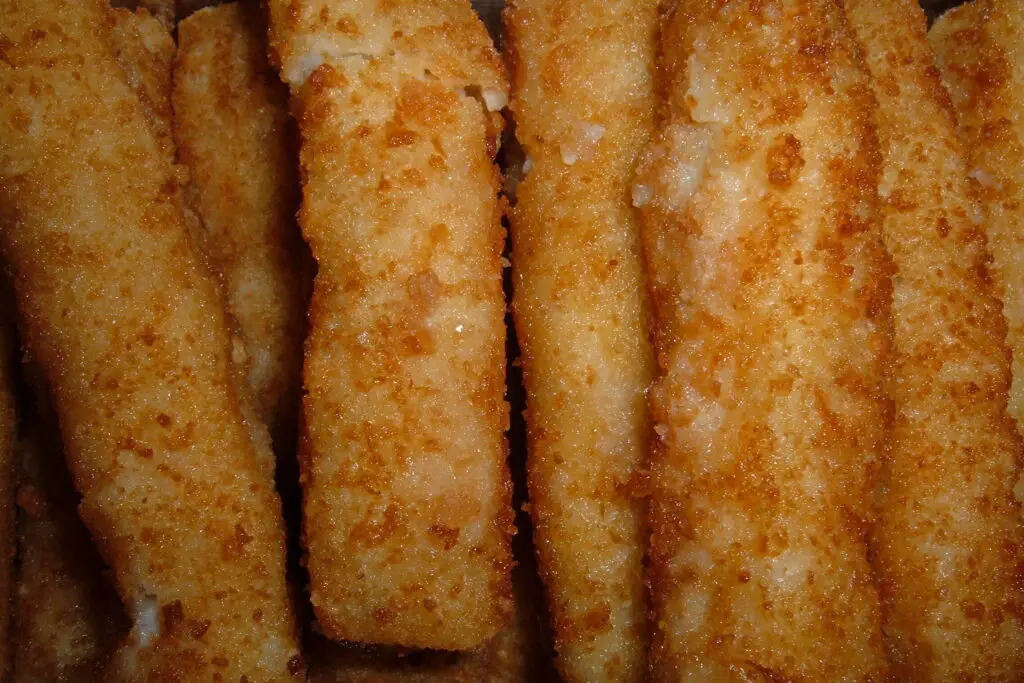
Fish sticks were once associated almost exclusively with kids’ dinners and cafeteria trays. Serving them to adults could feel like you had run out of real dinner ideas. The uniform breaded rectangles did not exactly suggest culinary effort. Some people worried guests would judge the lack of freshness or sophistication.
Today, frozen seafood is more widely accepted for its convenience and affordability. Air fryers and better-quality brands have improved texture and flavor significantly. Fish sticks can now appear in wraps, tacos, and creative meals without apology. They feel practical rather than embarrassing. Nostalgia and convenience have softened their reputation.
18. Powdered Gravy Mix
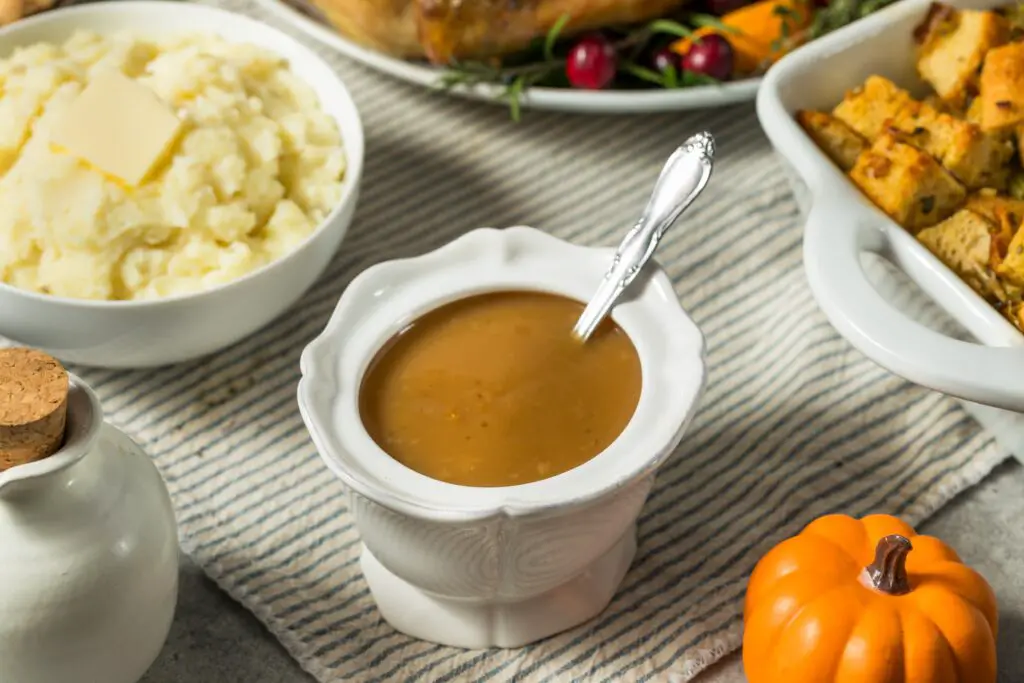
Powdered gravy mix once carried a quiet sense of shame in kitchens that prized homemade sauces. Admitting your gravy came from a packet could feel like revealing a shortcut you were supposed to keep secret. The flavor could sometimes taste overly salty or artificial, making hosts nervous about serving it. It was often hidden behind the stove before guests arrived.
These days, people openly embrace mixes when time is tight. Many home cooks use them as a base and customize with spices or pan drippings. Convenience cooking has become socially acceptable rather than something to apologize for. Powdered gravy now feels like a tool instead of a flaw. The embarrassment has largely disappeared.