
1. Liver and Onions
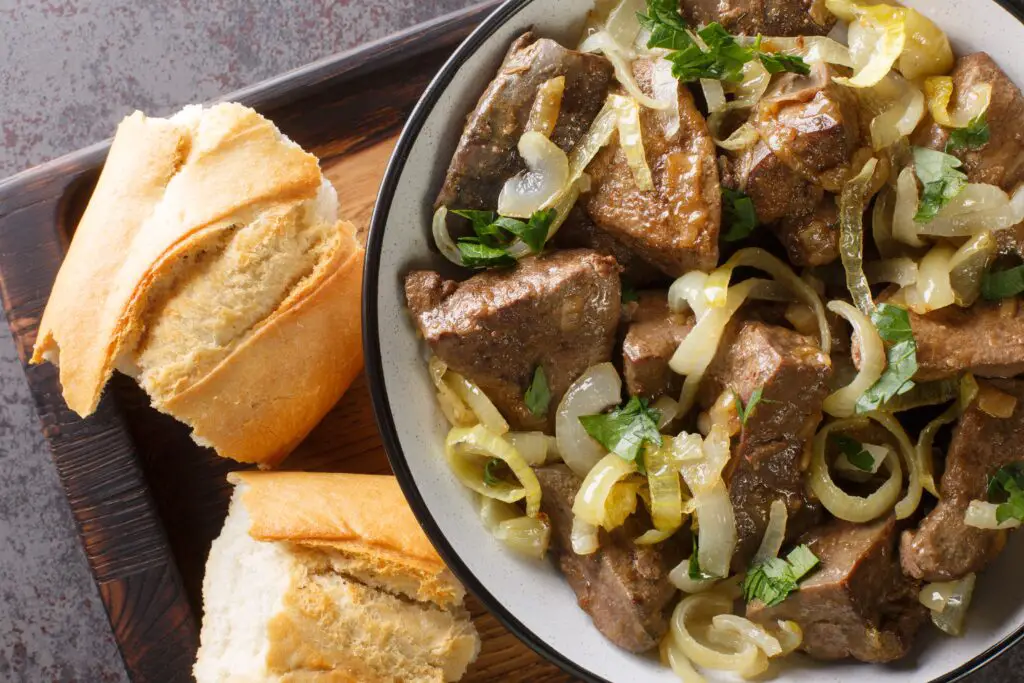
There was a time when putting liver and onions on the table felt like admitting you were scraping the bottom of the grocery budget. The smell alone could fill the house and instantly divide the family into brave eaters and people suddenly “not hungry.” Kids dreaded it, and many adults quietly apologized when serving it to guests. It was often associated with frugality rather than pleasure, even though it had been a staple for generations. Some people tried drowning it in gravy just to make it more socially acceptable. If company was coming over, this dish was usually the first thing crossed off the menu. Serving it felt like announcing you hadn’t upgraded your cooking since the ’50s.
Ironically, liver and onions has made a small comeback among adventurous cooks who appreciate its old-school roots. Chefs now talk about nose-to-tail eating and respecting the whole animal, which gives the dish a new sense of purpose. When prepared well, it can actually be tender and flavorful instead of tough and metallic. A nicely caramelized onion and good seasoning can transform it completely. Still, plenty of people carry childhood trauma from those grayish slabs on their plates. It remains one of those foods people joke about loving, but rarely serve to impress.
2. Spam Casserole
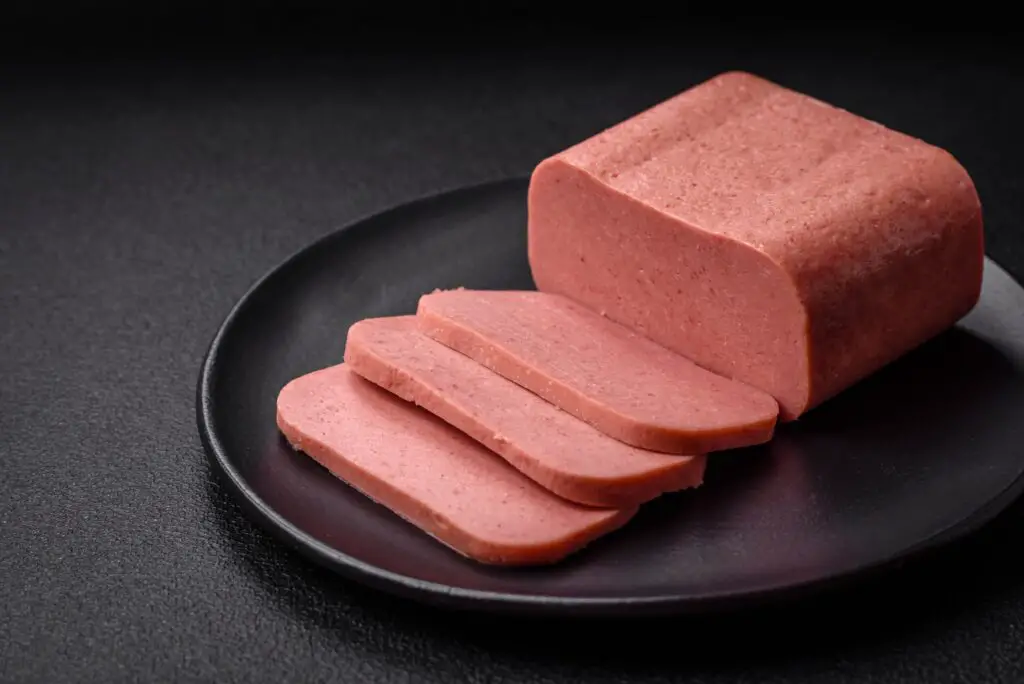
Spam had a reputation for being something you quietly relied on, not something you proudly served to company. It screamed pantry survival food, especially during tight times or long winters. Many families used it in casseroles or skillet meals and hoped no one asked too many questions about the main ingredient. The pink, gelatinous appearance didn’t exactly inspire confidence at the dinner table. If guests were coming over, Spam was often hidden behind layers of cheese and potatoes. Even then, some hosts felt the need to apologize before anyone took a bite.
Over time, Spam has developed a cult following, especially in places like Hawaii where it’s celebrated rather than whispered about. Modern cooks have found ways to crisp it, glaze it, and elevate it beyond its canned reputation. It can actually deliver a satisfying salty crunch when handled properly. Younger generations often see it as kitschy or nostalgic rather than embarrassing. Still, for many people, the memory of quietly sliding a Spam casserole onto the table lingers. It remains a food that carries a lot of emotional baggage along with its sodium content.
3. Jell-O Salad
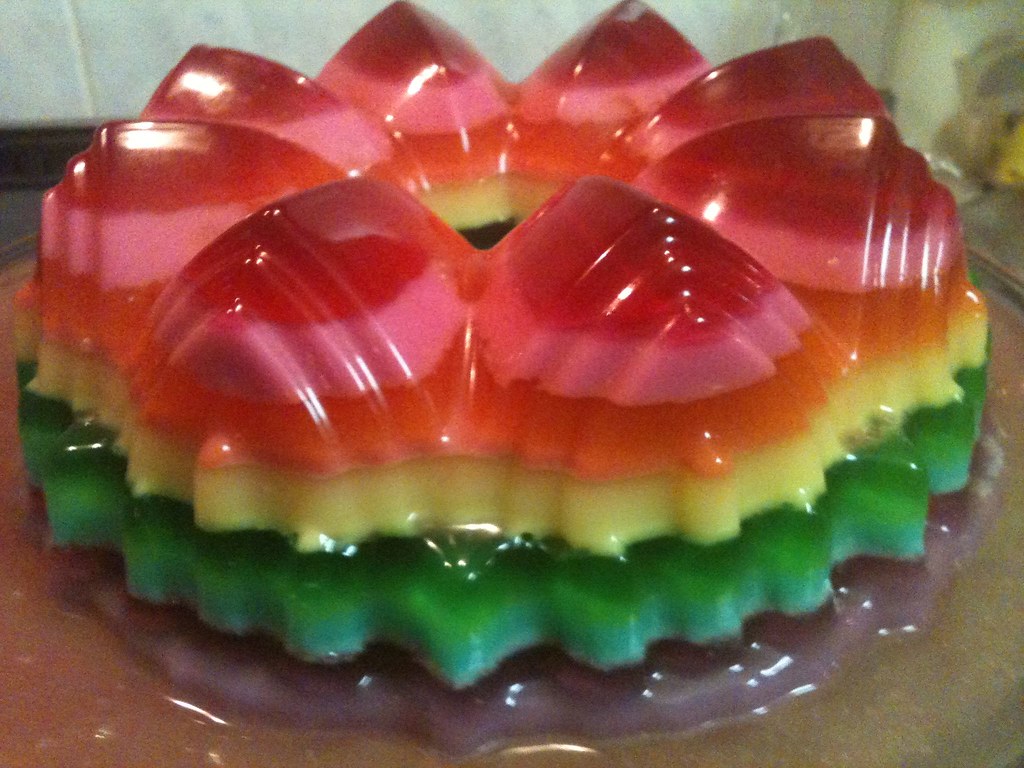
Jell-O salad was once a proud centerpiece at potlucks, but eventually it became something people served with a hint of self-consciousness. Mixing fruit, marshmallows, or even vegetables into gelatin felt festive at one point, then suddenly outdated. By the time food trends shifted toward fresher, simpler dishes, this wiggly creation felt like a relic. Some hosts worried guests would politely poke at it rather than actually eat it. It became associated with church basements and old family recipe cards rather than modern entertaining. Serving it could feel like admitting you hadn’t updated your menu since the ’70s.
Today, Jell-O salad lives mostly in nostalgia and humor, often shared in retro cookbooks and social media throwbacks. People laugh at the strange combinations that once passed for sophistication. A few dedicated fans still genuinely enjoy the sweet, fluffy texture and comforting familiarity. It’s one of those dishes that sparks stories rather than appetite first. While it’s rarely served at trendy dinner parties, it still has a loyal audience at holidays and reunions. Embarrassing or not, it remains part of many families’ culinary DNA.
4. Tuna Noodle Casserole
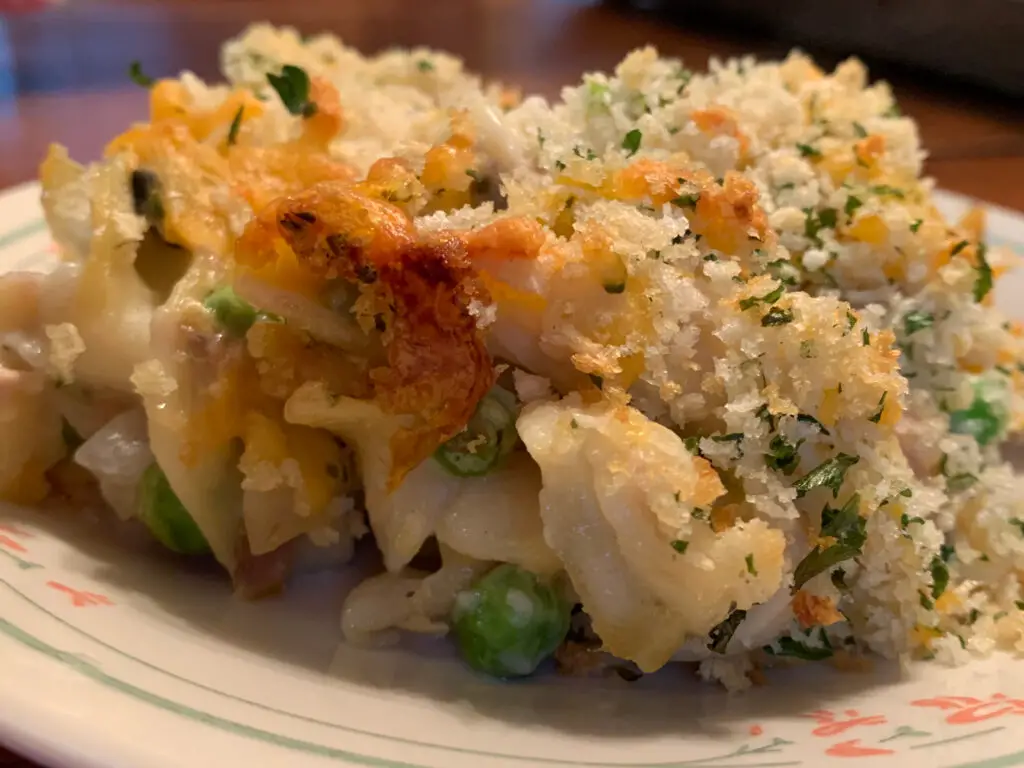
Tuna noodle casserole carried a quiet stigma of being a “budget dinner” rather than a dinner you bragged about. The smell of canned tuna warming in the oven was unmistakable and not always welcomed. Kids often groaned when they saw it bubbling under a layer of crushed crackers or chips. Parents served it because it was easy, filling, and affordable, not because it impressed anyone. If unexpected guests showed up, hosts might suddenly feel awkward about what was on the table. It became shorthand for practical cooking rather than exciting cooking.
Yet many adults later develop a soft spot for this humble dish because it reminds them of home. There’s something comforting about the creamy noodles and familiar flavors. Some cooks now reinvent it with fresh herbs, real cheese, and better-quality tuna. Those upgrades help shed some of its embarrassment factor. Still, the original version remains deeply tied to childhood memories and hand-me-down recipes. It’s one of those meals people secretly love but rarely show off.
5. Hot Dog Casserole

Hot dogs were often seen as lunch food or cookout food, not something worthy of a dinner table with guests. When sliced into casseroles or baked dishes, they sometimes felt like a culinary shortcut people preferred to keep quiet. Parents loved how inexpensive and kid-friendly they were, but adults didn’t always feel proud serving them. The bright pink rounds baked into pasta or potatoes could look more playful than appetizing. If someone dropped by unexpectedly, it could trigger a little embarrassment. Hot dog casserole became associated with busy nights rather than hosting.
These days, people are more open about comfort food and childhood favorites. Hot dogs show up in creative recipes, from gourmet franks to inventive bakes. The stigma has softened, replaced by a sense of fun and nostalgia. Some even lean into the kitsch and proudly serve retro-style casseroles. Still, many people remember the days when this dish felt like a quiet compromise rather than a celebration. It’s proof that food trends can shift emotional perceptions over time.
6. Creamed Chipped Beef on Toast
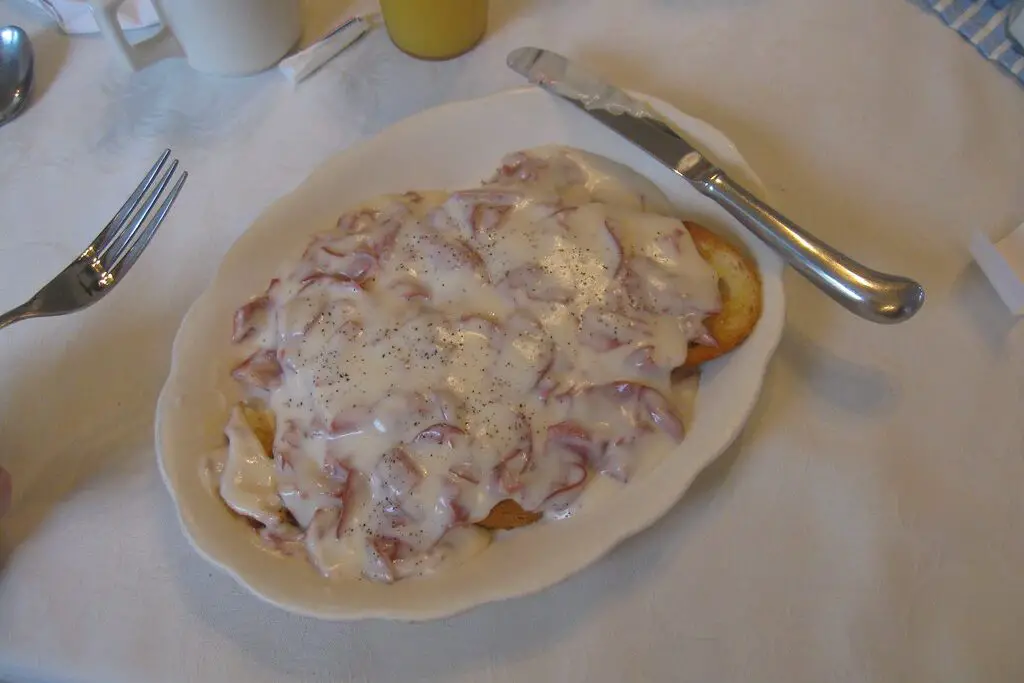
Often nicknamed in less polite ways, creamed chipped beef carried a reputation that made some families hesitant to serve it proudly. It was filling, salty, and undeniably cheap, which made it practical but not glamorous. The beige-on-beige appearance didn’t help its public image. Guests unfamiliar with it might raise an eyebrow at the sight and smell. Even people who enjoyed eating it sometimes joked about how unappealing it looked. It felt like a meal you explained defensively before anyone tasted it.
Despite the jokes, many people genuinely love the rich, comforting flavor. It’s deeply tied to military kitchens, diners, and homey breakfasts. When made well, it can be surprisingly satisfying and indulgent. Some modern cooks even elevate it with better cuts of beef and homemade sauces. The nostalgia factor now outweighs much of the embarrassment for longtime fans. Still, its reputation as an awkward-looking dish hasn’t completely disappeared.
7. Sardines on Crackers
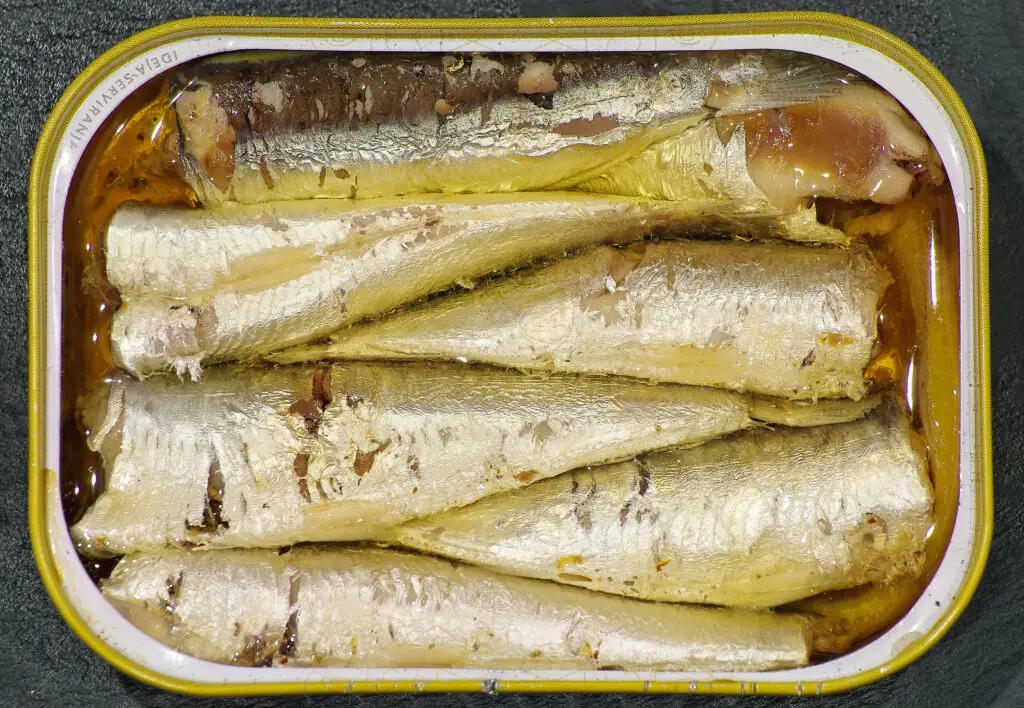
Sardines have always carried a strong reputation for smell and intensity, which made serving them socially tricky. Opening a tin could instantly announce itself to the entire room. Some people loved them, while others recoiled immediately. Bringing them out when company was over sometimes felt like taking a risk. Hosts might worry about lingering odors or judgmental reactions. Sardines became something people ate privately rather than shared proudly.
In recent years, sardines have gained new respect for being nutritious and sustainable. Food writers and chefs praise their flavor and versatility. Trendier presentations make them look more appealing than the old-school tin-on-the-table approach. Still, not everyone has warmed up to them. The smell alone remains a barrier for many households. They remain a love-it-or-hate-it food with lingering social awkwardness.
8. Bologna Sandwich Loaf
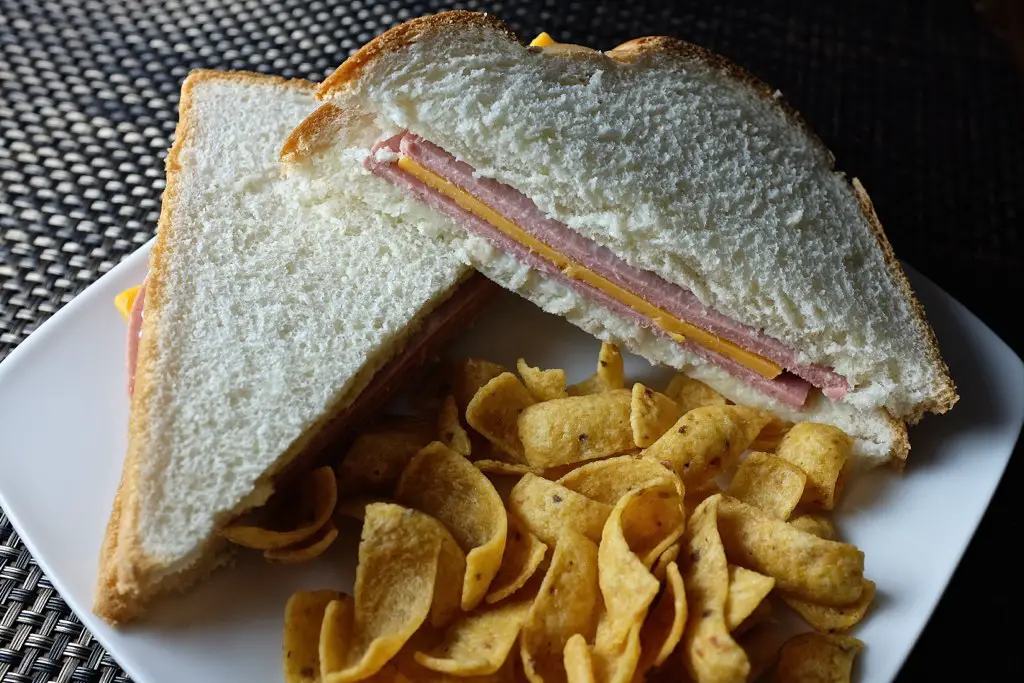
That molded loaf made of stacked bologna and cream cheese once showed up at potlucks and family gatherings. Over time, it became something people quietly laughed about rather than celebrated. The idea of cold cuts shaped into a loaf felt strange and overly processed. Guests sometimes hesitated before taking a slice, unsure what they were committing to. Serving it could feel like admitting you leaned heavily on novelty recipes. It wasn’t exactly the kind of dish that inspired culinary confidence.
Now, it mostly lives on in retro food photos and nostalgic storytelling. People remember it with a mix of humor and mild disbelief. Some families still make it as a quirky tradition or joke dish. The embarrassment factor has shifted into affectionate mockery rather than shame. It’s a reminder of how presentation trends can dramatically change perceptions. Few people would bring it to a modern dinner party, but many smile when remembering it.
9. Cottage Cheese with Canned Fruit
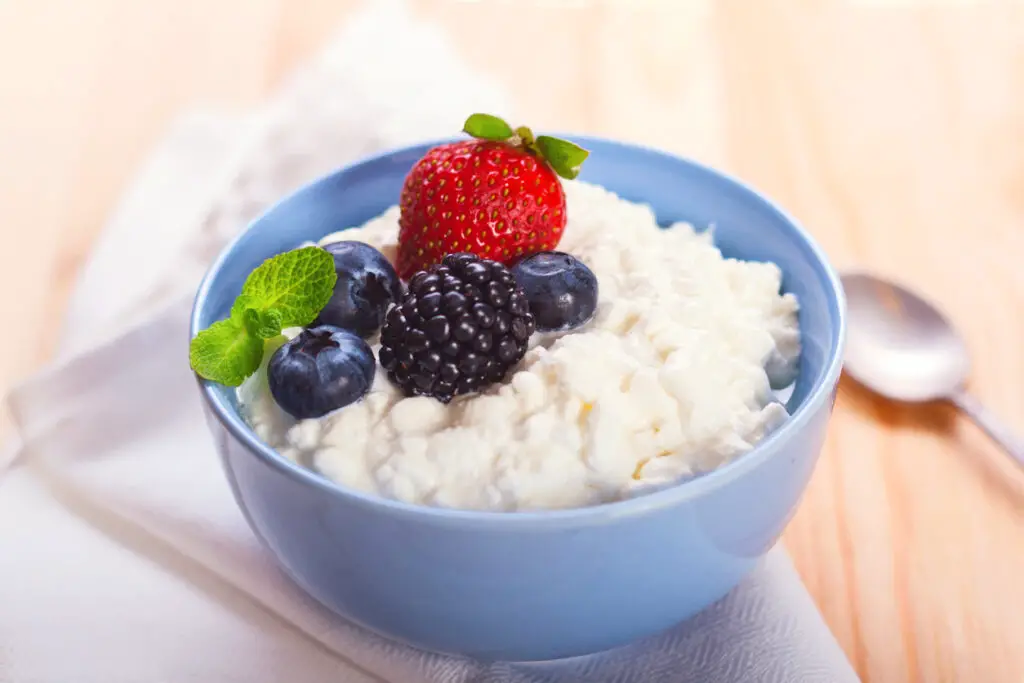
This combination once signaled dieting, budget eating, or quick lunches rather than entertaining. The mix of curds and syrupy fruit wasn’t universally appealing in texture or appearance. Serving it to guests could feel a little awkward, especially if it was meant to pass as a dessert or side dish. Some people loved the sweet-salty contrast, while others found it unsettling. It became associated with health fads and cafeteria trays. Hosts often felt it lacked the polish of more traditional offerings.
Today, cottage cheese has regained popularity thanks to protein-focused diets and creative recipes. People blend it into smoothies, spreads, and baked dishes. The old canned fruit pairing still feels dated to many, though. It carries strong visual memories of the past. While not truly embarrassing anymore, it still feels like a throwback choice. It’s a food combination that instantly places you in a specific era.
10. Powdered Mashed Potatoes
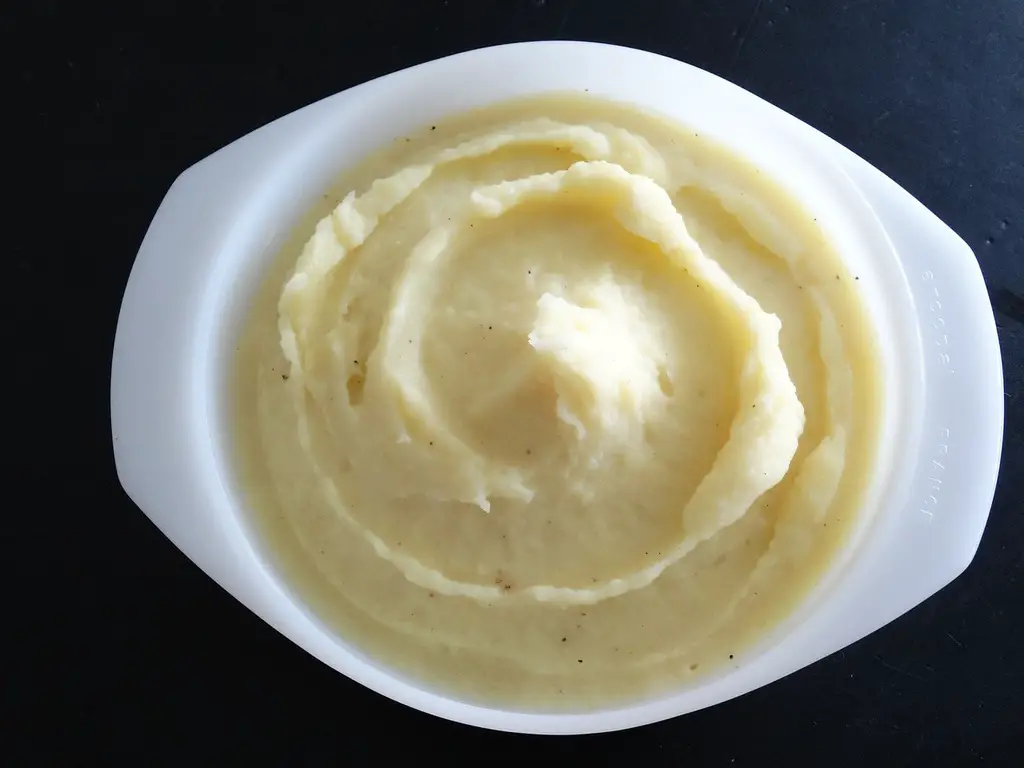
Instant mashed potatoes were convenient but rarely something people bragged about serving. The flakes dissolved into a soft mound that lacked the texture of real potatoes. Many families relied on them during busy nights or tight budgets. Serving them to guests could trigger quiet apologies or explanations. The taste was acceptable, but the idea of powdered potatoes felt a little artificial. It became associated with shortcuts rather than hospitality.
Some people still keep a box in the pantry for emergencies or quick meals. There’s a certain nostalgia attached to their unmistakable flavor. Modern cooks often upgrade them with butter, milk, and seasonings to make them more appealing. Even so, most hosts prefer fresh mashed potatoes when company is coming. The stigma hasn’t fully vanished. It remains a symbol of convenience over craftsmanship.
11. Canned Meatloaf
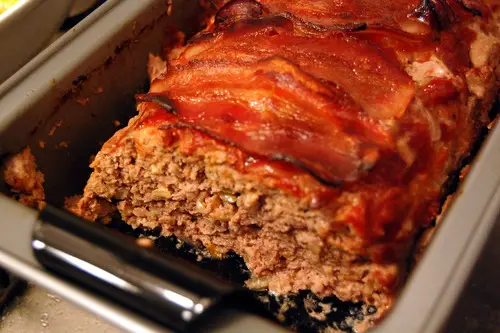
Meatloaf itself can be comforting, but the canned version took that idea into questionable territory. The gelatin-coated loaf sliding out of a can wasn’t exactly appetizing to watch. Families sometimes relied on it during busy or lean times. Serving it openly could feel slightly embarrassing, especially if guests noticed the packaging. The texture and appearance often sparked skepticism before the first bite. It became another food people used quietly rather than proudly.
Canned meatloaf now mostly shows up in novelty discussions and survival food conversations. Some people genuinely enjoy it for its salty, nostalgic flavor. Others treat it as a curiosity rather than a meal. The idea of shelf-stable meatloaf still feels odd to many modern cooks. Fresh, homemade versions have long since taken back the spotlight. The canned variety remains more of a memory than a menu staple.
12. TV Dinners

Frozen TV dinners were convenient and comforting, but serving them to guests felt like a social faux pas. They were associated with solo meals on folding trays rather than shared family tables. The divided compartments and foil packaging emphasized convenience over care. Hosts might feel awkward admitting dinner came from the freezer aisle. Even when tasty, they carried a stigma of laziness or lack of effort. People often reserved them for nights when no one was watching.
Today, frozen meals have improved dramatically in quality and variety. Some brands now rival restaurant dishes in flavor and presentation. Still, the old-school image of mushy peas and mystery meat lingers in cultural memory. TV dinners remain tied to a certain era of convenience culture. Serving one to company would still raise a few eyebrows. Their reputation is slowly evolving, but the embarrassment factor hasn’t entirely disappeared.
13. Potted Meat Spread

Potted meat spread was one of those pantry staples people relied on quietly rather than proudly. The small cans and mystery-meat label didn’t inspire confidence, especially when guests were around. It often showed up on crackers as a quick snack or emergency lunch rather than something planned. The soft, paste-like texture could be off-putting to anyone unfamiliar with it. Many families treated it as a necessity food instead of a pleasure food. Serving it openly sometimes felt like admitting you hadn’t made it to the grocery store. Even fans tended to keep their appreciation a little discreet.
For some people, potted meat is pure nostalgia and comfort. It reminds them of simple childhood snacks and easy summer lunches. A few still swear by it as a salty, satisfying spread when nothing else is available. Food trends haven’t exactly brought it back into fashion, though. It remains firmly rooted in the realm of old-school convenience foods. While not truly hidden anymore, it still doesn’t get much public admiration. It’s one of those foods people defend quietly rather than celebrate loudly.
14. Canned Spaghetti
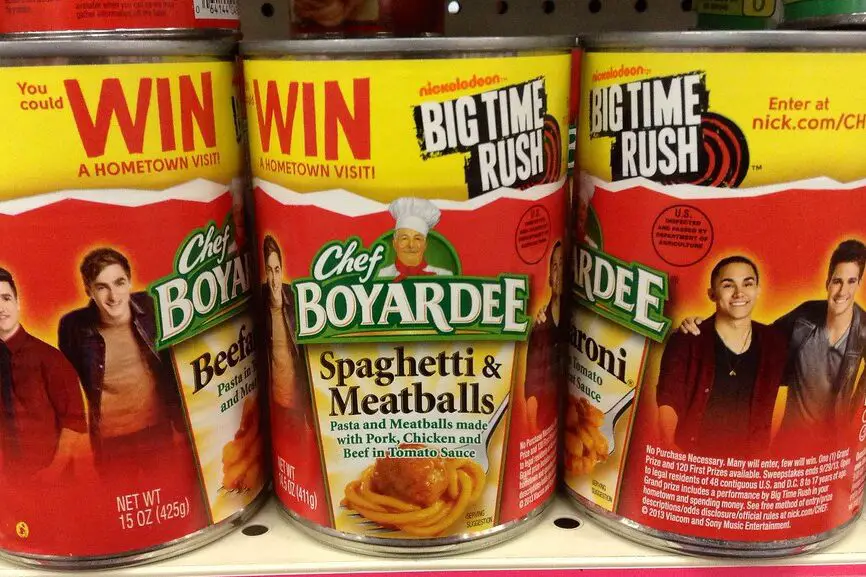
Canned spaghetti had a reputation for being more survival food than dinner party material. The soft noodles swimming in overly sweet sauce didn’t resemble homemade pasta in any meaningful way. Kids often loved it, but adults rarely felt proud serving it. If guests showed up unexpectedly, the cans usually stayed in the pantry. It became associated with rushed nights and minimal effort rather than hospitality. The metallic aftertaste sometimes didn’t help its image. Serving it could feel like a confession of exhaustion.
For many people, canned spaghetti still holds nostalgic appeal. It brings back memories of easy lunches and childhood independence. Some even crave it specifically because of its unique texture and flavor. Modern palates tend to expect fresher ingredients and better sauces, though. The canned version now feels like a time capsule from a different era of convenience. While it’s not completely gone, it rarely earns a spot on a guest menu. It lives comfortably in the category of guilty pleasures.
15. Deviled Ham Spread
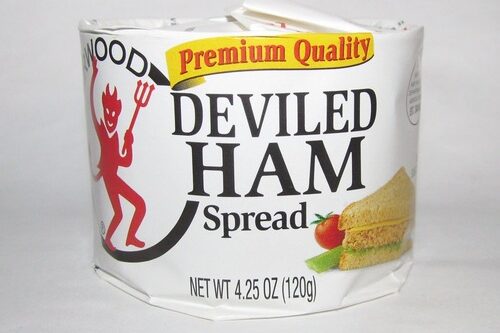
Deviled ham spread often landed in the same awkward category as other canned meat products. The salty, finely ground texture made some people uneasy before even tasting it. It was easy and inexpensive, which made it practical but not impressive. Hosts sometimes worried about how it looked when scooped onto crackers or bread. The strong smell could also announce its presence a little too boldly. It was something people enjoyed quietly rather than showcased proudly. Even fans sometimes joked about its questionable appearance.
Despite that, deviled ham has loyal followers who appreciate its bold flavor. It can make a quick sandwich or snack feel surprisingly satisfying. Some people grew up eating it regularly and associate it with comfort and simplicity. It has not experienced the same revival that some retro foods have enjoyed. The branding and presentation still feel dated to many shoppers. While it remains available, it rarely gets center-stage treatment. It continues to exist more as a niche favorite than a social food.
16. Powdered Milk
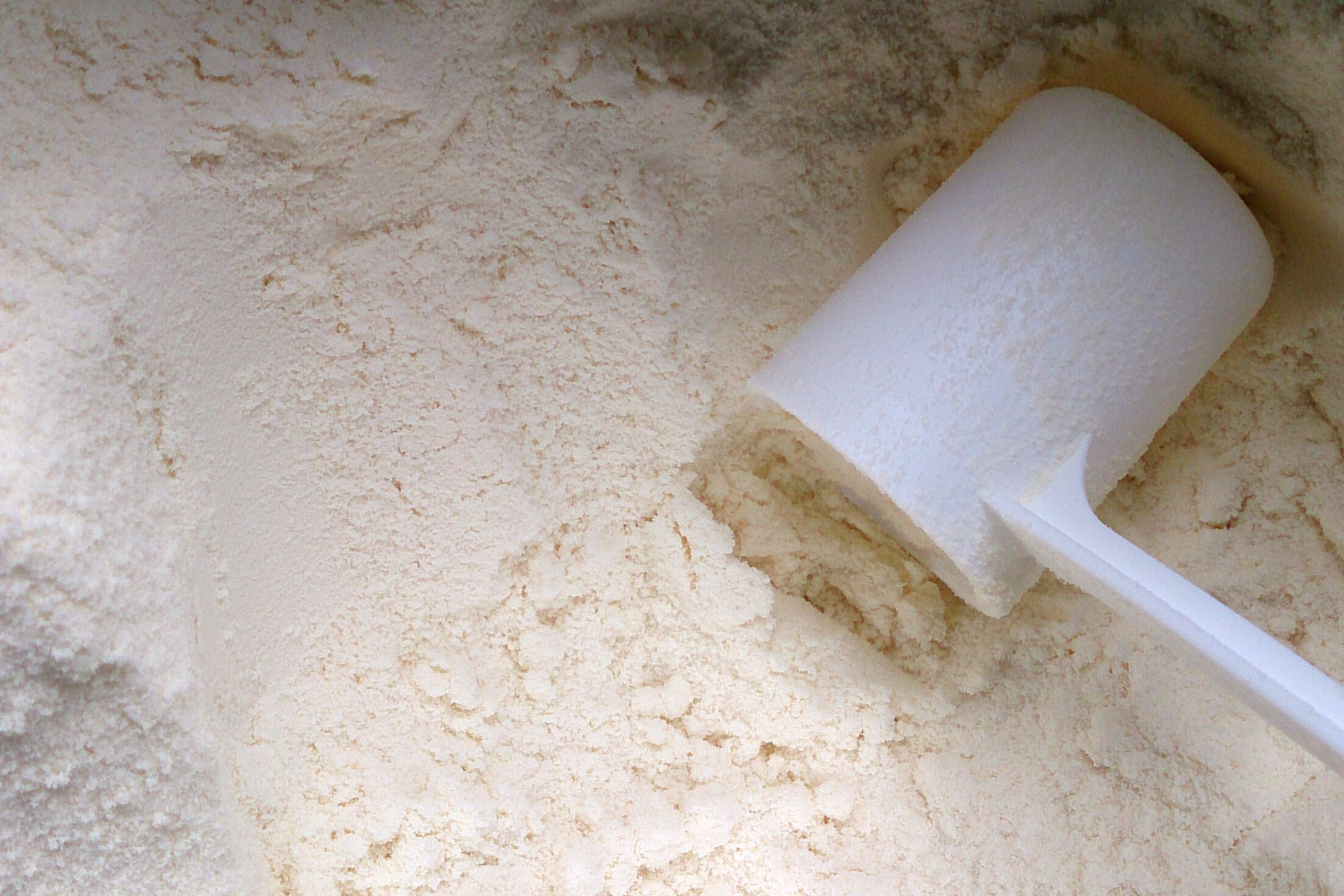
Powdered milk was often served out of necessity rather than choice, which gave it an awkward reputation. The slightly chalky taste and thin texture made it obvious it wasn’t fresh milk. Kids frequently complained about it, especially when poured over cereal. Serving it to guests could feel like admitting you were stretching the budget. Some families tried chilling it extra cold to make it more palatable. Even then, it was rarely anyone’s first choice. It became strongly associated with hard times or emergency storage.
Today, powdered milk is still used for camping, baking, and emergency preparedness. Some people appreciate its long shelf life and convenience. Modern versions are better than earlier formulas, but the reputation lingers. Most households prefer fresh milk whenever possible. Powdered milk remains a practical solution rather than a social one. It’s one of those foods people accept, not celebrate. The embarrassment factor has softened but hasn’t vanished entirely.
17. Vienna Sausages
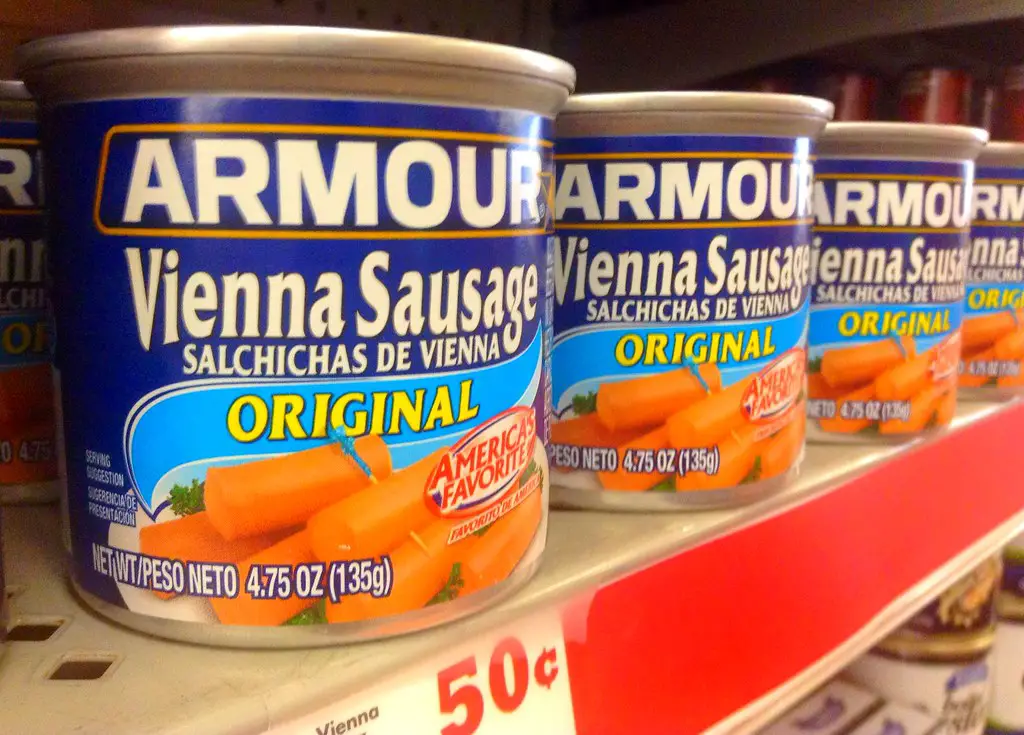
Vienna sausages were another canned meat item people often ate privately rather than served publicly. The soft texture and salty brine could be divisive. Opening the can sometimes released a smell that made people hesitate. They were inexpensive and shelf-stable, which made them convenient but not glamorous. Serving them to guests might feel slightly awkward or apologetic. Many people associated them with quick snacks rather than proper meals. The visual presentation didn’t exactly elevate their status.
At the same time, Vienna sausages have a devoted fan base that enjoys them straight from the can or on crackers. They’re often tied to childhood memories, road trips, and simple snacking. Some people genuinely crave their distinctive flavor. Food culture hasn’t fully embraced them the way it has some other retro snacks. They remain a bit of a guilty pleasure for many. While no longer shocking, they still carry a faint stigma of being “emergency food.”