
1. Buttered White Bread

Buttered white bread was perfectly fine for breakfast or a quick snack, but it rarely made it anywhere near guests. It was seen as too bare, too everyday, and a little embarrassing to serve outside the family. This was the kind of food eaten standing at the counter, not plated on a table. It carried the quiet message that nothing special was happening here.
For company, people wanted layers, toppings, or at least a second ingredient. Buttered bread felt unfinished, like you forgot to add something important. It also signaled frugality in a way hosts sometimes wanted to hide. Even if everyone loved it, it stayed firmly in the private category.
2. Plain Boiled Potatoes

Boiled potatoes without seasoning were a weekday staple in many homes. They were filling, cheap, and easy, which made them practical but not impressive. Serving them to guests felt like admitting you did not try very hard. A little butter or salt did not always save their reputation.
When company came over, potatoes were expected to be mashed, roasted, or dressed up somehow. Plain boiled ones looked pale and apologetic on the plate. They belonged to family dinners where no one was judging. Guests deserved something that looked like effort.
3. Cottage Cheese
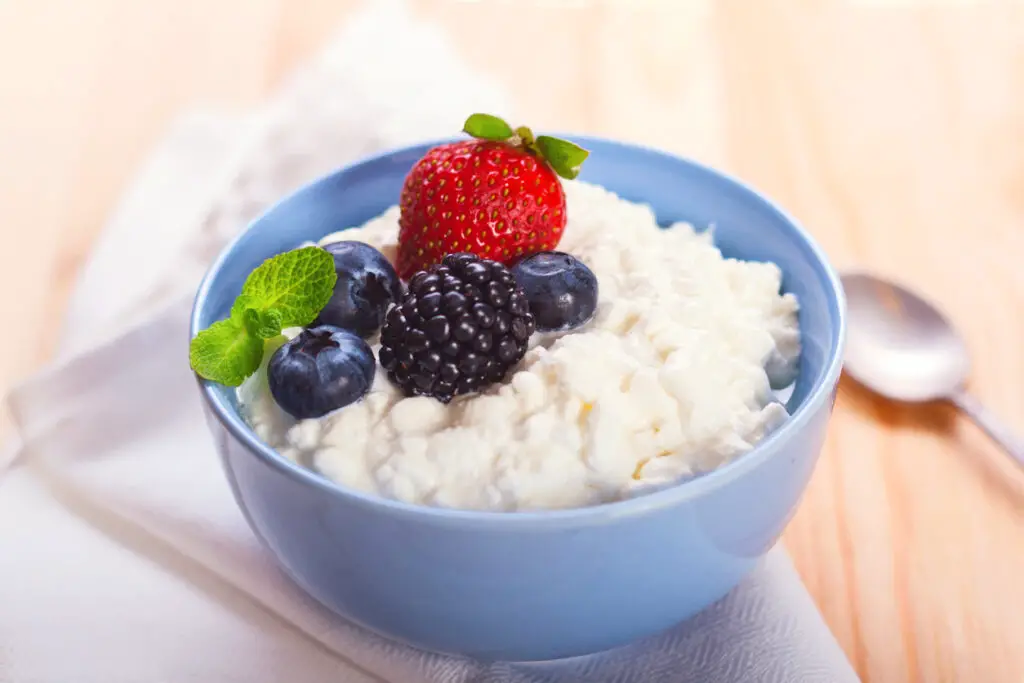
Cottage cheese lived in refrigerators as a quiet lunch option or late night snack. It was practical and protein-packed, but it lacked charm. Putting it out for guests felt awkward, like offering something half finished. It was never quite clear what to serve it with.
For company, hosts preferred dips, spreads, or anything that felt intentional. Cottage cheese had a reputation for being diet food or sick day food. It was fine for family members who already knew your habits. Guests might wonder if this was really the plan.
4. Plain Rice
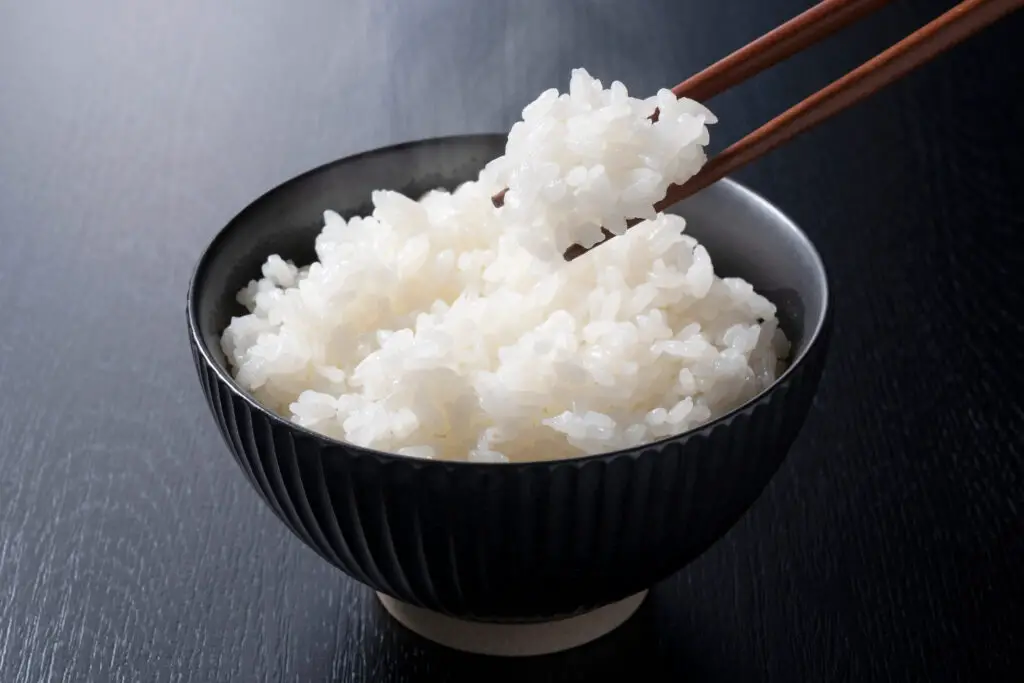
Plain white rice showed up constantly at home, especially as a base for leftovers. On its own, though, it was considered too neutral to impress anyone. A bowl of rice without sauce or seasoning looked more like a placeholder than a dish. It felt incomplete in a social setting.
When guests were around, rice needed soy sauce, gravy, or something colorful mixed in. Plain rice suggested the meal was still in progress. It was comfort food for the household, not a statement. No one wanted guests thinking this was all there was.
5. Fried Eggs
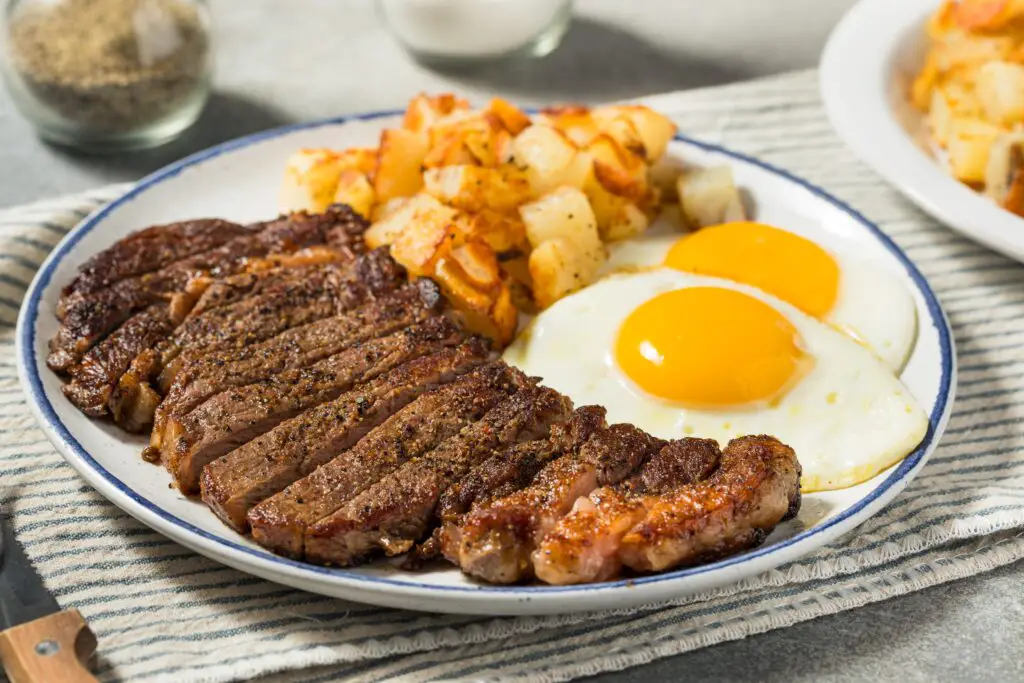
Fried eggs were beloved, but they were also deeply personal. Everyone had strong opinions about doneness, which made them risky for company. Serving eggs to guests felt too intimate, like guessing someone’s coffee order without asking. It was safer to avoid them altogether.
At home, eggs were quick and satisfying. For company, they felt too casual and unpredictable. A guest with a runny yolk phobia could be silently horrified. Eggs stayed in the family breakfast category for a reason.
6. Saltine Crackers
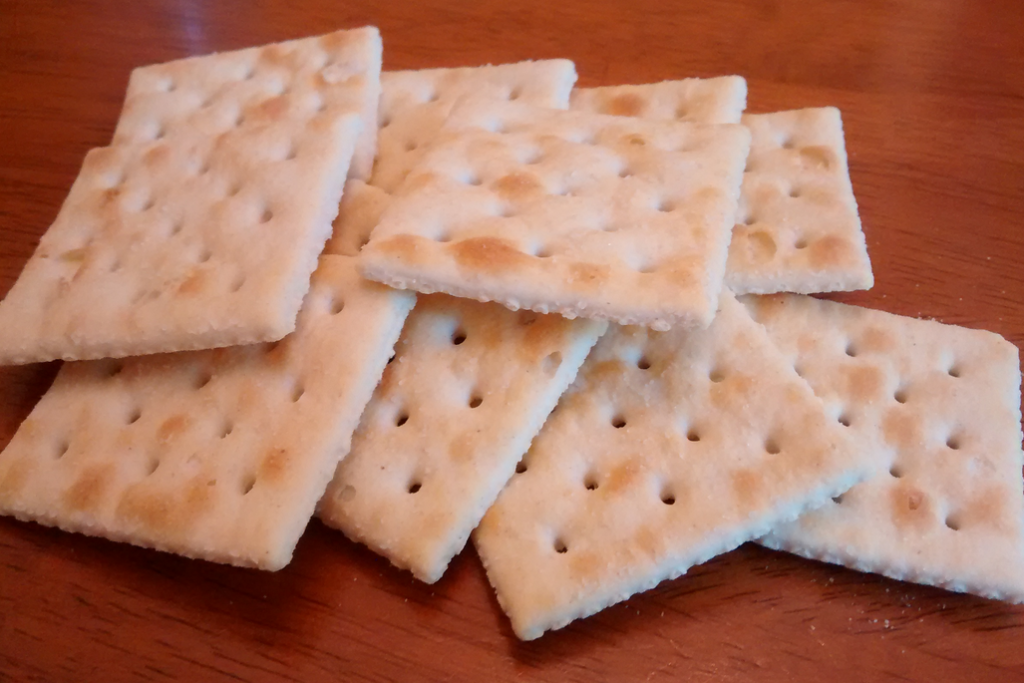
Saltines were the ultimate background food. They were there when nothing else sounded good or when someone had an upset stomach. Offering them to guests felt like offering survival rations. They had no flair and made no promises.
For company, crackers needed flavor, herbs, or at least a brand name that sounded fancy. Saltines suggested you had not planned ahead. They were meant to be eaten quietly at home. Guests deserved something with personality.
7. Plain Applesauce

Applesauce was common in households with kids or anyone who wanted something gentle. It was sweet but subdued, and it rarely stole the spotlight. Serving it to guests felt strange, like offering baby food. It did not feel celebratory.
At home, applesauce was comforting and familiar. For company, it needed cinnamon, chunks, or a baked application. Plain applesauce felt like a side dish with nothing to say. It stayed safely in the fridge for family use.
8. Hot Dogs Without Toppings

A hot dog on its own was quick and filling, but it lacked dignity in social settings. Without mustard, relish, or onions, it felt bare. Serving plain hot dogs to guests looked rushed. It suggested you were feeding people, not hosting them.
At home, plain hot dogs were normal, especially for kids. For company, toppings were the minimum requirement. A naked hot dog sent the wrong message. It stayed a private convenience.
9. White Rice with Milk

Rice with milk was a quiet comfort food that felt almost secretive. It was simple, warm, and filling, but not exactly glamorous. Serving it to guests felt too revealing, like sharing a childhood habit. It was deeply personal food.
For company, desserts needed structure and names. Rice with milk did not explain itself. It belonged to evenings when no one was watching. Guests might not know what to make of it.
10. Plain Pasta with Butter
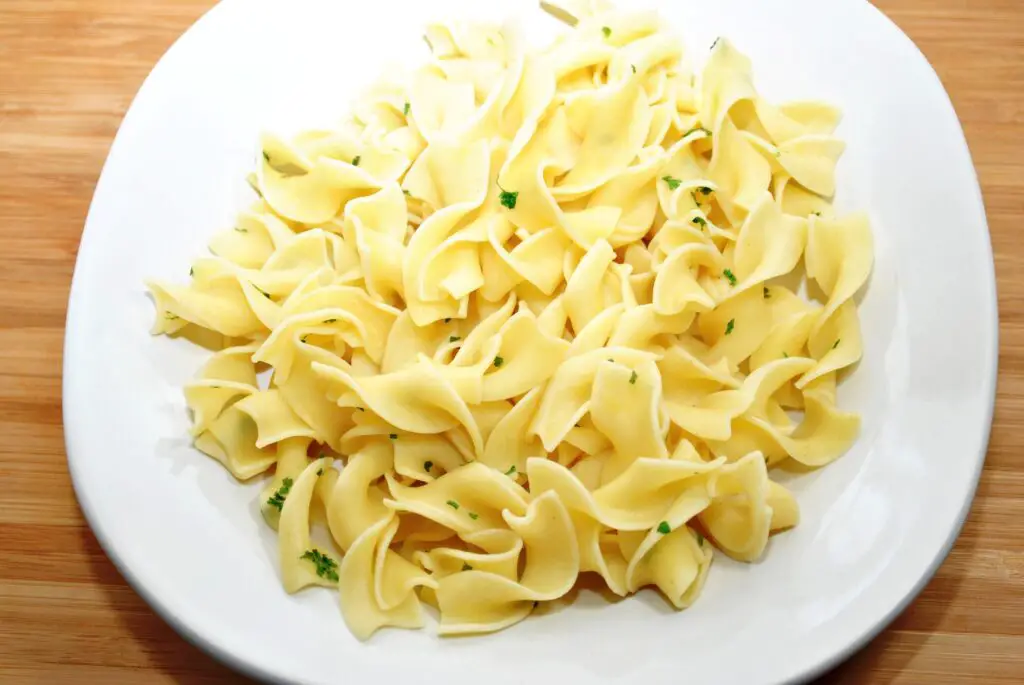
Butter noodles were beloved by kids and tired adults alike. They were simple, soothing, and reliable. But they also screamed minimal effort. Serving them to guests felt like admitting defeat.
For company, pasta needed sauce, herbs, or cheese. Butter alone felt too quiet. It was a dish for nights when the house was closed to outsiders. Guests expected something that looked finished.
11. Baked Potatoes Without Toppings
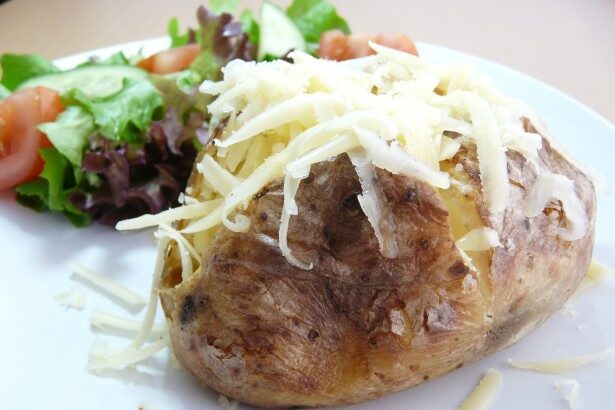
A baked potato without toppings looked lonely on a plate. At home, it was fine to eat it as is. For guests, it felt incomplete. No one wanted to present something that looked forgotten.
Company potatoes needed butter, sour cream, or at least chives. Plain ones suggested you ran out of ideas. They were filling but not festive. That made them a family-only option.
12. Plain Oatmeal
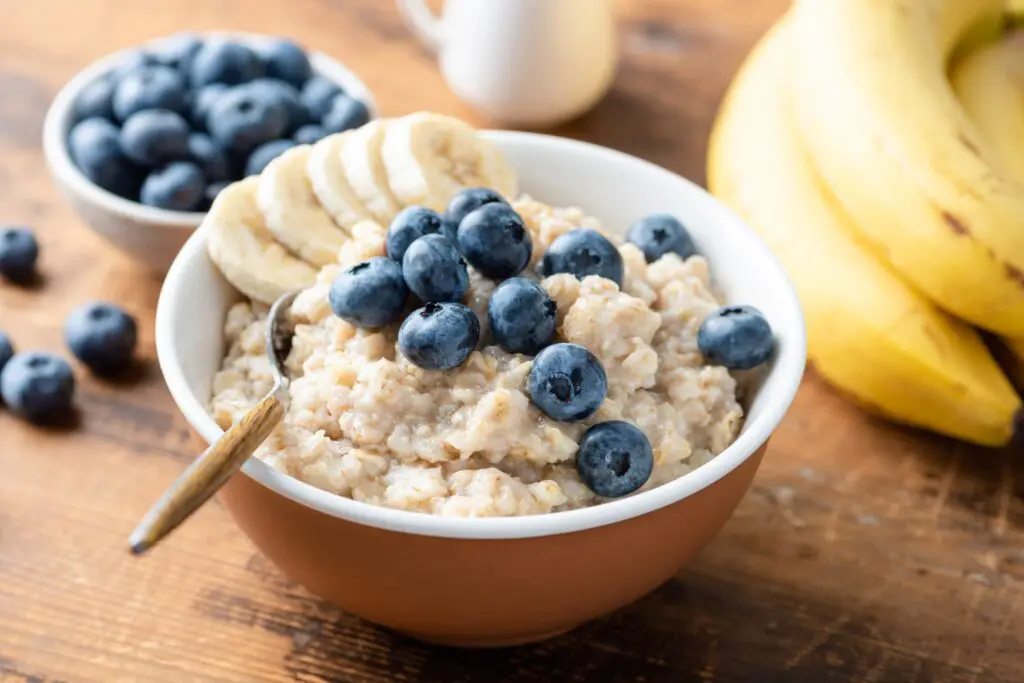
Oatmeal was a workhorse breakfast, not a social dish. It was nutritious and dependable, but also bland. Serving it to guests felt too practical. It lacked any sense of occasion.
For company, oatmeal needed brown sugar, fruit, or nuts. Plain oatmeal felt like a health lecture. It belonged to quiet mornings at home. Guests were not there for discipline.
13. Cheese Slices

Single slices of cheese were fine for sandwiches and quick snacks. Putting them out alone for guests felt underwhelming. They looked unfinished without crackers or bread. It did not feel like hospitality.
For company, cheese needed arrangement and variety. A lone slice felt like an afterthought. At home, it was perfectly acceptable. Guests expected a little more ceremony.
14. Leftover Meatloaf
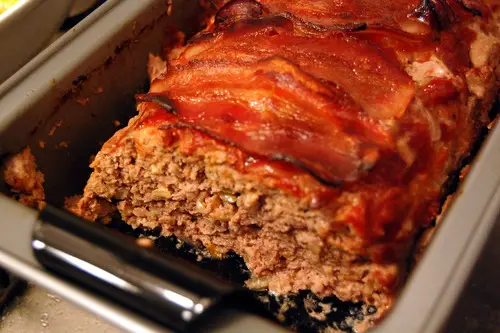
Meatloaf was a classic family dinner, especially as leftovers. Serving it to guests felt risky, like sharing yesterday’s mood. It was hearty but not elegant. People worried it sent the wrong message.
At home, leftover meatloaf was comfort food. For company, it needed reinvention or replacement. Guests were not supposed to see the repeat meals. Some foods were meant to stay behind closed doors.