
1. Cincinnati Chili (Ohio)
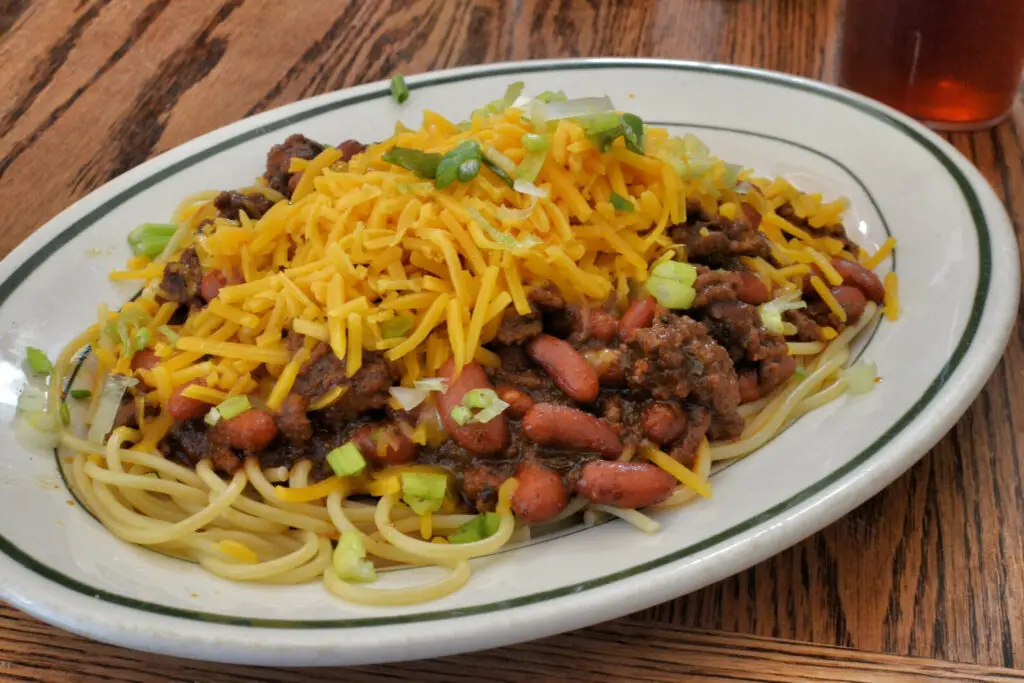
If you didn’t grow up around Cincinnati, the first time you see chili poured over spaghetti can feel a little confusing. Cincinnati chili was developed by Macedonian immigrants in the 1920s and is known for its thin consistency and warm spices like cinnamon and allspice. It’s typically ordered in “ways,” like a three-way with chili, spaghetti, and cheese, or a five-way that adds onions and beans. Locals treat it almost like fast food comfort, with chains like Skyline and Gold Star defining the style. It’s less about heat and more about a slightly sweet, spiced flavor profile. That alone makes it stand apart from Texas-style chili.
Outside Ohio and parts of Kentucky, it’s still surprisingly hard to find done authentically. People often try to recreate it, but the exact spice blend and texture are tricky to replicate. Visitors sometimes don’t know what to make of it at first, especially the idea of putting chili on pasta. But for locals, it’s deeply nostalgic and tied to late-night meals or quick lunches. It’s one of those foods that feels completely normal if you grew up with it and completely unusual if you didn’t.
2. Scrapple (Pennsylvania)
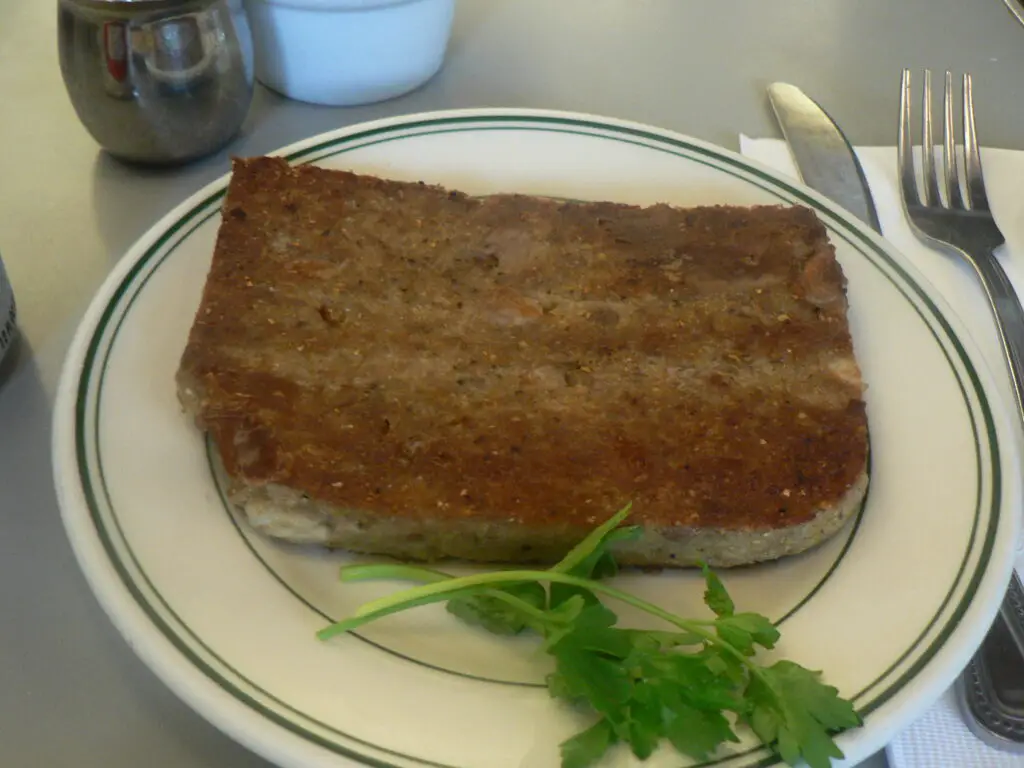
In parts of Pennsylvania, scrapple is a breakfast staple that shows up right alongside eggs and toast. It’s made from pork scraps combined with cornmeal and flour, then formed into a loaf and sliced for frying. The result is crispy on the outside and soft on the inside, with a savory, slightly grainy texture. It has roots in Pennsylvania Dutch cooking, where minimizing food waste was essential. Families passed down their own variations, and it became a regional identity marker over time. You’ll still find it served in diners across the state.
Outside that region, it’s much harder to track down and often misunderstood. Some people are put off by the ingredients before they even try it. Others compare it to sausage or polenta, but it doesn’t quite match either. Even nearby states don’t always embrace it the same way. For locals, though, it’s just breakfast, something familiar and comforting. It’s one of those foods that never really spread, despite how long it’s been around.
3. Poutine (Quebec, Canada)
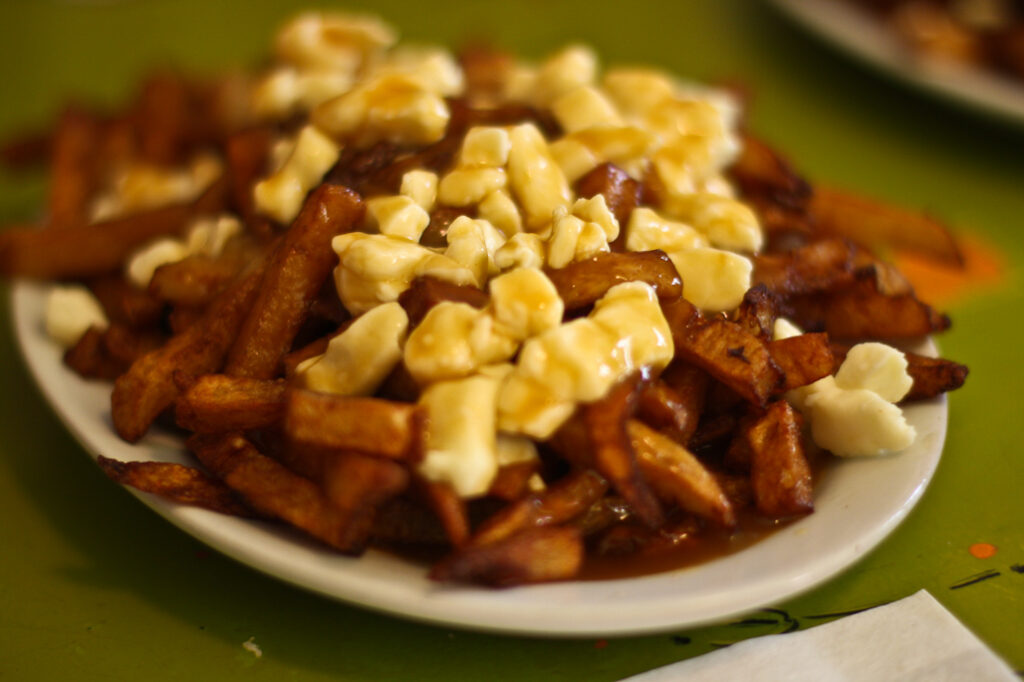
In Quebec, poutine is everywhere, from roadside stands to late-night diners. It’s a simple combination of fries, fresh cheese curds, and hot gravy poured over the top. The key detail is the curds, which are meant to squeak when you bite into them. It originated in rural Quebec in the 1950s and quickly became a defining comfort food. The balance of crispy fries, salty gravy, and soft cheese gives it a very specific texture and flavor. It’s filling, messy, and meant to be eaten hot.
While poutine has spread across Canada and even into parts of the U.S., authentic versions are still closely tied to Quebec. Outside the region, substitutions like shredded cheese often change the experience. That small detail makes a noticeable difference in both taste and texture. Locals can usually tell right away if something is “off.” It’s one of those dishes that looks easy to copy but depends heavily on local ingredients. That’s why it still feels regional, even with its growing popularity.
4. Goetta (Ohio and Kentucky)
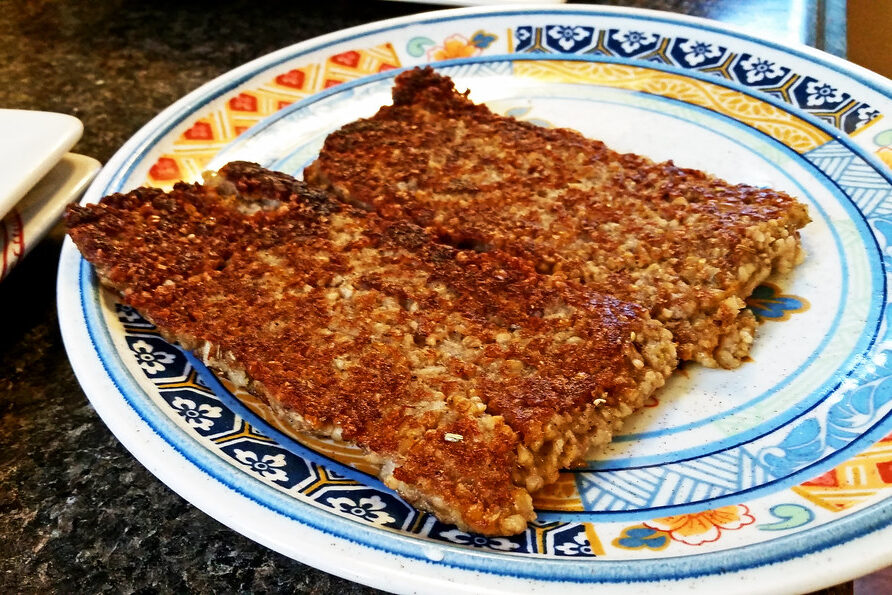
Goetta is especially associated with the Cincinnati area, though it also appears in northern Kentucky. Like scrapple, it was created by German immigrants looking to stretch meat further. It combines ground pork with steel-cut oats and spices, then is sliced and fried. The oats give it a distinct texture that’s different from typical sausage. It’s often served at breakfast, sometimes alongside eggs or even on sandwiches. Over time, it became a defining regional food rather than just a practical one.
Outside that small geographic pocket, most people have never heard of it. Even in other parts of Ohio, it’s not always easy to find. The texture can be surprising if you’re expecting something more like traditional sausage. But for locals, it’s a point of pride, with festivals and local brands dedicated to it. It’s another example of an immigrant dish that stayed rooted in one place instead of spreading widely. That regional identity is part of what keeps it going.
5. Boiled Peanuts (Southern United States)
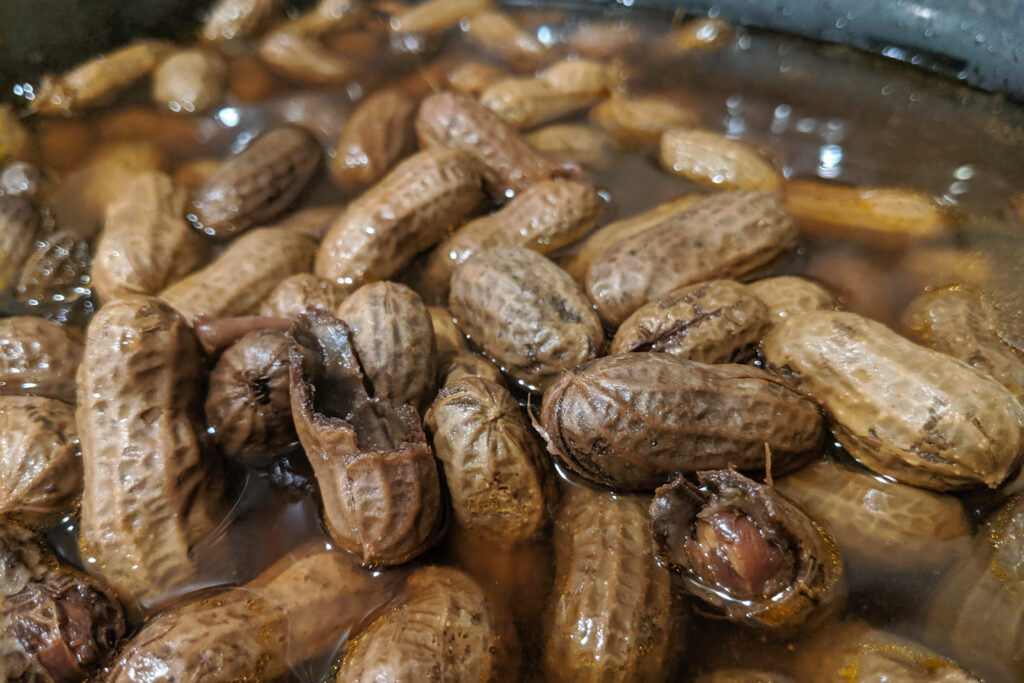
Across the Southern United States, boiled peanuts are a common roadside snack, especially in states like Georgia and South Carolina. Raw peanuts are simmered in salty water for hours until they soften. The result is closer to a bean than a crunchy nut, with a soft, briny texture. They’re often sold from stands along highways or at farmers markets. For many people in the South, they’re tied to road trips and summer heat. Some versions even add spices or heat.
Outside the South, they’re rarely seen and often misunderstood. People expecting roasted peanuts can be caught off guard by the texture. Even grocery stores in other regions usually don’t carry them fresh. That limits how far the food has spread. For locals, though, it’s completely normal and tied to specific memories. It’s one of those snacks that feels inseparable from its setting.
6. Lutefisk (Upper Midwest)
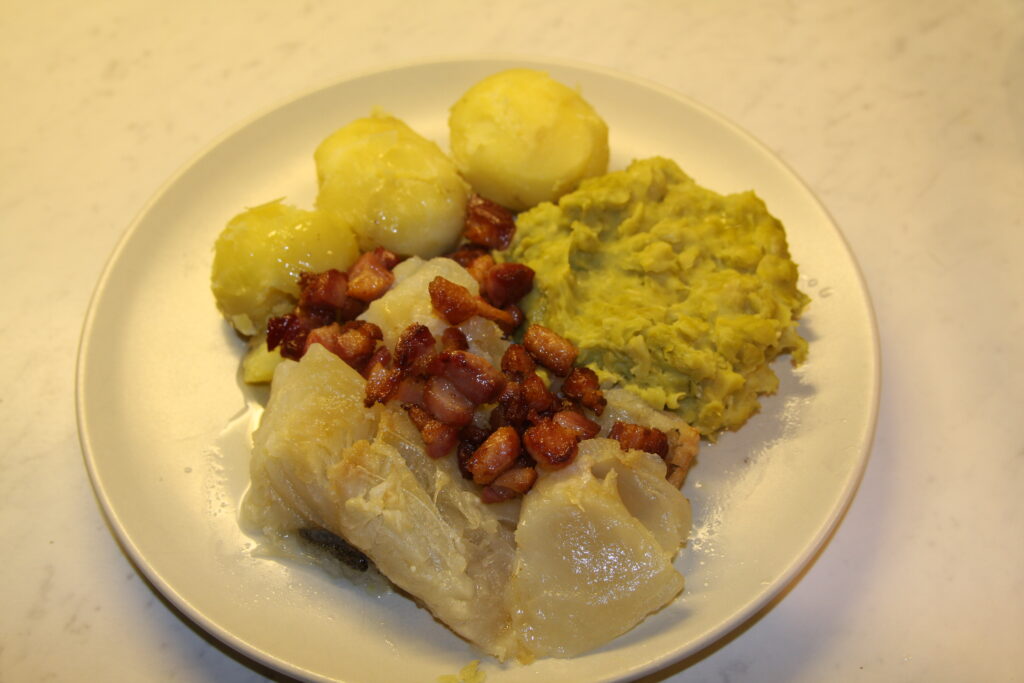
In parts of the Upper Midwest, especially among communities with Scandinavian heritage, lutefisk still appears during holiday meals. It’s dried whitefish that’s been rehydrated and treated with lye, then cooked. The process gives it a gelatinous texture that can be surprising to those unfamiliar with it. It has deep roots in Norwegian and Swedish traditions. Immigrants brought it to the Midwest, where it persisted in cultural celebrations. Churches and community groups often host lutefisk dinners.
Outside those communities, it’s extremely rare. Even many Americans have only heard of it as a curiosity. The preparation process alone makes it less likely to spread widely. Some people find the texture difficult to get used to. But for those who grew up with it, it’s tied to heritage and family gatherings. It’s less about everyday eating and more about tradition.
7. Hushpuppies (Southern United States)
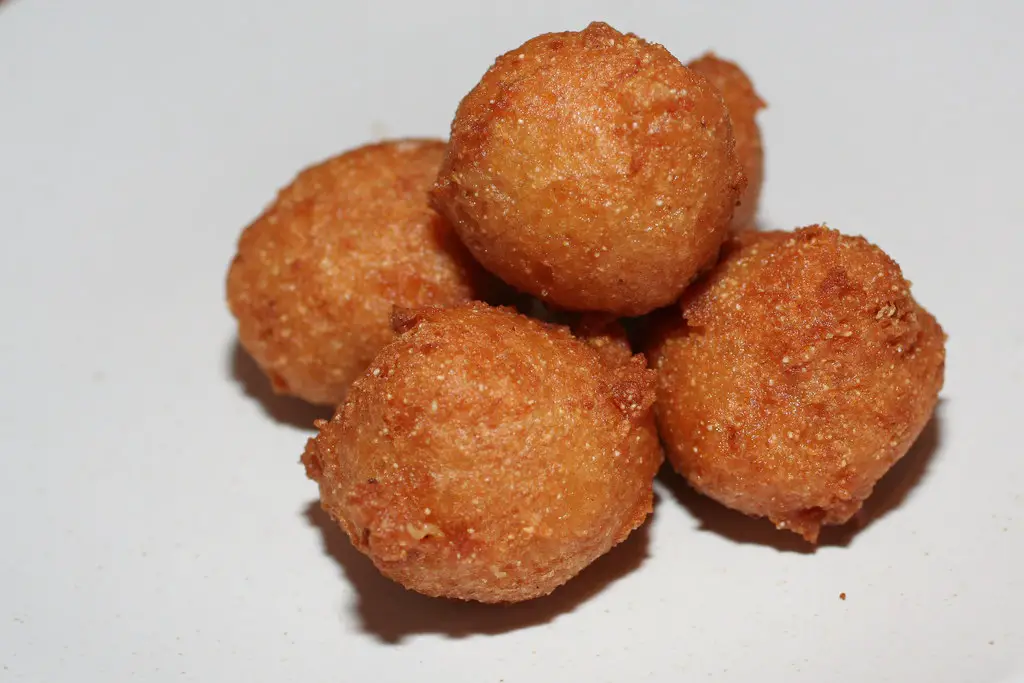
Hushpuppies are a familiar side dish in the Southern United States, especially alongside fried fish. They’re small balls of cornmeal batter that are deep-fried until golden brown. The inside stays soft while the outside becomes crisp. Some versions include onion or spices for extra flavor. They’re often served at seafood restaurants and fish fries. The exact origin is debated, but they’ve been part of Southern cooking for generations.
Outside the South, they do show up occasionally, but not with the same consistency. Many people encounter them only when traveling. They’re not usually a standard side in other regions. That makes them feel tied to a specific type of meal and setting. For locals, they’re almost expected with certain dishes. It’s one of those foods that quietly stays regional without much effort.
8. Spam Musubi (Hawaii)
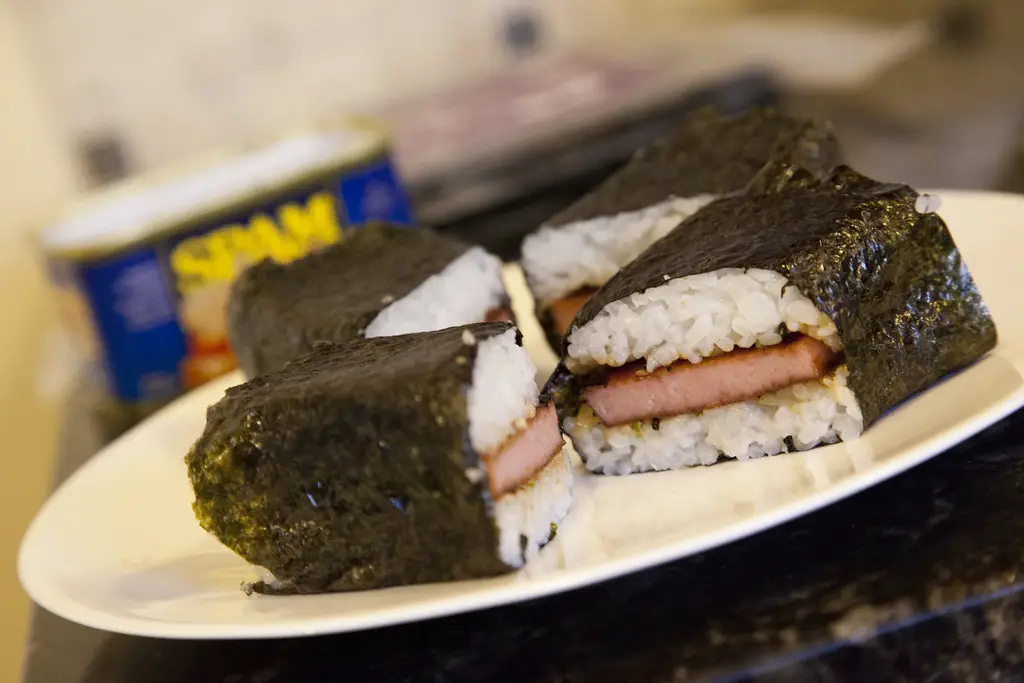
In Hawaii, spam musubi is a common grab-and-go snack found in convenience stores and lunch counters. It consists of a slice of grilled Spam placed on rice and wrapped with seaweed. The influence comes from Japanese onigiri combined with the widespread availability of Spam in Hawaii. It became popular during and after World War II. The sweet soy glaze often added to the Spam gives it a distinct flavor. It’s portable and easy to eat on the go.
Outside Hawaii, it’s still relatively uncommon. Even though Spam is widely available, the specific preparation hasn’t spread as much. Some mainland restaurants offer it, but it’s not a standard item. For locals, it’s as normal as a sandwich. Tourists often discover it for the first time during visits. It’s a clear example of how local history shapes food culture. The combination reflects the islands’ unique influences.
9. Taylor Ham (New Jersey)

In New Jersey, the debate over “Taylor ham” versus “pork roll” is practically a tradition. The product itself dates back to the 19th century and is typically sliced and fried. It’s most commonly served on a breakfast sandwich with egg and cheese. The flavor is salty and slightly smoky, with a firm texture. In northern New Jersey, people almost always call it Taylor ham. That naming distinction is part of the region’s identity.
Outside New Jersey, it’s not widely available under either name. Even nearby states don’t always carry it consistently. People unfamiliar with it might compare it to Canadian bacon, but it’s not quite the same. The regional terminology can also confuse outsiders. For locals, though, it’s a staple that shows up in everyday meals. It’s one of those foods where the name matters almost as much as the taste.
10. Rocky Mountain Oysters (Western United States)
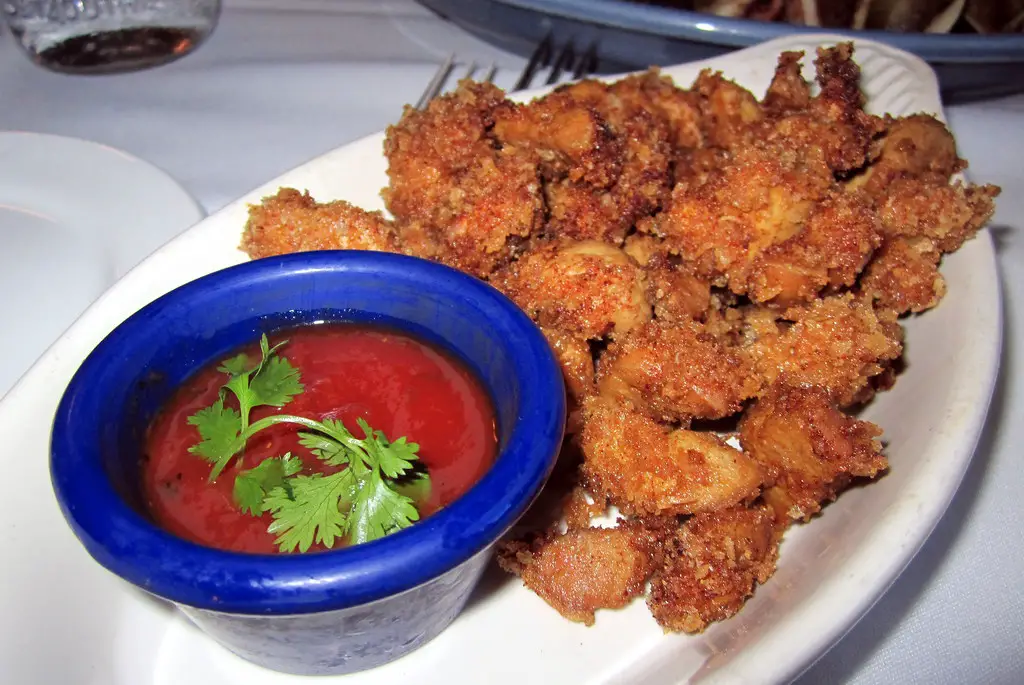
Despite the name, Rocky Mountain oysters have nothing to do with seafood. They’re actually fried bull testicles, traditionally served in parts of the Western United States, especially ranching areas. The dish developed as a way to use every part of the animal. They’re typically sliced, breaded, and deep-fried. The flavor is often described as mild, somewhat similar to other fried meats. They’re sometimes served with dipping sauces.
Outside those regions, they’re mostly known as a novelty. Many people encounter them at festivals or as a dare. Restaurants rarely include them on standard menus elsewhere. The idea alone can be a barrier for wider acceptance. But in the areas where they originated, they’re part of local food culture. It’s another example of practicality shaping a regional dish.
11. White Clam Pizza (New Haven, Connecticut)
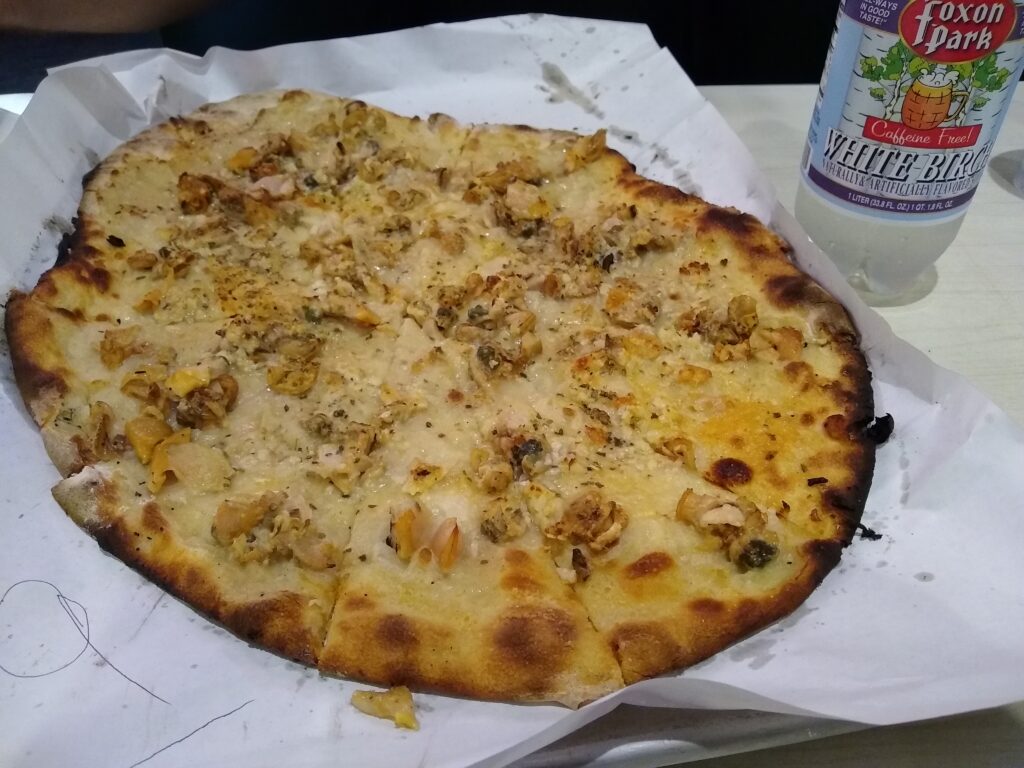
In New Haven, white clam pizza is a signature dish that locals take seriously. It’s typically made without tomato sauce, topped with clams, garlic, olive oil, and sometimes grated cheese. The style is closely associated with the city’s historic pizzerias. It gained recognition in the mid-20th century and became a defining regional specialty. The balance of briny clams and crisp crust gives it a distinctive taste. It’s often cooked in coal-fired ovens.
Outside New Haven, versions exist, but they’re not always the same. The quality of the clams and the preparation method make a noticeable difference. Many places attempt it, but locals often argue it’s not quite right. The dish is tied closely to specific restaurants and traditions. Visitors often make a point to try it when they’re in the area. It’s a strong example of a regional food tied to place.
12. Frybread (Native American Communities)
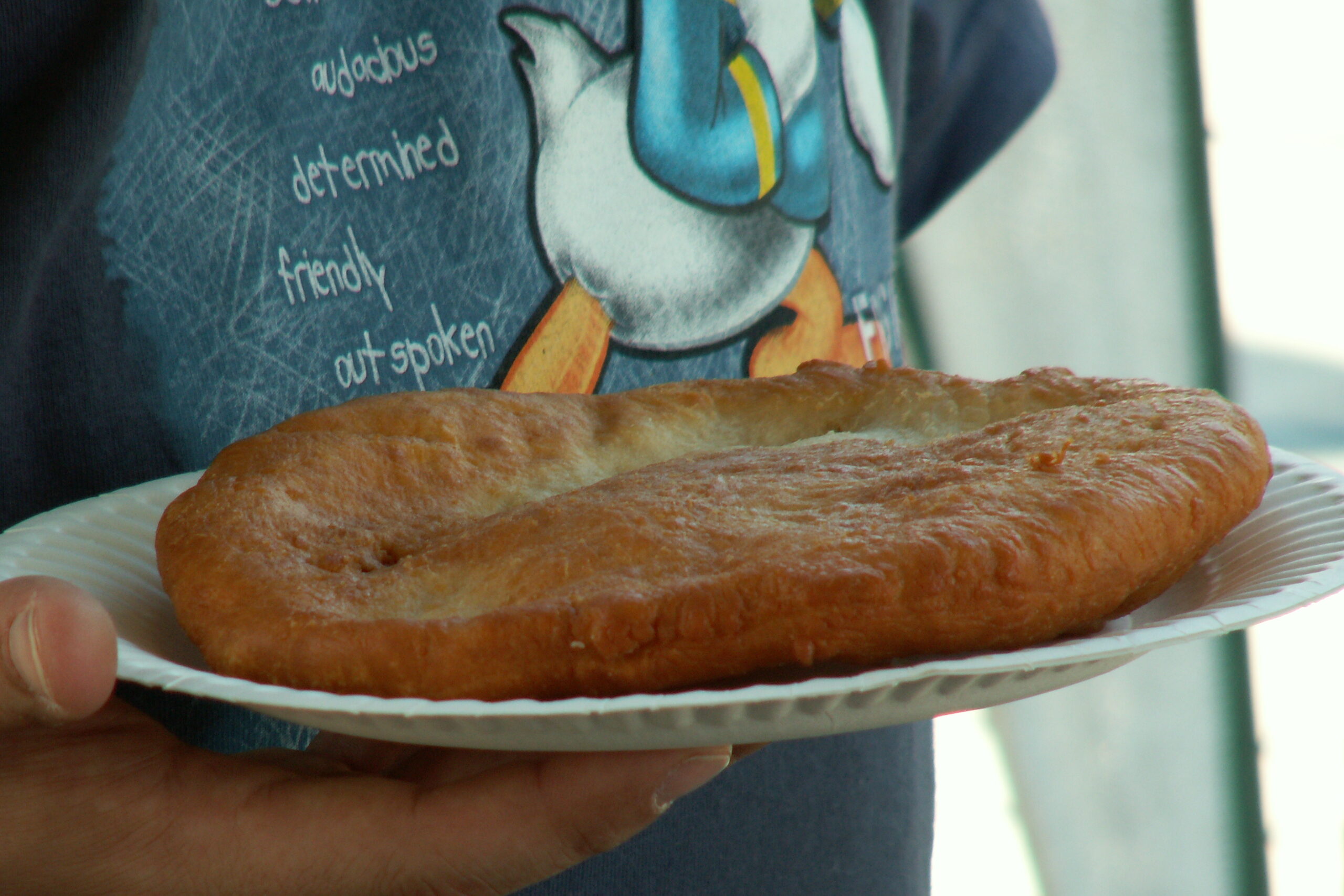
Frybread is found across various Native American communities, though recipes vary by region. It’s a simple dough that’s fried until puffed and golden. The origins trace back to difficult periods when government rations forced people to adapt with limited ingredients. Over time, it became both a staple and a symbol of resilience. It can be served savory, like a base for tacos, or sweet with honey or sugar. The texture is crisp on the outside and soft inside.
Outside these communities, it’s less commonly encountered. Some festivals and restaurants feature it, but it’s not widespread. Its cultural significance goes beyond just being a food. For many, it represents history, survival, and identity. That context isn’t always understood by outsiders. It’s one of those dishes where meaning matters as much as taste. The regional and cultural ties keep it rooted in specific places.
13. Garbage Plate (Rochester, New York)
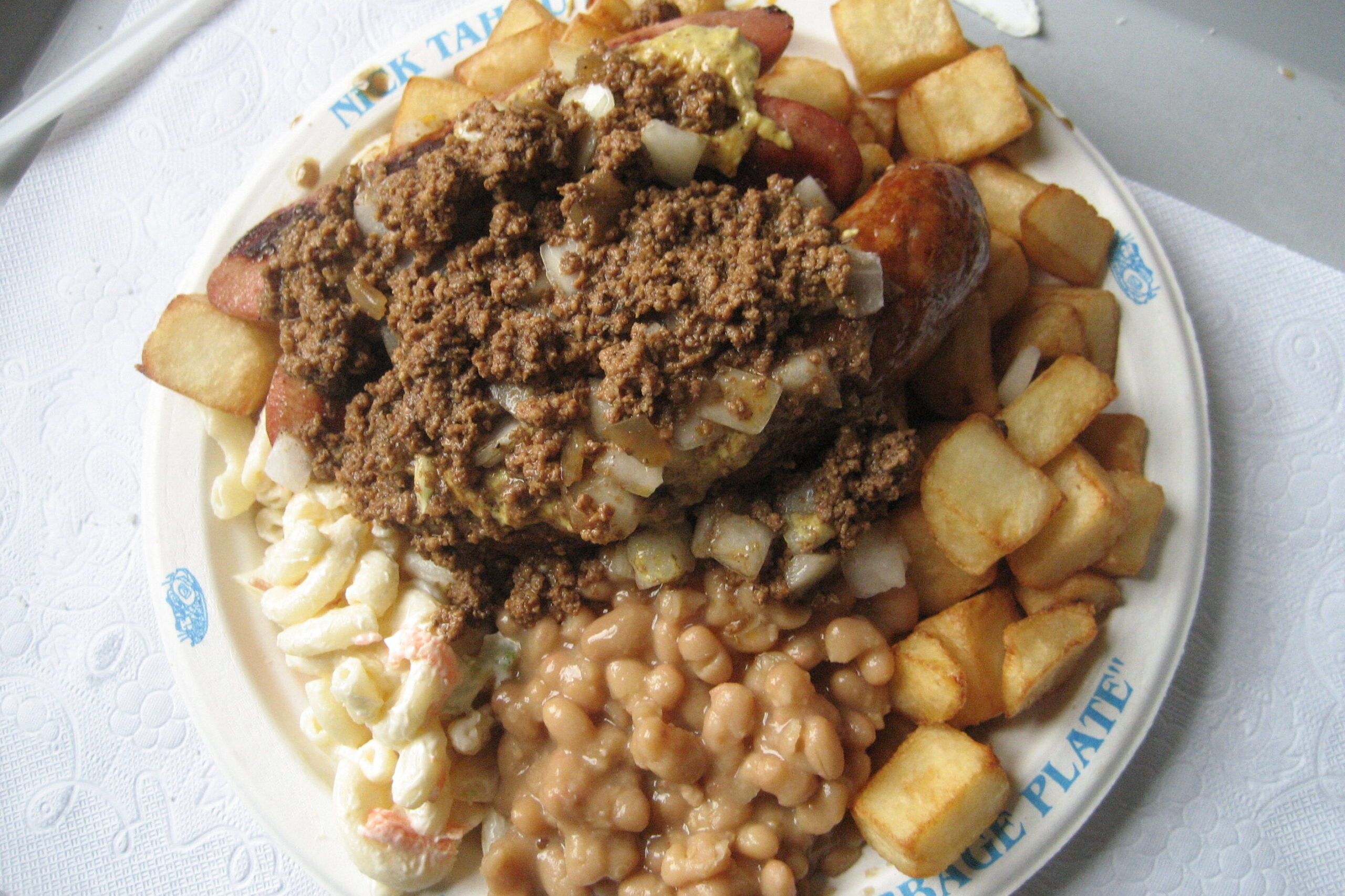
In Rochester, the garbage plate is exactly what it sounds like, a mix of different foods piled together. It usually includes home fries, macaroni salad, and a choice of meat like hamburgers or hot dogs, all topped with a meat sauce. The dish originated at Nick Tahou Hots in the early 20th century. It’s known for being filling and a bit chaotic in presentation. The combination might seem unusual, but it’s carefully balanced. Locals often have strong preferences about how it should be assembled.
Outside Rochester, it’s rarely found in its original form. Some restaurants try to replicate it, but it doesn’t always translate. The appeal is tied to the specific place and experience. For many locals, it’s associated with late nights and casual dining. Visitors often try it out of curiosity. It’s one of those dishes that feels very specific to one city.