
1. Creamed Chipped Beef on Toast
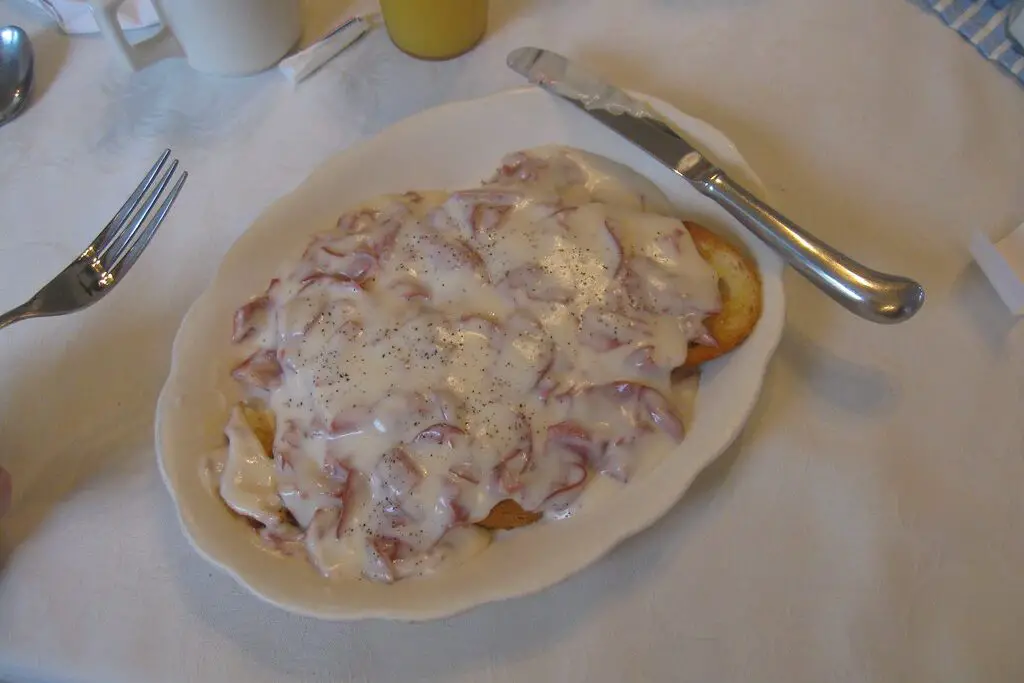
Creamed chipped beef, often nicknamed “S.O.S.” by soldiers, became widely known during the early 20th century, especially in the military and during the Great Depression. It was made with dried beef in a simple white sauce poured over toast, using pantry staples that were cheap and shelf-stable. Families on tight budgets could stretch a small amount of meat into a filling meal. It was salty, rich, and easy to prepare with minimal ingredients. The dish also gained popularity because dried beef could be stored without refrigeration.
Today, it’s rarely seen outside of diners or nostalgic home kitchens. As refrigeration and access to fresh meat improved, fewer households relied on preserved beef like this. The heavy, salty flavor profile also fell out of favor as diets shifted. Still, for many people, it remains tied to memories of wartime meals or stories passed down from older relatives. It occasionally appears in retro cookbooks or regional diners but is no longer a common everyday meal.
2. Depression-Era Potato Soup
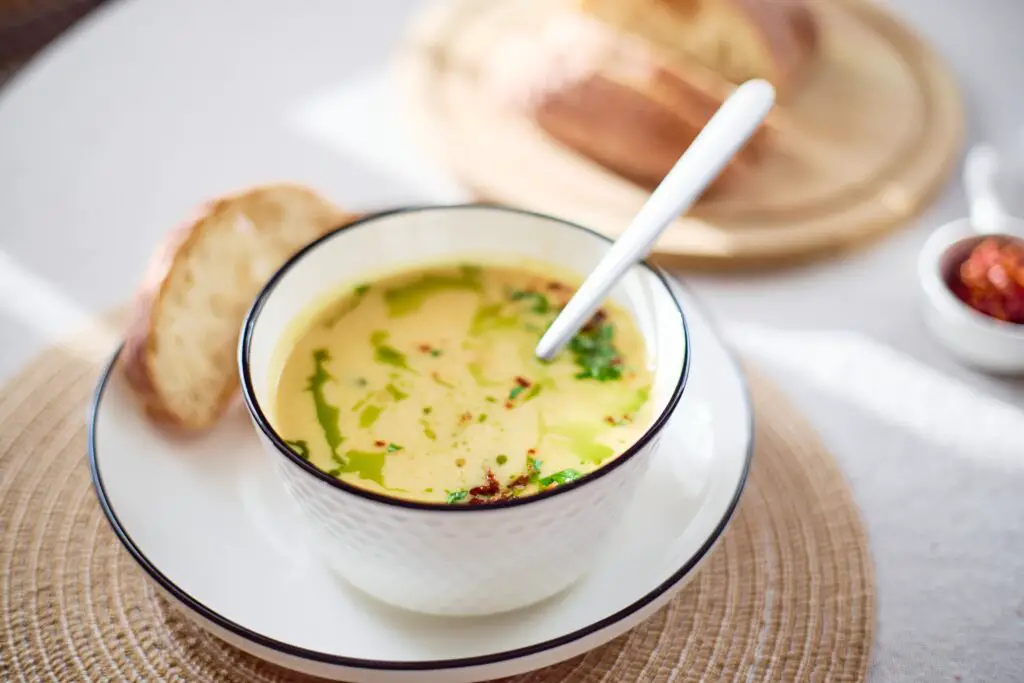
Potato soup during hard times was often made with just potatoes, water or milk, and maybe a little onion or butter if available. It was inexpensive, filling, and relied on ingredients that could be grown or stored easily. During the Great Depression, this kind of soup helped families stretch their food supply across multiple meals. Potatoes provided enough starch to make the dish satisfying even without meat. Some versions were little more than boiled potatoes mashed into broth.
Modern versions of potato soup are usually richer, with cream, bacon, or cheese. The stripped-down version is rarely made today because people have access to more ingredients. It also reflects a level of scarcity that most households no longer experience. While it still appears in historical recipes, it’s not something many people choose to cook unless they are intentionally recreating Depression-era meals. Its simplicity is exactly what made it essential, but also what makes it less appealing now.
3. Cornmeal Mush
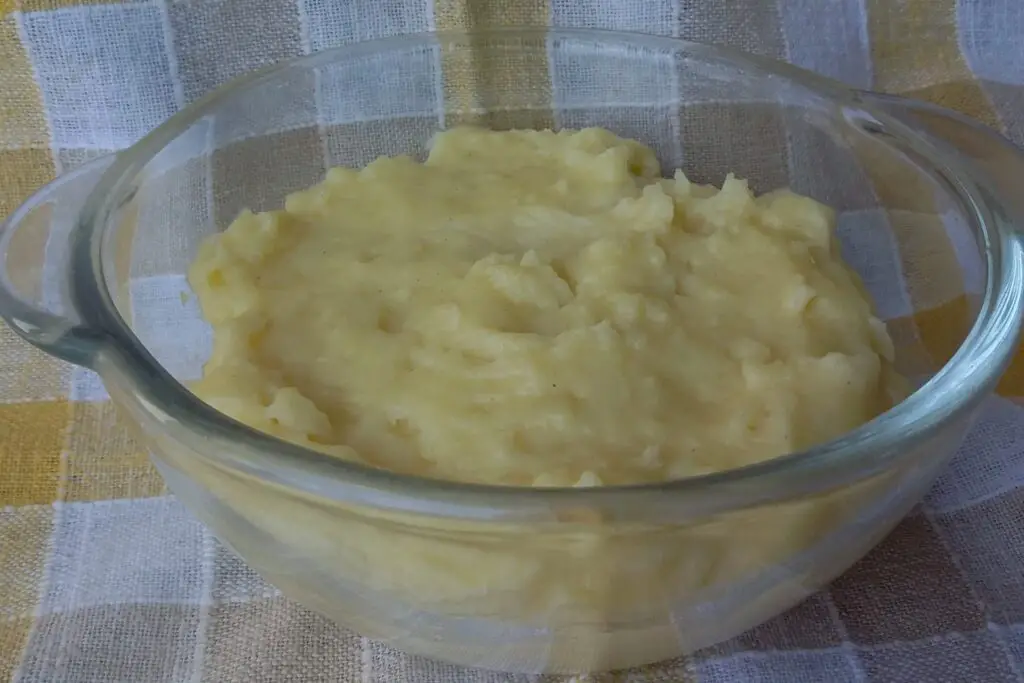
Cornmeal mush was a staple for many families because cornmeal was cheap, widely available, and easy to store. The dish involved boiling cornmeal with water or milk until it thickened into a porridge. It could be eaten plain, sweetened with a bit of sugar or molasses, or fried the next day into slices. This flexibility made it useful when food options were limited. It was especially common in rural areas and among working-class families.
Today, cornmeal mush is not widely eaten outside of certain regional traditions. While similar foods like polenta remain popular, the plain, utilitarian version has largely disappeared. Its association with poverty and hardship likely contributed to its decline. Many people also prefer more flavorful breakfast options. It still exists in some communities, but it’s no longer a mainstream staple.
4. Dandelion Greens
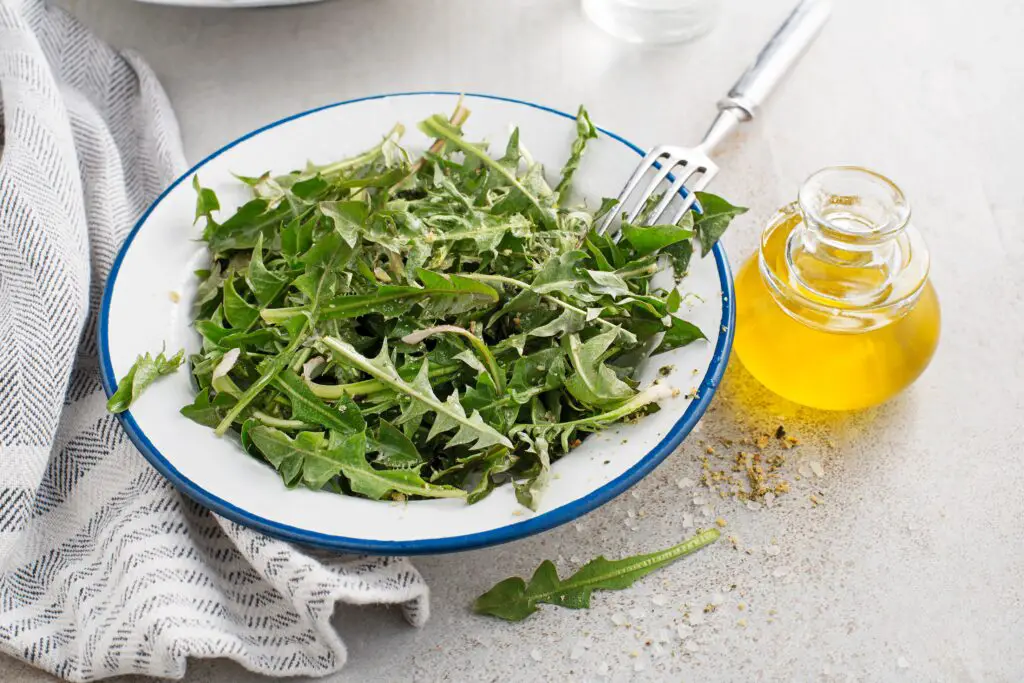
Dandelion greens were commonly gathered from yards and fields as a free source of nutrition. During times of hardship, especially the Great Depression, foraging became a practical way to supplement meals. The leaves are rich in vitamins and could be boiled or sautéed. Families often treated them like spinach or other leafy greens. This practice required no money, just knowledge of what was safe to eat.
Today, most people view dandelions as weeds rather than food. While dandelion greens are still sold in some specialty markets, they are not commonly foraged by the average household. Changes in food availability and concerns about pesticides have reduced the practice. The knowledge of foraging has also become less common. As a result, something once widely eaten has become more of a niche ingredient.
5. Spam-Based Meals

Spam was introduced in 1937 and quickly became a reliable protein source during World War II due to its long shelf life. It required no refrigeration and could be shipped easily to troops and civilians alike. During rationing, it became a go-to meat substitute. People used it in sandwiches, casseroles, and fried dishes. Its affordability made it accessible to many households.
While Spam is still sold today, it’s far less central to everyday cooking in most parts of the United States. Its reputation as a processed food has affected its popularity. However, it remains important in certain cuisines, particularly in Hawaii. For many Americans, it’s more of a nostalgic or occasional item. Its widespread use during hardship has faded as fresh meat became more available.
6. Milk Toast
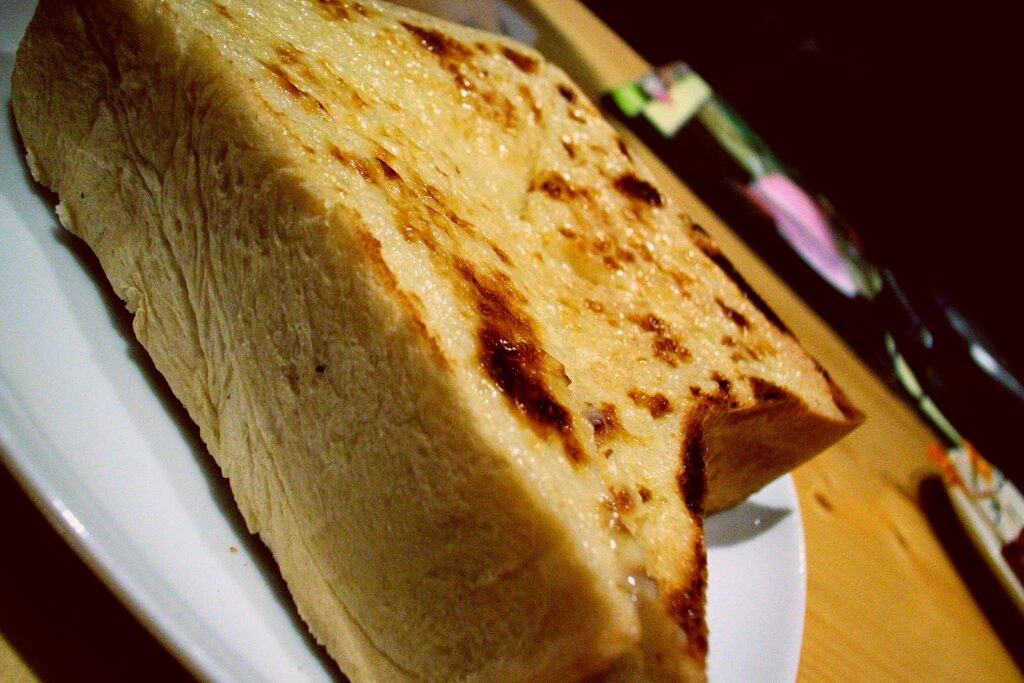
Milk toast was a simple dish made by pouring warm milk over buttered toast, sometimes with sugar or cinnamon. It was often served to children, the elderly, or anyone who needed something gentle and easy to digest. During difficult economic periods, it also served as a low-cost meal. It required only basic ingredients that most households already had. The dish dates back centuries and was widely known in the United States.
Today, milk toast is rarely served outside of specific dietary situations. It has largely been replaced by more flavorful breakfast options. The texture and simplicity don’t appeal to most modern tastes. It also lacks the protein and variety people expect from a meal now. As a result, it’s mostly remembered rather than regularly eaten.
7. Hoover Stew
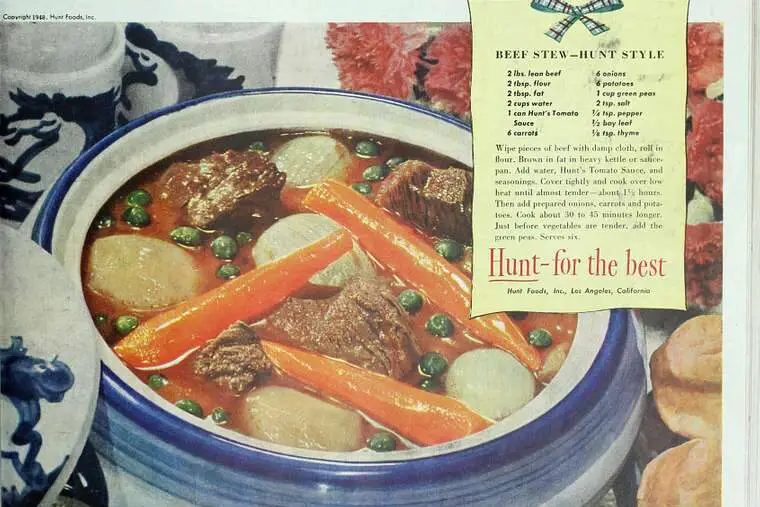
Hoover stew was named after President Herbert Hoover and became associated with the Great Depression. It was typically made with macaroni, canned tomatoes, and inexpensive ingredients like hot dogs or beans. The goal was to create a filling meal from whatever was available. It was often prepared in large batches to feed families or communities. The dish reflected the resourcefulness required during economic hardship.
Today, Hoover stew is not commonly cooked, though it resembles some modern budget meals. Its name and historical context tie it closely to a difficult period. Most people have access to a wider range of ingredients, so the exact combination is rarely used. However, similar dishes still exist in different forms. The original version remains more of a historical reference than a current staple.
8. Lard Sandwiches
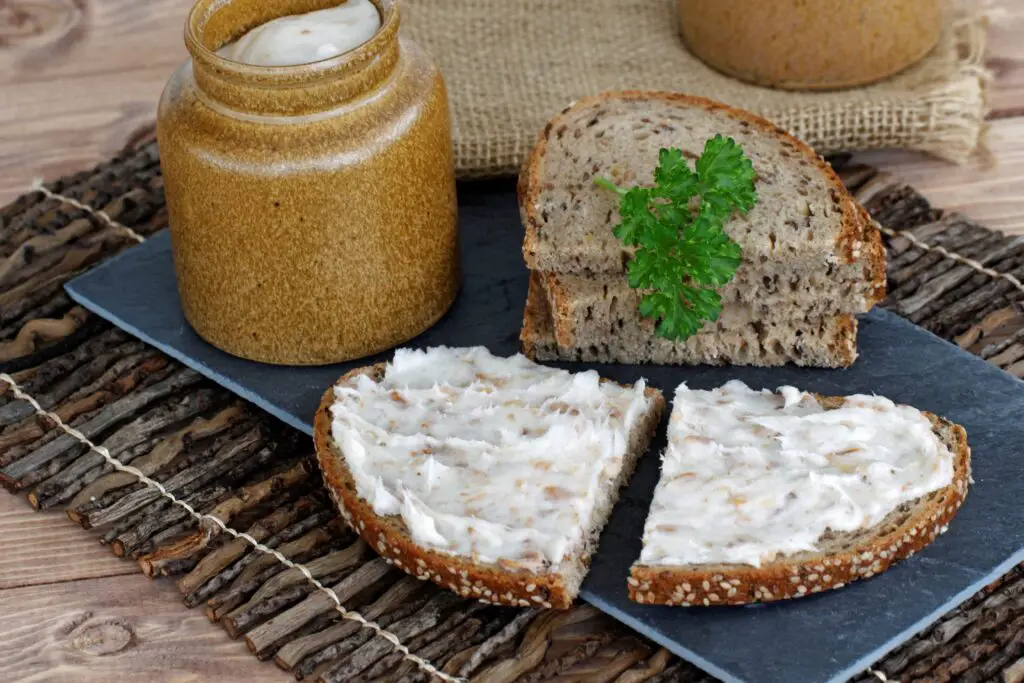
Lard sandwiches consisted of bread spread with rendered pork fat, sometimes sprinkled with salt or sugar. During times when butter was scarce or expensive, lard was a more accessible option. It provided calories and fat, which were important for energy. This kind of sandwich required no cooking and very few ingredients. It was especially common in rural and working-class households.
Today, the idea of eating lard on bread is unusual for most people. Concerns about health and dietary fat have contributed to its decline. Butter, margarine, and other spreads have largely replaced it. While lard is still used in cooking, it’s rarely consumed this way. The sandwich remains a reminder of how people adapted to limited resources.
9. Vinegar Pie
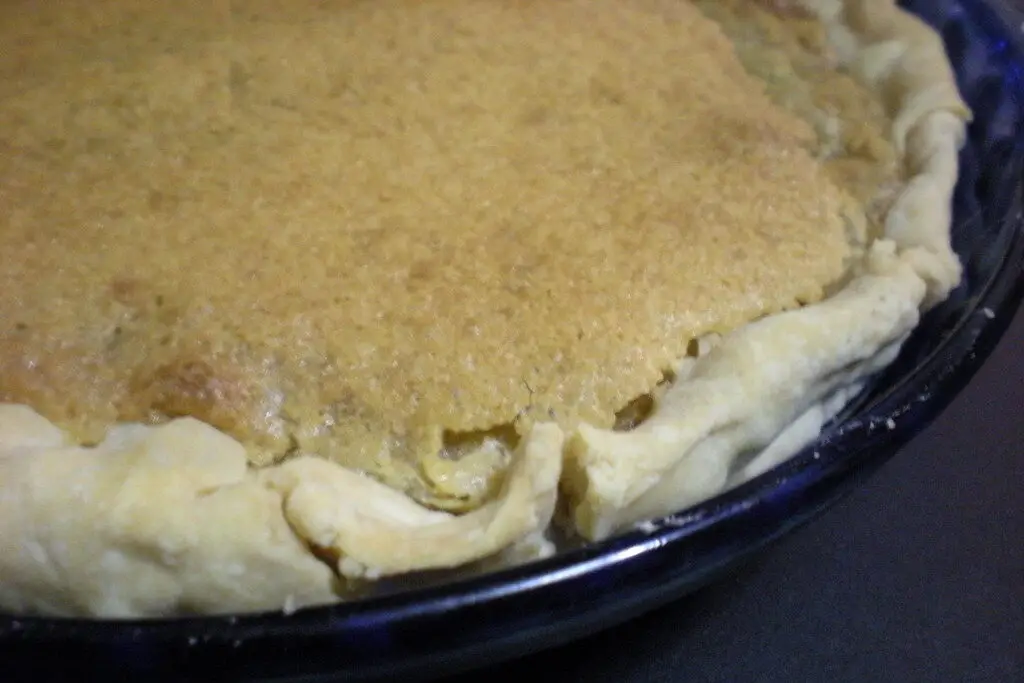
Vinegar pie is often referred to as a “desperation pie” because it was made when fresh fruit was unavailable. It uses vinegar, sugar, and spices to mimic the flavor of fruit, particularly lemon. The ingredients were pantry staples that could be stored for long periods. This made it possible to create a dessert even during shortages. The pie was especially common in the 19th and early 20th centuries.
Today, vinegar pie is rarely made outside of historical cooking circles. Access to fresh and canned fruit has made it unnecessary. Many people are unfamiliar with the recipe altogether. While it can still be found in some regional traditions, it’s not a common dessert. Its existence highlights how creative people had to be with limited ingredients.
10. Bean Sandwiches
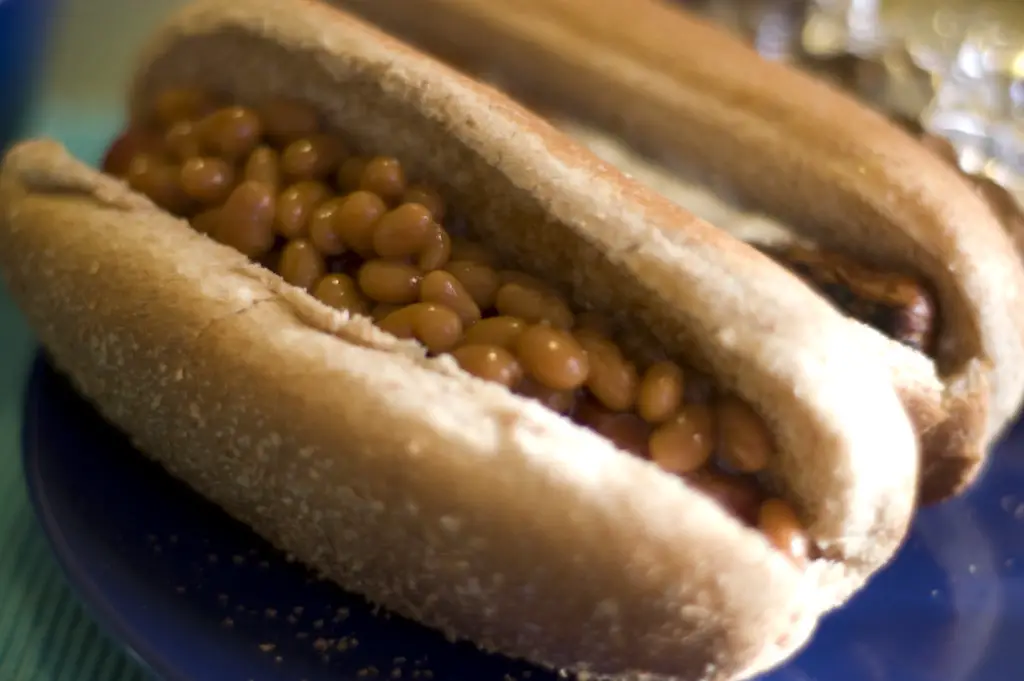
Bean sandwiches were a simple way to turn a cheap protein into a portable meal. Cooked beans, often mashed or seasoned lightly, were placed between slices of bread. This made use of one of the most affordable and filling foods available. Beans were widely used during hard times because they could be bought in bulk and stored easily. The sandwich format made them convenient for workers and families.
Today, beans are still common, but not typically used in this way. People are more likely to eat them in soups, salads, or side dishes. The idea of a bean sandwich doesn’t have broad appeal in modern diets. With more options available, simpler combinations like this have faded. It remains an example of practical, no-frills eating.
11. Mulligan Stew
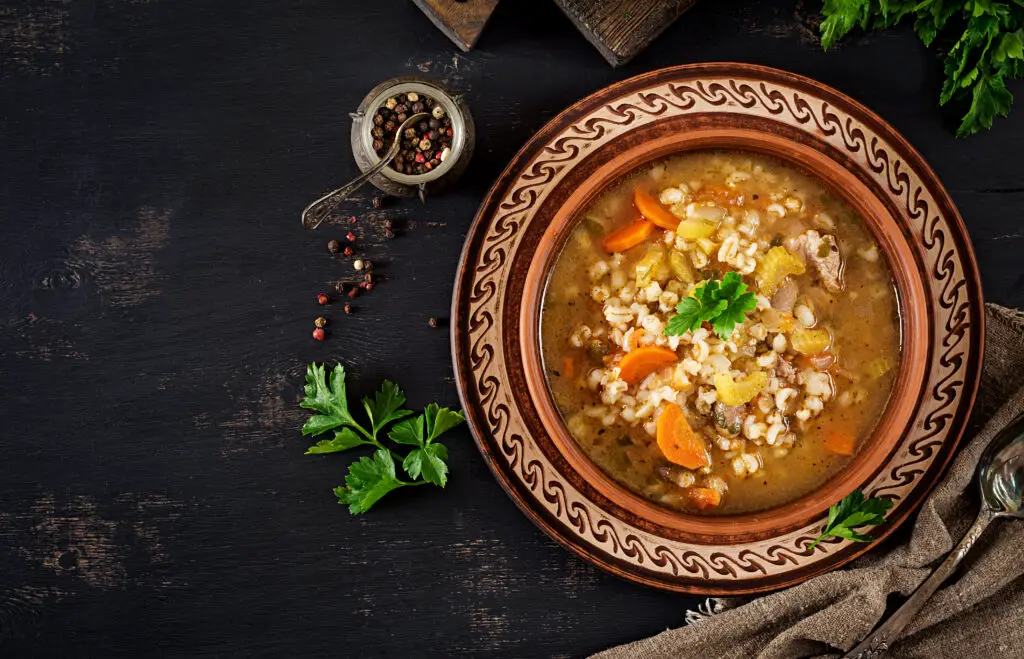
Mulligan stew was a catch-all dish made from whatever ingredients were available, often associated with hobo camps during the Great Depression. It could include vegetables, scraps of meat, and whatever else could be gathered or donated. The stew was cooked in large pots and shared among groups. Its exact ingredients varied widely depending on what was on hand. The goal was to create something nourishing out of very little.
Today, while stews are still popular, the specific concept of Mulligan stew is not widely used. The term itself has largely fallen out of everyday language. Modern recipes tend to be more structured and consistent. The improvisational nature of Mulligan stew reflects a level of necessity that most people no longer face. It remains part of historical accounts of the era.
12. Prune Pudding
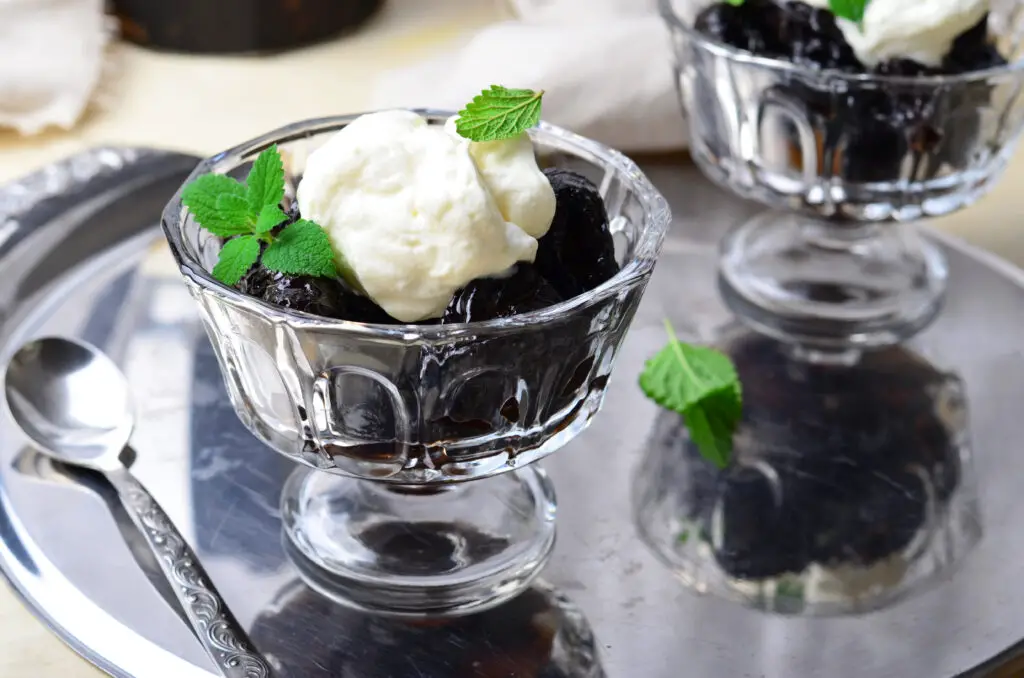
Prune pudding became common during times when sugar and fresh fruit were limited. Prunes were inexpensive, had a long shelf life, and provided natural sweetness. The pudding was dense and filling, often made with simple ingredients like flour and spices. It was also promoted during wartime as a practical dessert option. The dish provided energy and nutrition in a compact form.
Today, prunes are less commonly used in desserts, especially in this form. The flavor and texture are not widely favored. Many people associate prunes more with health products than with comfort food. As a result, prune pudding has largely disappeared from everyday cooking. It occasionally appears in traditional recipes but is not a mainstream dessert.
13. Boiled Cabbage Meals
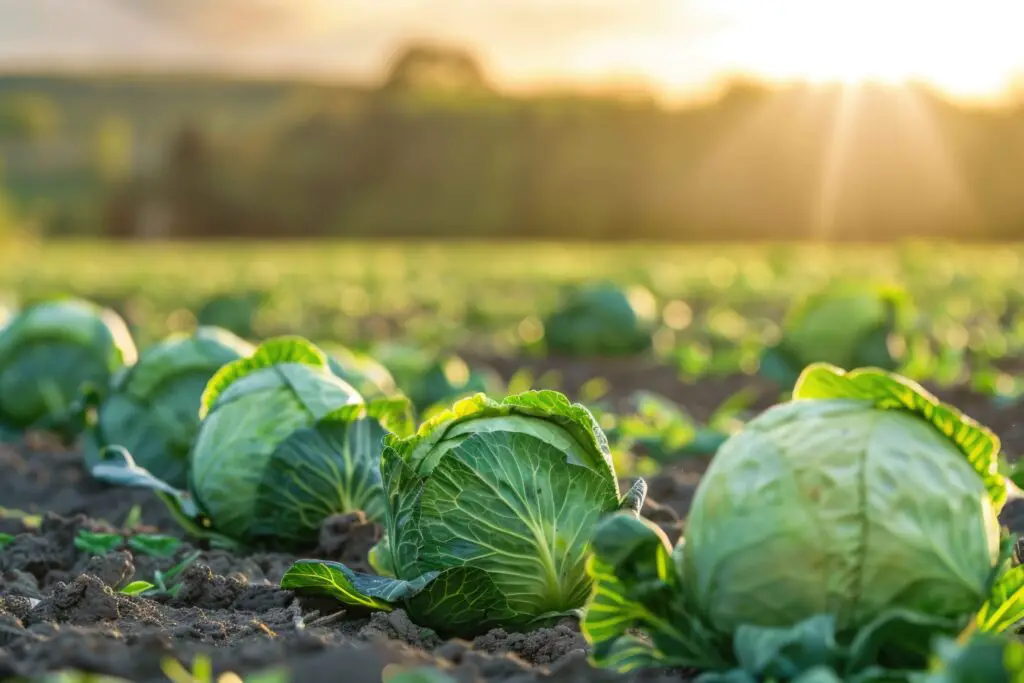
Cabbage was a staple during hard times because it was inexpensive, easy to grow, and stored well. Boiled cabbage could be served on its own or combined with small amounts of meat. It provided nutrients and could feed large families. The cooking method was simple and required little preparation. It became a regular part of meals in many households facing economic hardship.
Today, cabbage is still used, but usually prepared in more varied and flavorful ways. The plain boiled version is less common. Changes in cooking techniques and ingredient availability have expanded how people use vegetables. The strong smell and soft texture of boiled cabbage are not as appealing to modern tastes. It remains a symbol of practical, survival-focused cooking.
14. Potato Pancakes from Leftovers
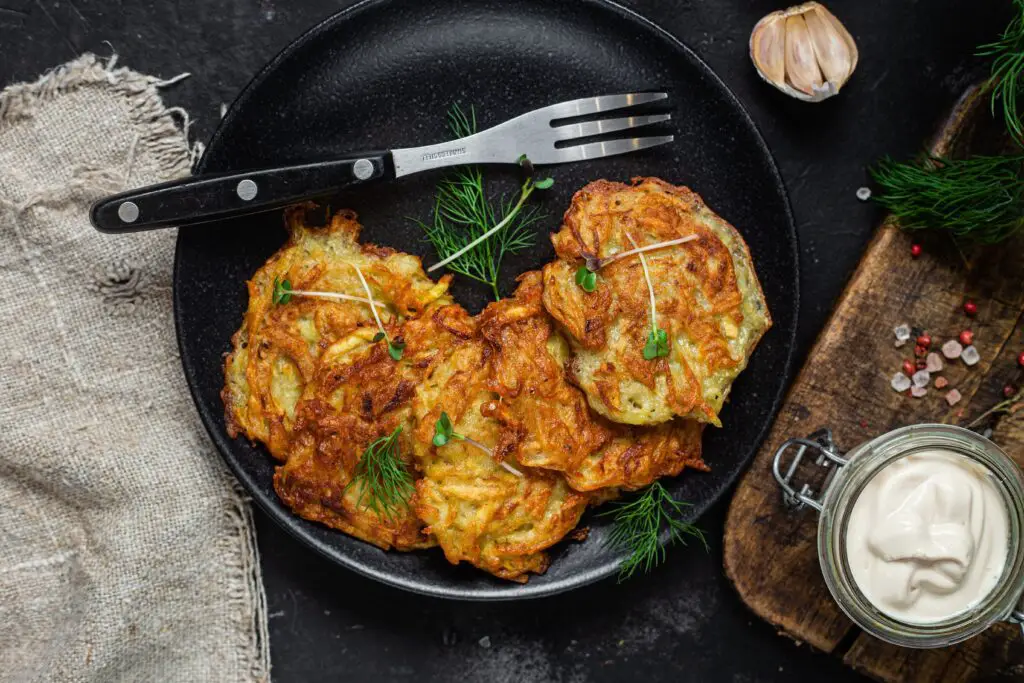
Potato pancakes were often made from leftover mashed potatoes, mixed with a little flour and fried. This allowed families to avoid wasting food while creating a new meal. Potatoes were a staple ingredient, so this method made practical sense. The pancakes were crispy on the outside and soft inside. They could be eaten plain or with simple toppings.
Today, potato pancakes still exist, especially in certain cultural traditions, but they are not as commonly made from leftovers out of necessity. Modern kitchens often have more flexibility with ingredients. The original purpose of stretching food has become less relevant. While the dish itself remains, the context in which it was created has largely changed.