
1. Meatloaf
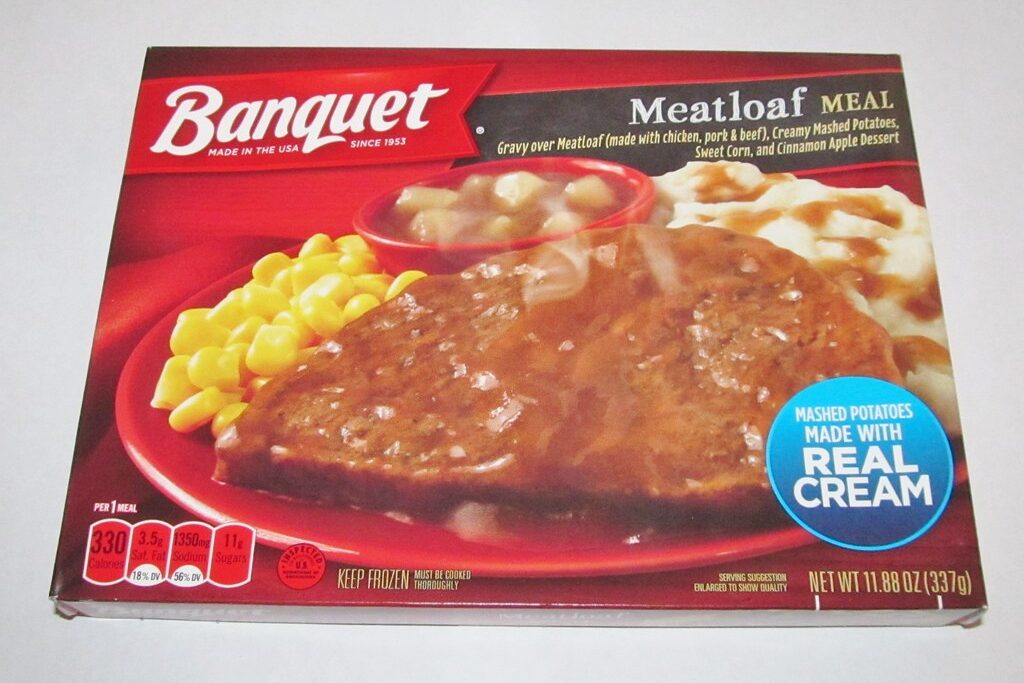
Meatloaf became a staple in American kitchens during the Great Depression, when families needed ways to stretch small amounts of meat. By mixing ground beef with breadcrumbs, oats, or even crushed crackers, cooks could feed more people without spending much money. The dish was practical, filling, and easy to bake in a single pan. Many households added onions, ketchup, or whatever seasonings were available at the time. It was never meant to be fancy, just dependable.
Over time, though, meatloaf settled into a permanent place on the comfort food table. The smell of it baking in the oven became part of countless childhood memories. Families started passing down their own variations, some topped with ketchup glaze, others loaded with herbs or vegetables. Today it still shows up in diners and home kitchens across the country. What began as a way to stretch a pound of beef turned into one of the most familiar weeknight dinners in America.
2. Chicken and Dumplings
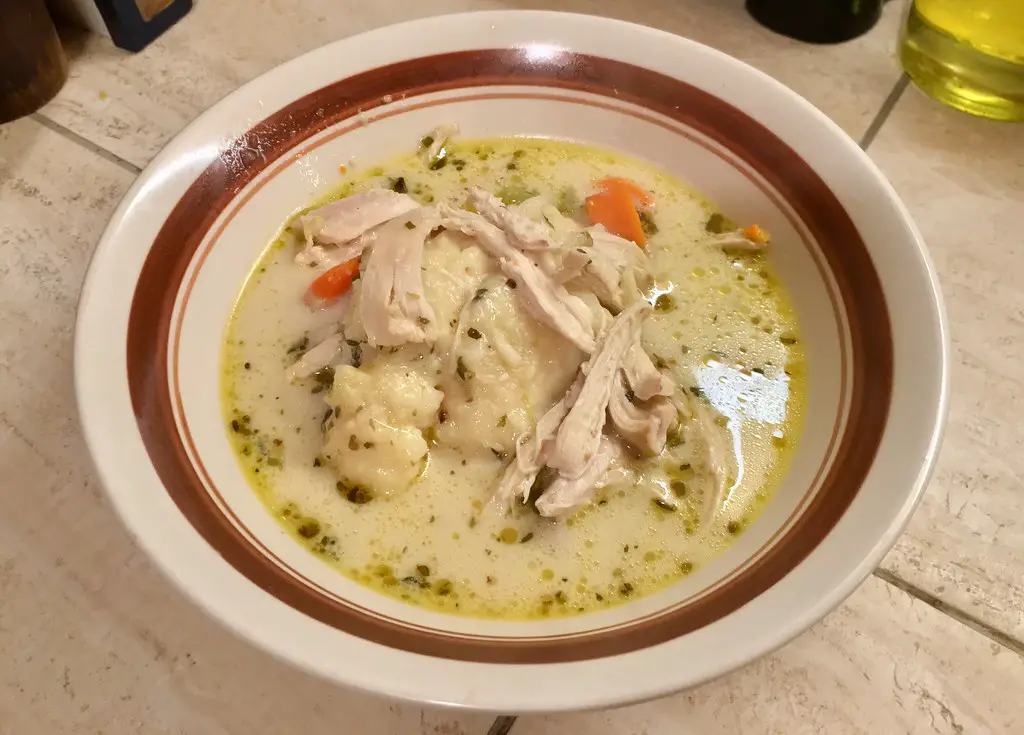
Chicken and dumplings has roots in several cultures, but in the United States it became especially popular during hard economic times. When money was tight, a single chicken could be stretched by simmering it in broth and adding simple dumplings made from flour and water. The dumplings filled people up and made the meal feel more substantial. It was warm, hearty, and inexpensive to prepare. That combination made it a lifeline for many families.
Over the years, the dish took on a strong emotional pull for people who grew up with it. Many remember grandparents making a big pot that simmered for hours on the stove. The dumplings softened in the broth and soaked up all that rich chicken flavor. Today the dish still appears on restaurant menus and in family cookbooks. Even though it started as a way to make a chicken go further, it now feels like pure comfort.
3. Goulash
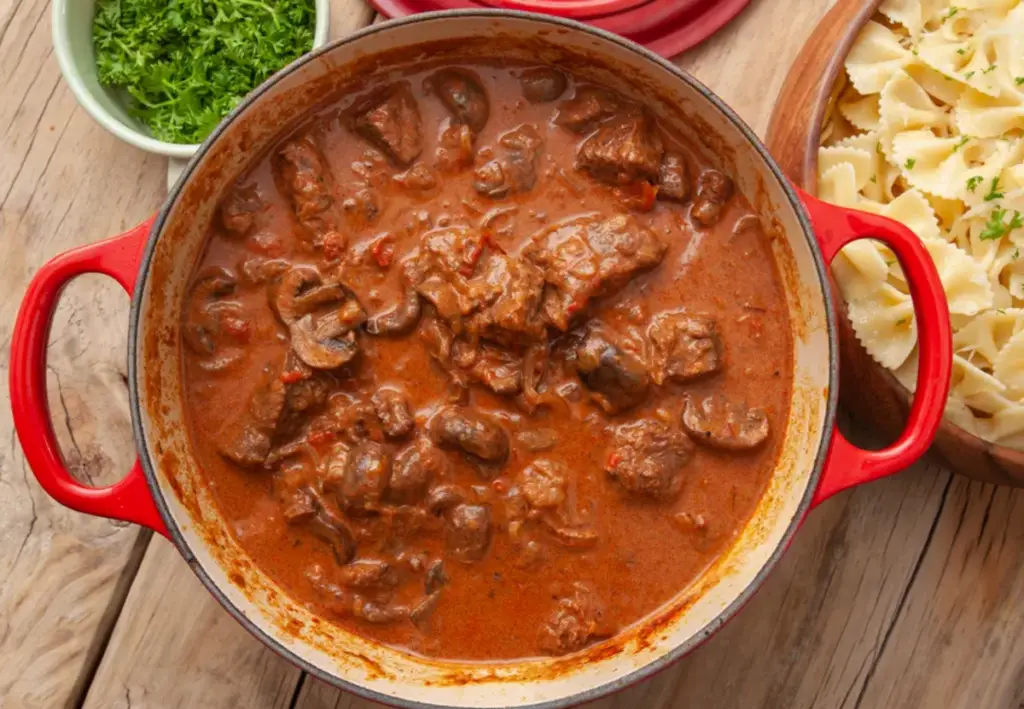
Goulash originally emerged in Hungary as a practical meal for shepherds who spent long stretches away from home. They needed something filling and easy to cook over an open fire. By simmering beef with onions, paprika, and water, they created a simple but hearty stew that could feed a group. The ingredients were inexpensive and widely available. It was survival cooking at its most practical.
When immigrants brought goulash to the United States, the dish evolved into something a little different. American kitchens often added tomatoes, pasta, and extra seasonings. The result was the familiar one-pot “American goulash” that many families remember from childhood dinners. It was cheap, filling, and perfect for feeding a crowd. What began as a shepherd’s field meal eventually became a weeknight favorite.
4. Shepherd’s Pie
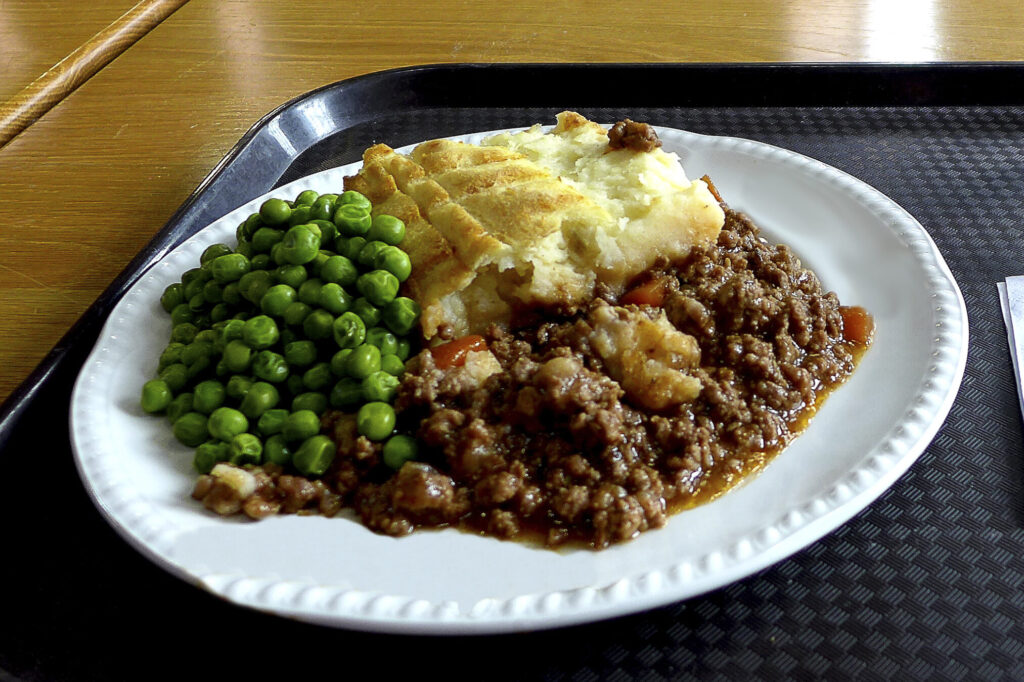
Shepherd’s pie developed in the United Kingdom as a way to use up leftover roasted meat. Instead of throwing scraps away, cooks chopped the meat and simmered it with vegetables and gravy. The mixture was then topped with mashed potatoes and baked until golden. It turned leftovers into a full second meal. In difficult times, that kind of resourcefulness mattered.
Eventually the dish became something people cooked on purpose, not just when leftovers were available. Families began preparing it from scratch with seasoned ground lamb or beef. The mashed potato topping added a comforting, creamy finish that made the dish especially satisfying. Today shepherd’s pie appears in pubs and home kitchens around the world. Its humble origin as a leftover solution is easy to forget.
5. Beans and Cornbread

Beans and cornbread were essential survival foods throughout much of American history, especially in the South and Appalachia. Dried beans were cheap, lasted a long time, and provided protein when meat was scarce. Cornbread, made from inexpensive cornmeal, could be baked quickly in a skillet. Together they formed a filling meal that required very little money. For many families, it was simply what was available.
Despite those humble beginnings, the combination became deeply tied to regional food traditions. The smoky flavor of slow cooked beans and the warm crumbly cornbread created a pairing that people genuinely loved. Over time it shifted from necessity to nostalgia. Many restaurants now serve it as a classic comfort meal. What once helped people survive lean times now reminds them of home.
6. Potato Soup
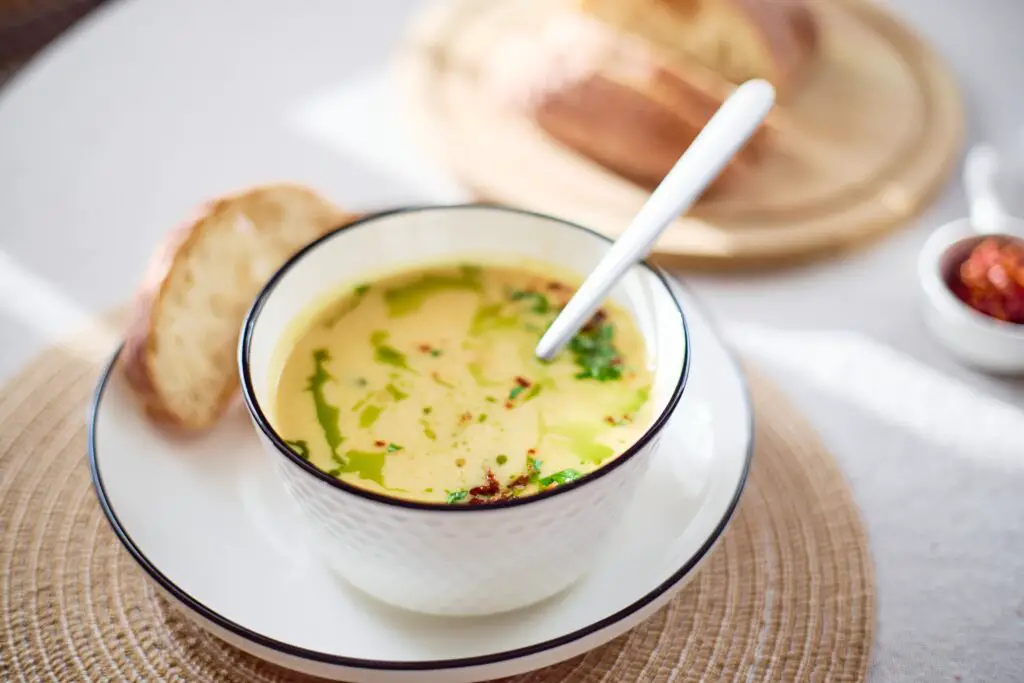
Potato soup became popular in many parts of Europe and North America because potatoes were cheap and easy to grow. During periods of poverty or food shortages, families relied on them heavily. A pot of soup made from potatoes, onions, and broth could feed several people at very little cost. Sometimes milk or scraps of bacon were added when available. The goal was simple nourishment.
Over time, potato soup evolved into something richer and more indulgent. Cream, cheese, and herbs found their way into the pot. Many people now associate it with cozy winter evenings rather than economic hardship. It remains incredibly simple, yet it feels deeply comforting. The dish proves how a few basic ingredients can become something memorable.
7. Bread Pudding
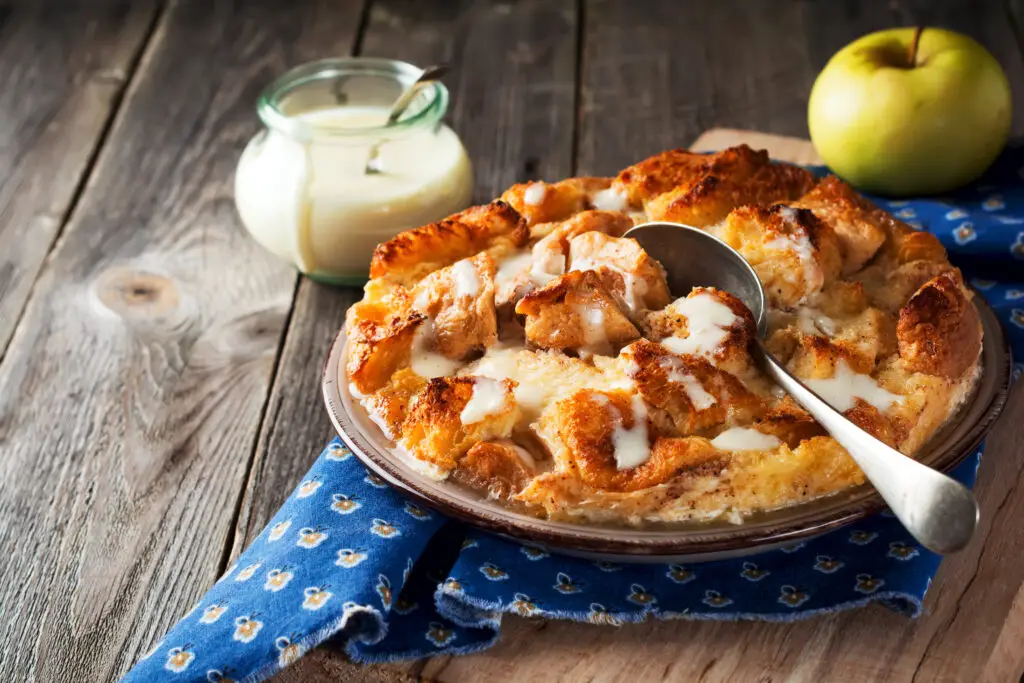
Bread pudding began as a practical solution for stale bread. In earlier centuries, wasting food was not an option for most households. Instead, cooks soaked old bread in milk, eggs, and sugar before baking it into a soft dessert. It turned something dry and nearly useless into a sweet treat. Resourcefulness made the dish possible.
Eventually bread pudding moved from frugal kitchens into bakeries and restaurants. Chefs started adding raisins, spices, or caramel sauce. The once humble dish became a warm and satisfying dessert people genuinely crave. Many still remember it from family gatherings or holiday dinners. What began as a clever way to avoid waste became a beloved comfort classic.
8. Macaroni and Cheese
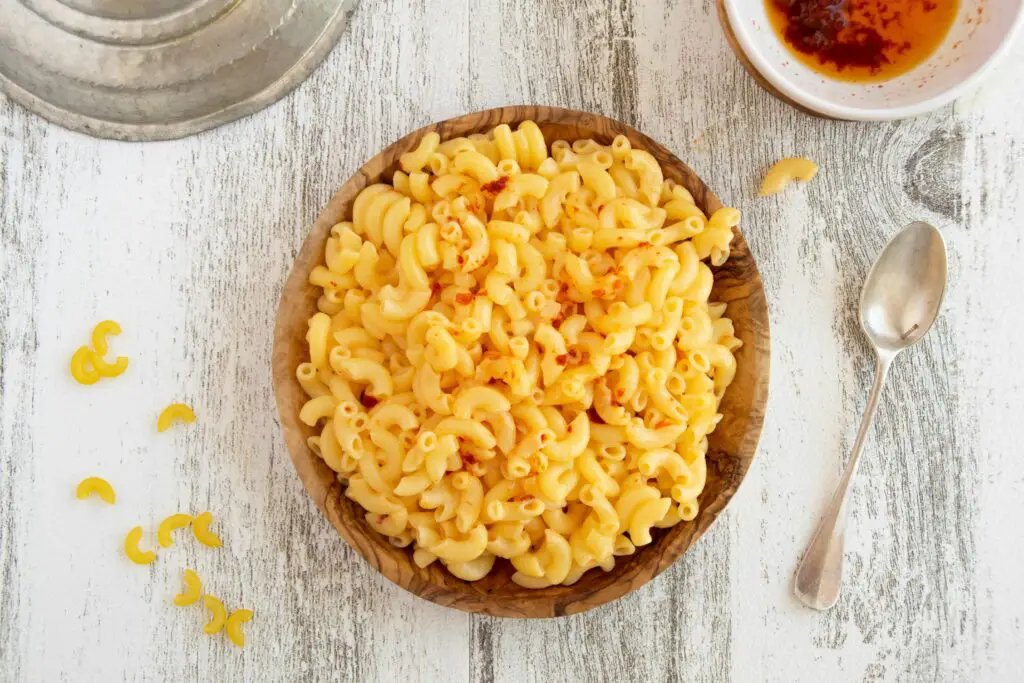
Macaroni and cheese has a long history, but it became especially popular in the United States during times when inexpensive pantry staples were essential. Pasta and cheese were relatively affordable and filling. During the Great Depression and later during World War II rationing, boxed macaroni and cheese helped families stretch their grocery budgets. It was quick, simple, and satisfying.
Over time the dish took on a life of its own. Home cooks started baking it with breadcrumbs or mixing in different cheeses. Restaurants created richer versions with cream, bacon, or lobster. Despite all those variations, the original appeal remains the same. A bowl of macaroni and cheese still feels like the definition of comfort food.
9. Chili
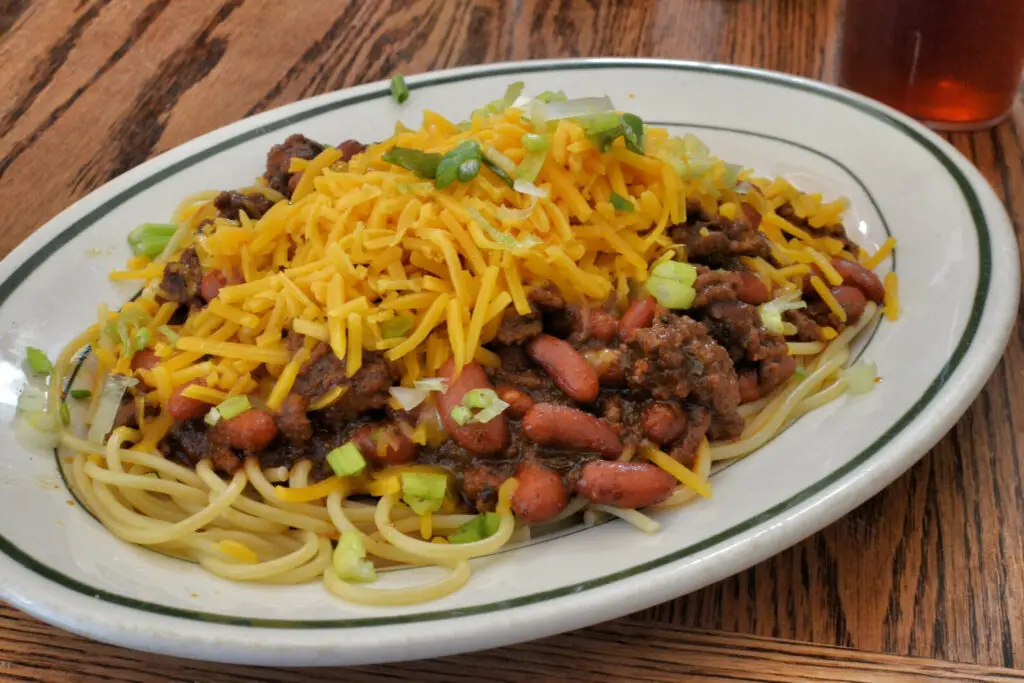
Chili grew out of necessity in the American Southwest, where cooks combined inexpensive ingredients into a hearty stew. Beef scraps, dried chilies, beans, and spices could simmer together for hours and feed a crowd. It was filling and affordable, which made it ideal for workers and travelers. Street vendors even sold it cheaply in cities like San Antonio in the late 1800s. It was practical food first and foremost.
Eventually chili became a cultural staple with passionate fans. Regional versions popped up across the country, from Texas style chili to Cincinnati chili served over spaghetti. Cookoffs and competitions helped elevate the dish even further. Today chili is a game day favorite and a go to winter meal. Its rugged survival roots remain part of its identity.
10. Rice Pudding

Rice pudding has existed in many cultures for centuries, often as a way to stretch small amounts of rice and milk. In difficult times, people needed desserts that relied on basic pantry ingredients. Rice simmered slowly with milk and sugar until it thickened into a creamy dish. Sometimes spices like cinnamon were added for extra flavor. The ingredients were simple but satisfying.
Despite its humble origins, rice pudding became a beloved comfort dessert in many households. Some families serve it warm, while others prefer it chilled. Recipes often get passed down through generations. The dish still feels nostalgic for many people who grew up eating it. What started as a practical use for leftover rice turned into a timeless sweet treat.
11. Corned Beef and Cabbage
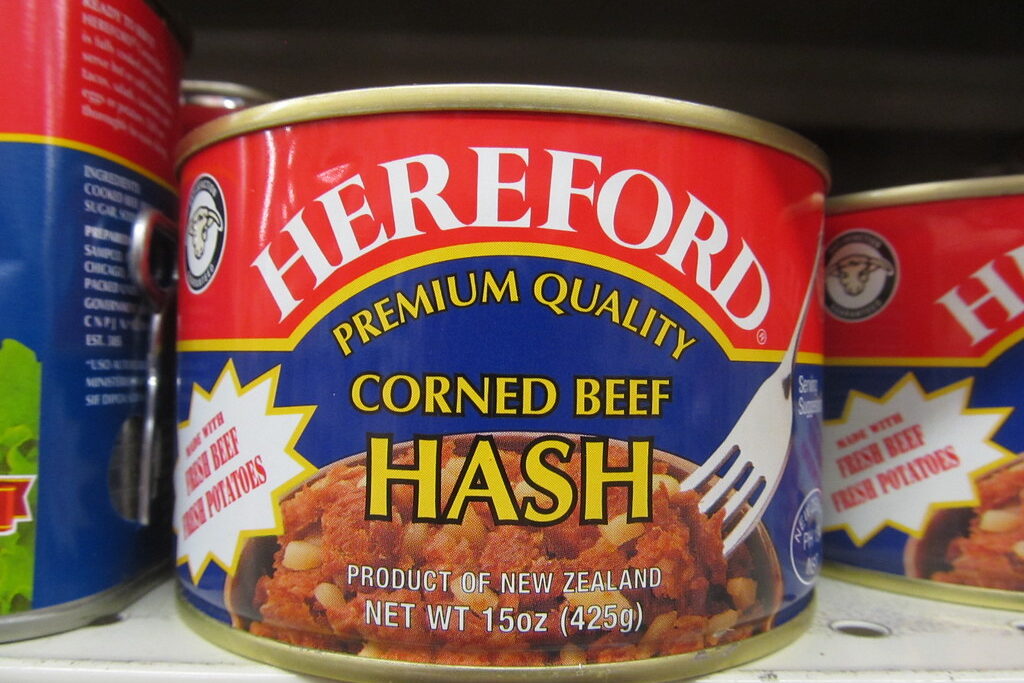
Corned beef and cabbage became associated with Irish American communities, especially during periods when immigrants had to make careful food choices. Beef brisket that had been cured in salt was relatively inexpensive and lasted longer than fresh meat. Cabbage was also cheap and widely available. Together they created a filling meal that could feed a large family. It was practical and dependable.
Over time the dish became strongly linked with cultural celebrations, particularly St. Patrick’s Day in the United States. Families began cooking it as part of holiday traditions rather than out of necessity. The salty beef and tender cabbage created a comforting flavor combination. Today it shows up at festive gatherings as well as family dinners. Its survival origins are still part of the story.
12. Mulligan Stew
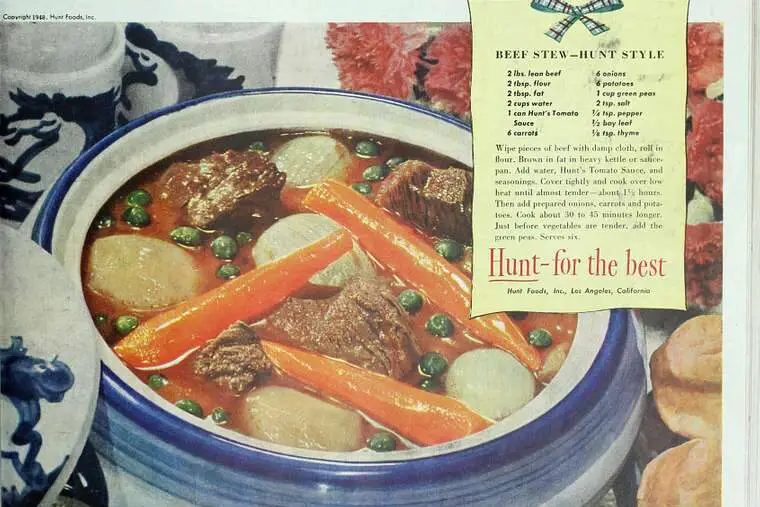
Mulligan stew is often associated with the Great Depression, when people had to make meals from whatever ingredients were available. The stew could include vegetables, scraps of meat, potatoes, and anything else that happened to be on hand. It was commonly prepared in large pots that could feed several people. The exact recipe changed every time. Flexibility was the whole point.
Despite its improvised origins, the idea of Mulligan stew became part of American folklore. Stories about hobos cooking communal stews around campfires helped cement its place in history. Today the dish is sometimes recreated intentionally as a rustic comfort meal. It still carries the spirit of resourcefulness. What began as survival cooking now feels like a symbol of resilience.
13. Split Pea Soup
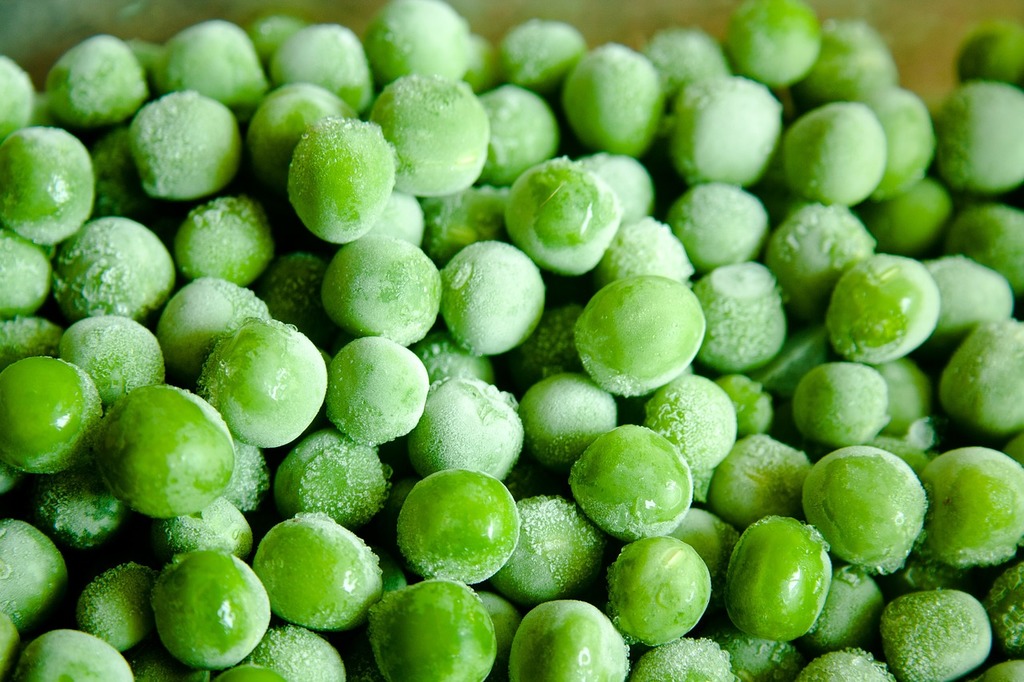
Split pea soup became popular because dried peas were inexpensive and stored well for long periods. During times of hardship, ingredients that could sit on a shelf without spoiling were extremely valuable. By simmering split peas with water, onions, and sometimes ham bones, cooks created a thick and filling soup. It provided protein and warmth with very little cost. That practicality made it widely adopted.
Over time the soup developed a loyal following. The smoky flavor from ham paired perfectly with the creamy texture of the peas. Many people associate it with cold weather and cozy kitchens. Restaurants and diners still serve it regularly. The dish’s frugal beginnings are easy to overlook today.
14. Tomato Soup with Bread

Tomato soup became a common survival meal because canned tomatoes were inexpensive and widely available. By simmering them with water, milk, or broth, families could create a quick and filling soup. Bread served alongside helped stretch the meal even further. It was simple, cheap, and warming. During tough economic periods, that mattered more than culinary flair.
Eventually tomato soup became a comfort food icon, especially when paired with a grilled cheese sandwich. The bright flavor and creamy texture made it surprisingly satisfying. Many people still remember eating it on cold afternoons or sick days at home. The meal is now associated with nostalgia rather than necessity. Yet its origins remain firmly rooted in practicality.