
1. Liver and Onions
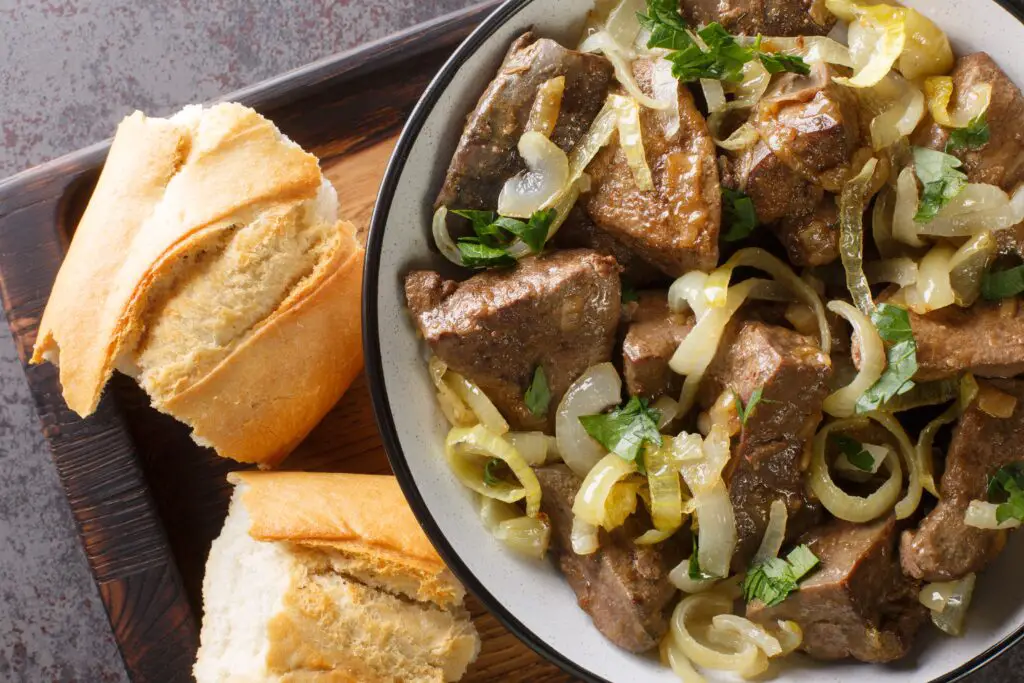
Liver and onions has always been one of those deeply divisive meals that families either swore by or avoided completely. It was inexpensive, packed with nutrients, and very common in mid-century American kitchens. But the strong smell while cooking and the distinct flavor made it a risky choice when guests were involved. Even people who grew up with it often admitted it wasn’t something you served to impress.
Parents sometimes insisted on it because it was considered healthy, especially for iron. Kids, on the other hand, often dreaded the nights it showed up on their plates. It lingered in the air long after dinner was over, which didn’t help its reputation. When guests were expected, this was almost always swapped out for something safer.
2. Spam and Eggs

Spam became popular during World War II and remained a pantry staple for decades after. Fried up with eggs, it made for a quick, salty meal that families leaned on when groceries were tight. It was practical, shelf-stable, and easy to cook, which made it a go-to for busy households. But its reputation as processed meat meant it didn’t exactly feel like something you’d serve to visitors.
There was also a certain stigma attached to it over time, especially as fresh meats became more accessible. While some families genuinely enjoyed it, others saw it as a “just us” kind of dinner. It was filling and familiar, but not particularly impressive. When guests were coming over, Spam usually stayed tucked away in the pantry.
3. Tuna Noodle Casserole
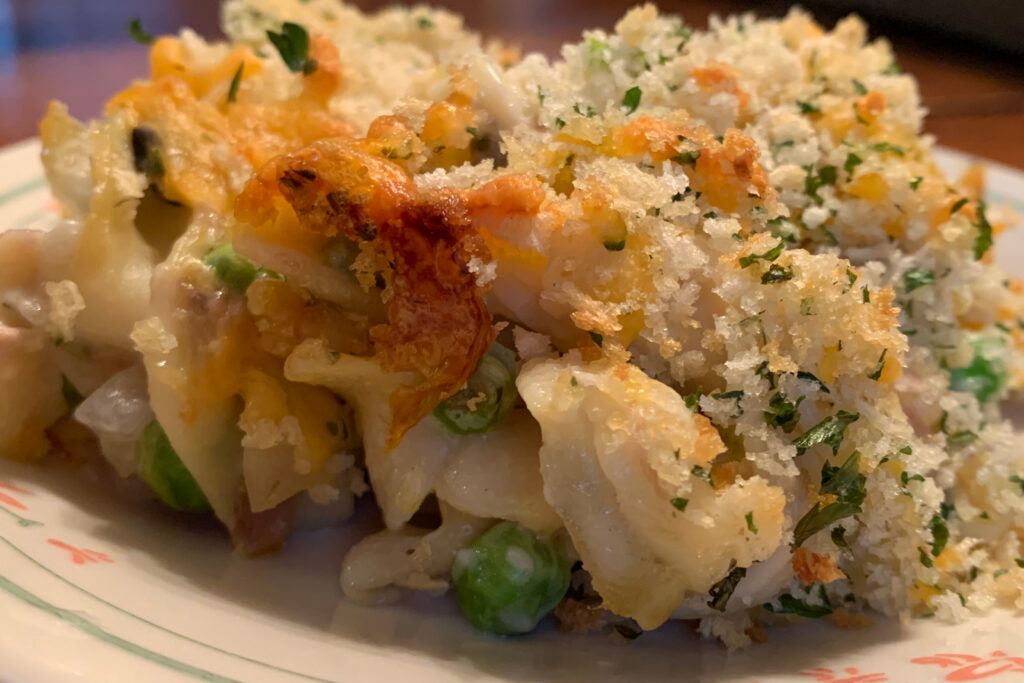
Tuna noodle casserole was a classic weeknight dinner that relied heavily on canned ingredients and convenience. Typically made with egg noodles, canned tuna, cream of mushroom soup, and sometimes peas, it was easy to throw together. It was warm, comforting, and budget-friendly, which made it a household favorite. But it didn’t always win points for presentation or smell.
The combination of fish and creamy sauce could be off-putting to people who weren’t used to it. Families often made it because it fed a lot of people with minimal effort. Kids might pick around the peas or complain about the tuna, but it still showed up regularly. It just wasn’t the dish you pulled out when trying to make a good impression.
4. Hot Dog and Bean Skillet
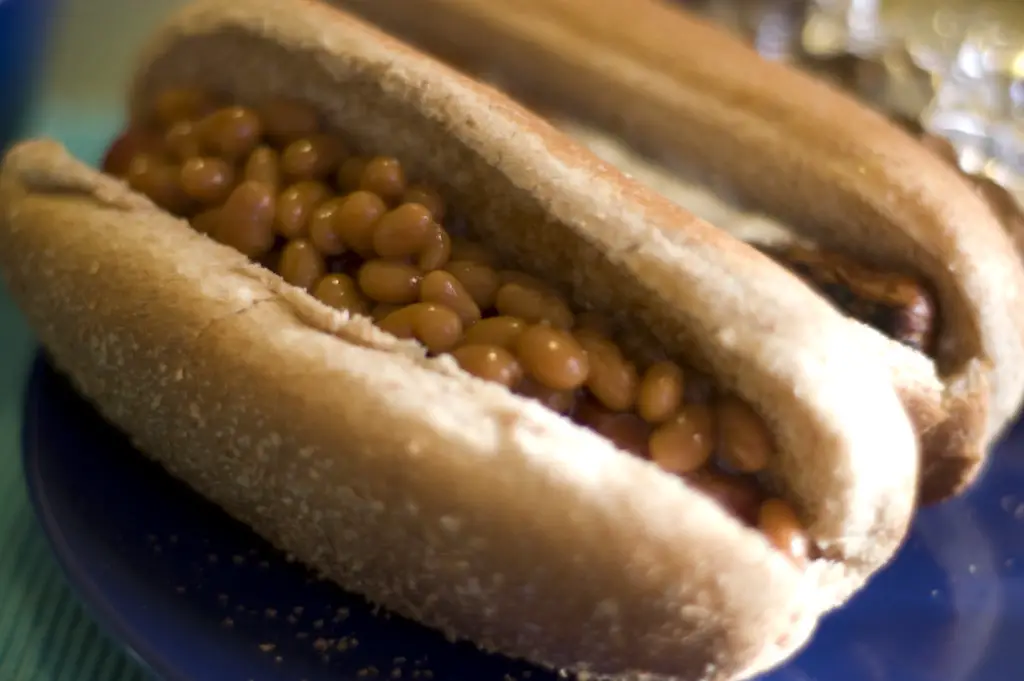
Hot dogs sliced into baked beans was a quick, filling meal that many families relied on during busy or tight times. It required minimal prep and used inexpensive ingredients that were easy to keep on hand. The sweet and savory mix was appealing to kids, which helped make it a regular rotation meal. Still, it didn’t exactly look like something you’d serve at a dinner gathering.
It had a very casual, almost campfire feel that didn’t translate to hosting guests. Adults might enjoy it for nostalgia, but it wasn’t considered a “company dinner.” It was more about convenience than presentation. When visitors were expected, this meal was quietly replaced with something a little more polished.
5. Corned Beef Hash
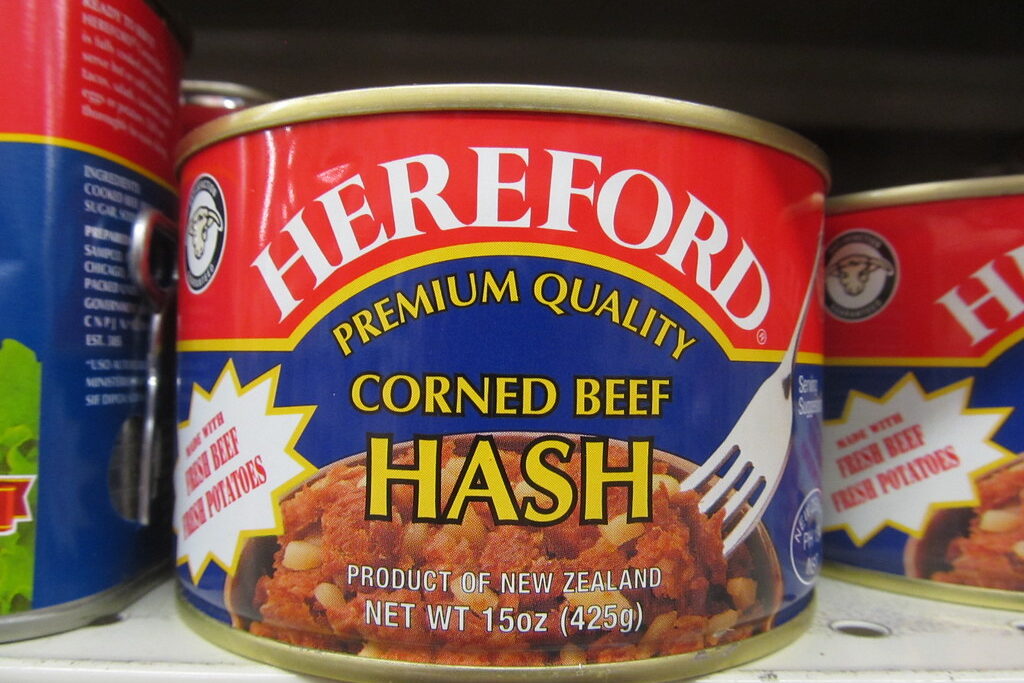
Corned beef hash, especially the canned version, was a staple in many kitchens because it was quick and filling. Fried up in a pan and often served with eggs, it made for an easy breakfast or dinner. It had a salty, crispy appeal that some people really loved. But its appearance, especially straight from the can, didn’t do it any favors.
The texture could be inconsistent, and it didn’t plate in a particularly attractive way. Families kept it in rotation because it was dependable and affordable. It was the kind of meal you made without much planning. When guests were coming over, though, it usually stayed off the menu.
6. Boiled Cabbage and Potatoes
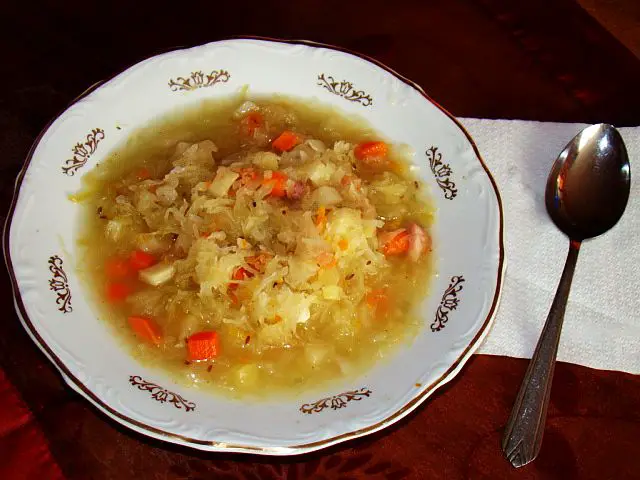
Boiled cabbage and potatoes was a simple, old-school meal rooted in practicality. It used inexpensive ingredients and could feed a family without much effort. For some, it was tied to cultural traditions, especially in Irish and Eastern European households. But the strong smell that filled the house while it cooked made it a risky choice for entertaining.
Even people who liked the taste sometimes admitted the aroma wasn’t exactly inviting. It lingered long after the meal was over and could be overwhelming. Families made it because it was easy and familiar. But if guests were expected, this dish usually stayed off the stove.
7. Bologna Sandwiches for Dinner

There were nights when dinner was as simple as bologna sandwiches, especially when time or money was tight. Bologna was inexpensive, easy to store, and quick to prepare. Fried or cold, it was a go-to for families needing something fast. But it didn’t carry the same weight as a “proper” dinner when company was involved.
Serving sandwiches for dinner could feel too informal, especially in an era when hosting came with certain expectations. Kids often didn’t mind, but adults knew it wasn’t exactly impressive. It was more about getting food on the table than making a statement. When guests were around, something more substantial usually took its place.
8. Hamburger Helper
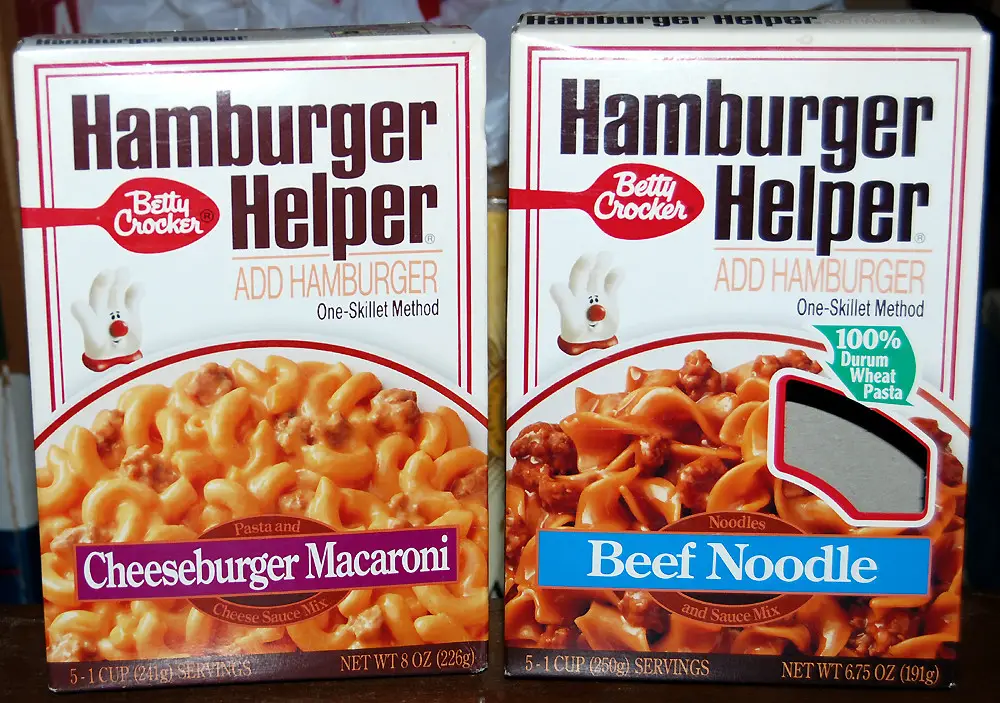
When Hamburger Helper debuted in the early 1970s, it quickly became a lifesaver for busy families. It stretched ground beef into a full meal with pasta and seasoning, all in one pan. It was affordable, easy, and heavily marketed as a practical solution for weeknight dinners. But it also had a processed, boxed-food reputation that didn’t lend itself to entertaining.
Families leaned on it because it simplified cooking and reduced cleanup. It became a familiar comfort meal for many kids growing up. Still, it wasn’t something you served when trying to impress guests. It stayed firmly in the category of everyday, no-frills dinners.
9. Leftover Meatloaf Plates
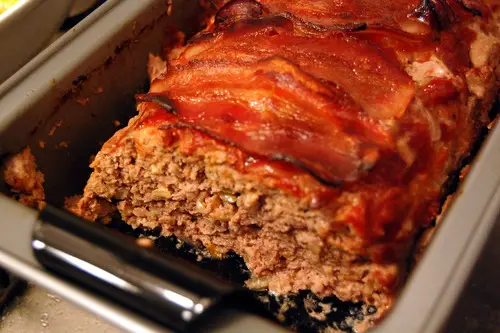
Meatloaf itself could be company-worthy, but the leftover version told a different story. Sliced cold or reheated, it often lost the appeal it had the first time around. Families were practical and made sure leftovers didn’t go to waste. That meant meatloaf sandwiches or reheated slices with simple sides showed up regularly.
It was efficient and familiar, but not exactly presentation-friendly. The texture could change, and it didn’t always look as appetizing the second time. It was a quiet, no-fuss kind of meal. When guests were expected, fresh dishes took priority.
10. Macaroni with Butter and Salt
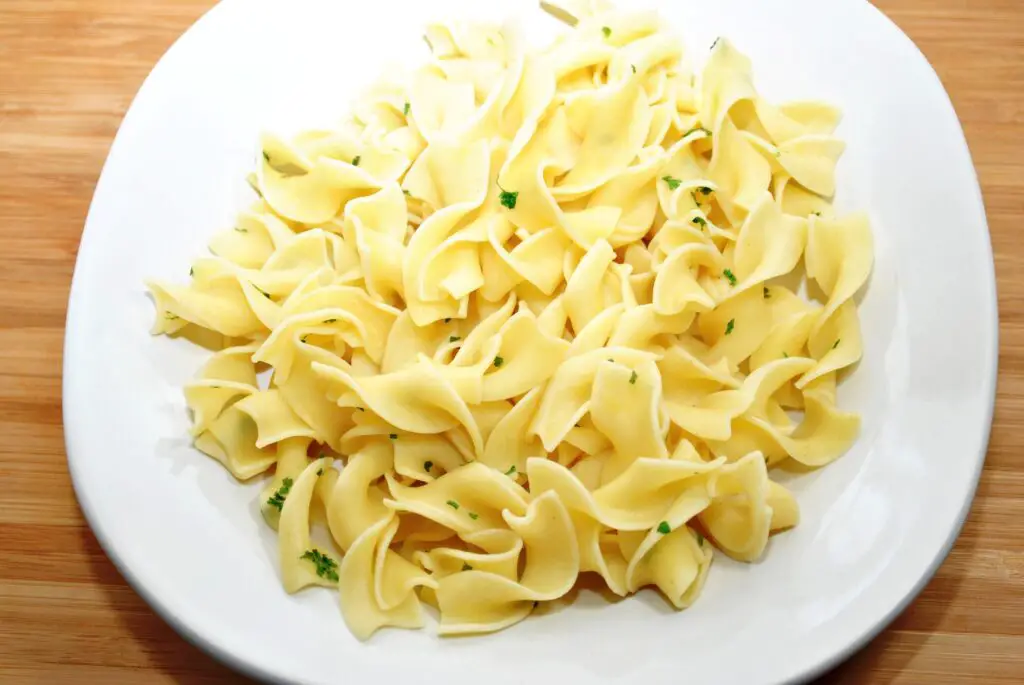
Sometimes dinner was as simple as macaroni tossed with butter and a sprinkle of salt. It was inexpensive, quick, and comforting, especially for kids. On nights when there wasn’t much in the pantry, it got the job done. But it also felt more like a fallback than a full meal.
There wasn’t much to dress up or present, which made it less suitable for guests. It lacked the extras that made a dish feel complete. Families relied on it because it was easy and dependable. But if someone was coming over, something a little more elaborate usually replaced it.
11. Fried Bologna

Fried bologna had a very specific place in many households, especially in the mid-20th century. Cooked in a pan until the edges curled, it was often served on bread or with simple sides. It was cheap, filling, and had a nostalgic appeal for those who grew up with it. But it also carried the same stigma as other processed meats.
The look and smell weren’t exactly refined, and it didn’t feel like a dish meant for guests. It was more about convenience than presentation. Families made it because it was quick and familiar. But it stayed firmly in the category of meals you kept within the household.
12. Potato Chip Sandwiches
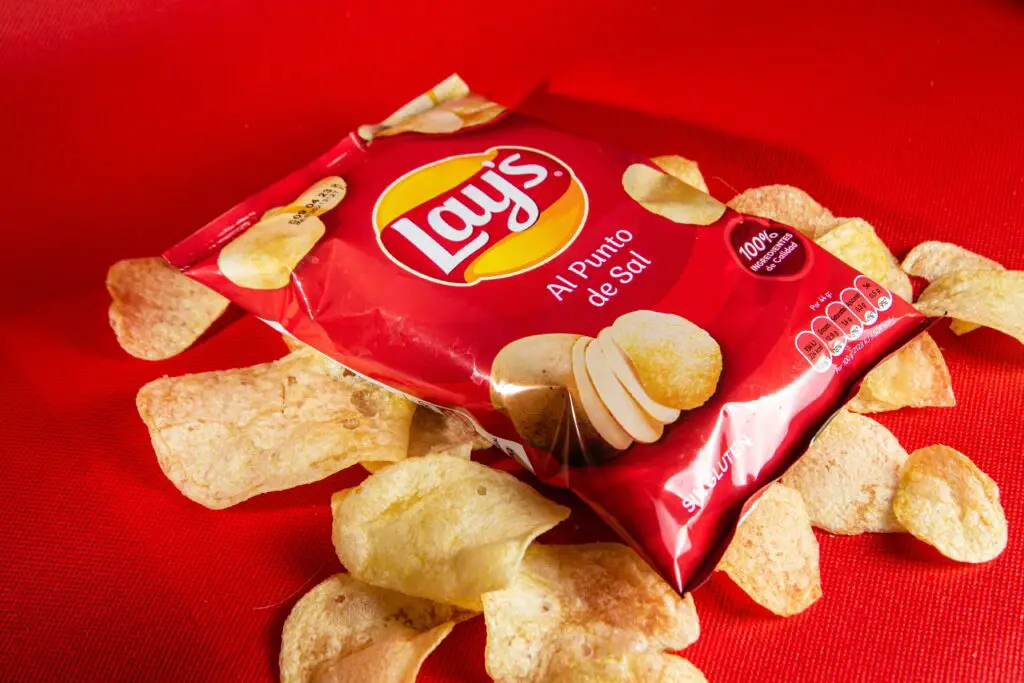
Potato chip sandwiches were less about nutrition and more about making do with what was available. Typically just chips between slices of bread, sometimes with a little butter or mayo, they were a quick fix. Kids often loved the crunch and simplicity, which made them a memorable part of growing up. But they were never meant to be a proper dinner.
They reflected those nights when the pantry was running low or nobody felt like cooking. It was creative in its own way, but not something you’d proudly serve to guests. Adults might look back on them with a mix of nostalgia and disbelief. When company was expected, meals like this quietly disappeared.
13. Creamed Chipped Beef on Toast
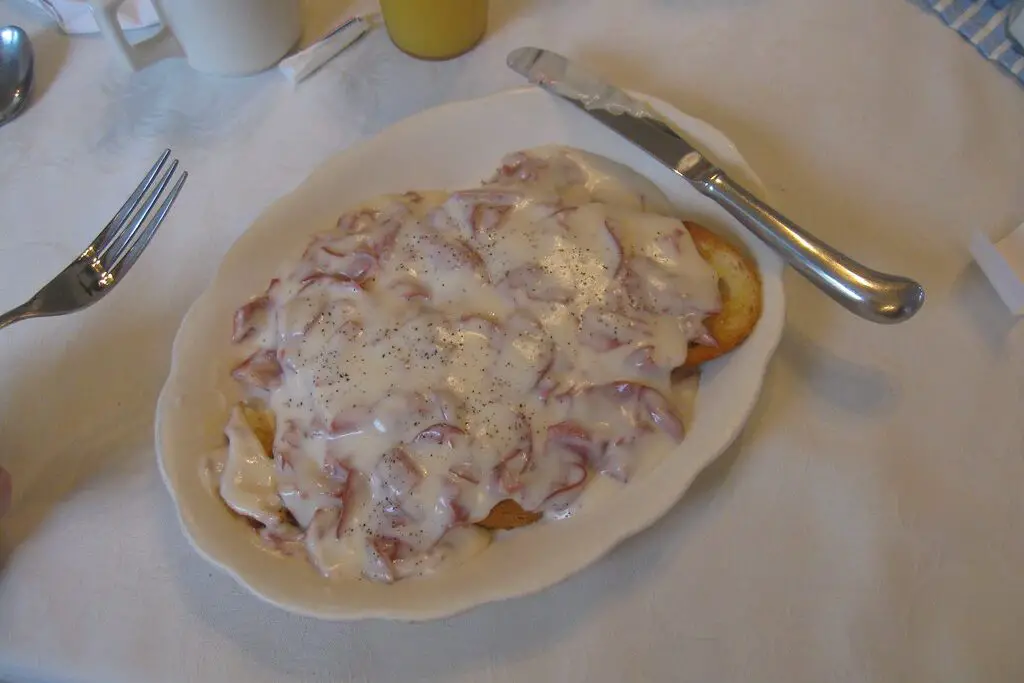
Sometimes called “S.O.S.” in less polite company, creamed chipped beef on toast was a budget staple that didn’t exactly scream hospitality. It used dried beef in a thick white sauce poured over toast, which made it filling but not especially pretty. A lot of families relied on it because it stretched ingredients and came together quickly. But visually, it had that grayish, lumpy look that didn’t impress anyone walking through the door.
It was the kind of meal you made when it was just the immediate family at the table and nobody was judging. Kids often grew up either loving it or refusing to touch it entirely. It also carried strong associations with military cooking, which added to its reputation as more practical than enjoyable. If company was coming over, this one quietly disappeared from the menu.