
1. Fat-Free Snack Cakes
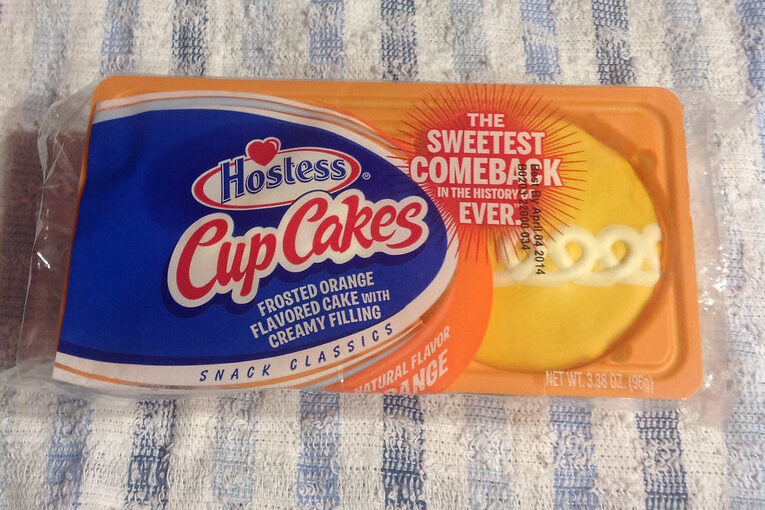
In the ’90s, everyone thought fat-free meant healthy, so these little cakes became pantry staples overnight. They were advertised as a guilt-free treat, even though they were packed with sugar and weird fillers that made them taste strangely spongy. People felt good grabbing a couple after school or work because the packaging practically shouted about being wholesome. Looking back, it is wild how we all forgot to check the ingredient list.
Even though they had no fat, they sent blood sugar soaring, which made people even hungrier. Many folks remember eating three or four before realizing they never actually felt full. Nutritionists later pointed out that fat-free did not mean good for you, it just meant something else was added. These cakes were basically dessert in disguise, and not even a satisfying one.
2. Margarine
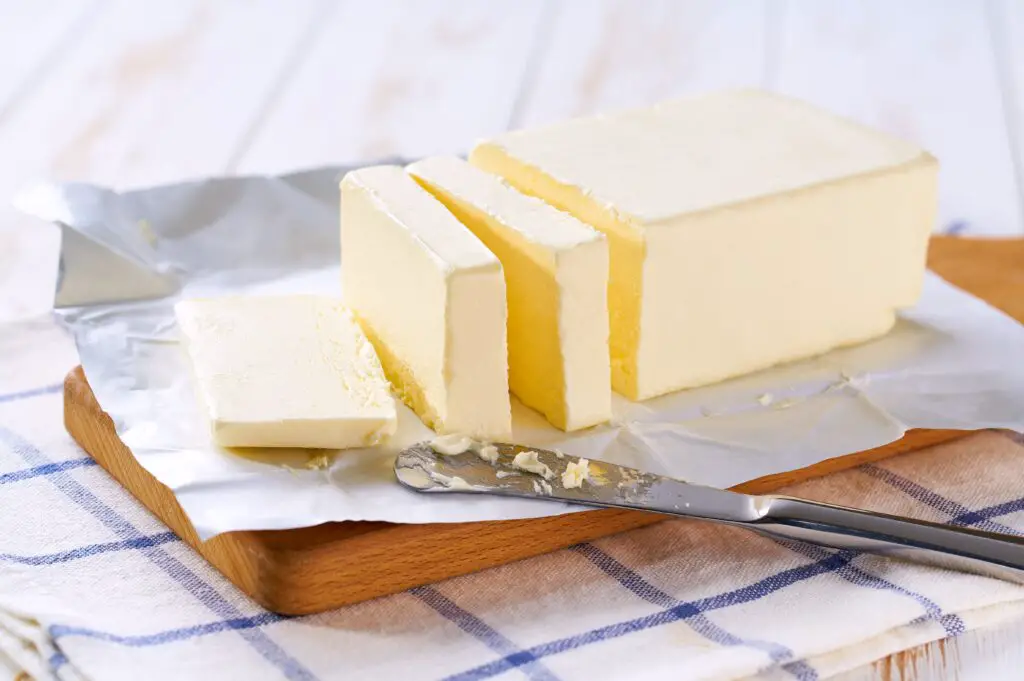
Margarine was once the star of heart healthy diets, praised as a miracle alternative to butter. Commercials showed families happily spreading it on toast like it was the key to living longer. What the ads did not mention was the high amount of trans fats hiding inside many brands. Those fats are now considered far worse for heart health than butter ever was.
People switched eagerly because they wanted to do something good for their bodies. It took years before research revealed the risks and labels started changing. By then, many folks had grown up thinking margarine was the responsible choice. Today, we shake our heads at how confidently it was sold as the better option.
3. Diet Soda
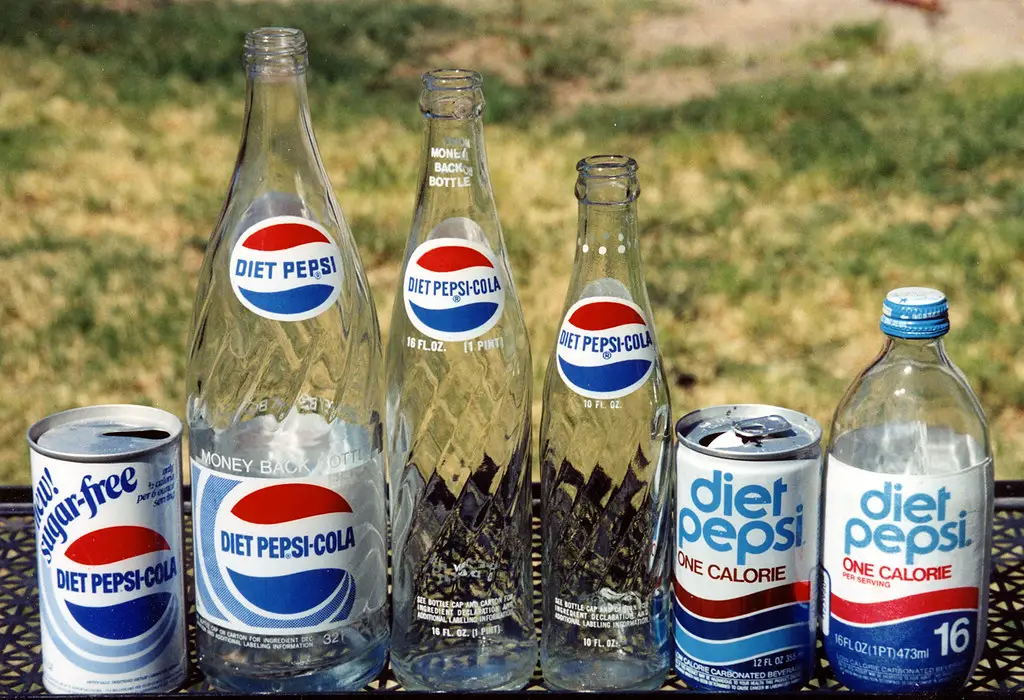
For years, diet soda was marketed as the perfect solution for people who wanted sweetness without calories. The artificial sweeteners convinced many that they could drink as much as they wanted with no consequences. People brought it to school, kept it at their desks, and paired it with meals believing they were making a healthier choice. The bubbly cans felt like a free pass.
Over time, studies raised concerns about how artificial sweeteners might affect cravings. Many people noticed they were still hungry or snacking more after drinking one. It also did nothing to help people kick the soda habit, which was always the real problem. Diet soda ended up being a confusing detour rather than a healthy switch.
4. Low-Fat Yogurt
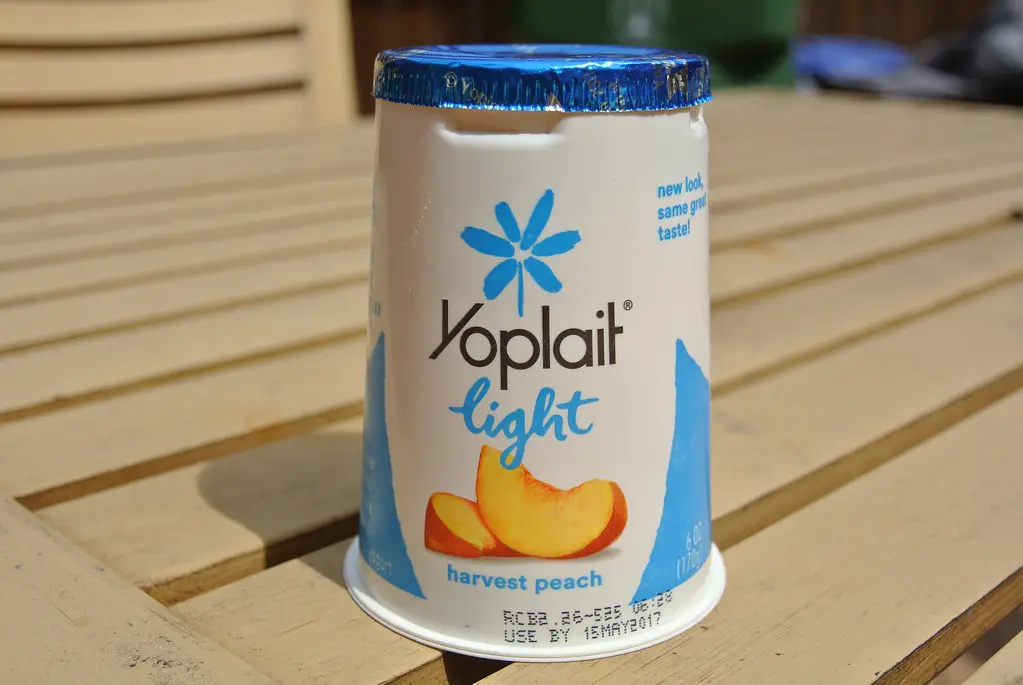
Low-fat yogurt ads made you think you were treating your body like a temple. Every commercial featured someone doing yoga or smiling in a sunny kitchen with a cup of fruit flavored yogurt in hand. The problem was that removing fat meant adding a lot of sugar to make it taste good. Those tiny cups often had as much sugar as a dessert.
People packed them in lunches thinking they were picking the smart option. It was only later that nutrition labels revealed how misleading the packaging was. Once folks switched to plain or Greek versions, the difference was clear. Low-fat yogurt was never a light choice, just a very sweet one.
5. Granola
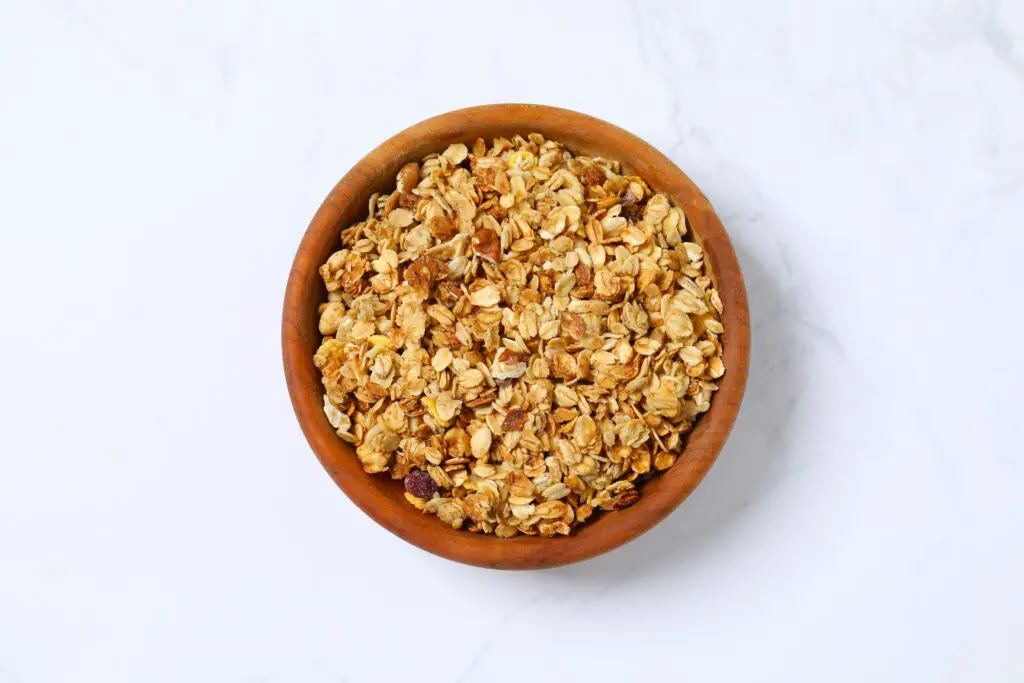
Granola arrived with a wholesome, outdoorsy vibe, like it was the official breakfast of hikers and nature lovers. Bags showed mountains, fields, and people feeling energized and pure. But many brands were loaded with sugar, oils, and mix-ins that pushed the calorie count surprisingly high. It turned out to be closer to a dessert topping than a health food.
Families poured generous servings thinking they were starting the day strong. Some people even snacked on it by the handful, not realizing how heavy it really was. Health experts later pointed out that the crunchy clusters hid a lot more sweetness than expected. Granola went from hero to cautionary tale pretty fast.
6. Sports Drinks
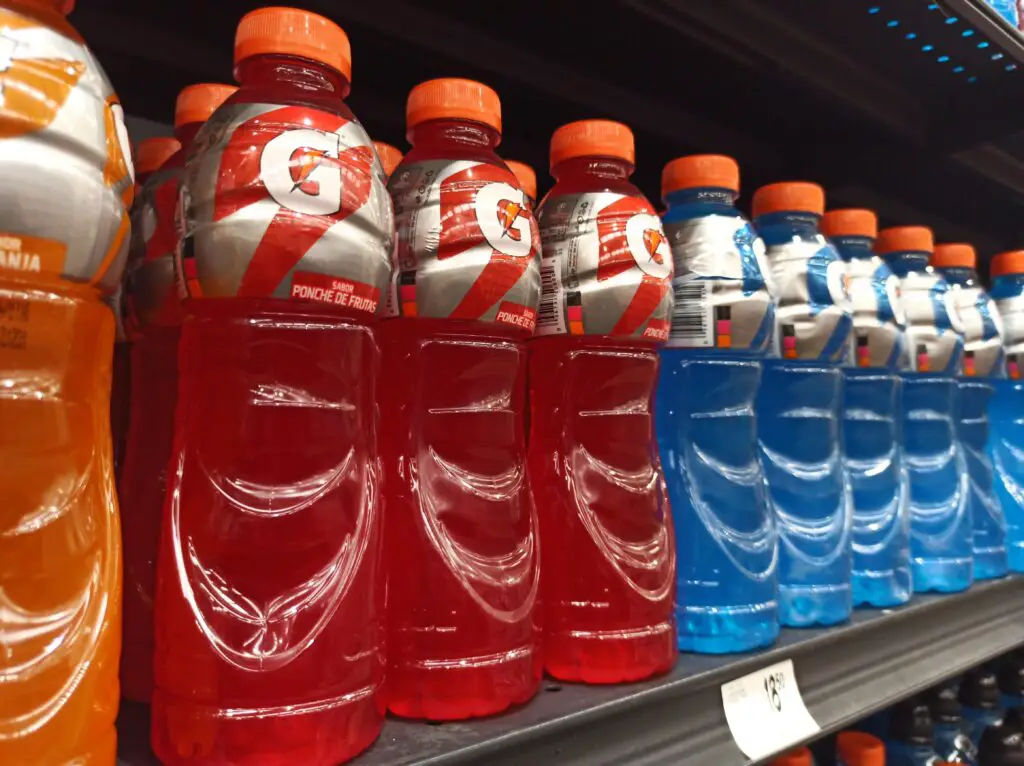
Sports drinks looked so cool in commercials, with athletes sweating dramatically and then gulping neon liquid. They were sold as essential for hydration and recovery, even though most people drinking them were not doing marathon level workouts. The added sugar made them more like soda dressed in gym clothes. Kids especially loved the bright colors and sweet taste.
Parents tossed them into lunchboxes thinking they were better than soft drinks. But over time, it became obvious the drinks were unnecessary for everyday activities. Unless someone was training intensely, they did not need the extra calories. Eventually, people realized water was still the best option.
7. Instant Oatmeal Packets
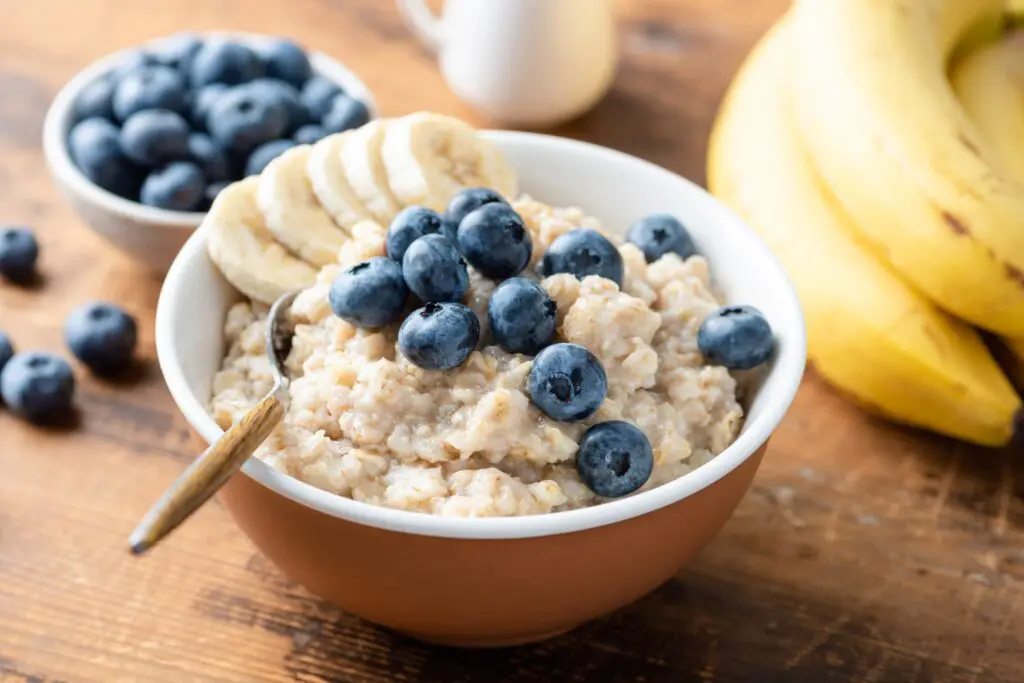
Instant oatmeal felt like the perfect quick breakfast for busy mornings. The warm, cozy images on the box gave it a reputation for being hearty and heart healthy. But many of those flavored packets were packed with sugar and syrups that made them taste more like dessert. People were surprised to learn the plain version was the only truly healthy one.
Kids loved the fun flavors, and parents assumed it was a nourishing start to the day. But the sugar spikes often led to midmorning crashes. When people switched to whole oats, the difference in fullness was dramatic. Instant oatmeal packets were convenient, but not the health win they claimed to be.
8. Frozen Diet Meals

Frozen diet meals promised portion control and effortless healthy eating. The packaging showed colorful veggies and lean proteins that looked balanced and satisfying. But in reality, many had high sodium, added sugars, or barely enough calories to feel full. People often finished a meal and immediately wanted a snack.
These dishes were a staple for anyone trying to lose weight quickly. Over time, though, the lack of nutrients became obvious. Many folks realized they were basically eating tiny, salty TV dinners. The meals were convenient, but they never lived up to the promise of true nourishment.
9. Bran Muffins
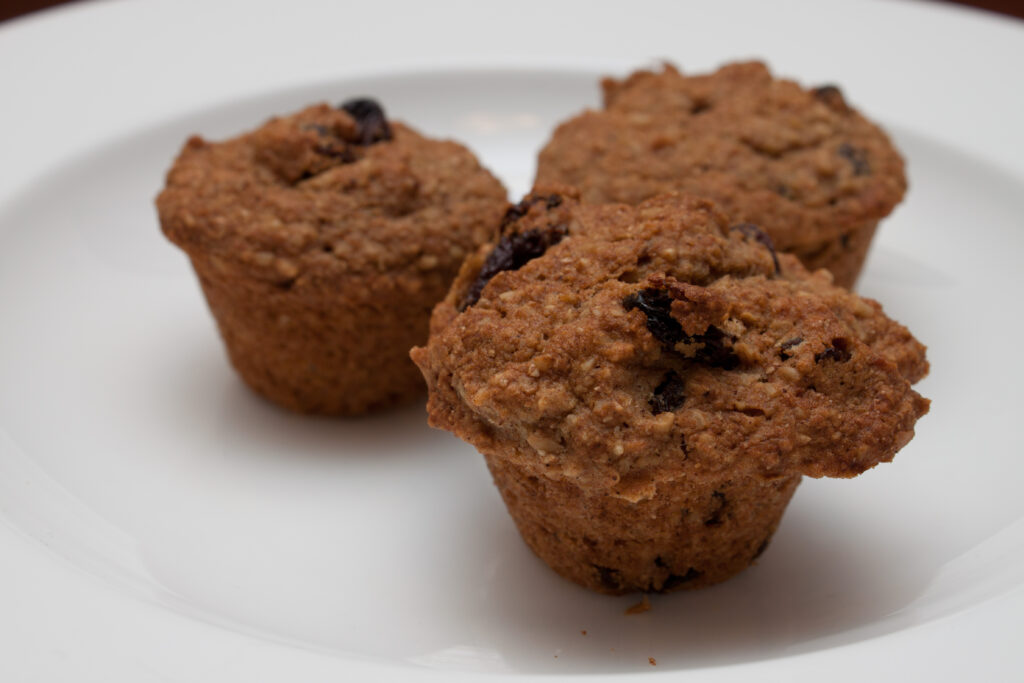
Bran muffins showed up everywhere as the “healthy” bakery item. People liked choosing one instead of a donut because it seemed responsible. But most versions were huge and packed with sugar, oil, and sometimes even chocolate chips. They were basically cake wearing a brown wrapper.
Morning routines often included grabbing one on the way to work. The problem was that it gave people the same calorie load as a dessert without the fun. Nutritional breakdowns eventually revealed how misleading they were. They looked healthy, but the ingredients told a different story.
10. Vegetable Chips
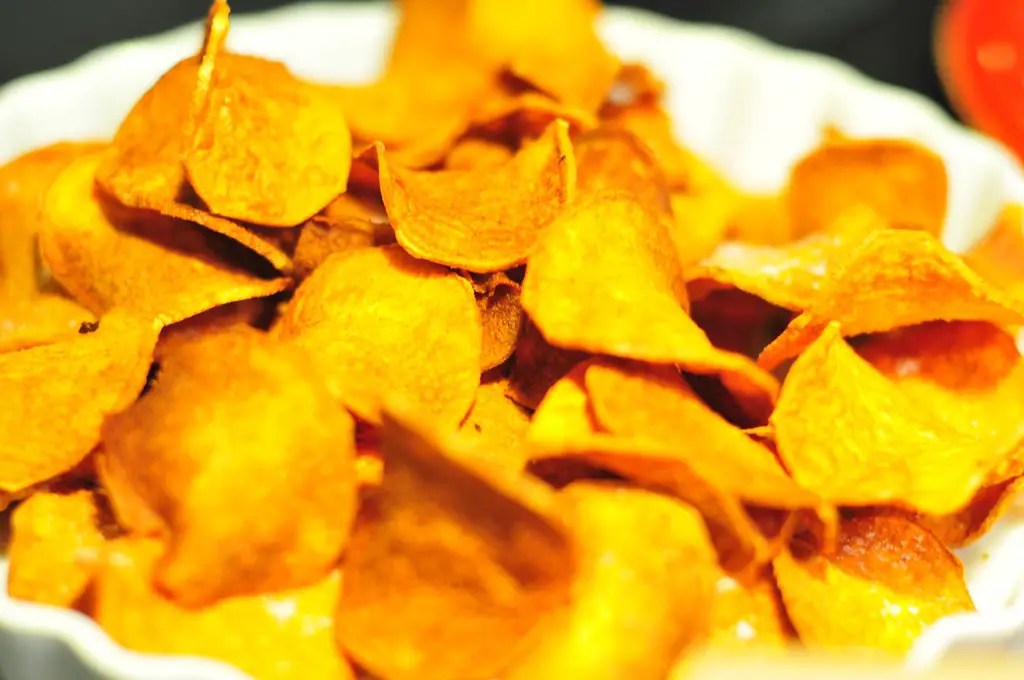
Vegetable chips sounded perfect for people who wanted to swap out greasy potato chips. The word “vegetable” made the bags feel safe and virtuous. But once fried and salted, they were not much different from regular chips at all. Some even had more calories than the original version.
People kept buying them thinking they were doing better for themselves. But the crunchy texture and oily residue gave away the truth. Without the whole veggie, most of the benefits were gone. It was a clever marketing trick that fooled a lot of shoppers.
11. Frozen Yogurt

Frozen yogurt became a joyful trend because it seemed lighter than ice cream. People flocked to self serve shops and loaded bowls with toppings, believing they were making a healthy choice. But many froyo bases had just as much sugar as ice cream. And once the candy added up, the bowls became calorie bombs.
Families went out for frozen yogurt as a feel good treat. But nutrition experts later pointed out how similar it was to regular ice cream. It felt like a smarter choice, but it really depended on portion size. Froyo still tasted great, but it was never the saintly option it pretended to be.
12. Cereal Bars
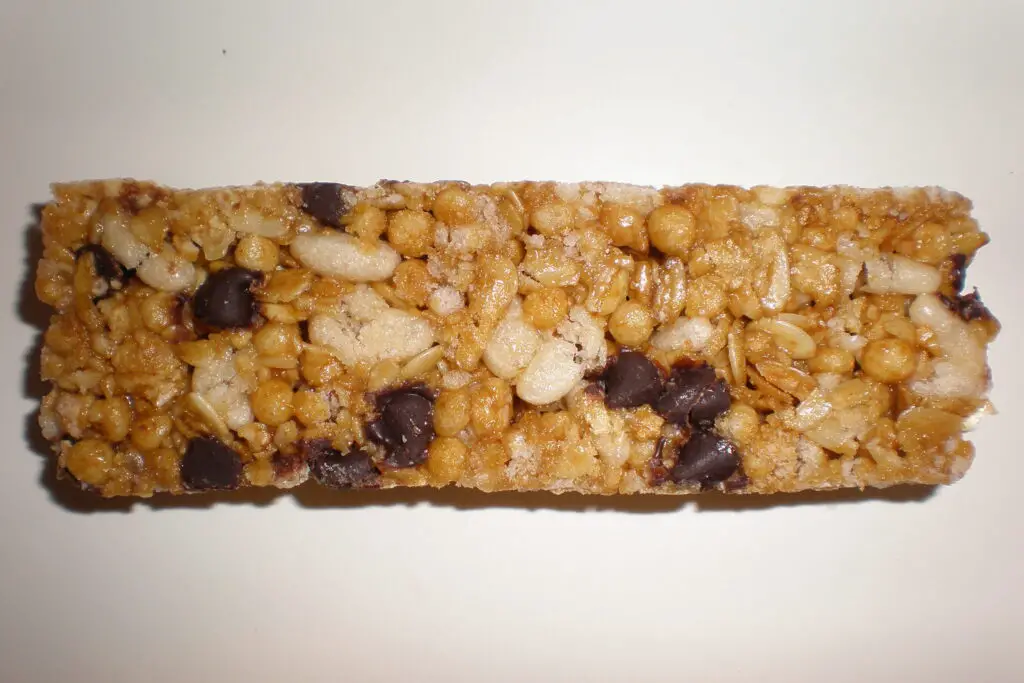
Cereal bars gave the impression of being compact, portable breakfasts designed for busy mornings. Parents loved tossing them into backpacks because they seemed wholesome. But the bars were often sticky with sweeteners, oils, and coatings that made them more like candy bars. Some even had frosting stripes to hide the bland taste.
People ate them thinking they were replacing a bowl of cereal. Instead, they got a sugary burst that faded quickly. Once food labels were examined more closely, the truth came out. They were convenient, but the “healthy” message was mostly marketing.
13. Agave Syrup
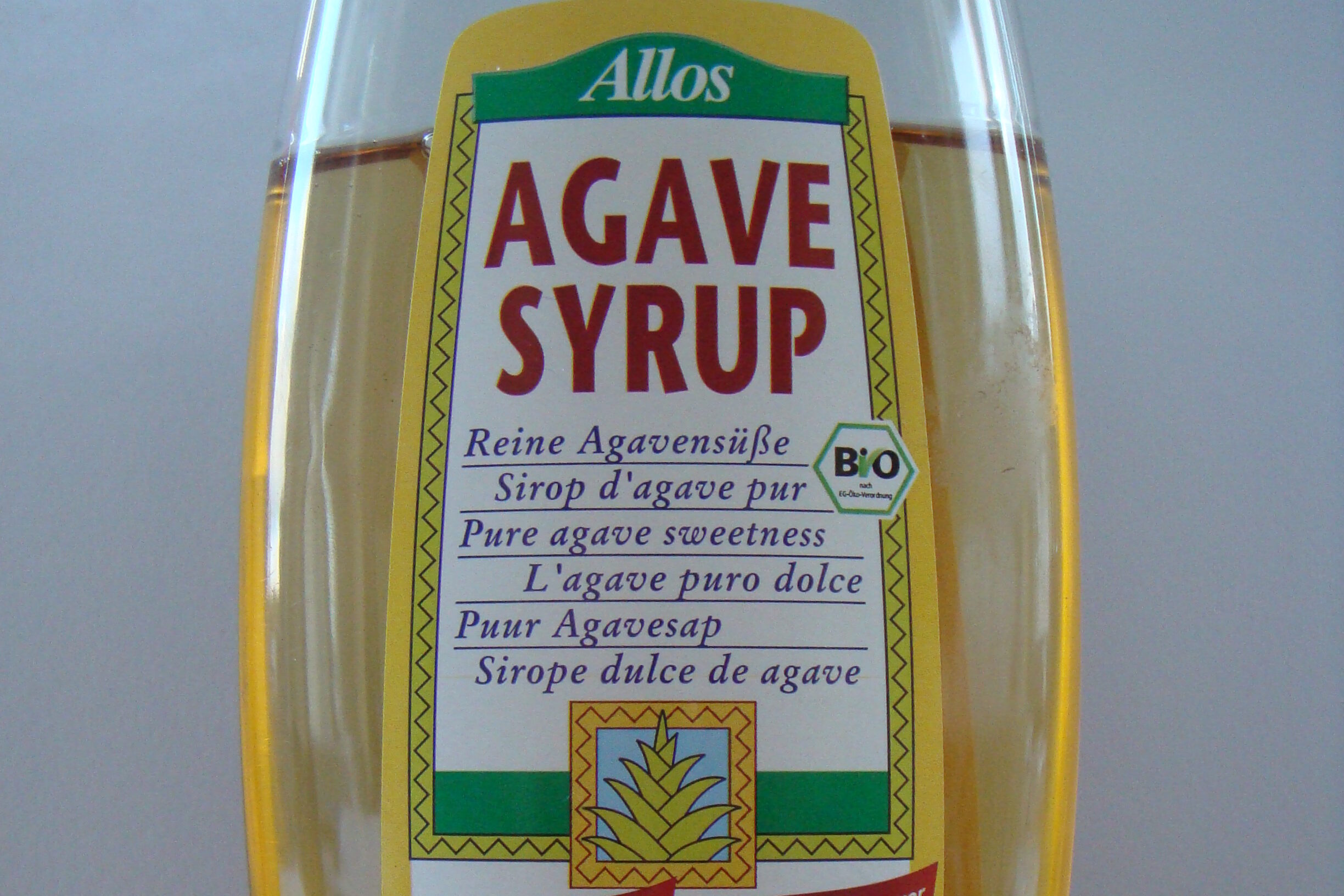
Agave syrup was advertised as a natural sweetener that would not spike blood sugar the way regular sugar did. Many health food lovers swapped it into recipes with enthusiasm. But agave is actually very high in fructose, which can be hard on the liver when consumed in large amounts. Some versions were also heavily processed.
People poured it into tea, drizzled it on fruit, and used it in baking. But nutritionists eventually pushed back on its glowing reputation. While natural, it was still sugar, just in a different form. Agave turned out to be less magical than it first appeared.
14. Fruit Juice
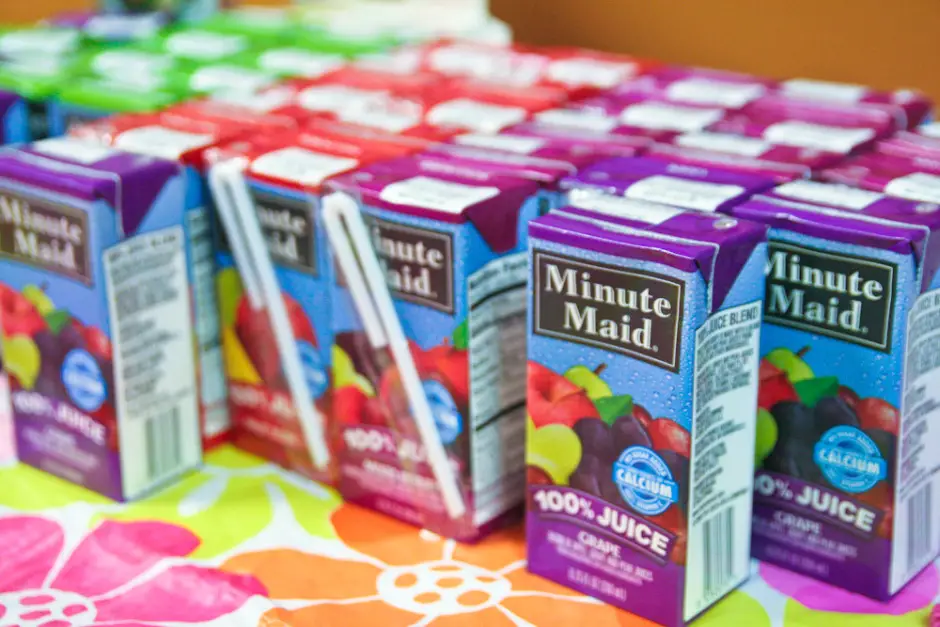
Fruit juice was long promoted as a wholesome way to get more vitamins into your day. Parents felt great pouring a glass at breakfast because it came from fruit. But many juices contain as much sugar as soda, especially when the pulp and fiber are removed. Drinking it floods the body with sweetness much faster than eating whole fruit.
Kids grew up sipping it constantly, often without realizing how sugary it was. Later, health experts recommended cutting back or diluting it with water. People were surprised at how much of a difference it made. Juice still has its place, but it is not the health shortcut it once seemed.
15. Reduced-Fat Peanut Butter
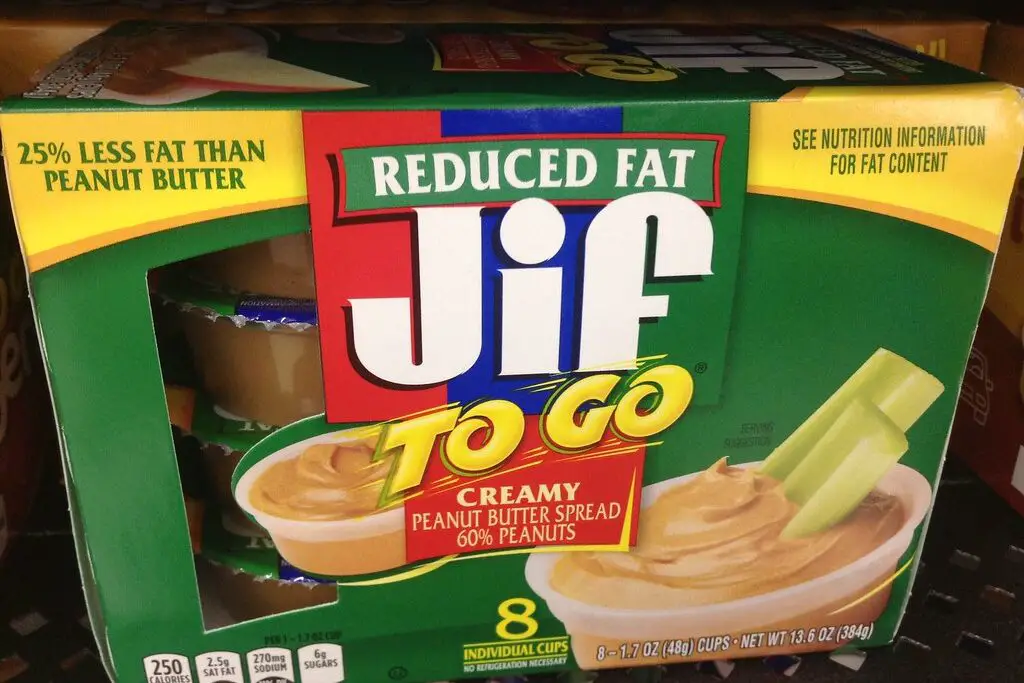
Reduced-fat peanut butter looked like a smart alternative for anyone watching calories. The jars promised all the flavor with less guilt. But taking out the natural fats meant adding extra sugar to keep it spreadable. The result was a product that was less satisfying than the real thing.
People spread it on toast or apples believing they were doing something good for themselves. Over time, though, it became clear the full-fat version was actually healthier because it was less processed. Reduced-fat peanut butter quietly faded from popularity. Sometimes, keeping food simple is the better choice.