
1. Spam

People used to joke that Spam was the mystery meat of the 1940s, but wartime families relied on it because it was cheap, shelf-stable, and could be stretched into practically anything. Today, it has made a full comeback, and younger generations actually seek it out because it feels nostalgic, quirky, and surprisingly versatile. You’ll find it in breakfast scrambles, fried rice, and even gourmet sandwiches. Somehow, the thing your grandparents ate out of necessity is now showing up on brunch menus with fancy garnishes. It’s funny how time changes things. Suddenly people are appreciating its salty charm. It’s almost like the brand knew it would get its second wind.
Believe it or not, Spam has earned cult-favorite status among home cooks who love that it browns beautifully in a pan. Social media helped the revival grow faster than anyone expected, with creators turning the iconic block into crispy cubes and viral noodle toppings. And because it’s still budget-friendly, it fits right into the modern trend of simple comfort food. This comeback proves that practical pantry staples can turn into comfort classics. Your grandparents weren’t wrong about this one.
2. Victory Garden Vegetables
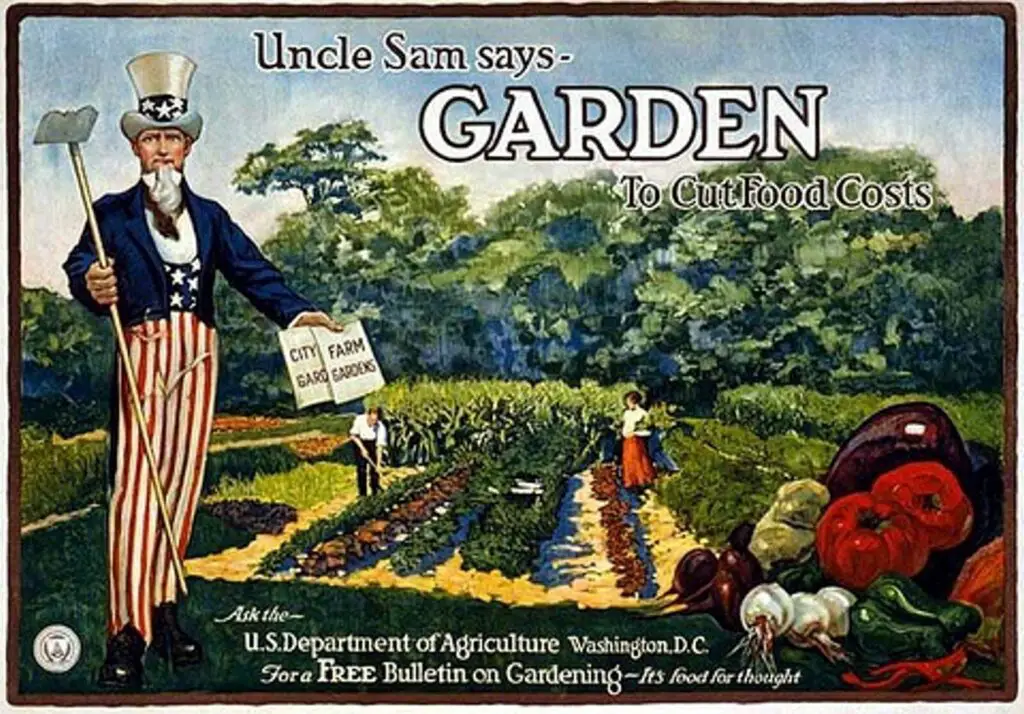
During the war, people planted Victory Gardens because fresh food was rationed and everyone was encouraged to grow their own produce. Families turned lawns and empty lots into little farms filled with carrots, cabbage, peas, and whatever else they could manage. Today those same vegetables are popular again because backyard gardening has become a hobby people take pride in. It’s not just about food anymore, it’s about mindfulness and slowing down. People are craving simple routines that feel grounding. Growing your own lettuce suddenly feels kind of luxurious. It’s funny how the old ways end up being the most fulfilling.
The modern Victory Garden revival also ties into the push for sustainability and knowing where your food comes from. Seed companies have noticed the trend and started bringing back old-fashioned varieties that were big in the 1940s. Even apartment dwellers are getting in on it with patio plants and indoor grow lights. It brings a sense of accomplishment that’s hard to beat. And in a world full of instant everything, waiting for a tomato to turn red feels strangely rewarding.
3. Powdered Milk
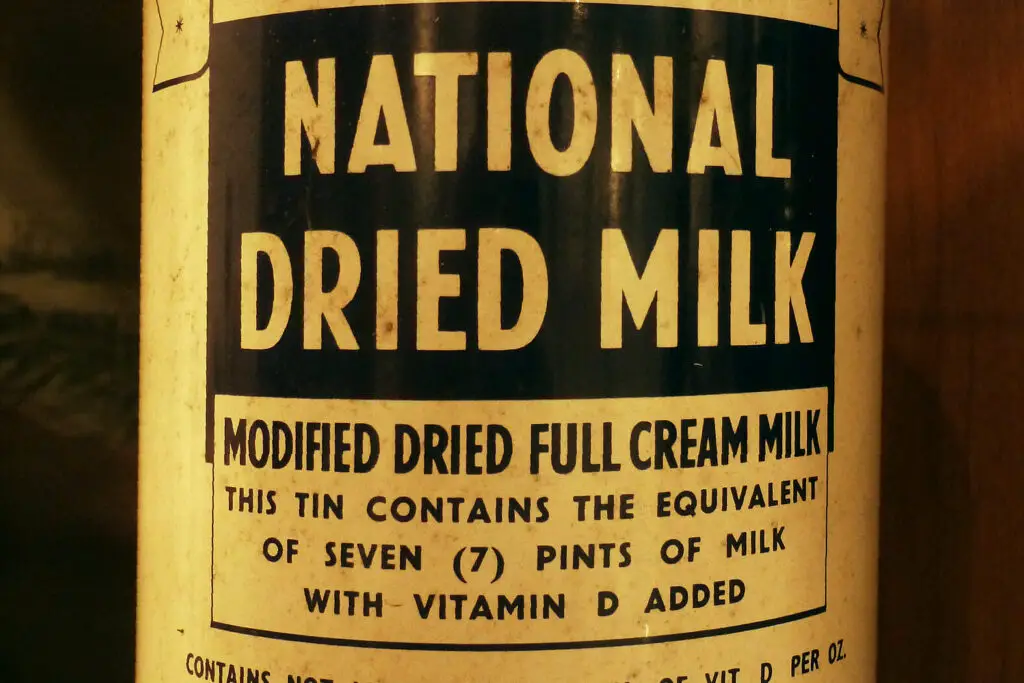
Powdered milk was vital during wartime because actual dairy was strictly rationed, and it stretched much further than fresh milk. Most families didn’t love it, but they used it because they had no choice. Now it’s made a comeback thanks to baking trends and the rise of emergency pantry stocking. People realized it actually works beautifully in bread, muffins, and biscuits. Plus, the shelf life makes it incredibly convenient. It’s basically the unassuming hero of the cupboard. The stuff keeps coming back into fashion whether we like it or not.
Bakers especially love using powdered milk as a secret ingredient because it adds richness without thinning the batter. Coffee drinkers also grab it for camping or travel because it dissolves fast and doesn’t spoil. It’s far from glamorous, but that’s kind of its charm. A product born out of rationing is now embraced by the DIY cooking movement. That’s a pretty impressive second life for something people once dreaded.
4. Oatmeal Everything
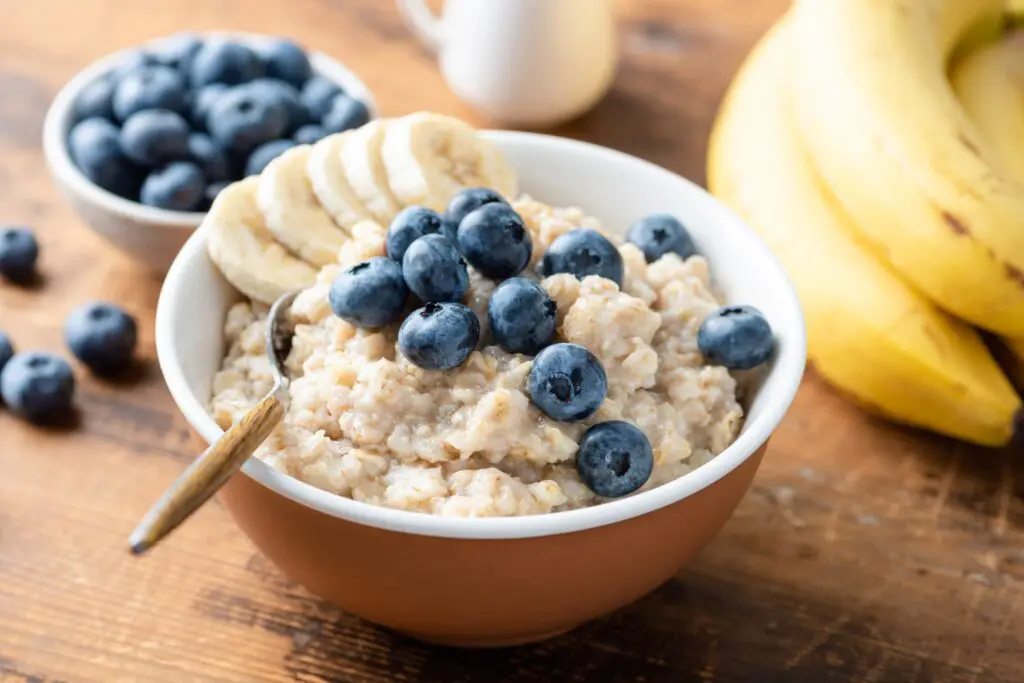
Oats were cheap, filling, and widely available during the war years, so people got creative with them. They weren’t just for breakfast, they were turned into cookies, meat extenders, and even savory dishes when meat was scarce. Now oatmeal is having another moment because people love simple, customizable foods that feel cozy. Overnight oats, oat bowls, and oat-based snacks are all over social media. The humble grain isn’t humble anymore. It’s practically trendy. Funny how something born out of necessity can later be seen as a lifestyle choice.
The oat revival also connects to health trends and plant-based eating. Oat milk, oat snacks, and oat energy bites are everywhere. Companies have figured out how to make oats taste good in almost any format. For a grain that once helped families stretch a meal, it’s doing pretty well for itself today. And honestly, it deserves the love.
5. Canned Fruit
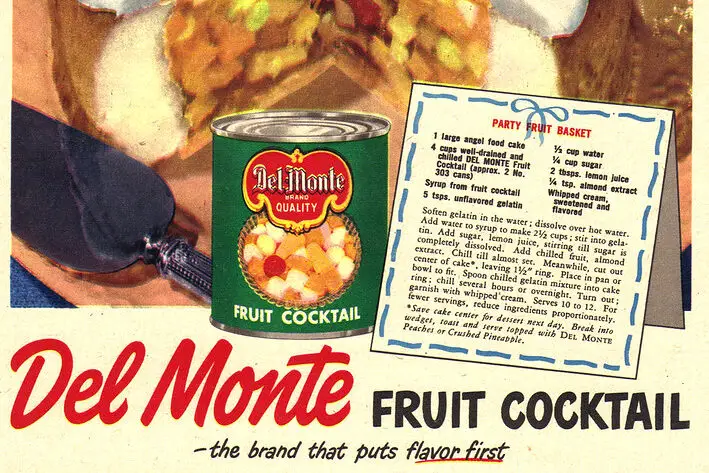
Canned fruit was a wartime staple because it kept forever and made dessert possible at a time when sugar and fresh produce were rationed. A jar of peaches or pineapple felt like a treat, even if it was swimming in syrup. Today canned fruit is cool again thanks to vintage recipes making a comeback, from pineapple upside-down cake to fruit salads that feel retro in the best way. People also love using it in smoothies and baked goods. It’s quick, sweet, and reliable. Sometimes easy really is best.
There’s also something deeply comforting about opening a can and getting that familiar scent of peaches or cherries. Home bakers appreciate that canned fruit behaves consistently in recipes, which means fewer surprises. And the convenience factor is unbeatable. For busy home cooks, it’s a shortcut that doesn’t feel like cheating. Your grandma would definitely approve.
6. Lentil Soup
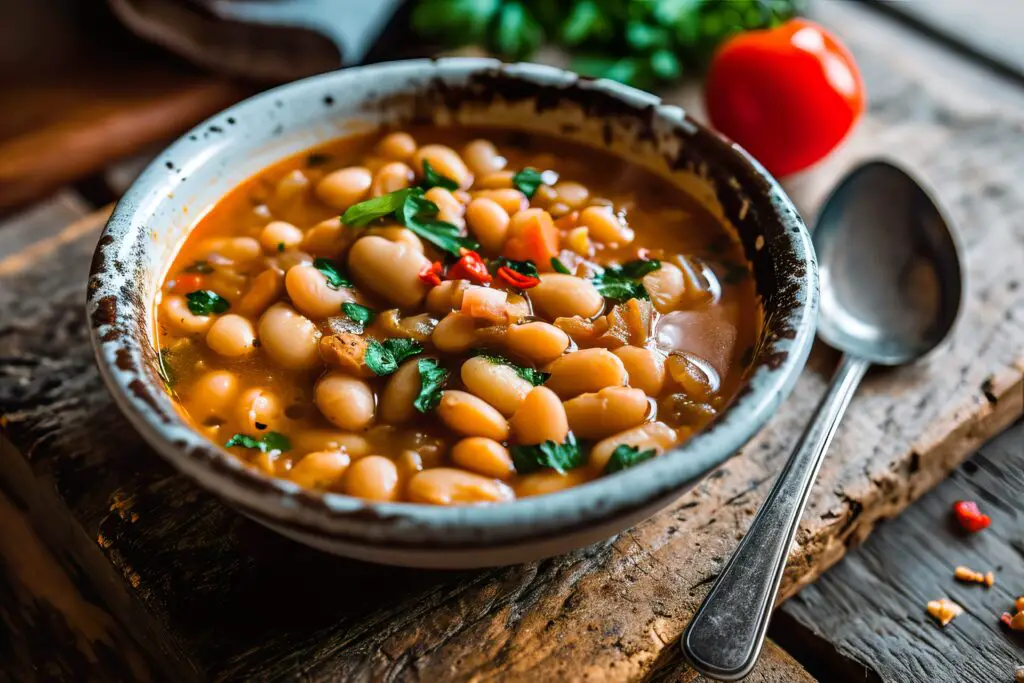
Lentils were a wartime favorite because they were cheap, nutritious, and kept families full when meat was scarce. People relied on simple soups and stews that stretched a pound of food into multiple meals. Now lentils are back thanks to their health benefits and versatility. A bowl of lentil soup feels wholesome and old-fashioned in a comforting way. Plus, it fits into modern plant-forward eating. It’s one of those foods that just works in any era. Economical then, trendy now.
Today’s home cooks are rediscovering how customizable lentils can be, adding spices, vegetables, and herbs to give them new life. They’re a favorite in meal prepping because they reheat beautifully. And for anyone trying to eat more fiber or protein, they’re an easy win. It’s a classic example of a humble wartime staple turning into a modern comfort food.
7. Canned Sardines
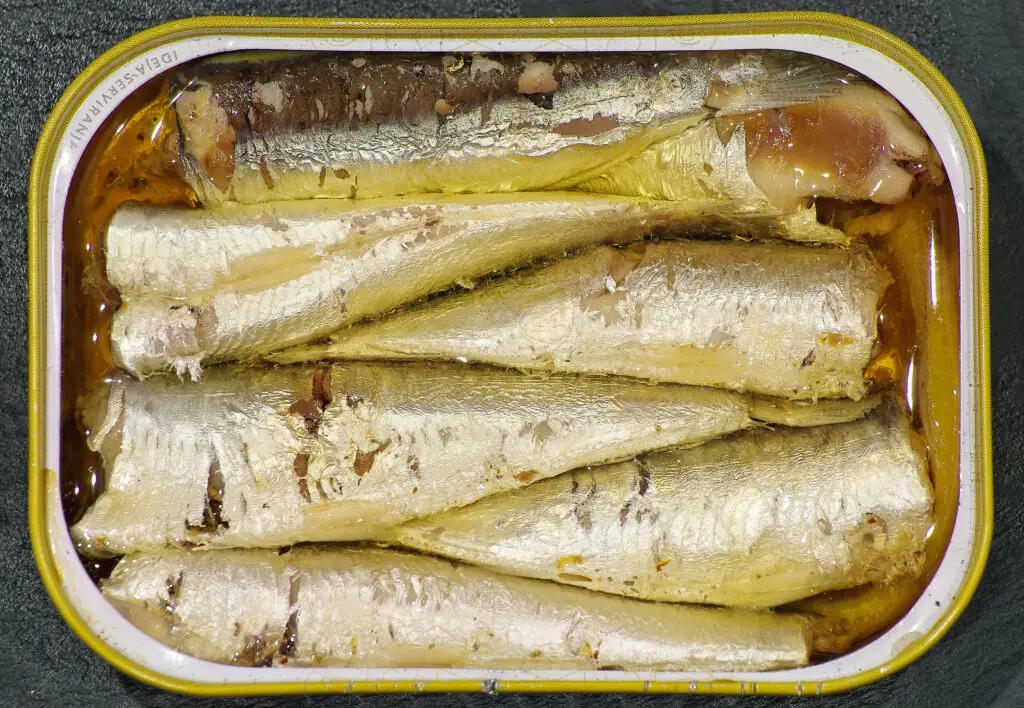
Sardines were popular during the war because they were portable, protein-packed, and didn’t require refrigeration. They weren’t always the most glamorous meal, but they were dependable. Now sardines are back in style thanks to food influencers and the rise of tinned fish boards. People love that they’re sustainable, flavorful, and surprisingly fancy when plated well. Turns out, Grandpa’s favorite midnight snack was ahead of its time. It just needed better marketing.
Today you’ll find sardines dressed up with herbs, crackers, citrus, and even hot honey. They show up on appetizers, lunch menus, and snack plates. High-quality tins from Europe made them appealing to younger generations. And once people tried them, they realized they’re actually delicious. It’s the ultimate glow-up for a food that once lived in the back of the pantry.
8. Cabbage Dishes

Cabbage is one of those vegetables that shows up in every era because it’s hardy, cheap, and lasts forever. During wartime, it went into soups, stews, and slaws because it stretched meals further. Now cabbage is popular again, and people are roasting it, grilling it, and turning it into salads that feel fresh and modern. It’s suddenly getting the respect it never got before. It’s satisfying to watch it finally get its moment. And it proves that simple ingredients can be the most exciting.
The new wave of cabbage recipes isn’t about survival, it’s about creativity. Chefs are turning cabbage wedges into steak substitutes and using shredded cabbage as a base for colorful bowls. It’s nutritious, affordable, and easy to dress up with a good sauce. For a vegetable that was once considered boring, it’s definitely becoming a star.
9. Cornbread and Cornmeal Recipes
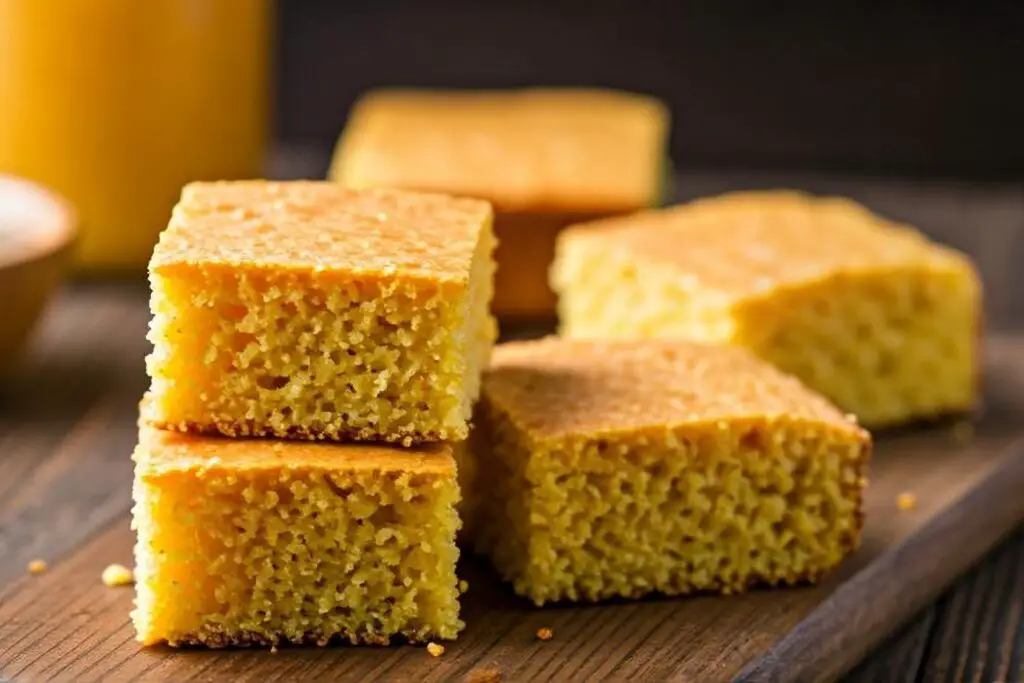
Cornmeal dishes were everywhere during wartime because they were affordable and didn’t rely on scarce wheat flour. Cornbread, cornmeal mush, and even fried cakes showed up on dinner tables nationwide. Now cornbread is having a revival thanks to comfort-food trends and regional pride. People are experimenting with new mix-ins, from jalapeños to honey butter. It’s fun to watch something so simple get so much modern love. And it’s one of the easiest nostalgic foods to bring back.
Home cooks also like that cornmeal is inexpensive and incredibly versatile. It can be savory or sweet, rustic or refined. Cornmeal pancakes, polenta bakes, and skillet breads have all made their way into weekly meal plans. The old wartime staple has turned into a modern comfort classic. It’s nice when history tastes this good.
10. Rice Pudding
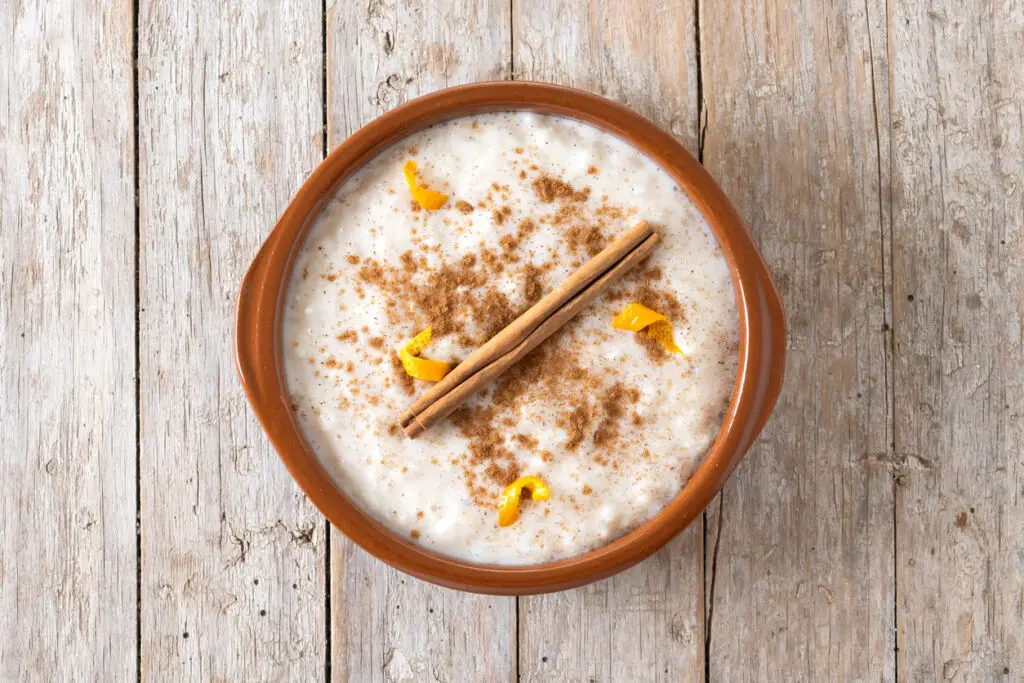
Rice pudding was a wartime creation that made use of inexpensive staples like rice, milk, and sugar. Families turned to it when they needed a filling dessert without many ingredients. Today rice pudding is popular again, especially with people leaning into nostalgic treats. It feels cozy, creamy, and comforting. Plus, it’s incredibly customizable with spices, fruit, or chocolate. It’s the dessert equivalent of a warm hug.
Modern versions use everything from coconut milk to espresso, and people love turning it into a breakfast option too. Meal preppers appreciate how well it stores and reheats. And because it’s naturally gluten-free, it fits neatly into many modern diets. It’s a sweet comeback for a dish that once helped families stretch their resources.
11. Peanut Butter and Honey Sandwiches
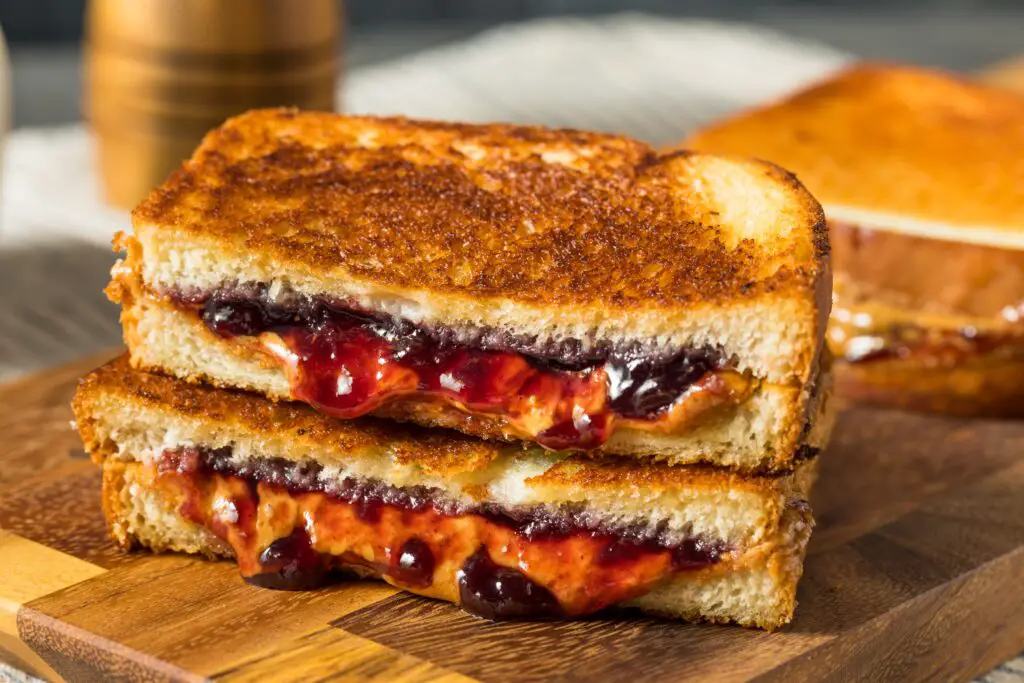
Peanut butter sandwiches helped families get through rationing when meat was limited and protein was hard to come by. Adding honey was a sweet bonus when sugar was scarce. Today this simple sandwich is back in the spotlight as people search for nostalgic, no-fuss meals. It’s quick, cheap, and comforting. Adults love it just as much as kids. And it captures that feeling of old-school simplicity that people are craving again.
The modern twist is all about fancy bread, artisan peanut butter, and high-quality honey. Some people add banana slices or chia seeds to give it a trendy touch. But even the basic version holds up beautifully. A wartime lunch staple has become a comfort-food favorite for busy days. It’s proof that simple food often wins.
12. Stewed Tomatoes
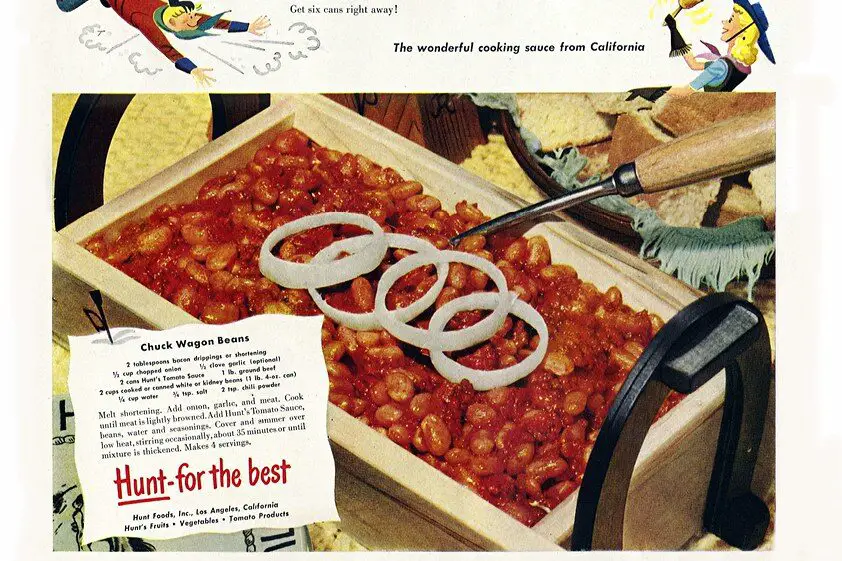
Stewed tomatoes were common during wartime because canned goods were accessible, and fresh produce wasn’t guaranteed. People used them in casseroles, sides, and sauces to add flavor without needing much else. Now stewed tomatoes are popular again with home cooks who appreciate simple, rustic recipes. They bring a cozy, home-cooked feeling to pasta, grains, and soups. And they make even the simplest meals feel more complete. It’s the kind of food that brings a little warmth to the table.
These days, people use stewed tomatoes to simplify weeknight cooking, especially for one-pot meals. They’re flavorful, reliable, and surprisingly versatile. Add herbs, garlic, or a splash of broth, and you’ve got an instant base for dinner. It’s a comeback that proves old-fashioned pantry items never really go out of style.
13. Tapioca Pudding
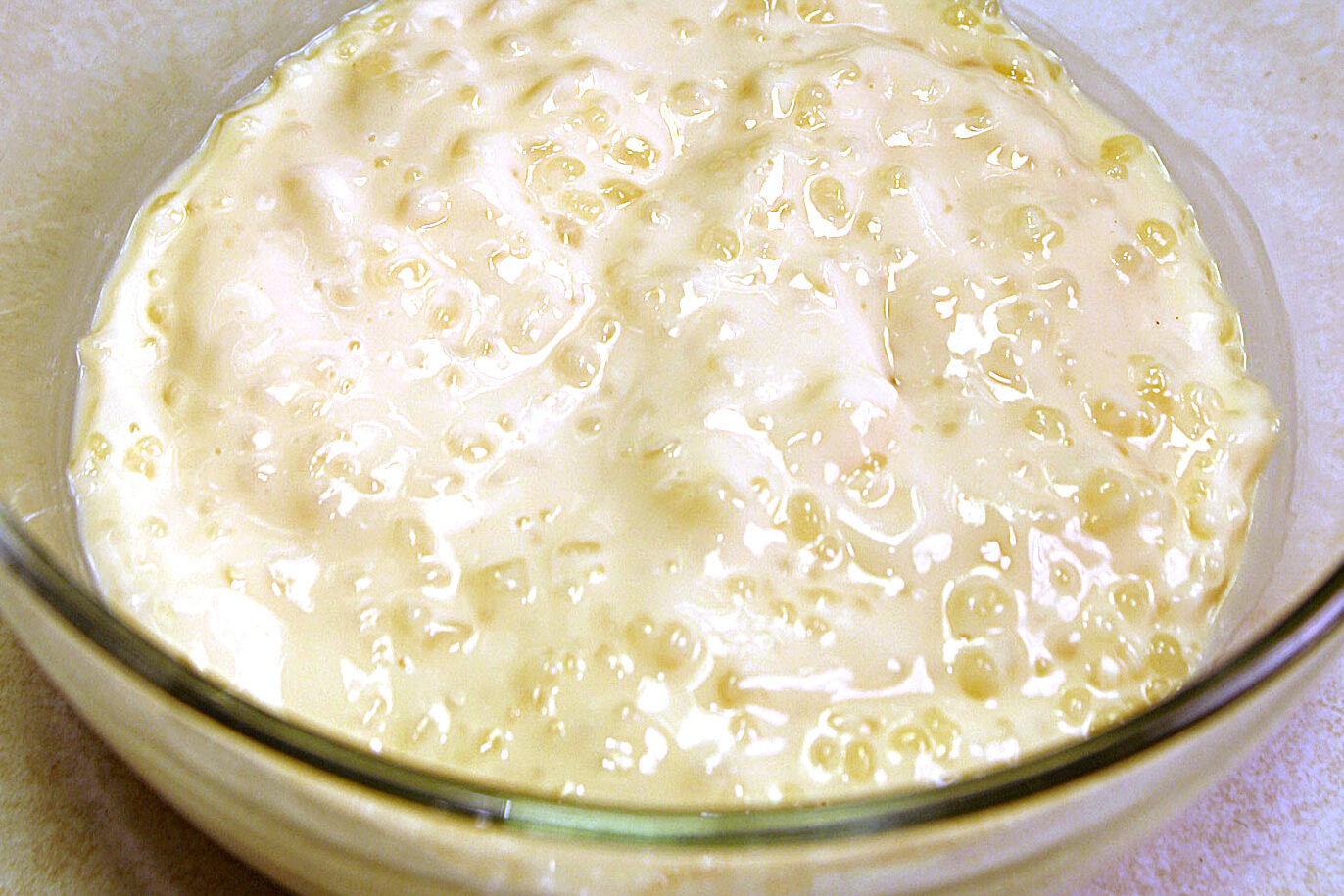
Tapioca pudding was a go-to dessert during wartime because it stretched ingredients and didn’t require many extras. Families relied on it when eggs, sugar, and butter were tightly rationed, and its mellow flavor made it easy to dress up with whatever you had. Today tapioca pudding has quietly slipped back into the spotlight thanks to nostalgia and the renewed love for old-fashioned comfort desserts. It has that soothing, creamy texture people crave when they want something simple. Modern cooks are rediscovering how easy it is to whip up on a weeknight. It’s amazing how a dessert born from rationing somehow feels luxurious now. A little vanilla or cinnamon goes a long way. Suddenly, the pudding your grandparents grew up with is trending again.
The revival is also tied to the larger interest in retro pantry staples. Food bloggers love making stovetop tapioca tutorials that feel calming and cozy. Younger generations are pairing it with seasonal fruit for a fresh twist, and the results are surprisingly elegant. It fits beautifully into meal prep since it chills well and tastes even better the next day. And because the recipe is naturally simple, it fits into a back-to-basics cooking trend that isn’t going anywhere. Turns out, old-school desserts are timeless.
14. Brown Bread in a Can

Canned brown bread was a lifesaver during wartime because it was shelf-stable, dependable, and required no fresh ingredients. It might sound strange today, but families warmed it up for dinner or paired it with beans for a filling meal. Now it’s having a quirky comeback, partly because people love trying novelty foods and partly because it tastes better than its reputation suggests. The retro packaging doesn’t hurt either, it practically screams nostalgia. Social media creators have had a field day slicing it into neat rounds. There’s something charming about reviving a food that once symbolized resourcefulness. It reminds people that convenience foods didn’t start in the 21st century. They just looked a little different.
Today, canned brown bread shows up in camping gear, vintage-recipe videos, and pantry challenge posts. Some people toast it and top it with butter or jam, which makes it feel surprisingly comforting. Others use it as a base for hearty open-faced sandwiches, giving it a modern purpose it never expected. Companies have leaned into the nostalgia wave and kept the recipe almost identical. It’s a fun reminder that creative solutions from the 1940s are still charming today. And honestly, trying it feels like taking a tiny bite out of history.
15. Bean Loaf
Bean loaf rose to popularity during wartime because it mimicked meatloaf when ground beef wasn’t available. Families mashed beans with breadcrumbs, spices, and vegetables to make something hearty enough to stand in for the real thing. Now bean loaf is quietly returning thanks to the rise of plant-based cooking. People love that it’s affordable, filling, and shockingly comforting. It’s one of those recipes that proves simple ingredients can create something special. And it brings that cozy, home-cooked vibe without requiring much work. It has the same charm it did in the ’40s, just with a modern audience.
Today’s versions use lentils, chickpeas, or black beans, depending on what people have in the cupboard. Home cooks enjoy customizing it with different herbs and toppings, giving it way more personality than the original wartime versions. Meal planners appreciate how well it slices and reheats, which makes it great for a week of lunches. And food bloggers have given it a second life by turning it into a creative alternative for meatless Mondays. For a dish that once filled rationing gaps, it’s doing pretty well in the spotlight. It’s a satisfying comeback for a forgotten classic.
16. Molasses Cookies
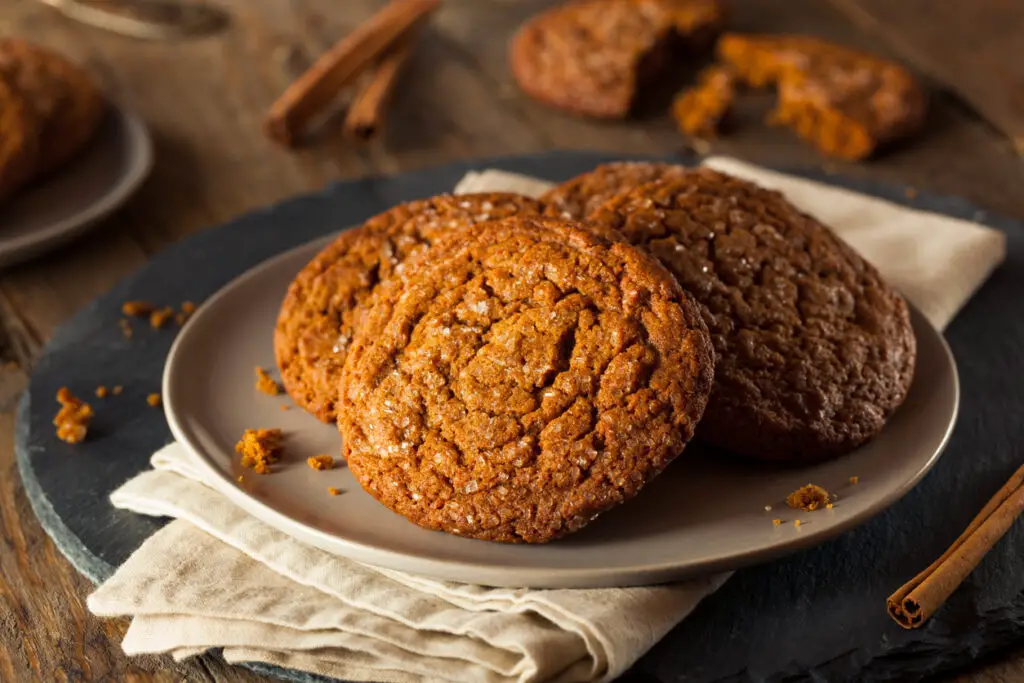
Molasses became a wartime favorite because it was easier to find than white sugar, which meant families used it in everything. Molasses cookies were especially loved because they felt sweet and warm even without lots of butter or refined sugar. Now molasses cookies are popular again thanks to the resurgence of vintage baking. Their deep, cozy flavor fits perfectly into the modern obsession with “heritage recipes.” They’re the kind of cookie that makes the whole kitchen smell nostalgic. And people love that they’re simple to make with pantry staples. A treat that once emerged out of necessity is now beloved for its old-fashioned charm.
Today you’ll see molasses cookies popping up in bakeries, recipe blogs, and holiday cookie boxes. Bakers experiment with spices and textures, making them chewy, crisp, or even gluten-free. Some people sandwich them with cream cheese frosting, creating a retro-meets-modern dessert that feels indulgent. The flavor alone takes people right back to their grandparents’ kitchens. And the recipe is durable, forgiving, and endlessly adaptable. It’s no surprise they’re trending again in a world hungry for comfort.
17. Carrot Marmalade

Carrot marmalade was popular during wartime because citrus was rationed, but carrots could mimic marmalade’s color and sweetness when cooked down with sugar. Families spread it on toast, stirred it into cakes, or used it as a rare sweet treat. Today carrot marmalade is reappearing as people rediscover vintage canning recipes and experiment with unique spreads. It’s surprisingly bright and flavorful, especially when paired with spices or a hint of lemon. The idea of turning a humble vegetable into a dessert-like preserve feels very “make-do and mend.” And it delights people who love quirky or old-fashioned recipes. It’s exactly the kind of thing that fascinates modern home cooks.
Canning communities online have embraced carrot marmalade because it gives them something fun and unusual to share. It pairs beautifully with cheese boards, which instantly makes it feel fancier than its humble roots suggest. Some people swirl it into yogurt or oatmeal for a sweet pop of color. It’s versatile, economical, and full of nostalgic charm. And the fact that it started as a wartime workaround makes its comeback feel even sweeter.
18. Liver Spread
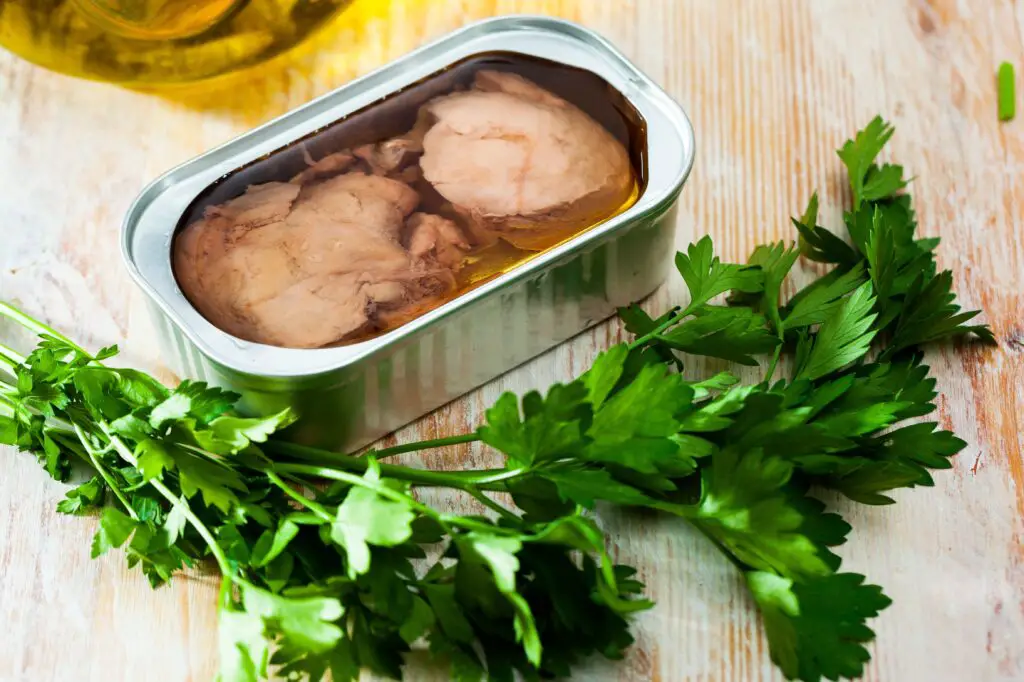
Liver spread was a common wartime food because it was inexpensive, nutritious, and could be stretched into sandwiches or served with crackers. Families used it as a protein source when meat was rationed and supplies were unpredictable. Today liver spread is returning, especially among people exploring old-fashioned pâtés and heritage recipes. It surprises many with its rich, savory flavor and smooth texture. The modern foodie crowd has embraced it more quickly than expected. It’s one of those foods you don’t think you’ll like until you try it. And then it becomes oddly satisfying.
Chefs have helped revive liver spreads by reintroducing them on charcuterie boards and small plates. Home cooks like that it pairs well with pickles, mustard, and crusty bread, making it feel elevated rather than utilitarian. The spread has also benefited from the nose-to-tail movement, which values using every part of the animal. What was once wartime practicality is now seen as culinary mindfulness. It’s a comeback only the food world could have predicted, but it works.