
1. Liver and Onions
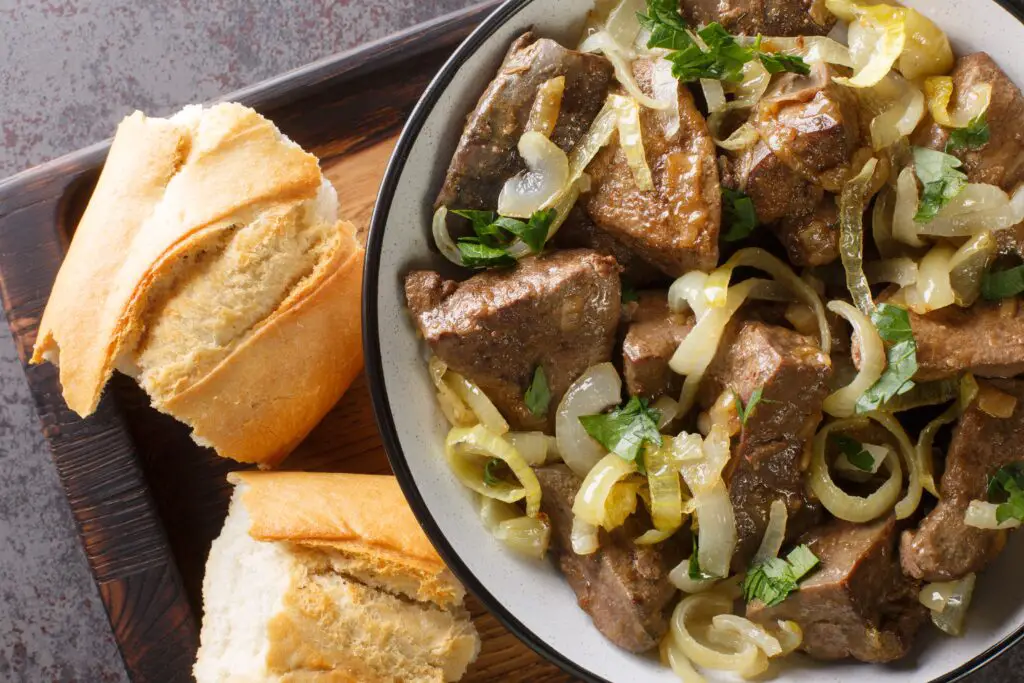
For many families, liver and onions showed up on the dinner table at least occasionally, especially in the ’50s through the ’70s. It was inexpensive, widely available, and considered extremely nutritious because it is rich in iron and vitamin A. Parents often served it with a big pile of fried onions to soften the strong flavor. Kids frequently dreaded the night they smelled it cooking in the kitchen. Even people who grew up eating it still remember that unmistakable aroma filling the house.
Today, liver has largely disappeared from everyday home cooking in the United States. While some people still enjoy it, many adults quietly admit they never liked it much in the first place. Modern grocery stores stock far less organ meat than they once did. Changing tastes and easier access to other proteins helped push liver out of the regular dinner rotation. Still, plenty of people have vivid memories of sitting at the table trying to get through just one more bite.
2. Spam
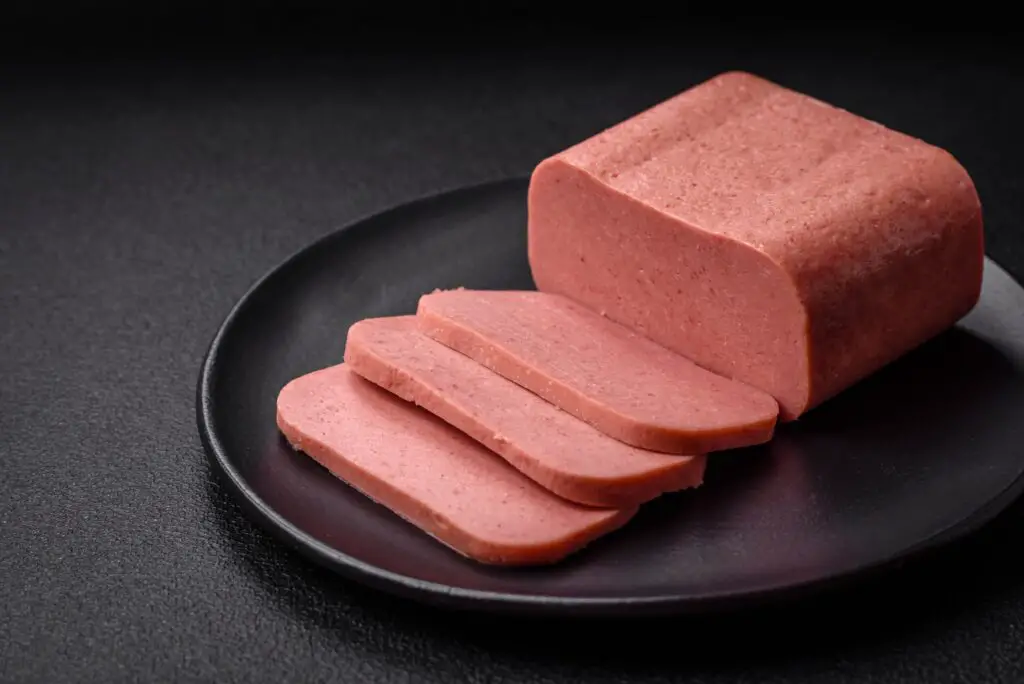
Spam became a household staple during World War II when fresh meat was rationed. The canned pork product was affordable, shelf stable, and easy to cook in a frying pan. Many families continued serving it long after the war ended because it was convenient and inexpensive. Kids often ate it sliced and browned alongside eggs or tucked into a sandwich. In some households it showed up so often that people could recognize the sound of the can opening from across the house.
Today Spam still has devoted fans, but many people feel oddly embarrassed admitting they grew up eating it regularly. In some places it became associated with tight budgets or convenience meals. That reputation caused it to lose some cultural prestige even though it never disappeared completely. Interestingly, Spam remains hugely popular in places like Hawaii and parts of Asia. For many Americans, though, it is a food tied closely to childhood memories rather than current dinner plans.
3. Bologna Sandwiches
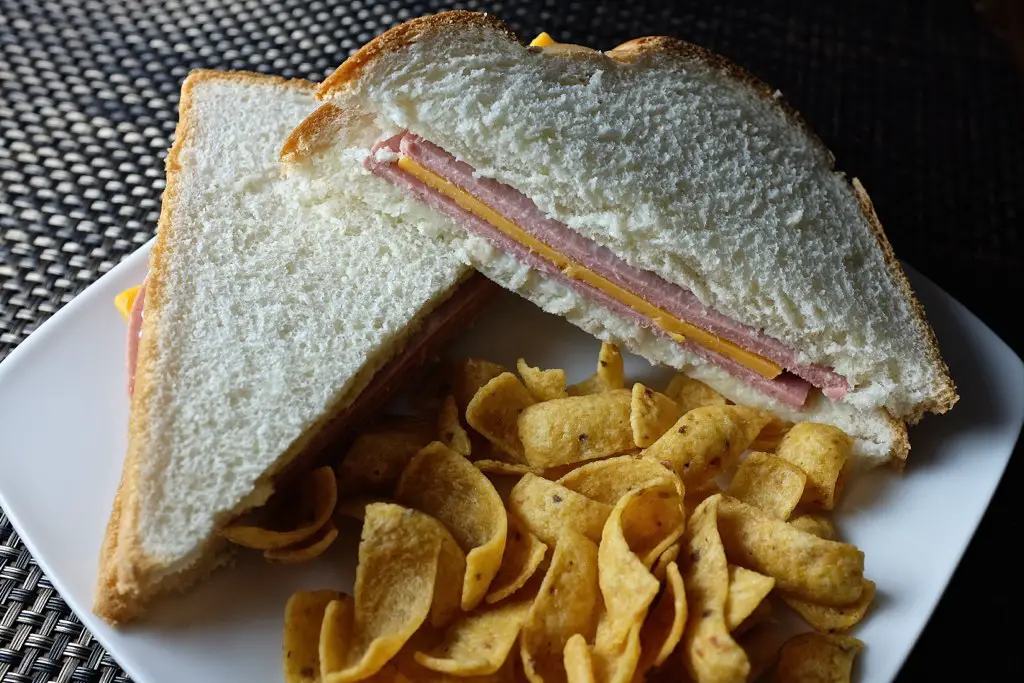
Bologna sandwiches were a classic school lunch for decades. A few slices of bologna on white bread with mustard or mayonnaise could be assembled in seconds. Parents packed them in lunchboxes because they were cheap and easy to store in the refrigerator. Kids often paired them with chips, an apple, or a small dessert. For many families, it was one of the most common weekday lunches imaginable.
As adults, people often laugh about how frequently they ate bologna growing up. The processed meat has developed a reputation as a low quality lunch option compared with deli meats. Many people quietly swapped it out for turkey, ham, or other alternatives as they got older. Yet bologna remains widely available in grocery stores across the country. The familiar pink slices still instantly remind people of school cafeterias and brown paper lunch bags.
4. Tuna Noodle Casserole
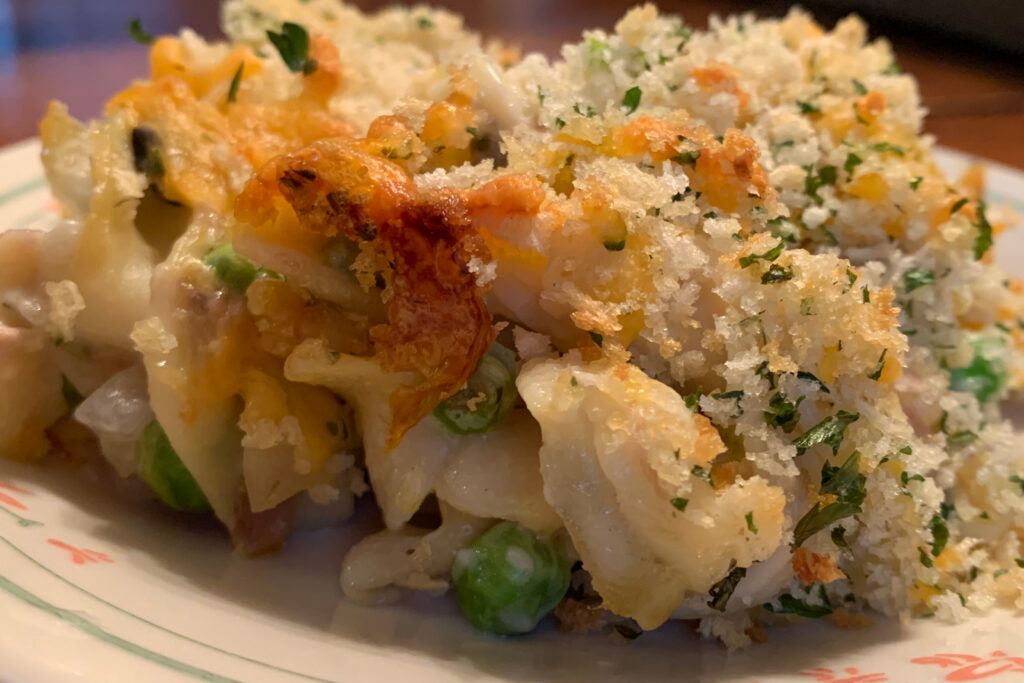
Tuna noodle casserole was a weeknight classic in American homes for much of the 20th century. The dish usually combined canned tuna, egg noodles, and a can of condensed cream of mushroom soup. Many versions were topped with breadcrumbs, potato chips, or crushed crackers before baking. It was popular because it was filling and inexpensive to make for a whole family. The ingredients were pantry staples that could sit in the cupboard until needed.
These days, tuna noodle casserole does not show up nearly as often at dinner tables. Some people now see it as a symbol of mid-century convenience cooking. Others simply moved toward fresher ingredients and lighter meals. Still, the dish remains deeply nostalgic for those who grew up eating it. One bite can bring back memories of weeknight dinners and the familiar clatter of casserole dishes coming out of the oven.
5. Creamed Chipped Beef on Toast
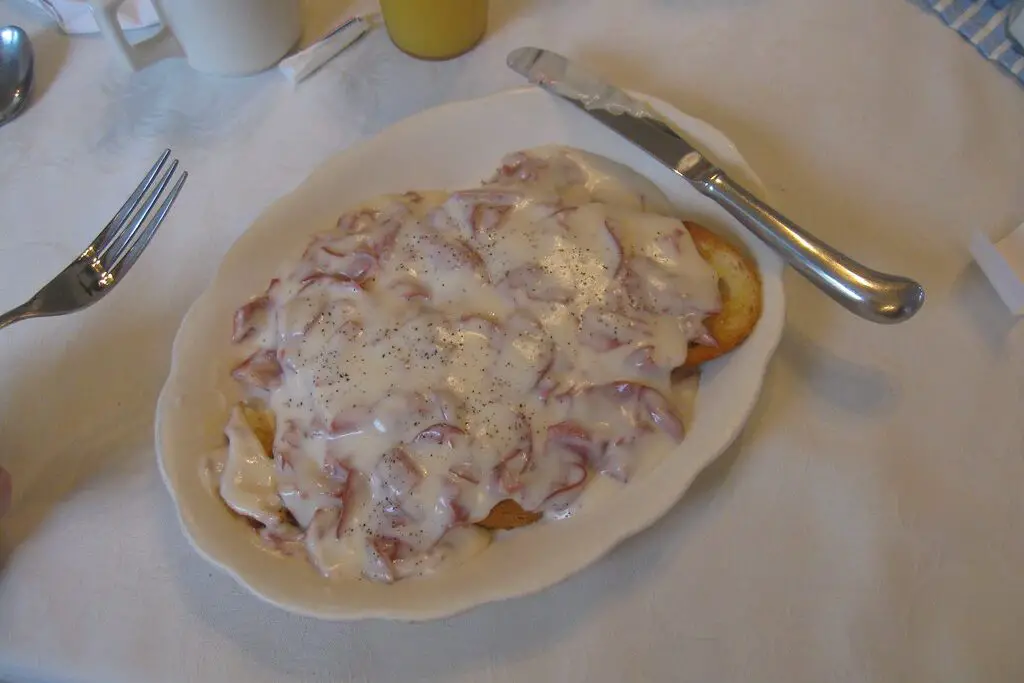
Creamed chipped beef on toast, sometimes nicknamed “SOS,” was once a very common comfort food. The dish uses dried beef cooked in a thick white gravy and poured over toasted bread. It became popular partly because dried beef was inexpensive and stored well. The recipe was also widely served in the U.S. military during the 20th century. Many veterans brought the dish home and continued cooking it for their families.
Today, creamed chipped beef is far less common in everyday cooking. Some people remember it fondly, while others recall it as a meal that appeared when groceries were running low. The salty flavor of the dried beef was distinctive and hard to forget. Although it still appears in some diners and regional kitchens, it has mostly faded from mainstream home cooking. Even so, the name alone can instantly spark memories for people who grew up with it.
6. Jell-O Salads
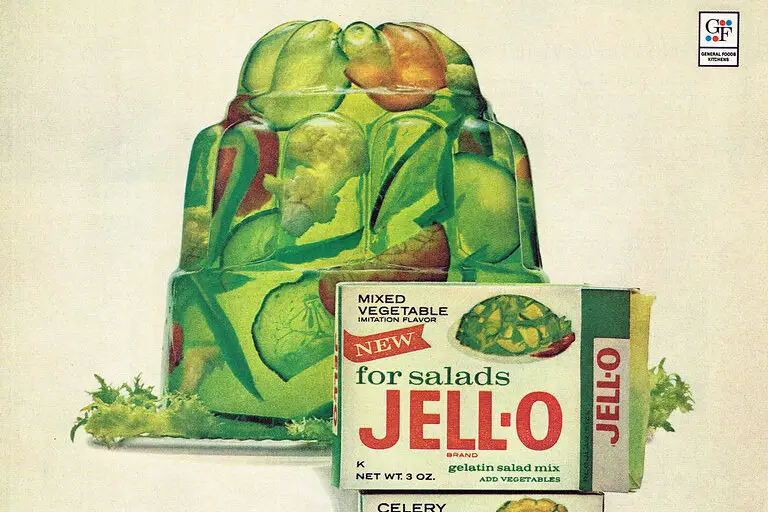
Jell-O salads were a staple at family dinners, church gatherings, and potlucks for decades. These dishes often combined flavored gelatin with fruit, whipped topping, or even vegetables. Some versions included shredded carrots, cottage cheese, or marshmallows. The bright colors and molded shapes made them feel festive. In the mid-20th century, gelatin recipes were heavily promoted in magazines and cookbooks.
Today, many people look back at these creations with a mixture of nostalgia and disbelief. The idea of vegetables suspended in lime gelatin now seems unusual to many diners. Food trends have shifted toward fresher ingredients and less processed desserts. Still, vintage gelatin molds occasionally reappear at holiday gatherings. They serve as a reminder of how creative home cooks once got with a simple box of gelatin.
7. Meatloaf with Ketchup Glaze
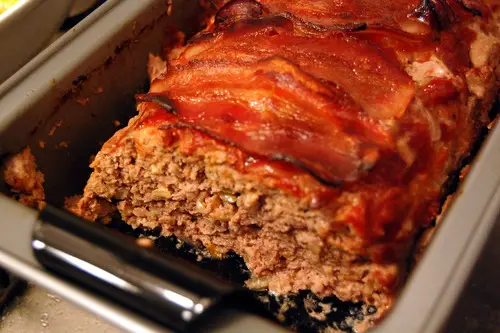
Meatloaf has long been a cornerstone of American comfort food. Ground beef mixed with breadcrumbs, eggs, and seasonings formed a hearty meal that could feed a large family. Many recipes were topped with a thick layer of ketchup before baking. The dish was especially popular during the Great Depression and remained common for decades afterward. It was practical, affordable, and easy to stretch with filler ingredients.
Even though meatloaf still exists today, it sometimes carries a reputation as an old fashioned dinner. Many people who grew up eating it every week joke about how tired they became of it. Others remember it fondly as a classic home cooked meal. Restaurants occasionally offer updated versions with gourmet twists. But for many people, the image that comes to mind is still a loaf pan and a glossy red ketchup topping.
8. Powdered Drink Mixes
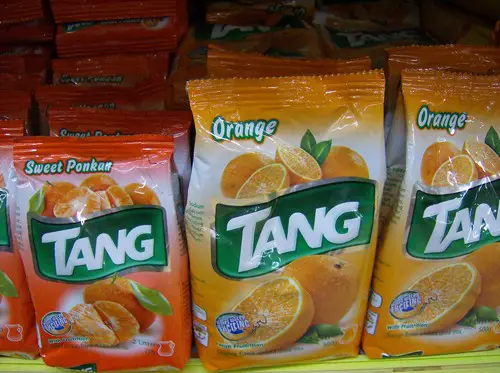
Powdered drink mixes were extremely popular with families during the ’60s, ’70s, and ’80s. Products like Tang and Kool-Aid allowed parents to make large pitchers of flavored drinks for very little money. Kids often loved the bright colors and strong sweetness. In some households, these drinks appeared daily at dinner or after school. They were easy to store in the pantry and simple to prepare.
Today many families try to limit sugary drinks, which has changed how people view these mixes. Some adults now look back and realize how much sugar they were drinking as kids. Health trends have pushed water, unsweetened tea, and other alternatives into the spotlight. Still, those neon colored drinks remain tied to childhood memories for many people. The taste alone can instantly transport someone back to a summer afternoon decades ago.
9. TV Dinners

Frozen TV dinners became hugely popular in the 1950s after companies like Swanson introduced them nationwide. Each tray typically included a main dish, vegetables, and a dessert in separate compartments. Families often ate them while watching television, which gave the meals their name. They were convenient and required almost no preparation. Busy households quickly embraced the idea of a ready made dinner.
Although frozen meals still exist, the original style TV dinner has lost much of its cultural appeal. Modern consumers often prefer fresher ingredients or restaurant takeout. Early versions were also known for very simple flavors and basic ingredients. Even so, the aluminum tray and divided sections remain iconic. For many people, they represent a moment when television and convenience foods began shaping family routines.
10. Vienna Sausages
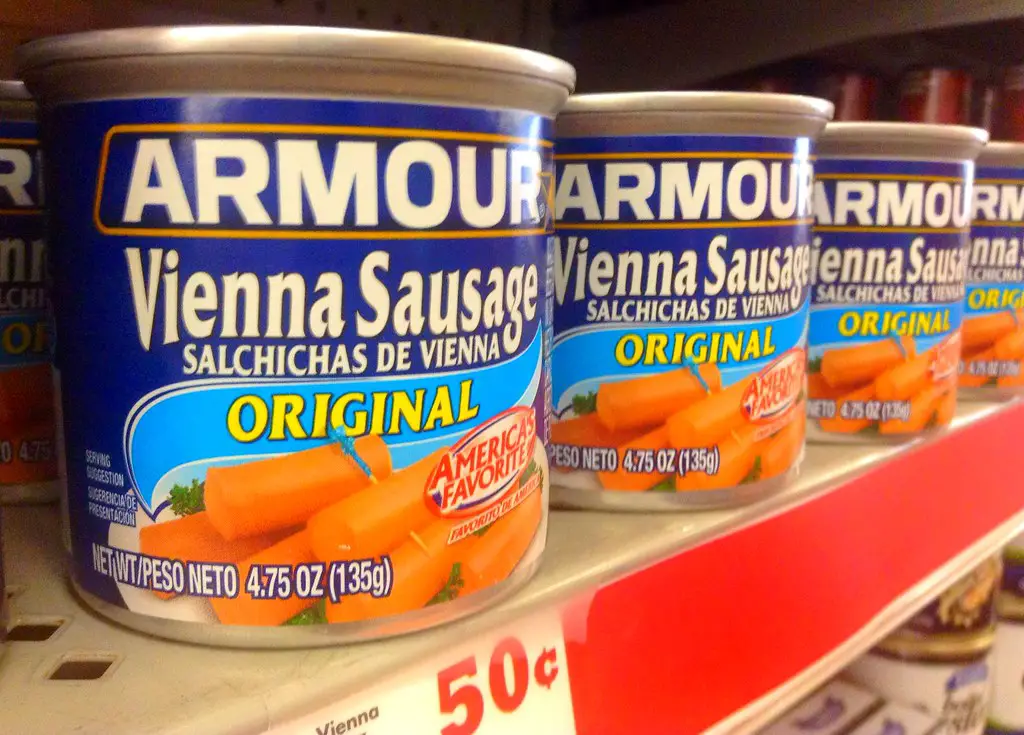
Vienna sausages are small canned sausages that have been around since the early 20th century. They became popular because they were inexpensive and had a long shelf life. Some families packed them in lunches or served them as quick snacks. Kids sometimes ate them straight from the can with crackers. They were a convenient option when there was little time to cook.
Today, many people admit they rarely eat Vienna sausages anymore. The soft texture and canned presentation feel less appealing compared with fresher options. Still, they remain widely sold and continue to have loyal fans. For some people, they are tied to camping trips, road trips, or simple childhood lunches. The tiny sausages might not appear at many dinner tables today, but they are far from forgotten.
11. White Bread and Butter
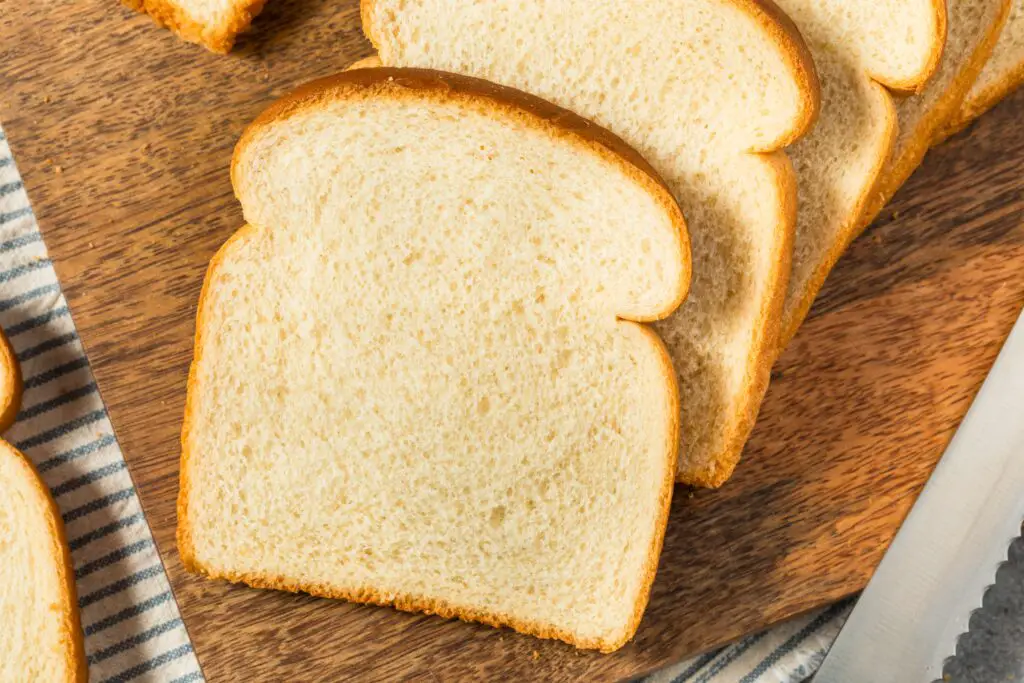
For much of the 20th century, white bread was the default bread in American homes. Brands like Wonder Bread were heavily marketed and widely available. Families often served slices with butter alongside dinner. Kids also ate it toasted for breakfast or used it for nearly every sandwich. The soft texture and mild flavor made it appealing to children.
In recent decades, many people shifted toward whole grain or artisanal breads. Nutrition guidelines began encouraging more fiber and less refined flour. As a result, plain white bread lost some of its everyday status. Yet it remains deeply nostalgic for many adults who grew up eating it constantly. Just the smell of toasted white bread can instantly bring back childhood memories.
12. Ambrosia Salad
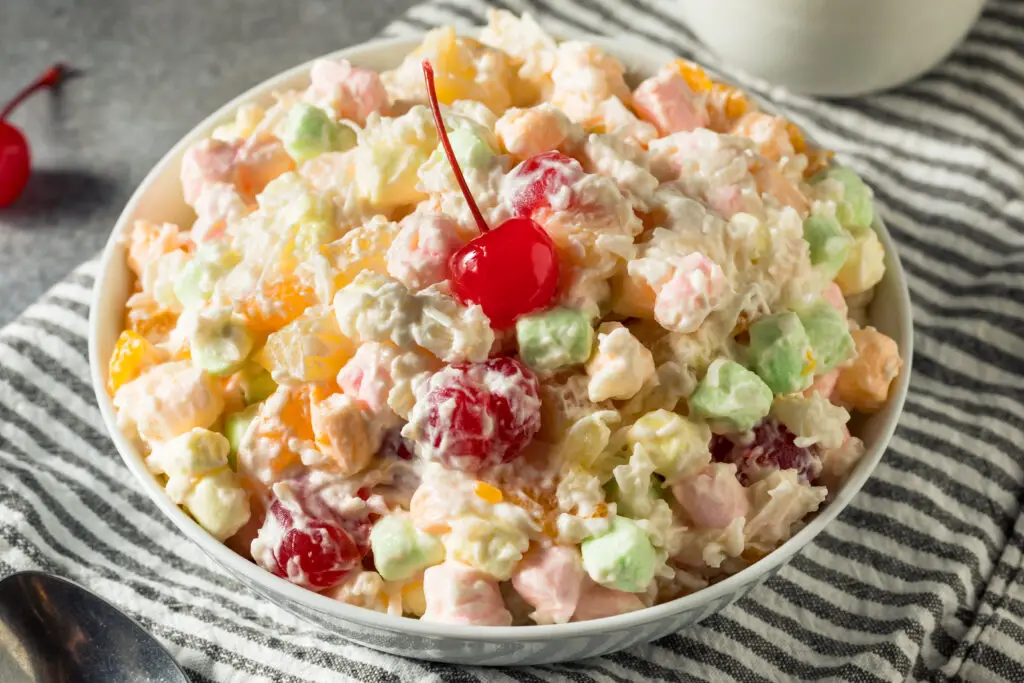
Ambrosia salad has been part of American holiday tables since the late 19th century. The dish usually includes canned pineapple, mandarin oranges, coconut, and mini marshmallows. Many versions are mixed with whipped topping or sour cream. It was especially popular at potlucks and family gatherings throughout the mid-20th century. The sweet, fluffy mixture became a familiar sight at Thanksgiving and Easter.
Today ambrosia salad is far less common at everyday meals. Some people still enjoy it during holidays, but others see it as a relic of older cooking styles. The combination of fruit and marshmallows can surprise younger diners who did not grow up with it. Despite that, the dish continues to appear in vintage recipe collections. For those who remember it, ambrosia instantly evokes family gatherings and crowded holiday tables.
13. Hot Dogs and Beans
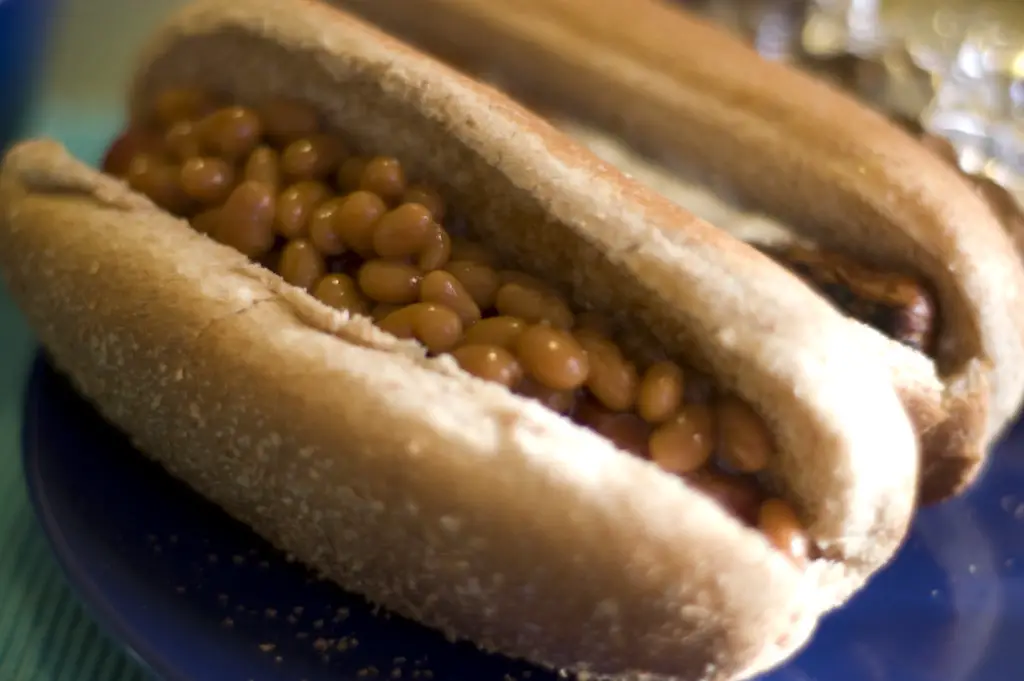
Hot dogs and baked beans formed a quick, filling meal in many households. The dish required very little preparation and could feed several people cheaply. Parents often sliced hot dogs into the beans to stretch the meal further. It was especially common on busy weeknights or casual weekends. Many kids remember eating it while watching television or playing board games afterward.
As adults, people sometimes laugh about how often this meal appeared growing up. It was practical but not exactly glamorous. Modern dinners often feature more variety and fresh ingredients. Even so, hot dogs and beans still appear at cookouts and simple family meals. For many people, the combination remains one of the most recognizable flavors of childhood.